
Choosing the Perfect Occasional Tables for 2026: A Homeowner’s Review
Posted by Admin on
Ever found yourself standing in a living room, staring at the empty space where a little touch of character could change everything? That's the spot where an occasional table steps in.
Think of it like that perfect cup of tea on a rainy afternoon – just enough warmth to bring the room together without stealing the spotlight.
And here’s where we come in. At Harvey Bruce Interiors, we’ve spent years curating pieces that do exactly that – elevate, inspire, and add a dash of luxury.
So, what’s an occasional table, really? It’s more than a surface; it’s a statement. A nod to style, a place for a vase, a spot to rest a book.
Picture your entryway, a sleek console table from our wooden console collection, then imagine adding a slender side table in the corner – that’s a simple yet powerful touch.
You might ask, does a tiny table really matter? Absolutely. It’s the visual cue that invites you to pause, to set down your coffee, and to enjoy the moment.
And for the eco‑mindful, we’ve sourced materials that are not only stunning but also sustainably harvested – because style shouldn’t cost the planet.
When you pick the right occasional table, you’re setting the tone for the rest of the room. It’s like choosing the right soundtrack for a scene.
So, take a moment, walk into your space, and ask yourself: which piece can bring that missing whisper of personality?
That’s our promise – a curated selection that feels personal, feels luxurious, and feels like home. Let’s dive in and discover the right fit for you.
Imagine placing a glass jar of fresh flowers on that table, letting the scent mingle with the room’s subtle aromas. It’s a simple, elegant upgrade.
Or, if you’re a bookworm, set a stack of your latest reads beside a steaming mug – the table becomes a cozy corner of comfort.
TL;DR
At Harvey Bruce Interiors, we show you how a carefully chosen occasional table can transform a room’s vibe, turning an empty space into a cozy, stylish anchor. Pick a piece that speaks to your lifestyle—whether you love rustic charm or sleek modern lines—and let it become the subtle focal point that invites conversation and comfort.
Choosing the Right Shape and Size for Your Occasional Table
Ever stared at an empty corner and wondered what could make that space feel alive? A well‑chosen occasional table is the secret sauce—small yet powerful, it anchors the room and invites conversation.
We’re not talking about a massive coffee table that dominates the floor; we’re talking about a piece that fits the room’s scale like a hand‑made fit for your living room or entryway.
Shape starts with the vibe you want. A round table feels like a gentle hug, easing a cramped nook. A rectangular shape echoes clean lines, great for a formal living area.
Size is about proportion. Measure the room’s width and height, then pick a table that’s 75‑90 % of the room’s width for balance. A 90‑cm square often works wonders.
Think of the furniture that already sits there. If you have tall bookshelves, a low‑profile table keeps the eye line clear. If your sofa is low, a taller table adds depth.
We love seeing a corner table tucked against a wall, its surface catching a warm lamp. That small statement piece can double as a gallery spot or a dish rack, depending on your style.
Do you have pets that love to curl on a surface? A low‑profile, rounded table keeps them safe while still offering a place to display a plant or a book.
That quick video shows how a simple shape can shift the room’s energy. Notice the light catching the edges—those subtle reflections are what bring a table to life.
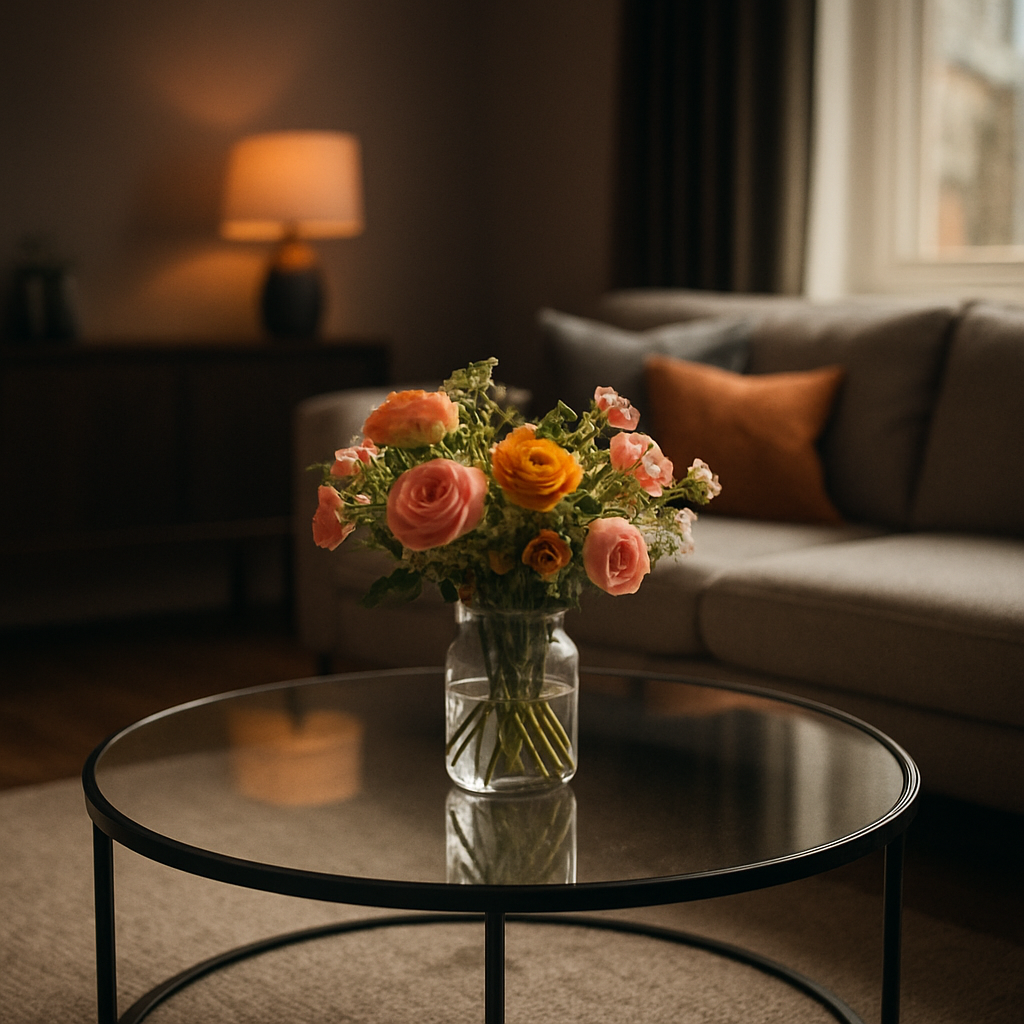
When you’re choosing, keep the room’s purpose in mind. A table in a dining area should be sturdy enough for plates; one in a lounge can be lighter and more decorative.
The final trick? Test the placement physically. Place a mock‑up on a rug or a cardboard cutout to feel how it moves. Trust your instinct—if it feels right, it’s probably the right fit.
So, what’s the takeaway? Pick a shape that echoes your space, size that respects the room’s scale, and a surface that plays to your lifestyle. Then sit back, light a candle, and watch the room settle.
If you’re still torn between a square or a rectangle, try measuring the doorways. A square might hug the wall nicely, but a rectangle can glide along the length of a hallway, making the flow feel effortless.
Remember, the right table feels like a missing puzzle piece—delightfully surprising but undeniably fitting.
Make it yours today.
Material Matters: Wood, Metal, Glass, and Mixed Options for Occasional Tables
Ever stared at a blank corner and thought, "I could use a table that tells a story?" The material you pick does more than look good – it shapes how you live with that piece. Let’s unpack wood, metal, glass and the clever hybrids that let you mix textures without breaking the vibe.
Wood is the old‑school hero. Think of a polished walnut side table that feels warm against your skin. The grain adds character; a light varnish keeps it clean. But wood isn’t just about looks. Sustainable hardwoods can last decades if you treat them right. The trick? Pick a finish that resists scratches and spots – a clear oil or a satin polyurethane. A quick wipe with a microfiber cloth keeps the shine and protects the finish for years. If your home has pets or kids, a lower‑profile wood table can hide tiny claws or sticky fingerprints.
Metal, on the other hand, screams modern minimalism. Stainless steel legs paired with a glass top give a light, airy feel. The metal’s durability means no warping, and cleaning is a breeze – a quick damp rag and you’re good to go. The downside? Metal can scratch and sometimes feels cold under your hand. A brushed finish adds texture and hides fingerprints better than a glossy look. If you want that industrial edge, look for tables that combine metal frames with wooden tops – they marry the best of both worlds.
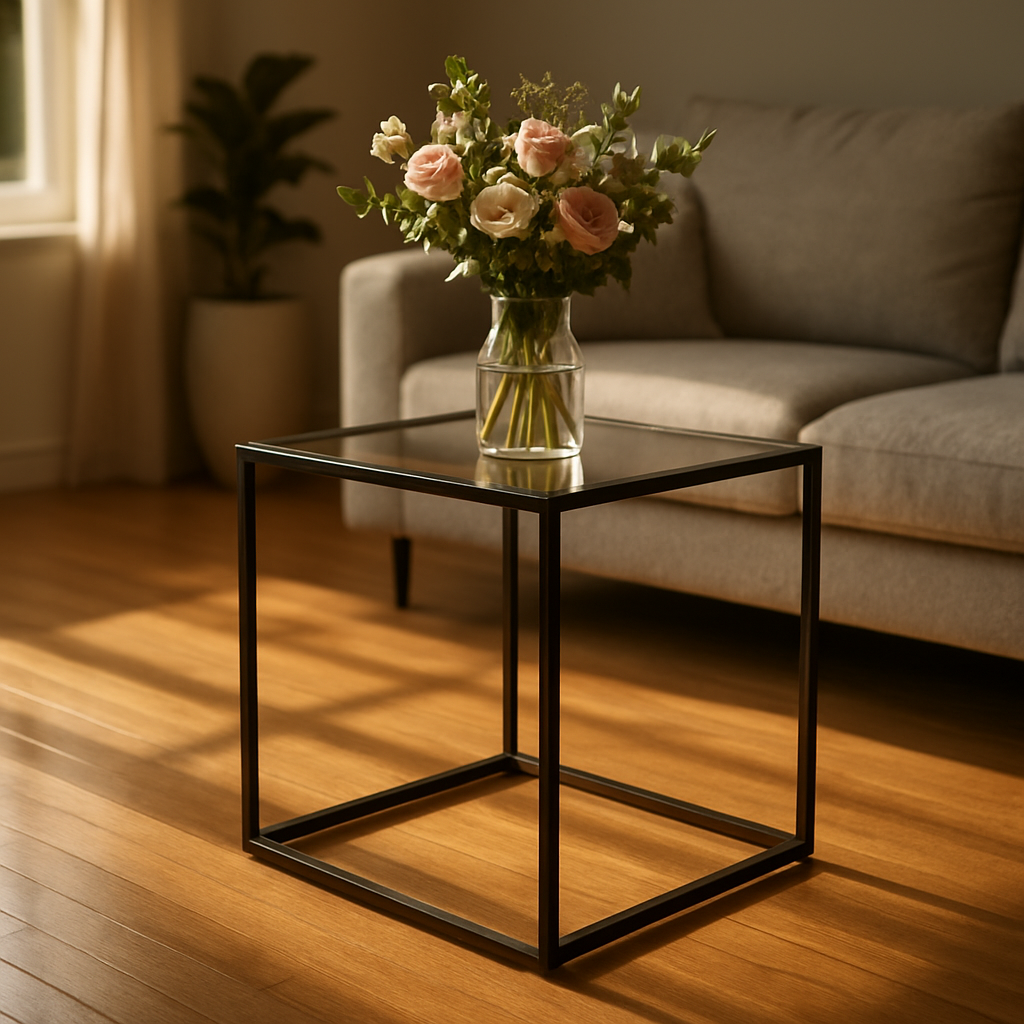
Glass is the wild card. A clear tempered glass top offers a sleek surface that makes the surrounding décor pop. The surface is easy to clean, but you’ll want to avoid placing hot mugs directly on it. For a soft look, pair a glass top with a base of natural stone or reclaimed wood. The contrast brings depth and keeps the table from feeling too glass‑heavy.
Mixed‑material tables are the new trend. Picture a round table with a walnut base, a brushed steel foot, and a glass top. You get the warmth of wood, the coolness of metal, and the transparency of glass – all in one. The key is balance; let one material dominate while the others provide subtle accents. It’s a perfect fit for homes that love a blend of classic and contemporary.
What about practicality? Here’s a quick decision checklist: Durability (wood or metal > glass), Maintenance (metal > glass > wood), Cost (glass is usually cheaper, high‑grade wood is pricier). Luxury Occasional Tables for Elegant Interiors showcases options that meet all three criteria.
Now, let’s look at a side table that hits the sweet spot. The Rutland Collection Side Table sports a walnut top, steel legs and a tempered glass surface – a mix that feels both solid and airy. Its size works in small nooks without looking heavy. If you’re in a modern living room, this table can double as a gallery spot for a framed print or a plant that thrives on a sunny sill.
Curious about how glass can elevate a space? Check out 30 Stunning Modern Nature Wall Art Prints to Transform Your Space – it’s a great complement to a glass‑top table, bringing natural motifs right to the tabletop.
And for a desert‑inspired vibe that pairs wonderfully with a sleek metal table, Discover the Guardian of the Desert Art Print can add a splash of color that feels both wild and refined.
| Material | Durability | Maintenance | Typical Cost |
|---|---|---|---|
| Hardwood (walnut, oak) | High – with proper finish, lasts decades | Medium – requires occasional oiling or polishing | £300‑£800 |
| Metal (steel, aluminum) | Very high – resistant to warping, dents minimal | Low – wipe‑down only | £200‑£600 |
| Glass (tempered) | High – no warping, scratch‑resistant finishes available | Low – dry wipe or mild cleaner | £150‑£400 |
Design Styles that Complement Your Home Decor: Modern, Rustic, Industrial, and More
When you’re hunting for that extra pop of personality, an occasional table can be the secret handshake between your room’s vibe and your day‑to‑day life.
But first, let’s keep it real: the style you choose for that little surface isn’t just about aesthetics—it’s about how the whole room feels when you walk into it.
Modern Minimalism
Modern décor thrives on clean lines and a pared‑back palette. Think matte black metal legs, a glass top, or a smooth walnut finish. A slim, rectangular table that sits neatly beside a sofa lets the room breathe.
Rustic Charm
Rustic design is all warmth, texture, and a touch of nostalgia. A reclaimed‑wood side table with visible grain tells a story without shouting.
Industrial Edge
Industrial style is the ultimate blend of raw and refined. A metal frame with a stone or glass top creates a “work‑in‑progress” feel that’s surprisingly welcoming. If you want to add an unexpected twist, consider a table that doubles as storage—those drawers in the base keep keys, books, or that mysterious spice jar out of sight.
Scandinavian Simplicity
Scandinavian décor favours light woods and functional form. A round table with a minimalist design can become the focal point of a living area while still offering a place for a framed photo or a plant. The key is to keep accents low‑profile so the space feels open.
Boho Vibes
Boho style loves eclectic mix‑and‑match. A table with a bright ceramic top or a bold, patterned base can anchor a room filled with macramé, tapestries, or stacked books. Let the table be a canvas, and add a splash of colour with a simple vase.
Do you already have a particular style in mind? Think about the colours and textures that make you smile. Then, imagine a table that complements, not competes.
And if you’re curious about industrial‑inspired pieces that feel both sturdy and stylish, World Market offers a range of end‑and‑side tables that fit that niche. Their selection shows how a well‑chosen table can turn a plain corner into a conversation starter.
When you sit with a piece that matches your décor, the room just… feels right. You’ll notice the subtle shift in energy the next time you pull up a coffee mug or lay down a book. That’s the power of a thoughtfully selected occasional table.
So if you’re ready to make that space feel alive, take a step back, sketch a quick layout, and choose a table that speaks to your soul. Trust us, the right piece will feel like a warm hug every time you walk into the room.
Functional Features: Storage Options, Mobility, and Multi‑Purpose Uses
Ever wonder why the little side table in your living room feels like a secret weapon? It’s not just a surface; it’s a Swiss‑army tool that folds, stores, and moves around the house. Let’s dig into the three moves that turn an ordinary piece into a lifestyle hack.
Storage That Works
Think of the Sela occasional tables: they come in open‑faced, split‑face, or fully enclosed styles. Open‑faced means you can grab a book in a flash. Split‑face keeps things tidy—no more stray keys on the floor. Fully enclosed gives you a mini drawer that feels like a tiny secret stash. The idea? Match the storage type to how you use the space.
Do you have a home office tucked in a corner? A split‑face Sela can keep pens and USB sticks out of sight but within arm’s reach. If your kitchen needs a place for small gadgets, the open‑faced design works like a charm. And for the art lovers, a fully enclosed option can hide a sketchbook or a set of brushes.
Practical Checklist
• Choose open‑faced if you need instant access. • Select split‑face for a neat, “no‑mess” vibe. • Go fully enclosed when you’re serious about keeping items out of view. • Remember: the bigger the storage, the more you can double‑task.
Mobility That Keeps the Flow
All the great tables sit on a sled base. That means you can slide a piece from the coffee area to the dining nook in a heartbeat. Optional nylon glides protect your hardwood floors and make moving a breeze. It’s the difference between a static piece that anchors a room and a flexible companion that adapts to your mood.
Imagine you’re hosting a game night. You slide the table into the living room, drop a board game on the surface, and when the party’s over, glide it back to the hallway. That’s the kind of fluidity that makes a space feel alive.
Multi‑Purpose Uses for Every Scenario
Occasional tables can be more than a spot for a mug. Use them as a makeshift desk when you’re working from home. Place a lamp and a photo on a small side table for an instant accent in a hallway. In a tiny apartment, an extendable table from IKEA lets you convert a simple table into a dining area for guests.
In 2026, the trend is to blur the lines between furniture and function. That’s why a table that can slide, store, and double as a desk or dining surface is a real win‑win. It saves square footage, reduces clutter, and adds personality.
So, what’s your next move? Pick a table that offers the right kind of storage, rides smoothly across your floors, and can morph into whatever you need—be it a study spot, a serving surface, or a gallery for your latest photo. That’s how an occasional table becomes a lifestyle hub.
Learn more about Sela’s storage options and how a sled base can keep your home flowing.
Explore IKEA’s extendable tables for versatile dining—perfect for when the living room needs a quick makeover.
Our Pick: Harvey Bruce Signature Occasional Table
Let’s cut to the chase. If you’ve been hunting for an occasional table that feels like it was made just for your living room, you’ll love the Harvey Bruce Signature. It’s the kind of piece that says, “I’m here to help you relax, not to stare at my own reflection.”
What makes it stand out?
First off, the shape. It’s a subtle oval that fits snugly against a wall or a sofa corner, and the surface has a soft‑gloss finish that catches light without glare. It’s not too wide, so it doesn’t feel like a bookend, but it’s wide enough for a lamp, a vase, or a stack of books.
The material is a high‑grade walnut veneer that’s been hand‑polished by craftsmen overseas. Because we source sustainably, you get a piece that will last for decades, and the finish resists scratches from kids and pets. And the base? A set of engineered wood feet with rubber pads – perfect for hardwood floors, and you’ll hear almost nothing when you slide it across the room.
Practicality that feels luxurious
One of the best things about the Signature is that it comes with a small, discreet drawer that’s hidden behind a sliding door. If you’re a single parent or a busy professional, you can stash your phone charger, spare glasses, or a coffee mug in there. No more digging through a cabinet or leaving things out on the counter.
Want to test it? Try setting a coffee mug, a small succulent, and a book on the surface. Notice how the light falls on the polished grain – it gives the room a warm glow that feels like home. The drawer opens with a gentle push; it’s a tactile pleasure that turns everyday routines into a tiny ritual.
Why it fits a variety of styles
Whether you’re into a clean, modern aesthetic or you love a rustic vibe, the Signature can adapt. The walnut grain provides a neutral backdrop that works with pastel paint, bold statement pieces, or a gallery wall of black‑and‑white photos.
Picture a living room with a navy sofa and a white rug. The table’s warm tones add contrast without clashing. Or imagine a bedroom with a reclaimed‑wood headboard – the same walnut tone ties the space together, giving it that cohesive feel you crave.
Actionable steps to bring it home
1. Measure the corner where you plan to place it. Make sure you leave at least 18 cm between the table’s edge and the sofa or wall.
2. Check your floor type. If you have hardwood, the rubber pads on the feet will protect it. If you have a rug, you can slide the table onto the rug without worrying about slipping.
3. When you receive the table, unwrap the drawer first. Run a microfiber cloth over the walnut finish to remove any dust; this will help you see how the light plays across the surface.
4. Add a small lamp or a plant. The table’s size allows for a single‑foot lamp or a tiny cactus – both bring life to the space.
Real‑world example
Take Emma, a first‑time home buyer in Manchester who needed a small spot for her espresso machine and a place to read. She chose the Harvey Bruce Signature and placed it in her reading nook. “It’s like a personal assistant,” she says. “I never have to reach for my mug or my book because everything’s right there.”
Where to explore more
While we’re proud of the Signature, if you’re curious about other side tables that share its versatility, you might want to look at designers who specialise in “designer furnishings for every room.” One good place to start is the online catalogue from oomphhome.com, which showcases a range of side tables that blend style and function. Their collection includes pieces that are easy to customise and fit both contemporary and classic interiors.
So, what’s the next move? Pick a table that feels like a personal touch, not a statement piece, and let it become the quiet hero of your room.
Care and Maintenance Tips for Longevity of Occasional Tables
Let’s get real: the secret to a table that lasts decades isn’t fancy tech, it’s daily habits you’ll happily adopt.
Start with a quick wipe every week. A damp microfiber cloth removes coffee rings, crumbs, and the faint smell of a pet’s paw.
But a table’s skin is only part of the battle. Humidity swings are the real saboteurs of wood, glass, and metal alike.
Keeping the indoor humidity between 40‑60 % means your surface won’t warp, crack, or invite mould.
A simple way to lock that sweet spot is a dehumidifier or humidifier. Check out how protecting your wood table with balanced air can keep your occasional table looking fresh.
Now, polish only when you feel like it. A quick coat of mineral oil every three months gives the wood a sheen that hides fingerprints.
Avoid hot mugs or pans directly on the surface. A simple heat‑protecting mat or a little saucer is all you need to save the finish.
Dust builds up in the corners, especially if you have pets. A soft brush or a dry wipe every fortnight keeps the edges bright.
During winter, bring your table closer to a heating vent and keep it out of direct sunlight. In summer, a shaded spot reduces glare and protects delicate finishes.
Give your table a quick once‑a‑month inspection. Look for loose screws, cracks, or signs of moisture damage. Fixing a tiny issue now saves a major repair later.
If you notice any persistent problem, a professional surface‑care service can restore the finish without replacing the whole piece. It’s worth the investment for a piece you love.
So, what’s the final takeaway? Treat your occasional table like a friend: wipe, protect, polish, inspect, and you’ll enjoy it for years, maybe even decades.
Glass tops need a different touch. A mixture of water and vinegar in a spray bottle lifts fingerprints without leaving streaks. Just a quick swipe and it’s as good as new.
Metal frames can show dust and oil spots. Use a microfiber cloth dampened with a mild soap solution to keep the sheen bright. Dry it immediately to avoid water rings.
A coaster or a small tray works wonders for everyday spills. They’re tiny guardians that keep the surface dry and reduce the risk of stains or scratches.
Over time, the protective finish on wood can thin. A light sanding followed by a fresh coat of oil or polyurethane can renew the look without changing the character.
Conclusion
All right, you’ve walked through the why, the how, and the “what next” of occasional tables. Let’s pause and take stock.
First, remember that a table isn’t just a surface; it’s a conversation starter, a tiny stage for your favourite mug, a spot where memories pop up when you glance over. That’s what we’re after: a piece that feels like a friend.
Second, the best choice is the one that feels right when you touch it, when you picture it in your space, and when it speaks to your lifestyle. If you love a modern, minimal line, a glass‑top frame will catch light. If warmth and texture are your jam, a walnut finish will feel like home.
Third, maintenance is simple. A quick wipe each week, a light oil every few months, and a quick inspection each month keeps it looking fresh for years. No fancy gadgets—just habit.
So, what should you do next? Take a quick walk around your room, pick a corner that feels lonely, and imagine your table there. Feel the texture, think of the items you’ll place on it, and let that image guide you to the right style and finish.
Ready to make that space feel alive? Explore our range, reach out for advice, and let an occasional table become the quiet hero of your home.
FAQ
What makes an occasional table different from a regular coffee table?
Occasional tables are purpose‑built to fit a specific spot—like a corner, side of a sofa, or a narrow hallway. They’re usually smaller, lighter, and often have a unique shape that plays off the room’s linework. Think of them as a conversation starter rather than a functional work surface, so you can keep your living area airy and uncluttered while still adding personality.
How can I tell if a table’s size is right for my space?
Start by measuring the wall or sofa area where you want the table. A good rule of thumb is that the table’s width should be about 70‑80% of the available wall space. If you have a narrow hallway, a slim rectangular or oval table keeps the flow open. Test it by placing a cardboard cut‑out on the floor; if it feels balanced and not overpowering, you’re on the right track.
What materials are best for durability and style?
Wood and metal are the most enduring. Solid hardwood, especially sustainably sourced walnut or oak, offers warmth and long life if you give it a light oil finish. Metal frames—stainless or brushed steel—add a contemporary edge and are incredibly low‑maintenance. Glass tops are sleek but need gentle handling; pairing them with a sturdy base keeps the look elegant without compromising durability.
Can an occasional table double as storage?
Absolutely. Many models feature a shallow drawer, hidden compartment, or a split‑face design that keeps keys, remote controls, or small books neatly tucked away. If you’re juggling a busy home or love a tidy look, choose a table with a discreet storage area that doesn’t disrupt the surface’s visual appeal.
Is mobility a concern for these tables?
Not if you pick a table with a sled base and optional nylon glides. The sled lets the piece slide smoothly across hardwood or laminate without scratching. Glides protect carpets too, making it easy to shift the table from the living room to the dining nook when you’re hosting a dinner party or need extra surface space.
How do I keep an occasional table looking fresh for years?
Stick to a simple routine: wipe down with a damp microfiber cloth weekly, polish lightly with mineral oil every three months, and inspect for loose screws or cracks monthly. Avoid placing hot mugs directly on the surface; use a coaster or a heat‑protecting mat. Keeping the table dust‑free and treating it like a cherished friend will keep it looking new for decades.
What’s the best way to style a table in a minimalist room?
Choose a table with clean lines and a muted finish—think matte black metal or a subtle walnut veneer. Keep the surface clear or add just one statement object, like a sculptural candle or a single green plant. This keeps the room feeling open and uncluttered while the table adds a focal point without overwhelming the minimalist vibe.
How can I integrate an occasional table into a rustic‑styled space?
Look for reclaimed‑wood bases or distressed finishes that echo the rustic aesthetic. Pair it with a warm-toned glass top or a simple metal frame for contrast. Add a textured ceramic vase or a hand‑knotted rug on the floor to reinforce the cozy, lived‑in feel that rustic décor celebrates.
← Older Post Newer Post →