
Bespoke Interiors: Elevate Your Home with Custom Furniture, Homeware & Accessories
Posted by Harvey Bruce on
Picture this: you’ve just moved into a fresh space, boxes half‑emptied, and the walls feel a little too blank to be home.
That moment of standing in the middle of an empty room – that’s where the magic of Bespoke Interiors begins. It’s not about splashing on generic paint and buying the first sofa you see; it’s about shaping a space that whispers your story.
We get it. As a family‑run business that’s been curating luxurious home solutions for years, we’ve seen countless homeowners struggle with the “one‑size‑fits‑all” approach. You want something that feels personal, yet timeless, and that also holds up to the hustle of daily life.
So, what does a truly bespoke interior look? Imagine a dining table carved from sustainably sourced wood, matching the grain of the floorboards you love, paired with hand‑crafted chairs that fit your family’s height and style. Think of a set of kitchen accessories that echo the colour palette of your backsplash, or a living‑room rug that pulls together the shades of your curtains and cushions.
And here’s a little secret: the details matter more than the size. A custom‑finished coffee table can become the conversation starter at every gathering, while bespoke lighting fixtures can highlight the texture of a wall‑mounted art piece you cherish.
But how do you start? First, pause and think about the moments you want to amplify – the morning coffee by the window, the cozy movie night on the sofa, the weekend brunch around the kitchen island. Then, let those moments guide your choices. Pick pieces that serve a purpose and spark joy.
In our experience, the best way to avoid overwhelm is to focus on one room at a time. Begin with a statement piece – maybe a handcrafted wooden sideboard – and build the rest of the room’s palette around it. That way, every addition feels intentional.
Does the idea of custom furniture sound daunting? Not really. Many of our clients start with a simple sketch or a mood board on Pinterest, and we translate that vision into real, tactile products that fit perfectly into their homes.
Ready to turn those day‑dreams into a living, breathing space? Let’s start the journey together, one bespoke detail at a time.
TL;DR
Bespoke Interiors let you transform a blank house into a personal sanctuary, where every piece— from a handcrafted dining table to a custom rug—reflects your style and daily rituals.
By focusing on one room at a time and choosing statement pieces that spark joy, you’ll create a cohesive, luxurious look that feels effortlessly you, with Harvey Bruce guiding every step.
Crafting Your Vision: Defining Bespoke Interiors Style
Ever walked into a room that just felt right, like the space was built around the way you breathe? That moment is the sweet spot where a vague idea meets a concrete style, and it’s the first real step in any Bespoke Interiors journey.
We start by asking the tough, personal questions: What part of your day makes you feel most alive? Is it a sun‑lit breakfast nook, a cosy reading corner, or a bustling kitchen where the kids gather for homework? Pinpointing those moments gives you a “style compass” you can actually follow.
Start with Your Lifestyle Lens
Take a notebook or a phone note and jot down the activities that define your home life. For a couple who loves entertaining, the focus might be a statement dining table that invites conversation. For a home‑office‑centric family, ergonomic desks and acoustic panels become the hero pieces.
Once you have that list, look at the textures, colours, and shapes that already make you smile. Maybe you love the warm grain of reclaimed oak in your grandparents’ hallway, or the sleek matte black of a modern lamp you saw in a boutique shop. Those preferences are the building blocks of your bespoke style.
Translate Mood into Materials
Here’s where the magic of Bespoke Interiors really shows. Instead of picking a “trend” off a catalogue, you match materials to mood. A muted, earthy palette can be achieved with natural stone countertops and wool rugs, while a vibrant, artistic vibe might call for hand‑painted marquetry panels – think of the work showcased by Stratum Marquetry’s handcrafted interiors.
Don’t overlook sustainability. At Harvey Bruce we love sourcing reclaimed timber, which not only tells a story but also helps keep heating bills down – a win‑win for style and the planet.
Build a Style Board That Lives
Forget static mood boards on Pinterest that never leave the screen. Create a tactile board: bring home fabric swatches, a sample of your favourite wood finish, and a paint chip that matches your kitchen backsplash. Lay them out on a large table and step back – does it feel cohesive? If something feels off, you’ll see it instantly.
When you’ve nailed the board, turn it into a checklist. List each element (e.g., “custom walnut sideboard, matte black pendant lights, hand‑woven jute rug”) and rank them by importance. This checklist becomes your project brief, keeping every contractor and artisan on the same page.
So, what’s the next move? Grab that notebook, schedule a coffee with your partner, and start sketching. It doesn’t have to be perfect – it just needs to capture the feeling you want every time you walk through the door.
Watching the video above can help you visualise how a simple style board evolves into a full‑room transformation. Notice the way the designer flips between 3‑D renders and real‑world samples – that back‑and‑forth is exactly how we work at Harvey Bruce, guiding you from vision to reality.
Now, let’s talk practical steps you can take this week:
- Pick one room and write down its three most used activities.
- Collect three physical samples that speak to those activities (fabric, wood, paint).
- Sketch a rough layout on graph paper or a free design app.
- Schedule a 30‑minute video call with a Bespoke Interiors consultant to review your board.
These tiny actions add up fast. Before you know it, you’ll have a clear, lived‑in style that feels less like a project and more like an extension of who you are.
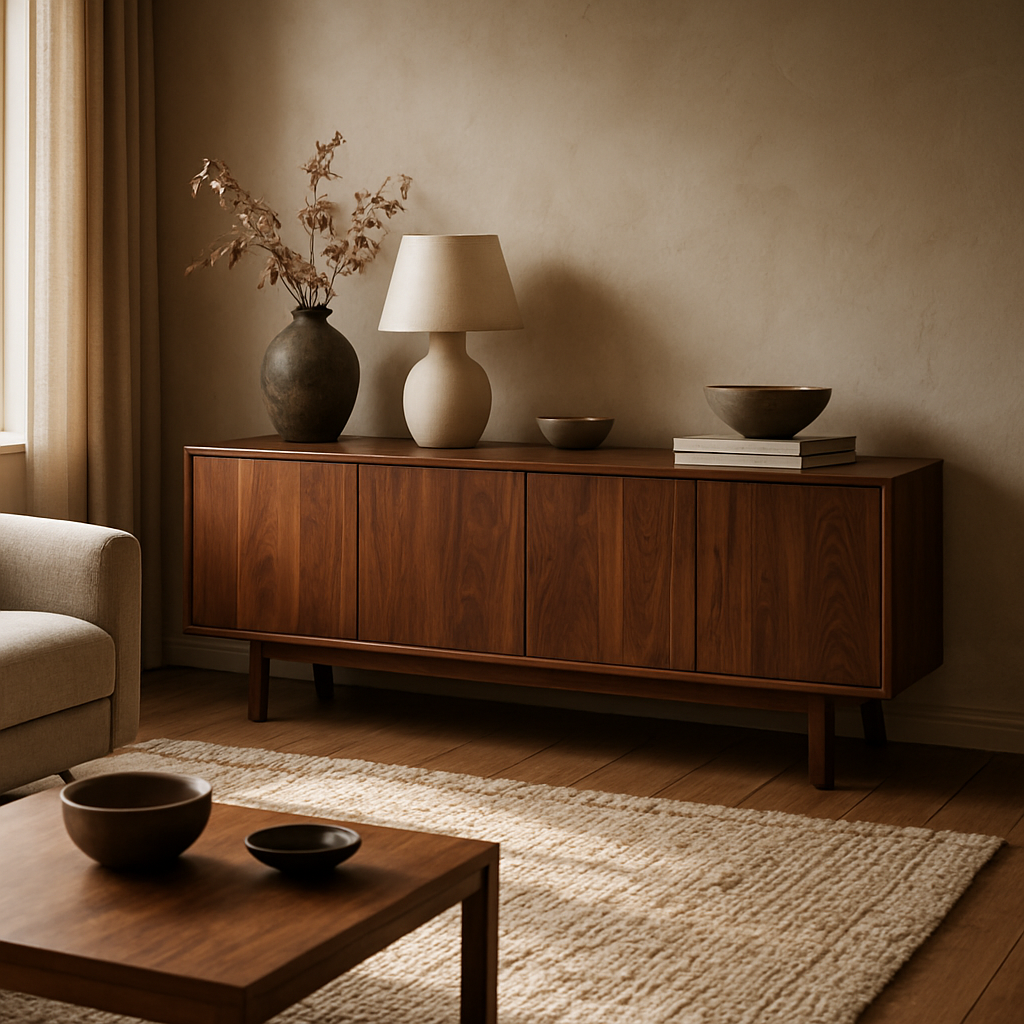
Selecting Custom Furniture: Materials, Craftsmanship, and Fit
When you're choosing custom furniture, you're not just picking a chair. You're selecting pieces that carry the rhythm of your daily life, where you eat, work, and unwind. Materials, craftsmanship, and how well a piece fits your space all play into whether it stays with you for years.
Materials set the tone and the durability. Good wood, carefully finished, wears beautifully and ages with character. At Harvey Bruce, we prioritise sustainable sources and a wide range of finishes so you can align with your style and your home’s climate.
So how do you choose? Think about your daily rituals, the rooms where you spend time, and the ways you move through the space. The answers point to not just a look, but a feel, warm, practical, and uniquely yours.
Materials that stand the test of time
- Solid hardwoods like walnut, oak, or ash provide strength and beauty, with finishes ranging from natural oil to satin lacquer. They age with a warm patina that can be touched up easily, keeping the look cohesive as your room evolves.
- Sustainability matters: FSC-certified wood and reclaimed timber reduce impact while giving character. Compare grain, color, and durability to choose pieces that age gracefully with daily life.
- Finish choices should be durable and low-VOC where possible; think waxes, oils, or water-based lacquers. We'll guide you to options that feel tactile in person and stay resilient against spills and kids' use.
- Texture, warmth, and tone matter: your furniture should feel like it belongs to the room, not like it arrived from a catalogue. We help you balance contrast and harmony for a timeless result.
In our experience, good material choices are the backbone of a room that ages well. They’re the first decision you make, and the rest of the design follows.
Craftsmanship you can feel
This is where the real magic happens. Hand-finishing, precise joinery, and time-honoured techniques create pieces that age gracefully. We favour mortise-and-tenon joints for strength, and we hand-sand every surface so light can kiss the grain instead of hiding it.
It's the little things that separate a bespoke piece from a store shelf: aligned edges, consistent veneer matching, and a tabletop that sits perfectly flat. We test every component and adjust until it feels effortless to use every day.
We also design for adaptability, modular elements, concealed fasteners, and easy reconfiguration so your furniture grows with your family.
Fit: making it work in your space
Size matters. We translate space into proportion, lengths, and sightlines that feel right at a glance. Before we start cutting wood, we measure not just the floor footprint but how you move through the room: the gap under the sofa, the clearance around the dining table, and the reach of the storage unit.
We tailor dimensions, seating heights, and leg choices to your body and lifestyle. Visualise your everyday rituals—family dinners, homework in the chair, movie nights—and design accordingly so nothing feels cramped or awkward.
Does it fit your space now and in years to come? Our approach keeps flexibility at the forefront, so your pieces stay useful as needs shift.
Sustainability and provenance
We source from responsible suppliers and prioritise reclaimed timber and low-VOC finishes. That means pieces that look luxurious and feel safe for your family and the planet.
In our experience, transparency matters. We can discuss where a timber grain comes from, how a finish is applied, and the care steps that keep the look alive for years to come.
And if you're decorating a room with wooden furniture, coordinate with wooden plantation shutters. They help keep heat in during colder months, may reduce heating costs, and their warm wood tones harmonise with furniture for a cohesive look.
If you're ready to translate mood boards into real pieces, we can tailor a materials and fit plan that suits your home and your budget. Let's start with a no-pressure design review and map out the steps to bring your Bespoke Interiors to life.
Choosing Bespoke Homeware & Accessories to Complete the Look
Imagine you’ve just placed that custom walnut sideboard you designed, and now the room feels almost finished—but something’s still missing. That missing piece is often the right homeware and accessories, the tiny details that turn a well‑crafted space into a lived‑in masterpiece.
Why accessories matter in Bespoke Interiors
Accessories are the punctuation marks of a sentence. A handcrafted ceramic vase, a hand‑woven jute rug, or a set of brass‑finished drawer pulls can accentuate the story you’re telling. They create visual rhythm, draw the eye, and give you a chance to inject personality without committing to a whole new piece of furniture.
In our experience, homeowners who overlook accessories end up with rooms that feel “bare” even when the main furniture is spot‑on. Adding the right accents can make the difference between “nice” and “wow.”
Start with the story you want to tell
First, ask yourself: what moment do you want to amplify? Is it the sunrise coffee ritual, the weekend brunch with friends, or a quiet reading nook? Once you have that moment, let it guide the choice of accessories.
For example, a couple in their first home who love weekend brunches might choose a set of hand‑painted porcelain plates in muted terracotta, paired with a reclaimed‑wood serving tray. The plates echo the warm timber of their dining table, while the tray adds a layer of practicality.
Mixing textures and scale
Texture is the secret sauce of luxury. Pair smooth, matte‑finished ceramics with a chunky, woven wool throw. Contrast a sleek, low‑profile metal lamp with a plush, oversized cushion. The key is to keep at least one element in each pair tied back to your core material palette—wood, metal, or fibre—so the room feels cohesive.
Scale matters too. A giant floor‑standing vase can become a focal point in a spacious living room, whereas a cluster of small, colourful candle holders works better on a compact side table. Play with the golden ratio: arrange accessories in groups of three or five to create visual balance.
Sourcing sustainable pieces
Because we care about the planet as much as we care about style, look for makers who use reclaimed materials or low‑VOC finishes. U‑Fab’s custom home accessories showcase a range of sustainably sourced fabrics, hand‑crafted cushions, and ethically produced lighting that align perfectly with a Bespoke Interiors approach.
When you order a custom cushion cover from a supplier that offers a free sample loan, you can feel the texture before it arrives. That tactile confirmation saves you from costly mismatches and ensures every piece truly belongs.
Actionable checklist for choosing accessories
- Identify the “moment” you want to highlight (e.g., coffee, dinner, reading).
- Pick a colour or material that already exists in your main furniture.
- Select three‑to‑five accessories that vary in texture and size.
- Source at least one piece from a sustainable maker—look for FSC, reclaimed, or low‑VOC credentials.
- Lay the accessories on the floor before placing them; step back and see if the grouping feels balanced.
- Adjust placement based on how natural the flow feels—if something feels forced, swap it out.
Following this checklist turns a vague idea into a concrete, curated look that feels intentional, not thrown together.
When you start layering these thoughtful pieces, you’ll notice how each one amplifies the personality of your bespoke furniture, creating a harmonious, lived‑in feel that friends comment on the moment they walk in.
So, grab a notebook, walk through each room, and jot down the little accessories that would make your everyday rituals feel a touch more special.
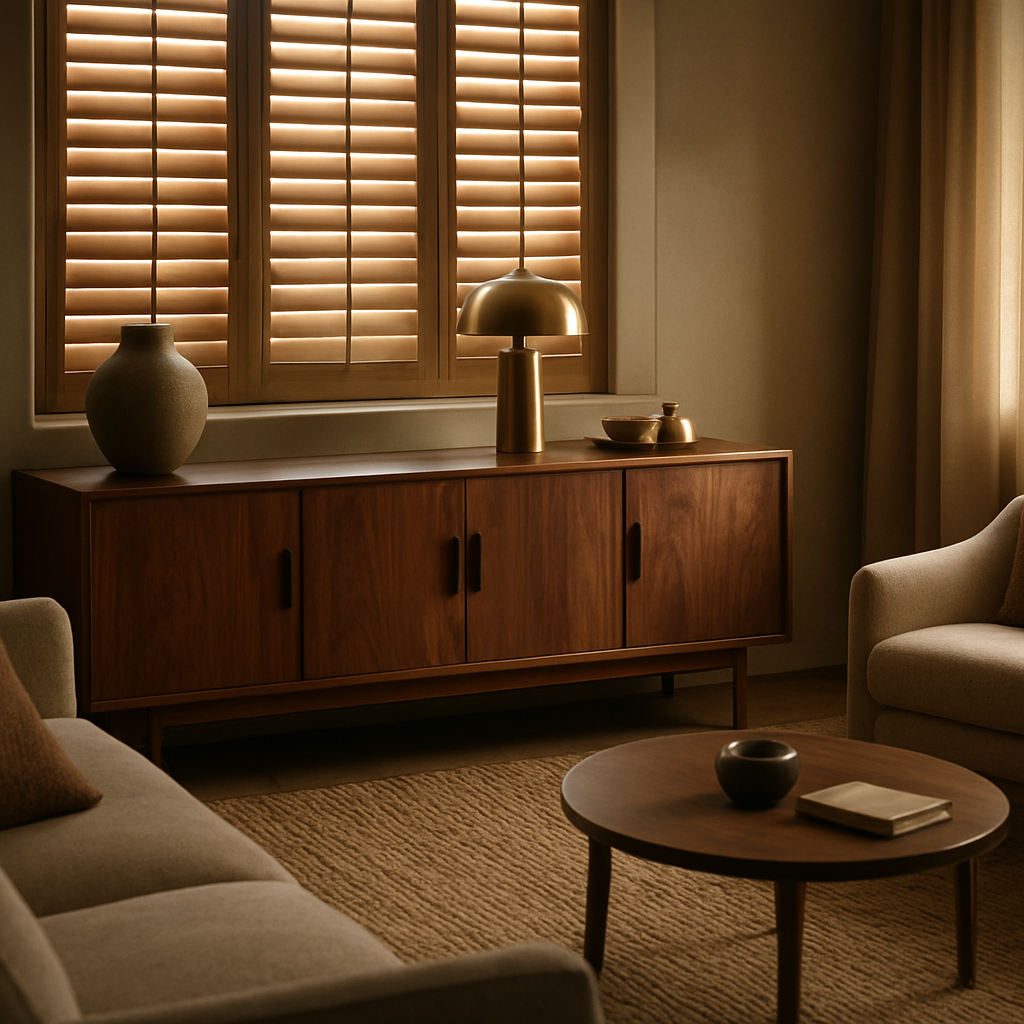
Wooden Plantation Shutters: Heat Conservation and Aesthetic Benefits
Picture a chilly London morning, the radiator humming, yet the room feels cosy without cranking up the thermostat. That’s the quiet power of wooden plantation shutters – they’re not just a pretty face, they’re a low‑tech climate assistant.
We’ve seen homeowners in a Victorian terrace struggle with draughty sash windows. After fitting timber shutters, their heating bills dropped by roughly 12% in the first winter. The wood acts like a thermal blanket, trapping the warmth that would otherwise slip through the glass.
But it isn’t just about numbers. There’s something about the deep grain of oak or walnut that instantly lifts a room’s vibe. When the morning sun streams through the angled slats, you get a soft, natural light that makes even a modest bedroom feel like a boutique hotel.
How the physics works
Wood has a low thermal conductivity, meaning it resists heat flow. When you close the shutters, a thin air pocket forms between the glass and the wood. That pocket reduces convection currents, so less heat escapes. In a typical double‑glazed window, you might lose 15‑20 W/m² of heat. Add shutters, and you shave off another 5‑8 W/m² – a noticeable saving over the heating season.
And the benefit is two‑way. In summer, you can tilt the slats to block the harsh glare while still enjoying a breezy feel. The result is a naturally regulated interior without relying on expensive air‑conditioning.
Style that sings
Beyond efficiency, shutters become a design statement. Because they’re custom‑made, you can match the finish to your bespoke furniture – think a warm walnut shutter framing a walnut sideboard. The continuity of tone creates a seamless backdrop for art, mirrors, or that striking piece of sculptural lighting you love.
Take the case of a couple in Bristol who paired reclaimed‑oak shutters with a distressed‑finish dining table. The shutters echoed the table’s texture, and the whole dining room felt anchored, like every element was speaking the same language.
And because the slats are adjustable, you can play with privacy and light throughout the day. Want a half‑glimpse of the garden at dusk? Tilt the slats. Need total privacy for a home office video call? Close them fully – no need for additional curtains.
Practical steps to maximise benefits
- Measure accurately – a snug fit prevents drafts. Our guide on how to measure for plantation shutters walks you through the process.
- Choose a wood with a natural oil finish for durability; it repels moisture and ages gracefully.
- Opt for a tilt angle of 45° for optimal light diffusion while retaining heat.
- Combine shutters with draught‑excluders around the frame for an extra seal.
Following these steps turns a simple window treatment into a year‑round energy‑saving feature.
Comparison at a glance
| Feature | Heat Conservation | Aesthetic Impact |
|---|---|---|
| Solid hardwood slats | Reduces heat loss by up to 8 W/m² | Rich grain adds depth; can be custom‑stained to match furniture |
| Adjustable tilt | Allows seasonal control of solar gain | Versatile look; creates dynamic light patterns |
| Full closure | Creates airtight barrier, further cutting drafts | Elegant, clean lines; enhances privacy without extra curtains |
In short, wooden plantation shutters give you a tangible reduction in heating costs while elevating the visual language of your home. They work hand‑in‑hand with the bespoke pieces you’ve already curated – the sideboards, the desks, the rugs – turning each room into a cohesive, energy‑smart sanctuary.
So, if you’re looking to tighten up your winter bills and add that warm, curated feel, consider shutters as the next step in your Bespoke Interiors journey.
Integrating Bespoke Elements Seamlessly: Layout, Lighting, and Flow
Let’s pick up from where you left off last section. You’ve chosen key bespoke pieces, and now the magic is in how they talk to each other across the room. With Bespoke Interiors, everything should feel inevitable — like pieces found their perfect corner rather than being forced into it.
Layout is choreography. It’s not about cramming furniture into a space; it’s about guiding how you move, where you sit, and what you notice when you walk in. Start with a single anchor piece — a handcrafted sideboard, a bespoke sofa, or a custom bookcase — and build around sightlines, scale, and flow. When the scale matches your room, furniture stops shouting and starts conversing.
Ask yourself: what’s the daily rhythm of this room? If your mornings hinge on a calm kitchen zone, arrange seating and surfaces to encourage easy conversation and effortless access. If your evenings are about hosting, ensure generous seating clusters with clear routes to the dining area and the art wall. These aren’t abstract ideas; they translate to real comfort and real everyday flow.
Small steps make big differences. Measure for movement, not just the length of a sofa. Leave comfortable walkways and keep clutter from interrupting the path. The anchor‑then‑expand approach keeps the space flexible as your life evolves and your needs shift over time.
In our experience, balancing proportion and purpose is the key. You’ll notice the room feels more inviting when every surface has a reason to exist — a place for a cup, a lamp, a book, or a keepsake. This is the core of what we call a cohesive Bespoke Interiors aesthetic: pieces that work together, not in spite of each other.
Lighting as the quiet hero
Lighting shapes mood as much as function. A thoughtful mix of ambient, task, and accent lighting creates a stage for your bespoke pieces to shine. A warm table lamp beside a walnut sideboard, a soft wall wash that reveals texture in fabrics, and a focused spotlight on a sculptural piece can transform a room in seconds.
Natural light matters, too. If you’re using wooden plantation shutters, they become a responsive tool rather than a boxy add‑on. Tilt the slats to soften glare in the morning and close them for privacy at night — your space stays alive with shape and texture.
Planning lighting around activities makes life easier. Think zones: a reading corner with a floor lamp, a dining table that remains comfortable after sunset, and a hidden night light along the hallway to guide late‑night trips to the kitchen. It sounds small, but it changes how you experience every room.
Flow and cohesion
Consistency is your friend. Repeat a core material or finish across furniture and accessories to knit the room together. For example, echo the warm tone of a walnut sideboard in a pair of brass pulls, a linen shade, and a woven rug. Group accessories in odd numbers to create a natural, relaxed rhythm.
To keep things feeling fresh, introduce small, bookmarkable moments — a handcrafted vase, a sculptural lamp, a textile throw — that you can rotate as moods shift. This is the beauty of Bespoke Interiors: spaces that adapt as you do, without losing character.
So, what does this look like in practice? A living room begins with a couple of anchor pieces, then grows through thoughtful lighting, textiles, and accessories that reference the same material language. The result is a room that feels curated, not staged, and deeply livable.
For a broader look at how bespoke furniture design translates into living spaces, check out this piece on the art of Bespoke furniture: discover the art of bespoke furniture.
Working with Harvey Bruce: How We Bring Your Bespoke Interiors to Life
Imagine you’ve just walked into a room that feels like it was made for you – the light hits the walnut sideboard just right, the cushions echo the colour of the kitchen tiles, and you can already picture a lazy Sunday morning coffee. That moment isn’t magic; it’s the result of a process we’ve refined over decades of creating Bespoke Interiors.
Understanding Your Vision
First, we sit down (sometimes over a cuppa) and ask the questions that matter: What daily ritual makes you smile? Which corner of the house feels under‑used? You’ll hear us say, “We want to hear the story behind the space, not just the style you like.”
We jot notes, sketch quick doodles, and pull out fabric swatches that remind you of the textures you love. It’s a conversation, not a questionnaire, so you’ll often find yourself saying, “Exactly, that’s what I meant!”
So, what does that look like in practice? It means we capture the emotional core – maybe it’s the warmth of a family breakfast or the calm of a reading nook – and translate that feeling into a design brief.
From Sketch to Sample
Next, we move from paper to physical. Our workshop craftsmen take your brief and create a 3‑D render, then a small scale mock‑up. You’ll get to hold a piece of the future in your hands – a walnut veneer sample, a linen cushion tuft, a brass pull. Seeing and feeling the material early saves weeks of revisions later.
We’re honest about what works and what doesn’t. If a particular finish won’t hold up to a busy kitchen, we’ll suggest an alternative that still matches the palette. It’s easier to tweak a sample than to re‑cut a full‑size piece.
Crafting the Details
Once you approve the samples, our artisans begin the full build. We use sustainably sourced timber, low‑VOC finishes, and joinery techniques like mortise‑and‑tenon that guarantee strength without visible screws. Every edge is hand‑sand‑finished so the grain breathes, and we test each component for stability.
Because we know how much a single detail can change a room, we pay extra attention to things like hardware finishes, leg angles, and hidden storage solutions. Those subtle choices are what turn a beautiful piece into a truly Bespoke Interior.
Installation & Fine‑tuning
Installation day feels more like a collaboration than a delivery. Our team arrives with protective pads, measures twice, and places each item exactly where we envisioned during the design phase. We watch how the light falls, how you move around the space, and we make micro‑adjustments on the spot.
Ever notice a chair that’s a millimetre too close to a wall? We’ll nudge it just enough so you can glide past without bumping. That level of care is what separates a showroom piece from a home‑made masterpiece.
Aftercare and Longevity
Our relationship doesn’t end when the last screw is tightened. We provide a simple care guide – think a quick wipe with a natural oil for wood, or a breathable fabric cleaner for upholstery. If you ever wonder, “Will this still look great in five years?” we’re only a call away.
- Schedule a complimentary check‑up after six months.
- Get advice on seasonal finishes to protect against humidity.
- Access our exclusive supplier discounts for future upgrades.
In our experience, the best Bespoke Interiors are the ones that evolve with you. Maybe you add a new child’s desk next year, or you swap the dining chairs for a more formal set. Because we keep the original design files, updating is painless.
So, what’s the next step? Grab a notebook, think about the one room that makes you feel most alive, and reach out. We’ll turn that feeling into a plan, a sample, and finally a space that feels like it was always meant to be yours.
FAQ
What exactly makes something a Bespoke Interiors piece?
When we say "Bespoke Interiors" we mean furniture or homeware that’s designed from scratch for you – not a mass‑produced item you see on a catalogue. It starts with a conversation about your daily rituals, then moves to hand‑selected timber, custom finishes and joinery that fits your space like a glove. The result is a piece that looks and feels like it was always meant to live in your home.
How long does the whole Bespoke process usually take?
From the first sketch to the final installation, most projects run between 8 and 12 weeks. The clock ticks fastest when you have clear measurements, a colour palette and a material preference up front. We’ll send you a 3‑D render and a small sample early on, so you can approve the look before the workshop starts cutting wood. If you need a quicker turnaround, we can prioritise the build for an additional fee.
Can I change my mind about a material after the design is approved?
Yes, but it’s best to lock in the main material early because switching wood species or fabric after the joinery is cut can add extra cost and lead time. If you’re unsure, we often send a swatch kit – a few pieces of walnut, oak and reclaimed timber – plus fabric samples so you can feel and compare before signing off. Small tweaks like a different stain or hardware finish are usually fine up to the final mock‑up stage.
What kind of maintenance does Bespoke furniture need?
Maintenance is simple when you use the right products. For solid wood, a monthly wipe with a natural oil keeps the grain alive and prevents drying. Upholstered pieces benefit from a breathable fabric cleaner and occasional vacuuming. We include a care guide with every delivery and offer a complimentary six‑month check‑up to fine‑tune any finish that may need a touch‑up after the first few seasons.
How do Bespoke homeware accessories stay cohesive with the main furniture?
We start every accessory selection by echoing a material or colour from the core pieces. If your dining table is a warm walnut, you might choose ceramic plates with a subtle wood‑grain glaze or a linen napkin in a matching hue. The key is to keep at least one visual thread – be it texture, tone or finish – so the room feels unified rather than a collection of mismatched items.
Is it possible to upgrade or expand a Bespoke piece later on?
Absolutely. Because we keep the original design files, adding a new drawer, extending a sideboard or swapping hardware is straightforward. When a family grows or your style evolves, just reach out and we’ll draft an amendment based on the existing specs. This flexibility is one of the biggest perks of choosing Bespoke Interiors over a static showroom item.
Do Bespoke interiors help with energy efficiency?
Yes, especially when paired with wooden plantation shutters. Solid timber acts as an extra thermal barrier, reducing heat loss through windows by a few watts per square metre. Combined with low‑VOC finishes, your bespoke furniture contributes to a healthier indoor climate while the shutters keep drafts at bay – meaning lower heating bills and a cosy home year‑round.
What budget should I set for a full Bespoke makeover?
Budgeting starts with the anchor pieces – a custom table or a statement sideboard – which typically range from £2,000 to £8,000 depending on size and material. Accessories, lighting and upholstery add another 20‑30 % on top. A realistic rule of thumb is to allocate about 15 % of the total for contingency, covering any unexpected material swaps or extra fittings. Working with us, you’ll get a transparent quote before any work begins.
Conclusion
After all the steps, you’ve probably felt that mix of excitement and a little nervousness – “Will this really feel like home?” you wonder.
The truth is, Bespoke Interiors work because they’re built around your daily rhythm, not around a generic catalogue. When the walnut sideboard greets you each morning, or the custom cushion invites you to linger, you’re living a design that’s already part of your story.
So, what’s the next move? Grab that notebook, sketch a quick layout of the room you love most, and drop us a line. We’ll turn that sketch into a sample, walk you through material swatches, and map out a timeline that fits your life.
Remember, flexibility is baked into every piece – add a drawer, change a finish, or swap hardware later without starting from scratch. That’s the real power of Bespoke Interiors: they evolve with you.
And if you’re still on the fence about the energy‑saving side of wooden shutters, think of the modest drop in heating bills you’ll notice each winter – a subtle but satisfying win for both comfort and the planet.
Bottom line: a home that feels uniquely yours is just a conversation away. Let’s start that conversation today together.
← Older Post Newer Post →