
Chairs Review: How Harvey Bruce’s Bespoke Designs Transform Your Home
Posted by Admin on
Imagine walking into a living room where the chairs aren’t just pieces of furniture, but the first thing that makes you smile.
You’ve just moved into your new home and every cushion, every leg feels like a tiny celebration of the space you’ve created. Does the thought of picking the perfect seat ever make you feel a little overwhelmed?
That’s exactly where we come in. At Harvey Bruce Interiors we’ve spent years curating luxurious, bespoke chairs that fit both your style and the way you live. Think of a sleek, low‑profile dining chair that keeps a modern kitchen feeling airy, or a plush armchair that invites you to curl up with a good book after a long day.
But it’s not just about looks. A good chair supports your posture, adapts to the room’s lighting, and even whispers about the story you want your home to tell. Ever noticed how a well‑chosen occasional chair can become the focal point of a conversation, turning a simple coffee catch‑up into a memorable moment?
In our experience, homeowners who treat chairs as a design anchor end up with rooms that flow naturally, without the frantic “where does this go?” shuffle. It’s a subtle shift – you start thinking in terms of comfort zones rather than just décor.
So, what should you look for when you start the search? First, consider the function: will it be a daily dining seat, a statement piece in the lounge, or a versatile side chair for guests? Next, match the material to your lifestyle – a durable leather for high‑traffic areas, or a soft velvet for a cosy, low‑key vibe.
Finally, let your personal taste guide the finish. A warm walnut frame can add an earthy charm, while a glossy white base keeps things fresh and contemporary. The right chair does more than fill a gap; it ties the whole room together.
Ready to explore options that feel both luxurious and uniquely yours? Let’s dive in and discover how the perfect chair can transform the heart of your home.
TL;DR
Choosing the right chairs transforms a room from a mere space into a welcoming focal point that blends comfort, style, and personal story, guiding how you live and entertain.
In our experience, a thoughtfully selected chair—whether a sleek dining seat or plush accent—creates flow, sparks conversation, and instantly elevates any home interior.
Section 1: Crafting the Perfect Chair for Your Living Space
Picture this: you step into your living room and the first thing that catches your eye is a single chair that just feels right.
It’s not just the colour or the shape—it’s the way it invites you to sit, to linger, to breathe.
That moment of instant connection is exactly what we aim for when we talk about crafting the perfect chair for your space.
So, how do we turn that vague feeling into a concrete choice? Let’s break it down together.
Understanding the room’s role
First, look at the room’s purpose. Is this a bustling kitchen island where you grab a quick coffee, or a quiet nook for evening reading?
A dining chair that’s too plush will feel out of place in a sleek, modern kitchen, while a minimalist stool might feel cold in a cosy family lounge.
Ask yourself: what vibe do you want the chair to reinforce?
If you crave a relaxed, lived‑in feel, think soft upholstery and rounded edges; for a crisp, contemporary look, opt for sleek metal or wood legs with a low‑profile seat.
Here’s a quick visual guide that walks you through the key design decisions, from height to material.
Notice how the presenter highlights the importance of seat height matching your table—generally about 45‑48 cm for dining, but a bit lower for a lounge setting.
Now, let’s talk material. Leather ages beautifully in high‑traffic areas, developing a patina that tells a story, whereas velvet adds a touch of luxe but can attract pet hair.
We often recommend a durable, easy‑to‑clean fabric for households with children or pets, and a richer textile when the chair lives in a low‑traffic accent corner.
Colour is another silent communicator. A deep walnut frame can ground a bright, eclectic room, while a white lacquered base keeps the space feeling airy.
And don’t forget the backrest angle—slightly reclined seats encourage longer stays, perfect for a reading chair, while an upright posture supports quick meals.
Sizing and scale
Scale matters more than you might think. A tiny side chair can get lost next to a massive sofa, whereas an oversized armchair can dominate a small corner.
Measure the width of your existing furniture and leave at least 10 cm of breathing room on each side; this prevents the room from feeling cramped.
Height is a simple math check: the seat should sit about 2‑3 inches lower than the arm of your sofa if you plan to pair them.
If you’re unsure, bring a tape measure to the showroom and sit in the chair for a minute—your body will tell you if it feels right.
A final tip: think about the chair’s journey over time. Will the finish hold up to sunlight? Will the cushion retain its shape after years of use?
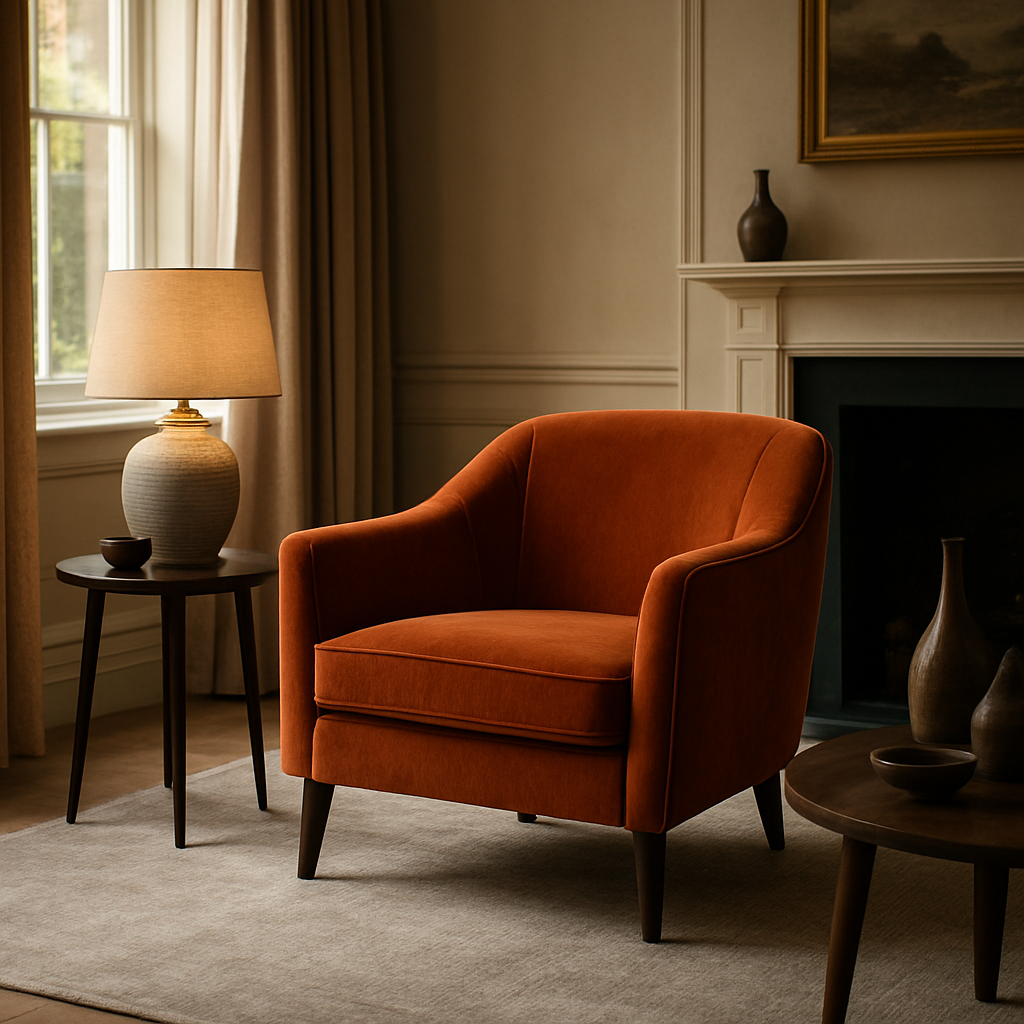
Choosing a chair that ages gracefully means selecting quality construction—solid joinery, sturdy legs, and replaceable cushions.
At Harvey Bruce Interiors we see many homeowners choose pieces that can be re‑upholstered, giving them a fresh look without buying a new chair.
This approach not only saves money but also aligns with sustainable living, something we champion in all our collections.
So, recap the checklist: define the room’s purpose, pick the right material, match the scale, and consider longevity.
When you line up these factors, the chair stops being just a seat and becomes a statement piece that ties the whole room together.
Ready to start? Grab a notebook, take a quick walk around the room, and jot down the feelings you want each chair to evoke.
From there, explore our curated selection of luxury occasional chairs and find the one that sings to your space.
Section 2: Materials & Finishes – What Sets Bespoke Chairs Apart
When you sit down on a chair, you’re not just feeling a seat – you’re feeling the story behind every grain, fibre and coat of finish. That tactile narrative is what separates a mass‑produced piece from a truly bespoke creation.
Wood: the soul of a chair
Hardwoods like walnut, oak or mahogany give you a natural warmth that evolves with time. In our studio, we often start with a solid walnut frame because it ages beautifully – the colour deepens and tiny scratches become character, not flaws. For a client in Brighton who loved a coastal vibe, we paired a light‑stained oak frame with a sea‑foam linen cushion; the wood’s subtle grain echoed the sandy shoreline, and the finish was a low‑sheen oil that resisted humidity.
Tip: ask yourself how much sunlight the chair will receive. A high‑gloss lacquer can look stunning, but in a sun‑filled sitting room it may yellow over years. A matte oil‑based finish lets the wood breathe and keeps the tone true.
Upholstery fabrics – texture meets lifestyle
Fabric choice is where personality really shines. Velvet feels luxurious but can attract pet hair; a tightly woven tweed offers durability and a lived‑in look. One of our recent projects for a family with two dogs used a performance‑grade boucle – it hides fur, resists stains and still feels plush enough for bedtime reading.
When you’re deciding, consider the chair’s role. A dining chair that sees daily traffic benefits from a leather that develops a patina, while an occasional accent chair in a quiet corner can afford a delicate silk blend for that extra wow factor.
Metal & mixed‑material frames
Steel or brass legs add a contemporary edge, especially when combined with a warm wood seat. The contrast is what makes a piece feel curated rather than cookie‑cutter. In a recent London loft, we specified powder‑coated black steel legs for a sleek, mid‑century armchair; the powder coat not only gives a uniform colour but also protects against scratches in a high‑traffic hallway.
Quick check: tap the metal – a dull thud means it’s solid steel; a ringing sound might indicate a cheaper alloy that could dent over time.
Finishing touches that matter
Beyond the obvious, small details like hand‑rubbed wax on a wooden frame or a protective fabric sealant can extend a chair’s life dramatically. We always recommend a yearly light‑oil treatment for natural wood chairs – it’s a tiny ritual that keeps the surface supple and prevents cracks.
And if you ever wonder whether you’ll need to re‑upholster, ask the maker if the frame is built with replaceable cushions. Our own experience shows that a chair designed for easy cushion swaps can look fresh for decades, saving both money and waste.
Looking for inspiration? Browse our curated collection of Luxury Occasional Chairs for Every Style – you’ll see how different materials and finishes play off each other in real homes.
Actionable checklist for your next chair
- Identify the room’s light exposure – choose a finish that won’t yellow.
- Match material durability to lifestyle (pets, kids, frequent use).
- Touch‑test wood grain and metal weight for quality.
- Ask about re‑upholstery options for long‑term flexibility.
- Apply a protective oil or sealant annually.
For a broader perspective on creating stylish, functional spaces, check out this guide on Creative Garage Apartment Ideas for Every Budget. It offers clever ways to integrate bespoke furniture into compact layouts, which can be especially helpful if you’re working with a smaller floor plan.
And if you ever feel overwhelmed by design choices, a quick read of Come creare la bottiglia della calma: guida passo passo per ridurre lo stress provides a simple, calming exercise you can try while selecting fabrics – a little mindfulness goes a long way when you’re juggling colour, texture and budget.
Section 3: Seating Comfort – Ergonomics Meets Style
Ever sat down on a chair and felt that instant sigh of relief? That's the sweet spot where comfort, posture support and good looks all line up. When a chair does more than just hold you up, it starts shaping how you move through your home.
We’ve seen homeowners in London and Brighton wrestle with chairs that look gorgeous but leave their backs aching after a short dinner. The problem isn’t the fabric or the colour – it’s the ergonomics hidden beneath the surface.
Why ergonomics matters, even for occasional seats
Think about the last time you curled up with a book. A seat that cradles your lower back, keeps your feet flat and lets your elbows rest at a natural angle makes those reading sessions feel like a mini‑retreat. If the chair is too shallow, you’ll slide forward; too deep, and you’ll feel trapped.
And it’s not just about health. A well‑designed ergonomic profile subtly cues the eye that the piece belongs in a thoughtful, high‑end setting. The right angle of a backrest can accentuate the line of a sleek wooden frame, turning a functional object into a design statement.
Key comfort cues to look for
- Seat depth: Aim for about 2‑3 inches less than the length of your thigh. You should be able to sit all the way back without feeling cramped.
- Backrest angle: A 100‑110° recline supports the lumbar curve while still looking upright enough for a dining setting.
- Cushion density: A medium‑firm foam that rebounds slowly gives a plush feel without flattening after a few weeks.
- Arm‑rest height: Ideally, your elbows rest at or just below the tabletop level – that keeps shoulders relaxed.
Does that sound like a lot to remember? Not really. When you try a chair in a showroom, sit for a minute, and notice these four things, the rest falls into place.
Style doesn’t have to sacrifice comfort
Here’s what we’ve learned: a chair with a low‑profile metal base can still have a plush, high‑density cushion wrapped in a buttery velvet. The contrast of sleek legs and soft upholstery creates visual tension that feels modern yet inviting.
Picture a matte‑finished walnut frame paired with a subtle, performance‑grade tweed. The wood grounds the room, while the fabric adds texture and comfort – perfect for a family lounge that sees both movie nights and quiet evenings.
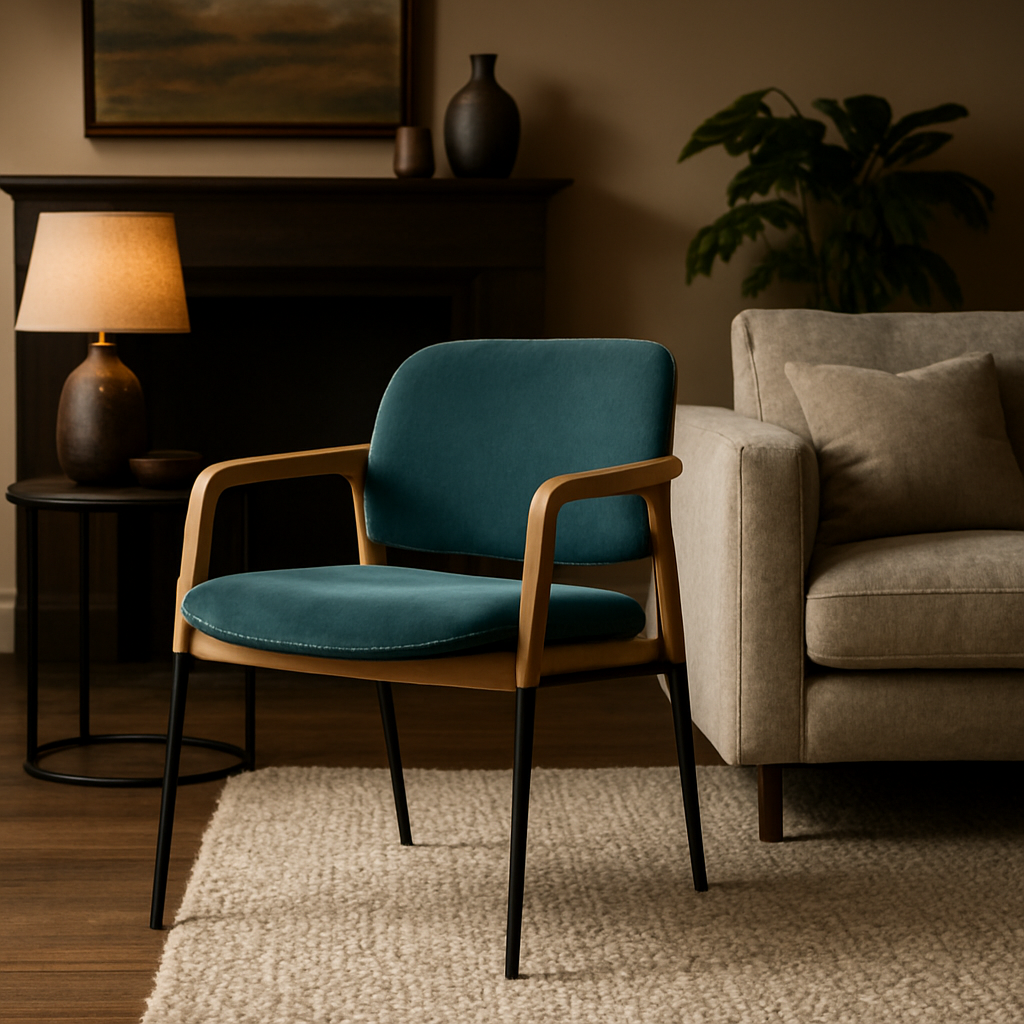
And for those who love a pop of colour, think of a deep teal upholstery on a brushed brass base. The brass reflects light, making the colour appear richer, and the chair still offers the same ergonomic support you’d expect from a neutral piece.
Practical steps to test comfort before you buy
1. Bring a small notebook and sit down. Note how quickly your back feels supported.
2. Shift your weight forward and backward. A good chair should let you move without grinding the cushion.
3. Lean into the backrest. Does it follow the natural curve of your spine? If it feels flat, it will likely cause fatigue.
4. Test the armrests. Rest your elbows – are they level with the table you’d use the chair at?
5. Walk around the room with the chair. Does its silhouette complement the other pieces, or does it look out of place?
Doing this quick audit takes less than five minutes but saves you from a costly mistake.
Maintaining that perfect balance
Even the best‑designed chair needs a little love. Rotate the cushion every few weeks to even out wear. A light spray of leather conditioner or a dab of fabric protector keeps the material looking fresh and extends its life.
In our experience, owners who treat their chairs like a favourite pair of shoes – occasional cleaning, occasional rotation – enjoy a seat that feels new for years.
So, the next time you’re scrolling through our collection, remember: the chair that looks stunning can also be your back’s best friend. Choose one that checks the ergonomic boxes, and you’ll get a piece that feels right every time you sit down.
Section 4: Comparing Top Chair Styles – A Quick Reference
When you stare at a showroom row, it can feel like a fashion runway for furniture. Do you go for the timeless wood‑frame, the sleek metal‑leg, or the plush upholstered piece that looks like it belongs in a boutique hotel?
We’ve broken the most common chair families down into bite‑size categories so you can spot the right vibe in a single glance.
Classic Wood‑Frame Chairs
Think walnut, oak, or mahogany – the kind of grain that tells a story every time the light catches it. They’re perfect for dining rooms or living spaces where you want a warm, grounded feel. Because the frame is solid, they tend to last generations if you keep an eye on the finish.
Tip: pair them with a leather or heavy‑weave cushion for a balanced mix of sturdiness and softness.
Modern Metal‑Leg Chairs
Steel, brass, or powder‑coated aluminium give a contemporary edge that can either contrast or complement a wooden table. They’re lightweight enough to move around, but still sturdy for everyday use.
We often see couples in London lofts choosing a brushed brass base with a low‑profile seat – it adds a hint of glamour without stealing the spotlight.
Upholstered Accent Chairs
These are the statement makers – velvet, boucle, or performance fabrics wrapped around a modest frame. They’re the go‑to for a reading nook or a corner that needs a pop of colour.
Because the cushion is replaceable, you can refresh the look every few years without buying a whole new piece.
And if you’re into a bit of gaming‑room flair, you might even spot a design‑focused brand like DXRacer’s gaming chair series that blends ergonomics with bold aesthetics – a reminder that style and comfort can coexist.
Quick‑Decision Table
| Style | Best‑Fit Room | Key Comfort Feature |
|---|---|---|
| Wood‑Frame | Dining or formal living | Solid build, natural lumbar support from seat depth |
| Metal‑Leg | Modern loft or open plan | Lightweight, adaptable to floor‑type (carpet or wood) |
| Upholstered Accent | Reading nook, bedroom corner | Replaceable cushion, fabric breathability |
So, how do you know which one feels right for you? Ask yourself three quick questions: Does the room need a warm anchor or a light‑touch accent? Will the chair see daily traffic or occasional guests? And how much do you value the ability to swap out the cushion later?
If you answered “warm anchor” and “daily traffic”, a wood‑frame with a sturdy leather seat is probably your safest bet. If you’re chasing a minimalist vibe and love the freedom to rearrange, the metal‑leg option will feel less like a commitment.
And for those moments when you just want to curl up with a book and forget the world, the upholstered accent chair gives you that cosy, sink‑in feeling without compromising on style.
Remember, the best chair isn’t just about looks; it’s about how it lives in your routine. Take a minute in the showroom, sit, shift, and notice whether your shoulders relax or tense up. That tiny body cue is the real ruler for your final choice.
Bottom line: match the chair’s personality to the room’s purpose, and you’ll end up with a piece that feels less like furniture and more like a trusted companion.
Section 5: Integrating Chairs into Home Décor Themes
So you’ve picked the perfect chair – now the fun part begins: making it feel like it belongs. Whether your living room whispers coastal calm or shouts industrial edge, the right chair can tie the whole story together.
Match the Mood, Not Just the Colour
Think about the vibe you want to create before you hunt for a matching cushion. A sleek, low‑profile metal chair feels at home in a minimalist loft, while a plush, tufted armchair adds warmth to a traditional British cottage.
In our experience, the most satisfying rooms are the ones where the chair echoes the room’s personality rather than clashes with it. Want a relaxed, beach‑y feel? Look for a wicker frame or light‑stained oak paired with linen upholstery. Going for a bold, urban look? Black powder‑coated steel legs with a deep‑green velvet seat instantly inject drama.
Play with Scale and Placement
Scale is the silent hero of good design. A giant, over‑stuffed lounge chair can dominate a small corner, making the space feel cramped. Conversely, a delicate side chair in a grand dining room can look lost.
Try this quick test: walk around the spot where you plan to place the chair. If you can comfortably swing a small coffee table around it without bumping, you’ve probably hit the sweet spot.
Layer Textures for Depth
Textures are the secret sauce that makes a chair feel integrated. Pair a smooth leather seat with a rough reclaimed‑wood sideboard, or juxtapose a sleek acrylic frame against a plush velvet sofa. The contrast creates visual interest without shouting for attention.
One of our recent projects in Brighton paired a matte‑black metal chair with a hand‑woven sisal rug and a marble coffee table. The result? A balanced, tactile conversation that feels intentional.
Colour Stories: From Accent to Anchor
Sometimes a chair is the pop of colour you’ve been hunting for; other times it’s the neutral anchor that lets other pieces shine. If you’re playing with a bold colour palette – think navy, mustard, or emerald – let the chair be the anchor and keep the surrounding walls and larger furniture in softer tones.
On the flip side, if your walls and sofas are already daring, choose a chair in a muted hue – dove‑grey, warm taupe, or soft ivory – to give the eye a place to rest.
Theme‑Specific Tips
Modern Minimalist: Opt for thin‑legged chairs in chrome or brushed aluminium. A single‑piece molded seat in a neutral fabric keeps the line clean.
Classic British: Look for turned‑leg wooden chairs with leather or tweed upholstery. A subtle brass nailhead trim adds a touch of heritage without overdoing it.
Industrial Loft: Combine reclaimed metal frames with distressed leather. Pair with exposed‑brick walls and pipe‑shelf lighting for authenticity.
Coastal Retreat: Choose rattan or light‑stained teak, and a slip‑cover in sea‑foam linen. Add a few nautical accessories nearby for cohesion.
Boho Eclectic: Mix patterns freely – a velvet chair in jewel tone alongside a patterned rug and macramé wall hanging works beautifully.
Quick Integration Checklist
- Identify the room’s dominant mood – sleek, cosy, rustic, or playful.
- Check scale: leave at least 10 cm of breathing room on each side.
- Pick a texture that either mirrors or contrasts with nearby pieces.
- Decide if the chair is an accent (bright colour) or an anchor (neutral tone).
- Test comfort in the intended spot – sit for a minute and notice how your shoulders feel.
When you’ve walked through this list, you’ll see the chair start to feel less like an after‑thought and more like the missing puzzle piece.
And remember, a well‑chosen chair does more than fill a gap – it tells a story about who you are and how you live. Take a moment, imagine yourself sinking into that seat, and let that feeling guide your final pick.
Section 6: Care & Maintenance Tips for Your Bespoke Chairs
Ever notice how a well‑cared‑for chair just seems to invite you back for another sit? That's not magic – it’s the result of a few simple habits that keep your bespoke piece looking fresh for years.
Know Your Materials
First thing’s first: every chair tells you what it’s made of, and that clue decides how you treat it. A walnut frame loves a light oil every spring, a powder‑coated steel leg prefers a quick wipe‑down, and a plush velvet cushion benefits from a gentle brush and a protective spray.
So, before you reach for any cleaner, take a moment to ask yourself: “What’s the main material here?” If you’re not sure, a quick touch‑test (rub a hidden corner with a soft cloth) will usually reveal whether it’s wood, metal or fabric.
Everyday Dusting – The 2‑Minute Rule
Dust may feel harmless, but left unchecked it can settle into weave fibres and dull a wood grain. Keep a lint‑free microfiber cloth handy and give each chair a quick once‑over every couple of days. It takes less than the time it takes to make a cup of tea, and you’ll notice the difference the next time you sit down.
And if you have pets? A dampened cloth (just barely moist) works wonders on fur‑friendly fabrics without pushing hair deeper into the pile.
Seasonal Deep Clean
Once every three to four months, treat your chairs to a deeper session. Here’s a low‑effort checklist you can follow:
- Wood frames: wipe with a mixture of 1 part olive oil to 3 parts lemon juice. Let it sit a minute, then buff with a soft cloth.
- Metal legs: spray a neutral pH cleaner, scrub gently with a soft brush, rinse with a damp cloth and dry thoroughly to avoid rust.
- Upholstery: vacuum with the upholstery attachment, then spot‑test a fabric‑safe cleaner on a hidden seam. Lightly mist, blot, and let air‑dry.
Imagine you’re giving your chair a spa day – the result is a surface that still feels as inviting as the day it arrived.
Protecting the Finish
Sunlight is a silent enemy. Direct afternoon rays can fade a buttery walnut finish or bleach a pastel fabric. If a chair sits near a large window, consider a sheer curtain or a UV‑filtering film. It’s a small tweak that preserves colour without sacrificing natural light.
Spills happen, especially in busy homes. The rule of thumb is “blot, don’t rub.” Press a clean kitchen towel onto the wet spot, then use a mild soap‑water solution (just a drop of dish soap) to dab the area. Rinse with a damp cloth and pat dry.
Re‑upholstering & Cushion Care
One of the beauties of bespoke chairs is that the cushions are often removable. Flip them every few months to even out wear, and give the foam a quick air‑out by placing it near a window on a sunny day (but out of direct heat). When the fabric looks tired, a re‑upholster can breathe new life into the piece without a full replacement.
We’ve seen couples in Brighton swap a muted tweed cover for a bold teal after just two years – the chair felt brand new, and the room got a fresh personality boost.
Storing Seasonal Pieces
If you have a set of accent chairs you only bring out in summer, store them in breathable fabric bags rather than plastic. Plastic traps moisture, which can lead to mould on wood or mildew on fabric. Add a sachet of cedar chips to the bag for a subtle scent and extra moisture control.
Quick Troubleshooting
Loose leg? A quick wood glue touch‑up or a small metal bracket can save a day. Scratched veneer? A walnut‑oil‑based filler can mask the mark until you decide on a professional refinishing.
Remember, a little maintenance now prevents a costly repair later – and keeps the chair feeling like the perfect spot you fell in love with the first time.
So, what’s the next step? Grab that microfiber cloth, set a reminder on your phone for the 2‑minute dust‑off, and treat your bespoke chairs like the long‑term partners they are.
Conclusion
We've walked through everything a chair can do for a home – from the grain of a walnut frame that ages like a storybook character to a plush velvet seat that invites you to linger over a cuppa.
Remember, the material you pick should match the room’s light, your lifestyle and even your pets; a performance‑grade fabric hides fur, while a solid wood finish loves a light‑oil ritual each spring.
Comfort isn’t a nice‑to‑have, it’s the reason you keep coming back. A seat depth a few inches shorter than your thigh, a backrest angled just right, and arm‑rests at table height turn a pretty piece into a daily ally.
Styling the chair is where personality shines. Whether you’re anchoring a coastal lounge with a light‑stained oak or adding a pop of teal on a sleek metal base, the right scale and texture make it feel like it belongs.
And a little upkeep goes a long way – a two‑minute dust‑off, occasional oiling of wood, and rotating cushions keep the piece looking fresh for years.
So, what’s the next step? Pick the chair that makes you smile, give it the simple care routine we’ve outlined, and let it become the trusted spot you return to night after night. At Harvey Bruce Interiors we’re here to help you find that perfect match and keep it looking its best.
FAQ
What should I look for when choosing chairs for a small living room?
First, think about scale – a chair that feels massive will swallow a cosy space, while a slim profile keeps the room breathing. Look for a seat depth that’s a touch shallower than your thigh; you’ll still feel supported but won’t dominate the floor. Light‑coloured wood or a low‑profile metal base can visually expand the area, and legs that sit on the floor rather than a bulky block help keep the flow open. In our experience, a chair with a slim silhouette and a subtle tufted cushion strikes the perfect balance between style and space.
How can I make a dining chair comfortable for long meals without sacrificing style?
Comfort starts with the backrest angle – aim for a gentle 100‑110° recline so your spine stays relaxed even after a marathon dinner. Pair that with a medium‑firm foam cushion; it gives that plush feel without flattening after a few weeks. If you love a sleek look, choose a chair that hides the cushion under a slim upholstered panel or a leather seat that ages gracefully. A quick tip: add a thin lumbar pillow that matches the chair’s fabric for an instant ergonomic boost without changing the design language.
Are there chair materials that are pet‑friendly but still look luxurious?
Absolutely. Performance‑grade boucle and tightly woven tweed hide fur and resist stains, yet they read like high‑end fabrics in a living room. Leather is another classic – it develops a patina that masks scratches, and a quick wipe‑down keeps pet hair at bay. If you’re after something softer, consider a plush velvet with a protective fabric sealant; it adds that luxe vibe while the treatment repels spills. The key is to choose a finish that you can maintain easily, so your pets don’t dictate the style.
What’s the best way to maintain a wooden chair’s finish over years?
Treat the wood like you would a piece of fine art. Lightly dust with a microfiber cloth weekly, then give it a seasonal oil treatment – a mix of one part olive oil to three parts lemon juice works wonders on walnut or oak. Let the blend sit for a minute, then buff it to a subtle sheen. Avoid direct sunlight, which can yellow the finish, and keep coasters under drinks to prevent water rings. A quick annual check for loose joints and a tiny dab of wood glue can keep the chair solid for decades.
Can I mix metal‑leg chairs with upholstered seats without clashing?
Yes, and it can actually add visual interest. Pair a powder‑coated black steel frame with a soft, neutral fabric like a warm grey linen – the contrast feels intentional, not chaotic. Keep the overall colour palette cohesive; if the room leans towards cool tones, choose a cool‑blue upholstery, and if you’re in a warm space, a buttery ivory works better. Balance the weight by adding a wooden side table or a rug that echoes either the metal or the fabric, tying the elements together.
How often should I rotate or flip chair cushions to keep them looking fresh?
Give each cushion a spin every four to six weeks. Flipping it end‑to‑end evens out wear, especially if one side bears more weight from daily use. For chairs with removable cushions, take them off, air them out near a window for a few hours, and give the foam a gentle shake. A quick vacuum on the underside removes dust that can settle into the fabric. This simple habit extends the life of the upholstery and keeps the chair feeling as plush as the day you bought it.
Is it worth investing in replaceable‑cushion chairs for future re‑upholstery?
Definitely. A chair built with a zip‑away or removable cushion lets you swap fabrics as trends change or as your lifestyle evolves – think kids growing up or a new colour scheme for the season. It’s a cost‑effective way to refresh a piece without buying a brand‑new chair. Plus, you can experiment with bold patterns now and switch back to a classic tone later. In the long run, replaceable cushions mean the frame – often solid wood or metal – can live for generations, aligning perfectly with a sustainable, timeless interior.
← Older Post Newer Post →