
Elegant Benches Review: Transform Your Home Interiors with Bespoke Seating
Posted by Admin on
Imagine stepping into your entryway after a long day and being greeted by a sleek, upholstered bench that not only invites you to sit, but also whispers "welcome home".
That moment of relief – the simple act of slipping off your shoes, resting a tired foot, maybe sliding a pair of gloves into a hidden compartment – is exactly why benches have become the unsung heroes of modern interiors.
But have you ever felt stuck choosing between a piece that looks good and one that actually works for your life? We get it. As a family‑run business that curates luxury homewares, we’ve seen countless homeowners wrestle with that dilemma.
In our experience, the sweet spot is a bench that balances style, comfort, and clever storage. Think of a plush velvet seat that doubles as a shoe rack, whereas a leather‑finished piece that anchors your hallway while providing a discreet place for keys and mail.
So, what should you look for when you start shopping? First, consider the scale of the space – a too‑large bench can overwhelm a cosy foyer, while a tiny one may feel like an afterthought. Second, think about the material: a soft bouclé fabric adds warmth, whereas a sleek leather finish brings a contemporary edge.
And don’t forget the little details that make a bench truly yours. A subtle brass knob, a tufted back, or even a built‑in power outlet can turn a functional piece into a statement.
We’ve helped couples in their first home pick a bench that ties the colour palette together, and we’ve guided seasoned homeowners in selecting a timeless piece that ages beautifully with their décor.
Ready to let a bench become the focal point of your entryway or bedroom? Let’s dive in and explore the styles, materials, and practical tricks that will help you choose the perfect bench for your home.
TL;DR
Choosing the perfect bench means balancing style, comfort, and clever storage so your entryway or bedroom feels welcoming, organised, and uniquely yours.
In this guide we reveal how to size, select materials, and add personalised details—like brass knobs or hidden power outlets—so you can create a luxurious, functional focal point without compromise.
Design & Craftsmanship of Bespoke Benches
When you walk into a room and a bench catches your eye, it’s not just because it looks good – it’s the story behind the wood grain, the stitch on the upholstery, the way the legs sit perfectly in the space. That moment of recognition is what makes bespoke benches feel personal.
Materials that Matter
At the heart of any handcrafted bench is the material choice. Solid oak, walnut, or reclaimed pine each bring a different mood. Oak, with its pronounced grain, adds a timeless robustness that works well in entryways. Walnut, darker and richer, can become a focal point in a bedroom nook. And reclaimed pine – think weather‑worn planks salvaged from old barns – instantly adds character and sustainability.
We’ve seen couples in their first home fall in love with a walnut bench paired with a soft bouclé cushion. The contrast of sleek wood and plush texture makes the piece feel both luxurious and lived‑in. If you’re after a more relaxed vibe, a teak bench from Opaque Studio’s collection can weather beautifully, developing a patina that tells the story of your family’s daily comings and goings.
Craftsmanship Techniques
Hand‑carved joinery is the hallmark of true bespoke work. Instead of the cheap box‑joint, artisans use mortise‑and‑tenon or dovetail joints, which not only look elegant but also stand the test of time. In Italy, Rossato’s craftsmen blend traditional hand‑carving with CNC precision, ensuring every curve follows the client’s exact dimensions. The result? A bench that feels like it was made just for your wall.
Take the example of a London townhouse where the client wanted a bench that wrapped around a curved hallway. The designer sketched a non‑rectangular footprint, the maker cut the wood using a CNC router for accuracy, then hand‑sand‑finished each segment before assembling it with hidden brackets. The finished piece flows with the architecture, turning a narrow passage into a welcoming pause.
Upholstery & Finishes
Fabric choice can elevate a bench from functional to statement. Velvet adds a regal softness, perfect for a bedroom end‑of‑bed bench. Leather – especially full‑grain – ages beautifully, developing a soft patina that only gets better with use. For those who love a pop of colour, a hand‑woven bouclé in a muted teal can tie together a palette of greys and woods.
Our own Stylish Luxury Benches for Home Interiors collection showcases these options, letting you mix‑and‑match wood bases with a range of fabrics. When you combine a walnut base with a deep‑green velvet seat, you get a piece that feels both modern and cosy.
Actionable Steps for Your Bespoke Bench
- Measure the space twice – once for width, once for depth – and add a 5‑cm breathing room on each side.
- Choose a wood species that matches the existing flooring or contrasts deliberately for visual interest.
- Decide on upholstery: consider durability (leather for high‑traffic), comfort (velvet for bedroom), or sustainability (organic cotton).
- Ask the maker for a mock‑up or 3‑D rendering before the final cut.
- Plan for hidden hardware – soft‑close hinges for storage lids, built‑in power outlets if you need charging stations.
Following these steps reduces surprise costs and ensures the bench truly fits your lifestyle.
Why Craftsmanship Pays Off
Data from the luxury furniture market shows that bespoke pieces retain value 30% longer than mass‑produced equivalents. Homeowners who invest in handcrafted benches report higher satisfaction scores, citing the tactile quality of hand‑finished wood and the personal connection to a piece made just for them.
So, does the extra cost make sense? If you view the bench as an heirloom rather than a disposable item, the answer is a resounding yes. It becomes a piece that can be passed down, each generation adding its own stories.
Ready to start? Begin by browsing the material swatches we offer, then schedule a design consultation. And remember – a bench isn’t just a seat; it’s the bridge between function and art in your home.
For a smooth move when your new bench arrives, check out Your Complete Guide to Removalists Rockingham WA for packing tips. If you have pets, especially cats, you might also find Best Cat Grooming Clippers Reviewed useful for keeping fur off your new upholstery.
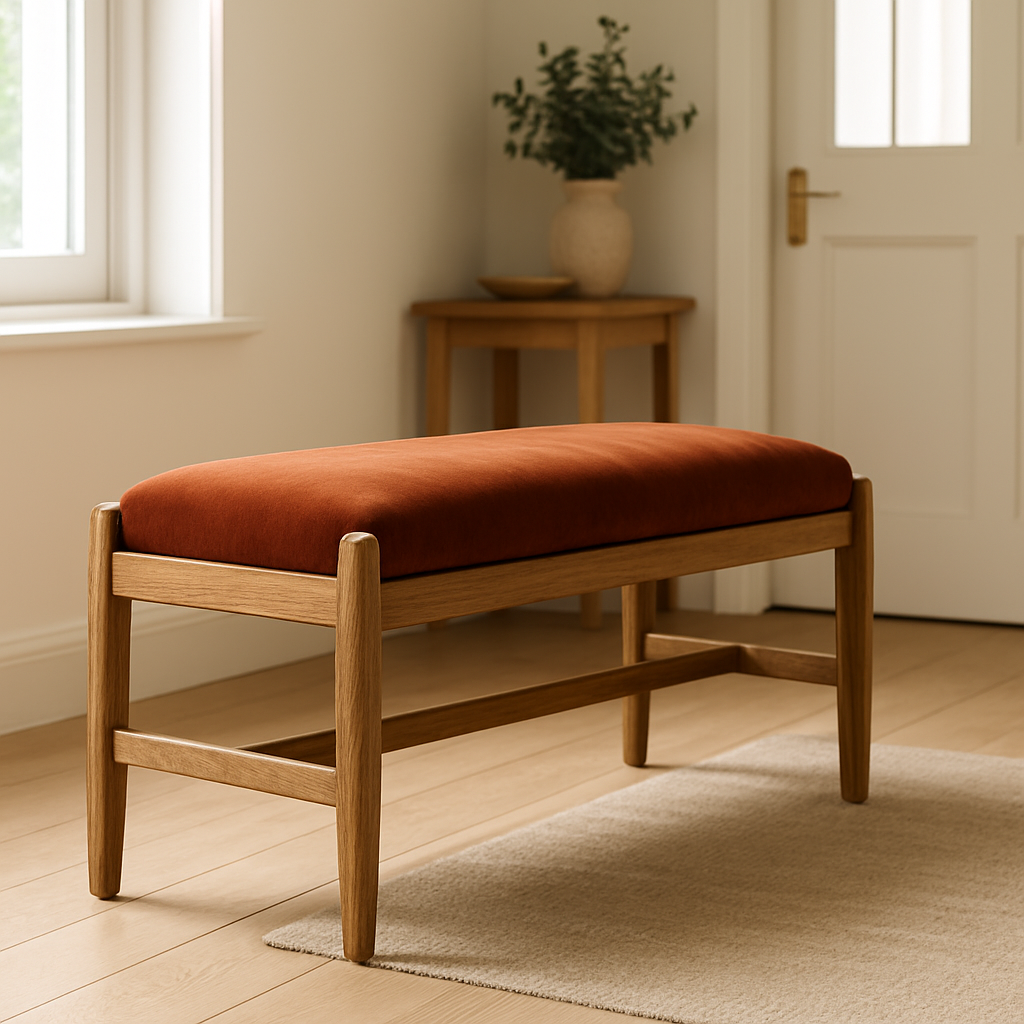
Choosing the Right Bench Size for Your Space
Ever walked into a foyer and felt the bench just swallow the room, or on the flip side, looked like an after‑thought? That's the moment when size becomes the silent villain of style.
So how do you make sure the bench you love actually fits like a glove? It starts with a simple habit: treat the space like a wardrobe and the bench like a piece of clothing – you need the right measurements, the right proportion, and a little room to breathe.
Measure twice, sit once
Grab a tape measure and jot down three numbers: the width of the wall or niche, the depth you can comfortably sit on, and the height that lets you slip your feet under without cramping. As a rule of thumb, leave at least 5‑10 cm of clearance on each side so the bench doesn’t feel glued to the wall.
Here’s a quick checklist you can print out:
- Wall width: total available length minus 10 cm.
- Depth: 40‑50 cm for a seat, 45‑55 cm if you want hidden storage.
- Height: 45‑50 cm for an entryway bench, 40‑45 cm for a bedroom end‑of‑bed piece.
- Clearance: at least 5 cm on either side, plus 10 cm in front for easy traffic flow.
Once you have those numbers, sketch a rough rectangle on a piece of paper. It sounds old‑school, but seeing the footprint on paper instantly tells you if you’re dreaming too big.
Consider the room’s visual weight
Even if the bench fits perfectly on paper, it still has to feel right in the room. Think about the other furniture – a chunky oak table or a sleek glass console – and let the bench’s scale echo that language.
For a cosy hallway, a low‑profile bench with a slim profile (around 30‑35 cm depth) can add elegance without crowding. In a spacious entryway, you can afford a more substantial piece – perhaps a bench that stretches the full width of the wall and includes a cushion that adds a plush silhouette.
And don’t forget the ceiling height. High ceilings can handle a taller bench with a backrest, while lower ceilings benefit from a bench that stays close to the floor, keeping the vertical line open.
Now, let’s see a real‑world example. A recent client in Bath wanted a bench that doubled as a shoe storage unit in a 2.2 m wide hallway. We measured the wall, left 15 cm each side, and settled on a 180 cm long, 45 cm deep bench with a shallow drawer. The result felt balanced – the bench anchored the space without overwhelming it.
Seeing the process in action can make it clearer. Below is a short video that walks you through taking measurements and visualising the bench on a floor plan.
Take a pause, grab your tape, and try those steps while the video runs. You’ll be surprised how quickly the numbers start to make sense.
Test the fit before you commit
Before you place a final order, ask your maker for a cardboard mock‑up or a 3‑D rendering. Seeing a life‑size silhouette in your foyer helps you spot any awkward gaps – like a bench that sticks out too far into the traffic flow.
If you’re working with a bespoke supplier, request a scaled floor‑plan drawing that includes the bench, any built‑in storage, and surrounding pieces. This visual cheat sheet saves you from costly revisions later.
Finally, remember that comfort matters just as much as aesthetics. Sit on the mock‑up, check the legroom, and make sure you can slip your shoes on and off without a gymnastics routine.
Choosing the right bench size is part science, part feeling. By measuring carefully, respecting the room’s visual weight, and visualising the piece before it’s built, you’ll end up with a bench that feels like it was meant to be there from day one.
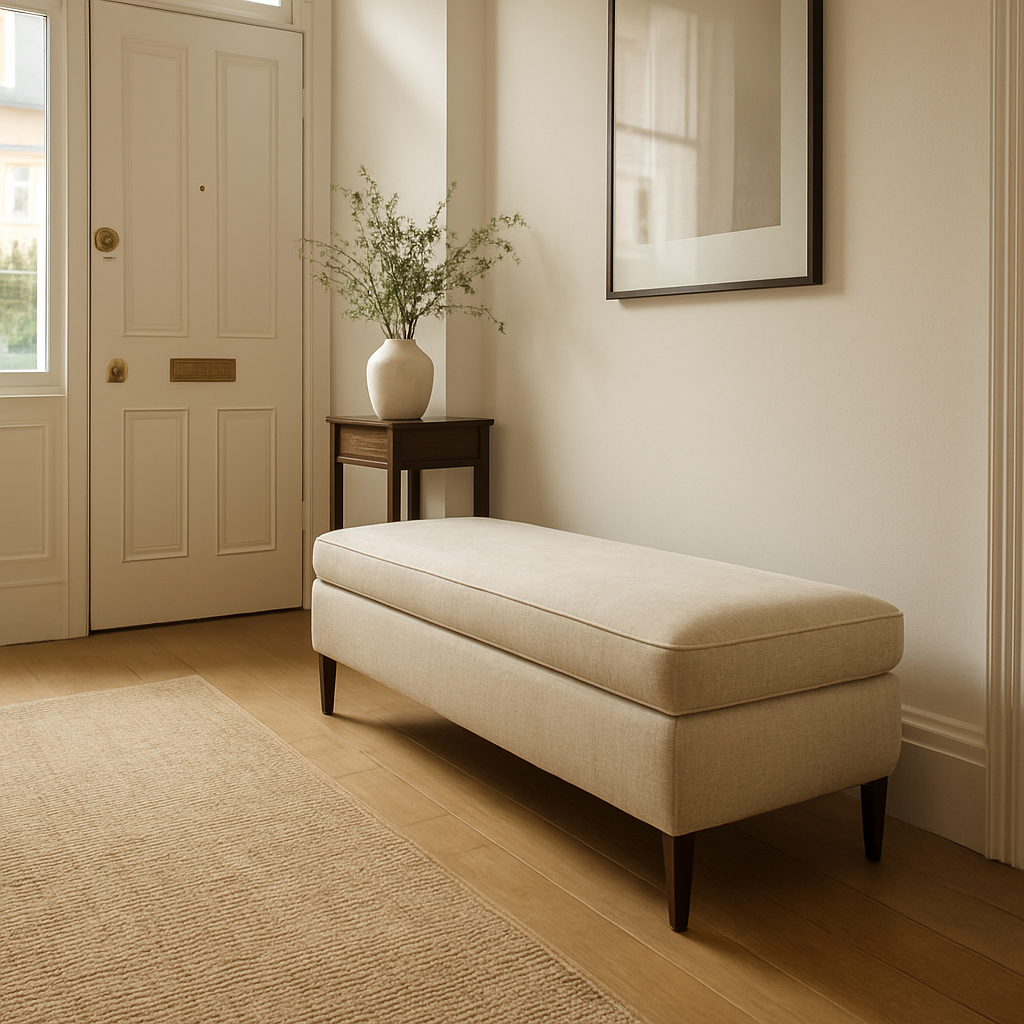
How to Style Benches in Different Home Rooms (Video)
Now that you’ve nailed the perfect size, let’s talk about the fun part – styling. A bench can feel like a blank canvas, and every room has its own colour palette, mood, and practical needs.
Entryway elegance
Think of the entryway as the first handshake with your home. A bench here should be inviting without crowding the flow. Start by pairing a low‑profile upholstered bench with a slim coat rack or a woven basket for keys. A pop of colour in the cushion – perhaps a deep teal from our bouclé range – instantly lifts a neutral hallway.
Tip: add a small tray for mail and a scented candle. It turns the bench into a mini‑station that greets you and your guests every time you step through the door.
Living‑room lounge
In the living room the bench often doubles as extra seating and a subtle divider. Position a longer bench behind the sofa to create a cosy nook. Layer a chunky knit throw over the backrest and sprinkle a few decorative pillows – mix textures like velvet and linen for visual interest.
If you love to display art, lean a tall frame against the bench back. It becomes a gallery ledge without the need for extra wall space. And because families tend to spill drinks, choose a fabric that’s easy to clean – we’ve seen leather‑look blends hold up beautifully in bustling homes.
Bedroom bedside
A bench at the foot of the bed is a classic, but the styling can feel fresh. Pair a tapered wooden bench with a plush cushion that matches your duvet. Add a pair of matching ottomans on either side for a balanced look.
Use the bench top as a catch‑all for weekend reading material or a tray for jewellery when you’re getting ready. A discreet drawer underneath – a favourite feature in many of our bespoke pieces – keeps those little things out of sight.
Dining‑room sidekick
When you need extra seating at the table, a bench along one side is a space‑saving hero. Choose a bench with a slim back to keep sight lines open, and consider a built‑in storage compartment for placemats or table linens.
Dress it up with a simple runner that echoes the tablecloth’s pattern. The bench then feels like an intentional part of the set‑up rather than an afterthought.
Home‑office boost
Even a home office can benefit from a bench – think of it as a casual meeting spot or a place to stretch your legs while on a video call. A sleek metal‑frame bench with a leather‑look seat adds a touch of professionalism without feeling stiff.
Put a small potted plant on the bench to bring a breath of nature into the workspace. It’s a subtle cue that says, “I’m comfortable here, but I’m also ready to get things done.”
Outdoor oasis
Patios and garden corners love benches that blend durability with style. Opt for a weather‑treated timber bench with waterproof cushions. Add a few outdoor‑friendly pillows in earthy tones to soften the hard lines.
Don’t forget lighting – a low‑profile floor lamp or solar lantern placed nearby can turn the bench into a cosy reading spot once the sun sets.
Putting it all together
Here’s a quick checklist you can run through for any room:
- Identify the bench’s primary role – seating, storage, display, or all three.
- Choose a fabric or finish that matches the room’s traffic level and aesthetic.
- Add layered accessories – throws, pillows, trays, or plants – to create depth.
- Keep proportion in mind; the bench should complement, not dominate, the space.
- Test the look by laying a rug or a piece of paper where the bench will sit; step back and visualise the flow.
When you walk through each room with these steps, you’ll see how a single bench can tie together colour, texture, and function. It’s not just a piece of furniture; it’s a subtle stage‑coach that carries your style from one corner of the house to the next.
Material Guide: Wood, Metal, and Recycled Options
When it comes to benches, the material you choose is the foundation of everything else – comfort, durability, and the story the piece tells. Think of it as picking the right fabric for a wedding dress; you want something that feels right now and ages gracefully.
Wood: The Warmth of Tradition
Wood is the go‑to for homeowners who crave that natural, tactile vibe. Solid oak or walnut brings a rich grain that can anchor a foyer or soften a modern living room.
In our experience, a bench with a solid‑wood frame and a thin veneer can hold up to daily foot traffic while still looking like a handcrafted heirloom. The key is to look for sustainably sourced timber – FSC‑certified, for example – so you’re supporting responsible forests.
But wood isn’t just about looks. It expands and contracts with humidity, so a bench placed in a damp bathroom might warp over time. A quick tip: seal the wood with a matte polyurethane if you expect occasional spills.
Metal: Industrial Chic Meets Subtle Strength
Metal benches have surged in popularity because they blend sleekness with resilience. Powder‑coated aluminium or brushed steel can survive a rainy patio without rust, making them perfect for outdoor corners.
Imagine a slender steel frame supporting a plush cushion – the contrast can make a small entryway feel taller. Metal also allows for creative leg designs that seem to float, freeing up floor space.
One thing to watch out for is temperature. In a chilly UK winter, a bare metal bench can feel icy. Pair it with a cosy throw or a padded seat, and you’ll get the best of both worlds.
Recycled & Eco‑Friendly Options: Style with a Conscience
Recycled materials are no longer a niche; they’re mainstream, especially for eco‑savvy homeowners. Think reclaimed pine planks salvaged from old barns, or benches made from recycled plastic composites that mimic wood grain.
These options often come with the bonus of being lightweight yet sturdy, and they’re resistant to rot and insects – great for garden nooks. Plus, the story behind a reclaimed‑wood bench (perhaps a piece of a historic farmhouse) adds instant character.
If you’re worried about the look, many manufacturers offer a range of finishes, from matte to high‑gloss, so you can match the bench to your existing palette.
How to Choose the Right Material for Your Space
Start by asking yourself: where will the bench live, and how will you use it?
- High‑traffic entryway? Go for solid wood with a protective finish or a powder‑coated metal frame.
- Outdoor patio? Recycled plastic composite or treated timber will weather the elements.
- Cozy bedroom nook? Soft‑grain wood paired with a plush cushion creates a warm retreat.
Next, consider maintenance. Wood needs occasional polishing; metal just needs a wipe down; recycled composites are virtually hands‑off.
Finally, think about sustainability. Choosing FSC‑certified timber or a bench made from post‑consumer waste helps reduce your carbon footprint while still delivering luxe style.
Quick Comparison Table
| Material | Pros | Cons |
|---|---|---|
| Solid Wood (oak, walnut) | Timeless grain, strong, easy to repair, sustainable if FSC‑certified | Sensitive to humidity, requires regular sealing |
| Metal (aluminium, steel) | Durable, modern aesthetic, low maintenance, rust‑resistant finishes | Can feel cold, may need cushions for comfort |
| Recycled Composite (plastic‑wood blend, reclaimed timber) | Lightweight, weather‑proof, eco‑friendly, low upkeep | May lack the depth of natural grain, limited finish options |
So, what’s the best path forward? Picture the bench in its future home – the light hitting the surface, the way your feet will rest, the story you’ll tell guests about its material. When you visualise that, the decision becomes less about specs and more about feeling.
Take a moment to grab a sample swatch, feel the texture, and imagine the bench living alongside your favourite pieces. That tactile check often reveals the perfect match before you even place an order.
Remember, a bench is more than a seat; it’s a piece of the room’s personality. Choose a material that resonates with your lifestyle, and you’ll enjoy a functional work of art for years to come.
Maintenance Tips to Keep Your Bench Looking Fresh
We've all been there – you love the way that new bench looks in the hallway, but after a few weeks a smudge or a stray coffee ring makes you cringe. The good news? Keeping a bench looking fresh is easier than you think, especially when you break it down into a few simple habits.
1. Start with the right cleaning routine
For wood benches, a soft, dry cloth is your first line of defence. Sweep away dust before it settles into the grain, then give the surface a quick wipe with a slightly damp cloth and a wood‑friendly cleaner. Avoid harsh chemicals; a splash of olive oil mixed with a drop of lemon juice works wonders for a natural sheen.
Metal frames love a bit of sparkle, but they also hate rust. A microfiber rag dipped in warm, soapy water will lift grime without stripping the powder‑coat. Rinse with a clean damp cloth and dry immediately – that extra minute of drying prevents water spots that can look like tiny rust freckles.
Recycled composite benches are practically low‑maintenance. A gentle spray of lukewarm water and a non‑abrasive sponge will do the trick. Because the material is engineered to repel moisture, you can even give it a quick rinse with a garden hose on a sunny day – just let it air‑dry.
2. Spot‑treat spills before they set
Accidents happen. If a red wine splash lands on a velvet cushion, blot – don’t rub – with a clean white towel. For upholstery, a mixture of equal parts water and white vinegar can neutralise the stain without damaging the fabric. Test on an inconspicuous corner first; you’ll feel better knowing it won’t change the colour.
Wooden surfaces love a swift wipe‑down with a cloth dampened in a mild dish soap solution when you notice a sticky spot. Follow with a dry cloth and, if you have a wax finish, a thin layer of beeswax to seal the area.
3. Protect high‑traffic areas
Think about the parts of the bench that get the most love – the seat and the front edge. A clear, furniture‑grade protectant spray adds a thin barrier that repels dirt and makes future cleaning easier. For metal legs that sit on hardwood floors, slip a felt pad under each foot; it prevents scratches and reduces noise when you shift weight.
If you have pets, a lightweight throw or a removable cushion can be a lifesaver. It catches fur and the occasional muddy paw, and you can toss it in the washing machine without worrying about the bench itself.
4. Seasonal care for longevity
In winter, indoor heating can dry out wood, leading to tiny cracks. Keep a humidifier running in the room, or simply place a shallow dish of water near a radiator to add a bit of moisture to the air. Re‑apply a wood polish every three months to maintain that warm glow.
Summer brings sunshine, which can fade fabrics. Rotate cushions every few weeks so one side doesn’t get all the UV exposure. For outdoor benches, a quick spray of UV‑protective furniture oil after the season ends helps the material bounce back when you bring it back inside.
5. Routine checks keep surprises at bay
Set a reminder on your phone for a quarterly inspection. Look for loose screws on metal frames, check that any hidden storage hinges still glide smoothly, and run your fingers along the wood grain for any raised bumps that might indicate swelling. Tightening a stray bolt now saves a wobbly bench later.
When you notice a small chip in a wooden leg, sand it lightly and touch up with a matching wood stain. The repair blends in, and you avoid a crack that could grow over time.
And remember, a well‑maintained bench not only looks great, it keeps its value. A bench that’s cared for year after year can become a family heirloom – something you’ll pass down with a story about how you kept it looking fresh.
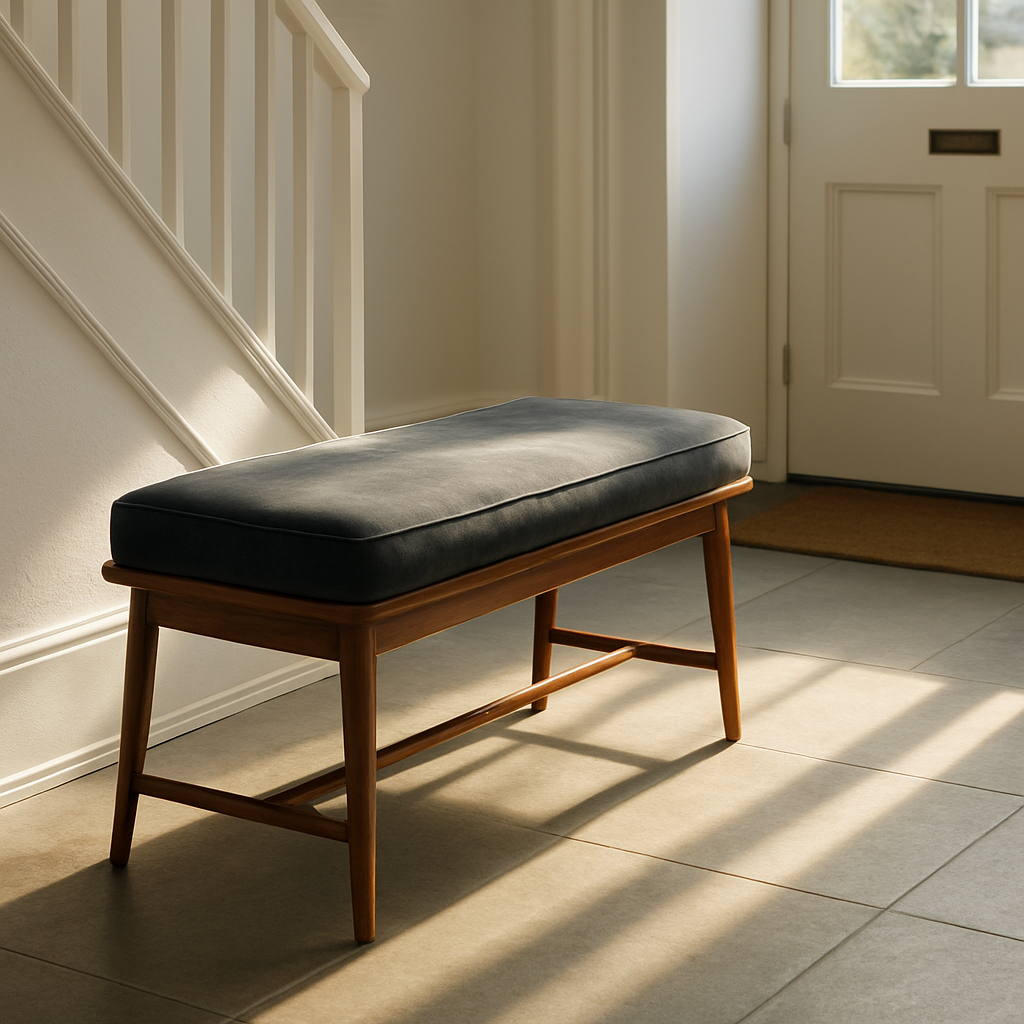
Customer Stories: Creative Inspirations with Harvey Bruce Benches
From a London Flat to a Family Heirloom
When Maya and Tom moved into their first London flat, the entryway felt more like a corridor than a welcoming space. They wanted something that could hold their shoes, mail and the occasional pair of umbrellas without looking like a closet.
We suggested a low‑profile walnut bench with a hidden drawer – the kind we often showcase in our bespoke range. After a few weeks of daily use, they told us the bench had become “the heart of the hallway”, a spot where they pause to slip off shoes and exchange a quick smile before heading out.
What surprised them most was how the bench aged. The walnut deepened with a subtle patina, and the drawer stayed smooth even after years of heavy foot traffic. It’s now the piece they’ll pass on to their first child, complete with the story of how it turned a cramped flat into a home.
Turning a Guest Bedroom into a Cozy Retreat
Laura, a freelance graphic designer in Bath, loved the idea of a bench at the foot of her guest bed but feared it would look too formal. She wanted something that felt relaxed enough for a quick coffee, yet stylish enough to match her mid‑century modern décor.
We paired a sleek teak frame with a plush, deep‑green velvet cushion – a combination that echoes the teal bouclé we stock but adds a softer, more tactile feel. The bench now doubles as a reading nook; her guests often leave a note on the cushion about how “the bench feels like it was made just for this room”.
Laura says the bench sparked a new habit – she now keeps a small stack of design magazines there, turning an ordinary piece of furniture into a curated showcase of her creative world.
Outdoor Inspiration: A Garden Corner in Cornwall
Mark and Aisha, who spend weekends tending their cottage garden on the Cornish coast, wanted an outdoor bench that could survive salty sea breezes and the occasional rainstorm.
We recommended a recycled‑plastic composite bench with a weather‑treated teak veneer. The material resists rot, yet the wood look blends seamlessly with their stone pavers. After a summer of picnics and sunset tea, they told us the bench held up without a single crack.
What they love most is the subtle story the bench tells – “crafted from reclaimed materials, yet feels brand new”. It’s become a conversation starter for neighbours who stop by to admire the finish.
Creating a Multi‑Purpose Space for a Growing Family
When the Patel family welcomed their second child, the nursery needed a piece that could serve as a changing station, a storage spot for toys, and a safe place for a sleepy baby to sit.
We designed a walnut bench with a soft, removable cushion and two shallow drawers underneath. The drawers hold swaddles and soft toys, while the cushion provides a comfy surface for bedtime stories. The family says the bench “feels like it was built for us”, and the children now pull it into the living room for impromptu dance parties.
The real magic? The bench’s simple lines allow it to grow with the kids – as they outgrow the nursery, it becomes a stylish entryway seat in the hallway.
How These Stories Shape Our Design Process
Every story we hear feeds back into the way we craft our benches. A recurring theme is the desire for hidden storage that doesn’t scream “utility”. That’s why we often incorporate soft‑close drawer mechanisms and discreet hardware – it keeps the look clean while delivering practicality.
Another insight is the emotional attachment people develop once a bench becomes part of daily ritual. Whether it’s a quick shoe‑off moment or a Sunday morning coffee, the bench anchors those small, repeatable joys. Knowing this, we focus on durability, timeless materials and finishes that evolve beautifully over time.
So, when you’re thinking about a new bench, picture the little moments you want to celebrate. Is it the sigh of relief when you finally have a place to sit after a long walk? The excitement of pulling out a hidden compartment for a surprise gift? Let those feelings guide your choice, and you’ll end up with a piece that feels less like furniture and more like a trusted companion.
Takeaway: Your Bench, Your Story
What’s the one thing you want your bench to say about you? Maybe it’s “I love sustainable design”, or “I cherish quiet mornings”. Whatever it is, we’ve seen countless homeowners turn a simple bench into a narrative thread that runs through their home.
Start by jotting down the daily rituals you value, then match them to a material, finish and hidden feature that supports those moments. The right bench won’t just fill space – it will enrich the story you live in every day.
FAQ
How do I choose the right size bench for a small entryway?
Start by measuring the wall or nook where the bench will sit. Subtract about 10 cm on each side so the piece isn’t glued to the wall, and leave at least 5 cm of clearance in front for foot traffic. A depth of 40‑45 cm works for most sit‑downs, while a height of 45‑50 cm feels comfortable for slipping shoes on and off. Sketch the footprint on paper – you’ll instantly see if the bench overwhelms the space.
What are the best materials for a bench that will get daily use?
Wood, metal and recycled composites each bring something different. Solid oak or walnut ages beautifully and can be refinished if it gets scratched, making it ideal for high‑traffic areas like hallways. Powder‑coated aluminium or brushed steel resists rust and needs only a wipe down, perfect for modern or outdoor settings. Recycled‑plastic‑wood blends are lightweight, weather‑proof and eco‑friendly, so they’re a smart choice for families who want durability without compromising sustainability.
Can I add hidden storage to a bench without compromising style?
Hidden storage works best when the mechanism is invisible and the exterior stays cohesive. Soft‑close hinges or magnetic catches keep drawers flush with the bench’s side, so no hardware protrudes. Choose a fabric or finish that matches the seat – a velvet cushion over a walnut frame blends seamlessly. In our experience, a simple lift‑top with a concealed compartment for shoes or blankets adds function without altering the bench’s clean silhouette.
How should I care for an upholstered bench to keep it looking fresh?
Upholstered benches need regular gentle care to stay fresh. Vacuum the fabric weekly with a soft brush attachment to lift dust before it settles into the fibres. For spills, blot immediately with a clean white cloth – never rub – and treat the spot with a mixture of equal parts water and white vinegar, testing on an hidden seam first. Rotate cushions every few weeks so one side doesn’t bear all the sunlight, which helps prevent uneven fading.
Is it worth investing in a bespoke bench versus a ready‑made piece?
A bespoke bench usually costs more upfront, but it can pay off in longevity and personal relevance. Because it’s made to your exact dimensions, you avoid costly alterations later, and the craftsmanship often means the piece can be refinished or re‑upholstered for decades. Ready‑made options might look similar, yet they often use lower‑grade joinery that can wobble over time. If you view the bench as a future heirloom, the bespoke route tends to be the smarter investment.
What colour or finish choices work best for a timeless bench?
Timeless colour palettes lean toward neutrals – soft greys, warm beiges or classic whites – because they blend with changing décor trends. If you crave a subtle pop, consider a muted navy or sage that still feels grounded. Finish‑wise, a matte polyurethane on wood hides fingerprints, while a satin‑soft leather‑look fabric resists stains without looking glossy. Pairing a natural wood grain with a muted upholstery colour creates a balanced look that stays fresh for years.
How can I incorporate a bench into different rooms without it feeling out of place?
A bench can work in any room if you respect the space’s function and scale. In an entryway, keep the profile low and add a shallow tray for keys – it becomes a welcoming station. In the living room, choose a longer bench with a backrest to divide seating zones, then dress it with throws and pillows for texture. For a bedroom foot‑of‑the‑bed piece, a slim wooden bench with a plush cushion adds height without crowding the sleeping area.
Conclusion & Call to Action
We've taken you from measuring the perfect footprint to choosing timeless finishes, and now it's time to turn those ideas into a bench that feels like it was made just for your home.
Picture the moment you slip off your shoes onto a low‑profile entryway bench, drop your keys into the hidden drawer and smile because everything just clicks. That little ritual is what makes a well‑chosen bench more than furniture – it's a daily pause.
So, what’s the next step? Grab a tape measure, sketch the silhouette on a sheet of paper, and then head to our showroom or browse the online collection to see the textures, wood grains and upholstery options up close.
If you’re after a bespoke piece that matches your colour palette and storage needs, our design team can create a custom bench that fits the exact dimensions you’ve plotted. We'll even send you a 3‑D rendering before any wood is cut.
Ready to make that vision real? Click the button below to book a free design consultation, or simply drop us a message and we’ll help you map out the perfect bench for any room in your house.
Remember, a great bench grows with you – from the first step into a new flat to the family gatherings years down the line. Let’s create something that lasts.
← Older Post Newer Post →