
Footstools Review: Elevate Your Home Interiors with Bespoke Comfort
Posted by Admin on
Ever walked into a living room and felt that something was just a bit off, like the space was missing a quiet place to rest your feet after a long day?
We’ve all been there – you flop onto the sofa, stretch out, and suddenly realize there’s no footstool in sight. That empty spot can make even the coziest room feel unfinished, and it’s a subtle reminder that comfort matters just as much as style.
At Harvey Bruce Interiors, we’ve seen countless homeowners transform that missing piece into a statement of both luxury and practicality. A well‑chosen footstool does more than give your legs a soft landing; it anchors your seating arrangement, adds texture, and can even become a focal point that ties together cushions, throws, and coffee tables.
So, why do footstools matter? First, they invite you to linger – a plush, upholstered footstool encourages you to kick back with a book, a cup of tea, or a late‑night chat. Second, they offer a clever solution for rooms with limited space; a compact ottoman can double as storage for blankets or magazines. And third, they let you play with colour and material without committing to a full‑size sofa.
Imagine your favourite reading nook: a sleek, leather footstool tucked beside a wingback chair, a soft throw draped over the arm, and a low‑profile lamp casting a warm glow. Suddenly, the space feels intentional, inviting, and undeniably yours.
If you’re a new home buyer or a couple looking to upgrade your interior, start by thinking about the moments you want to cherish – Sunday mornings with the newspaper, movie nights on the couch, or simply a spot to rest after a long walk. Choosing the right footstool can turn those moments into everyday rituals.
Let’s dive in and explore how the right footstool can elevate your home, boost comfort, and reflect your personal style.
TL;DR
Footstools instantly turn ordinary living rooms into cosy retreats, giving your feet a soft landing while adding style, storage, and a subtle splash of colour.
Choose a piece that fits lifestyle – a sleek leather ottoman for reading or a plush hidden‑storage stool for tidy‑ups – and watch everyday moments feel intentional.
Choosing the Right Footstool Style for Your Home
Picture this: you’ve just settled onto your favourite sofa after a long day, and you realise the space beneath your feet feels empty. That missing piece isn’t just a comfort issue – it’s a style opportunity. Picking the right footstool can turn a functional gap into a statement that ties the whole room together.
First, think about the vibe you want to create. Are you drawn to sleek modern minimalism, plush classic comfort, or a touch of eclectic colour? Each style influences the material, shape and size you’ll gravitate towards.
Material matters: leather, fabric, wood
Leather footstools scream sophisticated durability. A low‑profile leather ottoman works beautifully beside a leather wing‑back chair, especially in a city flat where space is premium. Fabric options – velvet, linen or boucle – add softness and can hide everyday wear, making them perfect for families with kids or pets. Wood‑frame stools, often topped with a cushioned seat, bring a warm, natural anchor; they pair nicely with rustic décor or a Scandinavian palette.
Size, proportion and placement
Measure the distance between your sofa arm and the coffee table. A footstool that’s roughly one‑third the width of the sofa feels balanced; too large and it overwhelms, too tiny and it looks like an after‑thought. In narrow corridors, a tapered ottoman can slide under a side chair when not in use, preserving flow.
Storage benefits
If you need hidden storage, look for footstools with a lift‑top. A plush, button‑tucked top can conceal blankets, magazines or even board games – a lifesaver for couples who share a small living room. In our experience, a storage ottoman in a neutral tone blends in, while the inside becomes a secret stash you actually use.
Colour and pattern tips
A bold hue can become the room’s accent – think deep navy or forest green on a velvet stool next to a neutral sofa. If you prefer subtlety, go for muted tones like dove‑grey or warm camel and introduce pattern through the fabric weave. A patterned footstool can echo the design of your throw pillows, creating a cohesive look without overwhelming the eye.
Actionable checklist
Here’s a quick step‑by‑step you can run through on your next shopping trip: 1️⃣ Define the primary use – reading nook, extra seating or storage. 2️⃣ Measure the footprint you have – width, depth and height clearance. 3️⃣ Choose material that matches your lifestyle – leather for sleek longevity, fabric for softness, wood for warmth. 4️⃣ Pick a colour that either harmonises with or intentionally pops against existing pieces. 5️⃣ Test comfort – sit, rest your feet and feel the height; it should align with your sofa seat height by about 10‑15 cm. 6️⃣ Confirm storage needs – lift‑top or open‑shelf. Follow these steps and you’ll walk out with a footstool that feels tailor‑made.
If you’re still unsure which silhouette fits your décor, browsing a curated collection can spark ideas. Our curated range of luxury footstools showcases everything from sleek leather ottomans to plush velvet poufs, so you can visualise how each piece behaves in a real‑room setting.
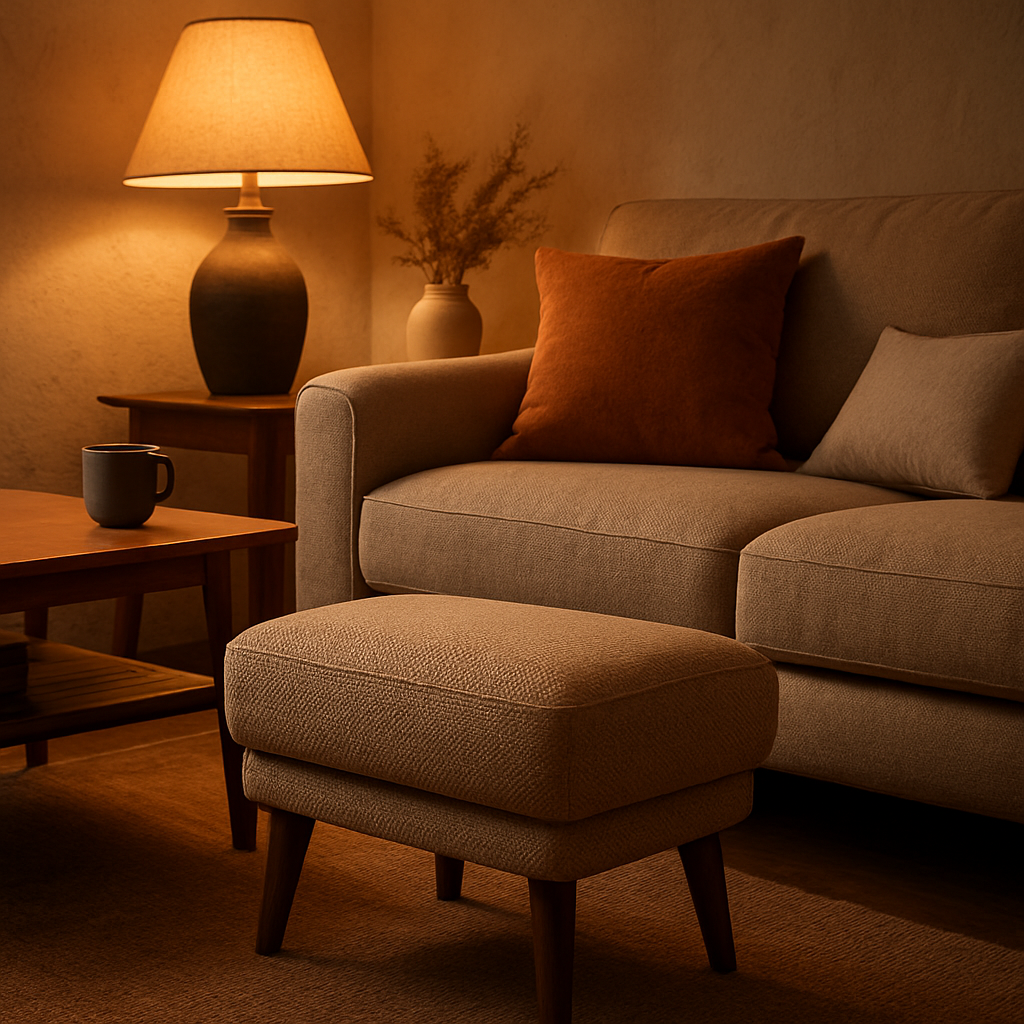
Now that you’ve got the fundamentals, take a moment to walk around your own space. Spot the empty floor spot, measure, and match it with one of the styles we’ve broken down. You’ll soon find that the right footstool does more than lift your feet – it lifts the whole room’s mood.
Materials Matter: Wood vs. Upholstered Footstools
When you finally rest your feet on a new footstool, the material decides whether it feels like a quiet hug or a sturdy handshake.
Do you lean toward the warm grain of wood or the soft give of upholstery? That choice isn’t just about looks – it shapes how the piece lives in your daily routine.
Feeling the difference
Wood footstools sit solidly on the floor. They’re great if you love a grounded, almost architectural vibe. A walnut or oak frame can anchor a Scandinavian‑style lounge and won’t wobble when you shift weight.
Upholstered footstools, on the other hand, invite you to sink in. A plush velvet or linen cover adds a layer of comfort that feels like a sigh after a long day. For families with kids or pets, the cushion also hides scuffs a bit better than bare wood.
Durability and upkeep
Wood is naturally resilient. A well‑finished oak stool can handle years of use, and a quick dust‑off keeps it looking fresh. If a scratch appears, a touch of wax or a professional re‑finish can bring it back to life.
Upholstery needs a different love language. Spot‑cleaning, occasional vacuuming, and maybe a professional fabric refresh keep it looking luxe. Choose fabrics with easy‑care finishes if you anticipate spills – something we often recommend to new‑home buyers who love a cosy sofa and a coffee table full of magazines.
Style synergy
Think about the room’s story. A wooden footstool pairs beautifully with leather sofas, reclaimed timber coffee tables, or even a metal sideboard – it adds an organic counterpoint.
Upholstered options become colour anchors. A deep teal velvet pouf can echo a throw pillow, while a neutral linen seat can blend seamlessly with a monochrome palette.
So, which vibe matches your lifestyle? If you enjoy the tactile feel of grain under your hand and value a piece that can double as a side table, wood might be your go‑to. If you crave a soft landing for your feet and love swapping covers seasonally, upholstered is the winner.
Below is a quick side‑by‑side look at the main considerations.
| Feature | Wood Footstools | Upholstered Footstools |
|---|---|---|
| Comfort | Firm, supportive; may need a cushion | Soft, plush; immediate foot relief |
| Durability | High; resistant to scratches, can be refinished | Depends on fabric; may need re‑upholstery over time |
| Style Flexibility | Warm, natural; pairs with rustic or modern | Versatile colour/texture; easy to switch covers |
Imagine a rainy London evening: you curl up on the sofa, a wooden stool holds your hot cup while you leaf through a book, or you drift into the plush embrace of a velvet pouf as the fire crackles. Both can feel right – it just comes down to the mood you want to set.
In our experience at Harvey Bruce Interiors, couples often start with a wooden ottoman for its timeless feel, then add a upholstered pouf later when they want a pop of colour without re‑painting the whole room.
Take a moment now to run your hand over the grain of a wood sample or press a finger into a fabric swatch. That tactile test will tell you more than any spec sheet ever could.
Whatever you choose, the footstool should serve your everyday rituals – a place to rest, a subtle style cue, and maybe even a hidden storage spot. When the material matches your lifestyle, the piece becomes less a purchase and more a part of your home’s personality.
Ready to decide? Sketch a quick pros‑and‑cons list, picture the footstool in your living room corner, and let the material that speaks to you win.

How to Measure and Position Your Footstool for Comfort
Ever wonder why a footstool that looks perfect in the catalogue can feel off once it’s in your living room? It usually isn’t the design – it’s the math. Let’s walk through the simple measurements that turn guesswork into a cosy, well‑balanced corner.
1. Start with your sofa’s seat height
Grab a tape measure and sit on the sofa as you normally would. From the floor to the top of the seat, you’ll typically land between 40 cm and 48 cm (about 16‑19 in). That number is your baseline – the footstool should sit roughly 10‑15 cm lower so your legs form a relaxed angle, not a stiff triangle.
2. Choose the right footstool height
If your sofa seat is 45 cm, aim for a footstool around 30‑35 cm tall. You can test this instantly: place a sturdy book or a stack of magazines at the height you think works, then sit and see how your feet feel. If you’re constantly stretching or tucking your toes, adjust by a couple of centimetres.
3. Measure the gap between sofa and coffee table
Most living rooms have a coffee table nestled in front of the sofa. Measure the distance from the front edge of the sofa to the table’s edge – usually 45‑60 cm. Your footstool’s depth (front‑to‑back) should be about one‑third of that space, leaving room for your knees without crowding the table.
4. Consider traffic flow
Imagine the path someone takes from the doorway to the kitchen. You don’t want a footstool jutting out into that route. Place it slightly off‑centre, or tuck it against a side wall if the room is narrow. A quick way to visualise is to lay down a piece of painter’s tape where you think the stool will sit and walk the route – does it feel natural?
5. Test it with your own feet
Now that you have rough numbers, bring the actual piece home. Sit, extend your legs, and notice two things: the angle at your knee and the amount of pressure on the floor. The ideal angle is about 90‑110 degrees – anything tighter feels cramped, anything wider feels loose.
6. Adjust for visual balance
Beyond comfort, the footstool should look right. Step back and check the line from the sofa arm to the footstool top. If the stool looks like a sudden step up or down, you might need a slightly taller or shorter piece, or even a slim cushion on top of a wooden ottoman.
Pro tip: Use temporary markers
Before you commit, lay a sheet of kraft paper on the floor and trace the footprint of the footstool. This lets you experiment with placement without lifting heavy furniture. It’s a tiny trick that saves a lot of back‑breaking rearranging.
Common mistake to avoid
Many homeowners pick a footstool that matches the sofa’s colour but ignore height. The result? A stylish piece that feels like a decorative block rather than a functional perch. Keep height and depth at the forefront of your decision.
Quick checklist
- Measure sofa seat height (40‑48 cm).
- Target footstool height 10‑15 cm lower.
- Depth should be ~⅓ of sofa‑to‑table gap.
- Leave at least 30 cm clearance for foot traffic.
- Check knee angle (90‑110°) when seated.
- Step back – does the line look smooth?
Take a moment, grab your tape, and try the steps above. In just a few minutes you’ll have a footstool that not only feels right under your feet but also pulls the whole room together. And when you finally kick back with a book, you’ll notice the subtle difference – that’s the power of measuring and positioning with purpose.
Top 5 Bespoke Footstool Designs by Harvey Bruce
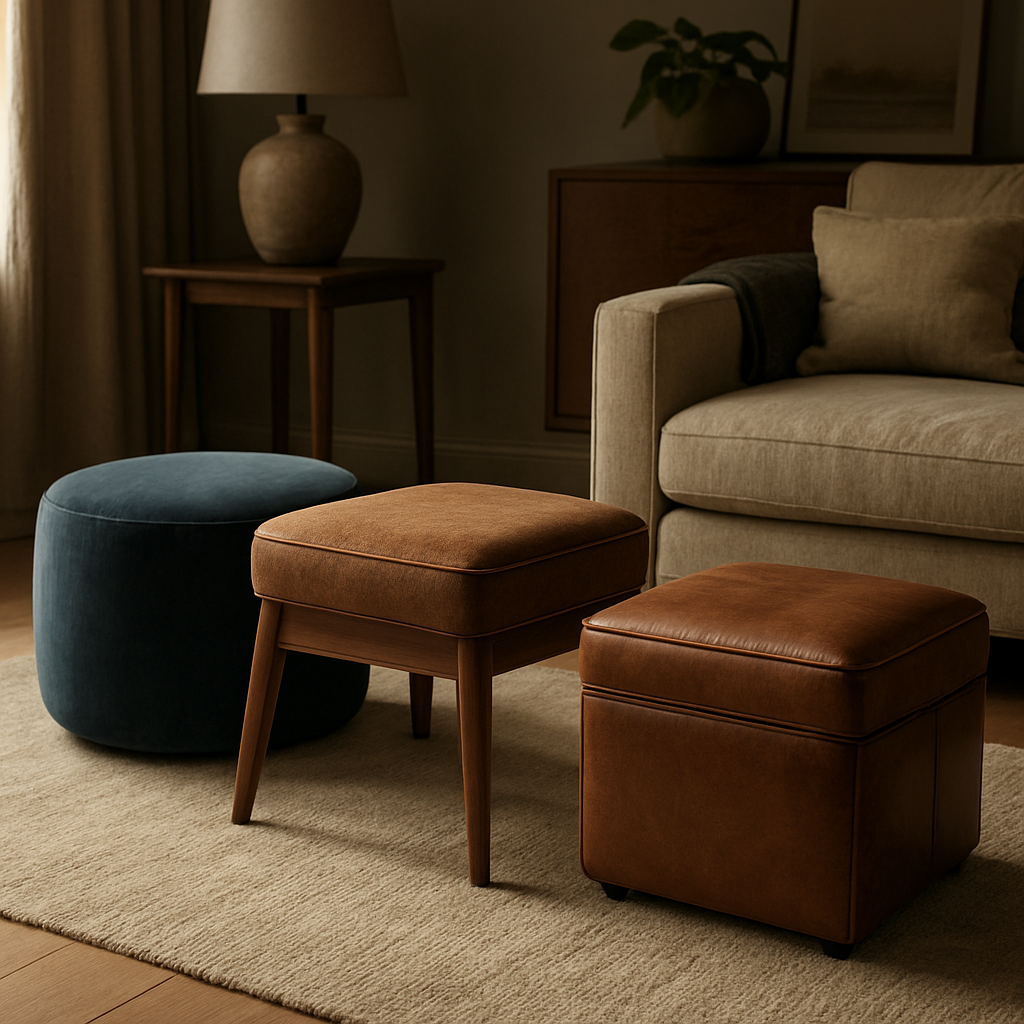
When you finally pick a footstool, you’re not just filling a gap – you’re setting a tone for the whole room. That’s why we love sharing our favourite five bespoke creations – each one solves a real‑life dilemma while looking effortlessly luxe. So, grab a cuppa, picture your living space, and let’s stroll through the pieces that have helped countless homeowners turn a plain corner into a cosy retreat.
1. The Velvet Hideaway Pouf
Imagine sinking your feet into a plush, deep‑teal velvet pouf after a long day. The Hideaway is hand‑stitched, with a hidden zip that opens to a discreet storage compartment – perfect for tucking away blankets or that novel you’ve been meaning to finish. Because it’s low‑profile, it slides easily under a side chair when you need extra floor space. We’ve seen couples in London flats love the way the rich colour pops against neutral sofas without shouting for attention.
2. The Walnut Tapered Ottoman
This piece is for the lover of natural grain and clean lines. A solid walnut base tapers subtly toward the front, giving it a sculptural feel while staying sturdy enough to double as a side table. The top can be topped with a removable cushion for a softer landing, or left bare for a sleek, minimalist look. It’s a go‑to for homeowners who want a footstool that also feels like a statement piece in a contemporary hallway.
And the best part? Its compact depth (about 30 cm) means it won’t crowd a narrow corridor, yet it still offers a comfortable perch for your feet.
3. The Heritage Leather Box
Think of a classic leather armchair’s companion – a low, leather‑upholstered box that feels like a quiet hug. The Heritage comes in buttery tan or deep cognac, with a soft, padded interior that cushions your soles. Inside, there’s a small drawer for remote controls or co‑asters, keeping your coffee table clutter‑free. It’s especially popular with families who appreciate the durability of leather yet still crave a touch of softness.
Picture a rainy evening in a cosy London townhouse: you’re curled up with a hot cup of tea, and your feet rest on this sleek leather box – instantly, the room feels more lived‑in and polished.
4. The Textured Boucle Footstool
For those who love a bit of tactile intrigue, the Boucle footstool offers a nubby, wool‑blend surface that invites you to run your fingers over it. The design is slightly higher than a typical ottoman, making it ideal for reading nooks where you want a gentle rise for your legs. A subtle tufted edge adds a handcrafted vibe, and the neutral ivory tone works beautifully with both pastel and jewel‑toned décor.
We often recommend this to new‑home buyers who want a versatile piece that can transition from a footstool to an occasional seat for guests without looking out of place.
5. The Multi‑Function Storage Bench
If you need a footstool that does double duty, meet the Storage Bench. It’s a low, upholstered bench with a lift‑top that reveals a spacious interior – perfect for stashing extra throws, kids’ board games, or even a small wine rack. The bench’s clean silhouette fits snugly against a wall, making it a great solution for apartments where every square foot counts. The fabric options range from soft linen to rich velvet, letting you match the piece to your existing palette.
Imagine the convenience of pulling out the bench for a quick shoe change in the morning, then sliding it back to rest your feet while you binge‑watch your favourite series.
Each of these designs reflects the kind of thoughtful craftsmanship that Harvey Bruce Interiors is known for – blending practicality with a touch of luxury that feels personal to your home.
Now that you’ve met the top five, pick the one that speaks to your daily routine and start visualising how it will change the feel of your living room. A well‑chosen footstool does more than support your feet; it anchors your style, adds hidden storage, and creates a subtle invitation to linger a little longer.
Caring for Your Footstool: Maintenance Tips
Know Your Material, Know Your Routine
First thing’s first – the fabric or finish on your footstool dictates how you treat it. Leather loves a quick wipe with a damp cloth, then a light coat of leather conditioner every few months. Velvet, on the other hand, enjoys a gentle vacuum on the low‑speed setting and an occasional spot‑clean with a fabric‑safe spray.
Does that sound like a hassle? Not really. Once you get the habit of a two‑minute check‑in each week, the upkeep feels almost like a little ritual you share with your home.
Cleaning Different Materials
Leather footstools: Dust off the surface with a soft, lint‑free rag. If you notice a stubborn mark, a dab of saddle soap works wonders – just test on an inconspicuous spot first. After it dries, rub a few drops of a quality leather balm into the grain; this keeps the leather supple and guards against cracking.
Upholstered footstools: Flip the cushion (if it’s removable) and give the back side a once‑over with the vacuum head. For everyday spills, blot – don’t rub – with a clean kitchen towel. A mixture of lukewarm water and a tiny splash of mild detergent can be dabbed onto the stain, then blotted dry with a second towel.
Wood‑frame footstools: A dry microfiber cloth will sweep away dust. For deeper grime, a slightly damp cloth followed by a quick dry with another cloth does the trick. Avoid soaking the wood; a little moisture is fine, but too much can warp the finish.
Dealing with Spills and Stains
Picture this: you’ve just set down a steaming mug, and a splash lands on your favourite velvet pouf. Panic? Not necessary. The quicker you act, the easier the clean‑up.
Step one: grab a paper towel and gently press to absorb the liquid. Step two: sprinkle a pinch of baking soda on the damp spot – it helps lift the moisture and neutralises any odour. Let it sit for five minutes, then vacuum it away. For oil‑based stains (think a drizzle of olive oil), a sprinkle of cornstarch works the same way.
If the stain refuses to budge, consider a professional upholstery cleaner. It’s better to call in the experts than to risk damaging a delicate weave.
Seasonal Care and Longevity
Winter in the UK can be damp, and that humidity loves to settle into wood and leather. A quick wipe‑down with a dry cloth each month helps prevent moisture buildup. In summer, the sun can fade fabrics – rotate your footstool occasionally so no one side gets a constant sun‑bath.Another tip: use felt pads under the legs of heavier wooden stools. They protect both the floor and the footstool’s base from scratches when you move it around.
Everyday Habits That Extend Life
Do you have a pet that loves to curl up on the footstool? A light vacuum after each shedding session keeps hair from embedding into the fabric. For families with kids, a washable slipcover can be a lifesaver – just toss it in the washing machine on a gentle cycle.
And when you’re not using the footstool? Store it away from direct heat sources like radiators. A cool, dry corner keeps the material from drying out or becoming brittle.
Quick Maintenance Checklist
- Dust leather and wood weekly with a dry cloth.
- Vacuum upholstered surfaces bi‑weekly; spot‑clean spills immediately.
- Apply leather conditioner every 3‑4 months.
- Rotate footstool placement seasonally to avoid uneven fading.
- Use protective pads under legs and consider slipcovers for high‑traffic homes.
In our experience at Harvey Bruce Interiors, a little consistent care turns a footstool from a one‑season trend into a lasting piece that ages beautifully with your home. So, next time you slip your feet onto that plush top, you’ll know it’s not just comfortable – it’s also well‑looked‑after.
Integrating Footstools into Small Spaces: Creative Ideas
Ever looked at a cosy London flat and thought, “I love this room but there’s no place to rest my feet?” That moment of missing comfort is the perfect invitation for a clever footstool.
Use the Nook, Not the Gap
Small rooms often have awkward corners between a sofa and a wall. Slip a low‑profile ottoman into that space and you instantly gain a spot to stretch out. Because the piece sits flat, it doesn’t jut into the traffic flow, yet it adds a visual anchor that pulls the whole layout together.
Think of a tapered wooden footstool tucked behind a side chair. The taper lets you slide it under the chair when you need a clear pathway, then pull it out for a quick foot‑rest while you’re watching TV.
Floating Footstools on Wall‑Mounted Brackets
It sounds a bit daring, but hanging a small upholstered footstool on a sturdy wall bracket works wonders in studio apartments. The bracket keeps the stool off the floor, freeing up precious square footage, and the soft cushion still offers that sigh‑of‑relief feeling you crave after a long day.
We’ve seen couples in Kensington use a discreet metal bracket at eye level, so the stool doubles as a perch for a favourite plant or a decorative tray – a tiny multitasker that feels intentional.
Combine Storage and Seating
When space is at a premium, a footstool with a hidden lift‑top becomes a miniature treasure chest. Store blankets, magazines or even a spare set of keys inside, then pull the top up for a comfy seat whenever guests arrive.
Imagine a plush linen footstool placed beside a narrow console table. By night it hides a cosy throw; by day it invites you to prop your feet while you sip morning tea. The dual purpose eliminates the need for an extra sideboard.
Layering for Visual Depth
In tight rooms, layering can trick the eye into feeling larger. Place a slim, leather footstool in front of a patterned rug, then add a low‑profile coffee table behind it. The staggered heights create a sense of depth without crowding the floor.
Don’t be afraid to mix textures – a sleek black leather stool against a soft wool rug adds intrigue, while still keeping the footprint minimal.
Rolling Footstools on Wheels
If you love flexibility, a footstool on discreet casters lets you move it from the living area to the bedroom in seconds. The wheels should lock, so the stool stays put when you’re enjoying a book.
We’ve watched a family in Bath rearrange their open‑plan space for movie night by simply rolling a compact ottoman across the rug. It’s a small move that makes a big impact on comfort.
Creative DIY Solutions
Got an old suitcase or a sturdy wooden crate? Turn it on its side, add a plush cushion, and you’ve got a DIY footstool that doubles as storage. It’s perfect for renters who can’t drill into walls but still want a bespoke touch.
Paint the crate in a muted sage, slip a washable cover over the cushion, and you have a piece that feels tailor‑made without a hefty price tag.
Final Checklist for Small‑Space Footstools
- Measure the depth of the intended spot – aim for no more than 30 cm.
- Choose a low‑profile design (height 30‑35 cm) to keep proportions right.
- Prefer hidden storage if you need extra room for blankets or books.
- Consider wall‑mount or rolling options for maximum flexibility.
- Mix textures to add depth without adding bulk.
So, what’s your next move? Pick a corner, grab a lightweight ottoman, and give those tired feet the little luxury they deserve. In a small flat, a well‑placed footstool does more than comfort – it reshapes the whole room’s rhythm.
FAQ
How do I choose the right height for a footstool in my living room?
First, sit on your sofa and note the seat height – most UK sofas sit around 40‑48 cm from the floor. Aim for a footstool that’s roughly 10‑15 cm lower so your knees form a relaxed angle, not a stiff triangle. A quick test: place a sturdy book at the height you think works, sit, and feel whether your feet rest comfortably without stretching or tucking. If it feels off, adjust by a couple of centimetres and try again.
Can a footstool double as storage without looking bulky?
Absolutely. Look for lift‑top designs where the cushion hides a shallow compartment – perfect for blankets, magazines or board games. Because the top sits flush with the surrounding décor, the piece stays sleek. Choose a low‑profile depth (around 30 cm) so it slides under a side chair when you need extra floor space. In our experience, a hidden‑storage ottoman feels like a secret stash that you actually reach for, not a clunky box.
What material works best if I have pets or young children?
Durability matters, so think leather or a performance‑grade fabric like boucle or polyester‑blend. Leather repels scratches and is easy to wipe down, while tightly woven boucle hides hair and minor scuffs. If you love the softness of velvet, pick a removable, washable cover – it lets you swap the slipcover when stains appear. The key is a surface that tolerates daily hustle without losing its plush feel.
Is a rolling footstool practical in a small flat?
Yes, as long as the casters lock. Wheels let you move the piece from the living area to a bedroom or hallway in seconds, which is a lifesaver when you’re re‑arranging for a movie night. Just check that the base is sturdy enough not to wobble when you rest your feet. A compact ottoman on discreet rollers keeps the footprint tiny while giving you the flexibility you crave.
How can I incorporate a footstool into my colour scheme without clashing?
Treat the footstool as a subtle accent or a quiet anchor. If your sofa is neutral, a bold hue – deep navy, forest green or a muted mustard – can become the room’s focal point. Conversely, if you already have a statement colour, opt for a matching tone in a different texture, like a linen‑covered stool in the same shade as your curtains. The trick is to repeat the colour elsewhere, maybe in cushions or a rug, so the stool feels intentional.
Do I really need a dedicated footstool, or can I repurpose something I already own?
You can get creative. A sturdy wooden crate, an old suitcase or even a low coffee table can become a footstool with a cushion and slipcover. The benefit is cost‑effectiveness and a personalised look. Just make sure the height aligns with your sofa’s seat – the same 10‑15 cm gap rule applies. Adding a washable cover keeps the piece looking fresh and protects the original material.
How often should I clean and maintain my footstool to keep it looking luxe?
Set a simple routine: dust leather or wood weekly with a soft cloth, and vacuum upholstered tops every two weeks. Spot‑clean spills immediately – blot, don’t rub – and use a mild detergent solution for fabric. For leather, a quick wipe with a damp rag followed by a leather conditioner every three months prevents drying. Rotate the stool’s position seasonally to avoid uneven sun exposure, and you’ll extend its life by years.
Conclusion
We’ve taken a long walk through the world of footstools, from choosing the right height to matching materials and fitting tiny London flats.
The core idea is simple: a footstool should feel like an invitation to pause, not a clunky afterthought.
If you’ve measured your sofa, spotted the perfect colour, and imagined how a walnut ottoman or a plush pouf will sit in your living room, you’re already half way there.
So, what’s the next step?
Pick one of the styles we’ve discussed, test the height with a stack of books, and let the piece live in the space for a day before you commit.
Remember the maintenance rhythm – a quick dust‑off or spot‑clean keeps the footstool looking luxe for years.
When you’re ready to bring a bespoke footstool home, explore the curated collection at Harvey Bruce Interiors and let the perfect piece finish your room’s story.
Here’s a quick checklist to keep your footstool game strong:
- Measure sofa seat height and choose a stool 10‑15 cm lower.
- Match colour or texture with an existing accent for cohesion.
- Test comfort with a simple book‑stack trick.
- Set a light maintenance routine – dust weekly, spot‑clean as needed.
- Consider multifunctional designs that hide storage or roll on wheels.
← Older Post Newer Post →