
Floor Lamps Review: Elevate Your Home with Bespoke Lighting Choices
Posted by Admin on
Picture this: you’ve just moved into a new house, the boxes are still unpacked, and the evening light is fading. You glance around and realise the room feels a bit flat, like something’s missing from the ambience.
That’s where a floor lamp steps in, quietly turning a bare corner into a cosy nook. It’s not just a light source – it’s a piece of furniture that can shape the mood, highlight a favourite armchair, or draw the eye to a striking rug.
In our experience at Harvey Bruce Interiors, we see homeowners battling two common dilemmas: a lamp that’s too tall and dominates the space, or one that’s too short and barely makes a dent in the darkness. Finding the sweet spot feels a bit like Goldilocks – just right.
So, how do you choose a floor lamp that feels right for you? First, think about the room’s purpose. A reading corner deserves a directed, adjustable beam, while a living‑room gathering might benefit from a softer, diffused glow that spreads warmth.
Next, consider the style language of the space. A sleek, brushed‑metal arc lamp can add a contemporary edge, whereas a classic wooden tripod brings a touch of heritage charm. Pairing the lamp’s material with existing furniture creates a seamless visual flow.
Height matters too. A good rule of thumb is to aim for the top of the shade to sit roughly at eye level when you’re seated – usually around 150‑160 cm. This ensures the light washes over your face without glare, making evenings of reading or chatting much more comfortable.
Don’t forget the bulb. LED options now give you the same warm glow of traditional filament bulbs while cutting energy use – a win for the planet and the utility bill. Choose a colour temperature around 2700‑3000 K for that inviting, buttery feel.
Placement can be a game‑changer. Try tucking the lamp beside a sofa, next to a side table, or even behind a tall plant for a subtle backlight effect. It’s amazing how a simple shift can turn a room from ordinary to inviting.
And if you’re after a statement piece, think about a floor lamp with an artistic shade or an unexpected shape. It becomes a conversation starter, a focal point that tells visitors, “We love design.”
Ultimately, a floor lamp is an investment in atmosphere as much as illumination. It’s the kind of detail that makes a house feel lived‑in, welcoming, and uniquely yours.
Ready to explore options that blend luxury with practicality? Our curated collection showcases a range of designs that suit everything from modern lofts to classic country homes.
Let’s dive in and discover how the perfect floor lamp can transform your space, one glow at a time.
TL;DR
Choosing the right floor lamp transforms a blank corner into a cosy, stylish nook, balancing height, shade, and warm LED glow for reading or relaxed evenings. At Harvey Bruce Interiors we help homeowners pick luxury‑crafted pieces that fit their space, budget and ambience, so every night feels effortlessly truly inviting.
Understanding Floor Lamp Styles
When you walk into a living room and the light feels just right, chances are a floor lamp is doing the heavy lifting. But the magic isn’t just about brightness – it’s about the silhouette you choose.
At Harvey Bruce Interiors we’ve seen a handful of styles that keep reappearing, each bringing its own personality. Let’s break them down so you can match a shape to the story you want to tell in your home.
Arc Lamps – The Eye‑Catcher
Arc lamps swing a graceful arm over a seating area, giving you directional light without a ceiling hook. The iconic Arco by Castiglioni is still a benchmark, and you’ll find modern reinterpretations that keep the sculptural feel while swapping brass for matte black.
Tip: Position the arc so the tip lands about 18‑24 inches above a reading chair – the light falls gently on your pages without glare.
Torchiere Lamps – Upward Ambience
Torchiere lamps point light toward the ceiling, turning the whole room into a soft, diffused glow. They’re perfect for rooms with high ceilings where you want ambience rather than task lighting. A brass‑finished torchiere adds a touch of luxury while the hidden LED keeps energy use low.
Tripod Lamps – Casual Stability
Three‑legged tripod bases feel grounded yet informal. They work beautifully in eclectic spaces, especially when you choose a shade in natural linen or a bold colour that echoes a rug. Because the legs spread out, the lamp stays steady even on uneven floors.
Tree Lamps – Branching Light
Tree lamps mimic a miniature forest, with multiple adjustable arms that let you spotlight shelves, artwork, or a cosy corner. Think of them as a flexible lighting “branch” you can prune to fit your needs. They’re a favourite for home offices where you might need extra light over a desk one day and a soft wash over a bookshelf the next.
Globe Lamps – Minimalist Glow
Globe‑style floor lamps use a large, often exposed bulb that becomes a decorative object in its own right. Pair a clear glass globe with a brushed metal base for a mid‑century vibe, or choose a matte black version for a sleek, contemporary look.
So, how do you decide which silhouette fits your space? Start by asking yourself what the lamp will primarily do. Is it a reading companion, a mood‑setter, or a statement piece? Then consider the room’s proportions – a towering torchiere can overwhelm a tiny study, while a delicate arc might get lost in a grand living room.
Once you’ve zeroed in on a style, think about materials. Brass, chrome, wood, and woven rattan each bring a tactile layer that can either complement or contrast with existing furniture. For example, a brass arc lamp pairs beautifully with a velvet sofa, while a rattan tripod feels at home beside a linen sofa and a jute rug.
If you need visual inspiration, Architectural Digest offers a curated gallery of the best floor lamps across styles – a handy reference when you’re scrolling through options and trying to picture each shape in your own room.See the gallery here.
And when you’re ready to shop, don’t overlook the practicality of a retailer that lets you test multiple heights and finishes in‑store. Target’s floor‑lamp collection, for instance, includes adjustable tripod shades, rustic oil‑rubbed brass finishes, and budget‑friendly LED torchières that still feel upscale.Browse Target’s range. Bring a sample of your favourite fabric or a photo of your wall colour when you visit – it helps you visualise the lamp’s impact before you commit.
Bottom line: the right floor‑lamp style does more than illuminate; it frames a corner, highlights a favourite chair, and whispers a design story that’s uniquely yours. Take a moment to walk through your space, picture the light you crave, and let the shape guide your choice. Your next favourite piece is just a silhouette away.
Light Output & Bulb Compatibility
When you finally pick a floor lamp, the next question is usually “how bright should it be?” and “what bulb will work best?” It’s easy to overlook these details, but they can make the difference between a cosy glow and a harsh glare that leaves you squinting.
First, think about the purpose of the light. A reading nook or a craft table needs a higher lumen output – something that mimics daylight so you don’t strain your eyes. For a relaxed living‑room ambience, a softer, lower‑lumens setting can create a warm, inviting atmosphere.
Understanding lumens vs. watts
In the past we used watts as a proxy for brightness, but today lumens are the real metric. A typical 60 W incandescent gives about 800 lumens. An LED equivalent might use just 8–10 W to reach the same output, saving energy and heat.
For floor lamps that sit close to seating, aim for 1,000–1,500 lumens if you plan to read or work. If the lamp is more decorative, 500–800 lumens usually does the trick.
Colour temperature matters
Colour temperature, measured in Kelvin, tells you whether the light feels warm (2700‑3000 K) or cool (4000‑5000 K). Warm light is perfect for evenings, while cool light can boost focus during daytime tasks. Many modern floor lamps let you swap bulbs, so you can keep one warm LED for relaxation and a cooler one for a home office.
One brand that gets this right is Microsun's full‑spectrum floor lamps. Their tri‑light system delivers up to 8× brighter, daylight‑balanced light that’s especially kind to aging eyes. Users report being able to read without glasses and even feeling a lift in mood during winter months.
Bulb types you’ll encounter
LEDs dominate the market because they’re energy‑efficient, long‑lasting, and come in a range of colour temperatures. If you love the nostalgic look of a filament bulb, consider LED “Edison” versions – they give the vintage aesthetic without the heat.
Halogen bulbs still have a place in some designer lamps that require a dimmable, high‑CRI source, but they consume more power and get hot to the touch. For most homeowners, a high‑CRI (90+) LED will provide accurate colour rendering for art, textiles, or décor.
Smart bulbs are another option. With a compatible fixture, you can adjust brightness and colour temperature from your phone or voice assistant, perfect for those who love a little tech‑savvy flexibility.
Compatibility checklist
- Base size – most floor lamps use an E26/E27 socket; double‑check the socket before buying a bulb.
- Maximum wattage – even LEDs can be limited by the lamp’s heat‑sink design; stay within the manufacturer’s recommendation.
- Dimmability – if the lamp has a built‑in dimmer, make sure the bulb is labelled “dimmable.”
- Energy rating – look for ENERGY STAR or a comparable rating to guarantee efficiency.
And don’t forget the aesthetic side. A brass‑finished lamp with a warm‑white LED can echo the glow of a vintage filament, while a matte black torchiere paired with a cool‑white LED feels sleek and modern.
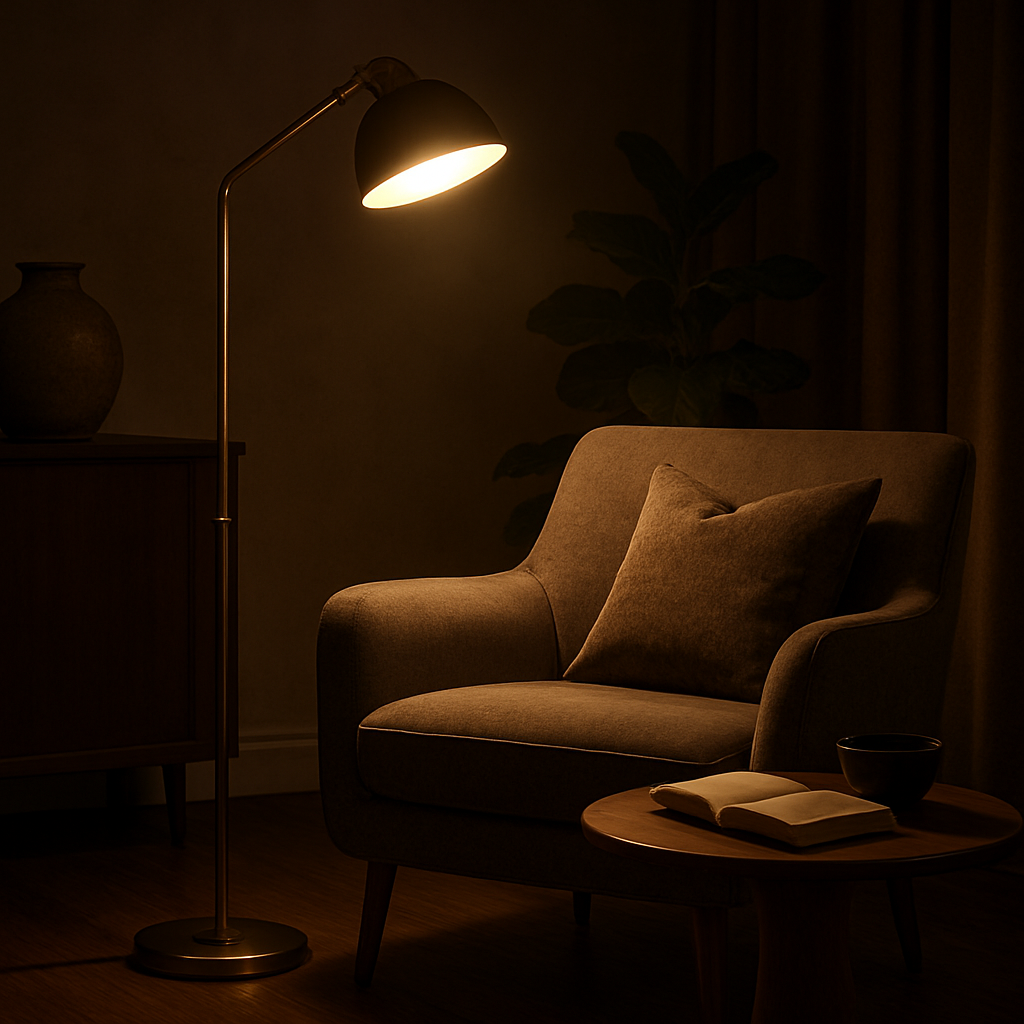
Bottom line: match the lumen output to the task, pick a colour temperature that suits the mood, and double‑check socket and dimmer compatibility. When you get those basics right, your floor lamp becomes more than a piece of furniture – it’s a reliable partner in every evening ritual.
Material & Build Quality Comparison
When you start thinking about the material and build quality of a floor lamp, it’s a bit like choosing the right fabric for a sofa – you want something that feels right, lasts long, and plays nicely with the rest of the room. The two big players are wood and metal, and each brings its own personality to the table.
Let’s be honest: we’ve all bought a lamp that looked gorgeous online, only to discover the base wobbles after a few weeks. That’s why I always start by asking, “Where will this lamp live?” A wooden base can be a warm, grounding presence in a cosy reading nook, while a sleek metal frame often feels at home beside a modern sectional or a minimalist desk.
Wooden floor lamps – nature’s touch
Wood adds an organic texture that instantly softens a space. Think of a walnut‑finished tripod lamp beside a linen armchair – you get a subtle, almost tactile conversation between the light and the furniture. In practice, hardwoods like oak or teak are resistant to dents and scratches, especially when finished with a clear varnish. However, softer woods can be prone to warping in humid rooms, so it’s worth checking the manufacturer’s humidity rating.
Real‑world example: a client in a country cottage loved a reclaimed pine floor lamp for its rustic vibe, but after a damp winter the base developed a slight swell. The fix? A quick sand‑and‑seal, proving that maintenance matters as much as the initial purchase.
Metal floor lamps – sleek durability
Metal frames, whether brushed steel, brass, or matte black, bring a contemporary edge and often a higher load‑bearing capacity. They’re typically engineered with a sturdy internal spine that resists wobble, even on uneven flooring. A brass‑finished arc lamp, for instance, can support a heavy shade without sagging, making it ideal for high‑ceiling rooms where you want the light to stretch out.
On the flip side, thin aluminium can dent if bumped, and polished finishes show fingerprints. A quick tip: choose powder‑coated metal if you need extra scratch resistance – it’s a small cost for long‑term peace of mind.
Hybrid designs – the best of both worlds
Many designers now blend wood and metal, pairing a wooden base with a metal arm for a balanced aesthetic. This hybrid approach often yields better stability (metal arm) while keeping the warmth of wood at the base. It’s a popular choice for eclectic interiors that mix vintage and modern pieces.
One of our recent projects featured a walnut base with a brushed‑nickel arm, creating a seamless transition between a reclaimed wooden coffee table and a sleek chrome floor lamp. The result? A cohesive look that felt intentional rather than pieced together.
How to evaluate build quality
- Check the joinery – dovetail or mortise‑and‑tenon joints signal solid craftsmanship.
- Feel the weight – a heavier lamp usually means a denser material or a well‑engineered internal frame.
- Look for a wide, stable base – at least 12‑inch diameter for metal, 10‑inch for wood, to prevent tipping.
- Inspect finish quality – no rough spots, bubbling, or uneven coating.
And if you’re already browsing our range of Home accessories, you’ll notice that many of our floor lamps are curated to match those material standards – it’s not an accident, it’s intentional design.
| Material | Durability | Style & Feel |
|---|---|---|
| Solid hardwood (oak, teak) | High – resists dents, stable in dry climates | Warm, natural, works with classic or rustic décor |
| Powder‑coated metal (steel, brass) | Very high – minimal wobble, resistant to impact | Modern, sleek, reflective or matte finishes |
| Hybrid (wood base + metal arm) | Balanced – wood base stability, metal arm strength | Eclectic, bridges traditional and contemporary looks |
So, what’s the next step? Measure the space, decide whether you crave the cosy grain of wood or the crisp line of metal, and then test the lamp’s stability in‑store if you can. A quick shake of the base should feel solid, not wobbly. Finally, remember that a well‑chosen floor lamp is an investment – treat it like you would a quality piece of furniture.
And just in case you’re juggling a move while hunting the perfect lamp, you might find this guide from Your Complete Guide to Removalists Rockingham WA surprisingly helpful for coordinating delivery and setup.
Size, Height, and Proportions
Imagine walking into your living room and feeling that the floor lamp just gets the space – not too tall to dominate, not too short to disappear. That moment of “yes, this is right” is what we chase when we talk about size, height, and proportions.
Finding the sweet spot for height
If you love curling up with a book, you’ll notice the light should sit roughly at eye level when you’re seated. In practice that means a shade height of about 48‑54 inches from the floor, give or take a few centimetres depending on your chair’s back height. The guide from thearchiology.com breaks it down nicely: reading‑focused lamps gravitate toward the lower end of that range, while ambience‑driven pieces can stretch up to 58‑60 inches for a broader wash.
So, why does that matter? Because when the shade aligns with your line of sight you avoid neck strain, and the light spreads evenly across the pages instead of glaring straight into your eyes.
Proportion with surrounding furniture
Next, think about the other pieces sharing the stage. A common rule of thumb is that the combined height of an end table and its lamp should match the height of the floor lamp in the same room. That way the eye isn’t jolted by mismatched levels. The rapportfurniture.com article notes current trends push floor‑lamp heights to 58‑64 inches, and suggests keeping end‑table heights around 27‑30 inches with a lamp of 30‑36 inches on top.
Picture a sleek wooden tripod lamp beside a low‑profile sofa. If the lamp’s base sits a few inches higher than the sofa arm, it creates a visual rhythm that feels intentional rather than accidental.
Ceiling height and room scale
High ceilings? Let your lamp reach up a touch – a taller stem echoes the vertical space and adds a sense of grandeur. Low ceilings call for a more modest profile; a shade hovering around 42‑48 inches keeps the room feeling cosy and prevents the lamp from looking like a looming tower.
And don’t forget the width of the shade. A broad drum shade on a narrow lamp can look top‑heavy, while a skinny tapered shade on a bulky base may feel unbalanced. Aim for a shade diameter that’s roughly one‑third to one‑half the base width for visual harmony.
Practical checklist
- Measure the seated eye level (usually 42‑48 inches from the floor).
- Match the shade height to that measurement for task lighting; add 4‑6 inches for ambient pieces.
- Check ceiling height: low rooms < 8 ft → shorter lamps; high rooms > 10 ft → taller lamps.
- Align lamp height with end‑table + table‑lamp combos to keep levels consistent.
- Ensure the base diameter is at least 10‑12 inches for stability.
- Visualise the lamp against existing furniture – does it echo or clash?
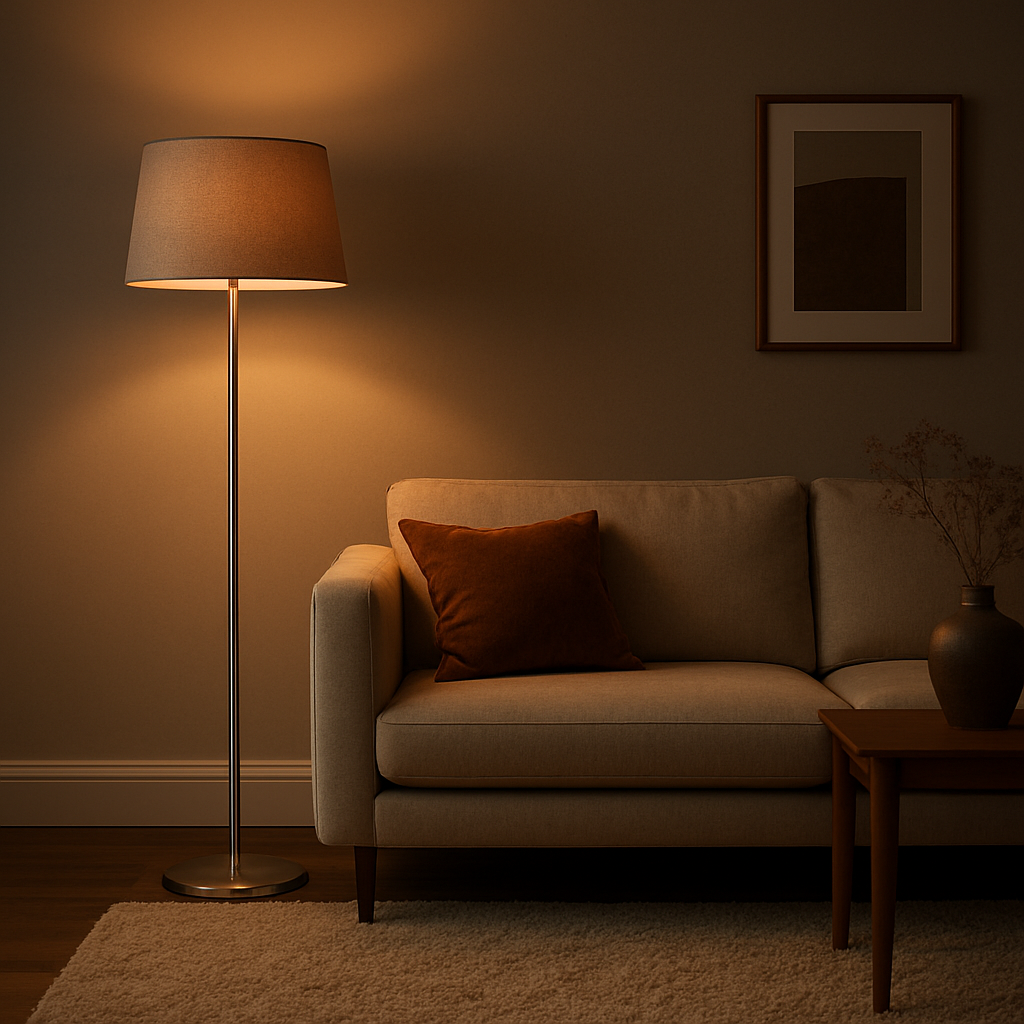
Bottom line? Treat height like a conversation between the lamp and everything else in the room. Measure, compare, and then step back – does the lamp feel like a natural extension of the space? If you’re still unsure, grab a tape measure, hold the lamp at the intended spot, and sit down. When the shade lines up with your eyes and the base feels solid, you’ve hit the sweet spot. That’s the moment you know you’ve chosen a floor lamp that not only lights the room but also lifts its personality.
Placement in Different Rooms
After you’ve nailed height and proportion, the next puzzle is where to actually put the lamp. It feels a bit like arranging furniture – you want the light to flow naturally, not stare at you like a spotlight.
Living‑room balance
Most living rooms benefit from two floor lamps rather than one. Picture a sofa centred on a fireplace or TV. Placing a lamp on either side of the focal point creates a symmetrical glow that hugs the seating area. If you have a low‑profile sofa, a taller lamp behind the backrest adds a soft backlight without cluttering the floor.
And what about those empty corners that feel a bit… dead? Slip a slim tripod lamp into the corner next to a side table. The light will spill onto the rug and give the space a gentle lift.
Reading nook magic
When you carve out a cosy chair with a plush throw, the lamp becomes your reading partner. An adjustable‑arm floor lamp right beside the arm‑chair lets you swing the beam exactly where you need it. The key is to keep the shade height at eye level when you’re seated – that way you avoid neck strain and the pages stay nicely lit.
Do you ever find yourself reaching for a book only to be blinded by a harsh glare? A lamp with a dimmable LED or a fabric shade softens the light and lets you dial it down for those late‑night chapters.
Bedroom serenity
In the bedroom, floor lamps should whisper, not shout. A low‑profile lamp placed on a nightstand‑sized side table works well for bedtime reading, while a taller, diffused torchiere behind the headboard can add ambient glow without waking the partner next to you.
Think about the flow from the bedside to the doorway. A single lamp tucked behind a wardrobe can guide you safely to the bathroom without the need for an overhead switch in the middle of the night.
Kitchen convenience
Even though kitchens are usually dominated by under‑cabinet lights, a floor lamp can rescue a breakfast nook or island that feels under‑lit. Choose a lamp with a focused arm that can be angled toward the countertop. This gives you task lighting for chopping herbs while keeping the rest of the kitchen warm and inviting.
And if your kitchen has a high ceiling, a taller lamp positioned in a corner can bounce light off the ceiling, spreading a gentle wash across the whole room.
Home‑office focus
A home office needs a lamp that can switch between intense focus and relaxed brainstorming. Place a lamp on the side of your desk, angled so the beam hits the work surface without creating glare on your monitor. A lamp with a built‑in USB port can even charge your phone while you work.
Do you ever feel your eyes burning after a long video call? Try a lamp with a cool‑white LED for daytime tasks and swap to a warm tone in the evening – many modern lamps let you change the colour temperature with a simple twist.
Hallway & entry elegance
Hallways are often overlooked, but a well‑placed floor lamp can turn a bland passage into a welcoming entry. Look for a slim, tall lamp that fits next to a console table or a decorative coat rack. The light should be bright enough to guide guests but not so harsh that it feels like a showroom.
If your entry has a high ceiling, consider a torchiere that throws light upward, creating an airy ambience that makes the space feel larger.
Quick placement checklist
- Identify the main activity in the room – reading, relaxing, cooking, working.
- Choose a lamp style that supports that activity (adjustable arm, diffused shade, torchiere).
- Place the lamp within arm’s reach of the task area, but avoid blocking walkways.
- Test the light angle by sitting or standing where you’ll use it most.
- Adjust height or tilt until the beam hits the eye‑level line without glare.
For a broader view of how designers think about room‑by‑room placement, check out this guide on perfect placement ideas for your floor lamps. It breaks down the three‑source rule and shows how layering ambient, task, and accent lighting can turn any space from flat to fabulous.
Bottom line: every room has its own lighting personality. By matching the lamp’s height, style, and angle to the room’s function, you give the space a tailored glow that feels intentional rather than an afterthought. Grab a lamp, try a few spots, and let the light tell you when it feels just right.
Care, Maintenance & Longevity
Start with the basics
Before you even think about swapping bulbs, give your floor lamp a quick power‑down and unplug it. It sounds obvious, but a few seconds of safety checks can save you from a nasty shock or a damaged socket.
Grab a soft, dry microfiber cloth and dust the shade, the base, and any exposed metal. A gentle wipe removes the fine film that builds up after a few weeks of use and lets the lamp breathe.
Cleaning the shade
If you have a fabric or linen shade, a lint roller or a light brush works wonders. For paper or delicate silk, just brush lightly – never spray water directly.
When a stain shows up, the trick is to blot, not rub. Dampen a corner of the cloth with a touch of mild soap and water, then press gently on the spot. Let it air‑dry before you power the lamp again. This method mirrors the advice from a trusted lamp‑care guide, which warns against harsh chemicals that can warp the shade.
Bulb and socket love
LEDs are the go‑to these days – they’re energy‑savvy, cool to the touch, and last for years. Still, they’re not indestructible. Make sure the bulb you choose matches the fixture’s maximum wattage; over‑driving a lamp can overheat the socket and shorten the lamp’s life.
When you swap a bulb, give the socket a quick visual inspection. Look for any darkening or corrosion. A tiny dab of electrical contact cleaner on a cotton swab can revive a dull connection, but keep the cleaner away from the shade and any painted surfaces.
Seasonal TLC
Spring is the perfect time to trim any plant leaves that have brushed against the base. Dust tends to settle on lower shelves, so a once‑a‑season deep clean keeps the lamp looking fresh.
In winter, check for moisture. Damp rooms can cause metal bases to rust or wooden stands to warp. A quick wipe with a dry cloth after a particularly humid night does the trick.
Preserving the finish
Wooden or lacquered bases love a little polish now and then. Use a high‑quality furniture wax or a dedicated wood polish, applied with a soft cloth in the direction of the grain. Avoid abrasive cleaners – they’ll strip the finish and make the lamp look older than it is.
Metal arms benefit from a light coat of oil or a spray‑on protective lacquer. This adds a thin barrier against fingerprints and helps keep the shine intact for years.
Pro‑longed longevity checklist
1️⃣ Turn off and unplug before any cleaning.
2️⃣ Dust with a dry cloth; use a slightly damp cloth only for stubborn spots.
3️⃣ Spot‑clean shades with blotting, not rubbing.
4️⃣ Verify bulb wattage matches the lamp’s rating.
5️⃣ Inspect sockets for corrosion and clean gently.
6️⃣ Polish wood or protect metal once every six months.
7️⃣ Do a seasonal sweep for dust, moisture, and plant debris.
Following these simple steps means your floor lamp will stay a stylish companion for the long haul, rather than a flickering eyesore after a year.
FAQ
How tall should my floor lamp be for a reading nook?
When you sit in a comfortable armchair, the shade top should sit around eye level – typically 42‑48 inches from the floor. Measure from the floor to the middle of your eyes, then choose a lamp whose shade height lands within that range. If the lamp is a bit taller, angle the shade downward so the light hits the pages without glare.
Can I use a dimmable LED bulb in a vintage‑style floor lamp?
Absolutely. Most vintage‑style lamps have a standard E26/E27 socket, so a dimmable LED that matches the lamp’s maximum wattage will work. Look for a bulb labelled “dimmable” and pair it with a compatible dimmer switch or plug‑in dimmer. The LED will give you the warm glow you love while letting you tone it down for movie night.
What’s the best way to prevent a metal floor lamp from fingerprint smudges?
Give the metal a light coat of protective lacquer or a quick wipe with a microfiber cloth and a dab of furniture oil every few months. Powder‑coated finishes are the easiest because they repel oils, but if you have a polished brass base, a thin layer of clear lacquer creates a barrier. Keep a soft cloth handy for daily touch‑ups.
How often should I clean the shade on a fabric floor lamp?
We recommend a gentle vacuum with the brush attachment once a month, followed by a light spot‑clean if you notice dust rings. For stubborn stains, a barely damp cloth with mild soap works – just blot, don’t rub, and let it air dry before you plug the lamp back in. Regular care keeps the colour bright and the fabric from yellowing.
Is it safe to leave a floor lamp on overnight?
Modern LED floor lamps generate very little heat, so leaving them on for a few extra hours isn’t a fire risk. However, always check the lamp’s UL or CE certification and make sure the cord isn’t tucked under rugs. If you’re using a halogen or incandescent bulb, it’s wiser to switch off before you head to bed.
What bulb colour temperature creates the coziest ambience?
For a warm, inviting vibe aim for 2700‑3000 K. That range mimics the soft glow of traditional filament bulbs and works well with wood or brass floor lamps. If you want a brighter, more modern feel, you can switch to 3500‑4000 K, but most homeowners find the lower Kelvin range perfect for evenings.
How can I make sure my floor lamp stays stable on uneven flooring?
Start by choosing a base that’s at least 12‑inch wide; the larger footprint resists wobble. If the floor is uneven, place a felt or rubber pad under the lighter side of the base – a simple kitchen‑shelf liner does the trick. For extra security, a small furniture‑leveling wedge can level the lamp without damaging the floor.
Conclusion
So, after wandering through styles, heights, bulbs and care, where does that leave you?
If you’ve followed our walk‑through, you now know that the right Floor Lamps aren’t just about brightness – they’re about fitting your room’s personality, supporting the tasks you love, and staying sturdy for years to come.
What’s the next step? Grab a tape measure, stand where you’ll sit, and picture the shade lining up with your eyes. Then match that vision with a base that’s at least a foot wide and a finish that feels right for your décor.
Your quick checklist
- Measure seated eye level (≈42‑48 in) and choose a lamp whose shade lands there.
- Pick a colour temperature you love – 2700‑3000 K for cosy evenings, 3500‑4000 K for focused work.
- Confirm the socket (E26/E27) and maximum wattage before buying LED bulbs.
- Ensure the base is stable; add a felt pad or wedge if the floor is uneven.
- Give the lamp a gentle dust‑off each month and swap bulbs only when the light dims.
When you treat a Floor Lamp like a piece of furniture – testing its height, checking its stability and caring for its finish – it becomes a lasting design partner rather than a fleeting trend. Need a little inspiration? Browse our curated lantern collection for complementary accents that tie the whole room together. Happy lighting!
← Older Post Newer Post →