
Dining Tables Review: Choosing, Styling, and Caring for the Perfect Piece
Posted by Admin on
Picture this: you’ve just moved into a new house, the boxes are barely opened, and the kitchen feels a bit empty without a place to gather around for a Sunday roast.
That missing piece? A dining table that not only holds plates but also holds memories – the clink of glasses, the laugh of kids, the quiet moments of a two‑person coffee after a long day.
At Harvey Bruce Interiors we get it. Our clients, whether they’re first‑time home‑buyers or seasoned homeowners hunting for that luxe touch, often tell us they’re torn between style, size, and sustainability. Does a sleek marble slab suit a family of four? Will a reclaimed wood piece fit a modern loft?
Honestly, there’s no one‑size‑fit‑all answer. But what we’ve seen work best is starting with the room’s vibe and the way you live. If you’re a lover of entertaining, a larger rectangular table with an extendable leaf gives you flexibility without sacrificing elegance. If space is tight, a round pedestal design keeps traffic flowing while still feeling grand.
And here’s a tip most guides skip: think about the chairs you’ll pair with it. A heavy oak table paired with slim, upholstered chairs can create a balanced contrast, whereas matching sets can make a small dining nook feel cohesive.
We also hear concerns about sustainability. That’s why we source materials that are responsibly harvested and built to last – because a beautiful table should be an heirloom, not a disposable trend.
So, what should you do next? Walk through your dining area, measure the walls, imagine the flow of people, and picture the meals you want to host. Jot down the style cues you love – be it industrial metal legs, classic turned legs, or a contemporary glass top.
Once you have that picture, explore collections that blend your aesthetic with practical features. Trust that the right dining table will become the heart of your home, turning everyday meals into moments worth sharing.
TL;DR
Choosing the right dining table transforms everyday meals into memorable gatherings, balancing style, size, and sustainable materials for your home. Measure your space, picture the flow, match chairs you love, and explore our curated luxury collection to find a perfect timeless piece that fits both your aesthetic and practical needs.
Step 1: Define Your Space and Lifestyle Needs
Ever walked into a room and instantly felt it was either too cramped or oddly spacious? That gut feeling is the first clue about what kind of dining table will actually work for you.
Start by measuring the floor area where the table will live. Grab a tape, note the length, width and ceiling height. Then, subtract a comfortable 90‑cm clearance on all sides – that’s roughly the space a person needs to pull a chair out and move around without bumping into a wall or a sideboard. Rayon’s design rules stress that circulation is key for a pleasant dining experience.
Map the flow of daily life
Think about how you move through the space. Do you often carry trays from the kitchen to the table? If the kitchen is an open‑plan layout, you’ll want a table that doesn’t block the visual line between cooking and dining. A rectangular table with a modest overhang lets you slide past, while a round pedestal keeps traffic flowing in tighter nooks.
Picture a family of four in a London terraced house. The kitchen door swings open onto a narrow hallway that doubles as a breakfast nook. A round 120 cm table fits snugly, letting a toddler’s high‑chair slide in without turning the whole room into a maze.
Match the table to your lifestyle
Ask yourself: How often do you entertain? Do you host holiday feasts for eight, or is dinner usually a quick two‑person affair after work? If you love entertaining, look for extendable tables – a leaf can add 60 cm or more when you need it, then tuck away for everyday use.
On the other hand, if you cherish intimate meals, a smaller square or oval table can create a cozier atmosphere. Interiors Home notes that shape influences conversation: round tables encourage eye contact, while rectangular ones give each guest a clear line of sight to the host.
Consider the kids factor. A solid wood surface holds up to spills and scratches, and a built‑in drawer (some of our luxury options have them) can store placemats and cutlery, keeping the floor tidy.
Factor in existing furniture
Take stock of what’s already in the room – sideboards, cabinets, lighting fixtures. Measure the distance from the table to any tall pieces; you’ll need at least 30 cm for a comfortable chair pull‑out. If you have a statement sideboard, a Luxury Occasional Tables collection piece can double as a decorative accent, tying the look together without crowding the space.
Don’t forget rugs. A rug that’s at least 60 cm larger than the table on each side anchors the set and defines the dining zone, especially in open‑plan homes.
Make a quick checklist
- Measure room dimensions and allow 90 cm clearance.
- Sketch traffic pathways – note doors, kitchen islands, and any high‑traffic zones.
- List typical guest count and decide on fixed vs. extendable.
- Identify existing pieces (sideboards, rugs, lighting) that will interact with the table.
- Choose a shape that suits conversation style and space constraints.
Once you have these answers on paper, you’ll see a clear picture of the table size, shape and material that fits your life, not the other way around.
And remember, defining your space isn’t a one‑off task. As families grow or entertaining habits shift, you might revisit the checklist and discover a new need – maybe a taller bar‑height table for casual brunches or a deeper walnut top for a holiday buffet.
Take a moment now: grab a notebook, walk the perimeter of your dining area, and jot down the numbers and feelings that pop up. That simple act turns a vague idea into a concrete plan you can act on.
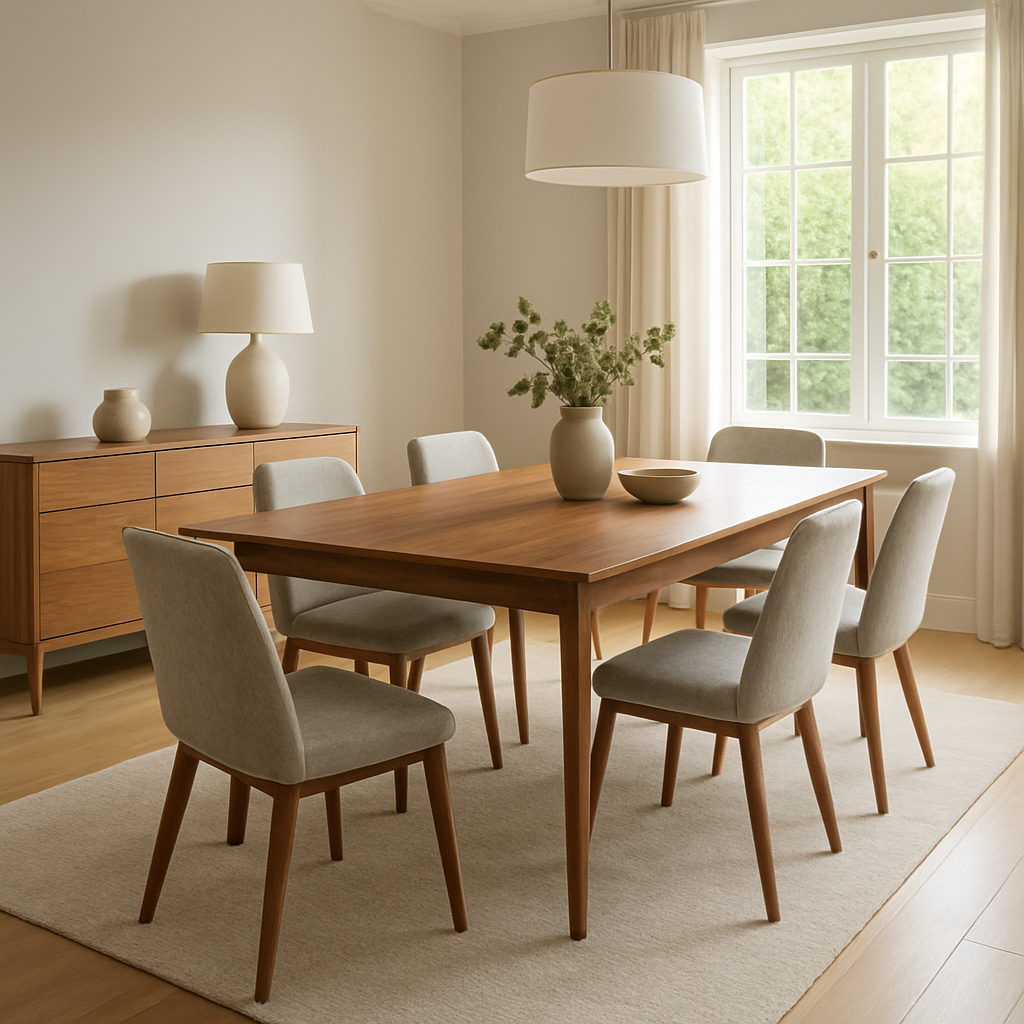
Step 2: Selecting the Perfect Shape and Size
Now that you've measured the space, the next puzzle piece is the shape and size of your new dining table.
Do you picture a long, rectangular surface stretching like a runway for a Christmas feast, or a compact round top where everyone leans in for a cosy chat?
The truth is, the shape you pick directly influences how people move, talk, and even how the room feels.
Here’s a quick way to narrow it down: start with the way you use the space day‑to‑day.
Rectangular tables – the classic workhorse
If your dining room is a rectangle or an open‑plan kitchen that flows into the lounge, a rectangular table usually slides in without blocking sightlines.
We’ve seen couples who love a sleek extendable leaf – it adds about 60 cm when the in‑laws arrive, then tucks away for a tidy two‑person dinner.
Keep the length to no more than the room width minus 180 cm; that leaves the 90 cm clearance on each side we talked about earlier.
Round tables – the conversation catalyst
Round tables are a favourite for families with young kids because there’s no corner to bump into and everyone can see each other’s faces.
A 120 cm diameter round works beautifully in a London terraced house nook, while a 150 cm version can host six without feeling cramped – see examples of round dining tables for inspiration.
Because the perimeter is all seating, you’ll often need a slightly smaller rug – aim for at least 60 cm beyond the edge of the table.
Oval and square – the happy middle ground
Oval tables give you the elongated look of a rectangle but with softened ends that ease traffic flow.
Square tops feel modern and work well in square‑shaped rooms; just remember the diagonal measurement when checking clearance.
Size checklist – your cheat sheet
- Measure the room’s width and subtract 180 cm to find the maximum table length.
- For round tables, keep the diameter under the room’s smallest dimension minus 180 cm.
- Allow 90 cm clearance on all sides for chairs and movement.
- Consider the leaf or extension mechanism if you need occasional extra seating.
- Check the rug size – add at least 60 cm around the table’s outer edge.
Seeing these shapes in action can make the decision feel less abstract.
Notice how the designer moves around the table, pointing out the breathing room needed for chairs and the flow of traffic.
When you’ve settled on a shape, double‑check the size against your checklist. If you’re still on the fence, sketch a paper cut‑out of the tabletop and tape it to the floor – walk around it, pull a chair, and see if the space feels right.
Finally, think about the long‑term. A table that fits today should also accommodate future needs – a growing family, a new home office nook, or a seasonal buffet. Choosing a shape that can adapt, like an extendable rectangle or a modest round with a leaf, keeps your dining area flexible for years to come.
Take a moment now: pull out a measuring tape, sketch a quick outline of your favourite shape, and match it to the numbers on your checklist. That simple exercise turns vague preferences into a concrete plan you can act on.
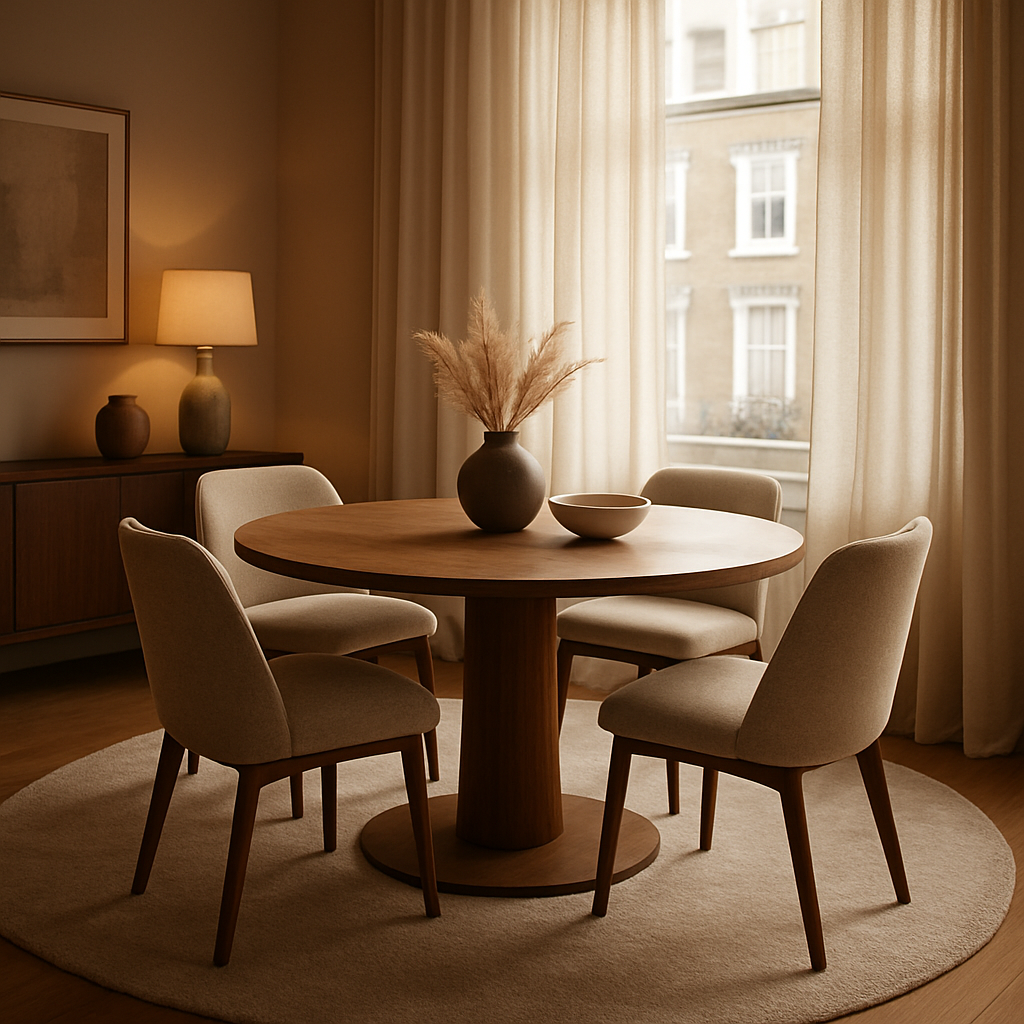
Step 3: Material Choices and Their Impact
Now that you've nailed the shape, the next decision that really shapes the mood of your room is the material. The right material can make a dining table feel cosy, modern, or timeless, while the wrong one can clash with your walls, wear out quickly, or leave you buying a replacement sooner than you'd like.
So, what should you look at? Think about three things: durability for everyday life, visual harmony with the rest of your home, and the environmental story you want to tell.
Wood: The Classic Workhorse
Wood is the go‑to for most homeowners because it ages like a fine wine. Hardwoods such as oak, walnut and maple dining tables give you a blend of strength and character. Maple, for example, scores high on hardness and resists dents – a useful fact if you have kids who love to bang plates. The same source notes that maple’s light grain hides scratches better than darker woods, making it a low‑maintenance choice for busy families. You’ll often see a natural finish paired with metal legs for a contemporary twist.
If you love a classic British feel, a solid oak table with turned legs can anchor a heritage‑style dining room. For a sleek, modern loft, a walnut table with a matte lacquer adds depth without overwhelming the space.
Metal & Mixed Materials: Modern Edge
Metal frames bring an industrial edge that works surprisingly well in cosy homes when balanced with warm wood tops. Think of a brushed steel base supporting a reclaimed oak slab – the contrast says “I’m stylish but I’m also built to last.” In our experience, couples who work from home love the stability of a metal‑leg table because it doesn’t wobble when they pull a laptop onto the surface.
When you need flexibility, look for tables with hidden metal brackets that let you add a leaf. Extendable dining tables with self‑storing leaves slide out in seconds, perfect for that surprise dinner party without sacrificing floor space.
Glass & Marble: Light & Luxe
Glass tops create an airy feel, especially in smaller flats where you don’t want a heavy footprint. A tempered glass surface reflects light, making the room feel larger – a trick many London flat‑dwellers swear by. The downside? Fingerprints show up instantly, so a regular cleaning routine is essential.
Marble adds a touch of luxury, but it’s also heavy and can stain if you’re not careful. A thin marble veneer over a sturdy wood core gives you the look without the full weight. Pair it with sleek metal legs and you’ve got a statement piece that still fits a family’s everyday rhythm.
Sustainability & Care Tips
Today’s homeowners care about where their furniture comes from. Look for FSC‑certified wood or reclaimed timber that gives you a story and reduces waste. Maple tables from CopperSmith, for instance, are handcrafted to order, meaning you only get what you need, cutting excess inventory.
Maintenance is simple when you match the material to your lifestyle. For wood, a soft microfiber cloth and occasional food‑grade oil keep the finish vibrant. Metal legs just need a quick wipe down to avoid water spots. Glass benefits from a vinegar‑water spray and a lint‑free cloth.
- Match material hardness to traffic – high‑traffic kitchens benefit from maple or oak.
- Consider weight – glass and marble need solid floor support.
- Check finish – matte reduces visible scratches; high‑gloss shows fingerprints.
- Verify sustainability credentials – FSC, reclaimed, low‑VOC finishes.
- Plan for future – choose a material that can be refinished or repurposed.
By aligning the material with your daily rhythm, aesthetic goals, and eco‑values, you’ll end up with a dining table that feels like it was made just for your home. Take a moment now: run your hand over the grain of a sample, tap the metal base, and picture how the light plays off the surface. That tactile test will tell you if the material truly clicks with your space.
Step 4: Bespoke vs Ready‑Made – Quick Comparison
Now that you’ve sized the room and picked a shape, the next fork in the road is a big one: do you go for a made‑to‑order piece that’s crafted just for you, or do you pick a ready‑made table that’s already on the showroom floor?
Both routes can land you a gorgeous dining table, but the experience, timeline, and even the feeling when you pull out a chair can be wildly different. Let’s break it down so you can decide which path matches your lifestyle and budget.
What you get with a bespoke table
When you commission a bespoke dining table, you’re essentially hiring a skilled artisan to translate your vision into wood, metal or glass. Think of it as ordering a suit that’s cut to your exact measurements – every edge, grain, and finish can be tweaked.
In our experience, homeowners love the ability to choose everything from the species of timber (reclaimed oak, FSC‑certified walnut, etc.) to the leg style (industrial steel, turned mahogany) and even hidden features like built‑in drawers or cable channels. Because the piece is built from scratch, you also get a tighter quality control loop – the craftsman can spot and fix any imperfection before it leaves the workshop.
Handmade luxury dining tables tend to out‑last their mass‑produced cousins. The FCI London blog notes that “handmade furniture … can last a lifetime” and is far easier to repair or refinish when the time comes handmade luxury dining tables. That longevity often translates into a better environmental story, especially when the maker sources reclaimed timber or low‑VOC finishes.
What you get with a ready‑made table
Ready‑made tables are the quick‑fire option. You walk into a showroom, spot a design you like, and the delivery date is usually a matter of days or weeks. This route is perfect if you’re moving into a new home and need a functional surface now, or if you’re on a tighter budget.
Because the pieces are produced in larger batches, you’ll find a broader price range – from budget‑friendly laminate tops to mid‑range solid wood options. The trade‑off is less flexibility: you’ll be choosing from the dimensions, finishes, and leg styles the manufacturer has pre‑designed.
One downside that often trips people up is the hidden cost of replacement. Mass‑produced tables can be made from lower‑grade composites that chip or warp over time, meaning you might end up buying another table in a few years.
Quick side‑by‑side comparison
| Feature | Bespoke | Ready‑Made |
|---|---|---|
| Customisation | Fully tailor‑made – size, material, finish, hidden features | Limited to catalogue options |
| Lead time | 4‑12 weeks (depends on craftsperson) | 1‑3 weeks, often faster |
| Cost | Higher upfront, but long‑term value | Generally lower price point |
| Sustainability | Local artisans, reclaimed wood, low‑VOC finishes | Often mass‑produced, larger carbon footprint |
| Longevity | Decades with proper care, repairable | 5‑10 years typical, harder to repair |
So, which route feels right for you? Ask yourself three quick questions:
- Do you have a specific design or dimension that can’t be met off the shelf?
- Is your timeline flexible enough to wait for a handcrafted piece?
- Are you looking for a long‑term heirloom or a functional stop‑gap?
If you answered “yes” to most of those, the bespoke route will probably give you that extra spark of joy every time you sit down for dinner. If you’re eager to fill the space now and keep costs predictable, a ready‑made table will do the job without the wait.
Here’s a simple action plan:
- Make a list of non‑negotiables – e.g., table length, wood species, leg style.
- Visit a local artisan workshop or request a virtual design session. Ask for a 3‑D visualisation so you can see the piece in your own room.
- If you lean ready‑made, measure your space again and filter showroom options by those non‑negotiables. Check the warranty and ask about the core material.
- Compare the total cost of ownership – include expected lifespan, maintenance, and potential resale value.
Whichever path you choose, the goal is the same: a dining table that feels like it was made for your home, not the other way around.
Step 5: Styling Your Dining Table with Harvey Bruce Homeware
Picture this: you’ve just placed the new table in the room, but the space still feels a little flat. That moment when you realise the table is the canvas and the accessories are the brush strokes is where the magic really starts.
Start with a focal point
What catches the eye first? A statement centerpiece, a set of elegant candle holders, or maybe a textured runner that adds colour without overwhelming the wood. In our experience, a simple yet striking piece – like a handcrafted brass bowl or a sculptural vase – can instantly lift the whole scene.
And don’t be afraid to let the table’s material guide your choices. A warm walnut top loves earthy tones, while a sleek marble surface feels fresh with crisp white ceramics.
Layer with texture
Think of your table as a layered dessert. Start with a base – a linen or cotton runner that adds softness. Then sprinkle on a few textured items: woven placemats, a stack of artisanal coasters, or a set of hand‑stitched napkins. The contrast between smooth glassware and rough‑hewn wood makes the eye wander, and that keeps the space feeling alive.Here’s a quick checklist:
- Runner or placemat in a complementary hue.
- Two‑to‑three accent pieces (vase, bowl, candle).
- Coordinated napkins and placemats for everyday use.
- A subtle greenery touch – a small potted herb or a single stem.
Play with height
Variation in height creates visual rhythm. A low‑lying tray for sauces sits nicely next to a tall, sculptural candle. It’s the same trick interior designers use in living rooms – you’re just shrinking it down to table‑scale.
And if you have kids, a taller piece can double as a conversation starter while keeping the table functional.
Introduce colour without clashing
Colour doesn’t have to dominate; it can whisper. A muted teal runner paired with ivory plates gives a subtle pop that feels sophisticated. If you’re feeling bold, a splash of mustard‑gold in a ceramic pitcher can become the room’s signature accent.
Remember the rule of three: pick a dominant colour, a secondary hue, and a highlight colour. This keeps the look cohesive without feeling chaotic.
Seasonal swaps
One of the joys of a well‑styled table is how easy it is to switch with the seasons. In spring, swap heavy candles for fresh tulips; in winter, bring in metallic candlesticks and a deeper runner. The core pieces stay, the accessories move – and you get a fresh look all year round.
For a bit of inspiration, the Oltre Society Home Decor collection showcases experimental shapes and textures that can be mixed into a dining setting for that avant‑garde touch.
Practical styling tips
1. Keep the centre clear enough for a plate to sit comfortably – you don’t want guests fighting for space.
2. Use a tray for everyday items like salt, pepper, and olive oil; it keeps things tidy and easy to move.
3. Test the lighting: a warm pendant or a dimmable wall wash can change the mood dramatically. Dim the lights for a cosy dinner, raise them for a lively brunch.
4. Rotate accessories every few weeks – even a small change prevents the look from feeling static.
Final thought
Styling isn’t about filling every inch; it’s about curating a story that reflects who you are. When the table feels lived‑in yet intentional, every meal becomes a little celebration.
So, grab a few pieces you already love, add one new accent from a collection that inspires you, and watch your dining space transform from functional to unforgettable.

Step 6: Maintenance and Longevity Tips
You've spent time picking the perfect dining table, now it's time to treat it like a long‑term partner. A little routine care can keep your table looking fresh for decades, whether it's a sleek walnut slab or a sturdy oak pedestal.
Start with the basics: clean, don't scrub
First thing's first – wipe up spills the moment they happen. A damp cloth with a drop of mild dish soap is usually enough; avoid harsh chemicals that can strip the finish. When you dust, use a soft, lint‑free cloth or a feather duster and always move in the direction of the grain.
Does it feel like a chore? Not really. Make it part of your nightly routine, like setting the table, and it'll become second nature.
Protect the surface daily
Placements, coasters, and a well‑chosen table runner are your first line of defence. They stop hot pots, wine rings, and the occasional rogue crayon from leaving permanent marks. If you love the look of a bare wood top, opt for a low‑profile silicone mat that slides under plates without hiding the grain.
And remember: sunlight is a silent enemy. A table that basks in direct light for hours can fade and dry out. Position your piece away from window glare or use sheer curtains to filter the UV.
Seasonal deep‑care routine
Once or twice a year, give your table a deeper treatment. Here’s a quick checklist:
- Inspect the finish – is it looking dull or showing micro‑scratches?
- For oiled wood, apply a food‑grade oil (like walnut or Danish oil) sparingly with a soft cloth, let it soak, then wipe off excess.
- If the table has a varnish, a high‑quality furniture wax can add a protective sheen and hide minor wear.
- For metal legs, a quick wipe with a vinegar‑water solution prevents water spots.
Not sure which product to choose? Castlery offers a solid rundown of wood‑specific care tips that line up nicely with what we recommend how to protect wooden dining tables.
Handling everyday accidents
Spilled red wine? Blot it right away with a clean cloth – never rub, because rubbing spreads the pigment deeper into the grain. For stubborn stains like beetroot or turmeric, a mixture of baking soda and water applied for a few minutes can lift the colour without damaging the finish.
Got a hot casserole? Let it cool a bit, then use a heat‑proof trivet. If you forget and a scorch appears, a gentle touch‑up with a matching wood marker can camouflage the mark until you refinish.
Extend the life of extendable tables
Extendable mechanisms often rely on metal slides or hidden levers. Keep them lubricated with a silicone‑based spray every six months – a drop on each rail is enough. Check that the leaf sits flush; a misaligned leaf can cause wobble and stress the joints over time.
And when you’re not using the extra length, store the leaf in a dry, climate‑controlled space. Moisture is the biggest culprit behind wood warping.
Long‑term storage and moving tips
If you ever need to move house, disassemble the table if possible. Wrap each leg in moving blankets and secure the tabletop with a sturdy cardboard sheet. Avoid stacking heavy items on top of the table; pressure points can dent or warp the surface.
For long‑term storage, keep the table upright in a climate‑stable room, away from basements that can get damp.
Quick maintenance cheat sheet
- Wipe spills immediately with a damp cloth.
- Use placemats, coasters, and a runner for daily protection.
- Dust with a soft cloth, following the grain.
- Apply oil or wax once or twice a year, depending on finish.
- Lubricate extendable rails every six months.
- Shield from direct sunlight and keep humidity stable.
- Check leaf alignment before each extension.
So, what’s the next step? Grab a soft cloth, give your dining table a quick once‑over right now, and set a reminder on your phone for a seasonal deep‑care session. Treat your table right, and it’ll stay the heart of your home for generations to come.
FAQ
How often should I oil or wax my wooden dining table?
In most UK homes, a light coat of food‑grade oil or a dab of natural wax every six to twelve months does the trick. First, clean the surface with a dry cloth, then apply a thin layer of oil using a soft rag, let it soak for 15‑20 minutes, and wipe away any excess. This routine keeps the grain hydrated, reduces drying cracks, and brings out that warm glow you love without over‑doing it.
What’s the best way to prevent scratches on a glass dining table?
Start with a good quality felt or silicone mat under every plate – it acts like a cushion and stops tiny chips from turning into noticeable scratches. Keep a microfiber cloth handy for daily dusting, and avoid abrasive cleaners; a mix of water and a splash of white vinegar works fine. If you notice a faint ring, a gentle polish with a non‑abrasive glass cleaner will restore clarity without harsh chemicals.
How do I keep an extendable dining table’s leaf from warping?
Store the leaf in a climate‑controlled room, away from basements that can get damp. Before you tuck it away, make sure it’s completely dry – wipe any moisture from the surface and let it air out for a few hours. When you re‑extend the table, check that the leaf sits flush with the main top; a misaligned leaf can create pressure points that eventually lead to warping.
Can I use coasters and placemats on a laminate dining table without damaging it?
Absolutely. Laminate tops are pretty resilient, but a simple felt coaster or a low‑profile fabric placemat adds a layer of protection against heat marks and water rings. Just avoid placing hot pans directly on the surface – a heat‑proof trivet does the job. Regularly wipe the laminate with a damp cloth and avoid harsh solvents; this keeps the finish looking fresh for years.
What’s the ideal humidity level for preserving solid wood dining tables in the UK?
Wood thrives in a stable environment of about 45‑55% relative humidity. If you live in a damp coastal town, a dehumidifier can help during winter months when indoor air gets clammy. Conversely, in drier inland areas, a modest humidifier in the colder season prevents the wood from shrinking and cracking. Using a hygrometer to monitor levels makes it easy to maintain that sweet spot.
How do I safely move a large dining table through a narrow hallway?
Measure the doorways and hallway width first – you’ll often need to tilt the table on its side. Wrap each leg in moving blankets, then slide a sturdy cardboard sheet under the top to protect it. Recruit a friend to guide the table around corners while you keep it level. If the space is really tight, disassemble any removable leaf or extension; it makes the whole process smoother and reduces the risk of scratches.
Are there sustainable material options for dining tables that still feel luxurious?
Yes – think FSC‑certified reclaimed oak, responsibly sourced walnut, or even bamboo that’s been treated for durability. These materials offer the same richness as traditional hardwoods but with a smaller carbon footprint. Pairing a reclaimed wood top with sleek metal legs adds a modern touch while keeping the table sturdy. Many homeowners find that the natural patina that develops over time adds character, making each piece truly one‑of‑a‑kind.
Conclusion
After walking through shape, material, styling and care, you’ve got a clear roadmap for choosing the perfect dining table.
Think back to that moment when you imagined friends gathered around a warm walnut top, or a sleek glass surface that lets the light dance. That vision is now backed by practical steps – measure the space, match the shape to how you live, pick a sustainable material, and plan for long‑term love.
So, what’s the next move? Grab a tape measure, sketch the outline on your floor and, if you can, sit down with a sample slab. Feel the grain, test the weight, and picture the everyday moments – a Sunday brunch, a birthday toast, a quiet coffee.
Remember, a dining table isn’t just furniture; it’s the stage for the stories you’ll create at home. Whether you go bespoke or pick a ready‑made piece, the goal is the same: a table that feels right today and stays relevant tomorrow.
Take a minute now to write down the three non‑negotiables you’ve discovered in this guide. That little list will keep you focused when you start browsing or speaking with a maker. Your perfect dining table is waiting – and you’ve just earned the confidence to choose it.
← Older Post Newer Post →