
Occasional Tables Review: Bespoke Designs to Inspire Your Home
Posted by Admin on
Ever walked into a room and felt something was just missing—a spot to rest your coffee cup, a place for that favourite vase, or a subtle hint of style?
That little gap is where occasional tables shine. They’re not meant to dominate; they’re the quiet side‑kicks that pull a space together, adding function without shouting.
Imagine you’ve just moved into a cosy London flat. The sofa looks perfect, but the coffee table feels too bulky. A sleek, gold‑toned occasional table can sit beside the armchair, holding your tea and a stack of design magazines, while keeping the line of sight open.
We often see homeowners debating size—should it be tall enough for a lamp or low enough for snacks? In our experience, picking a piece that mirrors the height of your seating creates a harmonious flow. A low marble top works beautifully with plush sofas, whereas a taller wooden console can double as a display shelf.
But it’s not just about height. The material tells a story. A brushed brass occasional table adds a touch of luxury without overwhelming a neutral palette, while reclaimed oak brings warmth and a sense of heritage. Think about the feel you want in your living room, then let the table echo that mood.
And what about placement? A corner often feels dead space. Slip a narrow console there, and suddenly you’ve got a spot for keys, a plant, or a scented candle—turning a forgotten nook into a curated vignette.
So, how do you choose the right piece? Start by walking around your room, visualising where you reach for a drink or a book. Measure that spot, then match the table’s dimensions and style to the surrounding décor. Don’t be afraid to mix metals or textures; a contrast can become the room’s focal point.
Ready to give your home that effortless elegance? With the right occasional table, you’ll notice the difference instantly—function meets beauty in the most understated way.
TL;DR
Occasional tables add subtle style and handy surfaces, turning empty corners or side spaces into purposeful spots for a coffee cup, a favourite vase, or a sleek lamp.
Pick a height that mirrors your seating, choose a material that matches your mood, and let the piece blend luxury with function for an instant, effortless upgrade.
Design & Aesthetic: How Occasional Tables Elevate Your Space
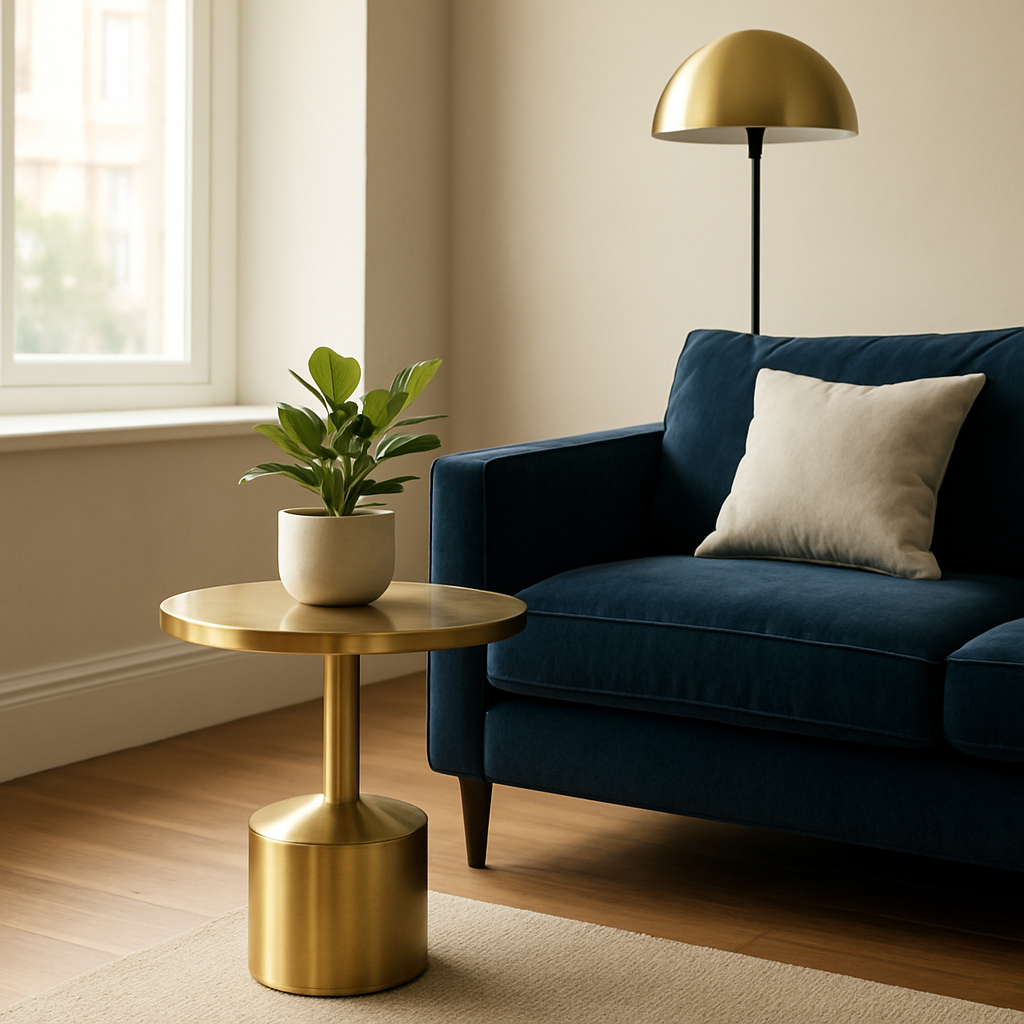
Ever notice how a single side table can make a room feel suddenly "finished"? You walk in, you spot that gold‑toned occasional table beside the armchair, and—boom—there’s a visual anchor that pulls everything together. It’s the kind of quiet confidence that says, "We’ve thought this through," without shouting.
And it’s not just about the metal or wood; it’s about the story the piece tells. A brushed brass finish whispers luxury, while reclaimed oak shouts heritage. When you match the finish to the mood you want, the whole space shifts—like changing the soundtrack of a movie.
Material Mood Swings
Think about the material palette you already have. Do you have a velvet sofa in deep navy? A marble‑top occasional table in a soft beige can soften that richness, creating a gentle contrast. Or maybe you love the industrial vibe of exposed brick; a forged‑iron table adds that edge without feeling forced.
Our friends at Bassett Furniture showcase a wide range of finishes, from sleek black to sunny gold, so you can see how colour and texture play off each other before you commit. Browsing those options helps you visualise the exact tone you need for your own living room.
But here’s the kicker: you don’t have to stick to one material. Mixing a glass‑top occasional table with a wooden console nearby creates depth—one reflects light, the other absorbs it, and the eye roams happily.
Shape & Space
Round vs. square? That’s a classic dilemma. If your room is already filled with sharp lines—think rectangular sofas, straight‑edged shelving—a round side table softens the geometry. It’s also kid‑friendly; fewer corners to bump into.
On the flip side, a rectangular table gives you extra surface real‑estate for books, candles, or that stack of design magazines you love to flip through. It pairs nicely with long sectionals, acting almost like an extended arm for the whole seating area.
And don’t forget height. A table that sits just a whisker higher than your sofa arm lets you rest a cup of tea without stretching. Aim for a height within 1‑2 inches of your armrest—your shoulders will thank you.
Styling Tips
Now, let’s get into the fun part: styling. Start with one statement piece—a sculptural table in brushed gold, for example. Then add a few curated accessories: a low‑burnt ceramic vase, a slim lamp, perhaps a small stack of art books. Keep the group under 12 inches tall to maintain a cohesive line.
And remember, less is more. A single well‑placed occasional table can do what a whole sideboard cannot—provide focus without overwhelming the room.
So, how do you make the decision? Walk around your space, imagine where your hand naturally reaches for a drink, and picture a table there. If the spot feels empty, that’s your cue.
Below is a quick visual guide that sums up the key choices.
Notice how the video walks you through selecting the perfect height and finish. It’s a handy reminder that the right occasional table is both functional and a design whisper.
Materials Matter: Comparing Wood, Metal, and Glass Occasional Tables
Wood: Warmth you can feel
When you run your hand over a solid oak side table, you get that subtle grain that whispers "hand‑crafted". In our experience, wood occasional tables are the go‑to for homeowners who want a piece that ages gracefully – the patina deepens over years, making the table feel lived‑in rather than bought.
Take the Luxury Occasional Tables collection – you’ll see reclaimed oak options that come with a natural finish and a protective oil coat. A quick tip: give the surface a light wax every six months; it keeps the wood supple and prevents water rings.
Real‑world example: a London flat‑share couple chose a slim oak console for the hallway. They used it to hold a slim stack of design books and a potted fern. The wood’s warmth softened the concrete walls, and the table doubled as a subtle storage unit.
Metal: Edge and durability
Metal occasional tables bring an industrial edge that can either contrast or complement softer textures. A brushed‑steel or matte‑black frame feels sturdy, and it’s practically indestructible – perfect for busy households with kids or pets.
One homeowner in Manchester swapped a glass side table for a powder‑coated aluminium piece after a toddler knocked it over. The metal survived the tumble, and the sleek finish added a modern punch to the living room.
Maintenance tip: a quick wipe with a microfiber cloth after each use keeps fingerprints at bay. If you notice a dull spot, a light polish with a non‑abrasive metal cleaner restores the shine without scratching.
Glass: Light and illusion
Glass occasional tables are all about visual weightlessness. They let light bounce around the room, making small spaces feel larger. As the ThinkGlass guide points out, choosing the right thickness (typically 10‑12 mm) ensures durability while keeping the table looking elegant.
Imagine a narrow glass round table beside a velvet armchair in a compact London studio. The transparent surface lets the bold colour of the sofa pop, and you can still see the floor pattern underneath – it’s a subtle trick that adds depth without clutter.
Practical advice: always use coasters and avoid placing hot pots directly on the glass. A quick daily wipe with a vinegar‑water solution prevents water spots and keeps the surface crystal clear.
Making the decision – a quick checklist
We like to break it down into three quick questions:
- Do you crave warmth (wood) or sleek modernity (metal)?
- Is the table a focal point or a background helper?
- How much maintenance are you comfortable with?
Answering these will point you toward the material that matches your lifestyle and aesthetic.
| Material | Pros | Cons | Best For |
|---|---|---|---|
| Wood | Warm, ages beautifully, easy to personalise | Can show scratches, needs occasional oiling | Cozy homes, classic interiors |
| Metal | Durable, modern look, low‑maintenance | Can feel cold, may dent if struck hard | Industrial or contemporary spaces, high‑traffic areas |
| Glass | Light, visual expansion, sleek | Shows fingerprints, needs careful cleaning | Small rooms, minimalist aesthetics |
So, what should you do next? Walk around your room, notice the lighting, and picture each material in that spot. If you love the idea of a piece that will develop character over time, wood is your friend. If you need a table that can survive a bustling family life, metal wins. And if you want a table that almost disappears, glass is the answer.
Remember, occasional tables are meant to serve you – not the other way around. Pick the material that fits your daily rhythm, and you’ll have a functional piece that also tells a story.
Functionality & Versatility: Using Occasional Tables in Different Rooms
Ever walked into a hallway and thought, “There’s nowhere to drop my keys without tripping over a rug”? That tiny moment is where an occasional table can become a quiet hero. It’s not about making a statement; it’s about smoothing the little friction points in everyday life.
Living room: the side‑kick for sofas and armchairs
Imagine you’re settling into your favourite sofa after a long day. You reach for the remote, a cup of tea, maybe that novel you’ve been half‑reading. A low, wood‑grain occasional table placed just a whisker away lets you keep everything within arm’s reach without stretching. Because the height mirrors the sofa arm, you’ll notice a subtle relief in your shoulders – that’s the kind of comfort we love to create at Harvey Bruce.
And if your living room leans modern, a slim metal table with a brushed finish can sit beside a plush velvet chair, adding a dash of industrial edge while still offering a sturdy surface for a lamp or a stack of design magazines.
Bedroom: bedside convenience without the bulk
In the bedroom, space is premium, especially if you share the room or have a smaller footprint. A petite occasional table next to the bed can double as a nightstand – a spot for your alarm clock, a glass of water, or that favourite scented candle you light before drifting off. Because it’s not a full‑size nightstand, it keeps the area airy, yet you still have a dedicated surface for those bedtime essentials.
Think about those moments when you’re half‑asleep and reach for the phone. A table just the right height saves you from fumbling in the dark, and the wood’s warm tone can be soothing as you start the day.
Dining nook or kitchen: extra prep space that disappears
If you have a cosy breakfast nook, a narrow glass occasional table can slide between a bench and a wall, providing a handy spot for a coffee mug or a small plate without stealing visual space. The transparency keeps the area feeling open, especially in smaller London flats where every inch counts.
On the other hand, a sturdy metal console can serve as a temporary buffet for a dinner party, holding plates and wine bottles while you finish setting the main table. After the guests leave, simply push it back into its corner and the room returns to its original calm.
Home office or study: a micro‑workstation
Working from home? A compact occasional table beside your chair can become a pop‑up workstation for a laptop, a notebook, and a stylish pen holder. Because it’s not a permanent desk, you can easily move it when you need more floor space for a yoga session or a creative brainstorming session on the rug.
We’ve seen couples in their first home use a single oak occasional table as a shared laptop station, then slide it aside for a quick coffee break. The flexibility keeps the room functional without feeling like a cluttered office.
Bathroom or entryway: a discreet drop‑zone
Even the bathroom can benefit. A small, water‑resistant occasional table next to the vanity holds your jewellery box, a scented candle, or that travel‑size hand cream you love. In the entryway, a narrow console welcomes you with a place for mail, keys, and a decorative bowl for fresh fruit – turning a simple foyer into a welcoming vignette.
Because occasional tables are lightweight, you can experiment with placement as seasons change. Swap a glass piece for a wooden one in winter for extra warmth, then bring the glass back in spring to keep the room feeling bright.
Tips to maximise versatility
- Measure the height of surrounding furniture first – aim for a difference of no more than 2 inches for seamless flow.
- Choose a material that matches the room’s traffic level – wood for low‑traffic lounges, metal for high‑traffic hallways.
- Use accessories you can easily move – a small tray, a couple of coasters – to adapt the table’s purpose without buying a new piece.
At the end of the day, an occasional table is a tiny chameleon. It can be a side‑kick, a nightstand, a prep surface, or a pop‑up desk – all while staying understated enough to let the rest of your décor shine. So, pick the room you feel needs that extra touch of functionality, and let a well‑chosen occasional table do the rest.
Top 5 Bespoke Occasional Tables from Harvey Bruce
Ariella Console Table – £168.30
Picture a narrow hallway in a cosy Edinburgh flat. You drop your keys, a quick glance at the wall, and there’s the Ariella Console Table waiting to catch them. Its clean lines keep the space feeling airy, yet the warm wood grain adds a subtle touch of luxury. Because it’s low‑profile, you can pair it with a slim lamp or a few art books without crowding the entry.
Actionable tip: Measure the width of your doorway first, then leave at least 5 cm on either side of the table so you can still move furniture easily.
Mini Oak‑ish Hallway Console Table – £226.10
When a couple in Glasgow wanted a place to showcase a small plant collection, they chose the Mini Oak‑ish Hallway Console. The reclaimed‑oak finish ages beautifully, developing a patina that tells a story over years. It’s deep enough to hold a narrow tray for mail, but not so deep that it dominates a narrow corridor.
Try this: Use a matching oak picture frame on the wall above the console – the continuity of tone makes the whole hallway feel intentional.
Barley Twist Round Side Table – £258.40
Ever notice how a round table softens a room full of sharp angles? The Barley Twist does exactly that. Its twisted metal base adds a hint of industrial flair, while the glass top keeps the visual weight light. It’s perfect for a living‑room corner where you want a spot for a single cup of tea and a reading lamp.
Quick step: Place a small stack of your favourite design magazines on the side; the glass keeps them visible without hiding their covers.
Turned Legs Cherry Side Table – £586.50
If you love a statement piece, the Turned Legs Cherry Side Table is the one. The deep cherry finish feels like a piece of art, and the turned legs give it a classic, almost sculptural vibe. It works brilliantly beside a plush velvet armchair, providing a regal surface for a candle, a coaster, or a small tray of snacks.
Pro tip: Pair it with a gold‑tone lamp (like Harvey Bruce’s Milan Chrome Table Lamp) for a luxe contrast that doesn’t scream for attention.
Honey Caramel Rounded Small Console Table – £282.20
For a bedroom nightstand that doesn’t overwhelm a smaller space, the Honey Caramel Rounded Small Console is a winner. Its soft, caramel‑coloured wood brings warmth to a minimalist bedroom, and the rounded edges make it kid‑friendly. A single bedside lamp, a glass of water, and a favourite novel all fit comfortably.
Actionable tip: Add a small woven basket underneath for hidden storage of charging cables or a spare set of reading glasses.
How to make the most of your new occasional table
First, think about traffic flow. You don’t want a table that blocks the path to the kitchen or the bathroom. Second, match the height to the surrounding furniture – a difference of no more than 2 inches feels natural. Third, choose accessories that can move easily; a tray, a couple of coasters, or a lightweight vase let you switch the table’s role from coffee‑catch‑all to mini‑display board in seconds.
And if you’re still unsure which style fits your home, check out a broader look at how occasional tables can adapt to different environments. The design versatility of occasional tables is highlighted in a range of projects that span from residential lounges to collaborative workspaces here.
Bottom line: the right occasional table does more than hold things – it becomes a subtle focal point, a conversation starter, and a flexible tool you can reshuffle as the seasons change. Pick one of these five pieces, follow the simple placement tips, and watch how your room instantly feels more intentional.
Care & Maintenance: Keeping Your Occasional Tables Looking Fresh
Ever notice how a well‑kept occasional table just feels right, like the perfect cup of tea you’ve been waiting for?
So, what does “looking fresh” actually mean when you’re juggling a busy London flat, a weekend of entertaining, or a cosy night in with the partner?
Wooden tables – love ’em, but they need a little TLC
When you run your hand over a reclaimed‑oak side table, you’re feeling years of grain, character and a bit of dust. In our experience, a quick dust‑off with a soft, lint‑free cloth once a week stops surface grit from turning into scratches.
Every six months, give the wood a light polish. Grab a natural beeswax polish or a dedicated wood oil, apply a thin layer with a soft cloth, then buff in the direction of the grain. It restores the sheen and creates a protective barrier against water rings.
And here’s a habit that saves you headaches: always use coasters. Even a decorative ceramic under a mug stops moisture from seeping into the finish. If a spill does happen, blot it immediately with a dry cloth – never rub, because rubbing can spread the stain.
Metal frames – sleek, sturdy, but they can lose their sparkle
Metal occasional tables are the workhorse of high‑traffic homes. A quick swipe with a microfiber towel after each use removes fingerprints before they set. For a deeper clean, mix a few drops of mild dish soap with warm water, dip a soft cloth, wring it out well, and wipe the surface.
Got a dull spot? A light polish with a non‑abrasive metal cleaner (think stainless‑steel spray) restores the luster without scratching. Avoid abrasive pads – they’ll leave micro‑scratches that catch the eye under lamp light.
If you have kids or pets, consider a protective clear coat designed for metal. It’s invisible, adds a thin shield, and you can reapply every 12‑18 months.
Glass tops – the illusion of weightlessness needs a gentle touch
Glass looks effortless, but it shows every fingerprint. A daily wipe with a mixture of equal parts white vinegar and water, followed by a dry microfiber cloth, keeps it crystal‑clear.
Never use harsh chemicals or ammonia; they can etch the surface over time. And always place a soft pad or coaster under anything hot – a tea kettle can leave a heat ring that’s hard to remove.
For a deeper clean once a month, use a glass‑cleaning spray that’s ammonia‑free, spray, let it sit for a few seconds, then wipe in circular motions. Finish with a dry swipe to avoid streaks.
Seasonal checklist – keep your tables ready for any climate
Britain’s weather swings between damp winters and bright summers. In winter, humidity can cause wood to contract, so a light re‑oil keeps the surface from drying out. In summer, UV‑exposed metal can develop a faint patina; a quick polish keeps it gleaming.
Here’s a simple quarterly routine:
- Dust all surfaces with a soft cloth.
- Spot‑clean any stains using the material‑specific method above.
- Polish wood or metal as needed.
- Check for loose screws or joints – tighten with a gentle screwdriver.
By taking five minutes each season, you’ll avoid big repairs later.
Quick fixes for common mishaps
Spotted a water ring on wood? Mix baking soda with a tiny amount of water to form a paste, rub gently with a soft cloth, then wipe clean. For a metal dent, a rubber mallet tapped lightly from the underside can often level it without marring the finish.
Glass chips? If it’s tiny, a clear epoxy filler works wonders; just smooth it with a razor blade and let it cure. For larger cracks, it’s safer to replace the top – they’re surprisingly affordable.
Remember, the goal isn’t to turn your table into a museum piece; it’s to let it age gracefully while staying functional for everyday life.
Finally, treat your occasional table like a trusted sidekick. Give it the occasional pamper session, and it’ll keep rewarding you with style and practicality for years to come.
Conclusion
So, you've walked through the options, tried a few styling tricks, and maybe even polished a surface.
At the end of the day, an occasional table is just that – a quiet partner that makes everyday moments feel a bit richer.
Did you notice how a simple side table can free up a coffee mug, a favourite book, or that tiny plant you love?
If you’re still unsure which material fits your lifestyle, remember the three‑question checklist we shared: warmth or sleekness, focal point or background, and maintenance comfort.
Wood gives you that evolving patina, metal survives the hustle of a busy household, and glass keeps a small room feeling airy.
Take a minute now to picture your favourite corner – is it a cosy nook by the sofa or a bright hallway by the front door?
Imagine the perfect table there, the right height, the right finish, and the subtle joy of reaching for a cup without stretching.
That little moment of ease is exactly what we aim to create for you at Harvey Bruce – a home that works as beautifully as it looks.
So, what’s the next step? Grab a measuring tape, note the arm‑rest height of your favourite seat, and let that guide your table choice.
A quick visit to our Luxury Occasional Tables collection can spark ideas, but even a sketch on a napkin works wonders.
And remember, caring for your piece – a dust‑off each week, a light polish every few months – keeps it looking fresh for years.
When you treat an occasional table like a trusted sidekick, it rewards you with both function and a subtle style boost.
Ready to give your space that effortless upgrade? Pick the piece that feels right, place it, and enjoy the everyday magic.
Happy styling!
FAQ
What size occasional table works best beside my sofa?
First, measure the height of your sofa arm‑rest – the table should sit within one or two inches of that line. Then, check the width: you’ll want enough surface for a cup and a book without crowding the seating area, so a table that’s roughly a third of the sofa’s length is a safe bet. Finally, leave at least a few inches of clearance on each side so traffic can flow around it.
How can I mix wood, metal and glass without the look feeling chaotic?
Start with a dominant material – the one that already lives in the room – and let the other two act as accents. For example, a reclaimed‑oak console paired with a slim brushed‑steel lamp and a clear‑glass tray creates visual balance because the wood grounds the space, the metal adds a line of contrast, and the glass keeps the eye from feeling weighed down. Keep the colour palette muted; let texture do the talking.
Are glass occasional tables safe around kids and pets?
Tempered glass is designed to resist shattering, so it’s a solid choice for busy households. Still, place a soft coaster or a fabric mat under any hot mug or bowl – that prevents rings and gives a tiny cushion if a curious pup bumps the edge. If you have very young children, consider a lower‑profile glass table with rounded corners; it looks airy but is less likely to cause a serious knock.
What’s the best routine to keep a wooden occasional table looking fresh?
Dust weekly with a lint‑free cloth, then every six months treat the surface with a natural beeswax polish or a light wood oil, working with the grain. Spot‑clean spills immediately using a barely‑damp cloth; never let water sit, as it can leave marks. A quick quarterly check for loose screws or wobble will also extend the piece’s life and keep it feeling sturdy.
Can I use an occasional table as a temporary home‑office desk?
Absolutely – just pick a table that matches the height of your chair to avoid slouching. A narrow metal or glass side table works well in a corner, giving you enough room for a laptop, a notebook, and a small lamp. When the workday ends, slide it aside and the space instantly reverts to a living‑room vignette, so you get dual‑purpose functionality without extra furniture.
How often should I polish a metal occasional table to maintain its shine?
Give it a quick microfiber wipe after each use to lift fingerprints, then do a deeper polish once a month with a non‑abrasive metal cleaner. If the finish looks dull after a few weeks, a light spray and a soft cloth will revive the luster. For high‑traffic areas, consider a clear protective coating every year – it adds a thin shield while keeping the original colour intact.
Where can I find ideas for styling my occasional tables?
Scout & Nimble’s end‑table styling guide breaks down six easy ways to choose the right shape, height and accessory mix, giving you ready‑to‑try layouts for any room. Browse the guide for mood‑board inspiration, then experiment with a few simple pieces – a slim tray, a low‑burnt vase, and a soft‑glow lamp – to see how the table becomes a subtle focal point rather than a forgotten sidekick.
← Older Post Newer Post →