
Designing Perfect Seating for Your Home: A Friendly Guide
Posted by Admin on
Imagine walking into your living room and feeling that subtle pull of a perfectly placed chair, inviting you to sink in after a long day.
That moment of relief is exactly what good seating does – it transforms a space from merely functional to genuinely comforting, and it’s the first step in creating a home that feels uniquely yours.
But let’s be honest, picking the right pieces can feel overwhelming, especially when you’re juggling style, comfort, and durability while trying to keep everything cohesive.
At Harvey Bruce Interiors we’ve spent years curating luxury seating options that blend timeless design with the practical needs of everyday life, so you don’t have to settle for compromise.
Whether you’re a couple furnishing your first home, a design‑savvy homeowner looking to refresh a tired lounge, or someone who simply loves the feeling of a plush armchair cradling you on a rainy afternoon, the right seat can set the tone for the entire room.
So, how do you navigate the sea of options without losing sight of what truly matters?
Start by asking yourself what feeling you want the space to evoke – intimacy, openness, or perhaps a touch of drama – and then match that mood to a silhouette that speaks to you.
A sleek, low‑profile dining chair can keep a modern kitchen feeling airy, while a generously cushioned bench adds a relaxed, inviting vibe to a hallway or bedroom.
And remember, seating isn’t just about the piece itself – think about the material, the finish, and how it interacts with lighting and surrounding textures.
When you choose pieces that feel right in your hand and look right in the room, you’ll find yourself naturally gravitating toward them, turning everyday moments into little celebrations.
That’s the kind of subtle luxury we love to help our customers discover – it’s not about flashing a logo, but about crafting a space that welcomes you home, night after night.
Ready to explore the possibilities? Let’s dive into the world of seating and see how a few thoughtful choices can completely reshape your home’s personality.
TL;DR
Choosing the right seating turns a house into a welcoming sanctuary, blending comfort, style, and personality and everyday relaxation for every homeowner.
We’ll guide you through selecting silhouettes, materials, and finishes that match your mood and space, so you can create lasting moments, with a touch of luxury, without compromise.
Step 1: Assess Your Space and Seating Needs
First thing’s first – take a breath and picture the room you’re about to dress up. Do you feel the space pulling you toward a cozy nook, or is it more of an open‑plan canvas waiting for a statement piece? That gut feeling is the compass we’ll follow.
Measure the room, then the moments
Grab a tape measure (or your phone’s ruler app) and note the length, width, and ceiling height. Jot down any architectural quirks – a bay window, a built‑in bookshelf, or a column that could double as a side table.
Next, walk through the room as you would on a typical day. Where do you pause to sip coffee? Where do kids or pets gravitate? Sketch a quick floor plan and mark those high‑traffic spots. This helps you see where seating can support real life, not just a designer’s vision.
Who’s using the space?
Think about the people who will spend the most time there. Are you a couple who love movie nights on a plush sofa, or do you host dinner parties where extra chairs are a must?
Maybe you’re a home‑based professional who needs a comfortable chair for long video calls. Or perhaps you have a teenager who prefers a laid‑back lounge chair for gaming. Identifying each user’s need narrows down the type of seating that will truly serve them.
Define the function, then the style
Ask yourself: Is this area primarily for relaxing, entertaining, or a mix of both? A low‑profile dining chair works wonders in a kitchen that wants an airy vibe, while a generously cushioned bench can turn a hallway into a quiet retreat.
When you know the function, style choices become easier. A sleek leather accent chair adds drama to a modern loft, whereas a tufted velvet armchair whispers luxury in a traditional living room.
So, what should you do next? Grab a notebook, list the top three activities you’ll do in the room, and match each activity to a seating type that feels right for you.
Watching that short video can help you visualise how different pieces play off each other in real time – from the way a chair sits by a window to how a bench anchors a corner.
Check traffic flow
Once you have a rough seating layout, walk the imagined paths. Is there enough clearance for a person to move between a sofa and a coffee table without squeezing?
A good rule of thumb is to leave at least 30‑inches of walking space around each major piece. If the room feels cramped, consider furniture with slimmer profiles or built‑in storage that doubles as seating.
Scale matters
Scale is the secret sauce. A massive sectional can dominate a small room, while a delicate chair may get lost in a grand hall. Use your measurements: a chair’s width should be roughly one‑third of the room’s width, and a bench length typically matches the wall it leans against.
Don’t forget ceiling height – tall rooms can accommodate higher backs or even a statement armchair with dramatic wings.
Set a comfort budget
Comfort isn’t a luxury, it’s a necessity. Sit on a few chairs at a showroom, notice how the cushion feels after 10 minutes. Does it hug you or leave you feeling stiff?
When you bring that feeling back home, think about fabrics that suit your lifestyle – a washable linen for a family room, a sumptuous boucle for a master suite. The right material can extend the life of your seating while keeping it feeling fresh.
Finally, write down three non‑negotiables – maybe it’s “must be pet‑friendly,” “needs a swivel base,” or “fits under the dining table when not in use.” Those anchors keep you from getting distracted by trends.
By the end of this assessment, you’ll have a clear map of where each seat belongs, who it serves, and how it fits into the overall rhythm of your home.
Step 2: Choose the Right Seating Style for Your Home
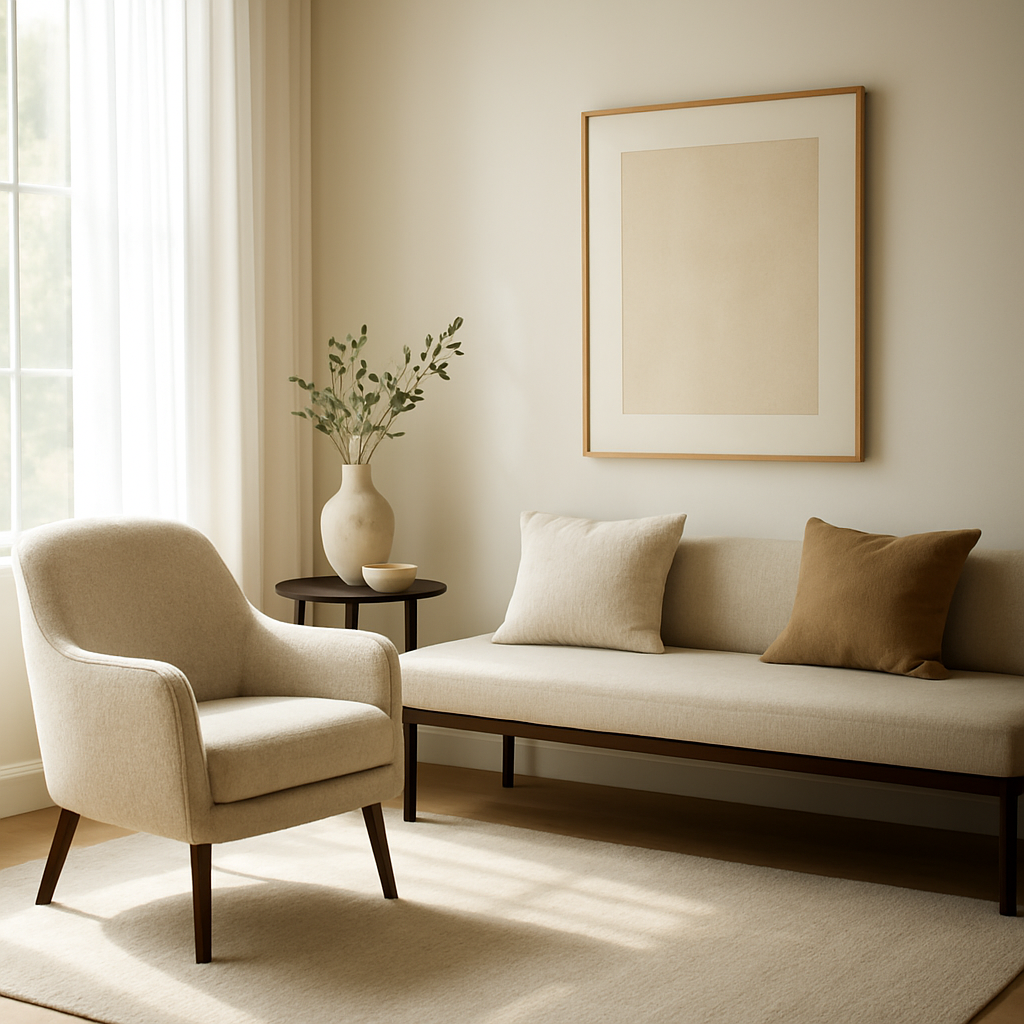
Now that you know how much space you have and who will be using it, the next question is: what style actually feels right for you? This isn’t about chasing the latest trend; it’s about finding a silhouette that matches the mood you want to create every time you walk through the door.
Identify the vibe you’re after
Do you crave a sleek, minimalist look that whispers elegance, or do you imagine a plush, over‑stuffed armchair that invites you to curl up with a book? Think about the moments you want to amplify – a quiet coffee break, a lively game night, or a formal dinner party. The answer will point you toward either low‑profile chairs, statement wing‑backs, or something in‑between.
Here’s a quick exercise: grab a magazine or scroll through a mood board, and underline any seating images that make you pause. Those cues are your subconscious style compass.
Match style to room architecture
If your ceiling soars, you have room for a tall‑backed chair with dramatic wings – it adds height without crowding the floor. In a cozier loft, a low‑profile, tapered leg chair keeps the line of sight open and makes the space feel larger.
For open‑plan areas, consider luxury occasional chairs that can be moved around. A pair of sleek side chairs can flank a coffee table for conversation, then drift to the kitchen island when you’re entertaining.
Consider material and finish
Fabric, leather, velvet, or boucle each tell a different story. Velvet feels sumptuous in a traditional setting, while a buttery‑soft leather ages beautifully in a modern loft. If you have kids or pets, a performance‑grade weave or washable linen is a smart choice – you get style without sacrificing durability.
RowOne’s research notes that high‑quality fabrics not only look better but actually last longer, keeping the seat comfortable for years (luxury home seating insights). Choose a material that aligns with both aesthetics and lifestyle.
Scale and proportion checklist
- Seat width should be roughly one‑third of the room’s width.
- Back height no higher than 75% of the ceiling to avoid a cramped feel.
- Armrest clearance of at least 2‑3 inches for ease of getting in and out.
Mark these measurements on your floor plan; then test them with tape on the floor. Walking around the “ghost” chairs will instantly tell you if the scale feels right.
Blend function with flair
Ask yourself: will this piece double as storage, a side table, or a footrest? A bench with hidden drawers can serve a hallway and double as extra seating at the foot of the bed. A swivel chair with a built‑in USB port keeps the home office sleek without adding another gadget.
Remember the rule of three – pick a primary style, a complementary secondary piece, and an accent that adds a pop of texture or colour. This keeps the room cohesive while still feeling layered.
Test before you commit
Whenever possible, sit in the chair at a showroom or order a fabric swatch. Pay attention to how your body aligns with the seat: does the lumbar support feel natural? Does the cushion rebound after a few minutes? A quick “live‑test” can save you from buyer’s remorse later.
Finally, write down the top two style attributes you can’t compromise on – maybe it’s “mid‑century modern legs” and “soft, neutral upholstery.” When you return to the catalog, those anchors keep you focused.
Choosing the right seating style isn’t a one‑size‑fits‑all decision; it’s a personal dialogue between your home’s architecture, your daily rituals, and the mood you want to nurture. Follow these steps, and you’ll end up with pieces that feel like they were made just for your life.
Step 3: Select Materials and Finishes that Match Your Décor
Now that you’ve zeroed in on the silhouette you love, the next puzzle piece is what it’s actually made of. The material and finish you pick will either whisper harmony with your décor or shout “out of place.”
First, sense the vibe of the room. Is your living area a calm, neutral oasis, or does it already boast bold colour blocks and mixed textures? Your answer will steer you toward fabrics, leathers, woods, or metal that feel like a natural extension.
Fabric feels matter most. For families with kids or pets, a performance‑grade weave or tightly woven linen is a lifesaver – spills wipe clean and the texture stays smooth. If you’re after a luxe look, velvet in a deep jewel tone adds depth without overwhelming a muted palette. And if you love the tactile warmth of natural fibres, boucle or soft wool can soften a sleek modern space while still being durable.
Leather is another classic. A buttery‑soft leather ages into a beautiful patina, which works beautifully in a room that leans industrial or mid‑century. Light‑coloured leather can keep a loft feeling airy, while darker finishes add drama to a more traditional setting. Ask for a protective coating if you have little ones – it won’t change the look, but it will help the seat stay pristine.
Wood finishes bring their own personality. A light oak veneer can echo a Scandinavian theme, while a rich walnut or mahogany adds gravitas to a formal lounge. If you love the look of metal, powder‑coated aluminium or brushed brass accents can introduce a subtle sheen that catches the light without competing with other pieces.
So, how do you actually choose?
Step‑by‑step material check‑list
- Durability first. Ask yourself how the seat will be used day‑to‑day. High‑traffic zones benefit from stain‑resistant fabrics or leather with a protective finish.
- Touch test. If you can, sit on a sample. Notice if the cushion rebounds or feels too firm, and whether the upholstery invites you to linger.
- Colour harmony. Pull a swatch of your wall paint, rug, or nearby décor and hold it next to the material. Does it complement, contrast, or clash?
- Finish matching. Look at the metal legs, wood frames, or decorative trims already in the room. Choose a finish that echoes those tones – matte black legs pair well with a brushed brass accent, for example.
- Life‑cycle care. Research the care instructions. Some fabrics need professional cleaning; others are machine‑washable. Pick what fits your schedule.
Here’s a quick mental exercise: close your eyes and picture the chair you’re about to buy sitting in your space. What does the texture feel like under your fingertips? How does the colour catch the morning light? If the image feels right, you’re on the right track.
Don’t forget the power of contrast. A neutral sofa can come alive with a single velvet armchair in a saturated hue, while a bold patterned bench can be tamed by a sleek leather side chair. Mixing finishes adds visual interest without creating chaos – just keep the overall colour temperature consistent.
Finally, write down two non‑negotiables for the material – maybe “pet‑friendly performance weave” and “warm wood tone that matches existing flooring.” When you browse the catalog, those anchors will keep you from getting sidetracked by fleeting trends.
By aligning material, finish, and the existing décor, you’ll end up with seating that feels custom‑made for your home, not just another piece you bought online.
Step 4: Arrange Seating for Function and Flow
Okay, you’ve picked the pieces, you’ve nailed the style – now it’s time to make those chairs, benches and poufs actually work in the room. Arranging seating isn’t just about looking pretty; it’s about letting people move, breathe, and feel comfortable without bumping into a coffee table at the wrong moment.
Start with the traffic pattern
Walk the way you and your family naturally move through the space. Is there a clear path from the front door to the kitchen? Do you need a clear line of sight to the TV or fireplace? Mark those walkways with painter’s tape – you’ll be surprised how a few inches of clearance can change the whole feel.
We like to keep at least 30‑inches of free floor between major pieces. That’s the sweet spot where you can glide past a sofa with a tray of drinks without feeling cramped.
Does this sound familiar? You’ve been juggling a tray, a pet, and a kid on the way to the kitchen and end up stepping over a coffee table. Let’s fix that.
Group for conversation, not confrontation
Think about the moments you want to encourage. A family movie night? Cluster a sofa, two accent chairs and a low bench so everyone faces the screen. A reading nook? Pair a comfy armchair with a side bench and a lamp, leaving the rest of the room open for movement.
Notice how the furniture forms a subtle “U” or “L” shape. Those angles invite people to sit, yet they don’t block the flow to other zones.
Here’s a quick test: stand behind each seating group and look out. If you can see the rest of the room without turning your head more than 45 degrees, you’ve got a good conversational layout.
Balance height and visual weight
Mix high‑back chairs with low ottomans or benches. The contrast creates visual rhythm and helps the eye travel across the room without getting stuck on one massive piece.
In a loft with tall ceilings, a tall wing‑back can anchor one side while a sleek low‑profile bench keeps the opposite wall feeling airy. The key is to keep the overall silhouette proportional to the room’s scale.
And remember: a heavy, dark bench looks grounded next to a light, airy armchair. It grounds the space without making it feel heavy.
Use multi‑function pieces wisely
If you’re short on space, think benches with hidden storage or a swivel chair that doubles as a desk. Those options let you keep the floor clear while still offering extra seats when friends drop by.
But don’t over‑stuff a room with “everything that could be a seat.” Too many options create decision fatigue – guests will end up standing.
So, what should you do next? Pull out a piece of paper, sketch a rough floor plan, and doodle in circles where each seat will live. Then draw arrows for traffic flow. If the arrows cross, shift a piece until the lines are smooth.
Quick checklist before you commit
- Clear walkways ≥ 30 inches
- Seating groups face a focal point (TV, fireplace, view)
- Mix heights for visual interest
- Include at least one multi‑function piece if space is limited
Decision‑making table
| Seating Tip | Why It Matters | Fast Check |
|---|---|---|
| Leave 30‑inch pathways | Prevents traffic jams and makes the room feel open | Measure with tape; walk the route |
| Group for conversation | Creates natural gathering zones | Form a “U” or “L” shape facing a focal point |
| Mix heights & weights | Adds visual rhythm and balances scale | Pair a tall chair with a low bench |
When you finish arranging, step back and picture the room as a living, breathing space. Can you imagine slipping a book into a corner bench, or sliding a tray across a low coffee table without squeezing? If the answer is yes, you’ve nailed function and flow.
In our experience, the rooms that feel most inviting are the ones where seating works silently in the background – you notice it only when you’re moving smoothly from couch to kitchen or settling into a cozy corner without a second thought.
Give these steps a try, trust your gut, and let your home’s seating tell the story of comfort and movement.
Step 5: Add Accessories and Personal Touches to Your Seating
Let’s face it, once you’ve got the right seats in the right spots, the room still feels a little… blank. That’s where accessories step in, turning a collection of chairs into a lived‑in lounge.
Think beyond the chair
Think about the moment you walk in after a long day. What catches your eye first? A plush pillow tossed over an armchair? A sculptural side table that invites you to set your coffee down? Those little details are the secret sauce that makes seating feel personal.
Layer with cushions and throws
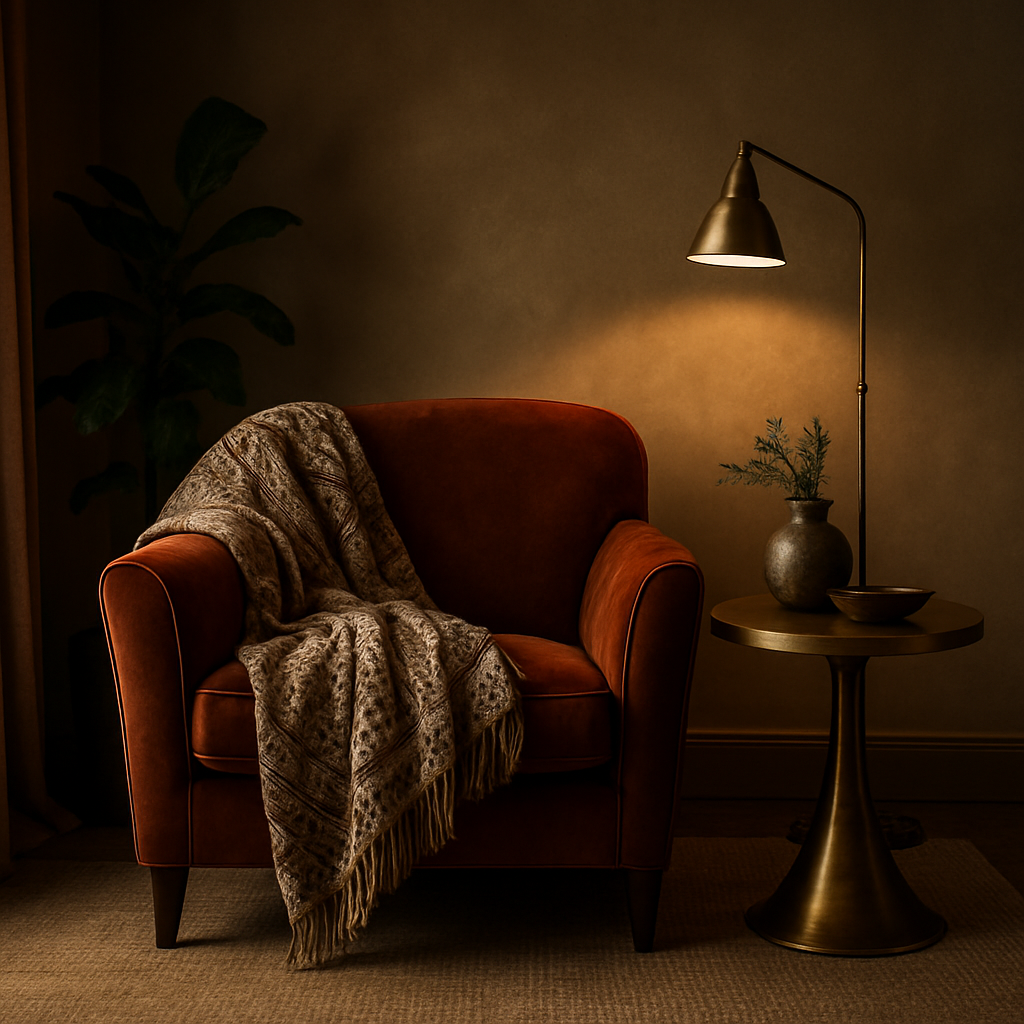
Start with cushions. A mix of textures—think linen, boucle, or a soft velvet—adds depth without overwhelming the silhouette you’ve already chosen. Pick one or two accent colours that echo a rug or a piece of art, then let the cushions do the talking. You don’t need a full‑size set; even a single, well‑placed cushion can soften a sleek leather chair and make it feel more inviting.
Throws are the next easy win. A lightweight cashmere or knitted throw can be draped over the back of a sofa or folded across a bench for a relaxed vibe. Because throws are interchangeable, you can switch them seasonally – a bright summer stripe for daylight, a deep charcoal knit for winter evenings.
So, what should you do next? Grab a handful of swatches, lay them on the floor, and step back. Does the combination feel balanced? If something feels “off,” pull it back and try a different texture. This quick test saves you from buying a cushion that clashes with the rest of the room.
Functional accessories and lighting
Functional accessories deserve a spot, too. A side table in a contrasting finish (metal, marble, or reclaimed wood) gives a place to rest a book or a cup of tea without crowding the floor. Look for pieces with subtle storage – a tiny drawer or a lower shelf – so you can hide remote controls or magazines while keeping the surface tidy.
Lighting accessories can double as décor. A floor lamp beside a reading chair creates a cosy nook, while a pair of decorative table lamps on either side of a sofa frame the space. Choose lampshades that complement your cushion palette; a linen shade adds softness, a metal shade adds a modern edge.
Bring in greenery
And don’t forget the power of greenery. A tall fiddle‑leaf fig in a sleek pot beside a bench adds height, while a cluster of small succulents on a coffee table injects life. Plants not only soften hard lines but also improve the room’s ambience.
Personal touches
Personal touches are the final flourish. Think of a favorite coffee table book, a sculptural vase, or a framed photograph that means something to you. When you place these items on or near your seating, you’re telling a story that’s uniquely yours – and that story invites guests to stay a little longer.
Quick checklist
A quick checklist to keep you on track:
- Choose 2‑3 cushion fabrics that vary in texture but share a colour thread.
- Add a throw that can be swapped with the seasons.
- Pick at least one side table with hidden storage.
- Include a lamp that matches your cushion or throw palette.
- Bring in one plant or a small arrangement for visual breathing room.
In our experience, the rooms that feel truly lived‑in are the ones where every chair, bench, or pouf has a “partner” – a cushion, a lamp, a plant, or a personal memento. It’s the little things that turn functional seating into a welcoming retreat.
Take a moment tonight to look at your seating arrangement. Which piece feels naked? Which could use a pop of colour or a soft texture? Add one accessory, step back, and notice the difference. You’ll be surprised how a simple change can make the whole room feel more cohesive and, most importantly, more yours.
FAQ
How do I choose the right seating size for a small living room?
Start by measuring the room’s width and the clear walkways you need – usually about 30 inches around each piece. A good rule of thumb is that a chair’s width should be roughly one‑third of the room’s width. Look for low‑profile pieces or slender arms that tuck into corners, and consider multifunctional benches with hidden storage to keep the floor feeling open.
What fabrics are best for families with kids or pets?
When kids or pets are part of daily life, durability beats pure glamour. Performance‑grade woven linen, tightly woven tweed, or a high‑nap polyester blend resist stains and hide hair. Look for fabrics with a removable, washable cover or a protective finish that can be spot‑cleaned. These options still feel soft under hand, so you get the cosy look without worrying about the next spill or muddy paw.
Can I mix different seating styles without looking chaotic?
Mixing styles works when you anchor the room with a common colour thread or material. Pick one dominant piece – say a sleek leather armchair – and then introduce a contrasting upholstered bench that shares the same leg finish or metal hardware. Keep the overall palette limited to two‑three hues, and let texture be the bridge. The result feels curated, not chaotic. Try adding a subtle rug that picks up both colours to tie everything together.
How often should I refresh my seating accessories like cushions and throws?
Cushions and throws are the easiest way to refresh a look, so aim for a seasonal rotation. Swap a lightweight linen throw in spring for a chunky knit in winter, and rotate accent cushions every few months to match changing wall art or a new rug. Store extras in a breathable bag to keep them fresh, and remember to shake out dust before putting them back out.
Is it okay to use an occasional chair as a primary seat?
An occasional chair can double as a primary seat if it meets comfort and scale needs. Choose a piece with supportive cushioning and a sturdy base, then test it by sitting for ten minutes while you read or work. Pair it with a side table for drinks and a floor lamp for ambience, and you’ve created a functional corner without sacrificing style.
What lighting should I pair with my seating area for a cozy vibe?
For a cosy vibe, layer a warm‑tone floor lamp or table lamp beside the main seat, preferably with a dimmable bulb that lets you adjust the glow. Add a soft, fabric‑covered lamp shade to diffuse light and reduce harsh glare. Position the light at eye level when seated so it highlights your reading material without washing out the room’s colour palette.
How can I make my seating arrangement feel more inviting for guests?
Make guests feel welcome by creating a small conversation nook with two complementary chairs and a low coffee table. Add a plush throw that invites a quick drape and a couple of decorative cushions that spark visual interest. Keep a basket of magazines or a board game nearby, and finish with a soft rug that muffles footsteps, turning the area into an inviting gathering spot.
Conclusion
We’ve walked through everything from measuring your room to picking fabrics that survive kids and pets, and finally arranging those pieces so they feel natural, not forced.
At the end of the day, great seating isn’t just about looks – it’s about the way a chair welcomes you after a long day, how a bench invites a quick shoe change, and how a lamp casts a warm glow that says “stay a while.”
So, what should you do next? Grab a tape measure, sketch a quick floor plan, and place a few cardboard cut‑outs where your new seats will live. Walk the paths, sit, and notice if the space feels airy or cramped.
If something feels off, tweak the layout before you buy. Remember the 30‑inch walk‑way rule and the “U”‑shape conversation tip – they’re simple fixes that make a huge difference.
When you finally select the pieces, layer cushions, a throw, and a lamp just like we suggested. Those small accessories turn a functional corner into a personal retreat.
Ready to make your home’s seating feel like it was designed just for you? Start with the steps we’ve outlined, and you’ll end up with a space that feels both luxurious and lived‑in.
← Older Post Newer Post →