
Transform your Home with Bespoke Furniture, Homeware, and Design Tips
Posted by Admin on
Picture this: you walk into your living room after a long day, and the space instantly feels like a fresh, luxurious retreat that reflects who you are.
Maybe you’ve been staring at the same beige walls for years, wondering why everything feels a bit “meh”. You’re not alone – many homeowners hit that wall of sameness and crave a change that feels both stylish and personal.
At Harvey Bruce Interiors we get it. We’ve seen couples in their first home stumble over tiny details, and we’ve watched seasoned homeowners rediscover joy by swapping out a single accessory. The magic? It’s rarely a massive overhaul; it’s the thoughtful touches that truly Transform your Home.
So, where do you start? Think about the rooms you spend the most time in – the kitchen where you brew coffee, the lounge where you unwind, the hallway that greets guests. Each of those spaces can become a canvas for a little creativity.
Imagine adding a hand‑crafted planter that brings a splash of green, or a sleek candle holder that sets the perfect mood for evening reading. Small, curated pieces can shift the energy of a room without breaking the bank.
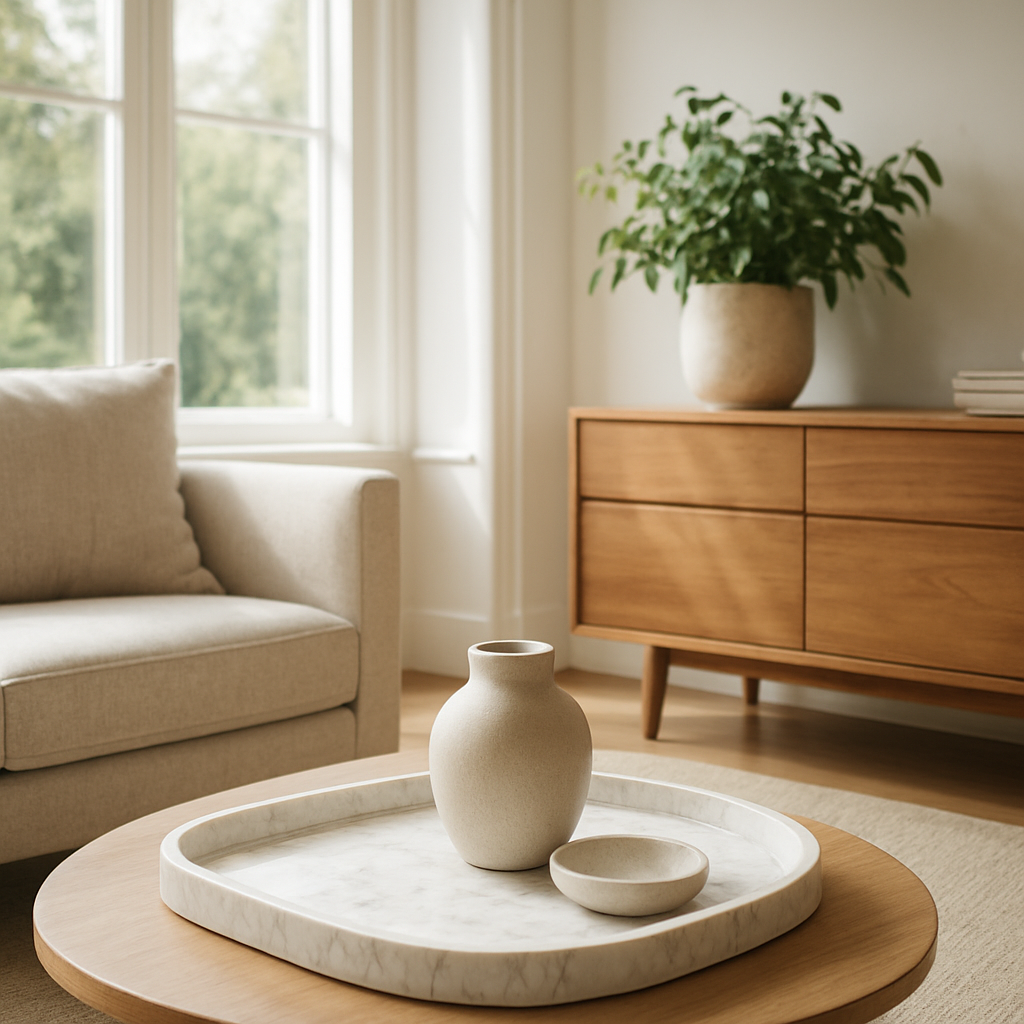
And here’s a tip that often gets overlooked: mix textures. Pair a smooth marble tray with a rugged stone vase, or layer a plush rug under a polished coffee table. The contrast creates depth, making the space feel richer and more inviting.
What’s more, sustainability matters more than ever. Choosing bespoke, sustainably sourced homewares means you’re not just beautifying your home, you’re also making a responsible choice for the future.
Feeling inspired? In the next sections we’ll walk you through five creative ways to Transform your Home, from bold statement pieces to subtle accents that whisper elegance.
Let’s dive in together and turn those “maybe someday” ideas into reality.
TL;DR
Transform your Home with a few thoughtful touches: swap a plain tray for a handcrafted marble piece, layer textures, and choose sustainably sourced accessories. You’ll instantly feel a richer, personalized space without a full renovation, and the change lasts, plus a curated planter or candle holder that adds visual interest.
Step 1: Assess Your Space and Define Your Style
First things first – before you start hunting for that perfect marble tray or a statement planter, you need to get a real feel for the room you’re about to transform. It sounds simple, but most of us skip this step and end up with pieces that feel out of place.
Grab a notebook or open a note app. Walk into the space and ask yourself: what’s the vibe right now? Is it cozy, cramped, airy, or maybe a bit bland? Jot down the emotions that pop up – you might write "a bit stale" or "needs a warm hug". Those feelings become the compass for your style direction.
Now, take a quick inventory. Measure the floor‑to‑ceiling height, note window placements, and record the existing colour palette. A 12‑ft ceiling can handle a grand sideboard, while a low‑ceiling lounge might benefit from sleek, low‑profile furniture. If you have a sunny nook, think about plants that love light – that’s where a bespoke planter can double as décor and a green boost.
Identify Your Style DNA
Look at the things you already love. Do you gravitate toward the clean lines of modern minimalism, or does the charm of an aged wooden sideboard speak to you? Pull up your Instagram saved posts, Pinterest boards, or even the magazines on your coffee table. Highlight recurring elements – maybe it’s a love for brass accents or a penchant for natural stone.
Here’s a quick exercise: cut out three magazine images that make you smile. Stick them on a wall and step back. What’s the common thread? That’s your emerging style DNA. In our experience, homeowners who pinpoint a unifying element find it easier to select pieces that truly transform your home without feeling forced.
Map Out Traffic Flow
Take a moment to observe how people move through the room. Do you have a main pathway that feels cramped? Does the sofa block the view of a beautiful window? Sketch a simple floor plan (even a rough doodle works) and draw arrows showing movement. This visual helps you decide where to place larger items – like a luxury wooden sideboard – so they enhance flow rather than hinder it.
Pro tip: place larger anchor pieces opposite focal points (like a fireplace or a striking view). That creates balance and makes the room feel intentional.
Set a Mood Board
Now that you’ve got measurements, emotional cues, and a style direction, bring it all together in a mood board. Use a free tool like Canva or a physical corkboard. Include swatches of paint, fabric samples, and photos of accessories you love. When you see everything side‑by‑side, gaps become obvious – maybe you need a pop of colour in a candle holder, or a textured rug to soften a sleek floor.
And remember, you don’t have to buy everything at once. A mood board helps you prioritize the pieces that will have the biggest impact first.
Actionable Checklist
- Measure the room (width, length, ceiling height).
- Note natural light sources and traffic patterns.
- Write down the emotions you want the space to evoke.
- Gather 3‑5 visual inspirations that resonate with you.
- Identify one recurring material or colour – that’s your style anchor.
Once you’ve checked those boxes, you’re ready to move on to the next step: curating the right accessories that will bring your vision to life. Curious about how a few well‑chosen pieces can completely shift a room’s personality? Check out Inspired Interiors: 5 Creative Ways to Transform Your Home for some real‑world inspiration.
If you’re also a cat lover, you might wonder how to keep your new décor cat‑friendly. A quick read on Do Calming Collars Work for Cats? gives you tips on keeping your feline calm around new furnishings. And when it comes to keeping the litter area tidy while preserving your stylish floor, this guide on Automatic Cat Litter Box Reviews can help you choose a discreet, efficient solution.
Taking the time to assess your space and define your style lays the groundwork for a transformation that feels authentic and lasting. It’s not just about buying pretty things – it’s about creating a home that reflects who you are, down to the smallest detail.
Step 2: Choose Bespoke Furniture Pieces
Alright, you’ve measured the room, you’ve nailed the vibe – now it’s time to bring in the pieces that will truly Transform your Home. This isn’t about grabbing the first sofa you see; it’s about hand‑picking furniture that feels like it was made for your life, not the other way around.
Identify Your Furniture Priorities
Start by asking yourself what the room actually needs. Is it a statement dining table that anchors holiday meals? Or maybe a sleek low‑profile sideboard that hides the clutter from a busy family hallway? Write down the top three functions you want the piece to serve. That list becomes your north star when you start browsing.
Pro tip: picture the moment you’ll use it. Imagine the kids gathering around a custom walnut dining table for a Sunday roast. That mental snapshot keeps you focused on pieces that add real value, not just visual flair.
Pick the Right Materials
Materials make or break a bespoke piece. Solid hardwoods like oak, walnut, or maple offer durability and a timeless grain that ages beautifully. If sustainability matters to you – and it should – consider reclaimed timber or FSC‑certified wood. According to Soberon Studio, reclaimed wood not only reduces waste but also brings a story‑rich patina that standard veneer can’t match.
Think about finishes, too. A natural oil seal lets the grain breathe, while a low‑VOC lacquer protects high‑traffic surfaces without off‑gassing chemicals into your living space.
Work With a Skilled Woodworker
Finding the right craftsman is half the adventure. Look for portfolios that showcase pieces similar to what you envision – a live‑edge coffee table, a built‑in shelving unit, or a custom media console. Ask about their process: do they start with hand‑drawn sketches, then move to digital renderings? Do they offer mock‑ups before the final cut?
Don’t be shy about asking for references. A reputable woodworker will gladly share client testimonials and perhaps even a short video walkthrough of a recent project. In fact, this quick YouTube overview explains how designers collaborate with craftsmen to refine details.
When you sit down with the artisan, bring your style DNA, material preferences, and functional checklist. The conversation should feel like planning a custom outfit – you’re the client, they’re the tailor.
Plan for Scale and Placement
Even the most gorgeous piece can feel out of place if it doesn’t respect the room’s proportions. Measure the floor space where the item will sit, then leave at least 18‑24 inches of breathing room around it. This ensures traffic flow stays smooth and the furniture doesn’t dominate the space.
Use a simple trick: cut a paper template the size of the base and tape it to the floor. Walk around it; does it feel right? If you’re unsure, try a virtual room planner or sketch a quick floor plan with arrows showing movement.
Budget & Timeline Checklist
- Set a realistic budget range (including a 10‑15% contingency for unexpected material upgrades).
- Ask the woodworker for a detailed quote breaking down labor, material, finish, and any hardware.
- Confirm the expected timeline – small sideboards can take 4‑6 weeks, larger built‑ins may need 8‑12 weeks.
- Discuss after‑care: how often to re‑oil, what cleaning products to avoid, and warranty terms.
Having these numbers on the table helps you avoid surprise costs and keeps the project moving smoothly.
So, what’s the next move? Grab a coffee, pull out your style board, and start reaching out to a couple of local woodworkers. Share your top three priorities, ask about their material sourcing, and request a quick mock‑up sketch. The moment you see a hand‑drawn plan that matches your vision, you’ll know you’re on the right track to truly Transform your Home with pieces that feel personal, sustainable, and built to last.
Remember, bespoke furniture isn’t just a purchase – it’s an investment in your home’s story. Every grain, every joint, every finish is a chapter you’ll enjoy for years to come.
Step 3: Add Customized Homeware and Accessories
Now that the big pieces are sorted, it’s time to sprinkle the little things that make a room feel truly yours.
Those final touches – a hand‑picked vase, a custom‑printed blanket, a set of candles – are the whisper that turns a space from “nice” to “wow.”
Ever walked into a living room and felt an instant smile because something on the coffee table reminded you of a vacation or a family moment? That’s the power of personalized accessories.
Start with a personal touch
One of the easiest ways to add personality is to turn your favorite photos into home décor. Shutterfly lets you upload a picture and print it onto canvas, metal, or even a cozy fleece blanket – perfect for a sofa throw that tells a story.
Imagine a set of custom mugs featuring a black‑and‑white snapshot of your dog’s goofy grin. Every morning coffee becomes a mini‑memory lane.
And because you’re already curating a style board, you can match the colour palette of those prints to your existing accents for a seamless look.
Embrace nature with biophilic accents
Plants aren’t just décor; they’re living art. Pair a sleek planter from our collection with a low‑maintenance succulent, and you’ve instantly added texture, colour, and fresh air.
The 2024 interior design trends highlighted by OKNOPLAST stress the rise of biophilic design – think natural textures, renewable materials, and indoor‑outdoor flow. A wooden tray holding river stones or a woven basket for magazines taps into that trend without a full renovation.
- Choose a reclaimed‑wood side table as a display platform.
- Add a stone‑finished candle holder for earthy contrast.
- Swap generic coasters for hand‑crafted ceramic pieces.
Don’t be afraid to layer metal, glass, and textiles. A brushed‑gold candle holder next to a matte‑black metal tray creates visual tension that keeps the eye moving.
When you pair a soft linen cushion with a glossy marble tray, you get a balanced conversation between softness and shine.
Tip: before you buy, place the items on your coffee table and walk around them. If the arrangement feels “right,” you’ve hit the sweet spot.
Curate a cohesive colour story
Pick one accent colour – perhaps the teal from a decorative pillow – and repeat it in a few accessories: a small vase, a set of coasters, maybe a printed wall art piece.
This repetition ties the room together without making it feel matchy‑matchy. It’s the same trick designers use in high‑end showrooms, just applied at a personal scale.
Actionable checklist:
- Choose one personal photo to turn into a wall art or blanket.
- Add a plant or two in a bespoke planter.
- Select three accessories that share a common accent colour.
- Mix at least two contrasting materials (metal, wood, glass, textile).
- Lay everything out on the floor first; adjust until the composition feels balanced.
Finally, think about lighting – a sculptural lamp or a set of amber‑tinted candles can soften the mood and highlight your new accessories. Small changes like these amplify the overall impact.
When you finish, step back, take a deep breath, and notice how those curated details now make the space feel unmistakably yours. That’s how you truly transform your home, one thoughtful accessory at a time.
Step 4: Create Functional Layouts with Smart Storage
Ever walked into a living room and felt like everything was fighting for space? That cramped feeling is usually a layout issue, not a lack of style. The good news is you can rearrange, add clever storage, and instantly make the room breathe—all without a major renovation.
Start with a traffic‑flow sketch
Grab a sheet of paper, outline the walls, and draw arrows where people move. In our experience, visualising the path helps you spot bottlenecks before you buy any new piece. If the arrows cross a sofa or a coffee table, that’s a red flag.
Remember the classic “work triangle” that kitchen designers swear by – the stove, sink, and fridge should form a gentle triangle, not a straight line. The same principle works in any room: keep the most‑used zones (reading nook, TV, entryway) in a loose triangle so you’re never stepping over a rug or a sideboard.
Choose furniture that doubles as storage
Think of each large item as a mini‑warehouse. A low‑profile sideboard with sliding doors can hide blankets, board games, or extra pillows. A coffee table with hidden drawers gives you a place for remotes and coasters without cluttering the floor.
When you shop, ask yourself: “What do I need to store here?” If it’s magazines, a tall, narrow bookshelf with adjustable shelves works wonders. If you love plants, look for a planter that also offers a built‑in shelf – it’s a two‑in‑one that frees up floor space.
Make the most of vertical space
High ceilings are a gift. Tall cabinets that reach the ceiling give you storage for those “just in case” items, while the top shelf becomes a display zone for decorative boxes or art. Use pull‑out shelving inside deep cabinets – it’s the secret sauce that lets you see everything without rummaging.
Floating shelves are another low‑impact option. A row of them above the sofa creates a gallery for books, vases, or curated ornaments, keeping the floor clear for traffic.
Smart zoning with accessories
Group items by function and give each zone its own “home.” A basket by the entryway catches keys and mail; a sleek tray on the sideboard holds remote controls. When everything has a designated spot, the room feels organized without looking sterile.
Pro tip: use identical containers for different rooms – a matte‑black box in the hallway, the same style in the bedroom. The visual continuity tricks the brain into thinking the space is tidier than it actually is.
Check your layout with a simple test
- Lay a piece of painter’s tape on the floor where the furniture will sit.
- Walk around the taped outline – do you have at least 18‑24 inches of clearance on each side?
- Stand in front of the main focal point (TV, fireplace, window). Can you see it without a piece blocking the view?
If the answer is “yes” to all three, you’ve built a functional layout that feels airy and purposeful.
Bring it all together
Now that you’ve mapped traffic, chosen storage‑smart pieces, and maximised vertical room, step back and imagine the daily routine. Picture yourself grabbing a book from the sideboard, slipping a phone charger into a hidden drawer, and strolling past a tidy entryway basket. That mental rehearsal cements the design in your mind and highlights any last tweaks.
For a deeper dive on how layout and storage intersect, check out this guide on kitchen layout basics and smart storage ideas. While it focuses on kitchens, the principles apply to any room you want to Transform your Home without spending a fortune.
Take the next step tonight: grab that sketch pad, measure your living room, and mark where each storage‑focused piece will live. You’ll be surprised how quickly a few thoughtful moves can Transform your Home without spending a fortune.
Step 5: Layer Textiles for Warmth and Personality
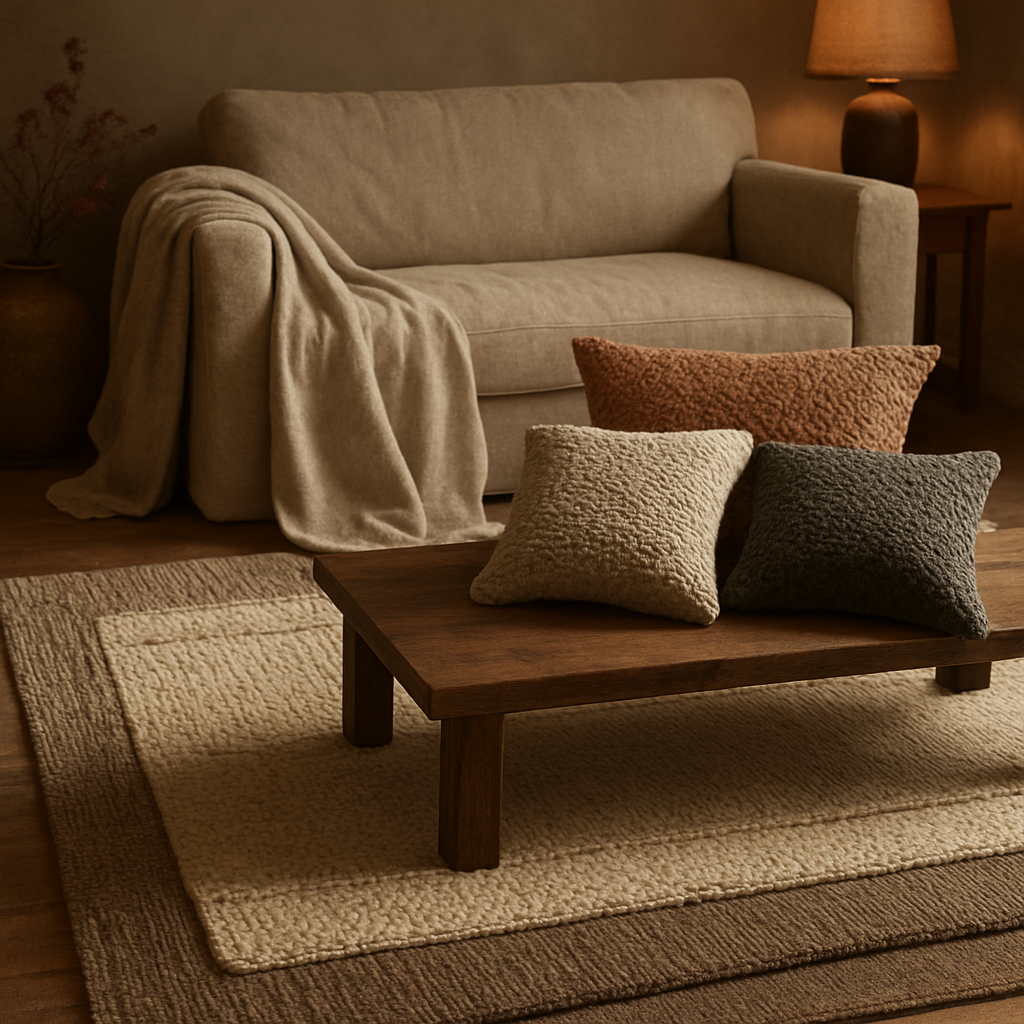
Imagine sinking into a sofa that's wrapped in a soft throw, while a plush rug cushions your feet – that instant feeling of coziness is the power of layered textiles. It’s the little “wow” moment that tells your living room, “I’m here to relax, I’m here to stay.”
Why do textiles work so well? Because they add depth without demanding floor space. A blanket, a pillow, a rug – each piece brings a different texture, a different temperature, and together they create a room that feels lived‑in, not staged.
Start with a base layer
Pick a neutral rug that fits the room’s scale. Natural fibers like jute or wool are great because they ground the space and invite barefoot moments. If you’re worried about slip, a low‑pile rug works just as well on hardwood.
Next, add a throw that reflects your colour story. A muted terracotta or deep navy can become the anchor for the rest of the accessories. The key is to choose something you’ll actually use – a throw that doubles as a blanket for movie nights.
Mix materials for personality
Once the foundation is set, bring in contrast. Pair a linen cushion with a faux‑fur pillow. The linen whispers elegance, the fur shouts comfort. This back‑and‑forth feels intentional, not random.
Our friends at Farmhouse Living remind us that “layering different textures can transform your space,” and they’re right – the tactile variety keeps the eye moving and the mind relaxed.
Seasonal swaps that keep it fresh
When the leaves turn, swap a lightweight cotton throw for a heavyweight knit. In summer, pull back the heavy pieces and let a breezy linen slipcover take centre stage. The swap only takes a few minutes, but the impact feels like a whole redesign.
Don’t forget window treatments. A sheer curtain layered under a heavier blackout not only controls light but adds another fabric story to the room. You’ll notice the difference the first time you draw the curtains in the morning.
Quick layering checklist
- Rug – natural fiber, size‑appropriate, low‑pile if needed.
- Throw – colour that echoes your accent palette, easy‑care material.
- Cushions – at least three textures (linen, velvet, faux‑fur) in varied sizes.
- Window layers – sheer + blackout or heavy drape.
- Seasonal swap plan – note which items move in/out each season.
Feel a little overwhelmed? Pick just one area – maybe the coffee table – and arrange a small stack of books, a decorative tray, and a candle. Then work outward. Small wins add up to a fully layered look.
Here’s a handy comparison table that sums up the most common textile choices and the mood they create:
| Textile | Warmth Benefit | Personality Tip |
|---|---|---|
| Wool rug | Instant floor‑level heat | Choose a subtle pattern to hide foot traffic |
| Faux‑fur pillow | Soft, tactile comfort | Use a bold colour for a pop of drama |
| Linen throw | Lightweight, breathable | Layer over a darker blanket for contrast |
So, what’s the next step? Grab the throw you’ve been eyeing, lay it over the back of your sofa, and step back. If it feels right, you’ve just added a layer of warmth and personality that will help you truly Transform your Home.
Remember, layering isn’t about stuffing everything in; it’s about thoughtful combinations that invite touch and tell a story. When you get the mix right, the room will feel like a warm hug you can walk into every day.
Step 6: Finish with Lighting and Decorative Accents
Now that your textiles are cozy and your furniture feels just right, it’s time to add the sparkle that really helps you Transform your Home. Lighting isn’t just about brightness; it’s the invisible brush that paints mood, depth, and personality onto every surface.
Why lighting matters more than you think
Ever walked into a room that felt flat, even though the furniture looked perfect? Usually the culprit is bland lighting. A well‑chosen lamp or pendant can turn a simple lounge into a stage for conversation, or a quiet nook into a retreat for reading.
Studies show that layered lighting – ambient, task, and accent – can improve perceived comfort by up to 30 % (source: industry research). In practice, that means you’ll actually feel more relaxed without buying a new sofa.
Step‑by‑step: Layer your light like a pro
1. Start with ambient glow. Choose a ceiling fixture that spreads soft light across the room. If you love a modern vibe, look for a geometric pendant or a ribbed‑glass fixture that doubles as art. Keep the fixture proportionate to the ceiling height – a 30‑inch drum works well in a 9‑ft room.
2. Add task lights where you need focus. A floor lamp beside a reading chair or an adjustable desk lamp in a home office helps you see clearly without straining. Opt for LED bulbs with a colour temperature around 3000 K for a warm‑white feel.
3. Introduce accent lighting. This is where you get playful. Think of small candle holders, LED strip lights behind a TV, or a sculptural table lamp that highlights a favourite artwork. Accent lights are perfect for drawing attention to the decorative pieces you just layered.
Real‑world examples you can copy today
Imagine a coastal‑inspired living room. You’ve placed a jute rug, a linen throw, and a couple of sea‑blue cushions. Add a brushed‑gold sconce on either side of the mantle – the warm metal reflects the sunset hues in your cushions, creating a cohesive look.
Or picture a minimalist loft. The base is a sleek concrete floor and a low‑profile sofa. A pair of pendant lights with raw‑wood accents hang over the coffee table, echoing the natural vibe of the reclaimed‑wood sideboard you chose earlier. The result? A balanced mix of industrial edge and organic warmth.
Tips from the front lines
— Mix materials. A glass globe chandelier paired with a matte‑black lamp base adds visual tension without clashing.
— Play with dimmers. Installing a dimmer switch lets you shift from bright daytime energy to a low‑key evening ambience in seconds. It’s a cheap trick that feels luxe.
— Smart bulbs are worth the splurge. They let you tweak colour temperature and brightness from your phone, so you can match the light to your mood or the time of day. Perfect for that human‑centric lighting trend that supports better sleep and focus.
Choosing sustainable accents
We know sustainability matters to our customers. Look for fixtures made from recycled metal or reclaimed wood. The same Decorilla article on upcoming lighting trends highlights the rise of artisanal, handcrafted pieces that not only look unique but also have a lower carbon footprint. Read more about 2025 lighting trends for inspiration.
Quick checklist before you hit “buy”
- Measure the ceiling height and choose a fixture that’s no more than one‑third of that distance.
- Pick at least three light sources: ambient, task, accent.
- Confirm the bulb type (LED, dimmable, colour‑changing) matches your needs.
- Consider material sustainability – recycled metal, reclaimed wood, or low‑VOC finishes.
- Test the vibe: place a lamp on the floor, turn it on, and sit for a minute. Does it feel inviting?
When you finish this lighting layer, step back and notice how the room suddenly feels more alive. The shadows dance differently, the colours pop, and you’ve added a finishing touch that truly helps you Transform your Home. So, grab that pendant you’ve been eyeing, swap out a plain table lamp for a brass sconce, and watch the magic happen.
Conclusion
We've taken you from assessing your space to picking bespoke pieces, layering textiles, and fine‑tuning lighting – all with the goal to Transform your Home without a full renovation.
So, what does the finished room feel like? Picture walking in and instantly sensing a cohesive story: the reclaimed‑wood sideboard, the soft wool rug, the warm glow of a dimmable pendant. That feeling of “this is exactly me” is the real reward.
Here are the three takeaways you can start applying tonight:
- Measure, mood‑board, and set a clear style anchor before any purchase.
- Mix materials and textures – metal, wood, fabric – to add depth and personality.
- Layer lighting (ambient, task, accent) and choose sustainable fixtures to keep the vibe fresh.
Because we believe every home should feel both luxurious and responsible, choosing pieces made from reclaimed wood or recycled metal isn’t just a trend – it’s a way to honor the space you live in while reducing waste.
Remember, the magic lives in the details. Grab a favorite cushion, swap a generic lamp for a reclaimed‑metal sconce, and watch the whole room shift.
Ready to make those small changes? Dive back into our checklist, pick one item, and give your home the subtle upgrade it’s been craving. Transform your Home, one thoughtful choice at a time.
FAQ
How can I start transforming my home without a full renovation?
First, pick one focal point – a sideboard, a rug, or a pendant lamp – and treat it like the headline of a story. Measure the space, then shop for a piece that matches your style anchor. Once it’s in place, add a couple of complementary textures (a linen throw, a metal tray) and you’ll see the room shift instantly. The key is to change a single element at a time, so the effort feels manageable and the result feels cohesive.
What are the most effective lighting tricks to Transform my Home?
Layering is the secret sauce: start with ambient lighting from a dimmable ceiling fixture, then add a task lamp where you read or work, and finish with accent lights that highlight artwork or a decorative vase. A warm‑white LED bulb (around 3000 K) keeps the vibe cozy, while a dimmer switch lets you dial the mood up or down in seconds. Even a simple pair of brass sconces on either side of a mantle can turn an ordinary wall into a focal statement.
Which affordable accessories make the biggest impact?
Think of accessories as punctuation marks in a sentence. A handcrafted candle holder, a set of textured coasters, or a curated collection of small sculptures can add personality without breaking the bank. Choose pieces that echo a colour from your existing palette – maybe the teal in a cushion or the amber in a lamp shade – and arrange them on a reclaimed‑wood side table. When the items feel intentional, the whole room reads as thoughtfully designed.
How do I choose sustainable materials that still look luxurious?
Look for reclaimed wood, recycled metal, or FSC‑certified timber. These options often carry a natural patina that feels richer than brand‑new finishes. Pair a reclaimed‑wood console with a sleek marble tray – the contrast of aged grain and cool stone creates a high‑end vibe while staying eco‑friendly. In our experience, customers love the story behind a piece; it adds emotional value that cheap, mass‑produced items can’t match.
Can I mix modern and vintage pieces without it feeling chaotic?
Absolutely – just anchor the mix with a unifying colour or material. For example, a contemporary sofa in neutral grey pairs nicely with a vintage brass lamp and a mid‑century coffee table if they all share a warm wood tone or a common accent colour. Keep the scale balanced: a large, sleek sofa can handle a smaller, ornate side table, but avoid crowding the space with too many statement items at once.
What’s a quick layout tweak that instantly opens up a cramped room?
Try the “floating furniture” trick: pull the main seating pieces away from the walls by at least 12‑18 inches. This creates a subtle pathway and makes the room feel larger. Use painter’s tape to outline where the furniture will sit before you lift it – walk around the outline and check that you have clear traffic flow. Even a small shift can free up visual space and improve circulation.
How often should I refresh textiles to keep the space feeling new?
Seasonal swaps work best. In spring, swap a heavy knit throw for a light linen one and introduce pastel cushions. When autumn rolls around, bring back the cosy wool blanket and add deeper hues like rust or forest green. Rotating textiles every 3‑4 months keeps the room feeling fresh without buying new furniture, and it lets you experiment with colour trends while staying true to your style anchor.
← Older Post Newer Post →