
Console Tables Review: Stylish Choices for Every Home
Posted by Admin on
Picture this: you’ve just moved into a new place, boxes are still everywhere, and you’re hunting for that one piece that instantly ties the room together. That’s where a console table steps in, like the quiet sidekick that makes the whole story feel complete.
We’ve all stood in a hallway or living room, staring at an empty wall, wondering how to add a touch of personality without overcrowding the space. A well‑chosen console table can hold your keys, showcase a favorite vase, or display a sleek lamp, all while keeping the flow of foot traffic smooth.
But here’s the thing most people overlook – a console table isn’t just a surface. It’s a design bridge between furniture and décor, a subtle way to introduce texture, height, and a hint of luxury. When you pick the right style, it whispers “thoughtful styling” instead of shouting “filler furniture.”
In our experience at Harvey Bruce Interiors, the most loved pieces are those that balance solid craftsmanship with adaptable design. Think of a solid mango wood table with clean lines; it feels sturdy enough for daily use yet elegant enough to blend with a modern sofa or a classic Chesterfield.
A quick tip: measure the height of your sofa or chair and aim for a console that’s about two‑thirds that height. This proportion creates visual harmony and makes it easy to reach for a cup of tea without straining.
Material matters too. Natural woods like oak or chestnut add warmth, while a lacquered finish can inject a contemporary edge. Choose a finish that complements your existing palette – if your living room leans toward neutrals, a light‑stained wood will add depth without competing.
Placement is key. Align the console against a wall that naturally draws the eye, or tuck it behind a sofa to create a layered look. Adding a few decorative boxes or a slim sculpture can turn a plain surface into a curated vignette.
So, what’s the next step? Take a moment to walk through your space, imagine where a console could live, and let that vision guide your choice. A thoughtful console table can transform a house into a home, one elegant surface at a time.
TL;DR
A well‑chosen console table instantly ties a room together, adds storage, and creates a stylish bridge between furniture and décor for any home. Measure your sofa height, pick a finish that matches your palette, and place it where the eye naturally lands to achieve effortless elegance in your space today.
Choosing the Right Style: Modern vs Traditional Console Tables
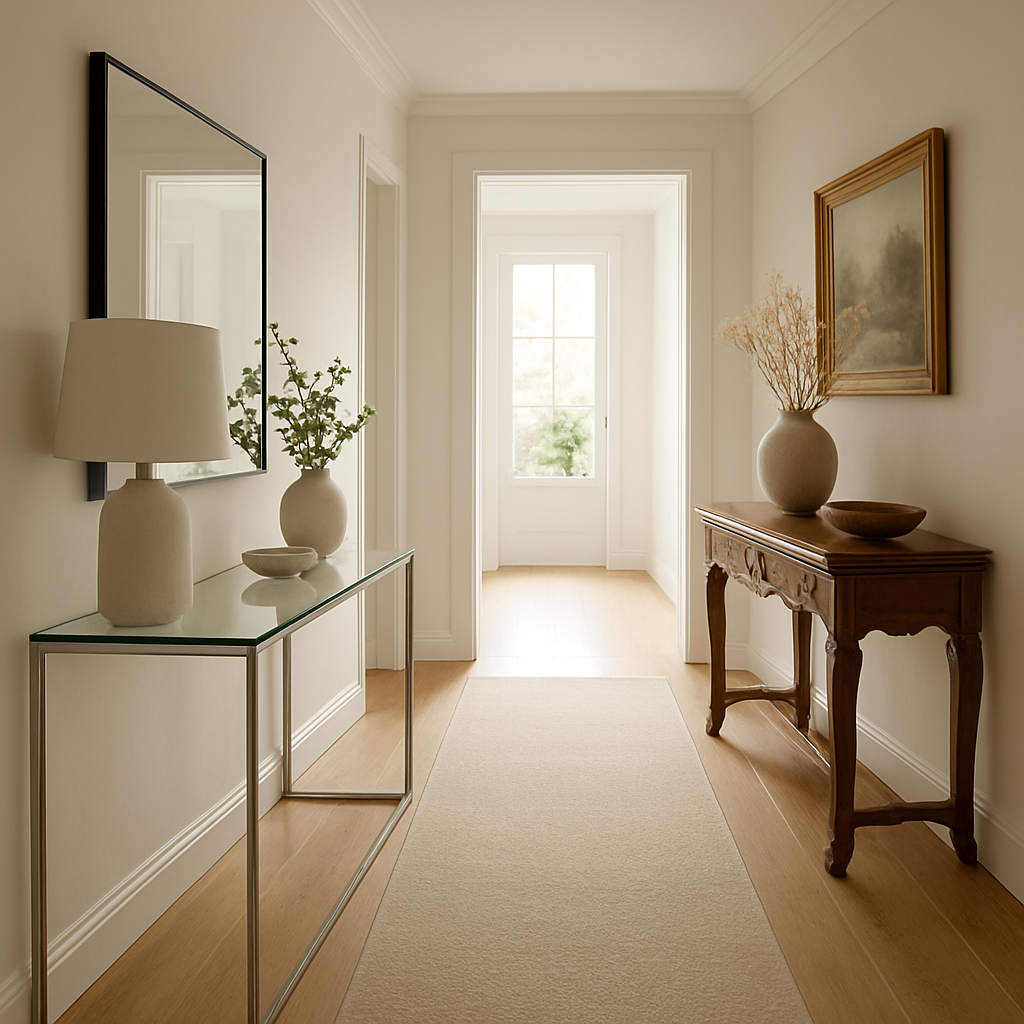
Ever stood in front of a blank hallway and wondered whether a sleek, glass‑top piece or a warm, carved wood table would feel more like home? That little moment of indecision is the exact place where style meets function, and it’s where we can have a bit of fun deciding which vibe fits your life.
Modern console tables tend to whisper minimalist confidence. Think clean lines, brushed metal legs, or a thin slab of tempered glass that lets light bounce around the room. They’re perfect for apartments where space is at a premium – the low profile means you can slip a laptop or a stack of mail without it feeling bulky. In fact, the Fortune Business Insights report notes that modern designs now command about 30% of the global market share, driven by urban dwellers craving a clutter‑free aesthetic.
Traditional tables, on the other hand, bring a sense of heritage. Rich mahogany, turned legs, and a slightly deeper drawer profile give you that feeling of “coming home” after a long day. They work beautifully in larger homes with higher ceilings, where a bit of ornamentation can balance the scale of the space. A classic piece can also act as an heirloom, growing richer with the stories you place on it.
How to decide which side of the spectrum fits you
1. Assess your room’s architecture. If you have exposed brick, industrial lighting, or a monochrome palette, a modern console will echo those cues. If your walls are painted in warm neutrals, crown moulding is present, or you have a plush sofa, a traditional table will harmonise.
2. Consider daily use. Families with kids often gravitate toward sturdier wooden builds that can survive accidental knocks. Couples who work from home might value a sleek metal frame with hidden cable management.
3. Check your storage needs. Traditional tables usually hide drawers or cabinets, while many modern pieces rely on open shelving or a single surface. Think about whether you need a hidden place for keys and mail or if a decorative bowl will do.
Real‑world examples that illustrate the split
Take the Stylish Wooden Console Tables for Every Home collection – the Ariella model, with its Japanese‑inspired slats, bridges the gap. It offers the lightness of a modern silhouette but is crafted from solid mango wood, giving it that timeless warmth.
Contrast that with the Mokka Console Table, a low‑profile piece with a lacquered finish and metal legs. Its minimalist look makes it a natural partner for a contemporary sofa, yet the solid wood construction keeps it grounded.
Picture a London flat where the hallway is narrow and the décor leans toward Scandinavian whites. A thin, walnut‑toned modern console with a hidden USB port keeps the space sleek and tech‑ready. Now imagine a countryside cottage with a stone fireplace; a robust chestnut console with subtle curve edges becomes a natural extension of the hearth, perfect for displaying family photos.
Actionable steps to pick your perfect style
• Measure the height of your seating. Aim for a console that’s about two‑thirds that height – whether it’s modern or traditional, that proportion feels right.
• Sample the finish in your space. Bring home a swatch or use a virtual room planner to see how a lacquered metal base versus a warm wood grain reacts to your lighting.
• Test the weight capacity. Modern glass tops can look airy but may have lower load limits; traditional wooden tops often hold more weight without flexing.
• Think ahead: will you need a drawer now or later? If you’re leaning modern but anticipate storage, look for hybrid designs that add a discreet drawer under the tabletop.
Ultimately, the choice isn’t about “which is better” but “which tells your story best.” When the table feels like an extension of your personality, you’ll notice how naturally you reach for that favorite vase or stack of books.
Material Matters: Wood, Metal, and Glass Options
When it comes to console tables, the material you choose is the silent storyteller of the room. It decides whether the piece whispers elegance or shouts modern confidence. So, what’s the right fit for your space?
Wood: The Classic Warmth
Wood has been the go‑to for centuries because it ages like a fine wine. Oak, walnut, and maple top the list for durability and grain beauty. Oak gives you that sturdy, timeless feel – perfect for high‑traffic hallways where kids might bump into the legs. Walnut brings rich chocolate tones that can stand on its own without a stain, adding a touch of luxury without extra effort.
If you’re on a tighter budget, pine or poplar still work well, especially if you plan a painted finish. Just remember they need a bit more love in the finishing stage to keep dents at bay. For a deeper dive into wood choices, check out this guide on the best woods for console tables. Understanding the Janka hardness rating helps you match the wood to the foot traffic you expect – aim for 1000+ for family rooms, and you’ll be good.
Metal: Industrial Edge
Metal frames are the rebels of console tables. A brushed steel or matte black base can make a thin glass top feel grounded, while still keeping the visual weight low. This is a lifesaver in smaller apartments where you want the room to breathe.
One thing to watch: metal can get cold to the touch, so pair it with a wooden top or a soft runner if you’re worried about that “industrial chill.” And don’t forget stability – a sturdy cross‑brace or thick legs will keep wobble at bay, especially if you’re stacking books or a heavy lamp.
Glass: Light‑As‑Air Elegance
Glass tops are the ultimate in minimalist chic. A clear, tempered slab lets the floor and surrounding décor shine through, making the console feel almost invisible. This works wonders in bright, sun‑filled corridors where you want to keep the line of sight open.
The trade‑off is load capacity; most glass tops handle everyday items like keys and décor, but they’re not the best choice for a stack of heavy binders. If you love the look but need more strength, consider a frosted or slightly tinted glass – it adds a subtle visual weight without sacrificing the airy vibe.
So, how do you decide?
Mix‑and‑Match Strategies
Many of our clients love a hybrid approach: a wooden top on a metal frame gives you the best of both worlds – warmth underfoot and a sleek silhouette. Imagine a walnut slab perched on a brushed brass base; the wood’s grain becomes the focal point while the metal keeps the piece light.
Another favorite is a glass top with thin metal legs and a wooden drawer underneath. The drawer hides away mail and keys, while the glass stays the visual anchor. It’s the kind of clever layering that turns a simple console into a functional art piece.
Notice how the video walks through a real‑world example of a walnut‑and‑metal console. Seeing the materials in action helps you picture the finish, the weight, and how it lives in a room.
Practical Checklist
- Identify the room’s traffic level – high traffic? Choose oak or metal.
- Consider the vibe – warm and cozy? Go wood. Ultra‑modern? Metal or glass.
- Check load needs – heavy books? Opt for thicker glass or a solid wood top.
- Think about maintenance – wood needs occasional polish, metal may need a wipe‑down, glass needs regular cleaning to stay sparkling.
Bottom line: there’s no one‑size‑fits‑all material. By matching the wood’s grain, the metal’s finish, or the glass’s clarity to your lifestyle, you turn a console table from a functional shelf into a signature piece that tells your home’s story.
Size & Functionality: How to Match Your Space
Ever walked into a hallway and felt that the console just looks "off" because it either dwarfs the room or disappears into the wall? That little glitch is usually a size mismatch, and it’s the easiest thing to fix once you have a simple measuring habit.
Let’s start with the basics – grab a tape, note the length of the wall, the height of nearby seating, and the width of any doorways you’ll need to thread through. You’ll be surprised how many “perfect” pieces disappear when you try them out in the actual space.
Measure before you buy
First, mark the longest uninterrupted stretch of wall where the console will sit. Subtract about 4‑6 inches on each side; that breathing room keeps the piece from feeling cramped.
Next, think about traffic flow. A console that sticks out too far can become an obstacle, especially in narrow hallways. Aim for a depth of 10‑14 inches for a sleek look, or 16‑20 inches if you plan to use the surface for larger trays or a vase collection.
Height matters
We’ve said it before: the console should be roughly two‑thirds the height of your sofa or armchair. If your couch is 30 inches tall, look for a table around 20 inches. That proportion lets you reach for a coffee mug without stretching, and it creates a visual harmony that feels intentional.
But what if your space has a low ceiling? A lower profile, perhaps 18‑20 inches tall, prevents the room from feeling boxed in. On the flip side, a tall console can act as a subtle room divider in open‑plan living areas – just keep the top under 28 inches so it doesn’t dominate the sightline.
Width & depth: fitting the flow
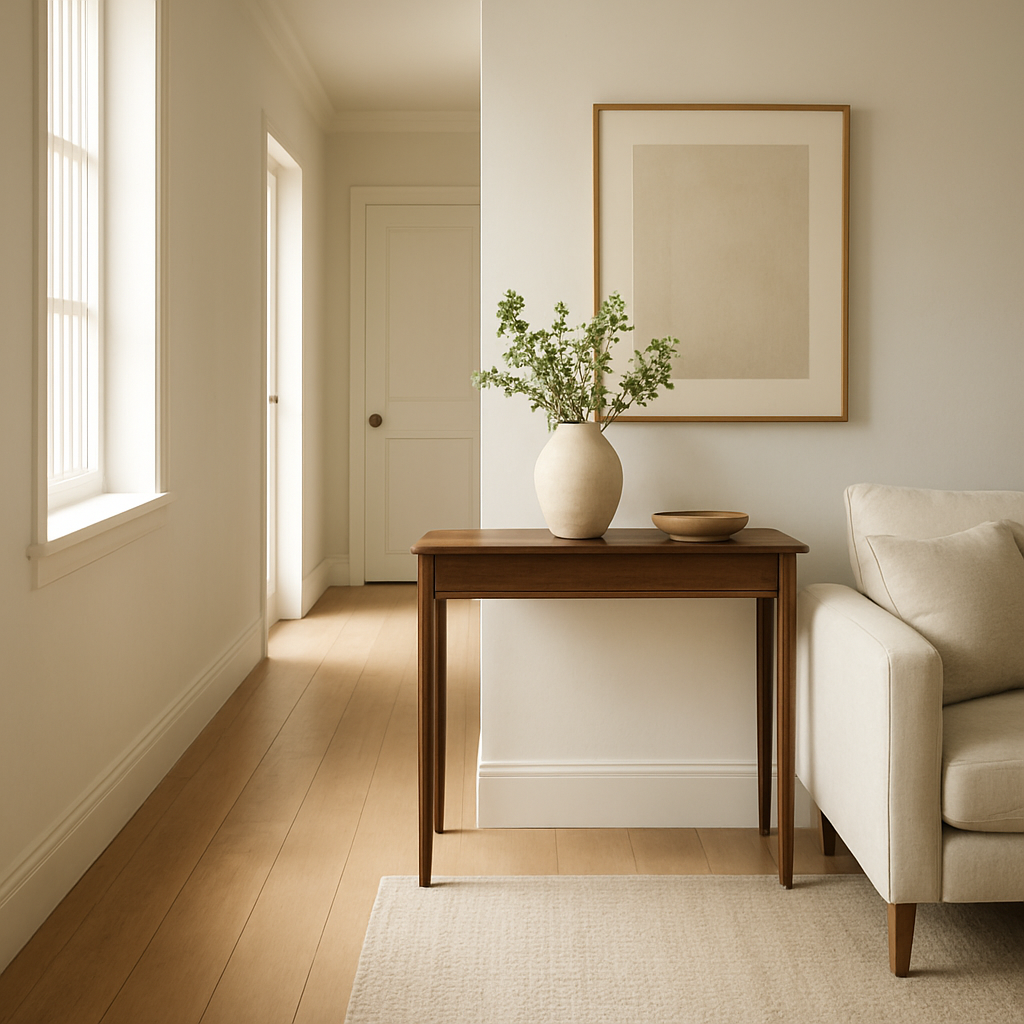
Width is where function meets style. For a hallway, a 30‑36 inch wide table usually offers enough surface for keys, a lamp, and a decorative box without overwhelming the corridor.
If you’re placing a console behind a sofa, you have a bit more leeway. A 48‑60 inch width can accommodate a stack of books, a framed photo, and still leave room for a plant.
Depth, again, depends on usage. A 12‑inch deep slab works great for a minimalist vibe – think a single vase or a slim tray. Want to store mail, remote controls, or a laptop? Bump the depth to 16‑20 inches and consider a model with a hidden drawer.
Function first: storage, display, multitask
Ask yourself what the console will do most of the day. Is it a drop‑off spot for keys and mail? Then a shallow top with a discreet drawer is golden – you get the tidy look of a modern piece while keeping clutter hidden.
Do you love showcasing art or seasonal décor? A wider surface with a lower shelf or a side cabinet gives you extra real estate for statement items.
And for the work‑from‑home crowd, a console that can hold a laptop, a lamp, and a cable management box becomes a tiny office nook. In those cases, sturdier materials like solid wood or a reinforced metal frame make sense.
Quick decision table
| Feature | Ideal Size Range | Best Material Match |
|---|---|---|
| Minimalist hallway | 30‑36" wide × 10‑14" deep × 18‑22" tall | Glass top with metal legs |
| Storage‑focused entry | 36‑48" wide × 16‑20" deep × 20‑24" tall | Solid wood with drawer |
| Dual‑purpose living‑room | 48‑60" wide × 12‑16" deep × 22‑28" tall | Hybrid wood‑top on metal frame |
So, what’s the next step? Grab that tape, sketch a simple box on a piece of paper using the dimensions we just walked through, and compare it to the consoles you’ve been eyeing.
When the numbers line up, the piece will feel like it was made for the room – not the other way around. And that, dear homeowner, is how you turn a simple console into a perfectly matched functional accent.
Finishing Touches: Styling Your Console Table with Bespoke Homeware
When you’ve finally picked the perfect console table, the real magic begins with the pieces you place on top of it.
Think about the last time you walked into a hallway and a single vase caught your eye – that’s the kind of moment we’re aiming for.
Pick a statement piece that tells a story
Large‑scale greenery, whether real or faux, instantly adds life. A tall, leafy branch in a sleek glass vase creates a punch of colour that contrasts with the clean lines of a walnut console.
If you don’t have a garden to snip fresh stems, a bundle of faux branches works just as well. The key is to keep the arrangement loose enough to feel natural, but structured enough to stay put.
Layer with functional accessories
Books aren’t just for reading; they’re perfect little risers. Stack two or three hard‑cover volumes and place a decorative bowl or a sculptural object on top. The height variation adds visual interest without overcrowding the surface.
We often see homeowners use woven baskets at the base of an open console to stash keys, mail, or reusable bags. A pair of medium‑sized baskets keeps the look tidy while giving you a hidden storage spot you’ll actually use.
Introduce light for mood
A single lamp can do the job, but a pair of matching table lamps creates a sense of balance that feels intentional. Choose a soft‑white shade if your room leans toward a warm palette, or a brass base for a subtle hint of glamour.
Wall sconces placed just above the console also work wonders, they frame the piece and add a layer of ambient light that makes the whole vignette glow after sunset.
Play with mirrors and art
A mirror above the console not only reflects light but also makes the wall feel larger. For a rectangular console, a round mirror adds a contrasting shape that draws the eye upward.
Alternatively, hang a single statement artwork that’s roughly two‑thirds the width of the console. The piece becomes a natural extension of the table, tying the whole room together.
Seasonal swaps keep it fresh
Because a console lives in a high‑traffic zone, it’s the perfect spot for easy seasonal updates. Switch out a ceramic bowl for a harvest‑themed piece in autumn, or swap a clear vase for a pastel one in spring.
Even small changes, like swapping a brass snail figurine for a ceramic cactus, give the space a fresh feel without a full redesign.
Putting it all together
Here’s a quick checklist to run through before you step back:
- Is there a focal point that draws the eye?
- Do you have at least two height levels?
- Is there a functional element (storage, lighting, or a place for daily essentials)?
- Have you added a reflective surface or art to anchor the console?
- Can you easily change one or two items for a seasonal refresh?
When those boxes are all ticked, you’ve turned a simple piece of furniture into a curated vignette that feels both luxurious and lived‑in.
Need more inspiration? Check out this roundup of console table decor ideas that showcase how a mix of greenery, books, lighting, and baskets can transform any console into a personal statement.
At Harvey Bruce Interiors we love seeing how our clients layer bespoke homeware on their consoles. The result is always a space that feels uniquely theirs, while still echoing the timeless quality of a well‑crafted table.
So, what’s your next move? Grab a tray, a couple of books, and that vase you’ve been meaning to display. Arrange, step back, and tweak until it feels just right. The perfect finishing touches are waiting, you’ve got this.
Price vs Quality: Evaluating Value in Console Tables
When you stare at a price tag, the first thought is often “can I afford this?” But the real question should be “what am I really paying for?” With console tables, the price spectrum can feel like a minefield, especially when you want luxury without blowing your budget.
Understanding the price spectrum
At the low end, you’ll find particle‑board or veneer pieces that look decent in a catalog but may dent after a few bumps. Mid‑range options typically use solid wood or metal frames, offering a balance between durability and style. The high‑end tier often features hand‑finished hardwoods, custom hardware, and a heritage of craftsmanship that can last generations.
In our experience, the sweet spot for most homeowners sits between the mid‑range and high‑end. That’s where you start seeing a real return on investment – the table holds up to daily traffic, ages gracefully, and still feels fresh after a fresh coat of paint or a new décor swap.
Real‑world price vs. quality examples
Take the budget‑friendly console tables at Tribesigns. Their 70.9" farmhouse console is built from E1 particleboard with a rustic finish. It looks charming, and the price is tempting, but the material is prone to warping in humid rooms. If you live in a coastal area, that could become an expensive headache.
Contrast that with a solid mango wood piece from our own collection, like the Ariella model. The wood is dense (Janka hardness well over 1000), the joints are mortise‑and‑tenon, and the finish is a low‑VOC oil that protects against spills. You’ll pay more upfront, but the table can handle family traffic, pets, and the occasional spilled wine without losing its luster.
Even luxury brands outside furniture can teach us about value. Brunswick Billiards emphasizes “engineered for excellent playability with the finest materials.” The same principle applies: when a maker invests in high‑grade wood, metal reinforcement, and meticulous finishing, the product’s lifespan extends well beyond the warranty period, turning a higher price into a long‑term saving.
How to calculate true value
1. Durability score. Look at the material’s hardness, joinery type, and weight capacity. A table that can hold a 30‑lb lamp plus a stack of books without sagging scores higher.
2. Maintenance cost. Solid wood may need occasional oiling; veneer might need a full refinish after a few years. Factor in time and money.
3. Style longevity. Classic silhouettes (clean lines, subtle grain) stay in vogue longer than trendy, overly ornate designs that feel dated in five years.
4. Resale potential. High‑quality pieces from reputable makers often retain a good portion of their original price if you ever decide to move.
Expert tip checklist
- Ask the seller about the wood species and its Janka rating.
- Check if the tabletop is glued or screwed – glued joints can loosen over time.
- Look for reinforced legs or cross‑braces, especially on larger spans.
- Consider the finish: oil‑based finishes protect against scratches better than water‑based paints.
- Test the load capacity with a few heavy items before you commit.
By running through this checklist, you can separate a flashy price tag from genuine value. Remember, a console table isn’t just a decorative slab; it’s a workhorse that frames your entryway, holds your keys, showcases your favorite vase, and may even become a family heirloom.
So, what’s the next move? Grab a notebook, jot down the materials you love, compare the durability scores, and match them against your budget. When the numbers line up, you’ll feel confident that you’re investing in a console table that looks great today and stays reliable tomorrow.
FAQ
What size console table works best in a narrow hallway?
In a tight hallway you’ll want something that whispers rather than shouts. Aim for a width of 30‑36 inches, a depth of 10‑12 inches, and a height that’s about two‑thirds the height of nearby seating. This keeps foot traffic smooth while still giving you a surface for keys, a lamp, or a slim decorative tray. A slim profile also prevents the table from feeling cramped against the wall.
How much weight can a typical console table hold?
Most solid‑wood or metal‑framed consoles are built to support 30‑50 lb on the tabletop without sagging. If you plan to use the table for a laptop, a stack of books, or a decorative bowl, check the product’s load rating – many retailers list a 75 lb capacity for the overall frame. For heavier items, look for reinforced legs, cross‑braces, or a thicker glass top that’s tempered.
Should I choose a glass top or wood top for a living‑room console?
Glass tops keep the visual line open and work great in bright rooms where you want the floor to stay in view. They’re easy to clean but can show fingerprints and have lower load limits. A wood top adds warmth, hides minor scratches, and usually carries a higher weight capacity. If you love the airy look but need sturdiness, a thin glass slab over a solid wood base can give you the best of both worlds.
Is it worth spending more on a solid‑mango wood console?
Solid mango wood is dense (Janka rating over 1000) and resists dents better than pine or particleboard. That means it will stay looking fresh even in a busy entryway with shoes and bags. The initial price is higher, but you’ll likely avoid costly refinishing later. Think of it as a long‑term investment – a piece that could stay in your home for generations.
How can I make my console table look styled without clutter?
Start with a focal point – a vase, a sculptural bowl, or a small plant. Add a second element at a different height, like a stack of a couple of books, then finish with a functional piece such as a tray for keys. Keep the colour palette cohesive; if the table is light wood, choose accessories in neutral tones with one pop of colour. Less is more, so only keep items you truly love.
Can I use a console table as a room divider?
Yes, a low console (under 28 inches tall) can subtly separate a dining area from a living space without cutting off light. Position it perpendicular to the flow of traffic and leave at least a foot of clearance on each side so people can move around comfortably. Adding a tall plant or a narrow bookshelf on top can reinforce the dividing effect while still providing storage.
What maintenance does a finished wood console need?
Oil‑based finishes benefit from a light wipe‑down with a soft cloth every month to remove dust. Every 6‑12 months, apply a quality furniture oil or polish to replenish the surface and protect against spills. Avoid harsh chemicals – a mix of water and a drop of mild dish soap works fine for everyday cleaning. If you notice scratches, a gentle rub with a matching wood filler can restore the look without a full refinish.
Conclusion
Let’s take a step back and look at what we’ve covered. A well‑chosen console table can tie a hallway, living room, or entryway together, offering both style and function without overwhelming the space.
Remember the simple rule we kept returning to: measure the height of your seating, match the proportion, and let the material speak to your lifestyle. Whether you leaned toward a sleek glass‑top modern piece or a warm solid‑mango wood traditional model, the right console becomes a quiet partner in your daily routine.
Think about the little moments – dropping your keys, setting down a coffee mug, or displaying a favorite vase. Those tiny interactions are what turn a piece of furniture into a lived‑in experience.
So, what’s the next move? Grab a tape measure, walk the wall where you imagine the table, and sketch a quick box. Compare that outline with the options you love, and let your gut decide which one feels like it belongs.
In our experience at Harvey Bruce Interiors, the pieces that last are the ones you choose because they solve a real need, not because they simply look good on a screen.
Finally, give yourself permission to experiment. Swap a tray, add a plant, or change a lamp – the console will adapt as your style evolves.
Ready to bring that effortless elegance home? A thoughtfully selected console table is waiting to become part of your story.
← Older Post Newer Post →