
Inspired Interiors: 5 Creative Ways to Transform Your Home with Bespoke Furniture & Accessories
Posted by Admin on
Ever walked into a room and felt that instant spark, like the space just gets you? That moment is what we call an Inspired Interior – a place that whispers, 'Welcome home,' without you having to say a word.
If you’re a homeowner who’s just put down a down‑payment or a couple juggling paint swatches and furniture catalogs, you’ve probably stared at empty walls and wondered, 'Where do I even start?' Trust me, you’re not alone.
In our experience at Harvey Bruce Interiors, the magic begins with a simple question: what feeling do you want the room to evoke? Do you crave the calm of a seaside retreat, the drama of a gallery, or the cozy hug of a cabin loft?
Once that feeling is clear, the rest falls into place like pieces of a puzzle. Think about texture – a live‑edge bench can bring a raw, organic vibe, while a sleek wooden console table adds quiet elegance.
Lighting plays a starring role, too. A pair of luxury occasional chairs paired with a soft, bouclé leather bench creates a conversation nook that feels both curated and lived‑in.
Colour is another easy lever. Soft greys and muted blues act as a neutral backdrop, allowing statement pieces – perhaps a woven Riviera bench or a bold accent rug – to shine without overwhelming the eye.
Don’t forget the little details. A thoughtfully placed vase, a stack of artisan books, or a handcrafted tray can turn a functional corner into a personal vignette that tells your story.
Now, you might be thinking, 'I don’t have a design degree, can I really pull this off?' Absolutely. Start small: swap a single accessory, add a new cushion, or rearrange existing furniture. Each tweak builds confidence.
As you experiment, keep the core of your Inspired Interior in mind – it’s less about matching trends and more about reflecting who you are. When the space feels true to you, the rest follows naturally.
So, ready to breathe new life into your home? Grab a notebook, sketch the vibe you want, and let those ideas guide every piece you choose. Let’s make your space not just beautiful, but unmistakably yours.
TL;DR
Inspired Interiors means turning everyday rooms into spaces that greet you like an old friend, blending luxe pieces—like a live‑edge bench or a bouclé leather bench—with your personal style.
Start small—swap a cushion, add a statement chair, or rearrange a console—and watch confidence grow, proving anyone can craft an Inspired Interior without a design degree.
Idea 1: Bold Color Palettes
Picture this: you walk into a living room and the walls whisper "wow" before the furniture even gets a chance to speak. That's the power of a bold color palette – it grabs attention, sets mood, and instantly makes a space feel curated.
But going from a bland beige to a daring hue can feel like stepping into the unknown. Trust me, we’ve all stared at a paint swatch and thought, "What if that looks like a clown car?" The trick is to start small, test the water, and let the colors evolve with the room.
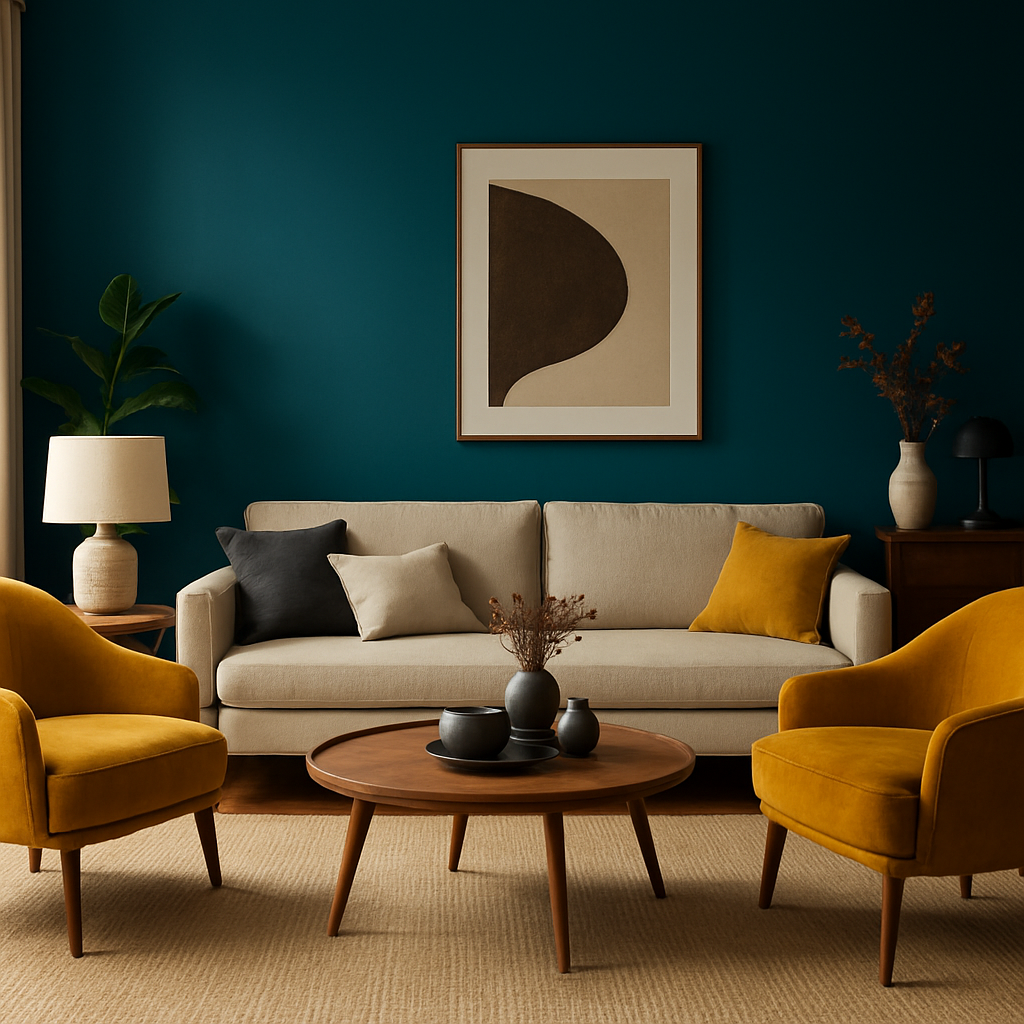
First, pick a primary statement shade. Think deep emerald, moody navy, or a sun‑kissed terracotta. These colors work especially well in rooms that already have neutral bases – soft greys, warm woods, or light linens. The contrast creates drama without overwhelming the eye.
Next, anchor that statement with complementary accents. A classic method is the 60‑30‑10 rule: 60% of the room stays neutral, 30% is your bold hue, and 10% is a contrasting pop. For example, a navy sofa (30%) against cream walls (60%) with mustard throw pillows (10%) feels balanced yet adventurous.
Real‑world example: a client in Brighton wanted a home office that felt like a boutique gallery. We painted the built‑in shelving a rich charcoal, paired it with a light oak desk, and added a luxury occasional chairs in a buttery mustard velvet. The result? A space that energises them every morning without looking like a paint‑store showroom.
Another story comes from a coastal cottage in Cornwall. The owners loved the sea, so we introduced a bold aqua on the bathroom vanity wall, balanced with white marble tiles and natural rattan accessories. The splash of colour turned a functional space into a mini‑retreat, and guests always comment on the "fresh, beach‑vibe".
Want data? A 2022 Houzz survey found that 48% of homeowners who used a bold accent wall reported higher satisfaction with their interior design, compared to 31% who stuck solely to neutrals. The numbers back up the gut feeling that colour can be a game‑changer.
Here’s a quick actionable checklist you can follow this weekend:
- Choose one room to experiment – the bedroom or a hallway works well.
- Select a paint chip that makes you pause – it should feel both exciting and slightly uncomfortable.
- Buy a small sample (paint a 1‑ft square) and live with it for 48 hours.
- Pair the wall with neutral furniture and add a single accent piece (throw pillow, rug, or art) in a contrasting hue.
- Step back, take photos, and ask a friend for honest feedback.
If the sample feels too intense, tone it down with a lighter topcoat or add a patterned wallpaper that incorporates the bold shade. If it feels underwhelming, double‑down with accessories – think brass lamp shades, a colourful rug, or a statement piece of art.
Expert tip: lighting can either mute or amplify bold colours. Warm LED bulbs tend to soften deep reds and oranges, while cooler daylight bulbs make blues and greens pop. Play with the switch settings to see which mood fits your lifestyle.
And don’t forget texture. A matte paint will absorb light, giving a more subdued feel, whereas a satin or semi‑gloss finish reflects light and can make the colour appear richer. Pair a matte emerald wall with a glossy gold sideboard for a luxe contrast.
Finally, remember that bold palettes are not a one‑time decision. As seasons change, you can swap out accessories to keep the look fresh – think pastel throws in spring, richer fabrics in autumn. The underlying colour stays the anchor, while the details evolve.
So, what’s the next step for you? Grab that paint swatch you’ve been eyeing, pick one accent piece, and let your home speak louder than ever before.
Idea 2: Mix & Match Textures
Ever notice how a room can feel cozy or sleek just by swapping a rug or a cushion? That’s the magic of texture, and it’s the heart of our second idea for Inspired Interiors – mix & match textures.
When you layer a matte wall with a glossy sideboard, or pair a rough linen sofa with a sleek marble coffee table, you’re creating a tactile conversation that keeps the eye wandering.
Here’s why it works: our brains love contrast. Soft versus hard, smooth versus ribbed – each difference tells a tiny story, and together they write a larger narrative about who you are.
1. Natural vs. Manufactured Materials
Think about the warmth of a reclaimed wood console paired with a polished chrome lamp. The wood brings an organic, lived‑in feel, while the metal adds a modern edge. For homeowners who love a bit of heritage but crave contemporary flair, this combo feels instantly balanced. You don’t have to buy a whole new set – just one statement piece can shift the whole vibe.
2. Contrast Finishes
A satin‑finished cushion next to a raw‑edge bench creates a push‑pull effect that feels intentional. In our experience, glossy surfaces bounce light, making a room feel larger, whereas matte finishes absorb it, adding depth. Try swapping a satin pillow cover for a matte one in a single armchair and notice how the space suddenly feels more layered.
That short video demonstrates how a simple texture swap can transform a reading nook from flat to inviting – a quick visual proof that texture is a design shortcut.
3. Layer Tactile Elements
Start with a base – maybe a plush area rug. Then add a woven basket, a leather pouf, and a soft throw. Each piece adds a different tactile cue: woven fibers, smooth leather, fluffy yarn. The key is to keep the colour palette cohesive so the texture, not colour, becomes the star. Couples often ask how to avoid a “cluttered” look; the answer is to limit the palette to two‑three hues and let the materials do the talking.
4. Mind the Scale
Big textures, like a chunky wooden coffee table, pair best with finer details – think delicate glass vases or thin metal frames. Conversely, a sleek glass console can support a chunky woven rug without feeling overwhelmed. When you’re mixing, ask yourself: does the larger element dominate the room, or does it support the smaller pieces? This mental check keeps the composition feeling purposeful.
5. Seasonal Swaps Made Easy
Because texture is so forgiving, you can shift the mood with the seasons. In winter, add a thick wool blanket and a fur‑trimmed cushion for coziness. Come spring, swap the blanket for a light linen throw and introduce a rattan tray. The underlying textures stay, but the weight changes, giving your Inspired Interiors a fresh feel without a major overhaul.
So, what’s the next step? Pick one texture you’ve been curious about – maybe a raw‑edge bench or a velvet cushion – and introduce it alongside a piece you already love. Watch how the room starts to talk back to you.
Idea 3: Statement Furniture Pieces
1. Let a single piece do the talking
Ever walked into a room and felt instantly drawn to one chair or table? That’s the power of a statement piece. It doesn’t have to be massive; a sculptural sideboard, an oversized lounge chair, or a bold coffee table can become the focal point that pulls the whole design together. When you choose something with character—think a live‑edge bench or a velvet tufted sofa you give the space a personality that invites conversation.
2. Match the piece to your room’s mood
Think about the vibe you want. A sleek, chrome console screams modern minimalism, while a reclaimed wood dining table whispers warmth and heritage. Pairing the mood of the piece with the room’s existing palette keeps the look intentional rather than accidental. For couples who love a bit of drama, a glossy black marble coffee table can anchor a soft, neutral sofa and make the area feel like a boutique lounge.
3. Balance scale and proportion
Big statements can overwhelm a small hallway. The trick is to let the piece sit at eye level and leave breathing space around it. A tall, narrow bookshelf works wonders in a compact entryway because it adds height without stealing floor space. Conversely, a low, chunky ottoman can anchor a large living‑room layout, offering both visual weight and a place to rest your feet.
4. Play with texture and material
When you’re already mixing textures (remember our earlier tip), a statement piece should amplify, not compete. A woven rattan bench beside a smooth lacquered side table creates a tactile conversation that feels curated. Imagine a plush bouclé leather bench placed against a polished stone wall—softness meets sleekness, and the contrast adds depth without clutter.
5. Use accessories to highlight the star
Sometimes the furniture itself is enough, but a well‑chosen accessory can push it into the spotlight. A dramatic floor lamp, a large‑scale artwork, or a stack of vintage books placed on the piece can guide the eye. It’s like giving your statement sofa a little runway—people will notice the details you’ve layered on top.
6. Keep it functional
Luxury shouldn’t sacrifice usability. A striking console that also offers hidden storage, or a bench with a lift‑top for extra seating, lets you enjoy the wow factor daily. When a piece serves a purpose, you’re more likely to keep it, and the room stays both beautiful and lived‑in.
7. Test before you commit
Before you splurge on a massive piece, try a visual mock‑up. Use tape on the floor to outline the footprint, or place a cardboard cut‑out where the furniture will sit. Walk around it, sit down, and imagine your daily routine. If it feels right, you’ve likely found a piece that will truly inspire your interior.
So, what’s the next move? Pick one room, identify a gap—maybe the coffee table looks bland or the sideboard feels invisible—then hunt for a piece that has personality, texture, and a story. When that statement furniture arrives, step back, take a breath, and let your Inspired Interiors finally speak out loud.
Pro tip: when you buy a statement piece, think about the surrounding lighting. A well‑placed pendant or a pair of accent lamps can highlight the material’s sheen, making the piece feel even more curated. It’s a tiny tweak that elevates the entire room without breaking the bank.
Idea 4: Curated Accessory Layers
Ever walked into a room where every little object feels placed on purpose, like a story unfolding? That’s the magic of layered accessories – they turn a polished room into an Inspired Interiors experience without a major overhaul.
We’ll break it down into bite‑size ideas you can mix‑match, so you never feel overwhelmed. Think of each layer as a conversation starter; you add one, listen, then add the next.
1. Layered Textiles for Instant Warmth
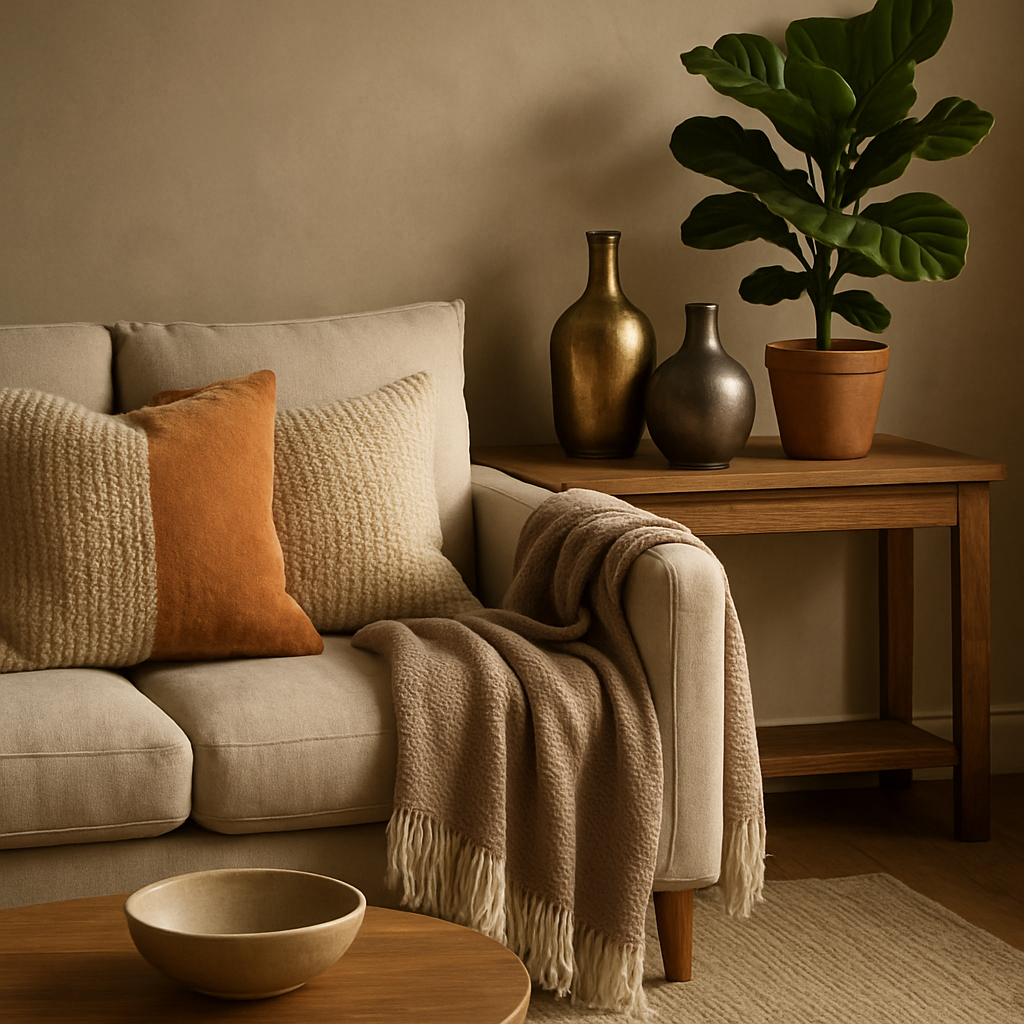
A soft throw draped over a sleek sofa, a patterned rug under a coffee table, and a couple of plush cushions on a side chair create depth in seconds. Choose textures that complement but don’t duplicate – maybe a linen throw with a velvet pillow. The contrast tells the eye, “there’s more here than meets the surface.”
Pro tip: pick a colour that echoes an existing accent, like the navy in a decorative lamp, so the layers feel cohesive rather than random.
2. Curated Vases & Sculptural Objects
One well‑chosen vase can anchor a coffee table or mantel. Opt for a shape that reflects the room’s style – perhaps a matte ceramic bowl for a relaxed vibe, a polished metal sculpture for modern drama. Group two or three pieces in varying heights; the visual rhythm mimics a gallery wall but stays intimate.
When you’re unsure, start with a neutral base (white or stone) and add a pop of colour with a single glass piece.
3. Mixed‑Metal Accents
Gold, brass, and blackened iron can coexist beautifully if you follow a “lead colour” rule. Choose one metal as the dominant tone – perhaps brushed brass on a lamp – and sprinkle the others in small doses: a copper tray, a silver picture frame. The result feels curated, not chaotic.
We’ve seen couples in London swap a single brass tray for a set of mixed‑metal coasters and instantly notice the room feels “more thought‑out.”
4. Seasonal Greenery & Natural Elements
Fresh foliage is the quickest way to add life. A modest fiddle‑leaf fig in a woven basket, a sprig of eucalyptus on a bookshelf, or a bowl of dried oranges on a console bring texture and a subtle scent. Rotate the pieces each season – think pine cones in winter, bright succulents in summer – and your space stays fresh.
Because plants are living accessories, they also signal that you care about the room’s health, a small but powerful cue for guests.
5. Personal Keepsakes with a Design Lens
Family photos, travel mementos, or a vintage cookbook can become design elements when you frame them deliberately. Choose simple frames that echo other materials in the room – a wooden frame beside a reclaimed‑wood console, for example. This ties sentiment to style, keeping the look polished.
Don’t overload; a single shelf or a narrow console can showcase three items max, leaving breathing room.
| Accessory Type | Design Impact | Quick Swap Idea |
|---|---|---|
| Textiles (throws, cushions) | Adds colour, texture, and comfort | Swap a solid throw for a patterned one |
| Vases & Sculptures | Creates focal points and height variation | Replace a ceramic vase with a metal sculpture |
| Mixed Metals | Introduces visual richness without clutter | Introduce a copper tray alongside brass lamps |
| Greenery | Brings life and natural texture | Switch a winter pine cone bowl for summer succulents |
| Personal Keepsakes | Infuses personality and story | Reframe a travel photo in a wood frame |
So, where do you start? Pick one surface – maybe the coffee table – and add a single new layer: a textured rug, a vase, or a small plant. Live with it for a week, then assess if the room feels more “lived‑in” and less “staged.”
Remember, the goal isn’t to fill every nook; it’s to give each piece a purpose and let it breathe. When the accessories speak to each other, you’ll notice the room humming with that Inspired Interiors vibe you’ve been chasing.
Idea 5: Sustainable & Bespoke Selections
Ever felt that a piece just "gets" you, like it was made for your home and the planet at the same time? That moment is what we chase with sustainable, bespoke selections – the quiet hero behind many Inspired Interiors.
1. Choose responsibly sourced wood
Think about a wooden console that not only holds your books but also tells a story of reclaimed timber. When the wood comes from certified forests or reclaimed sources, you’re reducing deforestation while adding character. A live‑edge slab, for instance, keeps the original grain and knots, making every piece unique. Pair it with a simple metal bracket and you’ve got a functional, conversation‑starting element that feels honest.
2. Opt for modular, timeless furniture
Instead of chasing trends that fade in a year, look for pieces that can grow with your life. A modular sofa with removable cushions lets you re‑configure the layout when you move from a cosy movie night to a lively gathering. Because the core frame stays the same, you avoid buying new sofas every few seasons – a win for your wallet and the environment.
3. Embrace natural fibers and low‑impact textiles
Throw blankets, cushions, and rugs made from organic cotton, linen, or hemp bring texture without the chemical baggage of synthetic blends. These fibres biodegrade faster and often require less water to produce. Imagine a hand‑woven linen throw draped over a reclaimed wood armchair – the tactile contrast feels luxurious, yet the materials are gentle on the planet.
4. Customize with local artisans
When you commission a bespoke coffee table from a local maker, you cut down on shipping emissions and support the community. You also get a design that fits your exact dimensions, so you’re not forced to compromise on layout. A custom‑etched glass top or a hand‑carved base adds personality that mass‑produced items simply can’t match.
5. Add upcycled accessories
Small touches often have the biggest impact. Think of a set of glass bottle vases, a reclaimed metal tray, or a vintage brass lamp you’ve rescued from a market. These pieces inject history into the room and keep waste out of landfill. Because they’re already “finished,” you avoid the energy used to manufacture new accessories.
So, how do you start? Pick one area – maybe the entryway console – and ask yourself: is the material responsibly sourced? Can it be customized? If the answer is no, swap it for a piece that checks at least two of those boxes. You’ll notice the space feels more intentional, and you’ll have one less guilt‑inducing purchase lingering in the back of your mind.
Another quick win: audit the textiles you already own. Pull out any polyester throws and replace them with an organic cotton alternative. It’s a tiny switch, but over time those choices add up, turning an ordinary room into an Inspired Interiors showcase that respects both style and sustainability.
Remember, bespoke doesn’t have to mean pricey. Many small workshops offer “make‑to‑order” options where you choose the wood type, finish, and hardware. The result is a piece that fits your aesthetic, your budget, and the planet’s future.
Finally, share your journey. When friends see a reclaimed wood sideboard or a hand‑stitched cushion, they’ll ask where you found it. That conversation spreads the idea that beautiful homes can also be responsible homes – exactly the vibe we aim for at Harvey Bruce Interiors.
Conclusion
Let’s wrap up what we’ve discovered about Inspired Interiors. You’ve seen how a splash of bold colour can set the mood, how mixing textures adds depth, why a single statement piece can become the room’s conversation starter, and how curated accessories and sustainable bespoke pieces keep the look fresh and responsible.
First, pick one area you love – maybe the entryway console – and test a new material or hue. A quick swap gives you instant feedback without a full‑room overhaul.
Second, layer at least two contrasting textures; a matte cushion beside a glossy sideboard creates that tactile conversation we all crave.
Third, let a statement bench or chair anchor the space – something like our live‑edge collection bench that draws the eye and invites you to linger.
Fourth, finish with a few curated accessories – a textured rug, a mixed‑metal vase, or a green leaf – to add personality without clutter.
Finally, keep sustainability front‑and‑center. Choose responsibly sourced wood, organic textiles, or make‑to‑order pieces so your home looks luxe while honoring the planet.
So, what’s your next step? Grab a notebook, pick one of these ideas, and make a small change this week. When you see the impact, you’ll know you’re on the path to truly Inspired Interiors.
FAQ
Got questions about turning a regular room into an Inspired Interior? Below are the most common doubts we hear from homeowners just like you, plus practical answers you can start using today.
What exactly are Inspired Interiors and how do they differ from fleeting design trends?
Inspired Interiors are about capturing a feeling that feels uniquely yours – think of it as a personal vibe rather than a seasonal colour chart. Instead of chasing what’s “in” this month, you focus on pieces, textures and colours that resonate with your story. The result is a space that feels timeless, lived‑in and unmistakably you, even as trends come and go.
How can I start creating an Inspired Interior on a tight budget?
Begin with one “impact zone” – maybe the entry console or a single armchair – and swap just that element. A fresh paint swatch, a new cushion, or a reclaimed wood console can shift the whole mood without a full‑room overhaul. Look for quality second‑hand finds, upcycle existing items, and layer inexpensive accessories like woven baskets or greenery to add depth without breaking the bank.
What role does texture play in achieving Inspired Interiors?
Texture is the silent storyteller of a room. A matte linen sofa beside a glossy metal lamp creates a tactile conversation that makes the eye wander. Mixing natural fibres (wool, jute) with smoother surfaces (lacquer, leather) adds depth and comfort. Play with at least two contrasting finishes in each room – the result feels richer, more inviting, and instantly signals that the space was thoughtfully curated.
Are sustainable materials essential for an Inspired Interior?
While not mandatory, sustainable choices amplify the authenticity of an Inspired Interior. Reclaimed wood consoles, organic cotton throws, or a bench crafted from responsibly sourced acacia not only look beautiful but also tell a story of care for the planet. When a piece has a mindful backstory, it becomes a conversation starter that aligns with today’s conscious homeowner mindset.
How do I choose the right statement piece without overwhelming the room?
Pick one focal item that reflects the mood you want – a live‑edge bench, a bold velvet chair, or a sculptural sideboard. Keep the surrounding palette neutral and let the statement’s material or colour do the talking. Before committing, use painter’s tape to outline the footprint; walk around it, sit, and imagine daily use. If it feels right at eye level, you’ve found the perfect anchor.
Can I adapt the Inspired Interiors approach to small apartments or rentals?
Absolutely. In tighter spaces, focus on layered texture and a single statement accessory rather than large furniture swaps. A sleek wooden console, a mixed‑metal lamp, and a plush rug can transform a studio without permanent changes. Because rentals often limit structural edits, think portable – benches, cushions, and artwork that can be moved when you move on, preserving the Inspired vibe wherever you go.
What maintenance tips keep my Inspired Interior looking fresh over time?
Regularly rotate accessories: swap a seasonal throw, refresh cushions, or rotate artwork to keep the space feeling new. Spot‑clean fabrics with gentle solutions, dust wooden pieces with a soft cloth, and protect finishes with appropriate conditioners. Lastly, schedule a quick “design check” each season – assess what feels tired and replace one element, ensuring the room stays lively and true to your evolving style.
← Older Post Newer Post →