
A Thoughtful Review of Wooden Furniture for Your Home
Posted by Admin on
Imagine walking into a living room where the scent of fresh oak greets you, the grain of the wood catching the light just right. That quiet moment is what wooden furniture can do – it turns a house into a home you actually want to linger in.
But buying a new piece isn’t just about style; it’s about feeling safe, grounded, and a little bit proud when friends notice the details. Have you ever stared at a sleek sideboard and thought, ‘This is exactly what my hallway needed’?
In our experience at Harvey Bruce Interiors, we see couples in their first home wrestling with storage that looks bland and functional. A well‑chosen wooden sideboard not only adds elegance, it gives a place for those cherished heirlooms or the stack of Sunday magazines you pretend you’ll read.
And let’s be honest – sustainability matters more now than ever. Choosing solid‑timber pieces means you’re investing in something that can be refinished, passed down, and still look stunning decades later. It’s a small step toward a greener home without sacrificing luxury.
So, what should you look for when hunting for that perfect wooden coffee table? First, feel the weight – a hefty piece tells you the wood is solid, not particleboard dressed up. Second, examine the finish; a hand‑rubbed oil coat will age gracefully, unlike glossy paints that chip.
Picture this: you’re hosting a small dinner, the guests glide around a walnut dining set, the surface subtly reflecting candlelight. That ambience isn’t magic – it’s the natural warmth of wood doing its quiet work. It’s the kind of vibe that makes people linger longer, chatting over dessert.
If you’re a homeowner who loves to personalise, think about mixing textures – a reclaimed oak sideboard paired with sleek metal lamp bases can create a balanced, layered look. It’s a trick we’ve seen transform ordinary rooms into showcases for personality.
And here’s a practical tip: measure your space before you fall in love with a piece online. A common mistake is buying a gorgeous mahogany dresser that ends up blocking the flow of traffic. A quick tape‑measure check saves you both money and heartache.
So, whether you’re renovating a period cottage or updating a modern loft, wooden furniture offers a timeless anchor you can build around. It’s not just a purchase; it’s an investment in comfort, character, and a story you’ll tell for years.
TL;DR
Wooden Furniture adds timeless warmth to any home, letting you create cosy, personalised spaces that feel both luxurious and sustainable. Measure your room, pick solid‑timber pieces with hand‑rubbed finishes, and let Harvey Bruce help you blend style and longevity for lasting comfort that grows richer with every family gathering together.
Section 1: Craftsmanship and Materials
When you run your fingers over the surface of a well‑made wooden furniture piece, you’re feeling more than grain – you’re feeling years of expertise, the story of a tree, and the promise of durability.
Understanding Wood Species
Solid oak, walnut, and mahogany each bring a personality of their own. Oak offers a sturdy, slightly porous grain that ages beautifully, perfect for high‑traffic sideboards. Walnut, with its deep chocolate tone, creates a sense of quiet luxury in a dining table. Mahogany provides a warm, reddish hue that deepens over time, often chosen for statement cabinets.
In the UK market, you’ll notice a rising preference for sustainably sourced European oak because it balances cost, availability, and a lower carbon footprint. According to the Forestry Commission, UK‑grown oak forests have increased by 12 % over the past decade, meaning more local timber is entering the supply chain.
Finishing Techniques that Last
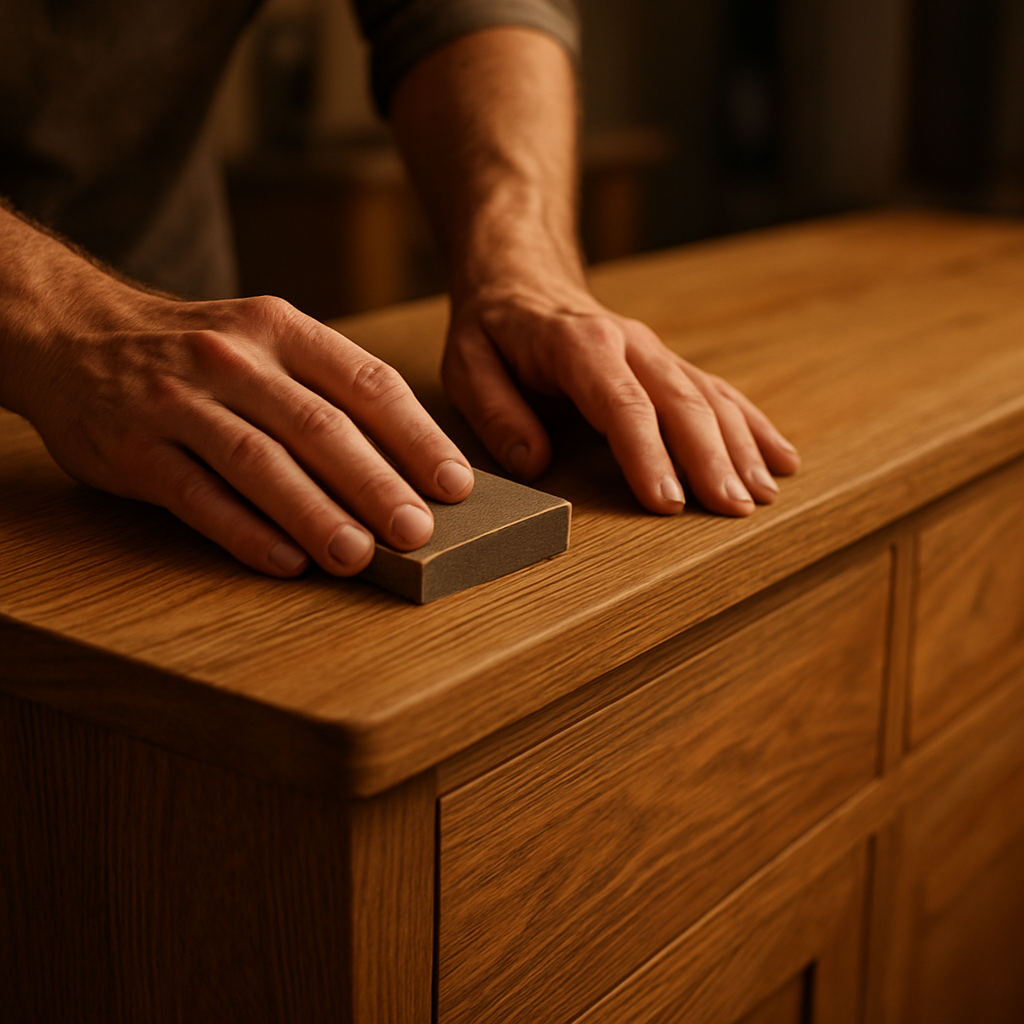
Hand‑rubbed oil finishes are a hallmark of true craftsmanship. Unlike high‑gloss polyurethane, an oil soak allows the wood to breathe, letting the natural colour shift with light and use. A simple three‑step routine—sand with 120‑grit, apply a penetrating oil, then buff with a soft cloth—can keep a sideboard looking fresh for decades.
For families with children, a low‑VOC wax top‑coat adds a protective layer without the harsh chemicals that can off‑gas in a nursery. It’s also easy to re‑apply when the surface shows wear.
Spotting True Craftsmanship
Ask yourself: does the piece feel solid, or does it wobble when you tap the leg? A genuine joinery method—like mortise‑and‑tenon or dovetail—will feel tight and produce a seamless joint. Avoid visible metal brackets or particle‑board cores; they’re a red flag.
Look for hand‑cut dovetail drawers in a bedroom chest. The dovetail’s “finger” shape not only adds strength but also signals that a skilled woodworker invested time rather than relying on mass‑produced CNC cuts.
Another tell‑tale sign is the finish edge. Hand‑rubbed oil leaves a subtle sheen that varies across the grain, whereas spray‑applied finishes often appear uniformly glossy—an indicator of factory‑scale production.
Actionable Checklist for Buying Wooden Furniture
- Measure the space twice; write the dimensions down before you fall in love with a photo.
- Identify the wood species and verify it’s solid timber—not veneer over MDF.
- Touch the piece: it should feel heavy enough to stay put, but not so heavy it’s impossible to move.
- Inspect the joints—look for mortise‑and‑tenon, dovetail, or dovetail‑style construction.
- Ask the retailer about the finish: oil‑finished wood will darken naturally, while lacquer stays static.
- Confirm the origin of the wood; locally sourced timber reduces transport emissions and supports UK forestry.
- Request a sample swatch or a small off‑cut to test colour in your own lighting.
By following these steps, you’ll feel confident that the wooden furniture you bring home will not only look gorgeous today but will also grow richer with every family gathering, anniversary dinner, or quiet evening with a book.
Remember, the right piece is an investment in both aesthetics and longevity. When the craftsmanship is solid, the furniture becomes a heirloom you can pass down, keeping the story of the wood alive for generations.
Finally, give yourself permission to live with the piece for a few weeks before deciding. If the grain feels right and the finish holds up to daily life, you’ve found a timeless treasure.
Section 2: Design Styles & Customization Options
When you start thinking about how wooden furniture will live in your home, the first question is less about size and more about vibe. Do you want a room that feels like a cosy cabin, or something that whispers contemporary elegance? That feeling shapes the design style you’ll gravitate toward.
Modern Rustic – the best of both worlds
Modern rustic blends raw, reclaimed wood with clean, straight lines. Think of a weathered mango dining table paired with sleek metal chairs. The style leans heavily on natural colours – warm browns, olive greens, stone greys – and lets the grain do the talking. As the modern rustic furniture style guide notes, you’ll see “heavy use of organic forms” and “hand‑crafted pieces” that avoid over‑machined perfection.
Real‑world example: a client in Brighton chose a reclaimed teak sideboard, left with a lightly distressed finish, and paired it with a brushed‑steel pendant lamp. The result was a dining area that felt both lived‑in and polished – perfect for weekend brunches and evening wine.
Scandinavian Minimalism – light, airy, functional
If you love airy spaces, Scandinavian design keeps the wood palette light – often pine or ash with a pale, matte finish. The focus is on functionality: hidden drawers, seamless legs, and minimal ornamentation. A simple wooden console in a hallway can become a statement piece when you add a few curated accessories.
Actionable tip: Choose a console that’s no deeper than 12‑inches, then add a tray of decorative objects (a small sculpture, a potted herb). This keeps the line clean while adding personality.
Mid‑Century Modern – retro with a fresh twist
Mid‑century modern furniture uses walnut or teak with tapered legs and subtle curvature. It’s a style that works well in both lofts and period cottages. Pair a walnut coffee table with a velvet sofa and you’ll get that iconic 1950s feel without looking dated.
Step‑by‑step customisation:
- Pick a wood species that matches your existing palette (walnut for deep warmth, oak for neutral brightness).
- Specify a finish – oil‑rubbed for a lived‑in look, or a low‑VOC lacquer for a contemporary sheen.
- Ask the maker for optional hardware – leather‑wrapped pulls or brass accents can shift the vibe instantly.
When you order, request a mock‑up or a small sample board; it lets you see how the wood reacts to your room’s light at different times of day.
Mix‑and‑Match – creating a personal story
Don’t feel forced to stick to one style. A reclaimed oak sideboard can live happily next to a sleek walnut desk, especially when you repeat a colour cue – maybe a muted teal wall or a set of copper light fixtures. The key is balance: if one piece is heavily textured, let the others be smoother.
Here’s a quick visual checklist:
- Identify the dominant wood tone you love.
- Choose one statement piece (e.g., a sideboard).
- Layer complementary pieces that either echo the grain or contrast with a different material.
- Use textiles – linen throws, wool rugs – to soften the hard edges.
And remember, the right piece should feel like it’s been waiting for your home all along. If you’re not sure, spend a night with a sample in the room; notice how it feels under different lighting, and whether it invites you to sit down and run your hand along the grain.
Below is a short video that walks through how to pair wooden furniture with different interior styles. It’s a handy visual guide before you head to the showroom.
Once you’ve settled on a style, the next step is tailoring the piece to your life. That’s where our Luxury Wooden Sideboards for Stylish Storage Solutions come in – they’re built to be customised in finish, hardware, and internal layout, so you can fit them around your kitchen island, your hallway console, or even a home office nook.
Section 3: Functional Benefits & Longevity
Why wooden furniture feels like an upgrade
When you slide a hand over a solid oak sideboard, you instantly sense strength. That heft isn’t just for show – it’s the grain’s natural resilience, meaning the piece will shrug off daily bumps and still look elegant decades later.
In our experience, homeowners who choose hardwoods such as oak, walnut or ash notice a dramatic drop in the need for replacement. A well‑made walnut dining table, for example, can survive a family of four, a lively dinner party, and a toddler’s art project without losing its character.
Real‑world durability stories
Take a Brighton couple we recently helped: they opted for a reclaimed teak sideboard with a lightly distressed finish. After three years of daily use – holding groceries, hosting brunches, and even surviving a few accidental wine spills – the piece still feels sturdy, and the patina has only deepened, adding charm rather than wear.
Another client in York inherited a 1970s mahogany chest from their grandparents. By simply sanding and re‑oiling it, the family breathed new life into the heirloom, turning a dusty attic find into the focal point of their new hallway. That kind of longevity is rare with particle‑board knock‑offs.
Maintenance that keeps wood thriving
Wood isn’t a set‑and‑forget material; it asks for a little love. A gentle routine of dusting, occasional oiling, and protecting against harsh sunlight can add decades to its life. For outdoor or high‑traffic indoor pieces, a quick wipe‑down with warm water and mild soap does wonders – a tip echoed by patio‑furniture experts at WickerPark for preserving wood’s natural sheen.
Here’s a simple three‑step care cycle you can follow:
- Weekly: dust with a soft, lint‑free cloth; spot‑clean spills immediately.
- Quarterly: apply a penetrating oil (linseed or Danish oil) to the surface, let it soak, then buff with a clean rag.
- Yearly: inspect joints, tighten any loose screws, and lightly sand any dull spots before re‑oiling.
Choosing the right species for lasting performance
Hardwoods differ in density and natural oils. Oak and ash are fantastic for high‑traffic areas because their open grain resists dents. Walnut, while softer, ages beautifully and is perfect for statement pieces where you want a richer patina over time.
According to the research from Edgework Creative, solid‑wood furniture made from domestic hardwoods can easily last generations, offering an “incredible value for your money” when you factor in the per‑use cost over a lifetime.
Environmental payoff
Beyond the personal benefits, wood is a renewable resource when sourced responsibly. Local UK timber reduces transport emissions, and modern forestry standards ensure forests regenerate faster than they’re harvested. That means each piece you keep for decades also represents a smaller carbon footprint compared to short‑life “fast furniture”.
Actionable longevity checklist
Before you place a new wooden piece in your home, run through this quick audit:
- Confirm the wood is solid timber, not veneer over MDF.
- Check the finish – oil‑based finishes breathe and can be refreshed; high‑gloss lacquers are harder to repair.
- Ask the maker about the source of the wood; locally sourced timber is a greener choice.
- Plan a maintenance schedule: dust weekly, oil quarterly, deep‑clean annually.
- Protect the piece from direct sunlight and harsh temperature swings to avoid warping.
Following these steps turns a beautiful wooden sideboard into a family heirloom that ages like fine wine.
Final thought
Wooden furniture isn’t just a design statement; it’s a functional investment that rewards you with durability, timeless style, and a lower environmental impact. By treating your pieces with the right care – a little oil, a bit of dusting, and mindful placement – you’ll enjoy their warmth for generations to come.
Section 4: Comparing Popular Wood Types
When you start weighing up oak versus walnut, the first thing you notice isn’t a spec sheet – it’s the feeling of the grain under your fingertips.
Oak feels solid, almost like a promise you can lean on. It’s the go‑to for high‑traffic pieces because its open grain takes dents like a champ and it ages into a warm, golden patina that only gets richer with time. In a busy family hallway, an oak sideboard will shrug off the daily shuffle of shoes and bags without losing its character.
Walnut, on the other hand, is a little quieter but just as confident. The deep chocolate hues give a sense of understated luxury, perfect for a dining table that wants to be the quiet hero of dinner parties. Its tighter grain means it’s a touch softer than oak, so you’ll see surface scratches a bit more readily – but those marks turn into a lived‑in story rather than a flaw.
Mahogany brings a warm, reddish glow that seems to invite you to linger. It’s a classic choice for statement cabinets or a formal lounge chest, especially when you want a piece that whispers history. Mahogany is naturally resistant to moisture, so it handles occasional spills better than many other hardwoods, though it does benefit from a regular oil finish to keep the colour from fading.
And then there’s reclaimed teak, the unsung hero of outdoor‑to‑indoor transitions. Because teak grew in coastal forests, it packs natural oils that repel water and insects. A reclaimed teak coffee table can survive a sunny conservatory window and still look crisp after years of use. The patina that develops on reclaimed teak adds character you just can’t buy new.
So, how do you decide which wood fits your lifestyle? Think about three things: the room’s traffic, the ambience you crave, and the maintenance rhythm you’re comfortable with.
Traffic and durability
If the piece will see a lot of footfall – say a sideboard in a bustling entryway or a kitchen island – you’ll want the hardest grain. Oak and teak are hard‑wear champions. Walnut and mahogany feel gorgeous in lower‑traffic zones like a study or a formal dining room.
Ambience and colour story
Picture the mood you want. Oak delivers a light, airy vibe that works with Scandinavian minimalism. Walnut adds depth for a cosy, mid‑century feel. Mahogany’s reddish tone complements traditional British interiors, while reclaimed teak brings a relaxed, beach‑house charm.
Maintenance and finish
Oil‑based finishes let you refresh the surface every few years – perfect for oak and mahogany. A low‑VOC wax works well on walnut if you prefer a subtle sheen. Teak often looks great straight from the factory because of its natural oils, but a quick wipe‑down with a soft cloth keeps it from getting greasy.
Below is a quick cheat‑sheet that helps you line up the attributes you care about.
| Wood Type | Durability | Best Use | Preferred Finish |
|---|---|---|---|
| Oak | High – resists dents and wear | Entryway sideboards, dining tables | Hand‑rubbed oil or wax |
| Walnut | Medium – softer grain, scratches show | Living‑room coffee tables, bedroom cabinets | Low‑VOC wax or light oil |
| Mahogany | Medium‑High – moisture‑resistant | Formal cabinets, statement chests | Penetrating oil for colour depth |
| Reclaimed Teak | Very high – natural oils protect | Outdoor‑to‑indoor tables, patio sideboards | No finish needed or light oil |
Here’s a tiny habit that makes any wood last longer: after you dust, give the surface a quick rub with a few drops of Danish oil. It seals the pores and brings out the grain’s natural sparkle. You’ll notice the difference the next time you set down a cup of tea.
Finally, remember that the right wood isn’t just about specs – it’s about how it makes you feel when you walk into the room. If you love the idea of a piece that grows with your family, oak’s steady presence might be your sweet spot. If you’re chasing a richer, more intimate atmosphere, walnut could be the quiet star.
Take a moment, picture each option in your own space, and let the wood that resonates with your lifestyle guide the choice. That’s how you turn a purchase into a long‑term love affair.
Section 5: Pricing, Value & Sustainability
Ever walked into a showroom, stared at a gorgeous oak sideboard, and wondered whether the price tag matches the promise of a lifetime?
That hesitation is real, especially when you’re balancing a design dream with a budget. The good news? With wooden furniture, you’re not just paying for a look—you’re investing in durability, resale value, and a greener footprint.
What you actually pay for
First, break the price down into three parts: material, craftsmanship, and finish. Solid hardwood like oak or walnut carries a higher raw‑material cost, but it also means the piece can survive kids, pets, and the occasional spill without a scratch.
Hand‑crafted joinery—think mortise‑and‑tenon or dovetail—adds labour time, which shows up in the price. It’s the difference between a piece that wobbles after a year and one that feels like it’s been in the family for generations.
Value over time
Think of price as a front‑loaded cost that flattens out as the piece ages. A well‑made walnut dining table might cost £1,800 today, but if it lasts 30 years you’re looking at roughly £60 per year—cheaper than replacing a laminate set every five years.
Resale value is another hidden bonus. Hardwood retains market appeal, so when you eventually upgrade, you can often recoup 40‑60 % of the original price, especially if you keep the finish in good shape.
That long‑term math is why many homeowners see wooden furniture as a “smart spend” rather than a splurge.
Why sustainability adds value
Buying sustainably sourced wood isn’t just feel‑good ethics; it’s a financial safeguard. Certified timber (FSC or PEFC) comes from responsibly managed forests, meaning the supply chain is less vulnerable to shortages that could drive prices up.
According to a recent market overview, the global wooden furniture market is projected to grow from $618 billion in 2025 to nearly $990 billion by 2034, driven largely by demand for eco‑friendly pieces (Global Market Insights). And because wood is a renewable resource, each piece you keep out of the landfill reduces the carbon footprint of your home—an investment that pays off in the planet’s health as well as your wallet.
Practical pricing checklist
- Ask the maker for a material sheet: solid oak, reclaimed teak, or engineered wood? Solid timber wins on longevity.
- Confirm the joinery method—hand‑cut dovetail beats glued particleboard.
- Check the finish type—oil or wax can be refreshed; high‑gloss lacquer is harder to repair.
- Verify sustainability credentials (FSC, PEFC) to ensure long‑term supply stability.
- Calculate the annualised cost: total price ÷ expected years of use. Compare that to cheaper alternatives that may need replacement sooner.
When you run through that list, the “price” becomes a clear picture of value rather than a vague number.
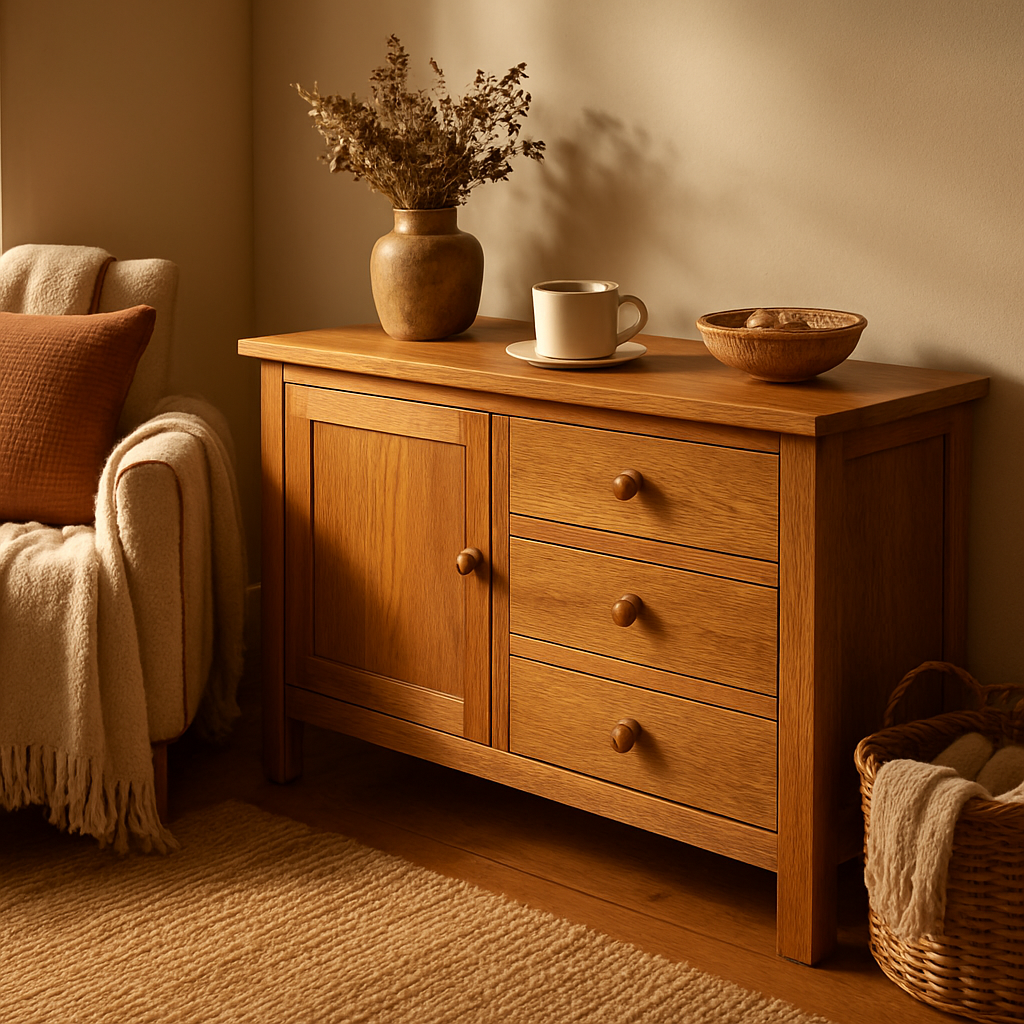
Remember, the true cost of wooden furniture isn’t just the sticker—it’s the peace of mind that comes from owning a piece that ages gracefully and supports a sustainable future.
So, what’s the next step? Take a piece you love, ask these five questions, and you’ll see whether the price feels like an investment or a expense. If the answers line up, you’re ready to bring a piece of lasting warmth into your home—one that looks good, feels good, and does good for the planet.
Section 6: Customer Experiences & Reviews
Ever wondered what it actually feels like to live with a piece of wooden furniture for years? You’re not alone – most homeowners pause at the checkout line because the emotional gamble feels bigger than the price tag.
What real owners are saying
Picture a young couple in Brighton who bought a reclaimed teak sideboard last winter. After three seasons of brunches, spilled tea, and a mischievous cat, they still talk about how the grain has deepened instead of cracking. Their story isn’t a marketing line; it’s the kind of lived‑in feedback you’ll hear at our showroom when we ask customers to walk us through a day with their new piece.
Across the country, a family in York shares a similar sentiment about a solid oak dining table. They mention that the table “still feels sturdy after the kids started pulling out chairs for game night,” and they appreciate how a quick oil touch‑up restores the original warmth.
Common threads in reviews
When you start listening, a few patterns emerge. First, the tactile heft of solid wood translates into confidence – people love that the table doesn’t wobble when a heavy casserole dish sits on it. Second, the ability to refresh the finish is a recurring “aha!” moment; owners realise they can keep the piece looking fresh without hiring a specialist.
Third, sustainability whispers appear in many conversations. Homeowners who know their sideboard is FSC‑certified often say they feel a quiet pride, especially when friends ask about the source. That emotional payoff is hard to quantify but shows up repeatedly in our post‑sale surveys.
How to read reviews critically
Not every glowing comment means the product is perfect for you. Ask yourself: is the reviewer describing a scenario that matches your lifestyle? A loft‑dwelling designer might rave about a sleek walnut desk because they rarely host noisy dinner parties – that same desk could feel too delicate in a bustling family home.
Also, watch for the “maintenance” language. If a review mentions “a quick oil coat every six months,” that tells you the piece requires a small, regular habit. If the comment is silent on care, you might be missing a hidden upkeep cost.
Academic research backs up the psychological boost of wooden furniture. A study highlighted that wooden office furniture can reduce mental fatigue and improve satisfaction, suggesting the same calming effect translates to home settings (research on office furniture ergonomics).
Tips for gathering your own feedback
1. Sit with the piece for a night. Place a lamp, a book, maybe a cup of tea, and note how the wood feels under different lighting. Jot down any creaks or comforting sounds.
2. Ask neighbours or friends who have similar furniture to share their routine. A quick “how often do you oil your table?” can reveal hidden labour.
3. Use our post‑purchase questionnaire. We’ve streamlined it to capture the three things we care about most: comfort, durability, and sustainability pride.
4. Keep a photo diary. Snap the piece each season; you’ll see the patina evolve and can decide if the change feels like character or wear.
By treating reviews as a conversation rather than a checklist, you’ll end up with a clearer picture of whether a wooden furniture item will truly enhance your home.
So, what’s the next step? Take a moment, think of a piece you love, and imagine the story it will tell after five, ten, maybe twenty years. If the imagined narrative feels right, you’re probably on the path to a purchase that feels as good as it looks.
Conclusion
So, after all the grain talk, what does it all mean for you? In short, wooden furniture isn’t just a pretty piece – it’s a long‑term partner that grows with your life.
When you choose a solid‑timber sideboard, a walnut coffee table or reclaimed oak shelving, you’re investing in something that will handle daily chaos, celebrate quiet evenings, and even become a family heirloom.
That’s why we always tell our customers to pause, run their hand over the surface, and imagine the next ten years. Will the patina feel like character or wear? Will the weight stay steady when the kids pile books on it? If the answer is a confident yes, you’ve already done half the work.
A quick checklist to seal the decision: solid wood, hand‑crafted joints, breathable oil finish, and a sustainable source. Add a simple maintenance habit – dust weekly, oil quarterly – and the piece will keep rewarding you for decades.
Does all this feel a bit overwhelming? Remember, you don’t have to master every detail at once. Start with one statement piece, let it settle in your space, and let its natural warmth guide the rest of the room.
Ready to let wooden furniture anchor your next renovation? Take a moment, pick the grain that speaks to you, and give it a place in your home. The story will write itself.
FAQ
How do I know if a piece of wooden furniture is solid timber or veneer?
Start by feeling the weight – solid wood feels hefty, while veneer feels lighter. Tap the surface; a solid piece gives a dull thud, whereas a veneered panel sounds more hollow. Check the edges; you should see a consistent grain right through. If the grain disappears at the cut, it’s likely a thin veneer over MDF. A quick scratch with your fingernail can also reveal the grain pattern.
What’s the best way to protect wooden furniture from everyday spills?
Wipe any liquid within a few minutes using a soft, lint‑free cloth. For mugs or glasses, place a coaster – it prevents water rings and heat marks. Apply a penetrating oil or low‑VOC wax every three to four months; this creates a protective barrier that repels moisture without sealing the wood completely. In high‑traffic areas, a clear, food‑safe finish adds extra peace of mind without altering the natural look.
How often should I oil or wax my wooden sideboard?
Generally, a light oiling every quarter keeps the wood breathing and the colour vibrant. If you have pets or kids, you might move to a three‑month schedule, because spills happen more often. When the surface starts to look a bit dull or you see water beads rolling off, that’s your cue to re‑apply. The process is simple: wipe with a clean cloth, rub in a thin layer of oil, let it soak, then buff.
Can reclaimed wood be as durable as new hardwood?
Absolutely – reclaimed timber has often been seasoned for decades, which makes it more stable than fresh cut wood. It’s been through natural drying cycles, so it’s less prone to warping. Look for pieces that have been professionally restored; they’ll have any loose nails removed and joints reinforced. In our experience, a reclaimed oak sideboard can handle the same daily wear as a brand‑new counterpart, often with added character.
What wood species works best for a family with young children?
Hardwoods like oak and ash are top choices because their open grain resists dents and scratches. Oak’s natural tannins also make it less likely to stain from spills. Walnut is beautiful but a bit softer, so it shows scratches more readily – still fine if you love a lived‑in look. Pair the wood with a low‑VOC wax finish; it’s easy to touch up and safe for little hands.
How do I match wooden furniture with different interior styles?
Think about the colour temperature of the wood. Light pine or ash pairs naturally with Scandinavian minimalism – keep lines clean and let the grain whisper. Dark walnut or mahogany adds depth to a mid‑century modern room, especially when paired with sleek metal legs. For a modern‑rustic vibe, mix reclaimed oak with industrial metal accents. The trick is to let one piece dominate the palette and let the others complement it.
Is wooden furniture a good investment for a tight budget?
It can be, if you focus on timeless pieces that age well. A solid‑timber table may cost more upfront, but its lifespan often exceeds 20‑30 years, meaning you avoid frequent replacements. Look for sales on handcrafted items or consider a single statement piece, like a sideboard, that anchors the room. Over time, the cost per year drops dramatically compared with cheap particle‑board that needs replacing every few years.
← Older Post Newer Post →