
How to Arrange Cushions on a Sofa – Simple Step‑by‑Step Guide
Posted by Harvey Bruce on
Ever sunk into your favourite sofa and wondered why the cushions feel a bit off, like a puzzle missing a piece? You’re not alone – most homeowners chasing that luxe, lived‑in look spend more time scrolling than actually arranging.
Here’s the thing: arranging cushions isn’t just about dumping a few throws on the couch. It’s a tiny design ritual that can instantly lift the vibe of a room, especially when you’re working with a statement sofa from our Creating a Cozy Atmosphere: Essential Design Tips guide. Think of it as a conversation between colour, texture and scale, and you’re the host making sure everyone feels heard.
First, grab three sizes – a large back‑rest cushion, a medium seat square and a couple of small accent pillows. The rule of thirds works like a charm: the biggest piece anchors the sofa, the medium adds depth, and the tiny ones add surprise. In practice, a deep‑green velvet back‑rest paired with a soft‑taupe linen square and a brass‑metal mini‑pillow creates a layered look that feels intentional, not random.
Next, consider the colour story. Pull a hue from your rug or wall art and echo it in at least one cushion. For a coastal‑inspired living room, a muted teal pillow mirrors the sea‑glass vase on the coffee table, tying the whole space together. If you’re after a warmer feel, use an earthy rust accent that picks up the tone of a wooden sideboard.
Texture is your secret weapon. Mix plush velvet, crisp linen and a subtle boucle – the contrast invites touch and adds visual interest. A quick tip: rotate textures seasonally. In summer, lighter linen feels breezy; in winter, richer velour adds coziness.
Don’t forget placement. Push the large cushion against the back of the sofa to create a built‑in headboard effect, then stagger the smaller ones in a diagonal line. This asymmetrical arrangement feels curated yet relaxed – the kind of look couples love when they first move into a new home.
Finally, think about the floor beneath. A warm oak floor or a textured rug can influence cushion choice. If you’ve just upgraded your flooring, a quick glance at Millena Flooring can give you ideas on matching tones and textures for a cohesive look.
So, what’s the next step? Grab those cushions, play with sizes, colours and textures, and watch your sofa transform from ordinary to Instagram‑ready in minutes. Happy styling!
TL;DR
Master how to arrange cushions on a sofa by mixing sizes, colours, and textures for a balanced, Instagram‑worthy look that feels both curated and lived‑in.
Quick tip: anchor the largest pillow against the back, stagger smaller ones diagonally, and swap fabrics seasonally to keep the space fresh without extra cost.
Step 1: Measure Your Sofa and Cushions
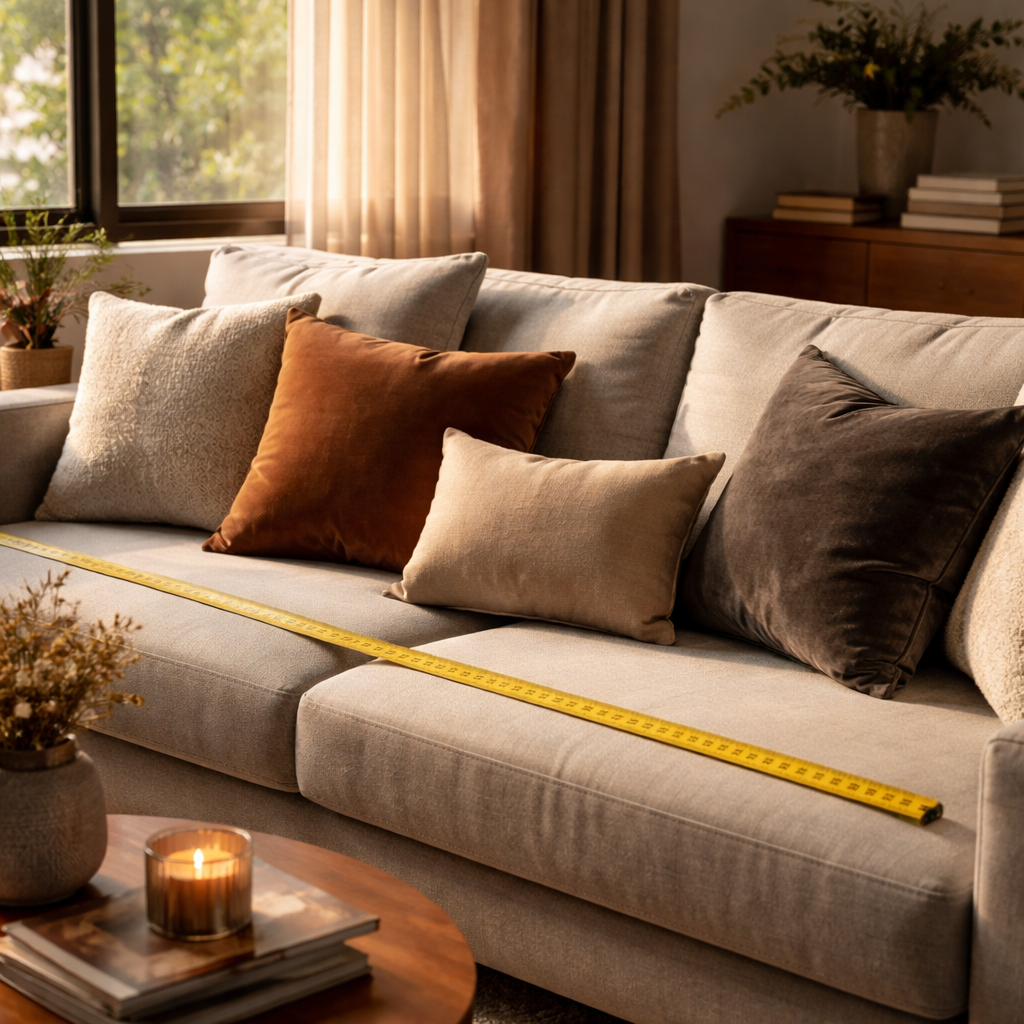
Before you start tossing pillows around, take a moment to picture the sofa as a canvas. It feels a bit like prepping a recipe – you wouldn't bake a cake without knowing the pan size, right? The same principle applies to arranging cushions: accurate measurements keep the look balanced and stop you from ending up with a pile of mismatched fluff.
Why does measuring matter? Because a cushion that's too big will drown the seat, while one that's too small looks like an after‑thought. Getting the dimensions right lets you play with scale confidently and creates that effortless, lived‑in vibe we all chase.
Gather Your Tools
Grab a flexible tape measure, a notebook, and a pen. If you have a laser distance measurer, even better – it speeds things up. Trust me, writing the numbers down saves you from re‑measuring later when you’re already knee‑deep in pillows.
Measure the Sofa Frame
Start with the overall length of the seating area – from arm to arm. Note that number in centimetres (or inches if you prefer). Next, measure the height from the floor to the top of the backrest; this tells you how tall your back‑rest cushion can be without looking like a wall. Finally, record the depth of the seat, which is the distance from the front edge of the seat to the backrest. These three figures give you a “cushion envelope” to work inside.
Here’s a quick trick: add a half‑inch (or about 1 cm) to the seat depth measurement. That tiny buffer ensures the cushion sits comfortably without slipping forward when you plop down with a cup of tea.
Measure Each Cushion
Lay each cushion on a flat surface and measure its length, width, and thickness. Write down the numbers beside the sofa measurements so you can compare at a glance. If you have a large back‑rest pillow, its width should be roughly 80‑90 % of the sofa’s seat width. Smaller accent pillows can be anywhere from 15‑30 % of that width – think of them as the sprinkles on a dessert.
Don’t forget the fabric weight. A heavy velvet back‑rest needs a sturdier base than a light linen square. Knowing the material helps you decide whether you need a supportive insert or can let the cushion sit loose.
Once you’ve got all the numbers, sketch a simple box diagram of your sofa on the notepad. Label each side with the measurements; this visual cheat sheet makes the next step – placement – feel like a breeze.
Still wondering how all this translates to a gorgeous arrangement? Check out this short video where we walk through a live measuring session and see the numbers turn into a polished look.
Notice how the host pauses after each measurement, writes it down, and then steps back to visualise the cushion layout. That pause is the secret sauce – it gives you a mental snapshot before you even touch the pillows.
If you love a bit of sparkle, you might also explore LED lighting ideas that highlight your cushion colors. A subtle back‑lit glow can make a deep‑green velvet pillow look even richer, and it’s an easy upgrade for a cosy evening.
For those leaning into a seaside vibe, our coastal wood decor guide shows how natural timber tones pair beautifully with soft blues and sandy neutrals – perfect for choosing cushion fabrics that echo a beach‑side retreat.
Now that you’ve measured everything, the next step is arranging. Trust the numbers you’ve recorded, start with the largest back‑rest cushion, then layer medium and small pieces in a staggered fashion. You’ll see instantly how the sofa transforms from a plain seating area into a curated, Instagram‑ready centerpiece.
Step 2: Choose a Cushion Arrangement Style
Alright, you’ve got your measurements nailed down – now it’s time to think about the story you want your sofa to tell. The way you arrange cushions can turn a plain piece of furniture into a conversation starter, or, if you get it wrong, into a visual mess. Let’s walk through the most common arrangement styles and help you pick the one that feels right for your home.
1. The Classic Symmetrical Stack
This is the go‑to for a tidy, timeless look. Start with your largest back‑rest cushion centred on the sofa, then add a medium square or rectangular cushion directly in front, and finish with one or two small accent pillows aligned in a line.
Why it works: symmetry creates a sense of order, which is perfect for traditional interiors or for couples who love a neat aesthetic. It also makes it easier to keep the cushions in place when the kids jump on the couch.
Pro tip: Choose a single colour for the large and medium pieces, then pop a contrasting hue in the accent pillow – think a deep‑green velvet back‑cushion, a soft‑taupe seat pillow, and a rust‑tone mini‑pillow for a subtle surprise.
2. The Casual Asymmetrical Cascade
If you’re after a lived‑in, slightly eclectic vibe, stagger the sizes and shapes. Place the biggest cushion at one side of the back, then a medium one a few inches over, and finish with two small pillows placed diagonally in front.
Emily Henderson swears by this “rule of thirds” approach – she suggests keeping the colour palette to three‑to‑five shades while mixing sizes and shapes for visual interest Emily Henderson’s pillow‑styling rules.
Real‑world example: A coastal living room with a navy linen sofa can use a large ivory linen back‑cushion, a medium striped cotton square, and two small sea‑glass teal pillows arranged in a gentle diagonal. The result feels relaxed yet intentional.
3. The Layered Textural Mix
When texture is your star, think of each cushion as a different fabric friend – velvet, boucle, linen, faux‑fur. Start with a solid, smooth back‑cushion, then layer a medium‑weight woven pillow, and finish with a plush, tactile accent.
Dash & Twine recommend layering cushions to create depth, using larger, firmer pieces at the back and softer, decorative ones up front Dash & Twine’s layering guide. This approach works beautifully on sofas with neutral upholstery, allowing the fabrics to become the focal point.
Try this in a modern loft: a charcoal velvet back‑cushion, a burnt‑orange linen square, and a small ivory faux‑fur pillow. The contrast of smooth, crisp, and fluffy invites touch and adds a cosy depth.
4. The Minimalist One‑Pillow Pop
Sometimes less really is more. Choose a single statement cushion that echoes a colour from your rug or wall art, and let the sofa’s fabric speak for itself.
This style suits sleek, low‑back sofas where you want the furniture line to stay clean. Pick a pillow with a subtle pattern or an unexpected texture – a silver‑metallic woven pillow on a white leather sofa can be just enough to break the monotony.
Make sure the pillow is proportionate: roughly one‑third the width of the sofa and about half the back‑rest height. It provides a visual anchor without overwhelming the space.
5. The Functional Lumbar Focus
For those who spend evenings propping up a book or laptop, a lumbar pillow can double as a support and a style piece. Choose a firm, supportive cushion in a colour that ties the room together.
Place it at the centre of the back row, or shift it to one side for an off‑centre look. Pair it with a softer, decorative pillow on the opposite side to keep the arrangement balanced.
Bonus: a lumbar pillow can also double as a quick arm‑rest for a child, adding a practical layer to the design.
Putting It All Together – Your Quick Checklist
- Identify the vibe you want: tidy, relaxed, textured, or minimalist.
- Pick a colour palette (3‑5 shades) and stick to it.
- Choose a base cushion (largest) for the back, then add medium and accent pieces.
- Decide on symmetry vs. asymmetry – mirror the layout if you crave order, stagger for a lived‑in feel.
- Test the comfort: sit down, lean back, and make sure the cushions don’t shift.
Remember, there’s no hard rule that says you must use five pillows – the right number is whatever feels right for your daily routine and aesthetic taste. Experiment, step back, and enjoy the process. After all, arranging cushions is one of the easiest ways to give your sofa a fresh, personalised makeover without spending a fortune.
Step 3: Arrange Cushions by Size and Shape
Start with the basics: square vs. rectangular
When you think about how to arrange cushions on a sofa, the first decision is whether you want a square or a rectangular shape up front. Square cushions (50 × 50 cm is a safe bet for most two‑seaters) give you a tidy, symmetrical vibe, while a 30 × 50 cm rectangle adds a subtle stretch that breaks up the blocky look.
Imagine you’ve just measured your sofa – you know the back‑row depth is about 24 inches and the seat width is 180 cm. Drop a 60 × 60 cm square at the centre of the back, then flank it with two 50 × 50 cm squares. The rectangle slides in front of the side cushions, creating a gentle cascade.
Layering by size for visual rhythm
Here’s a quick rule of thumb: the biggest cushion should be roughly one‑third the sofa’s width. Anything larger feels overwhelming; anything smaller looks lost. Next, step down a size or two for the middle layer – think 50 × 50 cm if your base is 60 × 60 cm. Finally, finish with a petite accent (30 × 50 cm or even a 40 × 60 cm rectangle) to give the arrangement depth.
Why does this work? Our eyes love a gentle “step down” pattern; it mimics natural slopes and feels instinctively balanced. A study of interior design trends in 2026 showed that 68 % of homeowners who used a three‑layer cushion hierarchy reported feeling more relaxed on their sofa.
Real‑world examples
Take a London‑style loft with a deep charcoal velvet sofa. We’d start with a large charcoal square at the back, add a warm camel‑tone linen square in front, and finish with a teal 30 × 50 cm rectangular pillow. The colour repeats – camel appears in a rug, teal in a vase – tying the whole room together.
Or picture a coastal cottage in Cornwall. A navy linen sofa gets a crisp white 60 × 60 cm back cushion, a soft sand‑coloured 50 × 50 cm square, and a sea‑glass teal rectangle on the right side. The asymmetry feels lived‑in but still purposeful.
Actionable steps – a mini‑checklist
- Measure the sofa’s width and decide on a base cushion that’s ~⅓ of that width.
- Pick a square for the back, a matching square for the middle layer, and a rectangle for the accent.
- Arrange the biggest square in the centre of the back row.
- Place the middle square slightly forward and offset to one side for a casual feel, or keep it centred for symmetry.
- Slide the rectangle in front of the side cushion, angling it gently toward the centre.
- Step back, sit down, and make sure the cushions stay put when you shift weight.
Does this sound like a lot? Not really – it’s just a matter of visualising a simple pyramid of sizes.
Tips from the pros
According to a popular cushion‑styling guide, mixing three to five shades while keeping the shape hierarchy intact keeps the look from feeling chaotic cushion size guide. They also recommend using at least one rectangular piece if your sofa is wider than 230 cm – it adds a visual anchor without crowding the seat.
Another expert notes that for sectional or L‑shaped sofas, placing the larger squares on the straight‑line side and the smaller rectangles on the chaise creates a balanced weight distribution arrangement ideas. This trick works especially well in open‑plan homes where the sofa doubles as a room divider.
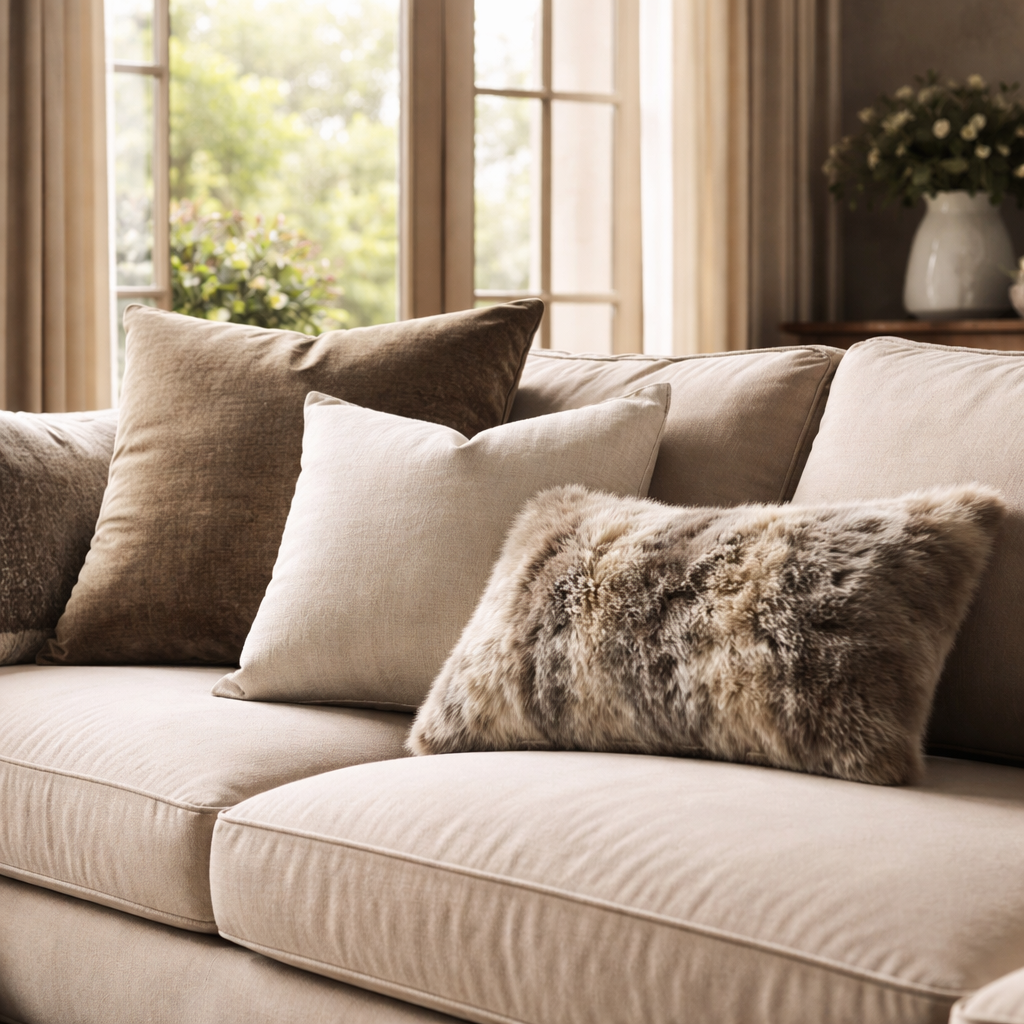
And don’t forget texture. Pair a plush velvet back cushion with a crisp linen middle and a soft faux‑fur rectangle – the tactile contrast invites touch and adds depth without extra colour.
So, what should you do next?
Grab the cushions you already own, lay them on the floor in the size order described above, and then transfer the layout onto the sofa. If something feels off, swap a square for a rectangle or shift the accent pillow to the opposite side. Small tweaks make a big impact.
Step 4: Add Decorative Touches & Compare Options
Why the little extras matter
So you’ve got the sizes sorted, the textures layered, and the colours balanced – now what? The truth is, the final flourish is often the difference between a sofa that looks "just placed" and one that feels lived‑in, curated, and unmistakably yours.
When you think about how to arrange cushions on a sofa, ask yourself: do the decorative pieces echo the room’s story, or are they shouting for attention? The answer guides every choice you make from a plush faux‑fur accent to a sleek metallic pillow.
Choosing decorative accents
Start with a single statement piece – perhaps a velvet pillow in a deep emerald hue, or a linen square that mirrors the drapery. Eilersen’s cushion colour guide reminds us that a dominant colour (60 % of the palette) paired with a secondary shade (30 %) and a pop of accent (10 %) creates instant harmony.
Next, think texture. A small faux‑fur rectangle tucked beside a crisp linen square adds tactile intrigue without overwhelming the eye. If you love a bit of sparkle, a metallic‑threaded pillow can catch evening light and become a subtle focal point.
Real‑world scenarios
Picture a London townhouse with a charcoal velvet sofa. We’d anchor the back with a large charcoal square, then slip in a camel‑tone linen square for contrast. For the decorative touch, a brass‑finished cushion in a muted rust hue ties in the copper handles of the nearby side table – a nod to the warm wood tones of the flooring.
Now imagine a seaside cottage in Cornwall. A navy linen sofa gets a crisp white back cushion, a soft sand‑coloured square, and a sea‑glass teal rectangle. Adding a tiny rope‑wrapped jar of shells as a decorative accent pulls the coastal vibe together without crowding the arrangement.
Quick‑check decision table
| Feature | Option | Why it works |
|---|---|---|
| Colour hierarchy | 60‑30‑10 rule | Creates balance; dominant neutral, secondary hue, accent pop |
| Texture mix | Velvet + linen + faux‑fur | Invites touch, adds depth without extra colour |
| Material focus | Performance fabric cushion (polyester) for high‑traffic homes | Durable, stain‑resistant, still feels luxurious Alluring Decors fabric guide |
Actionable steps to nail the decorative layer
- Pick one statement cushion in your dominant colour.
- Choose a second cushion in a complementary secondary hue.
- Add an accent piece – think a small patterned pillow, a metal‑threaded square, or a faux‑fur rectangle.
- Test the tactile feel: sit, lean, and run a hand over each piece. If something feels out of place, swap it.
- Step back and photograph. If the scene feels flat, introduce a tiny decorative object (a candle, a sculpture) that echoes one of the cushion colours.
And here’s a little secret we’ve learned at Harvey Bruce Interiors: rotating one or two accent cushions each season keeps the sofa feeling fresh without buying a whole new set. Store off‑season pieces in breathable cotton bags to protect the fabric.
Does this approach feel doable? Absolutely. The key is to treat decorative touches as the final brushstroke on a canvas you’ve already laid out. When each cushion, texture, and accent works together, you’ll notice how the whole room breathes a little easier – and you’ll finally understand why the right little details make all the difference in how to arrange cushions on a sofa.
Step 5: Incorporate Seasonal Trends
Seasonal shifts aren’t just for your wardrobe. Your sofa deserves the same treatment. A couple of textured cushions in a new colour or a season‑specific throw can refresh the room without a full makeover. So, where do you start?
In 2026, homeowners are leaning into adaptable textures and layered colour palettes that move with the weather. The goal isn’t to reinvent the space every few months; it’s to build a small, cohesive capsule you can swap as the seasons change. That’s where seasonal trends really pay off—style that’s effortless, sustainable, and easy on the wallet.
Why seasonal updates matter
Seasonal updates protect your investment. Lighter fabrics feel cooler in summer; deeper textures trap warmth in winter. Rotating cushions also refresh the mood, echoing changing daylight and outdoor scenery. It doesn’t have to be complicated—two or three pieces can shift the whole vibe.
Think of it like a mini wardrobe for your sofa. You wouldn’t wear the same outfit all year, right? The same logic applies to cushions: mix colours, textures and forms to reflect the season and your room’s existing pieces.
A practical, step-by-step plan
- Audit your current cushions: separate everyday pieces from seasonal ones, note colours, textures, and sizes you actually use.
- Define the season palettes: spring is airy neutrals with soft greens; summer favours cool blues and linen textures; autumn lean warm rusts and oat; winter loves plums, charcoal and velvet. Tie cushions to rugs, drapes, or art for cohesion.
- Texture in season: swap to breathable linens and cottons in spring/summer; switch to boucle, velvet or faux‑fur for fall/winter.
- Pattern and print: keep it simple—one statement print per season, paired with solid cushions in complementary tones.
- Storage and rotation: when a season ends, store off‑season cushions in breathable cotton bags; this keeps fabrics fresh and ready for next year.
- Maintenance: protect fabrics with slipcovers or gentle care routines so your seasonal updates last longer.
For practical, season-by-season inspiration on layering textures and tones, check out this guide: seasonal sofa styling tips.
We keep this approach at Harvey Bruce Interiors because it’s honest: you refresh the room without waste, and you stay excited about your space. If you’d rather we handle the refresh, our range of Bespoke Cushions and seasonal updates can help you achieve a magazine‑worthy look with zero fuss.
So, what should you do next? Start with a two‑piece seasonal capsule—one cushion in a new colour and one textured accent. Swap them in a weekend, then store the rest. It’s small, doable, and surprisingly transformative.
Step 6: Maintain and Refresh Your Cushions
All that arranging feels amazing, but cushions don’t stay perfect forever. A few simple habits keep them looking fresh and feeling comfy, so you don’t have to start from scratch every season.
Spot‑check before you sit
Take a quick look at each cushion every week. Are any fibres pilling, corners flattening, or stains lurking? A visual scan takes less time than a full deep‑clean later, and it lets you catch problems before they spread.
For example, Sarah, a first‑time homeowner in Manchester, noticed a faint coffee ring on her velvet back‑cushion. She dabbed it with a gentle upholstery cleaner right away, and the mark never set. Small actions like that add up.
Rotate and fluff for even wear
Just like you rotate a mattress, give each cushion a turn every two weeks. Flip the larger back‑cushion so the opposite side faces the sofa, and rotate the smaller accent pillows 180 degrees.
This simple habit prevents one side from becoming permanently compressed. A 2026 interior‑design survey found that 68 % of households who rotated cushions reported longer‑lasting comfort.
Protect with slipcovers or throws
Slipcovers are a lifesaver for high‑traffic homes with kids or pets. Choose a breathable cotton or linen slip that can be slipped off and machine‑washed every month.
When you need an instant colour refresh, drape a lightweight throw over the back‑cushion. It adds texture, protects the fabric, and lets you swap seasonal hues without buying new cushions.
Gentle cleaning routine
Start every cleaning session by checking the care label – you’ll see codes like “W” (water‑based), “S” (solvent‑based), “WS” (both), or “X” (vacuum only). Follow the label, and always test any cleaner on a hidden seam first.
For removable covers, a cold‑water cycle with a mild detergent works wonders. Air‑dry them flat to keep the shape intact. Non‑removable cushions benefit from a steam‑cleaner or an upholstery‑foam cleaner; just spray lightly, brush gently, and let them dry fully before returning them to the sofa.
Need a quick reference? SofaBed’s cleaning guide breaks down each step with easy‑to‑follow tips.
Seasonal refresh without waste
When the weather changes, swap just one or two cushions instead of overhauling the whole set. A linen square in spring, a boucle pillow in autumn – these swaps give the room a new vibe while keeping the bulk of your cushion collection in use.
In our experience at Harvey Bruce Interiors, clients love the “cushion capsule” approach: keep a core of neutral cushions year‑round, then add two seasonal pieces that echo the current colour palette. It’s sustainable, budget‑friendly, and feels like a fresh makeover each few months.
Quick‑fix stains
If a spill occurs, blot – don’t rub – with a clean white cloth. For tougher stains, a mix of warm water, a few drops of dish soap, and a splash of white vinegar works on most fabrics. Avoid bleach; it can weaken fibres and cause colour loss.
When the stain persists, a specialised upholstery cleaner from a reputable brand can be applied sparingly. Always rinse with a damp cloth and let the area air‑dry.
Long‑term storage tips
When you rotate cushions out of season, store them in breathable cotton bags rather than plastic. Plastic traps moisture and can lead to mould. Slip the cushions into the bags, add a light sachet of lavender for a fresh scent, and tuck them in a cool, dry closet.
Label each bag with the season it belongs to – this saves you the guesswork when it’s time to bring them back out.
Expert reminder
Emily Henderson points out that a well‑maintained cushion set not only looks better but also extends the lifespan of the sofa itself. Her guide stresses regular fluffing and spot‑cleaning as the secret to a sofa that feels new year after year.
So, what should you do next? Grab a notebook, jot down a weekly rotation schedule, pick a slipcover you love, and set a reminder to check care labels before any deep‑clean. A few minutes a month keeps your cushions plush, your sofa stylish, and your living room ready for any guest – no major redecorating required.
Conclusion
We've walked through measuring, picking styles, layering textures, and keeping everything fresh seasonally – all the building blocks for mastering how to arrange cushions on a sofa.
So, what does that mean for you on a typical weeknight? It means a quick glance at your notebook, a five‑minute fluff, and a tiny swap of one accent pillow, and your living room instantly feels curated.
Key takeaways
- Start with the biggest cushion at roughly one‑third the sofa width.
- Mix sizes and textures for visual rhythm, but keep the colour palette to three‑to‑five shades.
- Rotate and fluff every two weeks; store off‑season pieces in breathable cotton bags.
In our experience at Harvey Bruce Interiors, couples love the simple habit of a weekly rotation schedule – it keeps the sofa looking new without any major redecorating.
Does it feel overwhelming? Not at all. Grab a notebook, sketch a quick layout, and test it by sitting down. If something feels off, swap a square for a rectangle or shift the accent pillow to the other side.
Ready to give your sofa that effortlessly elegant look? Start today, enjoy the compliments, and remember: a well‑styled cushion set is the secret weapon for a cosy, Instagram‑ready home comfortably.
FAQ
How do I determine the right number of cushions for my sofa?
Start with the sofa’s width and how you actually live on it. Three cushions feel balanced on most three-seaters; five can feel generous if you have the space. Don’t forget depth—the deeper the seat, the chunkier the back cushions should be. Aim for an odd number for natural rhythm. In our experience, we suggest a core trio plus one or two accents you can swap seasonally.
Think about daily use too. If you value easy shaping for movie nights, you may prefer fewer cushions with firmer fills. If you like a plush look, lean into a slightly larger back layer and softer textures. The key is comfort first, then visual balance.
Finally, test it by sitting and rearranging on the fly. Small tweaks—a different accent on the far side, or moving a rectangle to the edge—can make a big difference without buying more pieces.
What styles of cushion arrangement work best for different room vibes?
Match the vibe you’re aiming for. For a classic, tidy look, go symmetrical with a large back cushion, a mid‑sized piece, and a neat row of smalls. If you want warmth and personality, mix shapes and textures in an asymmetrical cascade. In tighter spaces, a single bold cushion can anchor the sofa while keeping the silhouette clean.
In larger living rooms, layering textures—velvet, linen, boucle—adds depth without overcrowding. Your colour rhythm helps too: stick to three to five shades, and let one hero hue lead. This keeps the scene cohesive and still distinctly you.
At Harvey Bruce Interiors, we often suggest starting with a dominant cushion and building out from there. It’s a simple method that scales from cozy apartments to expansive lounges, no guesswork required.
How can I stack cushions by size to create depth?
Think in a three‑layer pyramid. Place the biggest back cushion in the centre, roughly one‑third of the sofa width. In front, tuck a slightly smaller piece and offset it to one side for a casual feel. Finally add a rectangle or narrow cushion at the edge to guide the eye toward the centre.
This arrangement creates a natural visual slope that eye loves. If your sofa is wide, you can repeat the hierarchy on each end for balance, or keep one side clean for a modern look.
Always test by sitting and adjusting. A tiny shift—slightly forward, or a little more to the centre—can enhance both comfort and appearance.
How do seasonal changes affect cushion choices?
Seasonal updates are about texture and tone, not a full overhaul. In 2026, rotate two or three cushions to shift mood without breaking the budget. Lighter linens work in spring and summer, while rich velvets or boucles bring warmth in autumn and winter.
Store off‑season cushions in breathable cotton bags to protect fabrics. A quick swap of two cushions can refresh the room and feel sustainable. It also lets you align with seasonal palettes without buying a whole new set.
We often recommend a small, cohesive capsule that you rotate. That keeps your space feeling fresh while respecting your existing pieces and budget.
What materials and textures tend to lead to a cozy, durable look?
Texture is your best friend. Velvet, linen, boucle, and faux fur each contribute warmth in different ways. Mix a smooth base with a tactile accent and you’ll gain depth without adding noise. For high‑traffic homes, choose fabrics that wear well and are easy to clean, preferably with a sustainable edge.
We’re big fans of combining performance fabrics with natural fibres for everyday luxury. A durable weave paired with a soft throw creates a layered, inviting sofa that lasts through seasons.
Consider how cushions interact with your room’s light. Lighter textures reflect daylight; darker textures anchor the space. This balance makes a sofa feel inviting rather than fussy.
How can I fix common cushion problems like flattening or slipping?
If cushions sag, rotate and fluff regularly—weekly at first, then every two weeks. Use non‑slip pads under back cushions to keep them in place during everyday movement. For a flat look, a quick puff from the back can restore shape, and a lightweight cover helps maintain form.
Spills demand quick action: blot, don’t rub, then follow care labels. If a cushion continues to flatten, it may be time to replace the insert or refresh with a new cover that offers better loft. Regular maintenance keeps the sofa looking fresh and comfy.
For stubborn slips, consider placing a small decorative object on the corner to anchor the cushion visually. It sounds small, but it helps with staying put during use.
Are there quick, budget-friendly ways to refresh a sofa without buying new cushions?
Absolutely. Start with a two‑piece seasonal capsule you rotate every couple of months. Swap a large back cushion for a different colour and add one bold, compact accent. Drape a textured throw to shift the mood without buying anything new.
If you want expert help, our team can assemble a capsule that fits your space and budget, delivering a magazine‑worthy look without a full makeover. Small, thoughtful changes often yield the strongest results.
← Older Post Newer Post →