
Choosing the Perfect Bench for End of Bed: A Homeware Guide
Posted by Derek Lamb on
Ever walked into your bedroom and felt like something was missing, even though the bed itself looks perfect?
That quiet gap at the foot of the bed is where a bench for end of bed can change the whole vibe – it adds a touch of luxury, a handy place to sit, and a spot for extra blankets or shoes.
But choosing the right piece isn’t as simple as grabbing any bench you see online. You want something that complements your mattress, matches your décor, and feels sturdy enough for daily use.
Think about those mornings when you’re half asleep, stretching out your legs and wishing for a soft surface to rest your feet on. A well‑crafted bench can turn that fleeting frustration into a moment of comfort.
In our experience at Harvey Bruce Interiors, we’ve seen couples in their first home fall in love with a single bench that ties the room together – it becomes the unofficial “landing pad” for coffee mugs, pet toys, or a quick outfit change.
So, what should you look for? Start with the material: solid wood like Indian acacia brings warmth, while upholstered options add plushness. Next, consider the height – ideally it should be within an inch of your mattress height for a seamless look.
And don’t forget storage. A bench with a hidden drawer or open shelf can hide extra bedding, keeping the bedroom tidy without sacrificing style.
Picture this: you step out of bed, sit on a sleek live‑edge bench, slip on your slippers, and glance at a neatly organized drawer holding your favorite reading book. It feels intentional, almost like the room was designed just for you.
Ready to upgrade that empty space? Stay with us as we dive into style choices, functional features, and how to pick the perfect bench for end of bed that reflects your personality and lifestyle.
TL;DR
A well‑chosen bench for end of bed turns that empty footspace into a stylish seat, hidden storage, and a cozy spot for slipping on slippers today.
We’ll show you how material, height, and practical features combine effortlessly to create a seamless, personalized look that enhances comfort and keeps your bedroom tidy.
Step 1: Assess Your Bedroom Space and Style
First thing’s first: take a step back and actually look at the room you’re trying to dress up. You might think you know the dimensions, but grab a tape measure and note the width of the foot of the bed, the clearance to the wall, and any quirks like radiators or built‑in wardrobes. Those little details are the secret sauce that’ll tell you whether a low‑profile bench or a taller, storage‑laden piece will fit without making the space feel cramped.
And don’t forget the vibe you’re after. Are you leaning toward sleek, modern minimalism, or do you crave the warmth of natural wood and a bit of plush comfort? Your answer will shape the material, colour, and silhouette of the bench for end of bed you choose.
Measure, Measure, Measure
Here’s a quick checklist:
- Bench width: ideally the same width as your mattress or slightly narrower.
- Height: aim for a height within an inch of your mattress for a seamless sit‑to‑lie transition.
- Depth: 12‑18 inches works for most, but if you love lounging with a book, go a touch deeper.
- Clearance: leave at least 2‑3 inches between the bench and any adjacent wall or furniture to avoid a boxed‑in feel.
Does that sound like a lot? It isn’t. You’ll have the numbers on paper in under five minutes, and they’ll save you from buying a piece that looks great online but never fits.
Style Scan
Next, do a quick style scan of the room. Pull out a photo of your bedroom (or snap one now) and ask yourself:
- What’s the dominant material? Hardwood flooring, carpet, tile?
- What’s the colour palette? Soft neutrals, bold navy, warm terracotta?
- Are there any patterns or textures that should be echoed or balanced?
Imagine you’re a guest walking in. Do you feel a cohesive story or a collection of mismatched pieces? That gut feeling will guide whether you choose a live‑edge wood bench that echoes the floor’s grain, or an upholstered bench that adds a touch of softness against a sleek metal frame.
So, what should you do next? Take those measurements, jot down the style notes, and start visualising. You might even sketch a simple layout on a piece of paper – it doesn’t have to be perfect, just enough to see how the bench will sit in relation to nightstands, dressers, or that tall floor lamp you love.
Watch the short video above for a visual walk‑through of how a bench can transform that empty foot space into a functional, stylish nook.
Once you’ve got the numbers and the vibe locked down, you’re ready to start hunting for that perfect bench. Remember, the goal isn’t just to fill a gap – it’s to create a piece that feels like it was always meant to be there.
Here’s a quick tip: if you’re unsure about height, place a stack of books on the floor to mimic the bench’s top surface. Sit on it, stretch your legs, and see how it feels. If it feels natural, you’re on the right track.
Finally, keep an eye on storage needs. Some benches hide a drawer or an open shelf, which can be a lifesaver for extra blankets, shoes, or that stack of bedtime reads you keep piling up.
Take a breath, trust your instincts, and enjoy the process of turning a blank foot of the bed into a personalized, inviting space.
Step 2: Compare Materials and Construction
Now that you know how much space you have, the next big question is – what should the bench actually be made of? The material decides how the bench feels under your feet, how long it will last, and whether it plays nice with the rest of your bedroom décor.
Wood: the classic backbone
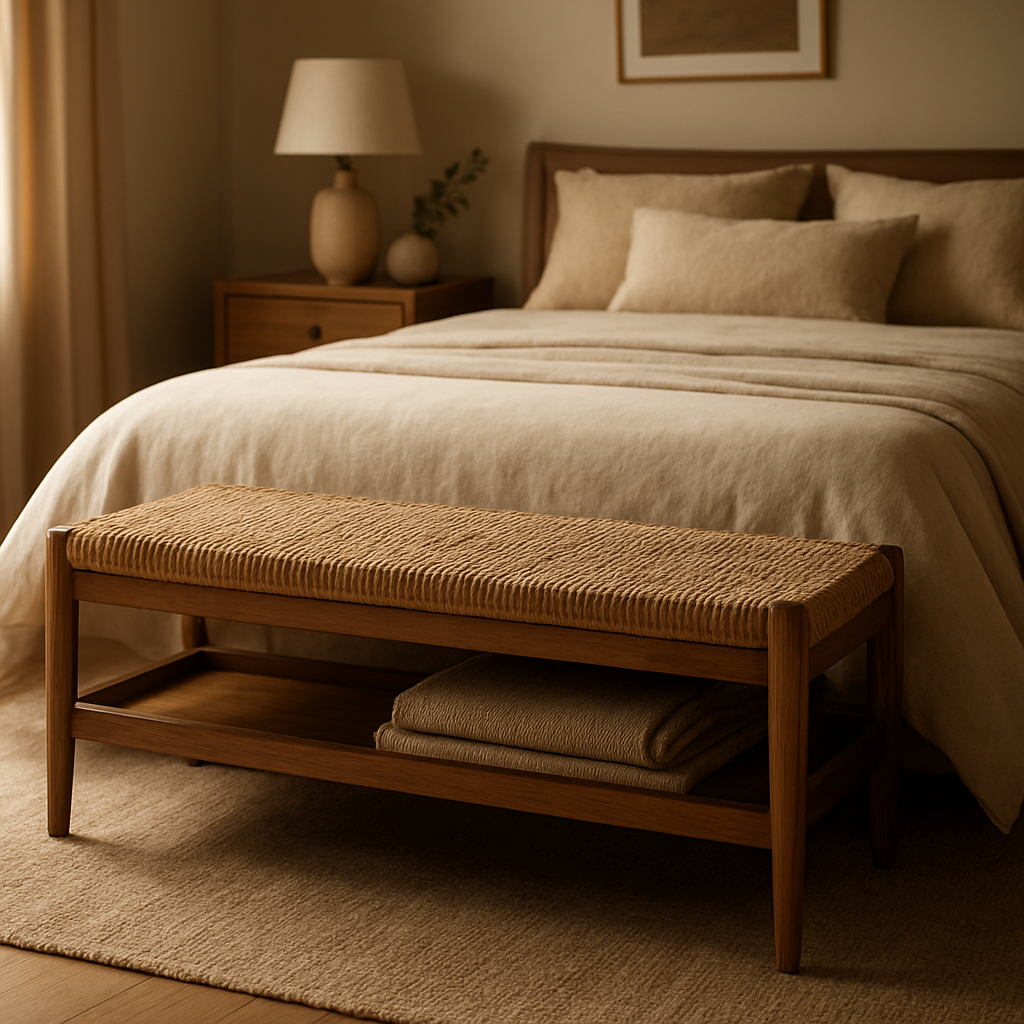
If you love the warm glow of natural grain, solid wood is hard to beat. Indian acacia, walnut, and oak each bring a different vibe. Acacia ages to a richer patina, which is perfect for a relaxed, boho‑chic bedroom. Walnut feels luxe and pairs beautifully with dark bedding or gold hardware. Oak is versatile – it can be stained light for a Scandinavian feel or left natural for a farmhouse look.
One practical tip: always check the bench’s construction joints. Dovetail or mortise‑and‑tenon joints mean the piece was built to handle everyday sitting and the occasional shoe‑kick. Avoid glued‑only frames unless the manufacturer mentions reinforced corner brackets.
Upholstered comfort
For couples who treat the foot of the bed as a mini‑lounge, an upholstered bench can turn that spot into a plush perch. The Befurtori velvet bench on Amazon, for example, uses high‑density foam core and a thick metal frame that supports up to 350 lb, so you won’t worry about sagging after a few months of use Befurtori velvet bench. Velvet adds a touch of drama, while linen or performance fabrics are more forgiving for pet hair.
When you shop upholstered options, ask yourself: do I want removable cushions for easy cleaning? Do I need a bench that can double as a hidden storage chest? Many modern designs hide a zip‑top drawer or a lift‑top mechanism – perfect for stashing extra blankets without sacrificing style.
Metal frames: sleek and sturdy
Metal can feel surprisingly warm once you sit down, especially when paired with a padded seat. A brushed‑gold or matte black frame works well in contemporary rooms where you’ve already got chrome lamp bases or black metal nightstands. The key is thickness – a frame under 1 mm will wobble, while 2 mm or more gives solid support. Look for adjustable feet; they let you level the bench on uneven flooring, a lifesaver for older homes with creaky boards.
Don’t forget finish durability. Powder‑coated finishes resist scratches and are easier to wipe down than raw steel, which can develop rust if you live in a humid climate.
Hybrid combos – best of both worlds
Some designers marry wood and metal, like a live‑edge acacia top perched on a slender steel base. This gives you the tactile warmth of wood and the visual lightness of metal, keeping the bench from feeling too heavy in a small room. If you’re a pet owner, a hybrid bench with a smooth metal underside can be easier to sweep under than a full‑wood piece.
How to decide – a quick checklist
- Do you prioritize comfort over durability? Go upholstered with high‑density foam.
- Is your bedroom style modern and minimal? Choose metal or a wood‑metal hybrid.
- Do you need hidden storage? Look for lift‑top or drawer mechanisms in upholstered or wood benches.
- Are you dealing with pets or kids? Opt for fabrics that are stain‑resistant and frames with rounded edges.
Comparison table
| Material | Pros | Cons | Best For |
|---|---|---|---|
| Solid Wood (acacia, walnut, oak) | Natural grain, durable, timeless aesthetic | Can be heavy, may need periodic oiling | Traditional or rustic bedrooms, homeowners who love wood |
| Upholstered (velvet, linen, performance fabric) | Soft seating, optional storage, easy to swap cushions | Requires cleaning, may compress over time | Couples seeking comfort, pet owners, modern lounges |
| Metal (powder‑coated steel, brass) | Lightweight, sturdy, modern look, adjustable feet | Can feel cold, limited warmth in design | Contemporary spaces, small rooms, minimalist lovers |
Take a moment now to walk around your bedroom with a tape measure and a mental picture of each material. Imagine the texture under your fingertips, the sound it makes when you set down a nightstand, and how it will age with you. Once you’ve matched the material to your lifestyle and aesthetic, you’ll be ready to move on to the next step: selecting the right finish and hardware that ties everything together.
Step 3: Choose the Right Size and Height
Alright, you’ve narrowed down material and style, now it’s time to get the dimensions right. The bench for end of bed should feel like a natural extension of your mattress, not a clunky afterthought.
Start with the mattress height
First, measure from the floor to the top of your mattress. Most queen‑size beds sit about 24‑26 inches high, but if you have a platform or a box spring, that number can shift. Subtract roughly 2‑4 inches and you’ve got the sweet spot for bench seat height. This lets you glide from bed to bench without a jarring step, which feels especially nice on sleepy mornings.
Think about that moment when you’re half‑asleep, feet dangling, and you need a place to rest them. A bench that’s too low feels like a footstool, while one that’s too high becomes a mini‑sofa you have to climb onto. Aim for that “just right” zone and you’ll notice the difference instantly.
Length: follow the 80‑90 % rule
Remember the quick checklist from Step 1? Take 80‑90 % of your mattress width and you’ve got a comfortable bench length. For a king‑size bed (about 76 inches wide), look for a bench around 60‑68 inches long. A queen‑size bed (60 inches) works well with a 48‑54 inch bench. This proportion keeps the bench anchored to the bed without spilling over the sides.
If you love a bit of drama, you can push the length a touch longer, but only if the room’s footprint allows it. Too much overhang can make the bedroom feel cramped, especially in smaller spaces.
Depth matters – how deep is comfy?
Depth is the often‑overlooked dimension. A 14‑18 inch seat depth gives you enough room to sit upright and slide your shoes on, yet it won’t block the walkway. In tight rooms, trim that down to 12‑14 inches and you still get a functional seat without sacrificing floor space.
Picture yourself slipping on slippers after a night’s sleep. If the bench is too shallow, you’ll be perched on the edge, which feels unstable. Too deep, and you’ll have to shuffle around to get out of the way of a nightstand.
Height vs. storage – balancing function
Many benches double as storage chests. If you want a lift‑top or drawer, keep the overall height in mind. A lift‑top mechanism usually adds an extra inch or two when closed, so factor that into your mattress‑height subtraction. The key is to maintain that seamless line from mattress to bench even when the top is closed.
For families with kids or pets, a lower profile with a shallow drawer works wonders – it’s easy for little hands to pull and for a cat to hop onto without a big jump.
Test it out before you buy
If you can, bring a sample board or a cardboard cut‑out to your bedroom. Lay it on the floor where the bench will sit and sit on it. Does the height feel natural? Does the length leave enough clearance for your nightstand? This low‑tech test can save you from a costly mis‑fit.
Another tip: stand at the foot of the bed and imagine the bench as an extension of the headboard. The visual line should be smooth, not a sudden step up or down. When you walk past it, it should feel like part of the room’s flow.
Final checklist
- Measure mattress height, subtract 2‑4 inches for bench seat.
- Take 80‑90 % of mattress width for bench length.
- Aim for 14‑18 inches depth; trim to 12‑14 inches in tight spaces.
- If storage is needed, add 1‑2 inches for lift‑top or drawer mechanisms.
- Do a quick floor mock‑up to confirm comfort and clearance.
Once you’ve nailed these numbers, you’ll have a bench that feels like it was built for your bedroom, not shoved in after the fact. It’s the little details – a seat that’s just the right height, a length that respects your mattress, and a depth that lets you sit without wobbling – that turn a simple piece of furniture into a daily comfort.
Ready to move on? Next up we’ll dive into finish choices and hardware that tie your bench into the rest of the room’s design.
Step 4: Add Personal Touches with Bespoke Details
Now that the bench fits like a glove, it’s time to make it feel like it was made just for you. A bench for end of bed can be a blank canvas – you get to sprinkle personality, practicality, and a dash of drama without breaking the budget.
Start with a signature fabric or finish
Think about the colour you keep reaching for when you’re picking out pillows or a throw. That hue can become the thread that ties the bench to the rest of the room. If you love the soft, muted dove‑gray of your duvet, a linen‑covered cushion in the same shade instantly creates harmony. For a more luxe vibe, a velvet slipcover in deep navy adds depth and makes the bench a focal point.
Our own Live Edge Collection Bench showcases how a natural wood finish paired with a tailored fabric can feel bespoke, even though it’s ready‑made.
Layer with texture and accessories
Imagine the bench as a low‑profile shelf. A few well‑chosen objects can turn it into a mini‑display. A stack of your favourite coffee table books, a small ceramic vase, and a sprig of fresh lavender give the piece life. The trick is to keep the group under three items so the bench still feels open for sitting.
Pet owners love adding a washable throw that doubles as a quick‑wipe surface for muddy paws. Choose a fabric labeled “stain‑resistant” – it’s a small investment that saves you hours of cleaning later.
Integrate hidden storage with style
If you need a place for extra blankets or weekend luggage, consider a lift‑top or shallow drawer. The key is to keep the hardware subtle. Brass pulls that match your bedside lamp hardware create a cohesive look. For a minimalist feel, a push‑to‑open mechanism eliminates handles altogether, letting the bench’s clean lines speak.
When you open the drawer, line it with a soft cotton fabric. It protects delicate items and adds a tactile surprise – you’ll notice it every time you reach for a blanket.
Personalize with custom engraving or inlay
Many wood‑frame benches allow a small laser‑etched monogram or a decorative metal inlay. Think of a simple initial, a meaningful date, or even a tiny pattern that echoes the room’s wallpaper. It’s a detail that says, “this is yours,” without shouting.
Couples often choose to split the engraving – one half of a heart on each side of the bench – turning a functional piece into a love note you see every morning.
Lighting that highlights the bench
Soft uplighting from a floor lamp placed just behind the bench can create a subtle glow that makes the surface inviting after dark. If you have a pendant that hangs over the foot of the bed, aim the light downwards so the bench catches the warm spill.
Even a string of fairy lights draped lightly across the back edge adds a whimsical touch without overwhelming the space.
Make it a backdrop for art
A well‑chosen piece of wall art above the bench can anchor the entire bedroom. A landscape painting with soothing tones can echo the bench’s fabric, tying everything together. For inspiration, check out a curated collection of abstract landscape pieces that pair beautifully with luxury furniture abstract landscape art.
Quick checklist for personalizing your bench
- Choose a fabric or finish that mirrors an existing colour in the room.
- Add 2‑3 decorative items – books, vase, plant – to keep the surface airy.
- Opt for hidden storage with subtle hardware or push‑to‑open mechanisms.
- Consider a monogram, inlay, or laser‑etched detail for a personal touch.
- Use soft lighting to highlight the bench after dusk.
- Pair with a statement piece of art that reflects the bench’s palette.
By treating the bench as a canvas rather than a mere seat, you turn a practical need into a personal statement. The result? A bedroom that feels curated, comfortable, and unmistakably yours.
Step 5: Placement, Maintenance, and Styling Tips
So you’ve picked the perfect bench for end of bed – now what? The magic happens when you actually put it in the room, keep it looking fresh, and let it become part of your nightly routine.
Where should the bench live?
First, stand at the foot of your bed with the lights off. Imagine the bench as an extension of the mattress, not a separate object. If you’re a morning person, you’ll want the seat height to line up with the mattress so you can slide straight onto it without a wobble. A good rule of thumb: measure the mattress height and subtract 2‑4 inches – that’s the sweet spot for most comfort.
Next, think about traffic flow. In a small bedroom, keep at least 18‑inches of clearance on either side of the bench so you can walk around without brushing against nightstands. If you have a decorative rug, let the bench sit just on the rug’s edge; it anchors the space without drowning the pattern.
Do you love a little drama? Push the bench a few inches away from the wall and add a low‑profile floor lamp behind it. The light will bounce off the bench’s surface and create a soft halo that feels cozy after dark.
Everyday upkeep – keep it looking like new
Upholstered benches are a joy to sit on, but they also attract dust and the occasional coffee spill. The good news? Most high‑quality fabrics come with a care guide that makes maintenance a breeze. For example, McGee & Co. recommends ordering a free fabric swatch before you commit, so you can test how the material handles everyday wear custom upholstery options. Their guide suggests a gentle vacuum with a upholstery attachment once a week, and spot‑cleaning with a mild detergent for any stains.
If you’ve chosen solid wood, dust it with a microfiber cloth and once a quarter apply a food‑grade mineral oil to keep the grain from drying out. A quick wipe with a damp cloth (no harsh chemicals) will remove fingerprints without stripping the finish.
Pet owners, take note: a removable cushion cover that’s machine‑washable saves you from endless sniff‑test battles. Slip the cover off, toss it in the wash on a gentle cycle, and you’ve got a fresh bench ready for the next cuddle session.
Styling – make the bench a star without stealing the show
Now the fun part: styling. Think of the bench as a low shelf. A few well‑chosen items give it personality while keeping the surface functional. Here are three real‑world set‑ups that our clients love:
- Minimalist morning: a slim, white ceramic vase with a single eucalyptus branch, a stack of two coffee‑table books, and a hand‑woven throw draped over one corner. The throw adds texture; the books invite a quick read before work.
- Boho‑rich vibe: a patterned kilim runner peeking out from under the bench, a brass tray holding scented candles, and a small potted succulents cluster. The runner ties the bench to the floor, while the brass reflects the room’s existing hardware.
- Family‑friendly hub: a basket lined with a soft linen cloth for shoes, a decorative bowl for loose change, and a kid‑sized plush pillow for weekend board games. Everything stays organized, and the bench doubles as a play‑ready zone.
When you add accessories, remember the 2‑3 rule – no more than three items so the bench remains a seat, not a cluttered shelf.
Want an extra pop of colour? Switch the cushion cover seasonally. A deep navy slip in winter feels snug; a pastel linen in spring brightens the room. Because the bench is already anchored, a simple fabric change can completely transform the vibe without buying new furniture.
Quick checklist before you step back
- Measure mattress height, subtract 2‑4 inches for seat height.
- Leave 18‑inches clearance on each side for easy traffic.
- Choose a fabric that offers a care guide – free swatches help you decide.
- Vacuum upholstery weekly; spot‑clean stains promptly.
- Dust wood surfaces quarterly and oil if needed.
- Style with 2‑3 curated pieces; rotate accessories for seasonal refresh.
And there you have it – a bench that not only looks amazing but also lives comfortably in your daily routine.
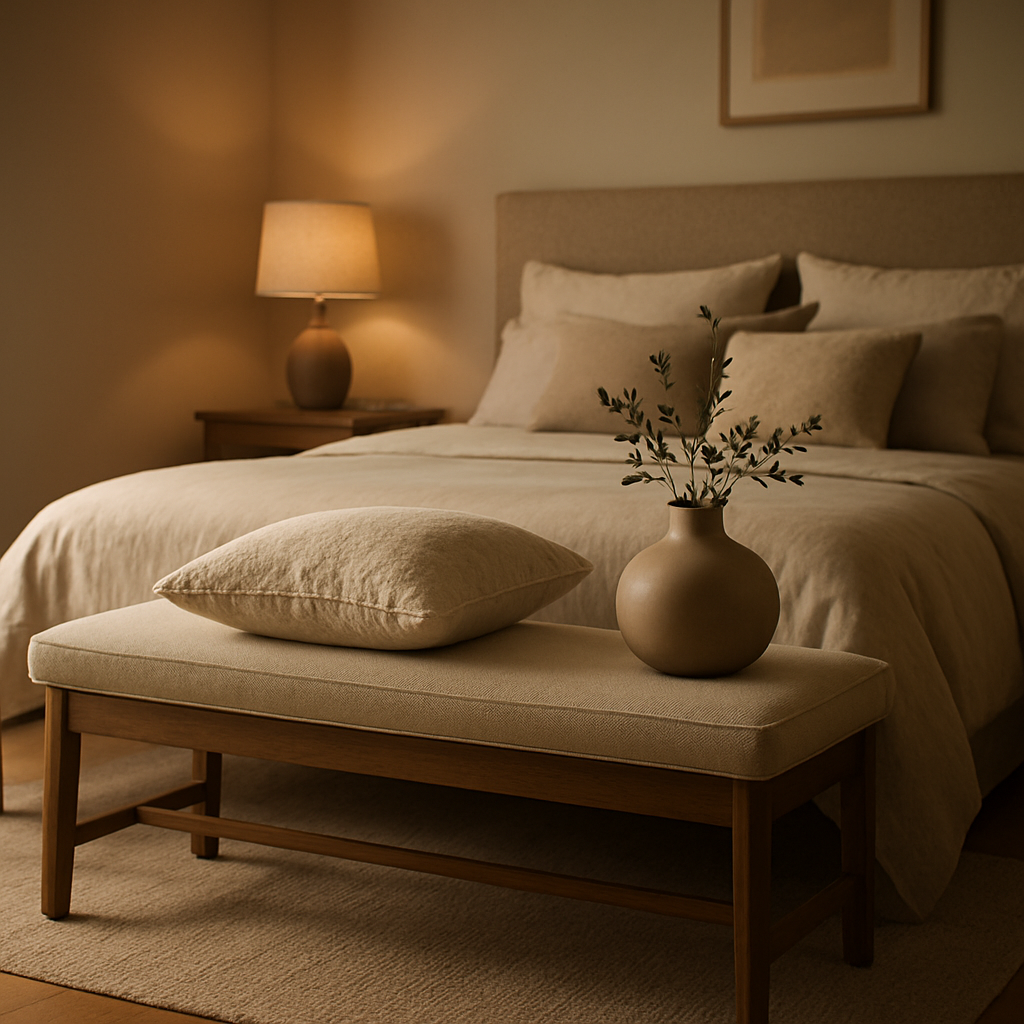
Take a moment tonight to picture the bench under that gentle lamp glow, a soft cushion inviting you to sit, and a few thoughtful accents that whisper, "this is yours." When the morning light hits, you’ll notice how that little piece has become a quiet hero of your bedroom.
FAQ
What height should my bench for end of bed be?
We usually recommend measuring the top of your mattress, then subtracting 2–4 inches. That creates a seat that aligns with the mattress so you can glide from sleep to sit without a jolt. If your bed sits on a platform, add the platform’s thickness to the measurement first. A bench that’s too low feels like a footstool; too high turns it into a mini‑sofa you have to climb onto.
How do I choose the right length for a bench for end of bed?
Take about 80–90 % of your mattress width. For a queen‑size (60 inches wide) aim for a 48‑54‑inch bench; for a king (76 inches) look at 60‑68 inches. This proportion lets the bench span most of the bed without overhanging, keeping the room balanced and preventing traffic bottlenecks. If you have a narrow bedroom, stay on the lower end of the range.
Should I pick an upholstered bench or a solid‑wood one?
It depends on how you’ll use it. Upholstered benches add plush comfort for lazy morning stretches and are great for couples who treat the foot of the bed like a mini‑lounge. Solid‑wood benches, especially acacia or walnut, bring durability and a natural warmth that ages beautifully. Think about pets or kids: a fabric with a stain‑resistant finish can save you time, while wood is easier to wipe clean.
Can I add storage to my bench for end of bed without ruining the look?
Absolutely. Look for a lift‑top or a shallow drawer that sits flush with the seat. Hidden hardware—push‑to‑open mechanisms or discreet brass pulls—keeps the design sleek. Line the interior with a soft cotton liner; it protects blankets and adds a tactile surprise every time you open it. The extra cubby is perfect for extra bedding, shoes, or a weekend bag.
How do I keep my bench looking fresh over time?
Upholstered benches benefit from a weekly vacuum with an upholstery attachment and spot‑cleaning with a mild detergent. For wood, dust with a microfiber cloth and apply a food‑grade mineral oil quarterly to prevent the grain from drying out. Removable cushion covers that are machine‑washable are a lifesaver for pet owners—just toss them in the wash and they’re ready for the next cuddle session.
Is a bench for end of bed safe for kids?
Yes, as long as you choose a sturdy frame and avoid sharp edges. Metal legs with rounded tips or solid wood with softened corners reduce the risk of bumps. A bench height that matches the mattress makes it easy for little ones to sit and get up without a big climb. Adding a non‑slip rubber foot on the legs keeps it stable on hardwood floors.
What styling tricks make a bench feel like part of the bedroom rather than an afterthought?
Start with a fabric or finish that pulls a color from your duvet, curtains, or wall art. Then add two or three curated accessories—a slim vase, a stack of coffee‑table books, or a soft throw—that stay under the seat’s edge. Soft uplighting from a floor lamp behind the bench creates a gentle halo at night, turning the piece into a quiet focal point.
Conclusion
So you’ve measured, picked a material, and even added a few personal touches. At this point the bench for end of bed isn’t just a piece of furniture – it’s a quiet partner in your morning routine.
Remember the simple rule we kept circling back to: the bench should feel like an extension of the mattress, sit comfortably at the right height, and speak the same colour language as the rest of the room. When those three boxes are ticked, you’ll notice how naturally you slide from sleep to sitting, how a soft cushion invites a quick stretch, and how a hidden drawer quietly stores those extra blankets.
What’s the next step? Take a moment tonight to imagine the bench under that soft lamp glow, a plush throw draped over one corner, and a favorite book or a small vase perched just inside the seat edge. Visualise how that tiny scene will greet you each morning.
If you’re still undecided, try the cardboard mock‑up trick we mentioned earlier – it’s the fastest way to confirm height and depth without a purchase.
When the bench finally arrives, treat it like any cherished piece: dust it regularly, rotate cushion covers, and let the accessories evolve with the seasons. A well‑chosen bench for end of bed will keep your bedroom feeling fresh, functional, and unmistakably yours for years to come.
← Older Post Newer Post →