
Home Interiors: A Creative Guide to Bespoke Furniture, Homeware & Accessories
Posted by Admin on
Picture this: you step into your living room after a long day, and the space instantly feels like a quiet, stylish retreat.
That moment of calm doesn’t happen by accident – it’s the result of thoughtful home interiors that speak to your personality and the way you live.
Maybe you’ve just bought your first home and the empty walls feel overwhelming, or perhaps you’re a couple looking to upgrade a space that’s grown stale. Either way, you’re probably wondering where to start without feeling lost in a sea of trends.
In our experience at Harvey Bruce Interiors, the biggest breakthrough comes when you treat each room as a story rather than a checklist. You pick a focal piece—a plush sofa, a live‑edge bench, or an eye‑catching wooden desk—and then let the surrounding accessories whisper around it.
So, what does that look like in practice? First, think about the mood you want to create. Do you crave a cozy, layered vibe with soft textures, or a sleek, minimalist look that lets natural light dominate?
Next, choose one or two statement items that anchor that mood. A luxe sofa from our Home Interiors collection can anchor a living area, while a handcrafted bench adds texture to a hallway without overwhelming the flow.
After the anchor, layer in complementary pieces – think muted cushions, subtle lighting, and a few curated accessories that reflect your taste. It’s like building a playlist: you start with a hit song and then add tracks that keep the vibe consistent.
And don’t forget practicality. Sustainable materials aren’t just a buzzword; they’re a long‑term investment in durability and style, something we prioritize in every piece we source.
Does this feel doable? Absolutely. By breaking the process into bite‑size steps – mood, anchor, layers, and sustainability – you avoid overwhelm and end up with a cohesive look that feels authentically yours.
Ready to start? Grab a notebook, sketch a quick mood board, and pick that one piece that makes your heart skip a beat. The rest will fall into place, and before you know it, your home interiors will tell a story that’s unmistakably you.
TL;DR
Creating a cohesive Home Interiors look is as simple as defining your mood, picking one statement piece like a luxe sofa or handcrafted bench, then layering accessories while prioritising sustainable materials. Start with a quick mood board, choose that anchor that makes your heart skip a beat, add complementary cushions and lighting, and watch your space transform into a personalized, stylish retreat.
Step 1: Define Your Style Vision
Imagine walking into a room and instantly feeling "this is me" – the colors, textures, and shapes all whisper the same story. That moment doesn’t happen by accident; it starts with a clear style vision.
First, grab a notebook or open a notes app. Write down three words that describe the vibe you crave – maybe "cozy", "modern", "playful". Those words become your north star.
Next, dig through Instagram, Pinterest, or a design magazine and save any image that makes your heart flutter. Don’t worry about matching anything yet; just collect what feels right. When you step back, you’ll start seeing patterns – a love for muted greens, a penchant for brass hardware, or an attraction to natural wood grain.
So, what should you do with those patterns? Turn them into a mood board. You can use a physical corkboard or a digital tool like Canva. Lay out the swatches, fabric samples, and photos side by side. If you notice that most images feature a deep‑blue sofa, that’s a clue.
Now comes the fun part: translate the mood board into a tangible anchor piece. For many homeowners, a sofa is the room’s heartbeat. It sets scale, color, and comfort level. Check out our Stylish Home Interiors Sofa Collection for options that blend luxury with sustainability – a perfect way to anchor your vision.
Once you’ve chosen the anchor, write down why it fits. Is it the plush cushions that invite you to sink in after a long day? Does the clean silhouette keep the space feeling airy? This justification keeps you from drifting into trends that don’t serve your story.
Now, break your vision into four quick checkpoints:
- Color palette: Pick a dominant hue (the sofa color) and two supporting tones (throw pillows, rugs).
- Material mood: Decide if you want natural wood, sleek metal, or soft velvet – consider durability for families.
- Texture balance: Mix smooth surfaces with tactile fabrics; a chunky knit throw against a sleek leather armrest adds depth.
- Emotional cue: What feeling should the room evoke? Comfort, focus, or excitement? Let that guide accessory choices.
Does this feel overwhelming? Not at all. Treat each checkpoint like a mini‑task you can tick off in a day. For example, day one: finalize color palette; day two: order fabric swatches; day three: select the anchor sofa.
Real‑world example: Sarah, a first‑time buyer in Manchester, loved coastal breezes but wasn’t sure how to bring them inside. She started with the words "light", "airy", "natural" and saved photos of sea‑foam walls and woven baskets. Her mood board revealed a recurring soft‑blue sofa, so she chose one from our collection and built the room around it with white linen curtains, rattan side tables, and a few turquoise accent pillows. Within weeks, her living room felt like a seaside retreat without a single paint job.
Tip from our design team: keep a “no‑go” list. If an item clashes with any of your four checkpoints, set it aside. This prevents the dreaded “stuff‑it‑all‑in‑the‑room” syndrome.
Need some inspiration beyond furniture? Sometimes the right lighting can shift the entire mood. A warm floor lamp can make a minimalist space feel cozy, while a crisp pendant can add drama to a relaxed palette.
And if you’re the type who loves a good side project, try sketching your room layout on paper. Even a rough sketch helps you see how the anchor piece will flow with other elements.
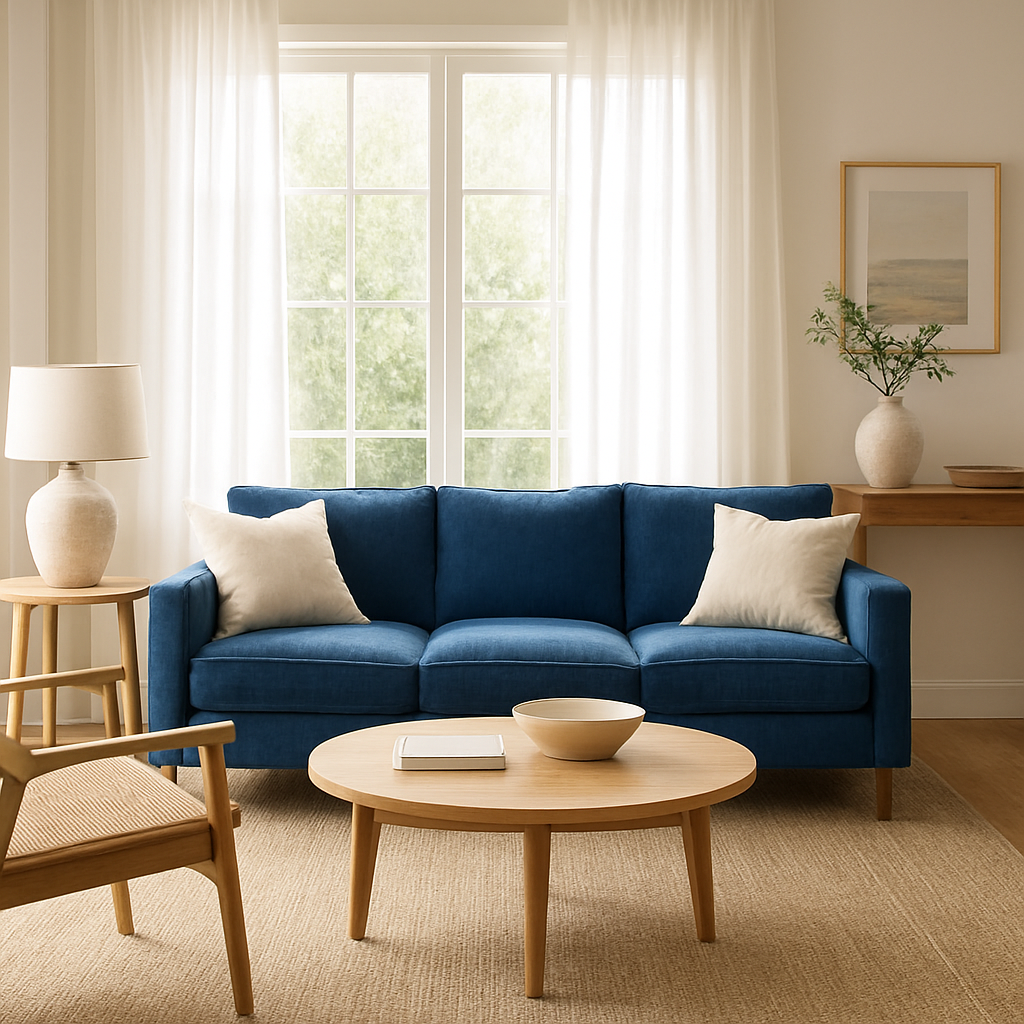
When you feel confident about your style vision, the next steps – picking complementary pieces, layering accessories, and fine‑tuning sustainability – become a breeze. It’s like having a playlist: you’ve already chosen the hit song, now you just add the tracks that keep the vibe consistent.
For those who love to doodle while they plan, checking out the best sketchbook for colored pencils can make your mood board feel more tactile. And if you need crisp lines for floor plans, the best pencil sharpener for colored pencils ensures your sketches stay sharp.
Step 2: Choose Bespoke Furniture Pieces
Alright, you’ve nailed the mood. Now it’s time to pick the pieces that will actually live in the room. Think of it like choosing the actors for a play – you want personalities that complement the script you already wrote.
Identify the function first
Ask yourself, "What will I be doing in this space?" A dining room needs a sturdy table that can survive Sunday roasts, while a lounge area benefits from a deep‑seat sofa that invites you to unwind after a long day. Write down the top three activities and rank them. That list becomes your blueprint for the kind of furniture you’ll seek.
Does this sound familiar? Maybe you’re a couple who loves weekend brunches at home, or a new homeowner who works remote and needs a stylish yet ergonomic desk. Whatever it is, let the function drive the form.
Look at the trends that actually matter
We’re not chasing every shiny fad. The 2025 furniture design trends highlight natural wood, handcrafted details, and softer, rounded silhouettes – all of which echo the sustainable, heirloom‑quality vibe that our clients at Harvey Bruce Interiors love. When you see a bench with a live edge or a chair with an organic curve, pause. Those pieces often carry a story and a durability that cheap mass‑produced items lack.
Pick a statement piece, then build around it
Start with one bespoke item that makes your heart skip a beat. It could be a live‑edge bench, a luxury occasional chair, or a custom wooden desk. Let that piece dictate the secondary choices. For example, a warm walnut bench pairs beautifully with soft, natural‑fiber rugs and brass‑finished side tables.
Tip: keep a “yes‑and” list – jot down everything that feels like a natural extension of the statement piece. If you can’t see a clear connection, set it aside. This prevents the dreaded “stuff‑it‑all‑in‑the‑room” syndrome we warned about earlier.
Mix materials, stay cohesive
Don’t be afraid to layer textures. Pair a sleek leather accent chair with a hand‑woven wool rug, or combine a marble coffee table with a reclaimed wood sideboard. The contrast adds depth, while the shared colour palette (think muted greys, deep blues, or earthy greens) keeps the look unified.
And remember, sustainability isn’t just a buzzword. Choosing pieces made from responsibly sourced wood or organic textiles means you’re investing in something that lasts generations, not just a season.
Now that you’ve visualised the perfect mix, use this quick table to compare your top three options before you order.
| Furniture Piece | Material | Why It Works |
|---|---|---|
| Live‑edge bench | Acacia wood, natural finish | Adds organic texture, serves as a versatile seating/display surface. |
| Curved velvet sofa | Organic cotton blend velvet | Soft silhouette invites relaxation, pairs well with wooden accents. |
| Handcrafted occasional chair | Reclaimed walnut, brass legs | Provides a statement accent, sustainable and timeless. |
Take a moment to stand in the room (or picture it on your floor plan) and ask, "Does this combination feel like home?" If the answer is a confident yes, you’ve nailed step two.
Finally, give yourself a quick checklist before you click “add to cart”:
- Is the piece functional for the room’s primary activity?
- Does the material align with your sustainability goals?
- Do the colours and textures echo the mood board you created?
- Can you envision the piece living alongside the other items you’ve selected?
If you can answer yes to all four, you’re ready to move on to layering accessories and fine‑tuning the overall feel. Happy choosing!
Step 3: Curate Personalized Homeware & Accessories
Start with what makes you smile
After you’ve locked down your anchor piece, the next magic happens when you sprinkle in the little things that feel "just yours." Think about the mug you love sipping tea from, the woven basket you keep keys in, or that hand‑stitched cushion that reminds you of a holiday. Those are the items that turn a room from "nice" to "home."
So, what should you reach for first? Grab a notebook, flip to the page where you listed your three vibe words, and ask yourself: "Which accessory whispers that word the loudest?" If you wrote "cozy," a chunky knit throw or a soft faux‑fur pillow instantly qualifies.
Mix texture, not just colour
One mistake we see often is piling on colour without thinking about feel. A layered Home Interiors look thrives on texture. Pair a smooth ceramic vase with a rough‑hewn wooden tray, or balance a sleek metal lamp with a plush rug. The contrast creates depth, and your eye naturally wanders around the room, discovering new details.
Take a cue from the trend of a layered home – the idea is to let each piece tell a part of the story. A set of woven baskets can hold magazines, while the same texture on a throw adds continuity.
Seasonal accents that don’t feel forced
We love the way a few autumn‑inspired items can shift a space without a full makeover. A couple of dried branches, a handful of baby pumpkins, or a muted blanket in burnt orange can give a nod to the season while staying true to your style. The Retro Den crew shows how simple, affordable touches like dried flowers and pumpkins make a room feel lived‑in and inviting.
Notice how they keep the cost low – most of those items are things you already own or can pick up at a farmer’s market. That’s a great reminder: you don’t need to splurge on every accessory; repurposing is both sustainable and personal.
Curate, don’t clutter
Before you dump a whole box of knick‑knacks on a shelf, ask yourself a quick question: "Does this piece add a new texture, colour, or story?" If the answer is "no," set it aside. A handy checklist works wonders:
- Does it reflect one of my vibe words?
- Is the material something I love to touch?
- Does it complement the anchor piece’s palette?
- Can I see it living here for a year without feeling tired?
When you’re down to a short list, arrange them in groups of odd numbers – three or five works best – because our brains find asymmetrical groupings more interesting.
Display with purpose
Think of shelves as mini‑galleries. A ceramic bowl, a stack of your favorite coffee‑table books, and a small sculpture can coexist beautifully if you give each a little breathing room. The same goes for mantels, side tables, or even the top of a console. A single statement tray can hold a candle, a tiny plant, and a handwritten note – instantly making the surface feel curated.
And don’t forget the walls. A simple gallery wall of family photos, art prints, or even vintage postcards adds personality without taking up floor space. Mix frame styles for that "collected over time" vibe.
Final quick‑fire checklist
Before you call it a day, run through this short list:
- Have I chosen at least one tactile piece that invites touch?
- Do my accessories echo the colour palette from my mood board?
- Is there a seasonal nod that feels authentic?
- Did I keep the total number of items purposeful, not overwhelming?
- Can I picture the room a few months from now and still feel excited?
If you can answer "yes" to most, you’ve successfully curated a personalized set of homeware and accessories that will make your Home Interiors feel uniquely yours. Grab a coffee, step back, and enjoy the space you’ve just co‑created.
Step 4: Layer Textiles for Comfort & Color
Now that you've got your anchor piece and a handful of accessories, it's time to think about the soft side of the room – the textiles that you’ll actually live with day after day.
Why does layering matter? Because a single throw can feel nice, but a mix of cushions, rugs and drapes creates depth, invites touch, and lets you play with colour without repainting the walls.
Here’s a quick way to start: pull out everything you already own – a knitted blanket, a silk pillow, maybe a vintage rug – and lay them on the floor. Notice which textures make you want to linger.
Do you feel a pull toward the plushness of velvet or the ruggedness of jute?
Pick a Base Palette
Choose one dominant hue that echoes the colour of your anchor sofa or the wall you’ve painted. From there, add two accent colours that appear in smaller pieces – think a muted sage in a cushion or a deep rust in a rug.
The trick is to keep the base neutral enough that you can swap out accents seasonally. A soft ivory or warm greige works like a canvas; the bolder shades become the brushstrokes.
Mix Textures, Not Just Colours
Think of texture as the secret sauce of Home Interiors. A velvet cushion feels luxurious next to a chunky knit throw, while a smooth linen curtain softens a rugged sisal rug. The contrast makes each piece stand out.
If you’re unsure how far to push it, follow the 60‑40 rule: 60 % of the textiles should stay within the same texture family (e.g., all soft fabrics) and the remaining 40 % can be a surprise element like a woven basket or leather ottoman.
When you want the pattern side of things, look at matching wallpaper and fabric collections – they’re designed to repeat motifs across walls, cushions and upholstery, giving a cohesive yet lively vibe.
Layer in Layers
Start with the floor. A low‑pile rug anchors the room and defines the sitting area. On top of that, add a smaller accent rug or a rug runner for visual interest.
Next, place your cushions. Group them in odd numbers – three or five works best – mixing sizes and patterns but keeping the colour family consistent. A single statement cushion in a bold print can become the room’s focal point.
Finally, drape a throw or two over the back of the sofa or a side chair. Let the edges peek out; that casual, slightly undone look feels lived‑in and inviting.
A quick checklist to keep you on track:
- Is the base colour tied to your anchor piece?
- Do you have at least three different textures?
- Have you introduced two accent colours?
- Is there a patterned piece that repeats a motif from another surface?
- Can you see the arrangement from the doorway and still feel balanced?
Sounds like a lot? It really isn’t once you break it down.
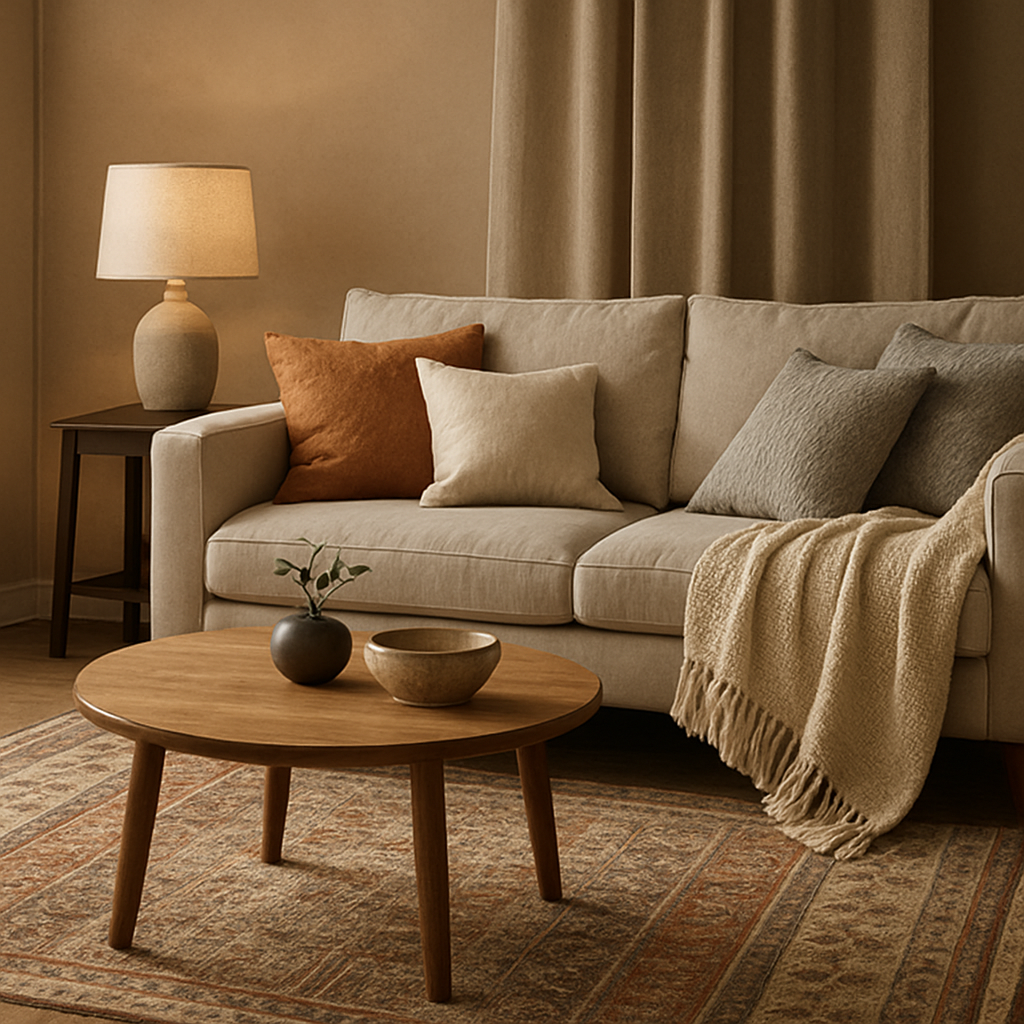
Take five minutes tonight, pull out your favourite throw, and experiment with one new cushion. When it feels right, you’ve nailed step 4 – a layered, comfortable, colour‑rich Home Interiors look that you’ll love coming back to each day.
Step 5: Final Touches & Styling Tips
You've built the foundation, now it's time for the little things that make a room feel truly yours. Those final touches are the difference between "finished" and "lived‑in," and they don't have to be pricey.
1. Light it right
Lighting is the silent storyteller of Home Interiors. Start with a warm overhead fixture, then layer a floor lamp, a table lamp, and a couple of candles. In our experience, a 60‑40 split between ambient and accent lighting creates a cosy, balanced glow.
So, what should you pick first? Look at the room's function. A reading nook thrives with a directional floor lamp; a dining area benefits from a dimmable pendant that you can lower for intimate meals.
2. Add a splash of nature
Plants are the easiest way to inject colour, texture, and a breath of fresh air. A tall fiddle leaf fig in the corner can anchor a space, while a tray of tiny succulents adds visual interest without demanding much care.
Pro tip: Choose pots that echo the material palette you’ve already established—think woven rattan for a boho vibe or matte black ceramic for a modern feel. This small detail pulls the whole look together.
3. Curate a purposeful vignette
Pick a surface—think a console table, a mantle, or a sideboard—and arrange three to five items that vary in height, texture, and function. A stack of design books, a sculptural bowl, and a scented candle make a mini‑gallery that feels intentional.
When you’re unsure what to include, the farmhouse style checklist offers a handy reminder: keep it simple, let one piece be the hero, and repeat a motif (like a metal handle or a striped fabric) across the group.
4. Play with art and wall decor
Art doesn't have to be an expensive masterpiece. A framed botanical print, a vintage map, or a personal photo collage can add personality. Hang pieces at eye level and leave a couple of inches of breathing room between them.
If you love a layered look, try a floating shelf and alternate between framed art and three‑dimensional objects—like a small ceramic vase or a handcrafted wooden box.
5. Finish with soft finishes
Switch out hardware, switch plates, and even the knobs on drawers for finishes that match your palette. Brushed brass pulls on a wooden sideboard echo the warm tones of a walnut bench, while matte black knobs give a sleek edge to a white linen wardrobe.
These micro‑changes cost pennies but shout luxury the moment you run your fingers over them.
6. Test the feel before you settle
Before you call it a day, take a step back—literally. Walk into the room from the hallway, sit on the sofa, and see if the lighting feels right, the accessories feel balanced, and the overall vibe matches the mood words you wrote down in Step 1.
If something feels off, tweak it. Move a lamp two feet, swap a cushion colour, or add a second plant. The goal is to create a space that feels effortless, not forced.
Quick final‑touch checklist
- Did you layer at least three light sources?
- Is there a living plant or fresh greenery?
- Do you have a curated vignette with 3‑5 items?
- Are wall pieces hung at eye level with space between them?
- Have you updated hardware to match your material story?
- After a quick walk‑through, does the room feel balanced?
Remember, the magic of Home Interiors lies in those tiny decisions that reflect who you are. A single candle, a hand‑picked throw, or a well‑placed plant can turn a beautiful room into a beloved sanctuary. So, grab that favourite vase, switch a lamp shade, and enjoy the moment when the space finally feels like home.
FAQ
How do I start planning Home Interiors for a new home?
First, take a few minutes to write down three feelings you want the space to spark – maybe "relaxed," "inviting," or "sophisticated." Then walk through each room and note the activities that happen there; a TV lounge, a home office, a dinner area. Sketch a simple floor plan on paper or in a free app, and place your biggest piece – often a sofa or a dining table – as the anchor. From there, let colour swatches, fabric samples, and a short list of must‑have accessories grow around that anchor. It sounds a lot, but breaking it into those bite‑size steps keeps overwhelm at bay.
What’s the best way to choose a sofa that feels both luxurious and sustainable?
Look for a piece that marries high‑grade upholstery with responsibly sourced frame material. Natural fibres like organic cotton or linen give a soft, lived‑in feel, while a frame built from FSC‑certified wood or reclaimed timber adds longevity and low impact. Sit on the sofa – does it invite you to sink in without sinking the springs? Check the stitching; tight, even seams signal quality. When the look, comfort, and eco‑credentials line up, you’ve found a sofa that elevates the room without compromising your values.
How can I layer accessories without making the room feel cluttered?
Start with an odd‑number rule – groups of three or five feel balanced and interesting. Pick one statement item, like a sculptural vase, then add two supporting pieces that differ in texture or height, such as a woven basket and a small metal tray. Keep the colour palette tight; let one accent hue repeat across a cushion, a candle, and a picture frame. Finally, give each object breathing room – a few centimetres of empty space lets the eye rest and prevents the surface from looking over‑stuffed.
Do I really need multiple light sources, and how do I pick them?
Yes, layered lighting creates depth and mood. Begin with ambient lighting – a ceiling fixture or recessed LEDs that provide even illumination. Add task lighting where you read or work, like a floor lamp beside a chair or a desk lamp. Finish with accent lighting – a table lamp, a wall sconce, or a few candles that highlight art or a bookshelf. Choose fixtures that echo the materials you’ve already used – brushed brass for a warm feel or matte black for a modern edge – and you’ll end up with a room that feels cozy at any hour.
What are quick budget‑friendly tweaks that still give a high‑end look?
Micro‑changes cost pennies but shout luxury. Swap out old hardware on cabinets with brushed nickel or brass pulls – it instantly upgrades the visual weight. Add a high‑contrast throw or a set of velvet cushions to an existing sofa; the texture boost feels pricey without the price tag. Replace cheap picture frames with simple black or wooden ones, and introduce a single, well‑chosen plant in a textured pot. These tiny moves add depth and polish without a full‑room remodel.
How often should I refresh my Home Interiors styling?
Think of your décor as a living playlist. Major overhauls can wait a few years, but seasonal swaps keep the space feeling fresh. Every three to four months, rotate a couple of accessories – swap a summer‑bright pillow for a deeper‑hued one, change a vase’s flowers, or bring out a cosy blanket. If you notice a piece no longer sparks joy or feels out‑of‑step with your lifestyle, it’s a good cue to replace or repurpose it. Small, regular tweaks prevent stagnation and let your home evolve with you.
Can I incorporate pets into my design without sacrificing style?
Absolutely. Choose durable, easy‑to‑clean fabrics like performance velvet or tightly woven cotton for sofas, and add a stylish pet bed that matches your colour scheme. A sleek metal or wicker basket can double as a chic storage solution for toys. Keep pet hair under control with a low‑pile rug that’s simple to vacuum, and consider a washable slipcover for high‑traffic chairs. By thinking of pet needs early, you protect your design integrity while giving your furry friend a comfy spot.
Conclusion
We've walked through everything from spotting your style vision to polishing the final touches, and you now have a clear roadmap for a Home Interiors makeover that feels truly yours.
Remember, the anchor piece – whether a sofa, bench or statement chair – is the heart of the room. From there, layering textures, swapping seasonal accessories, and adding a few green friends keep the space alive and adaptable.
Quick recap
- Define three mood words and build a mood board.
- Choose one bespoke anchor that ticks the function, sustainability and style boxes.
- Curate accessories in odd-number groups, always asking if they add texture, colour or story.
- Layer textiles using the 60‑40 rule and let patterns repeat subtly.
- Finish with layered lighting, purposeful vignettes and hardware updates.
What’s the next step? Grab a notebook, sketch the layout you just imagined, and pick that one piece that makes your heart skip a beat. The rest will fall into place as you add pieces one by one.
If you ever feel stuck, think back to the feeling you wanted to capture – cozy, modern, playful – and let that guide every decision. Your Home Interiors journey is about evolving with you, not a one‑time project.
Ready to turn those ideas into a lived‑in reality? Our team at Harvey Bruce Interiors is here to help you source the perfect pieces and keep the process stress‑free.
← Older Post Newer Post →