
Eco Friendly Home Accessories: Creative Ideas for Sustainable Living Spaces
Posted by Harvey Bruce on
Let’s be honest: creating a home that feels luxurious, peaceful, and sustainable doesn’t have to be a paradox. Eco friendly home accessories let you fold responsible choices into everyday elegance. You can mix textures, natural materials, and thoughtful silhouettes to build a space that looks expensive and behaves kindly to the planet.
At Harvey Bruce Interiors, we see the impact of this every day. Eco friendly means more than a pretty label; it’s about materials sourced responsibly, durability, and timeless design you won’t tire of. If you’re looking for real-world inspiration, Creative Ways to Elevate Your Space with Home Accessories shows how this comes to life.
Think of wood, stone, linen, and woven fibers as a conversation between comfort and conscience. A beech frame paired with a natural linen mat becomes more than decor, it's a tiny reminder of the forests or fields where it began. The goal isn’t minimalism for its own sake, it's warmth that lasts.
Practical tips for choosing eco friendly home accessories: select products that carry credible certification, like sustainably harvested wood, FSC marks, or recycled metal. Prefer finishes with low volatile organic compounds. Choose pieces with obvious longevity, craft, not cost-cutting, and pay attention to joinery, durability, and the way a piece ages.
Make a simple plan: audit what you already own and separate items you truly love from ones bought for novelty. Identify two or three substitutions this season, like swapping a plastic vase for hand woven glass or ceramic instead. Invest in pieces that can adapt to future styles.
Across our customers, upgrading to solid wood storage, woven baskets, and soft textiles has a noticeable effect. A couple often starts with a coffee table in reclaimed oak, then adds cushions in organic cotton. The result isn’t just a look; it’s a feeling of ease, a home that wears well over time.
Lighting is part of the decor story too. Energy-efficient options aren’t just practical, they shape mood and reduce running costs. For example, LED lighting can illuminate a shelf display without warming the room. This simple addition can be a smart companion when you’re designing a cohesive, green scheme.
So, what should you do next? Start with a single, meaningful piece—the right rug, a carved wooden tray, or a textile that echoes nature. Then breathe. You don’t need to redo the whole living room to start living your values.
Remember, we tailor every project to real life. If you’re renovating on a budget or adding a few thoughtful accessories, Harvey Bruce can guide you toward materials that look luxurious while keeping sustainability front and centre. Your home can feel premium and responsible, all at once, for years to come.
Let’s start today and see how your home breathes.
TL;DR
Eco friendly home accessories let you blend luxury, comfort, and sustainability, turning everyday rooms into stylish, responsible sanctuaries without a full remodel, while supporting responsible forests and artisans. Start with one thoughtfully sourced piece—like a reclaimed‑wood star décor or organic‑cotton cushion—and watch your space instantly feel more elegant and greener.
Sustainable Materials for Home Accessories
Ever walked into a room and felt the calm of natural wood, the softness of linen, and thought, “this is exactly how I want my home to feel”? That moment is the sweet spot where sustainability meets style.
In this section we’ll walk through the most popular eco‑friendly materials you can use for accessories – from the floor to the walls – and show you how to pick pieces that look luxe without compromising the planet.
1. Reclaimed & FSC‑Certified Wood
Reclaimed wood carries stories of old barns, ship decks, or vintage furniture. Because the timber is already harvested, you’re not adding pressure to forests. Look for FSC (Forest Stewardship Council) certification to guarantee responsible sourcing. A reclaimed wooden tray or a set of star‑shaped wall hangings can become a focal point that ages beautifully.
Tip: Choose pieces with solid joinery rather than glued‑on veneer – they’ll last longer and develop a richer patina over time.
2. Organic Cotton & Linen Textiles
Organic cotton and linen are grown without synthetic pesticides, meaning less water runoff and healthier soils. Cushions, throws, and table runners in these fabrics add texture while staying breathable and soft.
When shopping, check for GOTS (Global Organic Textile Standard) labeling. It ensures the entire supply chain, from farm to finished product, meets strict environmental criteria.
3. Recycled Metals & Upcycled Glass
Metal accessories like candle holders, picture frames, or decorative trays made from recycled aluminum or brass give a sleek, modern edge. Recycled glass vases and bowls often feature unique colour swirls that you won’t find in mass‑produced items.
Because these materials are repurposed, the energy needed for production is dramatically lower than for virgin metal or glass.
4. Natural Fibres: Jute, Seagrass & Bamboo
Woven baskets, lamp shades, and rug accents in jute, seagrass or bamboo bring an earthy vibe. Bamboo, in particular, is a fast‑growing grass that renews itself in a few years, making it a superb renewable resource.
Look for products that are hand‑woven rather than machine‑pressed – the craftsmanship adds durability and a story you can share with guests.
So, how do you start integrating these materials without feeling overwhelmed?
Step‑by‑Step Guide
Step 1: Audit your current accessories. Pull out everything on your shelves and ask yourself if each piece feels intentional and if it could be sourced more responsibly.
Step 2: Set a material focus. Choose one material type – say reclaimed wood – and hunt for a single statement piece, like a wooden star wall décor, to anchor the look.
Step 3: Verify certifications. Before you buy, look for the FSC, GOTS, or other recognised eco‑labels. If a product lists its origin story on the tag, that’s a good sign.
Step 4: Mix & match. Pair your new sustainable piece with existing items you love. A linen cushion can sit next to a vintage metal lamp, creating a layered, lived‑in feel.
Step 5: Care for longevity. Follow care instructions – gentle washing for textiles, occasional oiling for wood – to extend the life of each accessory.
Feeling inspired? Here’s a quick visual recap.
Take a moment to picture how a reclaimed‑wood star hanging could catch the evening light in your lounge, casting gentle shadows that remind you of forest walks.
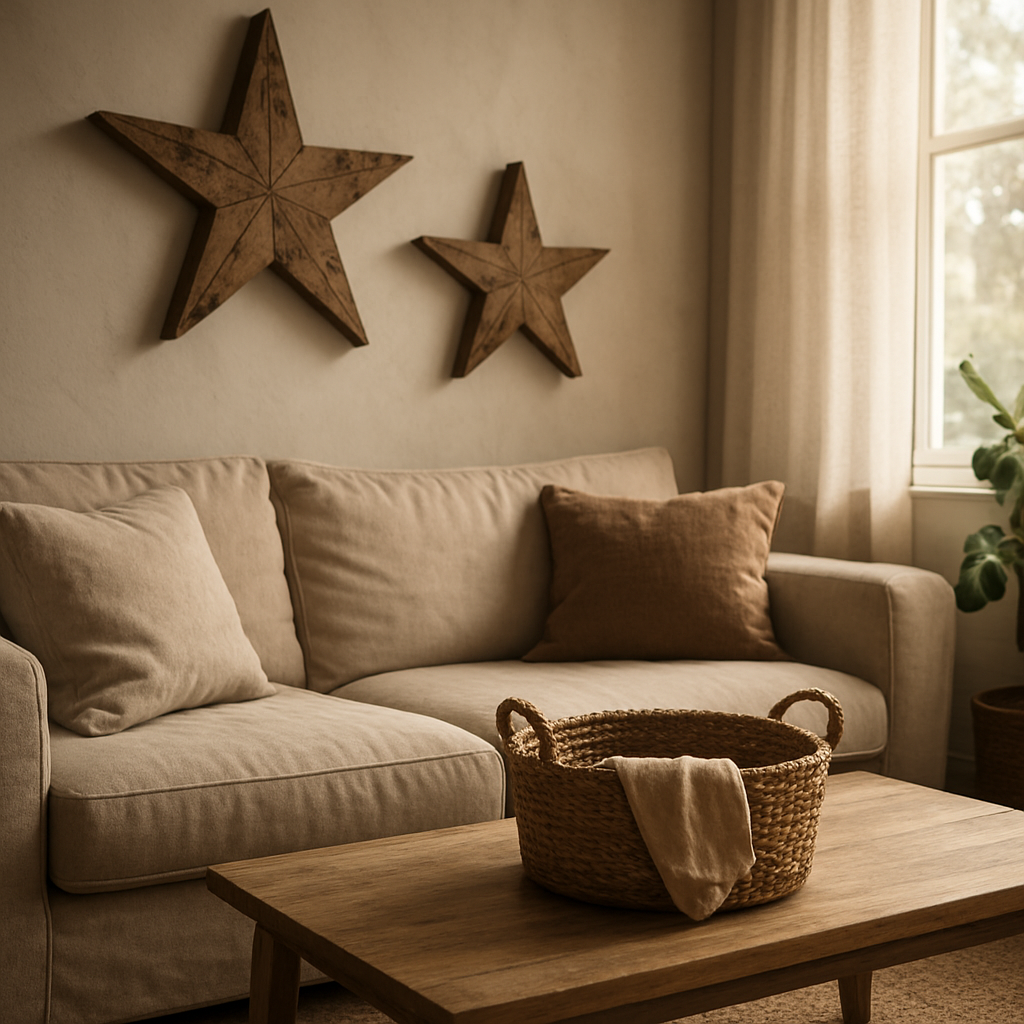
Remember, you don’t need to overhaul every room at once. Start small, choose materials you love, and let each piece tell its own eco‑friendly story. Your home will feel richer, and you’ll be part of a greener future.
Designing Eco Friendly Spaces with Bespoke Furniture
Let’s be honest: designing eco friendly spaces with bespoke furniture can feel like a balancing act between luxury and responsibility. You want pieces that look timeless, wear well, and don’t cost the planet. And you want it all to feel effortless, not like you’ve stitched the whole thing together with duct tape and good intentions.
In our experience, the key is to treat each piece as part of a bigger story—one that ages beautifully and ages with you. It’s not about chasing the latest trend; it’s about crafting spaces that stay relevant and comfortable for years.
So, what should you do first? Let’s walk through a practical approach you can actually use when you’re shopping for bespoke furniture and eco friendly home accessories.
1) Start with a clear eco luxury brief
- Define the room’s function and how you want it to feel—calm, inviting, or subtly opulent.
- Assess natural light, traffic patterns, and how you move through the space. These cues should shape scale and placement.
- Set a simple rule: pick two or three statement pieces and build the rest around their colour, texture, and finish.
This is where our team helps homeowners translate values into tangible choices. By naming the emotional goal first, you avoid cluttering the room with “nice to have” items that don’t support the mood you’re after.
2) Prioritise materials with staying power
Materials drive both look and longevity. Choose solid wood with honest joinery, natural textiles, and finishes with low volatile organic compounds. These choices reduce the risk of off‑gassing and keep the air feeling cleaner as you live with the pieces day to day.
Reclaimed wood, cork, linen, and organic cotton aren’t just stylish; they tell a story of responsible sourcing. Bamboo and recycled glass can bring warmth and texture without asking the planet for more than it can give. If you’re unsure where to start, look for certifications and ask how the piece was produced—this is where the real value shows up over time.
For a deeper dive into non‑toxic, sustainable decor choices, Healthier Homes breaks down materials, finishes, and certifications in practical terms. Healthier Homes' guide to non‑toxic decor is a solid reference as you compare options.
3) Choose bespoke pieces that age gracefully
When you invest in bespoke furniture, you’re buying more than a look. You’re buying durability, custom fit, and a finish you won’t see on mass‑market pieces. Focus on joinery, solid‑wood frames, and finishes that patina with age. A well‑made coffee table or bookshelf becomes a lifelong companion rather than a disposable trend.
Does this really work? Yes. We’ve seen clients upgrade a living room with a single, beautifully crafted item—like a reclaimed oak coffee table—from which the rest of the scheme naturally grows. The result is luxe without the clutter, warmth without heaviness, and a room that feels personal rather than staged.
4) Plan for care and adaptability
Guarding your investment means thinking about daily use and seasonal shifts. Woven textiles like linen benefit from gentle cleaning; wood benefits from regular oiling or wax to maintain luster; metal finishes may patina but should resist fingerprints and wear with grace.
Let’s face it: life changes, tastes shift, and a room should welcome those changes. Choose pieces that can be reconfigured or repurposed—think modular shelving, multi‑functional tables, or a seating arrangement that adapts as your family evolves.
5) Budget, timeline, and the Harvey Bruce touch
Set a practical budget that prioritises a few high‑impact bespoke pieces and builds the rest around them. Our buyers source pieces from around the world to offer exclusive, enduring options. If you’re renovating or redefining a space, consider the timeline for bespoke orders and the care required to keep finishes pristine.
In the end, designing with bespoke furniture is about clarity, character, and confidence. Start with one luxe, eco friendly piece—perhaps a hand‑crafted wooden star or a Linen throw—and let the rest follow. If you’d like a guided plan tailored to your home, we can help you map a bespoke path that feels doable today.
Remember: your space should be as unique as you are, and with the right choices it can be both beautiful and responsible. Your next step? Browse a single signature piece from our collection and envision how it anchors the room you’ll love for years to come.
Wooden Plantation Shutters: Heat Conservation & Style
Let’s be honest: windows are energy doors you don’t always notice until the bills arrive. The glare in summer and the drafts in winter can sneak up on you. Wooden plantation shutters are a smart, elegant fix that trims energy use while keeping your rooms feeling calm and refined.
In our experience at Harvey Bruce Interiors, these shutters do more than frame a view. They create a tight seal, block drafts, and age with a warmth that pairs beautifully with other eco friendly home accessories in our collection. They’re not flashy for the sake of it; they’re timeless, practical, and incredibly durable.
So, let’s get practical. Here’s a real‑world, 5‑step plan to use wooden plantation shutters for heat conservation without compromising style.
Step 1: Choose timber and finish wisely
Start with solid wood with a straight grain and a finish that’s low in VOCs. Oak, beech, or poplar often offer a good balance of strength and workability. If your windows face strong sun, opt for finishes that resist UV fading and keep the wood looking richer for years. In 2026, thoughtful finishes stay durable without loading the air with chemicals.
Think about the environment where the piece lives. In living rooms or bedrooms, a light oil or matte seal can highlight the wood’s natural character while staying easy to wipe clean. The goal isn’t just beauty; it’s longevity with minimal upkeep.
Step 2: Measure accurately and ensure a tight fit
Precise measurements matter more than you think. Measure width, height, and depth, then plan a frame that fills the reveal neatly. A tight fit means fewer drafts and better insulation, which translates to real energy savings over time.
Professional installation helps guarantee a square fit, flush alignment, and a sealed edge around the frame. The result is a cleaner look and a more effective barrier against heat loss or heat gain inside your home.
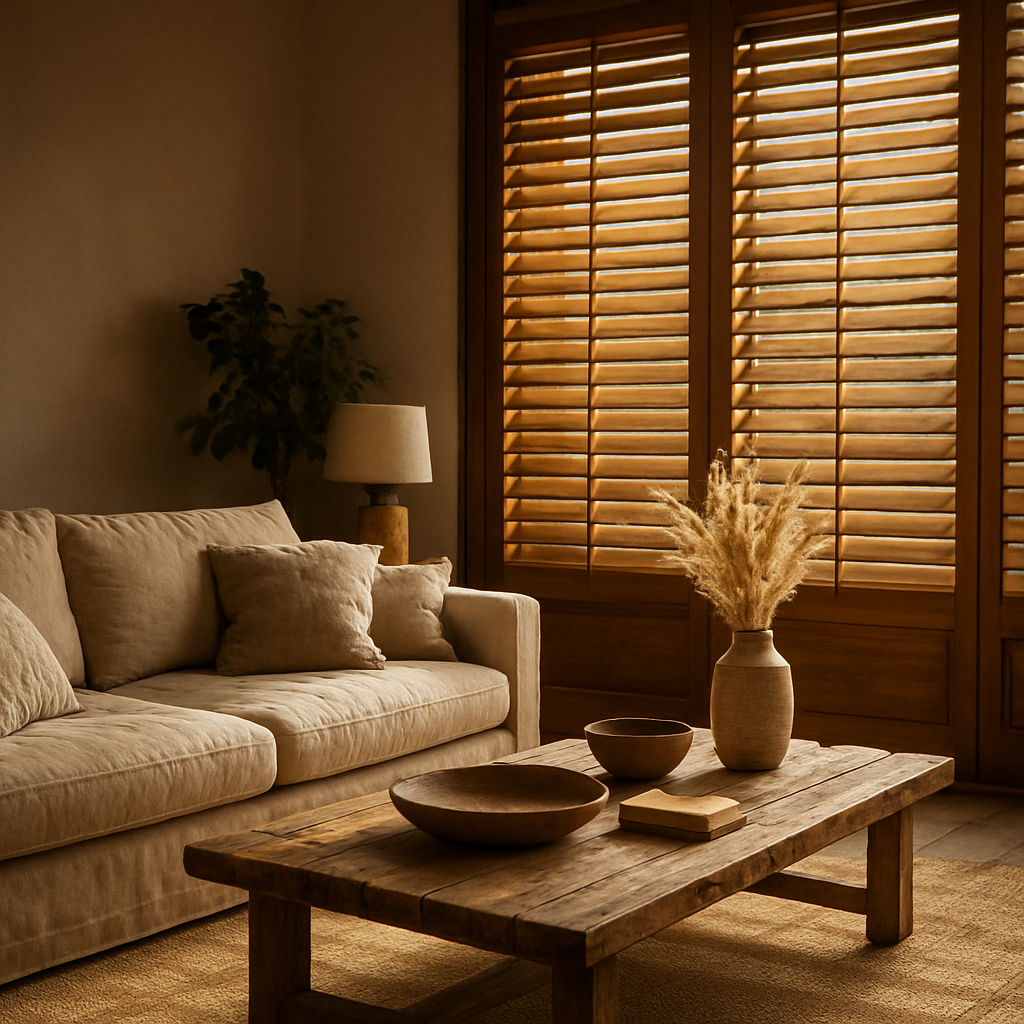
Step 3: Use tilt options to balance light and heat
Shutters aren’t just pretty; they’re practical. Tilt the louvers to soften harsh sun while still letting in daylight. If you want sun above but privacy below, look for split‑tilt designs that let you control top and bottom sections independently.
That small bit of control makes a big difference. You can bask in a warm glow during the afternoon without overheating the room, or close the lower gaps for a quiet, private evening—no heavy curtains required.
Step 4: Think about finishes, care, and daily life
Choose finishes with low VOCs, and keep cleaning simple: a soft microfiber cloth or a damp microfiber wipe is usually enough. Avoid harsh chemicals that can dull the finish or leave residues. Periodic light oiling or waxing can help maintain the luster, but keep it thin and even to avoid sticky buildup.
Maintenance isn’t glamorous, but it’s how you protect your investment. A quick weekly wipe and a yearly check for loose joints will keep them looking pristine for years to come.
Step 5: Layout for maximum energy savings
Prioritize sun‑exposed windows first. On hot days, close the louvers during peak sun and open them to catch a breeze when the light softens. In winter, keep the shutters closed at night to cut heat loss, then open them during the day to draw in available warmth.
Pair shutters with eco friendly home accessories—linen throws, cork trays, and recycled glass accents—to complete the look without compromising energy performance. In the long run, this combination not only reduces fuel costs but also elevates your space with a cohesive, luxurious feel.
For a deeper read on insulation and energy efficiency, consider this comparison from AAA Blind & Shutter Factory, which weighs solid timber shutters against natural shades: plantation shutters vs natural shades. It’s a neat reminder that the right window treatment can be a meaningful part of an eco friendly home accessories strategy, especially in 2026 and beyond.
If you’re renovating for energy efficiency or simply want a guided plan that fits your home, Harvey Bruce Interiors can help you map a bespoke path that feels doable today.
Does this approach align with your style goals? Let’s start with one stunning, heat‑smart piece and grow the look from there.
Comparing Top Eco Friendly Home Accessory Options
When you start swapping a plastic vase for something that actually tells a story, you’ll notice a shift – not just in aesthetics but in how the room feels. That’s the magic of eco friendly home accessories: they’re tiny decisions that add up to a greener, cozier home.
What to look for
First, ask yourself three quick questions: Is the material renewable or reclaimed? Does the finish avoid VOCs? Can the piece age gracefully, or will it end up in a landfill in five years? If you can answer “yes” to at least two, you’re on the right track.
Option 1 – Reclaimed‑wood star decorations
Our favourite starter piece is a pack of wooden star hangings made from salvaged barn beams. Because the wood already lived, you skip the whole growth‑and‑harvest cycle. The stars add a whimsical, natural rhythm to a mantel or ceiling, and they develop a richer patina as the years go by.
Real‑world example: A couple in Brighton used a set of 90 reclaimed‑wood stars to frame their dining‑room window. Within weeks they reported a “warm, lived‑in vibe” that friends kept complimenting. The stars also helped hide an uneven plaster line, proving style can solve a practical problem at the same time.
Option 2 – Bamboo floor lamp
Bamboo grows to maturity in three to five years, so a lamp with a bamboo base is essentially a carbon sink you can actually see. The material is light yet sturdy, and it pairs beautifully with linen throws or cork trays. Look for a lamp that’s finished with water‑based stains – those stay low‑VOC and keep the natural colour bright.
According to a recent guide on eco‑friendly home decor, bamboo lighting “balances modern design with rapid renewability” and can reduce a room’s embodied carbon by up to 30 % compared with aluminium or steel frames (Joey’z Shopping eco‑friendly guide).
Option 3 – Cork coffee table or tray
Cork is harvested from the bark of the cork oak, meaning the tree stays alive and keeps absorbing CO₂. A cork coffee table offers a soft, natural surface that’s water‑ resistant and surprisingly durable. It also gives a subtle, tactile contrast to metal or glass décor.
Healthier Homes points out that cork products “avoid the off‑gassing issues of synthetic composites” and can last decades with minimal care (Healthier Homes material overview). A London loft owner swapped a plastic side‑board for a cork tray and noticed the room felt quieter – the sound‑absorbing quality of cork actually dampened echo in the open‑plan space.
Quick decision table
| Accessory | Primary Material | Eco Highlights |
|---|---|---|
| Wooden star hanging set | Reclaimed wood | Zero new timber, natural patina, low‑VOC finish |
| Bamboo floor lamp | Bamboo + water‑based stain | Rapidly renewable, carbon‑sequestering, lightweight |
| Cork coffee table / tray | Cork | Harvested without tree loss, biodegradable, VOC‑free |
So, how do you choose? Start with the room that needs the biggest visual lift. If you have a high‑ceiling hallway, the star hangings create vertical interest. If you’re looking for a functional light source, the bamboo lamp ticks both style and sustainability boxes. And for a low‑key surface that doubles as a conversation starter, the cork table is hard to beat.
Action step: Grab a notebook, list the three rooms you spend the most time in, and assign one of the options above to each. Order a sample or visit a local showroom within the next two weeks – the sooner you see and touch the material, the easier the decision becomes.
Remember, you don’t need to replace everything at once. A single, thoughtfully chosen eco friendly home accessory can set the tone for the whole house, and the rest will follow naturally.
FAQ
Here are some of the most common questions we hear about eco friendly home accessories.
What are eco friendly home accessories and why should I care?
Eco friendly home accessories are décor pieces made from renewable, recycled or responsibly sourced materials – think reclaimed wood stars, bamboo lamps or cork trays. They look stylish, but the real win is the lower carbon footprint and healthier indoor air because they avoid harsh chemicals. When you choose them, you’re quietly supporting forests, farms and factories that think about the planet, and your home feels more grounded.
How can I start adding eco friendly home accessories without breaking the bank?
Begin with one room you love most – the living area, kitchen or bedroom – and pick a single statement piece. A pack of wooden star hangings, for example, adds visual interest for a modest price. Look for sample swatches or visit a local showroom to feel the material before you buy. Once you’ve lived with that piece, you’ll see where the next upgrade naturally fits.
Are there any maintenance tricks to keep sustainable accessories looking luxe?
Most natural materials just need gentle care. A damp microfiber cloth wipes away dust on cork surfaces, while a light oiling every six months revives reclaimed wood. For bamboo lamps, avoid abrasive cleaners – a soft brush and mild soap does the trick. The key is to treat each piece as a small ritual; a few minutes each month keeps the look fresh and the lifespan long.
Can eco friendly accessories work in a modern, high‑end interior?
The texture of reclaimed wood or the matte warmth of linen adds depth to sleek lines. Pair a minimalist marble coffee table with a woven jute basket, or contrast a glass chandelier with a bamboo floor lamp. The contrast creates a curated feel, and because the pieces are built to last, they complement high‑end furniture without looking out of place.
What certifications should I look for when buying eco friendly home accessories?
Familiar symbols like FSC for wood, GOTS for organic textiles, or the SFC label for cork give you confidence that the supply chain is transparent. If a product mentions low‑VOC finishes, that’s a good sign for indoor air quality. You don’t need every badge, but spotting one or two tells you the maker has taken sustainability seriously.
How do I balance style and sustainability when I have limited space?
Choose pieces that serve a double purpose. A cork tray can double as a coffee table surface, while a woven basket stores magazines and adds texture. Multi‑functional items reduce clutter and let you keep the room airy. Because the items are made to age well, you won’t feel the need to replace them when trends shift.
Is it worth hiring a specialist like Harvey Bruce Interiors for eco friendly accessories?
If you want a curated look without the guesswork, a specialist can streamline the process. They already source items that meet the sustainability criteria we’ve discussed, so you avoid endless searching. Plus, they can advise on placement, lighting and pairing, turning a few thoughtful pieces into a cohesive, luxe environment that feels uniquely yours.
We hope these answers help you start a greener, more stylish home journey.
Conclusion & Call to Action
Let’s take a breath and look back at what we’ve covered. You’ve seen how reclaimed wood, bamboo, cork and organic textiles turn ordinary rooms into spaces that feel both luxe and responsible. Those eco friendly home accessories aren’t just trends – they’re tiny decisions that add up to a greener, calmer home.
So, what’s the next step? Pick one piece that sparks joy – maybe that pack of 90 wooden star hangings we love for a subtle focal point. Give it a place in your living room, test the feel, and let the rest of the room fall into line.
If you need a hand curating the perfect mix, our team at Harvey Bruce Interiors is ready to walk you through material choices, certifications and placement tricks that keep the vibe cohesive. We’ll source pieces that meet FSC, GOTS or low‑VOC standards, so you can trust the quality without the guesswork.
Remember, sustainability doesn’t mean sacrificing style – it means choosing items that age beautifully and keep your home feeling fresh for years. Start small, enjoy the impact, and watch your space transform, one thoughtful accessory at a time.
Ready to make that first change? Browse our curated collection or drop us a message, and let’s turn your vision into a reality that looks good and does good.
← Older Post Newer Post →