
How to Choose Rug Size for Living Room: A Simple Step-by-Step Guide
Posted by Harvey Bruce on
Picture this: you’ve just moved into a new living room, the paint is still fresh, the sofa is already in place, and you’re staring at an empty floor wondering what size rug will tie everything together.
It’s a moment most of us have been through – the excitement of a blank canvas mixed with the anxiety of making the wrong choice. A rug that’s too small looks like a stray carpet, while one that’s too big can overwhelm the room and hide the furniture you worked hard to pick.
Here’s what I mean: the right rug should anchor your seating area, define the space, and still let the flooring peek through for visual interest. In our experience at Harvey Bruce Interiors, we’ve helped countless homeowners find that sweet spot by measuring, visualising, and testing.
Step 1: Measure the layout of your main furniture group. For a typical three‑piece sofa set, aim for a rug that extends at least 45 cm (18 in) beyond the front legs of each piece. This creates a balanced border and keeps the eye from drifting off the rug.
Step 2: Consider the shape of the room. In a rectangular space, a rectangular rug works best; in a more open or irregular room, a large round rug can soften the angles and add flow.
Step 3: Sketch a simple floor plan on paper or use a free online room‑planner. Place the rug shape and dimensions over your furniture layout – you’ll instantly see whether the proportions feel right or if the rug eats up too much floor.
Real‑world example: a couple in Edinburgh bought a 200 cm × 300 cm rug for their long, narrow living room. By following the 45 cm rule, the rug covered the entire seating zone without crushing the walkways, and the room felt cozier rather than cramped.
Another tip: if you love a bold colour or pattern but fear it might dominate, start with a smaller runner under the coffee table and expand to a full‑size rug once you’re comfortable with the visual weight.
Don’t forget to factor in traffic flow. Leave at least 60 cm of clear floor between the rug edge and any doorways or high‑traffic paths to prevent tripping hazards.
And finally, when you’re ready to shop, our curated collection makes it easy to filter by size, shape, and material – from plush wool to natural jute – ensuring you pick something that fits both your measurements and your style.
Need a quick visual guide? Check out How to Choose Rug Color for Living Room: A Practical Design Guide for colour‑pairing tips that complement the size decisions you’re making now.
TL;DR
If you’ve been wrestling with how to choose rug size for living room spaces, remember the 45 cm rule, keep traffic flow clear, and let the rug anchor your furniture for a balanced, cosy feel.
In practice, measure your sofa group, add a generous border, and visualise the layout before buying, our curated collection makes finding the perfect piece quick and stress‑free.
Step 1: Measure Your Living Room Layout
Alright, let’s roll up our sleeves. Before you fall in love with a gorgeous rug, you need to know exactly how much floor you’ve got to work with. It sounds simple, but trust me – the right numbers make the difference between a room that feels curated and one that feels cramped.
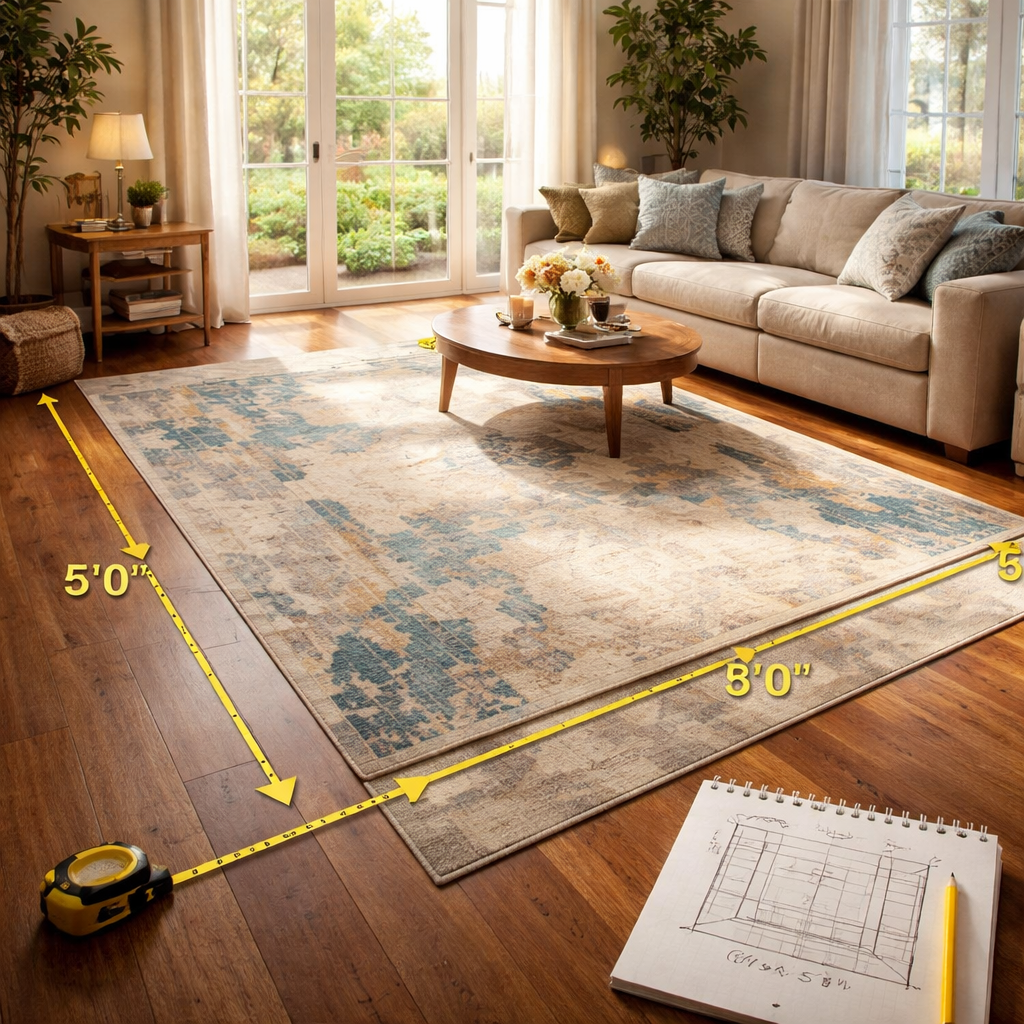
First thing’s first: grab a steel tape measure, a notepad, and maybe a friend who won’t judge you for double‑checking every line. Start at the centre of your main seating cluster – usually the sofa and the armchairs that hug it. Measure the distance from the back of the sofa to the far‑most chair, and then from the left edge of the sofa to the right edge of the furthest piece. Write those numbers down; they’re your baseline layout dimensions.
Now, here’s where the 45 cm (18‑inch) rule comes in. Imagine you’re laying a carpet that extends at least 45 cm beyond the front legs of each piece of furniture. Why? That border gives the eye a visual pause, keeps the space from feeling “floating” and makes the rug look intentional rather than an afterthought.
Take your sofa’s front‑leg width – say it’s 1.2 m from wall to leg. Add 0.45 m on each side, and you’ve got a minimum rug width of about 2.1 m. Do the same for the depth, and you’ll quickly see whether a standard 2 × 3 m rug will do the job or if you need something a touch larger.
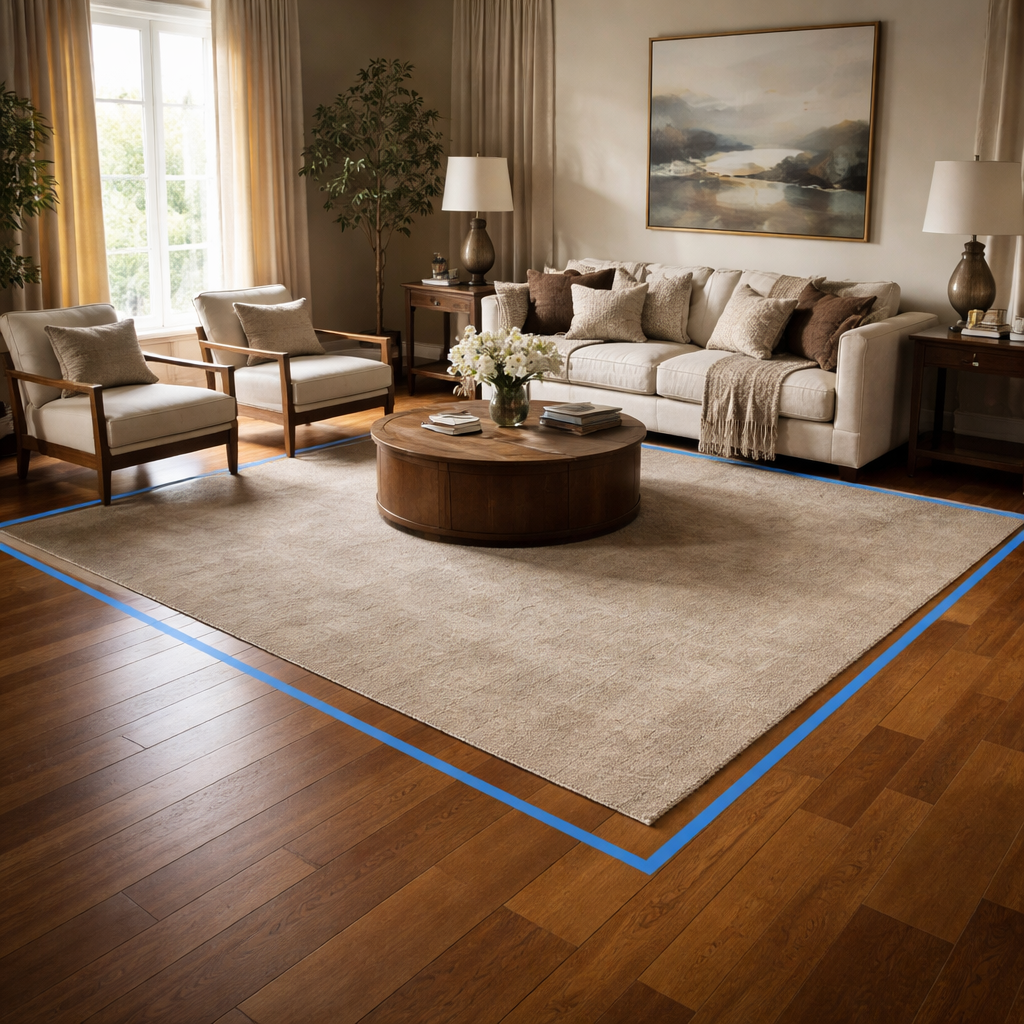
So, does that math feel a bit overwhelming? Not at all. Grab a piece of masking tape and lay it on the floor where you think the rug’s edges will sit. Step back and look at the rectangle you’ve created. Does it leave enough breathing room for traffic pathways? A good rule of thumb is to keep at least 60 cm (24 in) of clear floor between the rug edge and any doorways or high‑traffic routes.
Got a narrow living room? Measure the length first, then the width, but keep the rug’s shape in mind. A long, rectangular rug can accentuate the length, while a round rug can soften a tight‑corner feel. If you’re unsure, sketch a quick floor plan on graph paper – each square can represent 10 cm. Plot your furniture, then draw the rug outline using the measurements you just recorded. The visual will instantly tell you if the rug is dominating the space or slipping into the background.
And if you’re a tech‑savvy homeowner, pop open a free online room‑planner. Drag in a rug shape, type in the dimensions, and watch it sit among your sofa, coffee table, and side chairs. It’s a painless way to avoid buying a rug that’s either a “tiny rug” or a “giant carpet” in one go.
Here’s a quick checklist you can print out:
- Measure the width and depth of your main furniture group.
- Add 45 cm to each side for a balanced border.
- Confirm a minimum 60 cm clearance for traffic flow.
- Sketch or use a digital planner to visualise.
- Double‑check the shape matches your room’s geometry.
Once you’ve ticked those boxes, you’ll have a crystal‑clear idea of the exact rug size you need. No more guessing, no more returns, just a rug that feels like it was made for your space.
Take a moment now to grab that tape, map your room, and you’ll be one step closer to a living area that feels both luxurious and lived‑in – exactly the vibe Harvey Bruce Interiors loves to help you create.
Step 2: Determine Furniture Arrangement
Let's get practical about how your sofa, chairs, and coffee table live together. The way you arrange them is the difference between a room that feels cohesive and one that looks like a showroom in a hurry.
In our experience at Harvey Bruce Interiors, the goal isn’t perfection; it’s comfort and flow. You want people to move, chat, and put their feet up without bumping into corners. So let’s break it down, room by room.
First, map the footprint of your main seating group. For a typical three‑seat sofa plus two chairs and a coffee table, aim to have the front legs of all seating pieces resting on the rug. Extend the rug about 45 cm (18 inches) beyond the fronts of the furniture to create a grounded border. This helps the eye anchor the space without the rug feeling like an afterthought.
Why this matters? A well‑placed rug visually connects textiles, lighting, and architectural features. It also protects high‑traffic paths from becoming tripping hazards. If the room is long and narrow, think about elongating the rug to emphasize the seating line. In an open plan, a larger or rounded rug can soften transitions between zones while still keeping the furniture feel cohesive.
Now, test the proportions before you buy. Outline the footprint with painter’s tape or use masking tape on the floor. Walk the space, check how light plays on the rug, and ensure there’s room to cross from one side to the other without stepping off the border. This little test is a designer’s secret for avoiding buyer’s remorse.
Speed round tips: keep traffic clear. Leave at least 60 cm of free floor between the rug edge and doorways or major walk paths. If you’re unsure about scale, start with a runner under the coffee table and grow to a larger rug once you’re confident in the balance. Our curated Harvey Bruce collection makes it easier to filter by size and shape, ensuring a seamless fit with your luxury aesthetic and sustainability goals.
Here’s a quick decision guide to help you compare options at a glance.
| Feature | Option / Guidance | Notes |
|---|---|---|
| Rug shape for room | Rectangular room → rectangular rug; open plan or irregular → large round or oversized rectangle | Shapes guide flow and soften angles |
| Front legs on rug | Ensure front legs rest on rug; extend about 45 cm (18 in) beyond fronts | Creates a grounded border and visual anchor |
| Traffic clearance | Maintain clear paths; 60 cm of free floor between rug edge and doors/paths | Prevents tripping and keeps pathways comfortable |
| Test method | Painter’s tape footprint on the floor | Helps you preview scale and movement before buying |
If you’re starting from scratch, step two anchors the seating, guides traffic, and lets the rug set the mood. Think of it as laying a stage for everyday living, inviting conversation and easy movement. Harvey Bruce Interiors can help you visualize layouts with your measurements, focusing on sustainable luxury.
If you’re unsure, book a quick design chat with us. We'll tailor the layout to your space.
Step 3: Choose Rug Shape and Size Proportions
So you’ve mapped the basics and now you’re wondering how to choose rug size for living room in a way that feels effortless. In our experience at Harvey Bruce Interiors, the rug’s shape should play with the room’s geometry, not fight it. The right shape invites flow and conversation, and that matters more than a perfect number on a page.
First, look at the room as a whole. Does your space read as rectangular, square, or open‑plan with irregular angles? Rectangular rooms typically pair best with rectangular rugs that mirror the floor boundaries. Open plans or irregular layouts can benefit from a large round rug or an oversized rectangle to soften edges and guide traffic. Does this really work for your space? Yes—when the rug aligns with the seating zone, the eye glides and the floor texture remains visible for depth.
Now think about the seating footprint. If you want a cohesive anchor, you’ll want front legs (or at least the front of each seating piece) resting on the rug. A common guideline is to extend the rug about 45 cm (18 in) beyond the fronts of the furniture. That generous border grounds the arrangement and prevents the rug from feeling like an afterthought.
Proportion, not perfection
Next, consider how the rug relates to doorways and walk paths. Keep a comfortable clearance—generally around 60 cm (24 in) if possible—between the rug edge and doors or main traffic routes. This keeps paths open and reduces tripping hazards. If your room is long, a narrower runner under a sofa or coffee table can help define the area while leaving visible floor for interest.
Testing helps more than guessing. Outline the footprint with painter’s tape, then walk the space to feel the movement and light on the rug. This simple test can save returns and buyer’s remorse—something we see all the time when people skip that step. For a practical, designer‑tested approach to rug size before buying, check out this designer trick: selecting the right rug.
Remember, the goal is harmony. In a rectangular room, mirror the shape with a rectangle rug. In open spaces, a large round rug can soften transitions between zones. We’ve found that matching the rug to the seating layout creates hospitality: people sit, feet rest, and conversation flows naturally.
Harvey Bruce Interiors can help you visualise layouts with your measurements, focusing on sustainable luxury. If you’re unsure, book a quick design chat with us. We’ll tailor the layout to your space and point you toward options in our curated rug collection that balance elegance with practicality.
For more designer tips on rug sizing and to see how others test the size before committing, you can explore designer tricks like selecting the right rug from this trusted resource: Designer tricks: selecting the right rug.
Step 4: Consider Room Function and Traffic Flow
Step 4 invites you to look beyond size and shape and ask how this rug will function in your daily life. You’re not just picking something pretty; you’re choosing a pathway, a seating anchor, a vibe. So let's make sure the rug supports real living.
First, define the main seating zone. If you’re entertaining, you want sofas and chairs to feel connected, not boxed in. The rug should pull those pieces into one conversation so guests lean in and relax.
Think about traffic patterns. Where will people walk most often? In busy living rooms, you want clear routes that don’t collide with foot traffic or doorways. A cluttered path kills momentum and makes spaces feel smaller. If your furniture is scaled for a larger family room, the rug should still feel cozy underfoot.
Rug shapes should play with your room’s geometry. Rectangular rooms usually respond best to rectangular rugs that mirror the floor plan. In open plans, a large round rug can soften transitions and invite people to move fluidly between zones. That choice also helps define seating without crowding windows.
Placement rules you can trust: front legs on the rug, or at least the fronts resting on the rug. Extend the rug roughly 45 cm (about 18 inches) beyond the fronts to create a generous border that grounds the seating.
Walkway clearance matters. Leave about 60 cm (24 inches) of free floor between the rug edge and doors or main traffic paths when possible. This keeps doors swinging freely and avoids a tripping hazard. This simple guideline makes daily living easier.
Testing before buying is timeless. Outline the footprint with painter’s tape, then live in the room for a day or two. Notice how light hits the rug, how conversations flow, and whether you need a bigger or smaller base. That simple test saves hundreds in returns.
If your room is long and narrow, a runner under the coffee table or a slim strip along the sofa can define space without shrinking light. In square rooms, try a square rug that sits under the seating for symmetry.
Texture and color matter for wear and mood. Dark, low-pile options hide scuffs and footprints in high-traffic areas, while lighter tones can brighten the space if you have good natural light.
At Harvey Bruce Interiors, we curate rugs with durability and sustainability in mind, so you don’t have to sacrifice style for practicality. We’ll help you pair the rug with furniture, lighting, and your finishes for a cohesive look.
If you’re unsure, book a quick design chat with us. We’ll tailor the layout to your space and point you toward options in our curated rug collection that balance elegance with practicality.
For further grounding, the science of rug size reminds us to respect room dimensions and traffic flow; anchor zones, not overwhelm them. Read more here to see the principles in action: the science behind choosing the right rug size for your living room.
Step 5: Finalize Your Choice with Style and Budget
Let me be honest: finalizing a rug isn’t about chasing the perfect single number. It’s about balancing feel, function and what you’re comfortable investing in. The rug you land on should anchor your room without dictating every other purchase.
In our experience at Harvey Bruce Interiors, style and budget aren’t rivals. They’re partners. When you know what you truly want to spend, you’ll see the options more clearly and you won’t end up with buyer’s remorse.
Know your budget before you shop
First, set a realistic ceiling. For luxurious wool or handwoven pieces, expect to allocate more; for durable synthetic or natural-fiber options, you can get great looks at a lower price point. The key is to understand how much wear you need and how long you want the rug to last.
Ask yourself: will this rug anchor a high-traffic family zone or a quiet reading corner? If it's the former, invest a bit more in density and stain resistance. If it's the latter, you can lean toward mid‑range materials with elegant texture.
Match materials to lifestyle and aesthetics
Wool, wool blends, jute, and viscose each bring different personalities and costs. Wool feels plush and durable but can be pricier. Jute brings natural texture and budget-friendly warmth. If you’re decorating for longevity, consider a mid‑weight wool blend that’s easy to clean and resists flattening under chairs.
Size and placement as part of style budgeting
Remember the 45 cm rule? It still matters, because how the legs rest on the rug changes perceived value. A larger rug that all seating legs rest on can transform a room, but it costs more. You’ll often get more visual impact per pound by choosing one well‑considered oversized piece over two smaller rugs.
Maintenance, warranties and returns
Factor care requirements into your budget. Some materials clean up with a quick blot; others need professional cleaning every so often. Check return windows and warranties—Harvey Bruce Interiors prioritises peace of mind with transparent terms so you never feel trapped after a purchase.
Actionable plan to move forward
1) Pick a target budget band (low, mid, high) and write it down. 2) Narrow to two or three materials that fit that band and suit your style. 3) Visualise with painter’s tape footprints on the floor to confirm scale. 4) Compare closing options side by side with your lighting and finishes in mind. 5) Book a quick design chat if you want our curated rug collection help—our team can match options to your room’s personality and practical needs.
So, what should you do next? Start with your living room’s vibe, then let budget guide the tone. The right rug is an investment in comfort and mood—and with our curated range, it’s easier to land something that feels custom without breaking the bank.
Real-world example: a couple in a mid-size living room chose a mid-range wool blend rug and layered a smaller textured runner for warmth and practicality. It anchored the seating, echoed warm woods, and left enough light to showcase art. They saved by selecting a durable option that wears well with kids and pets.
Expert tip: if a swatch program is available, request fabric and color samples to see texture and undertone in your space before committing. It cuts down on returns and helps you feel confident about the final choice.
Harvey Bruce Interiors is here to help you transform your space with sustainable luxury. Our buyers source exclusive and bespoke rugs that balance elegance with durability, so you don’t have to compromise between style and practicality. If you’d like a tailored shortlist, book a design chat and we’ll bring options that fit your space, lifestyle, and wallet.
Conclusion
We've walked through measuring, arranging, shaping and budgeting, so now you know exactly how to choose rug size for living room spaces without the guesswork.
Remember the 45 cm border rule – it keeps the seating anchored and the room feeling generous. If you leave about 60 cm of clear floor for traffic, you avoid tripping and keep the flow natural.
Testing with painter's tape is still the easiest cheat: lay the footprint, walk around, and watch how light plays on the surface. That simple step saves you from costly returns.
For couples juggling style and kids, a durable mid‑range wool blend often hits the sweet spot: plush enough for comfort, tough enough for spills.
And if you’re still unsure, a quick design chat with Harvey Bruce Interiors can narrow the options to pieces that match your vibe, budget and sustainability goals.
So, what’s the next move? Grab your tape measure, sketch the rug outline, compare a couple of sizes, and trust the visual cue you create in your own floor plan. Your perfect rug is just a few inches away.
Take the confidence you’ve built here and let your living room tell a story of comfort and style. A well‑chosen rug becomes the quiet hero of everyday moments, inviting friends to linger and families to gather.
FAQ
What’s the first thing I should measure when I’m trying to figure out how to choose rug size for living room?
Start with the footprint of your main seating group – sofa, chairs and coffee table. Measure the length and width of that arrangement, then add roughly 45 cm (18 in) on each side so the front legs sit comfortably on the rug. That border creates a visual frame and keeps traffic flowing. In our experience at Harvey Bruce Interiors, that quick sketch saves you from buying a rug that feels too small or swallows the room.
How do I test a rug’s size before I actually buy it?
Grab some painter’s tape and lay it on the floor in the exact dimensions you calculated. Walk around, sit on the sofa, and notice whether you can still step off the edge without tripping. If the tape feels cramped, add a few centimetres; if there’s a huge gap, trim it back. This low‑cost mock‑up lets you visualise light, scale and movement, and it’s a trick we recommend to every client.
Which rug shape works best for a rectangular versus an open‑plan living room?
Rectangular rooms generally benefit from a rectangular rug – it mirrors the walls and elongates the space. In an open‑plan or irregular layout, a large round or oversized oval rug can soften hard lines and define a seating zone without cutting the flow. Think of the rug as a stage: match its shape to the room’s geometry, and you’ll guide eyes and footsteps naturally.
How can I keep traffic flow comfortable while still having a big rug?
Leave at least 60 cm (24 in) of clear floor between the rug edge and doorways or high‑traffic paths. That buffer prevents doors from catching on the rug and gives guests a clear route to move around. If you’re short on space, position the rug so the main seating sits fully on it, and let the remaining floor act as a natural corridor.
Is it okay to layer a runner under a coffee table before committing to a full‑size rug?
Absolutely. A runner lets you experiment with colour and pattern on a smaller scale. Once you’re happy with the feel, you can step up to a full‑size piece that extends the runner’s vibe. Many of our clients start with a runner, then upgrade to a larger rug once they’re confident the size and style work with the room’s rhythm.
Do material choices affect how a rug’s size feels in the room?
Yes. Light‑coloured, low‑pile fabrics make a rug appear larger because they reflect more light, while dark, plush fibres can shrink the visual footprint. If you love a bold pattern but worry it’ll dominate, choose a lighter background or a thinner weave. In our showroom we often pair a subtle jute base with a colourful border to keep the scale balanced.
How can I stay within budget while still getting the right rug size?
Set a price range first, then narrow materials to those that fit – wool blends for durability, synthetic fibres for cost‑effectiveness. Use the painter’s‑tape test to avoid overspending on a size that won’t work. Remember, a well‑chosen rug that anchors the room can look more expensive than a cheaper, mismatched piece, so focus on proportion over brand name.
← Older Post Newer Post →