
Vases & Jars: 10 Creative Ways to Transform Your Home
Posted by Admin on
Ever stared at a plain kitchen counter and wondered, "How could something as simple as a vase change the whole room?"
It’s not just about flowers or a splash of colour; a good vase can become a conversation starter, a subtle statement, or even a piece of art that sits quietly in the background.
Think about the first time you walked into a living room and felt instantly at ease because the décor felt personal, not generic. That feeling often starts with the small, overlooked accessories that tie the space together.
Vases & Jars are the unsung heroes of interior design, bridging function and style with a single, elegant silhouette.
What makes them work so well? Their versatility. They can hold a single stem, a wild bouquet, or a stack of books. They can be centrepieces, accent pieces, or subtle nods to a theme.
When you choose the right piece, you’re saying, "I’ve thought about how every element will feel together," which is exactly what homeowners seeking luxury solutions are after.
We’ve seen that a single, thoughtfully chosen vase can pull together a colour palette, echo architectural lines, or even hint at a travel memory.
So, what should you look for first? Start with the shape that resonates with the room’s silhouette. Tall, slim vases suit airy spaces; chunky, wide ones anchor cosy nooks.
Next, think about the material. Glass feels airy; stone feels grounded; metal can add a modern edge.
Finally, consider the story you want to tell. Is it minimalist chic, or a bohemian splash of colour? Your choice of vase will set the tone for the whole room.
In short, a vase or jar isn’t just a holder; it’s the quiet curator of your home’s mood. Let’s explore how you can pick the perfect piece and transform the everyday into something extraordinary.
TL;DR
When a vase is more than a holder, it becomes the room’s silent storyteller, tying colours, textures and memories into one elegant, unexpected statement.
Pick the shape, material and narrative that fit your space, and watch luxury and lifestyle blend in a single touch of grace of your living space.
Choosing the Right Materials for Vases & Jars
When you’re hunting for the next vase, the material is as crucial as the shape. It determines how the light plays, how the colours pop, and how long that piece will stay in your living room.
1. Glass: The Transparent Canvas
Glass is the classic choice for fresh blooms. Its clarity lets the stems and water shine, creating a sense of depth. But remember, a thick‑bodied glass can feel heavy; a thinner, lighter design is perfect for a minimalist table.
According to Oblist, glass vases come in everything from sleek cylinders to ornate trumpet shapes, so you can pick one that echoes the vibe of your room.
2. Ceramic & Earthenware: Warmth You Can Touch
Ceramic feels solid and comforting. It’s great for everyday use because it resists heat, lasts long, and can be glazed in a rainbow of hues. If you love a tactile element, pick a ceramic vase that’s slightly textured.
For a real‑life example, check out the Ivy Grey Ceramic Vases collection. They’re available in muted pastels and bold terracotta, perfect for both modern and rustic kitchens.
3. Metal: Modern Edge Meets Durability
Metal vases—think brushed silver or warm copper—add a contemporary flourish. They’re sturdy, great for outdoor settings, and the metallic sheen catches the room’s light in a subtle dance.
4. Wood & Composite: Earthy Sophistication
Wooden vases offer a natural grain that can tie into a forest‑themed lounge. Composite options, like recycled bamboo, blend sustainability with style. Just be sure the finish is sealed to protect against moisture.
5. Stone & Porcelain: The Luxury Statement
Stone vases, such as large stone ceramic pieces, bring a grounded feel. They’re perfect for a dramatic centerpiece, especially when paired with a single tall bloom. Porcelain, on the other hand, gives a refined, almost regal look without the heft of real stone.
When deciding, ask yourself: What emotion do I want to evoke? A bright glass vase feels airy, whereas a stone ceramic can feel grounded and opulent.
Here’s a quick checklist you can keep in mind the next time you stroll into a showroom or shop online:
- Does the material suit the climate of my home (humidity, temperature swings)?
- Will the vase’s colour and finish complement my existing décor?
- Am I comfortable with maintenance—glass may need careful handling, wood may need resealing?
- Will the piece survive everyday traffic (kids, pets, high footfall)?
- Is the material sustainable if that’s a priority for me?
Once you’ve answered these, you’ll have a clear vision of the material that will turn a simple vase into a lasting statement.
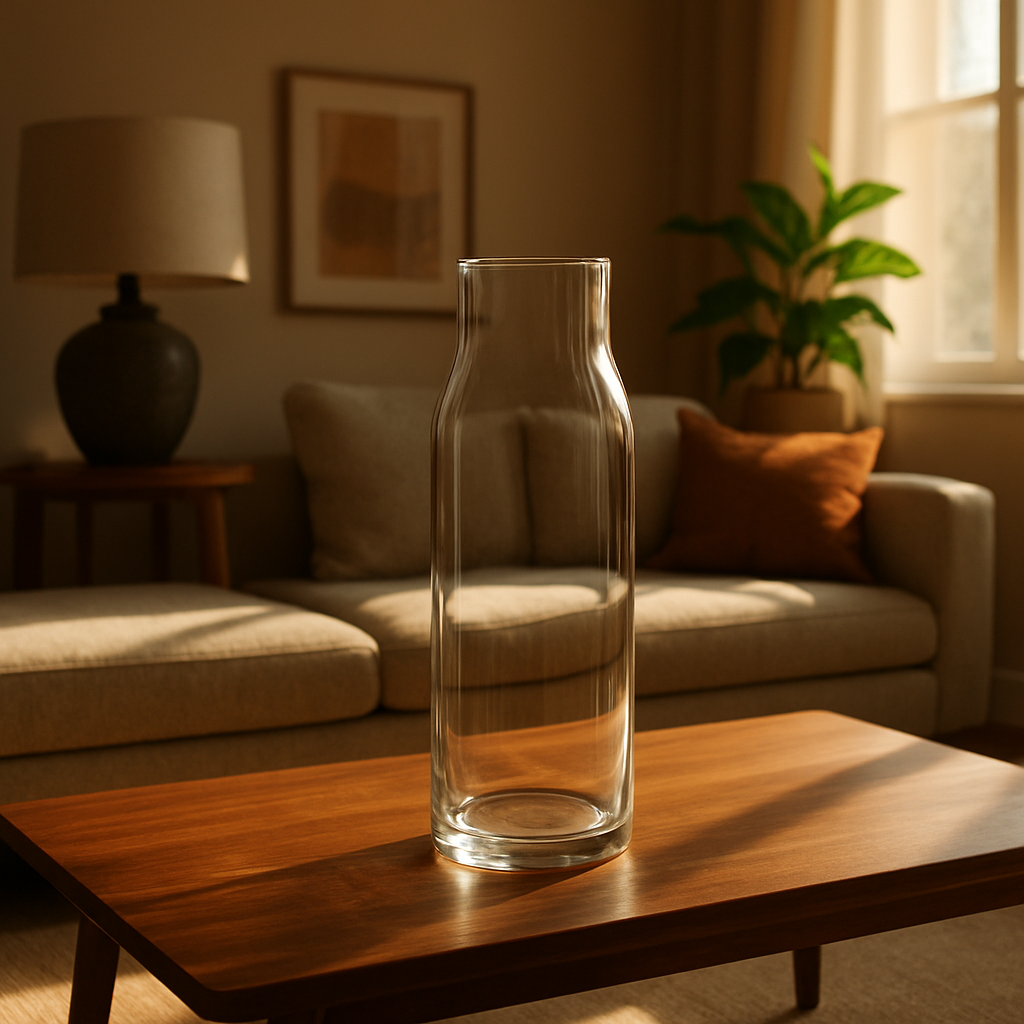
So, whether you’re leaning toward a classic glass design or a bold stone statement, remember that the right material is the foundation of your vase’s personality. Pick a piece that feels like an extension of your own style, and it’ll keep making your space feel more alive for years to come.
Styling Vases & Jars in Various Rooms
When you’re scrolling through a catalogue, the first thing that grabs your eye is usually the shape, not the colour. But once you’ve pinned a vase down, the next big decision is: where will it live? Let’s break it room‑by‑room and see how the right vase turns an ordinary space into a headline.
Kitchen – the Everyday Stage
In the kitchen, a vase needs to survive the heat of the stove, the splash of a sink, and the occasional splash from a ladle. Think sturdy glass or glazed ceramic that can take a few drops of water without cracking. A small jar turned into a herb terrarium is a practical nod to sustainability – fill it with basil, mint, or even a tiny pot of thyme, and you’ve got fresh aromatics at arm’s reach.
Want to level up the look without buying a brand‑new piece? Check out creative ways to use glass jars for a quick DIY makeover: line a jar with a sprig of rosemary, or layer pebbles, soil and a pepper plant to keep the space tidy and stylish.
Living Room – the Show‑stopper
Here, a vase is the star of the scene. Tall, slim glass draws the eye up, while a chunky stone piece anchors a cosy corner. If you’re aiming for a modern vibe, pair a clear glass cylinder with a bold bouquet of succulents and a dash of metallic candle. For a more classic feel, a round ceramic vase with a single white rose on a low coffee table can set a tranquil mood.
Tip: Use a glass vase with a cork lid to keep the stem clean and the display fresh for days. Rotate the vase’s orientation each week to keep the arrangement feeling fresh – a simple switch from side to front can shift the room’s energy.
Bedroom – the Quiet Companion
A bedroom needs a vase that whispers, not shouts. Think pastel glass or muted ceramic, perhaps with a single long‑stem orchid or a handful of dried lavender. The soft colours calm the mind and create a restful backdrop for sleep.
For an extra layer of luxury, choose a vase that reflects light – a subtly frosted glass or a glazed ceramic with a glossy finish can catch the early morning sun and add a subtle glow to the room.
Bathroom – the Functional Accidental Art
In the bathroom, a jar becomes a hidden storage hub. Use a clear glass jar for cotton balls, a cork‑lidded jar for toothbrushes, or a ceramic container for loofahs. The transparency keeps the space open, while the jar’s shape defines the countertop layout.
After the video, you’ll see how a jar can double as a mini terrarium, adding a splash of green to an otherwise utilitarian space. The visual lift is subtle but powerful – the green nods to nature while keeping the area neat and stylish.
Use the jar as a tiny indoor garden. Layer pebbles, activated charcoal, soil, and a low‑growth plant like a fern or a small cactus. The jar’s size keeps the moisture balanced, and the earthy tones blend with most bathroom palettes.
Outdoor – the Weather‑Proof Statement
When you step outside, a vase needs to be weather‑proof. Choose metal or stone for durability; glass works too if it’s thick‑bodied. An outdoor garden centerpiece can be a tall stone vase holding a bouquet of wildflowers, or a rusted copper jar filled with succulents that thrive in the sun.
Don’t forget to secure it – a weighted base or a heavy stone at the bottom ensures it stays put in breezy weather. Pair it with a small wooden bench and a few potted herbs, and you’ve created a mini outdoor lounge that invites conversation.
So, whether you’re rethinking your kitchen, giving your bedroom a whisper of luxury, or turning the bathroom into a tiny oasis, remember that the right vase or jar is a simple way to set the room’s tone. Pick a piece that feels like an extension of you, and watch your space transform from ordinary to unforgettable.
DIY Vase Arrangement Tutorial
We’ve already talked about picking the perfect vase – now let’s get our hands dirty and turn that choice into a show‑stopping centerpiece. Think of this as a recipe: the vase is the bowl, the flowers are the ingredients, and you’re the chef who knows how to make everything taste just right.
Step 1: Pick Your Canvas
The first thing you’ll notice is the shape and material of the vase. If you want a clean, modern vibe, go for a tall, slim glass like the Hydria Glass Vase – it lets the stems pop and looks great in a minimal kitchen or a breezy living room. For a more rustic feel, a chunky stone piece works wonders. Remember, the vase sets the mood.
Step 2: Prep Your Blooms
Trim stems at a 30‑degree angle and cut off any leaves that would sink into the water. Remove a few centimetres from the bottom – this keeps stems upright. If you’re using mixed species, group them by color and height first, then mix in the final arrangement.
Step 3: The Water Trick
Fill the vase with lukewarm water and add a teaspoon of flower food – that little packet that comes with many bouquets. If you’re using fresh cut flowers, this boosts longevity by feeding the stems and reducing bacterial growth.
Step 4: Layer the Story
Start with the tallest stems at the back, then layer shorter ones in front. Think of a story arc: the beginning (shorter stems) sets the scene, the middle (mid‑height stems) creates depth, and the climax (tallest stems) draws the eye. Try a simple rule of thirds: 30% tall, 40% medium, 30% short. If you’re feeling adventurous, add a pop of green with a sprig of eucalyptus in the centre.
Step 5: Accent the Arrangement
Add decorative touches that echo the room’s style. A small, glossy stone at the base can anchor the look, while a feather or a handful of dried flowers can add texture. For a subtle luxe touch, sprinkle a few silver or gold confetti crystals around the stems – they catch the light and give the vase a bit of sparkle without being overpowering.
Step 6: Final Touches & Maintenance
Check the water level daily, topping it off with fresh water and a dash of flower food. Change the water every three days and trim stems again to keep the arrangement crisp. If you notice any wilted petals, remove them promptly to prevent mold. With these simple steps, your vase will stay fresh for a week or more.
Now that you’ve got a beautiful centerpiece, why not add another layer of style to the room? Consider pairing your floral arrangement with a striking piece of wall art – for example, the 10 Stunning Wolf Art Print Ideas to Elevate Your Home Décor can create a dramatic backdrop that complements the natural elegance of your vase.
Give yourself a pat on the back – you’ve just turned a simple vase into a focal point that speaks to your taste and the room’s character. Happy arranging!
Colour Coordination with Home Décor
Ever stare at a wall and feel your whole room could use a splash of personality? That’s where a vase jumps in, not just as a container, but as a colour anchor that lifts the space.
Here’s how you can pair a vase or jar with your existing palette—step by step, and in a way that feels natural, not forced.
1. Pick a Colour Anchor
Start by identifying the dominant hue in your room—maybe it’s the navy of a sofa, the muted terracotta of a rug, or the crisp white of your kitchen cabinets.
Choose a vase whose shade either matches or offers a complementary pop. If you’re going for a monochrome vibe, a matte black or silver glass will keep things sleek. For a bold statement, pick a vase that’s a true contrast, like a teal stone pot against a sage‑green wall.
2. Match the Mood, Not Just the Shade
Colour isn’t the only cue. Think about the texture of your walls, the finish of your furniture, and the overall vibe. A matte, frosted glass looks great over a glossy lacquered table. A matte ceramic pairs beautifully with a brushed‑metal lamp.
When you match mood, the vase feels like an intentional piece, not a throw‑away accessory.
3. Layer with Seasonal Fillers
Keep the vase fresh by swapping out stems with the seasons. In spring, choose bright daisies or pastel peonies; in autumn, opt for deep reds, burnt oranges, or even dried branches.
Even when you’re using the same vase year‑round, changing the fillers lets you play with colour trends without buying new décor.
4. Use Scale to Create Balance
Don’t let a tiny glass jug feel out of place beside a massive oak dining table. A small terracotta pot will look better on a coffee table than a large stone vase.
Rule of thumb: the vase’s height should be no more than 3/4 of the tallest element in the room—think sofa, dining table, or built‑in shelf.
5. Tie it to a Conversation Starter
Pick a vase that has a story or design element that sparks conversation. A vintage bronze jar from a Moroccan market, for instance, can become the centrepiece for a themed dinner night.
When guests ask about it, you can share the anecdote, and the vase becomes a natural segue into your personal taste.
For a deeper dive into how designers use vases as décor, check out Kimseybert’s guide on their insights on creative vase placement. They break down seasonal trends and practical styling hacks.
So, the next time you’re picking a vase, think of it as a colour anchor, a mood match, a seasonal canvas, and a conversation starter all rolled into one. With these steps, your vase won’t just sit on a table—it will be the linchpin that pulls the whole room together.
Comparison: Popular UK Brands for Vases & Jars
We’ve already talked about what makes a vase tick – now let’s put the brands in a clear line‑up. If you’re hunting for that signature piece that feels like a personal statement, you’ll want to see how the big names stack up.
Do you love a clean, modern feel or do you crave a touch of heritage? The right brand will answer that question before you even touch the glass.
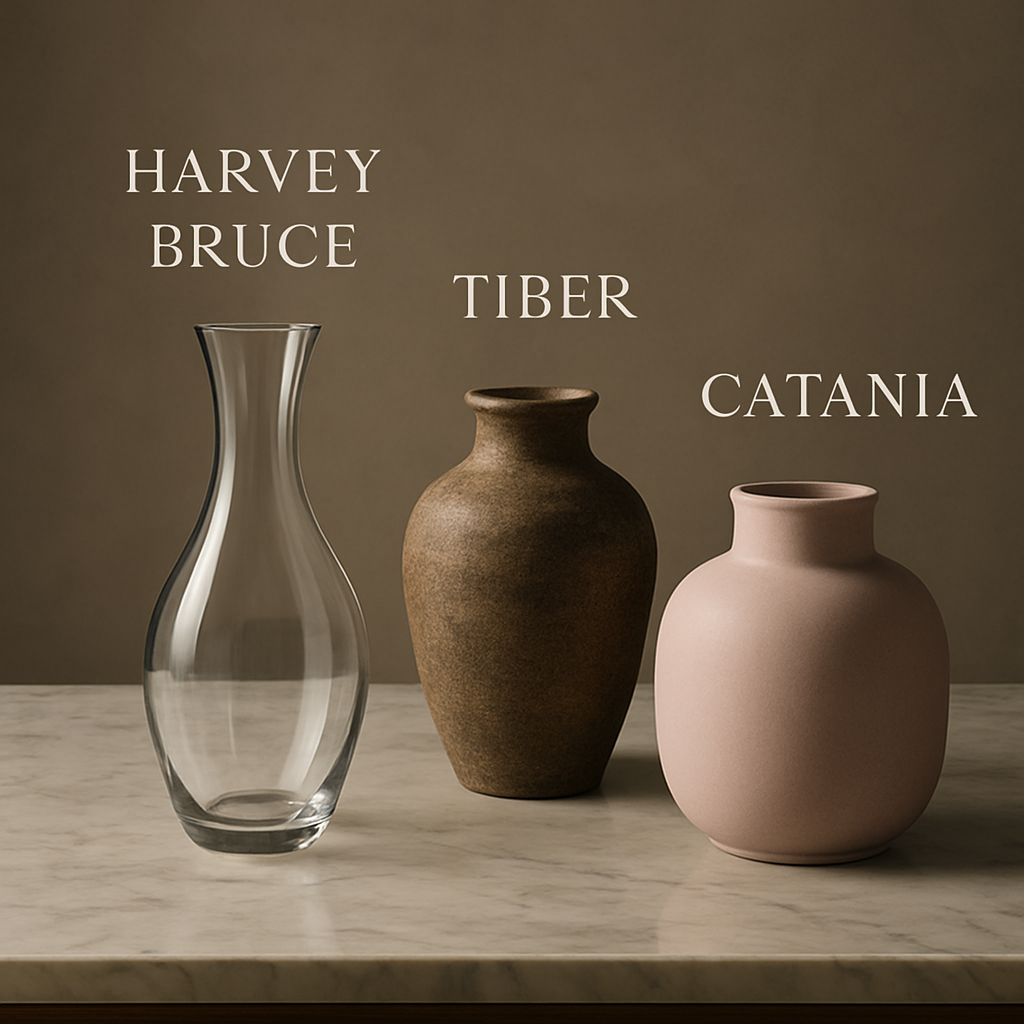
We’ve pulled together three standout players that pop up on many UK shelves – each with a distinct voice and material focus. The table below gives you a quick snapshot so you can spot what fits your style.
| Brand | Material Focus | Price Range | Signature Style |
|---|---|---|---|
| Harvey Bruce | Glass & stone | £70‑£250 | Contemporary luxury with subtle sculptural edges |
| Tiber | Stone ceramic | £120‑£300 | Bold, earthy forms that command a room |
| Catania | Porcelain & ceramic | £50‑£180 | Soft, round silhouettes that whisper elegance |
What sets Harvey Bruce apart is that the glass pieces often carry a subtle, almost invisible taper that feels like a second skin against your table. The stone vases, meanwhile, are heavy enough to feel grounded, yet they’re cut in a way that lets natural light dance along the surface.
If you’re after a statement that feels grounded, Tiber’s stone ceramic range brings a rugged, almost sculptural presence. It’s perfect for a modern loft or a cosy country kitchen that still wants a touch of drama.
Catania, on the other hand, offers a softer touch. Their round porcelain vases look like a quiet lull in a room that’s already full of texture and colour.
Do you prefer the sleek feel of glass or the earthy heft of stone? Think about the room you want to transform. A tall glass will pull the eye upward, great for high ceilings. A wide stone piece anchors a low, intimate corner.
Need more context on how each brand’s design language translates into everyday living? The House & Garden’s vase guide gives you a deeper dive into the materials and moods that make these UK brands stand out.
Bottom line: choose a brand that feels like a conversation starter rather than a decoration. Test the weight in your hand, imagine the light catching the surface, and trust your gut – that’s the best cue for a vase that will keep your home looking effortlessly curated.
Maintenance and Care Tips for Long‑Lasting Vases & Jars
When you’ve found a vase that feels like it was made just for your space, the next step is keeping it looking that way for years. Think of it like a plant you love – you water it, trim it, and give it a little love to keep it thriving.
1. Clean, Clean, Clean
Every month, give your vase a quick wipe‑down. Use a soft cloth and mild soap. For glass, a splash of vinegar can help cut through mineral build‑up. Ceramic and stone? A gentle scrub with a soft brush does the trick. Skip the abrasive scouring pads – they’ll scratch the finish.
2. Water Matters
If you keep fresh flowers, change the water every two days. Add a teaspoon of plain sugar or a splash of bleach to keep bacteria at bay. For decorative jars that hold herbs or spices, replace the water or soil every month to stop mold and keep the scent fresh.
3. Handle with Care
Glass can break, stone can chip, and ceramics can crack. When moving a vase, hold it by the base, not the rim. If you notice any cracks, set it aside for repair or discard it – it’s safer and looks better that way.
4. Store Properly
When not on display, keep glass vases in a drawer or cupboard away from direct sunlight. Ceramic or stone pieces should stay in a dry spot – dampness can cause stains or mildew. Avoid stacking heavy items on top of fragile vases; a little shelf divider can protect them.
5. Protect the Finish
For glazed ceramics, a light coat of food‑safe wax can help keep the surface glossy. Stone vases benefit from a sealant to keep moisture from seeping in. Just remember to test a small area first – a tiny patch in an inconspicuous spot is enough.
6. Keep an Eye on Temperature
Extreme heat or cold can warp glass or crack stone. Position your vase away from radiators, heaters, or air‑conditioning vents. In the summer, a light shade can prevent the water from overheating and causing algae to grow.
7. Quick Fixes for Everyday Wear
Stains from coffee or tea on a glass vase can be scrubbed with baking soda paste. For ceramic, a paste of toothpaste and a soft cloth works wonders. Don’t forget to rinse thoroughly to avoid any residue.
8. DIY Upgrades
Want to refresh a plain jar? Paint it with a food‑safe spray or wrap it in twine for a rustic look. Add a cork stopper to a glass jar and you’ve got a chic little container for pencils, keys, or tiny succulents.
By sticking to these simple habits, your vases and jars will stay as stunning as the day you brought them home. They’ll keep your space looking polished, and you’ll have more time to enjoy the beauty they add rather than worrying about maintenance.
Conclusion
So, after all that wandering through glass, ceramic, and stone, you might wonder: what’s the real takeaway? The answer is simple – your vase is a silent storyteller, not a decorative toy.
First, remember that the material you choose sets the mood for the whole room. A clear glass piece will lift light and feel airy, while a thick stone jug anchors the space with grounded weight. And that subtle difference can turn a bland coffee table into a conversation starter.
Second, don’t forget the little habits that keep the beauty alive. A quick wipe‑down every week, a fresh water change for live blooms, and a small dusting of sugar in the reservoir will make your vase look new for months.
Third, use your vase as a design pivot. Pair a bold ceramic with pastel linens, or stack a slender glass on a chunky stone to create visual interest. Try rotating the vase’s orientation every few weeks— a quick change can feel like a fresh room makeover.
Ready to give your home that extra wow? Browse our curated range of luxury vases and jars, and let the right piece inspire a space that feels both personal and polished. Your next conversation piece is just a click away.
FAQ
What are the best materials for long‑lasting vases and jars?
Glass is a timeless choice if you want a clear stage for flowers, but thin pieces can crack if dropped. Ceramic and earthenware feel solid and are great for everyday use; they’re also less fragile than glass. Stone or porcelain gives a heavy, luxurious feel that resists wear, while metal offers a modern edge that can stand up to the heat of a kitchen. Pick the material that matches the room’s vibe and the care you’re willing to give.
How can I keep a vase fresh with cut flowers without spending a fortune?
Start by trimming stems at a 30‑degree angle and removing any leaves that’ll sit in the water. Fill the vase with lukewarm water and add a teaspoon of sugar or a splash of bleach to reduce bacterial growth. Change the water every two days and wipe the rim clean to keep the glass or ceramic pristine. It’s a simple routine that keeps blooms looking bright for weeks.
Is it practical to use a vase as a storage solution in a small kitchen?
Absolutely. A clear glass jar can hold spices or small tools, while a ceramic pot can keep fresh herbs dry. The key is to choose a jar with a tight‑sealing lid to keep moisture out and a stable base to avoid tipping. Think of the jar as a dual‑purpose piece that adds style and function.
What styling tricks work best for tiny living spaces?
Choose a slim, tall vase to draw the eye upward and create the illusion of more room. Pair it with a monochrome palette or a single pop of colour to keep the visual field uncluttered. Rotating the vase’s orientation every couple of weeks gives the space a fresh feel without buying new décor. A small, lightweight piece is easier to move and keeps the room from feeling cramped.
How do I protect a delicate glass vase from accidental breakage?
Handle it by the base, not the rim, and keep it away from high traffic areas. When moving it, wrap a soft towel around the neck and use a padded base or a small stand to cushion any bumps. For extra security, choose a vase with a thicker wall or a protective glaze that can absorb minor impacts.
What should I do if my vase cracks or develops a chip?
Assess the damage: if it’s a small chip on a ceramic piece, a clear glaze filler can often mask it. For glass, it’s safest to retire the piece and replace it, as cracks can spread quickly. If the vase is a treasured heirloom, consider consulting a professional restorer who can assess whether repair is feasible without compromising the piece’s integrity.
← Older Post Newer Post →