
Home Decor Made Simple: A Practical Guide to Transforming Your Living Space
Posted by Admin on
You’ve probably noticed that a single piece of art can turn a bland living room into something that feels alive. Ever wonder why that is? It’s because walls are the first thing people notice, and the right piece can set the mood before a single word is spoken.
At Harvey Bruce Interiors, we’re not just selling decor; we’re selling stories. Think of a family gathering, the laughter echoing off a canvas that reflects your taste. When we curate our collections, we keep that moment in mind, because we know a home is more than furniture—it’s a narrative.
But how do you pick the right story for your walls? Start by asking yourself which emotion you want to evoke: warmth, awe, calm. Then layer that emotion with texture, color, and scale. For example, a deep‑green botanical print can create a sanctuary vibe, while a bold abstract splash says “I’m playful.”
Here’s a quick test: walk into a room and imagine what you’re feeling. If the space feels too empty, add a statement piece that pulls the eye and anchors the room. If it feels too busy, choose a single, understated canvas that lets the room breathe. We’ve seen that small changes can double the perceived size of a room, a trick many designers swear by.
Speaking of statement pieces, our Luxury Wall Art Decor range is curated to meet that exact need. From hand‑picked canvases to limited‑edition prints, each item carries a story that can instantly elevate any wall.
Now, let’s talk about prints. If you’re unsure where to begin, check out this guide on picking premium wildlife art. It walks you through sizing, framing, and placement, ensuring your investment looks perfect from every angle.
So, what’s the takeaway? Your home deserves a décor story that feels like you. Start with an emotion, test with scale, and let our curated collections give you the finishing touch. The next time you walk into your living room, you’ll wonder how you ever lived without that perfect piece.
TL;DR
You’ve just learned how a single piece of art can turn a bland room into a personal sanctuary. Focus on the emotion you want, test scale, and choose the right canvas or decorative accent. With Harvey Bruce’s curated collection, you’ll create a space that feels truly yours for every day.
Step 1: Define Your Style Profile
Picture yourself in a living room that feels like a hug—warm, balanced, and unmistakably yours. That feeling starts with a clear style profile, and that profile is a map you’ll follow to pick the right pieces for your Home Decor.
What’s the core emotion?
Ask yourself: What mood do you want to capture? Comfort? Adventure? Calm? Think of the first time you walked into a space that made you feel at ease. That’s the emotion you’re chasing. Write it down. Keep it simple—no jargon, just words that hit home.
Gather visual breadcrumbs
Open a blank document or a Pinterest board and start pinning things that resonate. A splash of cobalt, a vintage leather sofa, a minimalist vase—anything that feels like a piece of your personality. Don’t overthink. The goal is to see patterns emerging.
Identify your must‑haves
Do you need a statement wall? A subtle rug? A pair of candles that double as décor? List the items that can’t be missed. For many, a luxurious candle set from Harvey Bruce adds depth and a scent that ties a room together. (Remember, no internal link—just a gentle nod to the idea.)
Check the scale and space
Measure your walls, windows, and key furniture. A bold canvas that looks great on paper might feel cramped next to a sofa. Sketch a quick layout or use a free online room planner. This step saves you from costly returns and the frustration of a space that feels off‑balance.
Play with texture and colour
Now, layer your picks. Pair a smooth silk throw with a chunky wool blanket. Mix cool blues with earthy terracotta. If you’re unsure, start with neutrals and add pops of colour through accessories—like a set of lanterns or an ornate frame.
Test the vibe in real life
Place a swatch of your chosen paint or a sample fabric on the wall. Walk around the room at different times of day. Does the light bring out the colour you want? Does the texture feel right? This is the moment when theory meets reality.
Want to dig deeper into creating a cohesive mood board that guides your Home Decor choices? Check out this guide from Greenhouse Studio, which walks through the basics of mood boards and how they can steer your design decisions.
Now that you’ve got a sense of what you’re after, the next step is to line up your actual purchases. Keep your style profile handy like a cheat sheet. When you shop, you’ll see a clear path: “This piece fits my mood. This colour works with my textures. This size is right for my room.” You’ll cut out the guesswork and feel confident every time you add a new item.
Step 2: Choose the Right Color Palette
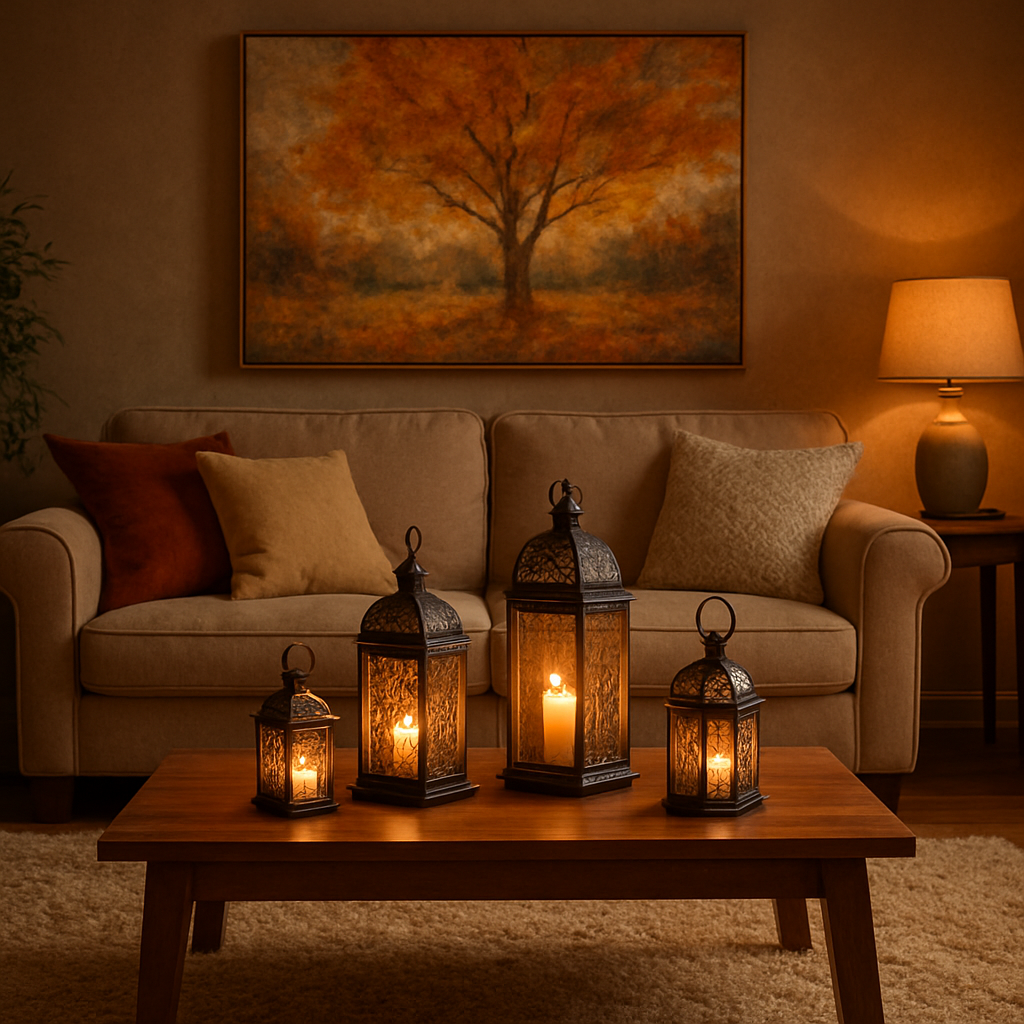
Remember when you first stepped into that living room and felt the instant pull of a single hue? That moment is what a good colour palette should echo—an invitation to feel, not just see. It’s the secret sauce that turns a set of walls into a story you can live in every day.
Start with Emotion
Think about the mood you want to capture. Want a calm, retreat‑like feel? Cool blues and muted greys can do the trick. If you’re chasing excitement and warmth, go for richer tones like terracotta or deep navy with a splash of gold. The trick is to pick one anchor colour that speaks to the emotion you’re after.
Ask yourself, what feels right when you walk into the room? If the space feels too cold, add a pop of warm amber. If it feels too cosy, bring in a cooler accent. The anchor colour is your compass, and the others are the stars that guide you.
Test the Palette in Your Space
Paint a small wall patch or hang a large swatch. Move around it at dawn, midday, and dusk. Light changes the way a colour looks, so watching it in all lighting conditions gives you the real picture. Does that navy turn into a sea of indigo in the afternoon sun? Is that soft blush still gentle after a winter’s glow?
So, what should you do next? Take a photo each light stage and compare. You’ll get a visual reference that you can bring home to a showroom or to a trusted retailer like Harvey Bruce when you’re ready to buy.
Balance Warm and Cool
Once you’ve nailed your anchor, add a balancing hue. A cool teal can cut through a warm room, creating a fresh, balanced vibe. Or a warm amber can soften a cool, minimalist space. Don’t be afraid to mix; the key is to keep the palette under six colours to avoid chaos.
Have you ever felt a room become “busy” after adding too many tones? That’s the sign you need a simple, unified palette. Think of a two‑tone palette as the spine of a novel—essential, but not overbearing.
Layer Texture and Colour
Colours are not the only players; textures give depth. Pair a smooth silk throw in that navy hue with a chunky wool blanket in a complementary neutral. The tactile contrast turns the palette into a sensory experience.
What’s your go‑to texture? A linen pillow in a muted green can soften a bold accent wall. A ceramic vase in a deep terracotta brings the earth element, tying the room’s story together.
Keep the Palette in Harmony
Use a colour wheel to spot harmonious relationships. Complementary colours—opposites on the wheel—give drama but can clash if overused. Analogous colours—next to each other—offer subtle harmony.
Try a quick test: place a small object of each hue side by side and walk around the room. If the colours feel “in sync,” you’ve got a cohesive palette. If they feel like strangers, tweak the ratios or replace one shade.
Here’s a quick cheat‑sheet to keep things simple: anchor colour, secondary, tertiary, accent, neutral, and a touch of metallic. That structure gives you flexibility without overwhelming the space.
And when you’re ready to make a purchase, remember that the right colour can transform more than a wall—it can transform the way you feel each time you enter the room. Keep this palette in mind, test it, tweak it, and you’ll have a living, breathing canvas that feels truly yours.
Step 3: Select Signature Furniture Pieces
Now that you’ve mapped out your mood and palette, it’s time to pick the furniture that will anchor that story. Think of your living room as a stage and the sofa, coffee table, and accent chairs as the actors that bring the drama.
Know Your Room’s Personality
Before you even step into a showroom, ask yourself: what vibe does this space already have? Is it a cosy cottage feel with a fireplace, or a sleek, minimal loft that screams “modern office” when you walk in?
Once you’ve nailed the personality, jot down a list of must‑have pieces. A statement sofa, a carved dining chair, or a vintage credenza can become the room’s focal point. Writing them down keeps you from chasing every new trend that pops up on Instagram.
Scale and Proportion Matter
You can’t just pile a 7‑ft sofa on a small living room and hope it looks right. Measure the room, doorways, and windows, then compare those dimensions with the furniture’s size. A quick rule of thumb is to leave at least 2 feet of clearance around each major piece so the room feels open.
Try placing a mock‑up of the sofa on a large piece of paper cut to scale and walk around it. If you feel cramped, pick a smaller model or a mid‑section sofa that fits the space better.
Material Matters
Choosing the right material is a subtle art. High‑grade walnut or mahogany gives a sense of luxury, while sustainably sourced bamboo offers a lighter, eco‑friendly vibe.
Think about how the material will hold up in the long term. Will it scratch under a child’s toy or resist pet nails? If you have a busy household, consider upholstery that’s stain‑resistant and easy to clean.
For a deeper dive into custom furniture benefits, this article from Uhlmann’s Home Furnishings explains why bespoke pieces can add value and durability.
Mix & Match with Accessories
Once the main pieces are in place, you can layer textures and colours with lamps, rugs, and artwork. A plush wool throw on a leather sofa or a metal lamp in a glass base can tie the palette together.
Use a single accent colour on a chair cushion or a throw pillow to keep the space from feeling scattered. This technique works great in rooms where the furniture is the star; the accessories become the supporting cast.
Sustainability & Longevity
Many homeowners today want furniture that lasts. Look for items with solid wood cores, reversible cushions, and refillable finishes. A piece that can be refurbished or re‑upholstered keeps the investment alive for decades.
One source that champions the importance of bespoke, long‑lasting furniture is this guide from Dwell & Oak, which outlines how custom pieces can reflect your values while staying chic.
Final Touches & Personalisation
Now’s the moment to add that personal twist: a hand‑knit rug, a vintage vase, or a custom‑engraved sideboard. These details make the space uniquely yours.
When you’re ready to purchase, bring your measurements, mood board, and a clear list of priorities to the retailer. Ask for a sample fabric or a rough sketch of the piece; seeing the actual material can save you a costly return.
And remember, the goal isn’t just to fill a room—it’s to create a home that feels like the first page of your favorite book. Trust your instincts, keep the scale in mind, and let the furniture speak for itself.
Step 4: Add Texture and Layered Accessories
So you’ve nailed your colour palette and picked that cosy sofa. Now it’s time to give the room a heartbeat with texture and accessories. Layering is less about piling things on and more about weaving feel into the space. You’ll notice the change before you even touch a rug.
Start with a tactile base
Choose one piece that feels right under your fingertips. Think of a chunky wool throw or a silky linen cushion. The material should match the room’s mood—soft and warm for a relaxed vibe, crisp and cool for a modern edge.
Add a statement rug
Rugs anchor the furniture and pull the colour story together. A Persian‑inspired pattern can add depth without clutter, while a plain wool runner keeps the focus on the furniture. Place it so the front legs of the sofa rest on it; that subtle shift instantly defines the seating area.
Layer with small accents
Accessories are the seasoning of design. A bronze lamp, a woven basket, and a stack of books can each introduce texture. Rotate them between rooms to maintain flow—what works in the living room should echo in the dining area.
Use natural materials for continuity
Wooden frames, glass vases, and terracotta pots bring an organic feel that ties the palette together. When you mix metal with wood, keep the finish consistent—brushed brass on a lamp, gold‑rimmed frames, and a copper candle holder will feel intentional.
Don’t shy away from contrast
Contrast adds visual interest. A smooth marble side table against a rough‑handled ottoman feels like a conversation between old and new. The trick is balance—one bold item doesn’t overpower the whole room.
Consider scale and proportion
A large tapestry can dominate a small space; a tiny pendant light can look lost in a high‑ceiling loft. Measure the room first, then choose accessories that fit the scale. A quick paper cut‑out of the wall will help you visualize placement.
Texture as a storytelling tool
Every texture tells a story. A knitted throw suggests coziness, a silk lamp shade hints at elegance, and a woven basket feels earthy. Pick textures that reflect your lifestyle—if you love weekend hikes, a leather chair might feel right.
Mix and match with intention
Think of the room as a narrative. Start with a bold statement piece—maybe a sculptural lamp—and then add softer layers that echo the primary colour. The result is a cohesive yet dynamic space.
Use lighting to enhance texture
Soft, warm lighting makes a plush rug look luxurious, while cool light highlights a matte ceramic pot. If you have dimmers, play with intensity to bring textures to life at different times of day.
Incorporate seasonal textures
Swap out a wool blanket for a lightweight linen throw in summer. A pumpkin‑scented candle can add aroma and texture to the air. Seasonal changes keep the room feeling fresh without a full redesign.
Don’t forget the floor
Carpet runners or area rugs not only define spaces but also add warmth underfoot. A runner with a subtle pattern can be a quiet nod to the room’s colour scheme without stealing the spotlight.
Test before you commit
Take swatches home. Hang a fabric corner on the wall and step away. Look at it in morning light and after sunset. This simple exercise will tell you if the texture feels right in the room’s real lighting.
Layer in layers of scent
Candles, diffusers, and fresh linen add another dimension. A lavender candle on a side table can transform a neutral space into a calming retreat. Layering scent is like layering texture—it creates depth.
Use mirrors strategically
A reflective surface can amplify light and make textures pop. Place a framed mirror near a window to catch daylight on a patterned rug, turning it into a focal point.
Keep the flow between rooms
If your hallway feels disconnected from the living room, introduce a rug that echoes the living room’s texture. Small details like a matching set of coasters or a shared plant can stitch the spaces together.
Document your journey
Take a photo of each change. When you’re ready to add more pieces, you’ll have a visual diary that shows what works. This is a great way to stay on track and avoid buying things that clash.
Wrap it up with a personal touch
At the end, the room should feel like an extension of you. Add a handcrafted vase, a piece of art you love, or a family heirloom. These items tie the texture layers into a narrative that feels uniquely yours.
Ready for the next step?
Now that the texture story is in place, you’re set to explore how to curate your final accessories. Think of each piece as a character that plays a part in the room’s story.
Further Reading
For a deeper dive into layering textures, colours and patterns, check out Justine Sterling’s guide, which walks through the process from choosing fabrics to arranging the final look.
Step 5: Final Touches and Personalization
Now that your palette, furniture, and textures are in place, it’s time to make the room feel unmistakably yours.
Think of this stage as the last brushstroke on a painting. A small detail can flip the whole mood, so we’re going to lean into that.
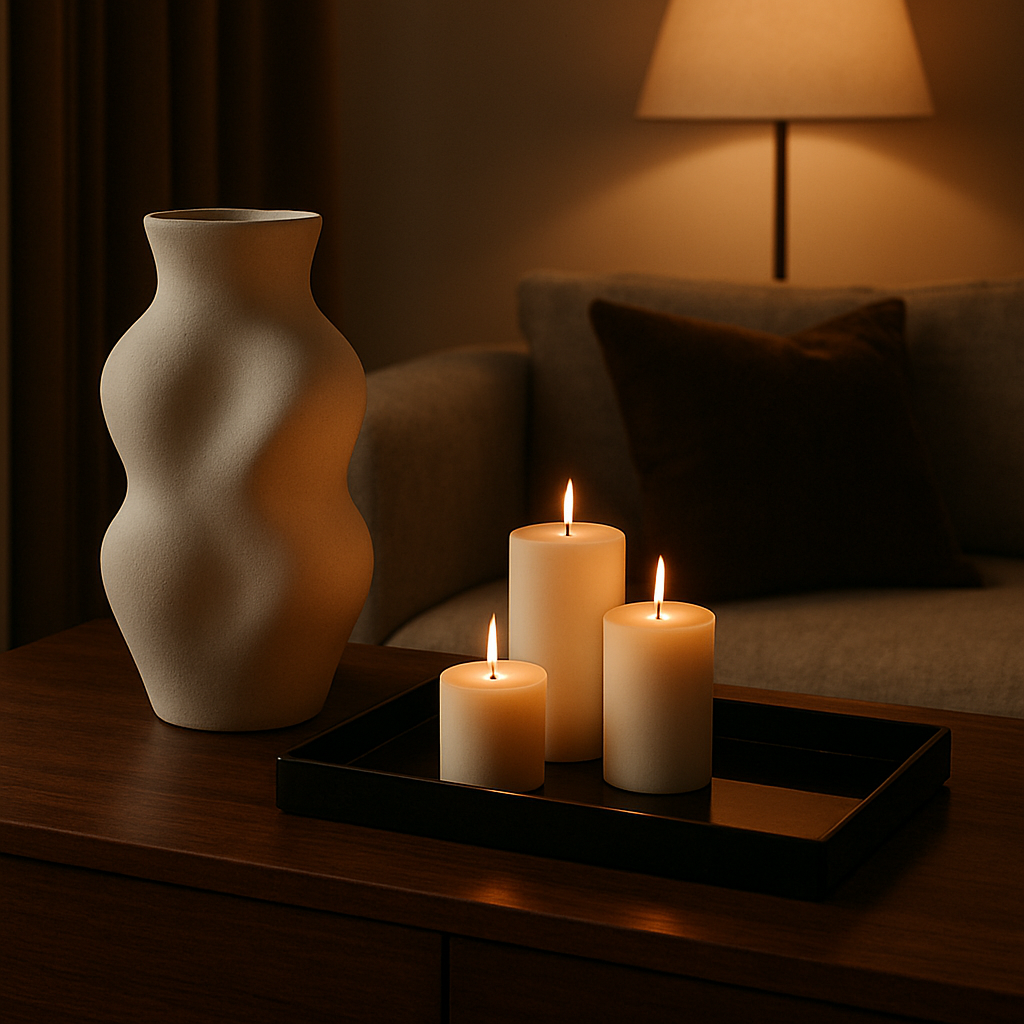
First off, let’s talk about focal pieces. A statement vase or a sculptural lamp can become the room’s eye‑catcher. In our experience, the right accent draws the eye and anchors the story.
Do you want a conversation starter or something subtle? If it’s a conversation piece, go big—think a large KRB Ball Foot Vase or a bold chandelier from our lantern collection. For a quieter vibe, a delicate ceramic bowl or a slim glass pendant works wonders.
Here’s a quick decision helper:
| Goal | Item type | Why it fits |
|---|---|---|
| Make a statement | Large sculptural vase | Immediate visual impact |
| Keep it subtle | Thin glass pendant | Adds light without drama |
| Blend with texture | Textured candle holder | Matches woven or natural accents |
Now, layering scent is a game‑changer. A single candle can soften a space, but a scent diffuser paired with a scented candle turns the room into a sensory experience.
What’s your favourite smell? A citrus burst for freshness, or a vanilla‑oak for coziness? Pick a scent that tells you how you want to feel when you walk in.
We’ve seen that a well‑placed scented candle, especially from our curated candle collection, can instantly lift a room’s atmosphere.
Next, let’s touch on accessories that double as functional art. A tray from the Lacquer Company can hold remote controls, keys, or a stack of books while adding a glossy finish.
Do you have a small table or shelf where you can display a tray? If not, a stack of books on a sideboard can be just as striking.
Now, think about the flow between rooms. A matching set of coasters or a shared plant can tie spaces together, making the whole home feel cohesive.
Remember, the goal is not to overload the room. Choose one or two statement accessories that resonate with your style.
Take a step back and look at how the pieces interact. Does the room feel balanced? Do the textures and scents feel harmonious? If anything feels off, swap one element for another.
In the end, the finishing touches are what make the space feel lived in. A handmade vase, a family heirloom, or even a photograph that tells a story can transform a room into an extension of you.
Do you want to keep the vibe fresh? Swap out seasonal accessories—light linen throws in summer, chunky wool in winter—to keep the space feeling dynamic without a full redesign.
And if you’re curious about how to source unique pieces, consider reaching out to our team. We curate bespoke items that align with your vision.
For more inspiration on finishing touches, check out the conversation on finishing touches in The Essential List: Sarah Lederman’s guide to finishing touches for home. If you’re looking to add a custom canvas or unique wall print, CanvasChamp offers a range of affordable options: CanvasChamp home decor prints.
FAQ
What are the first things I should consider before buying a new piece of home decor?
Start with the room’s purpose and the mood you want to create. Ask yourself, “Do I want calm, excitement, or a touch of nostalgia?” Then think about scale—does the item fit the wall or furniture without crowding? Finally, check the material for durability and ease of maintenance, especially if you have pets or kids in the mix.
How can I choose a colour palette that feels cohesive across multiple rooms?
Pick an anchor hue that speaks to the emotion you want—soft sage for calm or burnt orange for warmth. From there, select two or three complementary shades, keeping the total palette under six colours to avoid visual clutter. Use sample swatches in each room’s lighting; this lets you see how the palette behaves from morning to evening.
What’s the best way to layer textures without making the space feel cluttered?
Start with a neutral base—think linen sofa or wooden coffee table. Add one statement texture like a chunky wool throw or a smooth silk lamp shade. Then sprinkle in small accents such as a ceramic vase, a woven basket, or a metal lamp. Keep the quantity low; each item should feel like a deliberate choice rather than an afterthought.
When is it worth investing in bespoke or limited‑edition homeware pieces?
Bespoke items shine when you want a unique focal point that reflects your personality. They’re especially useful for high‑traffic areas where durability matters, like a custom footstool under a lounge chair. Limited‑edition prints or ornaments can become heirlooms—think of them as a story you’ll tell future generations about the place you called home.
How do I maintain a high‑quality home decor collection over time?
Regularly dust and clean surfaces, and protect fragile items with glass or acrylic covers. For textiles, rotate throws and cushions seasonally to keep the texture fresh. Keep a small stash of repair kits for minor scuffs on wood or upholstery. And, every few years, reassess whether each piece still speaks to the room’s evolving mood.
What are the common mistakes homeowners make when adding new accessories?
People often buy in bulk without a plan, leading to visual noise. Another pitfall is ignoring the room’s scale—tiny ornaments can feel lost on a large wall, while oversized items can overwhelm a small space. Finally, neglecting the balance between function and décor means you may end up with beautiful but impractical pieces.
How can I keep my home decor feeling fresh without a full redesign?
Swap out seasonal accessories—think linen throws in summer, wool blankets in winter. Rotate artwork or swap frames to refresh the visual narrative. Add a pop of scent with candles or diffusers that match the current mood. These small changes can transform a room’s energy while keeping the core layout intact.
Conclusion
We’ve taken a tour from mood boards to the final flourish. Every step—choosing a colour that feels like home, selecting furniture that tells a story, layering textures that invite touch—builds a space that speaks to you.
What’s the key takeaway? The most powerful décor isn’t about chasing trends; it’s about anchoring each choice to your daily life. When you pick an accent that reminds you of a summer walk or a cosy kitchen memory, the room starts to feel lived‑in before you even set a cushion down.
So, how can you make that happen today? Start by scanning your room for that single element that makes you pause—maybe it’s a window view, a light source, or a scent you love. Use it as the north star for colour, material, and scale.
Need a quick sanity check? Lay a swatch on the wall, walk around, and ask yourself, “Does this feel right when the sun moves across the room?” If the answer’s yes, you’re on track.
And remember, the beauty of Home Decor is its flexibility. Swap a throw in winter for a linen one in summer, rotate a frame, or add a fresh candle. Small, intentional tweaks keep the space feeling new without a full redesign.
Ready to take the next step? Gather your mood board, grab a paint sample, and let your home tell its own story. The best designs are the ones you can’t help but love every day.
← Older Post Newer Post →