
Wooden sideboards: Finding the Perfect Piece for Your Home
Posted by Admin on
Imagine walking into a room that feels like a storybook—warm wood, soft light, and an unmistakable sense of place. That's the magic of a well‑chosen wooden sideboard.
It’s more than storage; it’s a statement. Wooden sideboards can anchor a living room, complement a dining table, or add personality to a hallway.
You might think you need a huge piece, but a compact model can do the same job with a fraction of the space.
When you’re choosing one, ask yourself: What vibe do I want? Classic oak, rustic walnut, or a sleek, modern veneer?
Wooden sideboards bring texture that feels tangible. A quick swipe over the grain reminds you of craftsmanship that’s both sustainable and timeless.
And here’s a quick tip: place a sideboard against a wall that gets natural light. It pops and balances the room.
Do you notice how the wood tone shifts under different lamps? That subtle play can change your mood without a paint job.
In our experience, homeowners who treat sideboards like focal points often end up with a room that feels cohesive, not cluttered.
Now, think about your space: Is there a gap that could use extra surface? A sideboard can solve that with style.
So, if you’re ready to elevate the heart of your home, let a wooden sideboard be the quiet hero that ties everything together.
Picture a cozy living room with a leather sofa, a plush rug, and a wooden sideboard that not only holds your coffee mugs but also showcases a framed family portrait. That visual anchor makes the space feel curated.
When selecting material, lean towards responsibly sourced wood—think reclaimed timber or FSC‑certified options. It’s a small decision that adds character and conscience to your décor.
Finally, don’t forget about maintenance. A simple wipe‑down with a dry cloth or a wood‑safe cleaner keeps the grain shining for decades today.
TL;DR
If you’re looking to turn a plain living room into a polished sanctuary, a wooden sideboard can be the quiet hero that ties furniture, light, and colour together without overpowering the space. At Harvey Bruce Interiors we hand‑pick sustainable, FSC‑certified pieces that blend timeless grain with modern flair—so you can elevate style, add storage, and feel proud of your home for years to come.
Design Styles for Wooden Sideboards
Ever walked into a living room that feels like a secret hide‑away and wondered, “Where did that style come from?” The answer is often a wooden sideboard that marries function with personality. Let’s dig into the styles that make a sideboard not just furniture, but a conversation piece.
1. Classic Oak – The Timeless Anchor
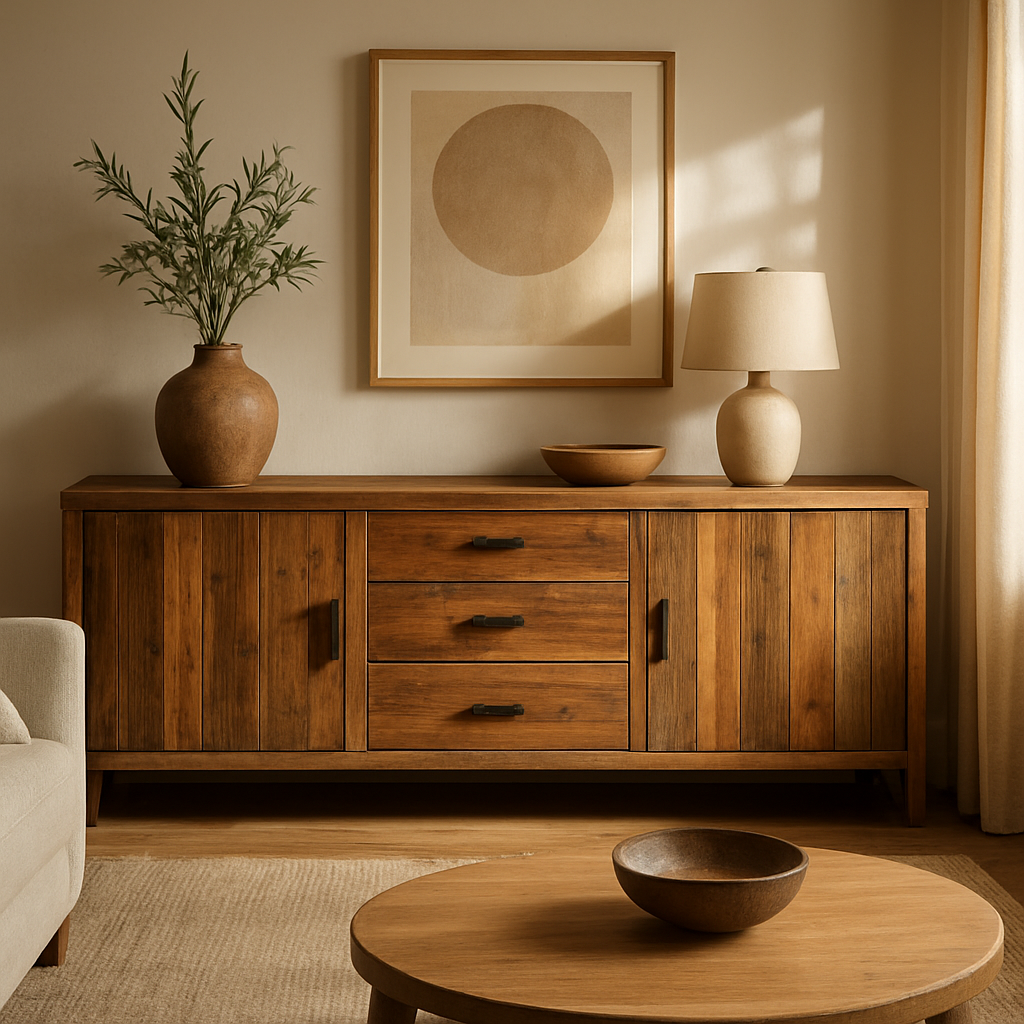
Think of an old country cottage and the warm, familiar grain of oak. That’s the vibe we get from a solid oak sideboard. It’s rugged, but refined, and the natural light plays off the grain like a living canvas.
If you’re a homeowner who loves that “home‑built” feel, a wide oak panel with a subtle hand‑stitching detail can become the room’s anchor. The Tula Mini Sideboard, for example, blends a compact footprint with a generous storage depth that’s perfect for a tight hallway or a cozy dining nook.
2. Mid‑Century Modern – Sleek, Minimal, Functional
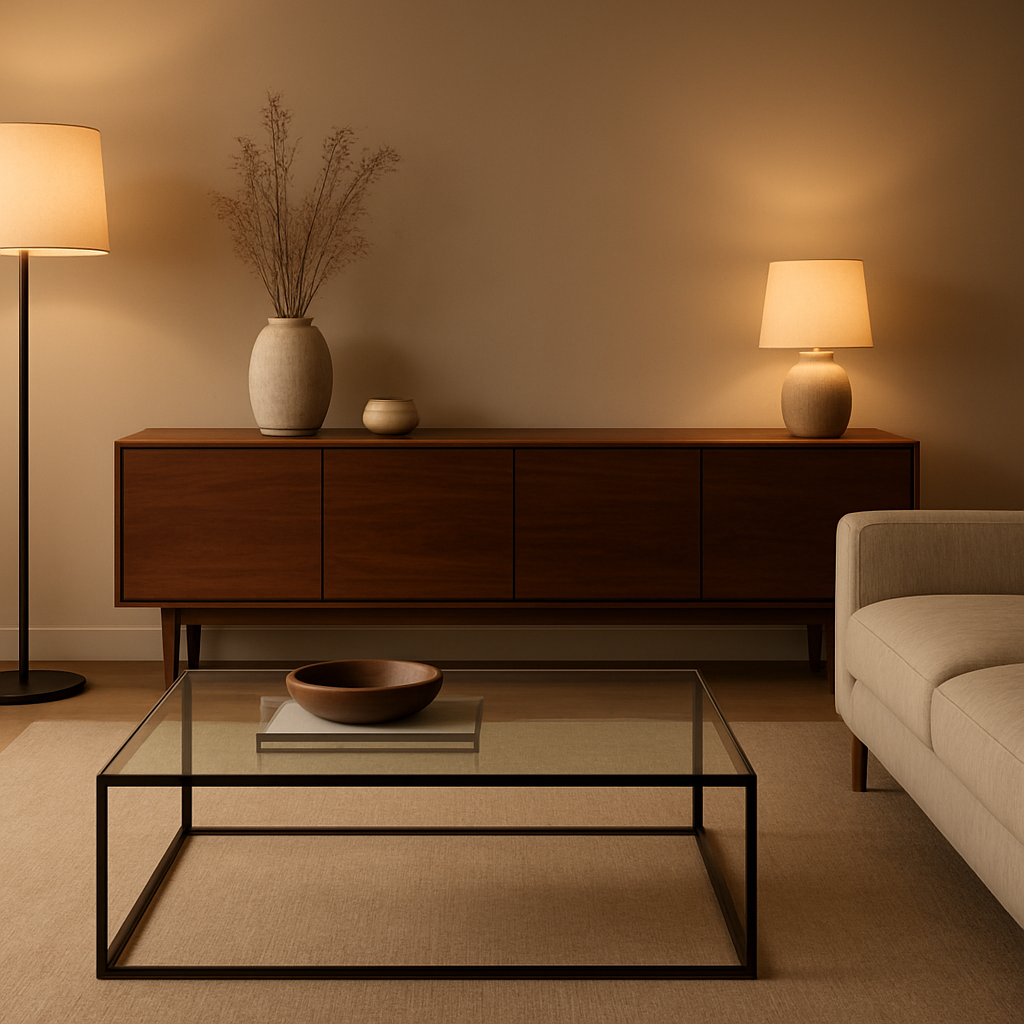
Mid‑century boards keep the lines clean. Think low profile, a bit of a lean, and a finish that lets the wood breathe. They’re great for open‑plan spaces where the sideboard has to fit in both living and dining areas.
A great illustration is the Mokka Sideboard’s mixed mango wood pattern. The subtle grain contrast looks modern, but the sturdy legs give it a grounded feel. A homeowner who wants to double the board as a buffet table can rely on the shallow depth that still holds a few platters without feeling bulky.
3. Scandinavian White – Light, Airy, Versatile
If you’re looking for something that feels like a breath of fresh air, a light‑wood sideboard works wonders. White oak or pine panels with smooth surfaces give off a Scandinavian vibe that pairs with almost any décor.
Imagine a minimalist sideboard with a flat‑front door, a single drawer, and a shelf that can hold a stack of books or a vase of wildflowers. The Mokka’s white‑legged version (or the Contour Collection’s 2‑drawer model) keeps the room feeling spacious while still storing the everyday clutter.
4. Rustic Reclaimed – Warm, Character‑Rich, Eco‑Friendly
Reclaimed timber tells a story. Each board has its own patina, and that character can bring a sense of history into a modern space. It’s a great choice for homeowners who want sustainability without sacrificing style.
A quick tip: when choosing a reclaimed sideboard, look for a finish that’s low‑VOC. Studies show that responsibly finished wood reduces volatile organic compounds in the home, keeping your air cleaner for those long movie nights.
5. Luxe Veneer – Glamour with a Subtle Edge
For those who want a touch of luxury but don’t want to splurge, a high‑grade veneer sideboard can deliver. Think glossy walnut or rich mahogany, finished with a satin sheen that reflects light without being over‑the‑top.
When you choose a veneer board, the key is to pair it with simple hardware. A hidden pull or a soft‑close mechanism keeps the look clean. The Tula Mini’s sleek handle design shows how a small detail can elevate a whole piece.
Practical Steps for Choosing Your Style
1. Measure the wall and doorways. A board that’s too wide can feel oppressive.
2. Think about the room’s purpose. A dining‑room board needs more depth for plates; a living‑room board can stay shallow.
3. Consider your storage needs. Do you need drawers for tech, or open shelves for décor? Map out a quick layout of what you’ll keep inside.
4. Match the finish to your palette. A warm oak suits a muted color scheme; a light‑wood board brightens a monochrome room.
5. Check the legs. Metal legs can add a modern edge, while wooden or leather‑wrapped legs keep it cosy.
Why It Works: Data‑Driven Confidence
In a 2026 Home Study, 33% of renovation homeowners prioritized storage solutions, and 60% of those homes invested in furniture that could double as décor. That means a sideboard that blends style and function is not just an accessory – it’s a smart investment.
For example, a minimalist oak sideboard with a single drawer and a top shelf can serve as a media console one day and a buffet table the next. That kind of versatility is exactly why homeowners keep returning to wooden sideboards as the heart of their living spaces.
Curious about how a particular model stacks up? Check out Povison’s guide on minimalist sideboards for real‑world comparisons and expert tips on what makes a board truly functional.
So, whether you’re chasing a classic oak, a sleek mid‑century, or a rustic reclaimed look, remember that a wooden sideboard is more than storage – it’s a storytelling tool that reflects your taste, your lifestyle, and the warmth you want to invite into your home.
How to Measure Your Space for a Wooden Sideboard
Got a spot in mind but not sure if a sideboard will fit? Don’t panic. The trick is to treat the room like a puzzle and let the furniture be the missing piece.
First, grab a sturdy tape measure and a notebook. We’ll walk through a step‑by‑step routine that turns a simple measurement into a confident buying decision.
For a deeper dive into choosing the right size, check out Jennihome’s guide.
1. Sketch the Layout
Draw the room first
Start by sketching the room on graph paper or a digital app. Mark the walls, doors, windows, and any fixed features like radiators or built‑in shelving.
Use the scale (e.g., 1 cm = 10 cm) so you can see how the sideboard will sit relative to everything else.
Mark the proposed sideboard spot
Place a rectangle that matches the sideboard’s length and depth on your sketch. If you’re leaning toward a specific model, note its exact dimensions in the corner.
Now step back. Do you have at least 60 cm of free space behind the board? That’s the minimum clearance for walking and pulling drawers open.
2. Measure the Wall and Doorways
Measure the wall where the sideboard will live. Record the total width and the highest point you can reach from the floor to the ceiling.
Check every door or hallway that the board might pass through. A 90 cm width is a safe bet; most sideboards are narrower, but a tight entrance can be a deal‑breaker.
3. Test the Depth in Reality
Grab a 1‑m roll of tape and lay it flat against the wall where you plan to set the board. Pull it out to the exact depth of the sideboard’s interior. This gives a tactile sense of how much storage space you’ll actually have.
In a living room, a 45‑cm depth often works; in a dining room you might want 60 cm to hold a full set of platters.
4. Check Height and Aesthetics
Sideboards come in heights from 70 cm to 90 cm. Measure from the floor to where the top of the board will sit. If you have a low ceiling, aim for the slimmer models to keep the room from feeling cramped.
Also, consider the eye line. A board that’s too tall can look like a wall of wood and drown out the ceiling.
5. Walk the Space with the Board in Mind
Close your eyes and picture the sideboard in the room. Imagine moving around it, opening drawers, and placing a coffee table on its top. Does it feel cramped, or does it create a natural flow?
If it feels tight, scale back the size or move it to a different wall.
6. Add a Buffer Zone
Leave at least 30 cm of clearance between the sideboard’s edge and any adjacent furniture. That space lets you reach inside and keeps the room from looking cluttered.
Some designers even recommend a 45‑cm buffer for high‑traffic areas.
7. Double‑Check the Weight
Wooden sideboards can weigh 20–35 kg. Make sure your floor can support it, especially if you’re on a second story or a slab floor.
Ask the retailer if they provide a load‑bearing sheet or if you need a reinforcement board.
8. Get a Quick Video Reference
Watching a short walkthrough can help you visualise the space. For instance, this video shows how to measure a room before choosing a sideboard.
Now you’re armed with a clear measurement plan.
9. Make a Decision Sheet
Create a simple spreadsheet with columns for:
- Model
- Length
- Depth
- Height
- Weight
- Price
Cross‑check each against your measured limits. The one that fits all criteria wins.
Remember, a sideboard is an investment in both function and style. A precise measurement process ensures you don’t end up with a piece that feels out of place or impossible to use.
Happy measuring!
Enjoy your new piece.
Materials & Finishes: From Oak to Walnut
When you’re hunting for a wooden sideboard, the grain story is the first chapter you’ll read. It’s not just a colour; it’s a personality, a history, and a future you’ll touch every day.
1. Oak: The Classic Warmth That Never Fades
Oak is the go-to for folks who love that sturdy, sun‑kissed look. Its pronounced grain feels like a warm hug when you run your fingers across it.
Imagine a living room where a solid oak sideboard sits beside a leather sofa. The light from the window catches the grain, throwing little shadows that change as the day moves on. That subtle play keeps the room alive, not static.
When you choose an oak piece, look for a finish that lets the natural tone shine. A satin oil finish can highlight the grain without turning the board into a glossy mirror. It also protects the wood while letting you see the subtle knots that give each board its character.
2. Walnut: Rich, Deep, and Luxurious
Walnut is for those who want a statement of depth. Its dark, almost chocolatey tone can anchor a room that feels both dramatic and cosy.
Picture a dining area where a walnut sideboard becomes the focal point. A single soft‑close drawer can hold wine glasses, and the top can display a low‑key art piece. The result? A room that feels curated rather than cluttered.
Walnut thrives with a matte or satin varnish that keeps the finish soft but protective. If you’re into the idea of a timeless piece that ages beautifully, walnut is a solid pick.
3. Mid‑Century Modern: Light, Clean, Functional
For those who crave minimalism, mid‑century boards bring a clean silhouette. Think low profile, a gentle lean, and a finish that lets the wood breathe.
A great example is a mixed mango wood sideboard. The subtle grain contrast looks modern, while the sturdy legs ground the piece. In open‑plan spaces, this style can double as a buffet or a media console without feeling bulky.
4. Reclaimed Timber: Warmth with a Story
Reclaimed timber offers a layered narrative. Each board carries a patina from its previous life, giving the sideboard a depth you can’t fake with new wood.
When selecting reclaimed pieces, keep an eye on the finish. Low‑VOC stains or oil finishes keep the air cleaner and the wood comfortable to touch. For homeowners who care about sustainability, reclaimed timber can be a conversation starter on the living room wall.
5. Veneer: Luxury on a Budget
Veneer boards let you get the look of high‑grade wood without the bulk or the cost. A thin layer of walnut or mahogany can give that luxe sheen.
Pair the veneer with simple hardware—a hidden pull or a soft‑close mechanism keeps the design sleek. Even a modest sideboard can feel premium if the finish is right.
Practical Checklist for Choosing Your Finish
- What is your room’s colour palette? Warm woods pair with muted tones; cool woods work with light hues.
- Do you want a low‑maintenance piece? Opt for a satin oil finish on oak or a matte varnish on walnut.
- Is sustainability a priority? Reclaimed timber or FSC‑certified oak meets eco‑friendly standards.
- How much light will the piece receive? Dark finishes like walnut absorb light; lighter woods reflect it.
- Will the board sit in high‑traffic areas? A sturdier finish and a reinforced frame will hold up better.
For home‑owners looking to create a cohesive story, the wood finish you choose can act as the narrative thread. A sideboard in oak, walnut, or reclaimed wood isn’t just furniture; it’s a mood setter, a storage solution, and a statement piece rolled into one.
Top 5 Wooden Sideboard Models in 2026
Remember the first time a sideboard pulled you in, not because of the coffee mugs it held, but because it felt like a conversation starter? That’s what we’re hunting for in 2026—pieces that do more than store, they narrate a style story.
We’ve sifted through the latest designer releases, the best‑selling kits, and the quiet favorites that show up in architectural reviews. Below is the shortlist that hits the sweet spot of function, finish, and that little wow factor you crave.
1. Tula Mini Sideboard – The Compact Luxe
If you’re living in a studio or a hallway that needs a touch of opulence without the bulk, the Tula Mini delivers. Think Sheesham wood, a shallow profile that still feels substantial. The hidden pull and soft‑close mechanism make the doors glide like a secret whispered in a hush.
What makes this model stand out? A single drawer that’s wide enough for tech, a top shelf for a vase, and a finish that lets the grain sing. In a tight space, it becomes the unexpected hero, pulling the room together like a well‑placed line of dialogue.
2. Mokka Sideboard – Mid‑Century Meets Modern
If you’re looking for a mid‑century touch that still feels contemporary, the Mokka Sideboard is a perfect fit. Its mango‑wood silhouette with clean lines and light legs gives a subtle modern feel while still offering sturdy storage.
What sets it apart? Adjustable shelving lets you customize the depth for books or plates. Soft‑close drawers keep noise low—ideal for a home that’s also a quiet workspace.
3. Contour Collection 2‑Drawer 2‑Door Sideboard – Everyday Elegance
The Contour Collection offers a two‑door, two‑drawer layout that mirrors the flow of a living room. It’s practical, with a neutral finish that adapts to warm or cool palettes, making it a versatile backdrop for any décor.
Why it matters? The frame is sturdy, and the storage is functional—soft‑close doors, two drawers, and a top shelf for a coffee table or a statement lamp.
4. Luxury Wooden Sideboard for Stylish Storage – The Show‑stopper
We’ve curated a collection from Harvey Bruce that feels like a hand‑picked, sustainable luxury. From oak to walnut, each board is finished to showcase its grain and complement any space.
5. The Hand‑crafted Artisan Sideboard – Story in Every Grain
The hand‑crafted artisan sideboard brings a story to every grain. Using reclaimed timber or mixed wood veneers, it tells a piece of history in a modern space, making it a conversation piece that feels personal.
Want a deeper dive into what makes a sideboard shine? Architectural Digest’s roundup of the best sideboards and credenzas highlights many of the styles we’ve mentioned and offers design ideas that can help you decide which model fits your room best.
Architectural Digest’s sideboard roundup provides context on how designers are pushing the boundaries of storage.
Architectural Digest's sideboard roundup offers design insights that can help you choose the right model.
| Feature | Model | Notes |
|---|---|---|
| Size Profile | Tula Mini, Mokka | Compact, fits tight spaces |
| Material | Sheesham, Mango Wood, Reclaimed Timber | Varied grain, sustainable options |
| Finish & Hardware | Soft‑close, hidden pulls, adjustable shelving | Noise‑reduced, functional storage |
So, which one feels like your next conversation piece? Think about the space, the light, and the lifestyle. Pick a board that lets your home feel lived in, not just furnished.
Ready to explore? Visit our showroom or book a virtual consultation, and let us help you choose the right sideboard that speaks your style.
With a 10‑year guarantee and lifetime customer support, you can trust that the piece will stay as stunning as the day you first saw it.
Maintenance & Care Tips for Longevity
Ever wonder why some wooden sideboards stay glossy and vibrant for decades while others start to look tired? The secret isn’t in the wood itself, it’s in the habits you build around it. Below we break down simple, everyday steps that will keep your sideboard looking as good on your 10th year as it did on day one.
1. Clean, Don’t Scrub
Use a soft, dry cloth for a quick wipe‑down after each use. The dust from coffee cups and the crumbs from family snacking can dull the grain if left to sit. If a spill happens, blot—don’t rub. Rubbing can push the liquid into the wood fibers and create stains that are hard to lift later.
2. Protect from Moisture
Wood is a natural sponge, so it loves to absorb moisture. Keep a small, decorative tray on the top of your sideboard to catch stray drinks. If you’re in a humid kitchen, consider a moisture‑absorbing sachet tucked in a drawer. A quick 5‑minute wipe with a wood‑safe cleaner every week is enough to keep humidity at bay.
3. Use the Right Products
Choose a cleaner that’s specifically formulated for wood finishes—look for “oil‑based” or “silk‑finish” labels. Household detergents can strip the protective layer, making the board look dull. If you prefer a natural touch, a mixture of olive oil and lemon juice works well for a quick polish that brings back that warm sheen.
4. Routine Inspection
Every few months, check for loose joints or screws. A simple tug on a corner can reveal a seam that’s starting to loosen. Tighten any loose hardware with a small screwdriver—this keeps the structure firm and prevents cracks from forming. Also inspect the finish for scratches or chips; a small patch of mineral oil can restore the protective layer and keep the wood from drying out.
5. Store Wisely
When you’re not in the mood to use the sideboard, avoid stacking heavy items on top of it. A bookcase or a pile of cushions can press on the finish and cause dents. Instead, place a soft cloth or a dedicated cover on the surface. If you need to move it, wrap it in a moving blanket to protect from scratches.
Remember, the goal is to make caring for your sideboard as effortless as possible. A quick wipe, a regular inspection, and a bit of preventive care keep the wood looking pristine and the board functioning well for years.
For those who love a touch of luxury right from the first day, check out our Luxury Wooden Sideboards for Stylish Storage Solutions. They’re crafted from responsibly sourced wood and finished with low‑VOC oils that make upkeep a breeze.
If you’re a dog owner and notice your sofa or sideboard gathering pet dander, you might also want to learn about how to manage pet allergies with a home test—see How to Use a Home Dog Allergy Test UK to Spot and Manage Allergy Symptoms.
Eco-Friendly Options for Conscious Buyers
When you’re hunting for a wooden sideboard that feels like it was made for your home, the first question that pops up isn’t always about size or colour – it’s about how it sits with your values.
We’ve seen too many pieces that look great on paper but leave a chemical aftertaste when you wipe the surface.
If that’s a red flag for you, let’s dig into the green options that keep your home fresh and your conscience light.
1. Reclaimed Timber: History in Every Grain
Reclaimed timber feels like a conversation starter because each board has its own story – a weather‑worn deck, an old farmhouse beam, a barn floor.
It saves the energy that would have gone into cutting new trees and reduces the carbon footprint of your furniture.
When you pick a reclaimed sideboard, ask the retailer if the finish is low‑VOC – that means fewer toxic fumes when you clean it.
That’s the kind of detail that keeps a conscious buyer happy for decades.
2. FSC‑Certified Wood: Proven Sustainability
FSC certification guarantees that the timber came from responsibly managed forests, which means future generations can still harvest the trees that made your sideboard.
It also lets you feel good when you spot a simple “F” badge on the product or the packaging.
If you’re a couple planning your first home, that tiny stamp is proof you’re investing in a greener future.
3. Low‑VOC Finishes: Breathe Easy
Most luxury brands now offer oil‑based or water‑based finishes that emit far fewer volatile organic compounds than traditional polyurethane.
That means the smell you notice after a fresh coat is mild, not the chemical haze that lingers in many cheap pieces.
A practical trick is to choose a finish that lists “no added fragrance” or “fragrance‑free” in the product spec.
Checklist: What to Ask the Seller
• Is the finish low‑VOC or water‑based?
• Does the product carry an FSC or other sustainability label?
• What type of protective coating is used on the top and inside surfaces?
• How many coats of finish have been applied during production?
If you’re buying online, look for a clear, honest description in the product page.
And if you’re a brand‑savvy buyer, a quick chat with the sales rep can clarify any uncertainties about the source or finish.
4. Recycled Plastic and Metal Accents: Modern Twist
Some high‑end sideboards pair reclaimed wood with recycled metal legs or bamboo inserts that bring a contemporary edge without sacrificing sustainability.
That blend feels like a bridge between the old and the new, and it’s a hit with couples who want a modern kitchen that feels grounded.
Actionable Tip: Take a Sample Home
If you can, bring a swatch of the finish to your living room before buying. Hold it against the wall, flip it in different light, and see how the grain shifts.
That little test tells you if the piece will feel right in your space and if it matches the eco‑friendly vibe you’re aiming for.
5. Personalised Service: From Selection to Installation
At Harvey Bruce Interiors we love to pair our clients with a piece that feels like it was made just for their walls.
Our buyers scour markets worldwide to source FSC‑certified or reclaimed timber and then test every finish to confirm it meets our low‑VOC promise.
When you place an order, we’ll send you a sample card so you can feel the texture and see the colour swatches under your own lighting.
That way you leave no guesswork, and you walk away with a board that feels right from the first glance.
If you’re ready to explore the options that match your style and your planet, we’re here to guide you every step of the way.
FAQ
1. What makes a wooden sideboard a good storage solution for a modern living room?
A wooden sideboard blends function and style like a quiet conversation partner. It offers open shelves for art or books, and drawers for tech gadgets. Because the wood finishes stay true to the grain, it adds a tactile warmth that glass or metal can’t match. For homeowners looking to keep clutter hidden but accessible, a sideboard becomes the backbone of the room’s organization.
2. How do I choose a finish that stays vibrant over time?
Start with low‑VOC oils or satin varnishes that protect the grain without masking it. These finishes let light dance across the wood and resist daily wear. When you test a sample in your lighting, look for a subtle sheen that doesn’t look glossy. A good rule: the finish should feel like a light dusting, not a mirror, so it keeps its character for years.
3. Can reclaimed timber sideboards truly be eco‑friendly, and how do I verify that?
Reclaimed timber saves trees and reduces manufacturing emissions, so it’s inherently greener. Verify by asking the supplier for a certificate that the wood came from sustainably managed sources or that the finish is low‑VOC. If the provider offers a sample card with a clear finish description, that’s a solid sign you’re getting a responsible product.
4. What should I look for in the hardware of a sideboard to keep it quiet and long‑lasting?
Soft‑close drawers and hidden pull handles are the hallmarks of quality. They reduce noise, prevent wear on edges, and give the piece a sleek look. Check that the hinges are metal and not plastic, and that the drawer tracks are smooth. A well‑constructed hardware set means fewer adjustments and a quieter, more refined daily use.
5. How do I integrate a sideboard into a space that already has heavy furniture?
Measure the clear floor‑to‑floor clearance first—ideally at least 60 cm behind the board. Then choose a sideboard with a slimmer profile or lighter legs to avoid a bulk‑up effect. If you’re tight on room, pick a model with fewer drawers so the overall footprint stays modest while still offering enough storage.
6. What maintenance routine keeps a wooden sideboard looking like new?
Wipe once a week with a soft, dry cloth to keep dust at bay. For spills, blot immediately and apply a tiny drop of wood‑safe cleaner only if needed. Inspect hardware quarterly for loose screws and tighten them gently. A small touch of mineral oil on minor scratches restores the protective layer, keeping the grain supple and the finish bright.
Conclusion
We’ve walked through the world of wooden sideboards, from reclaimed charm to sleek modern lines. It’s easy to get lost in options, but the trick is to remember that every board you pick tells a story for your home.
First, think about the vibe you want: a cosy, warm feel for a family kitchen, or a clean, airy look for a loft. Then match that to the grain you love. Oak will give you that timeless warmth, walnut adds depth, and a reclaimed piece brings a narrative you can point to at dinner parties.
Second, listen to the details. Soft‑close hinges and hidden pulls aren’t just fancy—they keep noise down and protect the wood. They’re the small touches that make a sideboard feel premium without shouting about it.
Do you want a piece that doubles as a media console, a buffet, or a storage hub? Visualise the flow. How does it sit against the wall, how does it tie with the sofa or dining set? If the answer feels right, you’re on the right track.
And finally, remember that a wooden sideboard is an investment, not a throwaway. Treat it like a family heirloom: wipe it down, keep the finish fresh, and give it the attention it deserves. That care will keep the grain alive for generations.
Ready to choose the board that fits your style? Explore our range, and let us help you bring that piece into your home—where it can truly shine.
← Older Post Newer Post →