
Choosing Console Tables: A Practical Review for Modern Homes
Posted by Admin on
Ever walked into a living room and thought, “I wish something could tie this space together?” That’s the spark that pulls us to console tables. They’re not just furniture – they’re a statement, a little stage for your favourite mug or a quick storage spot for keys that keeps the entryway tidy.
Think about the last time you were hosting a gathering and the hallway felt cramped. A well‑chosen console could double as a subtle bar for wine or a stylish display for family photos. It turns a plain walk‑in into a place that feels intentional and warm.
What makes a console table truly shine? Size, material and finish are the core trio. A narrow, slim console keeps the line of sight open, while a wider piece can hold a console lamp, a small plant or a stack of books. If you’re after that cosy, almost secret corner vibe, a walnut finish feels like a quiet invitation to sit and chat.
But we’re not just selling you wood and varnish. At Harvey Bruce Interiors, we source pieces that tell a story of craftsmanship and sustainability. Our collection includes solid wood consoles that can outlast the trends and stay in style for generations. Imagine passing down that piece to your children, and they’ll think of the day you decided to upgrade the hallway.
Still wondering how to pick the right console for your space? Start by measuring the width of your hallway or entryway. Then think about the flow – do you want a piece that sits flush against the wall or one that’s a little off‑center to create a relaxed feel? Finally, match the finish to the rest of your décor: a matte dark finish works with contemporary lines, while a glossy white can brighten a minimalist space.
So, what’s your next move? Grab a piece that feels like an extension of your personality and watch the room transform. The right console table can turn a simple passage into a living, breathing part of your home.
TL;DR
If you’re hunting for the perfect console table, it’s all about size, style, and that little touch that turns a hallway into a highlight. From walnut warmth to sleek white finishes, our curated collection delivers sustainable luxury that feels like elegance—ready to welcome your keys, plants, or a memorable photo‑display.
Step 1: Identify Your Space and Style Needs
We’ve all stood in a hallway and felt that it could use a little personality. A console table can be that spark—something that ties the room together and gives you a spot for keys, a plant or a photo you love. The first thing you do is really get a feel for the space you’re working with.
Start with the numbers. Measure the width and depth of the corridor or entryway. A narrow hallway—say 36 inches wide—won’t handle a chunky piece the way a 72‑inch living room can. Record the ceiling height too; a low ceiling means you need a lower profile to keep the eye line open.
Next, think about how you move through the room. If the hallway leads straight into the living room, you want a console that feels like an extension of that space—so a flush‑against‑the-wall design works well. If you have a landing or a small landing table, an off‑center console can create a relaxed, almost lounge‑like feel.
Function is key. Do you need drawers? Do you want a place to rest a vase, or just a surface? If you’re a dog owner or have kids, a table with a lower edge can keep claws off the finish. And if you’re hosting, a console with a shallow drawer for coasters or a small shelf for a wine rack adds subtle utility.
Now pair that with your room’s aesthetic. A walnut finish looks warm in a rustic kitchen, but a matte black console can add a sleek contrast in a minimalist loft. Look at the paint, the rug, and the furniture—your console should echo those tones or act as a deliberate counterpoint.
If you’re looking to pair your console with a striking piece of wall art, this guide on buying and displaying premium prints can be a lifesaver. Kiss From the Beyond Art Print: Expert Guide to Buying, Framing, and Displaying Premium Wall Art
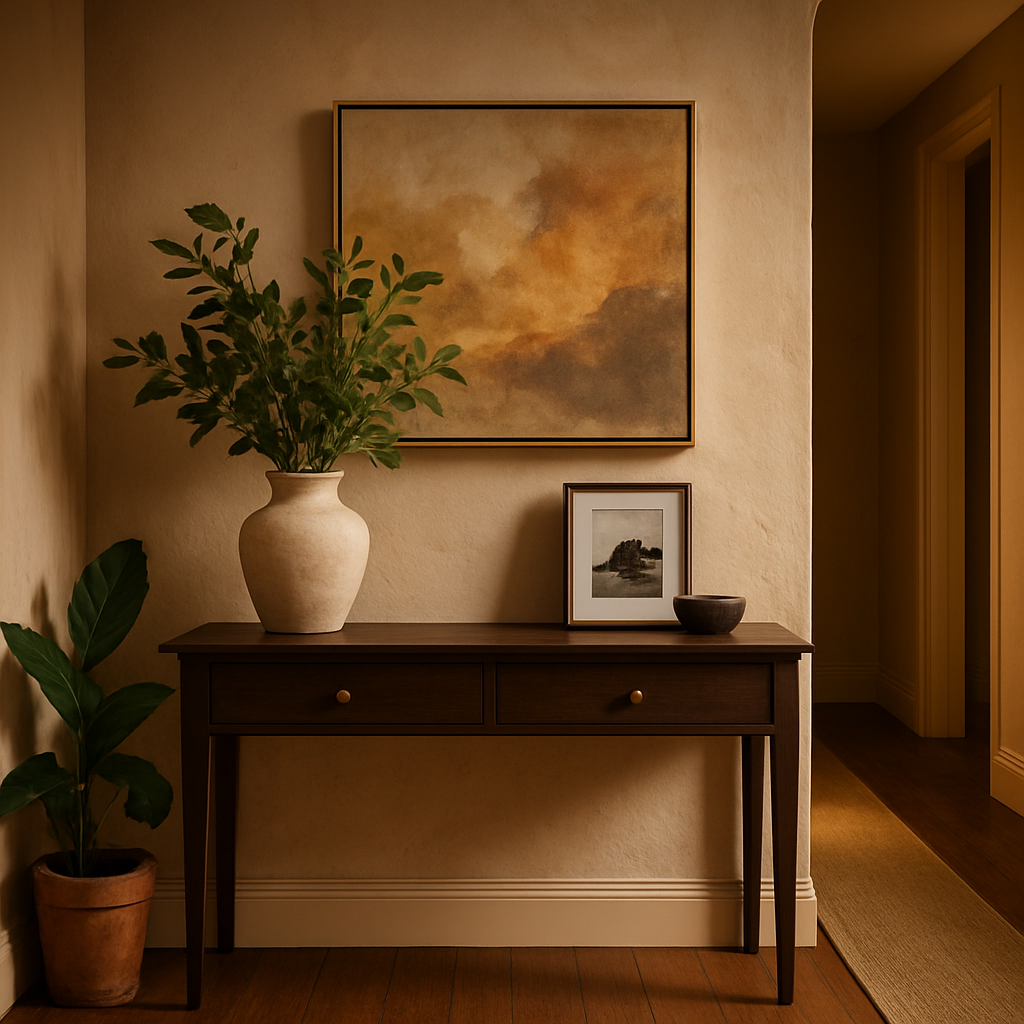
Take a look at two quick scenarios. In a narrow 36‑inch hallway, a slim glass top console will keep the light flowing and make the space feel larger. In a wide 90‑inch living room, a solid‑wood piece with a generous footprint can become the room’s visual anchor, holding a statement lamp or a framed photo.
Material matters. Solid wood offers depth and the ability to refinish if it gets scratched. Engineered wood is lighter and less expensive, but can’t be sanded down as many times. Metal gives a modern edge but needs a good finish to resist rust. Glass is airy but fragile. Pick what feels right for your lifestyle.
One trick I love is using paint swatches. Bring a sample of your wall colour to the showroom or even a printout from home‑decor sites, and see how a console in that hue looks on the walls. Sometimes a muted tone works best; other times, a bold finish can become the room’s focal point.
When you’re ready to shop, bring a photo or a quick sketch of your space. It helps the sales rep understand what you’re after and can save you a trip or two. If you’re shopping online, look for product pages that let you filter by width, height, and finish—Stylish Wooden Console Tables for Every Home offers a great range of options for different needs.
Remember, a console isn’t just a surface. It’s an extension of your style story. Think of it as a storyteller’s desk—something that tells people who you are the first time they step in.
A handy checklist can make the decision easier: Measure the space, decide on flow, list the functions you need, match the style, choose the material, test colours, then shop. Stick to it and you’ll avoid the common pitfall of buying something that looks great in photos but doesn’t fit in your home.
Finally, once you’ve found the right console, set it up in the spot you’ve marked. Put a plant, a stack of books, or a small lamp on it and see how it changes the vibe. You’ll be surprised how a few simple steps turn a hallway into a welcoming entrance.
For those who love symbolic imagery, this comprehensive guide will help you choose the right print. Rebirth Art Print: A Guide to Choosing, Buying, and Displaying Your Symbolic Masterpiece
Step 2: Compare Materials, Finishes, and Durability
We’ve already nailed the size and vibe, but the real magic happens when you pick the right material and finish.
First off, think about the life of the piece. A console that’s going to see a lot of traffic—think kids, pets, or guests—needs a tougher surface.
So, what do you usually see? A solid wood, engineered wood, metal, glass, and sometimes a hybrid of two.
Solid wood
These are the classics. Oak, walnut, cherry—each grain tells a story. Because the wood is real, you can sand it down and refinish it over decades.
In practice, a walnut console from our collection can survive a toddler’s lunch‑time drop and still look good. It’s the same reason many families keep a wooden heirloom for generations.
Engineered wood
This is the budget‑friendly cousin of solid wood. It’s lighter, cheaper, and comes pre‑finished. The downside? You can’t re‑finish it easily.
It’s great for a stylish but temporary look—think renters or a quick refresh. Just remember that a dent or scratch is harder to hide.
Metal or glass
Metal frames give that industrial edge. When finished with powder coating, they’re surprisingly durable. Glass tops look airy but need a protective laminate or tempered glass to avoid scratches.
In a high‑traffic entryway, a metal console can outlast a wood piece if you avoid heavy knocks.
Now let’s talk finishes—because a surface is only as good as its finish.
Matte vs. Glossy
Matte finishes absorb light and hide fingerprints, making them great for kitchens or family rooms. Glossy finishes reflect light and feel sleek, but they’re trickier to keep clean.
Choosing the right tone can also affect the room’s mood. A warm amber gloss can make a hallway feel cozy, while a cool, silvery matte can keep it modern.
Colour and Texture
Neutral shades blend effortlessly, while bold colours make a statement. Texture, like a subtle wood grain or a brushed metal look, adds depth without clutter.
Remember, the finish should echo the rest of your décor. A matte walnut console can anchor a rustic kitchen, whereas a polished brass frame feels right next to contemporary art.
All these variables come together to decide durability.
| Material | Finish Options | Durability Notes |
|---|---|---|
| Solid wood | Matte or glossy stain, satin, or polyurethane | Can be refinished; high resistance to scratches with proper care |
| Engineered wood | Pre‑finished paint or laminate | Less refinishable; resistant to minor dents but can chip |
| Metal / Glass | Powder coat, satin, or tempered glass | Highly durable; metal resists dents; glass needs protective coating |
When you’re ready to shop, it pays to read about how designers view these choices. An article that breaks down why a higher‑priced designer console can outlast cheaper options is a good read here. Also, for narrow hallway solutions and a quick reference to real‑world builds, a handy list of top narrow consoles shows you the range.
So, what’s the takeaway? Pick a material that matches how often you’ll use the console. Solid wood for long‑term family use, engineered wood for a quick look, or metal for that industrial vibe. Pair the finish with the room’s light and style. And remember—if you’re unsure, lean towards a slightly heavier, well‑finished piece that will keep looking good for years.
Ready to choose? Grab a sample board, lay it against your wall, and see how the colour shifts in the morning light. If it feels right, you’re ready to bring home a console that’ll last a lifetime.
Step 3: Evaluate Functional Features and User Comfort
When you’re eyeing a console, it’s not just about how it looks. Think of it as a workbench for your living‑room rituals—keys, a vase, a quick drink, or even a glow‑up for a cosy night. The features you choose can make the difference between a piece that’s a visual statement and one that actually supports your everyday life.
1. Surface and Grip
First off, the surface. A glossy finish feels sleek but can show fingerprints from the toddler who loves sticky juice. Matte or satin gives that low‑glare look and keeps those accidental smudges invisible. If you’ve got pets, a textured top or a protective mat can keep claws from digging into the wood. In our experience, a console with a slight bevel around the edge keeps items from sliding off—no more frantic scrambles for that misplaced remote.
2. Size and Reachability
A console that’s too tall feels like a wall; too short feels like a toy. Test it by standing in your hallway. If you can reach the middle of the tabletop without leaning, you’ve hit the sweet spot. For narrow corridors, a low‑profile table with a shallow depth keeps the line of sight clear. If you love a bit of extra storage, look for a shallow drawer or a built‑in shelf that keeps the surface uncluttered.
3. Built‑in Features that Matter
Modern consoles often come with hidden goodies. A pop‑out drawer for coasters, a pull‑out shelf for wine, or a discreet charging station can elevate the piece from pretty to practical. Lighting is another game‑changer. A light‑up console table can create ambient glow for evenings or serve as a subtle night light for the kids. Think of it as the console’s own personality.
Power and Portability
Do you need a plug‑in spot? Some consoles have a built‑in outlet or a USB hub for charging phones, cameras or smart devices. That’s handy for guests who forget their chargers. If you’re moving a lot, a lightweight design with sturdy legs can make the piece easier to relocate without sacrificing stability.
4. Material Matters
Solid wood gives depth and the option to refinish if it gets scratched. Engineered wood is lighter and more affordable but doesn’t allow for sanding. Metal gives a sleek edge but needs a protective coating to avoid rust. Glass tops feel airy but are fragile unless tempered or laminated. Pick the material that matches how you’ll treat the piece and how often you’ll touch it.
5. Safety for Kids and Pets
Rounded corners, a stable base, and a finish that’s easy to wipe are all parts of a kid‑friendly console. If you have a curious cat that loves to climb, a table with a higher edge and a non‑slip surface can keep it out of trouble. For pets that like to chew, a finish that resists scratches is a must.
6. A Quick Decision Checklist
- Surface finish: matte vs glossy, texture level
- Depth and height: fits hallway and feels accessible
- Built‑in features: drawers, lighting, power outlets
- Material: solid wood, engineered, metal, glass
- Safety: rounded edges, non‑slip base
- Maintenance: easy to clean, durable finish
When you’ve ticked the boxes, you’ll have a console that not only looks great but feels right in your space. It’s the difference between a piece that’s admired from the doorway and one that you’ll reach for every day.
Step 4: Prioritize Eco‑Friendly and Maintenance Considerations
Let’s cut to the chase: a console table isn’t just a pretty face. If it’s going to live in your hallway, it needs to keep its shine without turning into a landfill hero. Think about the first thing you’ll do when you buy it—pick it up, dust it, show it off. How long will that sparkle last?
Choose the Right Finish for Longevity
Solid wood finishes vary from matte to satin to high‑gloss. The trick? Pick one that hides everyday smudges but still feels natural. A satin polyurethane keeps the grain visible while giving a protective shield against fingerprints. For a more eco‑friendly vibe, look for finishes made from water‑based or low‑VOC formulas—those are kinder to your indoor air and the planet.
When you’re handling a piece that will sit in a high‑traffic spot, a finish that can be touched up is a lifesaver. If the surface chips, a small dab of matching product will blend in faster than you can say “damn, that’s a mess.”
Maintenance Hacks that Save You Time and Money
Dusting once a week with a damp microfiber cloth does wonders. Move the cloth along the grain; this prevents tiny scratches that look like a tiny river on the surface. When a spill happens, blot it immediately with a dry towel—don’t let the liquid sit. For wood that’s been treated with a water‑based finish, a splash of mild dish soap diluted in warm water is safe and effective. Dry it right away to avoid water spots.
Every six months, give the wood a little love. Rub in a high‑quality conditioner—think a light oil or a beeswax blend. This replenishes the surface and keeps the fibers supple. If the table is made of veneer, skip the heavy oils; a thin wipe with a soft cloth keeps the finish clean without risking the glue bond.
Preventing Cracks and Warping
Wood likes a stable environment. In the winter, indoor heating can dry out the air, making timber shrink. A small humidifier that keeps humidity between 40% and 50% is a game changer. It keeps the table from developing those annoying cracks that look like a bad haircut.
When you place the console near a window or a heater, give it a buffer. A felt pad under a lamp or a decorative tray keeps heat and moisture from directly contacting the surface. And if you’re in a busy household, consider a simple “no wet items” rule for the area—think of it as a mini‑regulation for your own furniture.
Eco‑Friendly Materials: The Sustainable Edge
Engineered wood is lighter and cheaper, but it’s not as forgiving when it comes to refinishing. Solid timber, on the other hand, can be sanded and re‑stained decades later—making it a better long‑term investment. If you’re after a truly eco‑friendly option, look for products made from FSC‑certified wood or reclaimed timber. They reduce deforestation and give new life to old material.
Metal consoles with powder coating can be a green choice too. Powder coating uses less solvent and emits fewer VOCs than traditional paint. When you choose a piece that can be recycled at the end of its life, you’re closing the loop.
What to Do When You Spot a Problem
Small scratches on a wood surface can be treated with a natural wood polish. For deeper nicks, a walnut‑based repair pen can fill the groove. If a water ring shows up, a hair dryer on a low setting can evaporate the trapped moisture, clearing the spot without any chemicals.
When in doubt, reach out to a professional restorer. A quick consultation can save you from costly repairs later. And if you’re in the UK, many local craftsmen specialise in furniture restoration, offering a more personal touch than an online quick fix.
In short, the key is prevention and gentle care. With the right finish, a routine of dusting, occasional conditioning, and mindful placement, your console table will stay as gorgeous as the day you brought it home. It becomes more than a decorative element—it’s a sustainable investment that keeps giving back.

Step 5: Match Your Console Table with Furniture and Décor
Okay, you’ve nailed the size and finish, so now let’s talk style. Think of the console as the quiet hero of the room, and it needs a squad that complements it.
First up: colour harmony. If you’re rocking a warm walnut console, pair it with muted greys or soft beiges on the walls. The wood will pop without stealing the show.
What about texture? A matte walnut surface looks great next to a brushed‑metal lamp, but if you love a tactile feel, throw in a chunky knitted throw or a jute rug. The contrast keeps the space lively.
Now, let’s consider scale. A large console can anchor a grand hallway, but in a narrow entryway, keep the décor minimal. A single statement piece, like a ceramic vase or a slim candleholder, is enough to give life without cluttering.
Do you love plants? A small succulents arrangement on the console adds a breath of fresh air and ties in the natural theme. If you’re a fan of glassware, a stack of crystal glasses can add sparkle without overwhelming the surface.
Moving to lighting, think of the console as a spotlight for mood. A small table lamp in a warm‑tone shade can create intimacy. If you prefer a modern edge, go for a geometric LED pendant that drapes over the console’s edge.
Do you have a gallery wall nearby? Position the console to frame the artwork. It can serve as a mini‑gallery of your own, with framed photos or a rotating set of prints. This turns the console into a focal point.
In the spirit of sustainability, keep the décor low‑impact. Opt for upcycled frames or handcrafted ceramics that align with the eco‑friendly ethos of your console. It reinforces the narrative of longevity we love.
When it comes to personal touches, a small stack of your favorite books or a handwritten recipe card can add personality. Don’t feel pressured to fill the whole surface; sometimes the empty space is the most elegant statement.
Now, let’s bring in a quick sanity check. Does the console feel balanced with the surrounding furniture? If you notice a visual weight imbalance, try shifting the console slightly or swapping a heavier piece for a lighter one.
Ready to try it out? Sketch a quick layout on paper or use a simple room planner app. Place the console, then add the key décor items, and step back. Adjust until the flow feels right.
As you experiment, remember that the console’s purpose is to be a subtle backdrop that enhances, not competes. Keep the décor simple, the colours in harmony, and the textures varied.
If you want a deeper dive into console styles and décor ideas, a recent guide from ZM Home offers practical examples of how to blend furniture and accessories sustainably.
So, what’s the takeaway? Your console table is a canvas. Choose décor that echoes your style, respects the space, and stays true to your sustainability values. Mix a bit of colour, texture, and personality, and you’ll have a hallway that feels intentional, warm, and ready to welcome anyone who steps in.
FAQ
What is a console table and why should I consider one?
A console table is a slim, low‑profile piece that sits against a wall or in a hallway. Think of it as a versatile backdrop for keys, a vase, or a quick coffee station. It brings cohesion to a space, turning a plain corridor into a welcoming touchpoint. If you love a clean, intentional feel, a console table can instantly elevate your entryway.
How do I pick the right size for my hallway?
First measure the hallway’s width and depth—use a tape, then jot down the numbers. A 36‑inch wide hallway needs a narrow console no wider than 20 inches; a 90‑inch space can handle a 32‑inch table. Also consider the height—keep the tabletop 15 to 18 inches from the floor so it feels accessible without crowding. If you’re unsure, a low‑profile design is a safe bet for most spaces.
What materials are best for durability and sustainability?
For durability, solid wood—like oak or walnut—offers the best long‑term resilience. It can be refinished if scratched, and its grain tells a story. For sustainability, look for FSC‑certified timber or reclaimed wood; these reduce deforestation and give you a piece that can be passed down. Engineered wood is lighter and cheaper, but it can’t be sanded down. If you want a low‑VOC finish, ask for water‑based coatings.
Can I add storage or a drawer to a console table?
Absolutely. Many console tables come with a shallow drawer or a small shelf for coasters, keys, or a wine rack. If you’re designing a custom piece, a pull‑out tray can double as a tiny bar when the night gets cozy. Just keep the drawer shallow—20 inches or less—so it doesn’t overpower the tabletop. The extra storage turns a decorative surface into a functional hub.
How do I keep my console table looking fresh over time?
Start with gentle dusting—use a microfiber cloth once a week, moving along the grain. If a spill happens, blot it immediately; avoid rubbing as that spreads the stain. For wood with a water‑based finish, a diluted dish soap solution works. Every six months, lightly apply a natural oil or beeswax to keep the surface supple. If scratches appear, a matching wood polish will blend the mark.
Do console tables work in small spaces?
Yes, but you’ll want a narrow design to keep the line of sight open. A 20‑inch wide console with a 15‑inch height works well in a 36‑inch hallway. If you need a bit more surface, choose a low‑profile tabletop and keep décor minimal—just a vase or a set of books. The key is to avoid bulky items that crowd the flow and make the space feel cramped.
Where can I buy high‑quality, eco‑friendly console tables?
Since 2026, more retailers are offering eco‑friendly console tables—look for FSC‑certified or reclaimed wood, water‑based finishes, and designs that can be disassembled for recycling. Online stores that specialise in sustainable furniture often feature detailed material specs. If you prefer a local option, check with family‑run interior shops that source globally—they’ll have curated collections that match the quality you expect from a boutique.
What should I avoid when styling a console table?
Avoid overcrowding—keep the surface free of too many items or overly large pieces. Don’t use glossy finishes if you have pets or kids; they show fingerprints and scratches easily. Skip heavy, tall consoles that block the hallway view or cast shadows. Also steer clear of low‑quality veneers that can warp; they’re a short‑lived solution that ends up costing more in the long run.
Conclusion
We’ve walked through the whole journey: from picking the right size to picking a finish that survives the everyday hustle.
What ties it all together is the idea that a console table can be more than a surface—it’s a cue for how you feel each time you step into your home.
So, what should you do next? Grab a quick sketch or a phone photo of the space and lay a few sample swatches against the wall. Watch the light shift. If the grain feels right, you’re already halfway to a piece that’ll stand the test of time.
Remember the sustainable angle: FSC‑certified wood, water‑based finishes, and a design that can be taken apart and recycled. That’s how we keep the planet happy while keeping your hallway chic.
And hey, if you’re stuck, reach out to our team. We’re a family‑run business that loves turning everyday corners into conversation starters.
Before you click buy, test the feel. Place a ceramic mug on the top; if it wobbles, the surface might be uneven. Try a small plant to see how the weight sits. These quick trials save you a return later.
Finally, let the console reflect your personality. A hand‑painted motif or a subtle metallic accent can make it uniquely yours. That personal touch is what turns a functional piece into a cherished memory.
← Older Post Newer Post →