
Sideboards: Choosing the Right Pieces to Enhance Your Home Décor
Posted by Admin on
Ever stared at an empty dining room and wondered where to hide the wine, glasses, and that quirky tray that always gets lost?
You’re not alone. Many homeowners feel that the perfect sideboard can transform a room from cluttered to curated.
Imagine a sleek, custom‑crafted sideboard that not only stores but showcases your personality.
At Harvey Bruce, we hand‑select timber, finish, and design to match your taste.
Take our Aspen Sideboard, for instance – its clean lines and warm finish make it a conversation starter. It even offers a range of finishes to suit every palette.
Picture a living room where guests line up to admire a sideboard that doubles as a statement piece and storage solution.
Start by measuring the wall: length, height, and the space you’ll leave between the top of the sideboard and the ceiling.
Choose a material that complements your décor. A walnut finish pairs with brass accents, while a light pine keeps a room airy.
If you’re also looking to pick the right accessory for your sideboard, like a necklace that feels just right, this guide on chain length can help you avoid the usual pitfalls – Your Guide to Choosing the Right Chain Length.
When installing, use a level and a pencil to ensure the sideboard sits perfectly plumb; a small tilt can throw off the entire look.
So, you’ve got a space, a style, and a plan. The next step is to bring in that sideboard that will elevate your home.
Browse our collection and discover how a sideboard can become the heart of your dining area.
TL;DR
If you’re hunting for a sideboard that marries clean lines with functional storage, a well‑chosen piece can instantly turn a plain dining room into a showcase of style and practicality. Think of a space where guests linger over your curated table setting, the sideboard acting as both a conversation starter and a discreet storage ally—making your home feel both inviting and impeccably organised.
Understanding Sideboard Styles
When you walk into a dining room and spot a sideboard, you’re looking at a piece that’s part conversation starter, part practical helper. The style you choose can set the tone for the whole space.
What makes a sideboard feel like it belongs? It’s the harmony between clean lines, material, and how it stores the things you love.
Classic Elegance
Think walnut or mahogany, a subtle grain that whispers heritage. Classic sideboards often have a modest number of doors, a small top surface, and a few drawers tucked under. They’re timeless, so they never clash with newer décor. If you want a piece that feels like a family heirloom, look for the understated charm of a classic sideboard.
Minimalist Modern
Less is more here. Clean surfaces, metal accents, and open shelving. Modern sideboards keep visual clutter at bay while giving you room to display glassware or a tasteful bowl. The Scandinavian Designs collection showcases this style—sleek lines, muted tones, and functional storage that doesn’t overwhelm the room Scandinavian Designs' sideboard collection.
Bold Statement Pieces
These are the show‑stoppers: a sideboard with dramatic glass panels, a pop‑of‑color finish, or a unique silhouette. They anchor a room like a bold piece of art. When you’re ready to make an impact, consider something that balances striking design with functional storage—think of the unique sideboards highlighted by ArchiPro ArchiPro's guide on unique sideboards.
But how do you decide which style fits your space? Start by asking yourself: Do you want a piece that blends seamlessly with your existing furniture, or do you want a sideboard that becomes a focal point? Your answer will guide the style, finish, and size you choose.
Now, let’s bring that idea to life with a quick visual tour.
Take a moment to pause and imagine the sideboard you’d love.
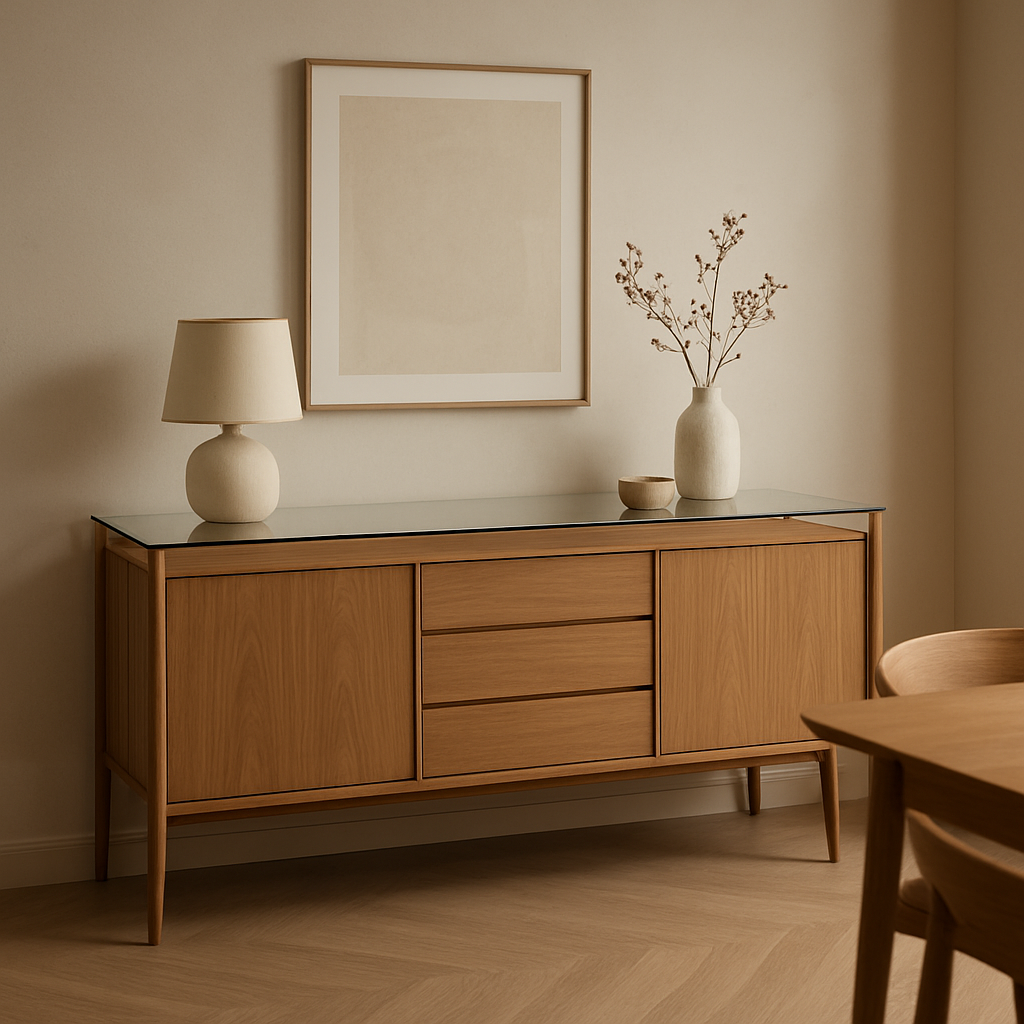
Remember, the right sideboard can feel like a quiet conversation between the room and the guests. It’s all about balance—function meets form, and style meets your everyday life. Once you’ve mapped out the vibe you’re after, you’ll be able to pick a piece that feels both effortless and intentional.
Choosing Materials and Finishes
When it comes to sideboards, the material and finish are the first things that whisper whether a piece will feel like a new family heirloom or a pop‑of‑style statement. It’s like picking the right coat for an evening—too heavy and you’re stuck, too light and you’re exposed. That’s why we start with the fundamentals.
1. Understand the Mood You’re After
Think about the room’s personality. Is it cosy and warm, or sleek and contemporary? A walnut or mahogany finish will echo classic elegance, while a lighter pine or birch can keep a space airy and modern. If you love the idea of a statement piece, consider a bold lacquer or a distressed look that adds character.
2. Texture Matters More Than You Think
Texture isn’t just about how a surface feels under your hand; it shapes light, shadows, and the overall vibe. Texture is more than a surface; it guides how the room feels. A matte finish absorbs glare and feels soft to touch, while a satin or gloss finish reflects light and makes the room feel brighter.
3. Sustainable Choices Give You Long‑Term Confidence
We’ve sourced materials from suppliers who prioritize responsible forestry and low‑VOC finishes. Choosing a sustainably harvested oak or a bamboo composite means you’re not only getting a beautiful piece but also supporting a greener future. Plus, a low‑emission finish keeps indoor air quality high—something you’ll appreciate every time you walk into the room.
4. Finish Options: From Classic to Contemporary
Here’s a quick cheat sheet: matte walnut gives that timeless look; glossy pine adds a modern splash; stained oak with a satin glaze balances warmth and light. Don’t forget the subtle differences between single‑coating and two‑coating finishes. Single‑coating tends to be more affordable but may require more touch‑ups, while a double layer gives a richer depth and better protection.
5. Practicality Meets Aesthetics
Remember that a sideboard is not just a display board—it’s a storage hub. A darker finish can hide fingerprints, whereas a lighter shade keeps the room feeling open. Also, consider the hardware: brushed nickel or matte black can either match the finish or create a striking contrast.
6. Test Before You Commit
Before making a final decision, bring a sample or a photo of the finish into the space. Stand at the corner of the room, shift the light, and ask yourself: “Does this feel like home?” If the answer is a resounding “yes,” you’ve found the right match.
So, what’s the next step? Pick a material that speaks to your room’s story, choose a finish that feels true to you, and remember that the right sideboard is an investment that blends beauty with function. When you’re ready, we’re here to help you source that piece and ensure it’s exactly what you imagined.
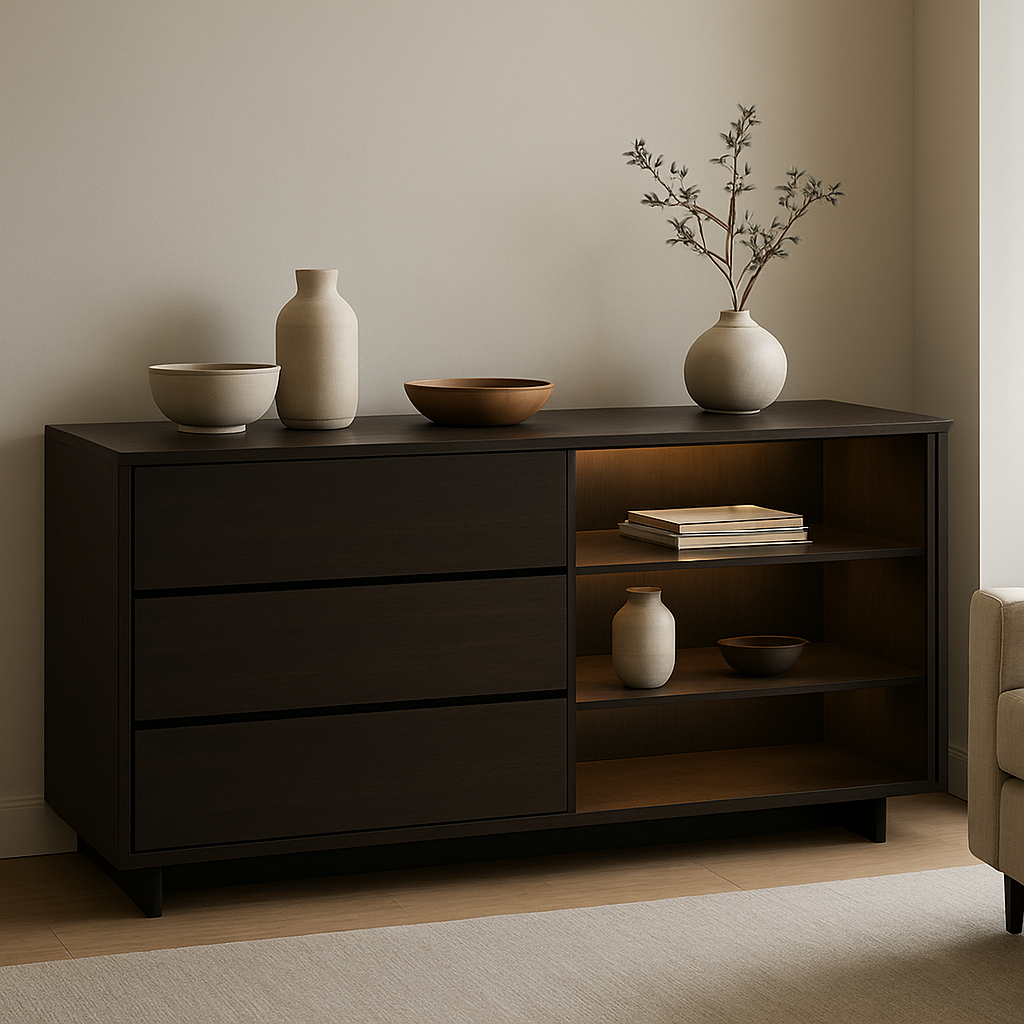
Top 5 Sideboard Features for Functional Storage
We’re talking practical, not pretty. A sideboard is a silent helper that keeps your living room tidy while still looking great. So let’s cut to the chase and look at what actually matters when you’re hunting for a piece that does the job.
Feature one is deep, well‑lined drawers. If you’re like most homeowners, you’ve got a pile of plates, napkins, or that weird set of crystal you never use but hate seeing in the kitchen. A drawer that’s wide and deep lets you tuck those items in, while a pull‑out divider keeps them organised. Think of a drawer that feels like a secret pocket.
Second, look for adjustable shelving. Flexibility is king when your storage needs change. Some sideboards come with removable trays or a floating shelf you can slide up or down. That way, when you’re hosting a dinner party you can set a buffet table on the top, and later switch to a quiet reading nook with a stack of books on the lower shelf.
Third, consider built‑in lighting. A discreet LED strip under a glass top or inside a recessed niche can make a sideboard feel like a feature piece. Not only does it highlight your display items, but it also adds a subtle ambience that makes the space feel warmer.
Feature four is the hardware. A smooth‑gliding mechanism on the front and bottom hinges can reduce wear and tear. A sideboard with a soft‑close drawer latch means you won’t have that annoying slam at the end of the evening. Plus, the right finish—whether brushed nickel or matte black—can tie the whole look together.
Finally, the fifth feature is a hidden storage compartment. A small, behind‑the‑door niche is perfect for storing holiday decorations or the occasional guest set of glasses. It’s the difference between a sideboard that looks tidy and one that actually keeps clutter out of sight.
So, what should you look for when you’re on the hunt? Think about the size of your room, the items you need to store, and how often you’ll use the sideboard. A large, deep drawer works great for a family that loves to entertain, while a compact, adjustable shelf is ideal for a cozy apartment where space is at a premium.
And remember, it’s not just about storage. A sideboard should feel like a natural extension of your style. If you love a sleek, minimalist look, choose a model with clean lines and a single finish. If your décor is more rustic, a sideboard with a distressed oak finish and metal accents can add that warm, lived‑in feel.
When you’re ready to explore options, keep your eye on the details that make a sideboard practical and timeless. The right combination of drawers, shelves, lighting, hardware, and hidden pockets will keep your living room looking polished and your essentials within reach.
Sideboards vs. Bookcases: When to Choose Which
We’ve walked through sideboard styles, finishes, and features. The next big question is: is a sideboard the right shape or would a bookcase hit the sweet spot?
When to Pick a Sideboard
Think of a sideboard as a functional stage set for gatherings. It sits low, offers a flat top for plates or a vase, and hides the clutter behind doors and drawers. If you love to host dinner parties, the sideboard keeps silverware, napkins and extra glasses tucked out of sight but still within arm‑reach.
Picture a family that hosts monthly game nights. The sideboard’s deep drawers can house board games, remote controls and snack bowls, while the open surface becomes a quick snack table. The built‑in lighting you’ve seen in our collection adds a cosy glow when the lights dim.
Do you have a tight hallway or a compact dining nook? A sideboard’s shallow depth—usually 12–18 inches—fits comfortably against a wall, letting the room feel open while still offering storage.
When to Pick a Bookcase
Bookcases shine when you want vertical storage that showcases items. If your décor is book‑heavy or you want to display collectibles, a tall bookcase provides the space you need. Its open shelving lets you layer books, photo frames or artisan jars with ease.
Imagine a couple that loves a curated display of travel souvenirs. A bookcase gives them room to arrange globes, framed maps and a rotating gallery of travel photos without the need for closed compartments.
Room size matters too. A bookcase can become a statement piece in a large living area, but in a narrow entryway a tall unit might feel cramped. In that case, a short sideboard or a low bookcase with a wide top keeps the flow smooth.
Key Decision Factors
1. Depth of storage: Sideboards are shallow but deep on the inside; bookcases are deep and tall.
2. Display vs. concealment: Want to showcase? Go bookcase. Want to hide? Choose sideboard.
3. Room proportions: Tall, open spaces suit bookcases; smaller, low‑ceiling rooms favour sideboards.
4. Style harmony: A mid‑century modern sideboard blends with sleek décor; a classic bookcase matches a library‑style setting.
Practical Steps to Decide
• Measure the wall: note width, height, and how much clearance you need for doors or doors opening outward.
• List the items you’ll store: plates, books, collectibles. Match those to the depth and number of compartments a sideboard or bookcase offers.
• Visualise the top surface: Will you need a table‑top for serving or a display space for art?
• Sketch a quick layout: Draw the room, overlay a sideboard or bookcase shape, and see which feels balanced.
Need a concrete example? The Tree’s sustainable storage guide walks through depth and display options for both styles, giving you a clear picture of how each fits typical living‑room dimensions.
| Feature | Sideboard | Bookcase |
|---|---|---|
| Depth (typical) | 12–18 in. | 24–36 in. |
| Top surface | Flat for serving or décor. | Open shelves for display. |
| Storage type | Drawers, doors, hidden niches. | Open shelving, optional drawers. |
| Best room size | Small to medium. | Large, open rooms. |
| Ideal use | Dining, hosting, compact living. | Library, display, tall spaces. |
So, which do you need? If your priority is quick access and a tidy surface, the sideboard is your go‑to. If you crave vertical display and want to fill a tall wall, the bookcase steps up. Whichever you pick, remember the size, style and storage type must match the room’s rhythm. That harmony will keep your space feeling open and purposeful.
Customising a Sideboard to Fit Your Space
Ever look at a blank wall and feel that itch to make it work for you? That’s where customising a sideboard turns a generic piece into a personal statement.
Start by pulling out a tape measure and a pencil. Sketch the wall’s width, the ceiling height you’re comfortable with, and the clearance you want under the top. A common mistake is ignoring the depth – remember that a sideboard’s 12 to 18‑inch depth can feel cramped if the room is only a little larger.
Step 1: Map Your Needs
Write down everything you’ll stash inside: plates, remote controls, wine glasses, or a small stack of books. If you host dinner parties, you’ll need deeper drawers for platters and a top surface for a buffet. If your kitchen is tiny, a shallow sideboard with a few sliding doors keeps the look airy.
Think of the sideboard as a tool, not a piece of furniture. What does it need to do? Hold your favourite wine, display a statement lamp, or hide those extra cutlery sets that keep the dining table tidy?
Step 2: Choose the Right Shape
Sideboards come in a few silhouettes. The classic low‑profile model is great for tight spaces and a casual vibe. If you want a bold focal point, pick a taller model with a wide top that can double as a display surface.
For a room where the wall is narrow but the ceiling high, a long and narrow sideboard that stretches up the wall can be a game‑changer. It keeps the floor clear and draws the eye upward, making the space feel bigger.
Step 3: Add Custom Features
Here’s where you get creative. Want a built‑in LED strip to illuminate a glass of wine? That’s a quick upgrade that adds ambience.
Include a pull‑out tray for a wine rack or a sliding panel to keep a set of coasters out of sight but easy to reach.
Don’t forget about the top surface. If you love a quick snack table, choose a sturdy finish that can withstand a hot plate. If you prefer a place to showcase art, a matte finish will let the pieces pop.
Step 4: Pick a Finish That Feels Home
Warm walnut feels cosy for a traditional dining room, while a light pine keeps a contemporary loft bright. If your décor leans toward the mid‑century modern, a subtle grey stain can tie everything together without overpowering.
Remember, the finish also hides wear. A darker grain will conceal fingerprints better if you’re a busy host.
Step 5: Measure, Verify, and Install
Once you’ve nailed the design, double‑check all measurements on the actual wall. Use a level to ensure the sideboard sits plumb; a slight tilt can throw off the whole aesthetic.
When it’s time to mount, consider wall brackets if the unit is heavy. Securely anchoring to studs guarantees stability and keeps the piece safe for years.
Finally, step back. Does it feel like a natural extension of the room? If it answers “yes,” you’ve just turned a blank wall into a functional, stylish centerpiece.
Customising a sideboard isn’t just about fitting furniture; it’s about creating a space that reflects who you are and how you live.
Integrating Sideboards into Different Room Styles
Picture this: a sideboard humming quietly in the background of your living room, a kitchen island in the dining area, or a bedroom hallway where the piece doubles as a subtle display. It’s easy to think of a sideboard as a single-purpose storage unit, but that’s only scratching the surface.
Kitchen‑to‑Dining Flow
If your kitchen borders the dining area, the sideboard becomes the bridge that keeps the space feeling open but organised. Think of a narrow kitchen with a long counter that ends in a small island. By placing a low‑profile sideboard right beside the island, you get a ready‑to‑serve surface for drinks while hiding the extra cutlery.
Step‑by‑step: Measure the length of the island, subtract a couple of inches for clearance, and pick a sideboard that fits without crowding. A model with a shallow depth of about 12 to 18 inches keeps the room airy, and if you’re a busy host, choose a finish that masks fingerprints.
Does the idea of a dual‑purpose piece feel practical for you? It’s all about keeping the flow smooth and the look cohesive.
Modern Loft Touches
Loft spaces thrive on minimalism and open air. A tall, narrow sideboard can serve as a subtle shelving unit that doesn’t overpower the high ceiling. Imagine a white‑washed wall with a light‑wood sideboard that stretches almost to eye level, providing storage while letting the natural light pour through.
Tip: If you love to display art or glassware, opt for a sideboard with a clear glass top or an open shelf. That way you can create a rotating gallery without cluttering the surface.
Have you considered how a sideboard could become the backdrop for your favourite coffee set? That small detail turns a functional piece into a conversation starter.
Cozy Cottage Charm
For a cottage‑style kitchen, a sideboard with a rustic finish and subtle mouldings can anchor the room. A walnut sideboard with a matte finish feels warm against a brick wall, and the deeper drawers are perfect for stashing extra plates or a vintage serving tray.
Practical step: Before choosing the finish, test a sample on the wall’s corner and see how it reacts to the morning light. A darker grain often looks richer against warm tones, while a lighter pine keeps the space bright.
When you step back, does the sideboard feel like an extension of the room’s character, not just an add‑on? That’s the sweet spot.
Bedroom Hallway Highlight
In a long hallway, a sideboard can double as a slim console that hosts keys, a small lamp, and a few personal touches. Its narrow profile keeps the corridor feeling spacious, yet the deeper interior keeps your essentials neatly tucked away.
Actionable tip: Look for a sideboard with a glass top or an open niche to showcase a favourite photo or a small sculpture. That visual interest can create a focal point without crowding the space.
Remember: the right sideboard aligns with your lifestyle, not just the décor. Whether you’re hosting dinner parties, enjoying a quiet loft, or cherishing cottage nostalgia, the piece should feel like an honest conversation partner in the room.
FAQ
What factors should I consider before buying a sideboard for my dining room?
First, measure the wall space: width, height and the clearance you need above the top for a subtle drip of light. Think about how you use the room—do you host formal dinners, quick family meals, or both? Then decide how much surface you want: a small top is great for a vase, a wider one lets you spread a buffet. Finally, match the scale to the room size—over‑big can feel cramped, too small feels hidden.
How do I match a sideboard finish to my existing décor?
Take a quick walk to a corner of the room and let the natural light fall on the walls. If the wall is painted a warm amber or the furniture is rich walnut, a darker grain like mahogany will blend beautifully. For bright, airy spaces with light pine furniture, choose a lighter finish or a satin glaze to keep the vibe open. Always pull a sample and test it against the wall at different times of day.
Can I install a sideboard myself or should I hire a professional?
If the unit is light and the wall is drywall, you can handle the mounting with a level and a drill—just make sure you locate the studs. For heavier pieces or if you’re worried about the finish, a professional can guarantee a perfectly plumb installation and secure brackets that last. A quick call to a local carpenter is often worth the peace of mind.
What are the best storage solutions inside a sideboard?
Deep, well‑lined drawers are a must—they hide plates, napkins and those extra glasses that always get lost. Adjustable shelving lets you swap a wine rack for a book shelf as your needs change. Hidden niches behind doors are perfect for holiday décor or a spare set of cutlery. Pair these with soft‑close hinges to keep that satisfying, quiet shut.
How do I keep a sideboard looking fresh and free of fingerprints?
A darker finish naturally masks fingerprints, but a matte or satin sheen also absorbs light better than glossy. Regularly wipe the surface with a soft, lint‑free cloth and a mild cleaner. If the top is glass, use a microfiber wipe to avoid streaks. For metal hardware, a quick polish with a brass‑safe cleaner keeps it shining without the extra shine that attracts smudges.
What makes a sideboard a good investment for future resale value?
Quality craftsmanship and sustainable sourcing boost resale appeal. A sideboard that uses responsibly harvested timber and low‑VOC finishes is increasingly attractive to eco‑conscious buyers. A timeless design—think clean lines, neutral colour and hidden storage—remains desirable across trends. Keeping the finish in good shape and the hardware functional ensures the piece stays valuable long after you move.
What sustainability practices does Harvey Bruce use when selecting sideboard materials?
We source timber from suppliers that certify responsible forestry and use low‑emission finishes that keep indoor air clean. Every piece undergoes a rigorous quality check for durability, so you’re not just buying a decorative item—you’re investing in a long‑lasting, eco‑friendly staple that can be passed down for generations.
Conclusion
You’ve walked through the sideboard maze, and now it’s showtime.
Let’s pull the key takeaways into a tidy bundle.
First, choose a finish that speaks to your room’s heartbeat.
Second, keep the hardware simple—soft‑close hinges and matte knobs keep things quiet.
Third, let the sideboard sit where it can be both a surface and a story.
When you measure, ask yourself, do you need a deep drawer for plates or a shallow one for décor?
If your space feels cramped, lean on a low‑profile model that keeps the floor clear.
And remember, a darker finish is a natural fingerprint guardian, while a lighter one breathes light.
Before you commit, bring a sample into the room and let the light play.
Finally, trust your senses—if it feels right, it’ll stay right for years.
So, what’s the next move? Reach out for a bespoke consultation today.
Your sideboard is the quiet hero in your home’s narrative for long.
Keep the top clean with a cloth; a quick wipe keeps glare.
When you host, let the sideboard set the tone for conversation laughter.
And if doubts arise, a quick chat with us clears them instantly.
Your choice echoes for decades, not tonight.
← Older Post Newer Post →