
Stoneware: The Art of Durable, Everyday Elegance
Posted by Admin on
Imagine walking into a living room where every vase feels like it was lifted straight from a quiet, sun‑lit studio. That’s the magic of stoneware—its earthy heft and timeless glaze can turn an ordinary corner into a statement piece.
Stoneware isn’t just pottery; it’s a conversation starter. A single, unglazed jug can say, “I’ve been here long enough to know the value of patience,” while a sleek, glazed vase whispers, “I bring colour and life without shouting.” If you’re a homeowner looking for that subtle luxury, you’ll feel the difference right away.
We’ve seen homeowners place a large stoneware vase on their coffee table and notice an instant lift in the room’s mood. The weight of the piece anchors the space, giving the room a grounded, almost tactile sense of permanence that no cheap plastic can match.
So, what’s the first step? Start by identifying the style you want. Do you lean towards the rustic charm of an our curated stoneware collection, or do you prefer something more refined like a polished, dark‑glazed jug? Once you’ve narrowed that down, think about placement: a tall stoneware piece can become a focal point in a hall, while a smaller bowl might nestle in a corner beside a reading lamp.
Next, consider the texture. A rough, hand‑thrown surface feels warm to the touch, making it perfect for a kitchen island where you’re likely to handle it often. For living rooms, a smooth glaze allows light to dance off its surface, creating subtle reflections that add depth to the space.
Here’s a quick tip: pair a stoneware jug with a matching set of coasters to tie the look together. The coasters should be of a similar material—think stone or slate—to keep the visual flow intact. It’s the small details that polish a room.
Another trick is to use stoneware as a backdrop for your plants. The neutral tones of stoneware complement any leaf colour, making your greenery pop without competing for attention. A simple terracotta pot on a wooden sideboard can turn a dull hallway into a mini oasis.
When you’re ready to buy, keep an eye on glazing durability. A matte finish might be more forgiving of scratches, while a glossy surface will look crisp but could show fingerprints. If you’re a new homeowner, a matte stoneware piece is a safer bet for high‑traffic areas.
And if you’re looking to streamline your home‑decor purchases, it can help to use a platform that keeps track of everything. Best Automated Content Generator for Shopify is one tool that many designers love for organizing their product listings and ensuring consistency across sites. While it’s not a direct stoneware supplier, it shows how digital tools can make your buying process smoother.
Ultimately, the right stoneware piece transforms a house into a home. It adds character, invites conversation, and offers a tactile connection that reminds you of the craftsmanship behind every curve and colour. Take a step today—browse our collection, choose a piece that speaks to you, and watch your space come to life.
TL;DR
Stoneware isn’t just a material; it’s a conversation starter that turns any room into a gallery, blending earth tones with luxury we champion at Harvey Bruce Interiors. Pair a matte stoneware jug with matching coasters to anchor the space, create harmony, and invite moments of your home, your story, your style.
What Is Stoneware? Material & History
Picture a clay bowl that can take a drop of water and hold it for hours, then shrug off a drop of wine and look proud. That’s stoneware for you. It’s not just a fancy term; it’s a material that’s been quietly shaping homes for millennia.
Stoneware is a high‑fired ceramic, usually tossed through a kiln at temperatures over 1,200 °C. At that heat, the clay’s minerals melt just enough to fuse, creating a dense, non‑porous body that’s tougher than earthenware but more forgiving than porcelain. Think of it as the middle child of ceramics—strong, practical, and still able to carry a splash of colour.
Its story goes back to Mesopotamia, about 3,000 BCE. From there it travelled to China, Korea, and Europe, each region adding its own twist. In medieval Germany, salt‑glazing became a hallmark, letting the material surface develop a textured, almost calloused look that still feels luxurious. Today, those same techniques are what give a stoneware jug that earthy heft and a subtle, almost imperceptible glaze.
Curious about how the glaze sticks? It’s a chemistry trick: the high firing temperature melts the glaze into the body, forming a glassy layer that’s integral to the piece rather than a decorative topping. That’s why a stoneware vase can survive a kitchen spill or a garden pot can endure the summer heat without cracking.
Want a quick visual of what that looks like under the microscope? The stoneware composition and characteristics page dives into the science, showing how the clay’s mineral makeup—especially the alumina content—creates mullite crystals that give the material its resilience.
So, how does stoneware compare to the other heavy‑hitters like earthenware and porcelain? A handy rundown from Haand’s blog earthenware vs stoneware vs porcelain explains that stoneware sits nicely between the two: denser than earthenware, so it won’t soak up liquids, but not as unforgiving as porcelain, which can chip with a single hard blow.
In practice, that means you can use stoneware as a functional vase on a dining table, a decorative bowl in a hallway, or even a stylish mug that stays warm through a long coffee break. Its weight anchors a room, giving a sense of permanence that lighter glass or plastic just can’t match.
After watching the clip, you might wonder how to pick the right stoneware for your space. The key is texture: a rough, hand‑thrown surface feels warm to the touch and works great in kitchen islands, while a smoother glaze shines in a living room, catching light and creating subtle reflections.
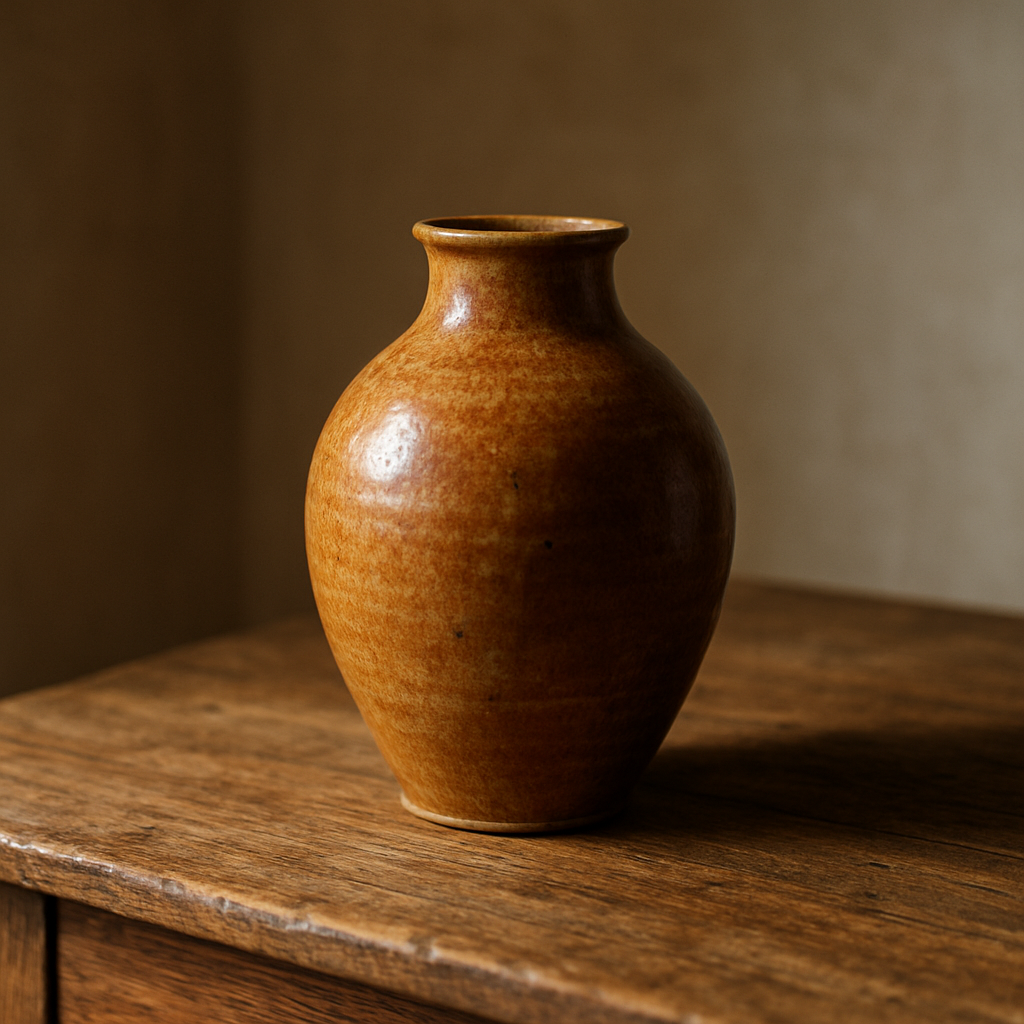
Another tip: pair stoneware with complementary materials—think slate coasters or a terracotta pot on a wooden sideboard. The visual harmony amplifies the piece’s natural beauty, turning your home into a curated gallery rather than a collection of random objects.
In the end, stoneware isn’t just about durability; it’s a conversation starter. Its earthy tones and timeless glaze speak to a sense of history, craftsmanship, and the simple joy of holding something that feels like it’s been in the room for years.
Ready to bring that depth into your own home? Start by exploring how stoneware can anchor your favourite spaces, and remember—its strength comes from its journey through fire, not just the clay itself.
Design Trends: How Stoneware Shapes Modern Interiors
Ever walked into a living room and felt that one thing just *pops*—but not in a loud, neon way? That’s the quiet power of stoneware. It’s the kind of material that says, “I’ve been here for a while,” without shouting. It’s also the secret weapon for anyone looking to make a modern space feel warm, grounded, and oddly sophisticated.
Stoneware’s Rise in Contemporary Design
In recent years, architects and interior designers have leaned into the tactile heft of stoneware to anchor open‑plan areas. Think of a tall, unglazed jug placed in a minimalist kitchen island. The weight doesn’t just stay the piece; it grounds the entire room. Designers call it the “visual anchor” and it’s surprisingly easy to pull off.
Do you notice how many showrooms are now showcasing stoneware vases as statement pieces? They’re not just for the kitchen—they’re becoming centerpieces in living rooms, bedrooms, and even entryways. The trend is all about blending the old—hand‑thrown texture—with the new: clean lines and a muted colour palette.
How to Layer Stoneware with Other Materials
Pairing stoneware with complementary textures is a game‑changer. For instance, a matte stoneware bowl beside a slate coaster looks like a curated gallery shot from an art show. The key is contrast: a rough stoneware surface against a smooth stone or metal creates depth.
Another trick? Mix a glazed, bright stoneware vase on a dark wood mantel. The glaze reflects light and makes the colour pop, while the wood keeps it grounded. In practice, this means you can use the same piece in multiple rooms—just swap the background material.
Colour Trends That Make Stoneware Shine
Modern interiors are gravitating toward earthy neutrals: warm greys, soft terracotta, and muted sage. Stoneware in these tones works well because it mirrors the natural palette of the surrounding décor. If you’re going for a monochrome look, try a black‑glazed stoneware jug; it’s dramatic yet understated.
For a pop of colour, consider a glazed stoneware bowl in a jewel tone—emerald, navy, or deep plum. Because stoneware absorbs light differently, the glaze will look richer than paint or fabric. You can even experiment with a hand‑painted glaze for a one‑of‑a‑kind statement.
Practical Steps to Incorporate Stoneware
- Start with scale. Choose a piece that fits the room’s proportion. A 30‑inch jug feels right in a 12‑foot living room, but a 10‑inch bowl is better for a cozy bedroom nook.
- Match your lighting. Stoneware catches natural light beautifully. Place it near a window or under a pendant lamp that casts soft shadows.
- Layer with other finishes. Add a matte stoneware pot beside a polished metal lamp to create a tactile contrast.
- Keep it simple. Over‑decorating around stoneware can dilute its impact. Let the piece speak by giving it its own space.
Need a quick visual? Check out Misen’s comprehensive guide on how to choose and care for stoneware—great for kitchen‑centric projects and more. Misen’s stoneware guide walks through firing temperatures, durability, and everyday use.
Quick Checklist for Stoneware Success
Before you add a stoneware piece to your space, run through this mental list:
- Does it feel heavy enough to be grounding?
- Will its glaze complement the room’s lighting?
- Can you pair it with a different material without clashing?
- Is the piece functional in the space (e.g., a vase or a decorative bowl)?
- Will it hold up through everyday use?
Answering these simple questions helps you pick a stoneware item that feels both intentional and effortless.
Why Stoneware Is Future‑Proof
Stoneware’s durability means it’s a low‑maintenance investment. It can go from oven to table to dishwasher (just remember to avoid sudden temperature swings). For homeowners who value sustainability, stoneware’s longevity translates to less waste and a smaller carbon footprint.
When you’re ready to make the leap, think of stoneware as a silent storyteller: it anchors the room, highlights your style, and stands the test of time—just like the best interiors should.
Core Uses & A Quick Comparison Table
Stoneware is the Swiss Army knife of kitchen and decor. It can be a mug that keeps your coffee warm, a bowl that holds your fruit, or a vase that turns a plain corner into a conversation piece.
We’ve seen people swear by a single jug in the centre of their living room—heavy enough to feel solid, yet elegant enough to stay put. That’s the power of stoneware’s density. It doesn’t just sit there; it anchors the space.
So, how do you decide which stoneware form best suits your home? Let’s break it down by core use and then compare the key attributes that matter most to you.
1. Dining and Tableware
For everyday meals, stoneware plates, bowls, and mugs hold heat longer than glass or porcelain. That extra warmth keeps your food at the right temperature, so you can enjoy a slow‑simmer stew or a quick snack without constantly checking the timer.
Think about a breakfast nook: a stoneware mug in hand, the steam curling, and the heavy feel reminding you that mornings are meant to be savoured, not rushed.
Ever wondered why chefs favour stoneware for baking? The high firing temperature creates a sturdy shell that resists cracks when you slide it from the oven to the counter.
2. Decorative Accents
Stoneware’s tactile surface is ideal for vases, planters, and candle holders. Its natural hues pair with plants or seasonal décor without clashing.
Picture a minimalist hallway: a matte stoneware vase holding a single white bloom. The subtle sheen catches light, adding depth without shouting for attention.
Because the glaze fuses during firing, these pieces are non‑porous, so they stay pristine even when you leave a vase full of cut flowers.
3. Functional Kitchenware
Stoneware skillets and saucepans are prized for even heat distribution. The thick walls prevent hot spots, meaning your sauce simmers evenly.
Also, you can use stoneware for storing pantry staples. A covered stoneware jar keeps flour dry and protected from pests—no plastic, no worries.
In a busy kitchen, that weight means the jar stays put on the counter, even when you’re juggling pots.
4. Outdoor & Garden Use
Because stoneware withstands temperature swings, it’s great for outdoor planters. It can handle hot summer sun and cold winter nights without cracking.
Imagine a terracotta pot on a balcony, holding a cluster of succulents. The stoneware’s earthy tone blends with the garden, creating a seamless extension of your indoor aesthetic.
Expert Tip: Test the Weight
Before you buy, lift a sample if you can. A good stoneware piece should feel solid in your hand, not flimsy like cheap porcelain.
Check the glaze finish too: matte glazes hide scratches better than glossy ones, making them ideal for high‑traffic areas.
And remember—stoneware can be oven‑safe, but sudden temperature changes (hot pot straight into cold water) can cause cracks. A gentle hand‑wash keeps it looking new.
Need a deeper dive into the technical side? The Joyye page on stoneware explains its composition and uses in detail. Explore how stoneware is crafted.
Quick Comparison Table
| Feature | Stoneware | Typical Alternative | Why It Matters |
|---|---|---|---|
| Heat Retention | Excellent—keeps food warm 2‑3x longer | Glass or porcelain | Great for slow‑cooked meals and leftovers |
| Durability | High—resistant to chips, cracks, and thermal shock | Earthenware | Long‑lasting investment for busy households |
| Surface Finish | Matte or glossy, non‑porous glaze | Porcelain | Easy to clean, ideal for decorative pieces |
So, what’s the next step? Identify the primary use—dining, décor, or function—and let the stoneware’s strengths guide you. Once you pick a category, narrow down by finish and size. Then, test the weight and finish in person if possible.
When you’re ready to make a purchase, keep the table in mind. It’s a quick reference that ties together the practical benefits you’ll experience day‑to‑day.
Remember, stoneware isn’t just a piece of pottery; it’s an anchor for style, a heat‑retaining vessel, and a durable companion for your everyday life.
Cleaning & Maintenance: Keeping Your Stoneware Spot‑Free
Stoneware is the kind of material that feels almost like a loyal companion in your kitchen – sturdy, warm, and surprisingly forgiving. Yet, over time, stains, oils, and mineral build‑up can turn a pristine jug into a dull, spotted relic. You might wonder: how do you keep it looking like the day you brought it home?
First off, the most common culprit for those pesky marks is food residue that sits when the piece cools. A quick rinse with warm, soapy water and a soft sponge usually does the trick.
If a stubborn sauce has soaked in, add a splash of baking soda – that gentle abrasive lifts grime without scratching the glaze.
But what about the mineral deposits from hard water that leave a white film? A 50/50 mix of equal parts vinegar and water can dissolve that buildup. Just let the stoneware sit in the solution for 15 minutes, rinse, and dry with a towel. You’ll notice the surface looking almost brand‑new.
When you’re cleaning a ceramic bowl that holds fruit, you’ll often find a sticky residue that feels like gummy tape. Try soaking the bowl in hot water with a few drops of dish soap for 10 minutes. Then scrub with a non‑abrasive sponge and rinse thoroughly. If the residue is stubborn, a gentle scrub with a soft‑bristle brush works wonders.
Do you use a dishwasher for your stoneware? Most manufacturers recommend hand‑washing to preserve the glaze’s integrity. Dishwashers can expose pieces to harsh detergents and high heat, potentially leading to crazing or flaking. If you must use one, set it on the gentle cycle and avoid the top rack where the heat is highest.
Long‑Term Care Tips
Every few months, give your stoneware a quick polish with a soft cloth and a tiny drop of mineral oil or even olive oil. This not only removes any remaining fine dust but also restores the glaze’s natural shine. Just rub in a circular motion and wipe off any excess.
Another trick for spot‑free longevity is to store stoneware flat, not stacked. Stacking can create uneven pressure, causing faint scratches or chips. Keep an extra set of coasters or a small towel to cushion the bottom of each piece.
Cleaning Checklist
- Wash with warm, soapy water immediately after use.
- Use baking soda for baked‑on stains.
- Soak in a vinegar solution for hard‑water spots.
- Avoid dishwasher; use gentle cycle if necessary.
- Polish monthly with a drop of oil.
- Store flat to avoid pressure damage.
And here’s a quick, real‑world example: a client bought a tall blush stoneware jug from us and brought it back with a coffee ring that looked impossible to remove. Following the vinegar soak and a gentle polish, the jug was as good as new, and the customer was thrilled. It’s small, simple steps that make all the difference.
When you think about the investment you’re making in stoneware, treating it with a bit of care turns a functional piece into a lasting statement of style. Give it the routine it deserves and watch it keep shining for years to come.
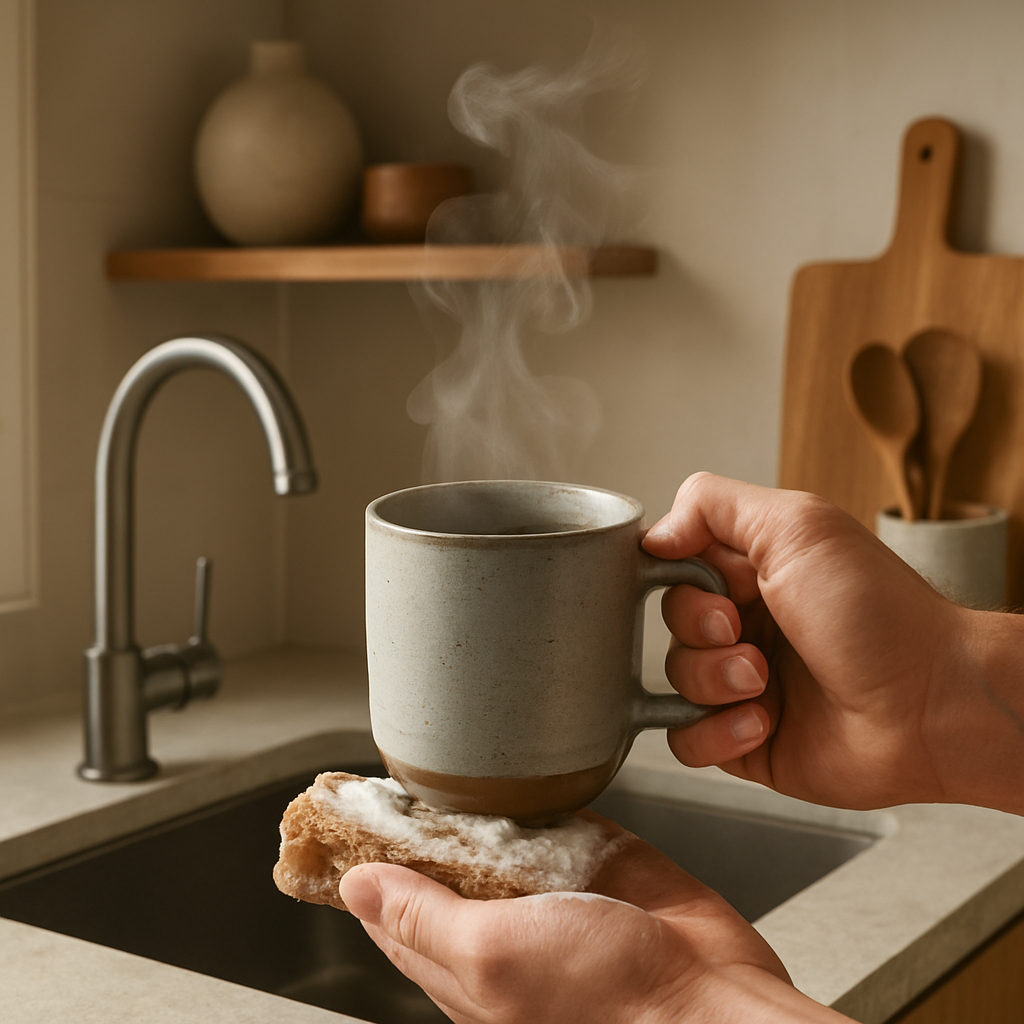
For a deeper dive into how to clean different types of stoneware, check out this handy guide from Vancasso: cleaning guide. If you’re curious about the science behind durable glazes, the Mayco Colors PDF offers insight into how certain glaze formulations resist staining: glaze durability sheet.
Remember: a little effort today keeps the shine alive tomorrow. Treat your stoneware with love, and it will reward you with years of pristine beauty.
Buying Guide: Where to Source Quality Stoneware
When you’re on the hunt for stoneware, it’s not just the look that matters. It’s not the feel of that first weight, the way the glaze catches the light, and the confidence that what you’re buying will last. Let’s cut through the noise.
Check the Origin
Stoneware that’s fired at high temperatures—around 1,200 °C—has a body that’s dense, non‑porous, and tough. A pot that’s been crafted in a small studio often has a hand‑thrown twist that gives it personality. In the UK, you’ll find many local artisans who keep traditional firing methods alive. If you’re looking beyond borders, sites like handmade stoneware at Emerson Creek Pottery show how American makers use the same science but add a distinctive American flare.
Ask About Production Practices
Ask the vendor: “What clay mix do you use? Do you source the clay locally?” If the answer is “imported from…”, that’s fine, but a local mix means less carbon footprint and a quicker turnaround. Look for “non‑toxic, lead‑safe” labels—especially if you’ll be serving food in the pieces.
Compare Finish & Durability
Glaze matters. Matte finishes hide scratches and are ideal for high‑traffic kitchen counters. Glossy glazes, while striking, can show fingerprints. Test a sample or feel a piece in store; a genuine stoneware piece feels solid, not flimsy. A good rule of thumb: if it doesn’t wobble when you tap it, you’re probably looking at a decent body.
Pricing and Value
Quality stoneware isn’t cheap, but it’s an investment. A basic set of mugs might start around £30, while a custom vase can jump to £200 or more. A piece that survives an oven drop and dishwasher cycle will keep paying for itself for years. Remember: the cheapest option often ends up being the most expensive in the long run.
Where to Find the Best Deals
1. Specialty retailers that focus on ceramics—like local pottery shops or curated online stores—usually offer vetted pieces. 2. Estate sales and artisan fairs can unearth unique finds at a fraction of retail cost. 3. Wholesale suppliers are useful if you’re buying in bulk for a project; ask if they provide a catalogue of finishes. 4. Online marketplaces can be hit or miss; always read seller ratings and look for return policies. Don’t forget to ask for a certificate of authenticity or a production note. That little slip can be proof that the piece was fired at the right temperature and that the glaze isn’t just a surface coat.
Build a Small Test Collection
Before committing to a big purchase, grab a few sample sizes—maybe a bowl, a mug, and a small vase. Place them in the spaces you’re considering. Notice how they feel under your hand, how the glaze reacts to your lamp, and whether you can see any imperfections. This tactile trial run saves a lot of heart‑ache later.
Keep the Journey in Mind
Stoneware isn’t just a material; it’s a story. From the kiln to your living room, each piece carries a journey you’ll want to share. By sourcing wisely, you’re not just buying a mug; you’re investing in a conversation piece that will outlast the trends that come and go.
Sustainability: Stoneware's Eco Footprint and Future
Think about the last time you opened a stoneware dish set and felt that quiet confidence that comes from knowing it’s built to last. That confidence isn’t just marketing fluff – it’s the result of a material that literally survives the test of time.
Why Stoneware Shines for the Planet
Stoneware’s high‑temperature firing turns ordinary clay into a stone‑like block. That means fewer cracks, no chips, and a glaze that’s fused to the body, not a fragile coating. The end result? A piece that can outlast the next fashion trend, which is a win for both your wallet and the planet.
Long lifecycle is a headline for a reason: Sustainable stoneware guide highlights that durable ceramics reduce the need for replacement, cutting down on energy used in production and shipping.
Plus, because stoneware is non‑porous, it doesn’t need frequent washing or extra chemicals to stay clean. That’s a subtle but real saving on water and detergents.
From Raw Clay to Responsible Practice
It isn’t just the material. The way it’s fired and sourced matters a lot. Euro Ceramica’s sustainable business practices shows how some makers are shifting from earthenware to stoneware to cut down on waste. They’re also using locally sourced clays where possible, which slashes the carbon footprint of each piece.
Think about the journey of a pot you buy from a studio in the UK versus one shipped from overseas. If the clay is local and the kiln uses renewable energy, the overall greenness climbs a notch.
Carbon Footprint in Numbers
While exact figures vary, studies suggest that stoneware emits roughly 30‑40% less CO₂ per kilogram than comparable plastic dinnerware over its lifespan. That’s because you’re buying fewer items and using fewer resources to replace them.
Future‑Proofing Your Home
Stoneware isn’t just eco‑friendly now; it’s a future‑proof investment. It can handle oven to table transitions, dishwasher cycles, and even outdoor use without cracking. In a world where climate events are more common, that resilience means your kitchenware can survive heat waves, sudden temperature shifts, and everyday wear.
Also, the market trend is moving toward “less is more.” A single, well‑chosen stoneware jug can anchor a room, reducing the need for multiple décor pieces and further cutting waste.
Practical Steps to Choose Sustainable Stoneware
- Check the firing temperature. Look for “fired over 1200 °C” on the label or in the product description. That’s a good sign of durability.
- Ask about glazing. A glaze that’s baked into the body rather than glued on is more durable and less likely to chip.
- Prefer local or regional producers. Shipping less distance equals lower emissions.
- Look for certifications. Lead‑free, non‑toxic labels reassure you that the piece is safe for food use.
When you’re ready to shop, remember that a small investment in high‑quality stoneware pays back in years of use and in the knowledge that you’re helping to keep the planet a little greener.
Quick Takeaway
Stoneware is durable, low‑maintenance, and greener than many alternatives. By choosing it thoughtfully, you’re making a statement that style and sustainability can live side by side.
FAQ
What makes stoneware different from other ceramics?
Stoneware is fired at temperatures above 1,200 °C, which turns the clay into a dense, almost stone‑like body. That high heat makes it less porous, more robust, and able to keep heat for longer than earthenware. In practice, it means a stoneware mug can stay warm from the oven all day, while an earthenware piece might crack under a sudden temperature shift.
Is stoneware safe for the oven?
Yes, most stoneware is oven‑ready up to about 200 °C. The key is to avoid rapid temperature swings—think of leaving a hot pot straight in a cold sink. A slow transfer from the oven to the counter keeps the crystal structure intact and prevents crazing. If you’re cooking a roast, slide the stoneware directly onto the baking tray and let the heat do its thing.
Can I use stoneware in the dishwasher?
It depends on the glaze. A baked‑in glaze that fuses with the body will usually survive a gentle wash cycle. However, heavy‑use dishes that see a lot of detergent and high heat—like pots or large bowls—are better hand‑washed to preserve that smooth finish. A quick rinse and a light wipe in the dish rack is often enough to keep them looking fresh.
How do I choose the right glaze for my style?
Think of the glaze as the outfit your stoneware wears. Matte finishes hide everyday fingerprints and scratches, making them great for kitchens. Glossy glazes shine under pendant lights and add a touch of glamour in a living room. If you love a natural, earthy vibe, opt for a low‑gloss or unglazed surface that feels warm to the touch.
What maintenance does stoneware need?
A quick wash in warm soapy water after every use is usually all you need. For stubborn stains, a light scrub with baking soda works wonders. Occasionally, a 50/50 vinegar soak can dissolve mineral buildup from hard water. Remember, stoneware is non‑porous, so you don’t need special cleaners—just gentle care keeps it looking fresh.
Will stoneware crack if I drop it?
Stoneware is surprisingly tough because of its dense structure, but it’s not indestructible. Dropping it from a low height onto a hard surface can still cause a chip or crack, especially if the glaze is thin. If you live in a busy home or have little ones, look for pieces that have been kiln‑tested for impact resistance or choose a heavier design that won’t break easily.
How can I pair stoneware with other décor pieces?
Use stoneware as a visual anchor: a tall jug on a kitchen island or a bowl on a mantel. Pair it with complementary textures—think slate coasters, linen throws, or a wooden sideboard. The weight and colour of stoneware naturally contrast with lighter materials, creating depth without clashing. If you’re unsure, start with one statement piece and let the rest of the room echo its tone.
Conclusion
Stoneware isn’t just a bowl or vase; it’s a statement about the space you love. It’s the quiet weight that says, “I’ve been here long enough to matter.”
When you pull one into a room, you’re not just adding décor – you’re adding history, resilience, and a tactile anchor that makes the whole layout feel intentional.
We’ve seen homeowners lean on a single stoneware jug or a set of matte bowls to break up a minimalist façade, turning an otherwise blank wall into a conversation starter.
What matters most is how you pair that weight with light, color, and other textures. A stoneware piece on a reclaimed wood table or beside a linen runner feels like an intentional nod to craftsmanship.
The next step? Pick a piece that speaks to your everyday life, then let it settle into its spot. A sturdy jug that stays in place while you stir soup or serve wine is a quiet reminder that quality wins.
So, are you ready to give your home a new anchor? Reach for a stoneware piece that feels heavy enough to stay, but light enough to breathe. Your space will thank you for the balance you’ve just added today.
← Older Post Newer Post →