
Wall Clocks Review: How Harvey Bruce’s Bespoke Pieces Elevate Your Home Décor
Posted by Admin on
Picture this: you walk into your living room, the light catches the gleam of a beautifully crafted wall clock, and suddenly the whole space feels anchored, like a quiet heartbeat you didn't know was missing.
That's the little magic wall clocks bring to a home – they’re not just time‑tellers, they’re subtle statements. For many homeowners, especially those hunting for that touch of luxury, a well‑chosen clock can pull together a sofa, a rug, and even the colour of the curtains in one graceful sweep.
But let’s be honest, picking the right piece can feel overwhelming. Do you go for a massive modern dial that dominates the wall, or a delicate vintage frame that whispers elegance? Do you need a silent sweep movement for a bedroom, or a bold brass hand‑set for a dining area?
In our experience at Harvey Bruce Interiors, we’ve seen couples fresh into their first home stare at a blank wall and wonder how to fill that space without clutter. A single decorative wall clock often does the trick – it adds personality, gives a focal point, and, surprisingly, helps keep daily routines on track.
So, how do you navigate the sea of styles? First, think about the room’s vibe. A sleek, minimal kitchen loves a slim, matte‑black clock, while a cosy study welcomes a wooden frame with warm tones. Second, consider size: a rule of thumb is the clock’s diameter should be about one‑third the width of the wall it inhabits.
Next, pay attention to the details you love – the finish, the numerals, even the shape of the hands. A round face feels classic, a rectangular one leans contemporary, and an oversized dial can become an art piece in its own right.
And don’t forget placement. Hanging a clock at eye level makes it easy to read, but positioning it slightly off‑centre can create a dynamic composition that draws the eye around the room.
Finally, remember sustainability matters. Many of our curated wall clocks are crafted from responsibly sourced wood or recycled metals, letting you indulge in style while caring for the planet.
Ready to let a wall clock transform your space? Keep reading for our top picks, styling tips, and maintenance tricks that will keep your new timepiece looking timeless for years to come.
TL;DR
Choosing the right wall clock lets you anchor a room’s style, blend luxury with sustainability, and keep daily routines on track.
Our guide walks you through size, placement, material choices and maintenance tips so you can confidently select a timeless piece that elevates any home interior and reflect your taste.
Choosing the Perfect Style: Modern vs Traditional Wall Clocks
When you stare at an empty wall, the decision isn’t just “what size?” but “what story do I want the clock to tell?” Modern clocks shout confidence with clean lines, while traditional pieces whisper heritage. Both can anchor a room, but the vibe they create is worlds apart.
So, how do you know which language your space is speaking? Let’s break down the visual cues, the materials, and the moods each style brings. By the end you’ll have a simple checklist you can run through while you’re sipping your tea.
What makes a modern wall clock feel modern?
Think minimalism: a slim metal case, a matte‑black or brushed‑steel finish, and a dial that often drops the numbers entirely. The hands are usually thin, sometimes even colour‑blocked for a pop of contrast. Light‑weight synthetic materials like acrylic or reclaimed aluminium keep the piece from feeling heavy.
In a sleek London kitchen we recently styled, a 30‑cm matte‑black wall clock above the stainless‑steel range hood became the quiet hero. Its lack of ornamentation let the open‑plan layout breathe, and the silent sweep movement meant no ticking distractions while the family cooked breakfast.
Modern clocks also play with shape – rectangular or even asymmetrical frames are common. If you love a bit of tech, many now offer Bluetooth sync so the time never drifts, a subtle nod to today’s connected homes.
Traditional touches that never go out of style
Traditional wall clocks lean on warm woods, brass accents, and classic Roman or Arabic numerals. A carved wooden case can echo the grain of a dining‑room table, while a gilt‑finished rim adds a touch of luxury without shouting.
Picture a cosy study in a historic cottage: a 40‑cm walnut‑finished clock with a cream‑coloured dial sits above a bookcase, its ticking sound becoming a comforting backdrop to late‑night reading. The clock’s weight and craftsmanship signal permanence – perfect for spaces where you want a sense of continuity.
Many traditional designs also incorporate ornamental details like filigree corners or hand‑painted faces. These subtle flourishes can tie together other heritage pieces, such as a mahogany sideboard or a brass lamp, creating a cohesive narrative.
Step‑by‑step style decision guide
- Identify the room’s dominant vibe. If the palette is neutral with chrome fixtures, lean modern. If you’ve got reclaimed wood or classic upholstery, traditional is a safer bet.
- Check the wall’s lighting. Bright, directional light complements a glossy modern case, whereas soft ambient lighting lets a wooden frame glow.
- Measure eye‑level height. Modern clocks often sit a few centimetres above eye level for a floating effect; traditional pieces sit flush at eye level for easy reading.
- Consider sound. A silent sweep movement suits a bedroom or study; a gentle tick adds character to a lounge with traditional décor.
- Match the material to other finishes in the room. Brass hands pair well with copper light fittings; a black metal frame echoes matte kitchen appliances.
Once you’ve ticked those boxes, head to our decorative wall clocks collection to see the range that fits your decision. Whether you gravitate toward a sleek Scandinavian‑style piece or a richly‑toned Victorian‑inspired clock, we’ve curated options that marry luxury with sustainability.
And if you’re moving house after picking the perfect clock, a good removalist can save you headaches. Our friends at Sunwest Removals put together a helpful guide to choosing removalists that’s worth a quick read.

Bottom line: the right style amplifies the room’s personality. Modern clocks add a crisp, forward‑thinking edge; traditional clocks bring warmth and timeless charm. Use the checklist, trust your gut, and let the clock you choose become the silent storyteller of your home.
Material Matters: Wood, Metal, and Acrylic Wall Clocks
When you start thinking about the material of a wall clock, it’s almost like choosing the soul of the piece – the texture you’ll feel every time you glance up, the way it catches the light, and the story it whispers about your home.
Wooden Wall Clocks: Warmth and Story
Wood brings a natural warmth that can soften a modern kitchen or anchor a cosy study. Think of a walnut‑finished clock perched above a reclaimed oak dining table; the grain mirrors the table’s own lines, creating a seamless visual dialogue. In our experience, homeowners love the way a wooden clock ages gracefully, developing a patina that feels lived‑in.
A real‑world example is the Driini decorative pendulum clock, which features a solid pine wood frame and a silent‑sweep movement. Because it’s relatively small (an 8‑inch face) it works beautifully in a hallway or bathroom nook, where a splash of timber adds character without overwhelming the space. You can see the product details on Amazon’s listing.
Actionable tip: before you buy, lay a piece of scrap wood on the wall where you plan to hang the clock. Stand back and ask yourself whether the colour and grain complement the existing palette. If it feels right, you’ve already done the first step of visual testing.
Metal Wall Clocks: Sleek Precision
Metal clocks scream modern confidence. Brushed steel, matte black aluminium, or polished brass can turn a plain wall into a statement canvas. Imagine a brushed‑steel clock above a minimalist marble backsplash in a London flat; the cool metal reflects the sleek surfaces and adds a subtle industrial edge.
One practical advantage is durability – metal frames are less prone to warping in humid bathrooms. For couples renovating a bathroom, a metal clock with a silent‑sweep mechanism ensures the ticking won’t echo against tile, keeping the space serene.
Step‑by‑step: 1) Measure the wall width and decide on a clock diameter that’s roughly one‑third of that span. 2) Choose a finish that mirrors other fixtures – copper taps pair with brass hands, matte‑black frames with black appliances. 3) Use a level and appropriate wall anchors (plastic plugs for drywall, masonry screws for brick) to secure the clock firmly.
Acrylic Wall Clocks: Light‑Weight Modernity
Acrylic is the under‑dog material that’s gaining traction, especially in contemporary interiors. Its transparent or tinted surface can look almost invisible, letting the surrounding décor shine through while still providing a functional focal point.
Picture a clear acrylic clock floating above a pastel‑coloured accent wall in a nursery. The clock’s subtle presence adds a hint of design flair without competing with playful wall stickers or soft furnishings. Because acrylic is lightweight, installation is a breeze – often just a few picture‑hanging hooks.
Practical tip: when hanging acrylic, avoid direct sunlight. UV exposure can cause yellowing over time, so position the clock where natural light is filtered or use UV‑protective film on the glass.
So, how do you decide which material matches your lifestyle? Start with the room’s function: wood for warmth in living areas, metal for durability in high‑moisture zones, acrylic for airy, visual lightness in playful spaces. Next, consider maintenance – wood may need occasional polishing, metal benefits from a dust‑free cloth, acrylic only needs a gentle wipe.
Here’s a quick checklist you can print out:
- Room purpose (kitchen, bathroom, hallway, bedroom)
- Desired vibe (warm, industrial, airy)
- Light exposure (direct sun, ambient)
- Maintenance comfort level
- Movement type (silent‑sweep vs ticking)
Once you’ve ticked those boxes, you’ll feel confident that the material you pick not only looks great but also serves the everyday rhythm of your home.
Remember, a wall clock is more than a time‑keeper – it’s a design anchor. By matching material to mood, you turn an ordinary wall into a curated backdrop that tells your story, second by second.
Size & Placement: How to Fit a Wall Clock in Every Room
We’ve talked about material, now let’s get down to the nitty‑gritty of where that clock actually lives on the wall. The truth is, a well‑chosen wall clock can feel like an invisible hand that pulls a room together – but only if it’s the right size and sits in the right spot.
Measure the wall, then the clock
First thing’s first: grab a tape measure and note the width of the wall you’re eyeing. A good rule of thumb (and one we’ve seen work in countless London flats and country cottages) is to let the clock cover roughly two‑thirds to three‑quarters of that width. If your wall is 120 cm wide, look for a clock around 80‑90 cm in diameter for a bold statement, or 40‑50 cm for something more subtle.
Those ranges come straight from the size guidelines for wall clocks, which break down small (8‑12 in), medium (12‑18 in), large (18‑24 in) and oversized (over 24 in) categories. The key is readability from the opposite side of the room – you don’t want to squint at a tiny face while cooking dinner.
Pick the right height
Eye level is a safe bet for most rooms, but don’t feel locked into a textbook approach. In a cosy bedroom, hanging the clock a few centimetres above the headboard creates a gentle visual anchor without dominating the space. In a high‑ceiling kitchen, positioning the clock slightly below eye level keeps the dial in the line of sight while preserving the sense of vertical space.
Ask yourself: “When am I most likely to glance at the time here?” If it’s while you’re standing at the kitchen counter, install it at about 140 cm from the floor. If it’s while you’re seated on a sofa, aim for 115‑120 cm.
Consider the room’s function and flow
Every room has a traffic pattern. In a hallway, a slim, medium‑sized clock placed opposite the door can act as a visual cue that says, “Welcome home.” In a living‑room, you might centre the clock above the mantelpiece or on the wall that draws the eye when you first step in. The placement should complement, not clash with, existing focal points such as art, mirrors or shelving.
One real‑world example: a client in Bath renovated their open‑plan living/dining area and felt the space was missing a “center.” We suggested a 24‑inch brushed‑steel clock centred above the dining table, aligning the top of the dial with the table’s edge. The result was a harmonious line that pulled the two zones together.
Balance with surrounding décor
Don’t let your clock compete with a large painting or a bold wallpaper pattern. If the wall already has a statement piece, opt for a smaller, more restrained clock – think 10‑12 in, maybe in a simple metal frame. Conversely, a bare wall is a perfect canvas for an oversized, sculptural clock that becomes the room’s centerpiece.
Pro tip: use a piece of cardboard cut to the clock’s diameter and tape it to the wall. Step back and see how the “shadow” feels among the other elements. If it looks cramped, go down a size; if it feels lost, scale up.
Practical step‑by‑step checklist
- Measure wall width and height.
- Decide on coverage: 2/3‑3/4 of wall width for a balanced look.
- Choose clock size based on the categories above.
- Determine eye‑level height for the room’s primary users.
- Sketch a rough layout on paper or use the cardboard test.
- Check for conflicts with existing art, furniture, or lighting.
- Install with appropriate wall anchors – plastic plugs for plasterboard, masonry screws for brick.
Following these steps takes the guesswork out of the process and gives you a clock that feels tailor‑made, not tacked on.
So, what should you do next? Grab that tape, pick a size range, and start visualising. The perfect wall clock isn’t just a timekeeper; it’s the silent conductor that sets the rhythm of your home.
Features to Look For: Silent Sweeps, Smart Connectivity, and Battery Options
When you start hunting for the perfect wall clock, the first thing most people wonder is: will it whisper or shout every tick?
For a bedroom or a study, a silent‑sweep movement is practically a must – you get the clean, modern look without the background hum that can distract a night‑time read. A quick look at Titan’s Contemporary Wall Clock shows how a silent‑sweep mechanism can be tucked into a sleek 30 cm face while keeping the aesthetic ultra‑minimal on the Amazon India page.
So, how do you decide if silent is right for you? Ask yourself: do you need absolute quiet, or do you actually enjoy the gentle tick as a subtle background soundtrack? If you’re a couple sharing a bedroom, you’ll probably lean quiet. If the clock lives in a bustling kitchen, a soft tick can add a comforting rhythm.
Smart Connectivity – Is Your Clock Ready for the IoT Age?
Imagine walking into the kitchen and your clock automatically syncs with your phone, never losing a second. Bluetooth‑enabled clocks do exactly that – they pull time from your phone or Wi‑Fi, meaning you won’t have to wind them every month.
When we advise clients on smart homes, we look for three things: a reliable Bluetooth range (at least 10 m), a companion app that lets you tweak brightness or switch between 12‑/24‑hour formats, and a battery life that lasts months despite the constant connection.
Don’t be fooled by a flashy app if the clock itself feels cheap. A well‑built metal or wood case paired with a solid smart module will keep the piece feeling premium while still giving you that modern convenience.
Battery Options – Plug‑In, AA/AAA, or Rechargeable?
Power is the hidden hero of any wall clock. Traditional clocks still love a good AA or AAA set – they’re cheap, easy to replace, and give you a solid year of run‑time. But for a sleek, cordless look, many designers now favour built‑in rechargeable lithium cells that you pop on a USB charger once every few months.
If you’re hanging a clock in a high‑traffic hallway, you might prefer a plug‑in model with a discreet power cable hidden behind a moulding. It eliminates the worry of a dead battery at the worst possible moment – like when you’re late for work.
Here’s a quick decision‑making checklist to keep on your fridge:
- Do you need absolute silence? Choose silent‑sweep.
- Do you love tech? Look for Bluetooth sync.
- What power source works best for the room? Battery, rechargeable, or plug‑in.
Quick Comparison Table
| Feature | What to Look For | Typical Example |
|---|---|---|
| Movement | Silent‑sweep (no ticking) | Titan 30 cm silent‑sweep clock |
| Connectivity | Bluetooth sync, app control, 10 m range | Smart wall clock with companion iOS/Android app |
| Power | AA/AAA, rechargeable lithium, or plug‑in | Rechargeable unit lasting 6‑12 months per charge |
Let’s walk through a real‑world scenario. A young couple in Manchester just bought their first home and wanted a clock for the master bedroom. They loved the idea of a silent sweep, so we pointed them to a silent‑sweep model. Because they also have a smart speaker, they chose a Bluetooth‑enabled version that could be linked to their voice assistant – now they can ask, “What time is it?” without looking.
Next, they asked about power. Since the bedroom wall is plasterboard, a battery‑powered clock avoided the need for drilling a power outlet. They went with AA cells, which they swap once a year – a tiny chore compared to the visual payoff.
Does this feel overwhelming? Not at all. Grab a pen, jot down the three checklist items above, and then match them to the three rows in the table. You’ll have a clear picture of which feature set fits your space, style, and lifestyle.
Bottom line: the best wall clock is the one that blends quiet operation, smart convenience, and a power solution that works for you – no more, no less. Once you’ve ticked those boxes, the clock becomes a seamless part of your home’s rhythm, not a distraction.
Bespoke vs Mass‑Market: Custom Wall Clocks from Harvey Bruce
Ever stood in front of a blank wall and wondered whether to splurge on a made‑to‑order piece or pick something off the shelf? You’re not alone – that moment of indecision is where most homeowners get stuck.
At Harvey Bruce we’ve helped couples in their first home and seasoned design‑savvy clients alike decide between a truly bespoke clock and a mass‑market option. The difference isn’t just price; it’s about how the clock fits your story, your budget, and the practical side of installation.
So, how do you make a confident choice? Below is a step‑by‑step guide that walks you through the key factors, letting you weigh the trade‑offs without feeling overwhelmed.
1. Assess Your Design Vision
Start by picturing the mood you want to create. Does the room feel more like a curated gallery or a relaxed lounge? A bespoke clock can be handcrafted from reclaimed oak, hand‑painted with a colour that matches your sofa, and even feature a custom dial layout. Mass‑market clocks, on the other hand, excel at clean, contemporary looks – think matte‑black metal or clear acrylic that blends into a modern kitchen.
Ask yourself: “If I walked into the room tomorrow, would I notice a story behind the clock, or would I prefer it to sit quietly in the background?” Your answer will steer you toward one route or the other.
2. Budget & Value
Money talk is never fun, but it’s essential. A bespoke piece can start at a few hundred pounds and climb into the thousands, depending on material, size, and personalisation. Mass‑market clocks typically sit under £150, offering reliable quality without the premium price tag.
Consider the long‑term value. A handcrafted clock often ages beautifully, developing a patina that becomes part of your home’s character. A cheaper clock might need replacement sooner if the finish chips or the mechanism falters.
3. Craftsmanship & Materials
When you choose bespoke, you’re buying the expertise of artisans who source sustainable timber, hand‑finish each piece, and install a movement that suits your silence preference. Mass‑market clocks are mass‑produced, usually with stamped metal or injection‑moulded acrylic – durable, but less tactile.
If you have a high‑moisture space like a bathroom, metal or acrylic mass‑market options resist warping. For a cosy study, a solid wood bespoke clock adds warmth and acoustic dampening.
4. Personalisation Options
Customization is where bespoke truly shines. You can request engraved initials, a dial layout that mirrors a family crest, or even integrate a hidden Bluetooth sync module. Mass‑market models may offer limited colour choices and standard numerals, but they often include handy features like silent‑sweep movements straight out of the box.
Think about the details that matter to you – a specific hand colour, a unique shape, or a matching frame to your existing furniture. If those details feel essential, the bespoke route is worth the extra effort.
5. Lead Times & Installation
Bespoke clocks usually require a lead time of 2‑4 weeks, sometimes longer for intricate designs. You’ll also need a professional to mount a heavier piece safely, especially if it’s a solid wood or stone clock.
Mass‑market clocks arrive within days and often come with simple mounting hardware. For DIY‑friendly homeowners, this can be a major convenience.
Here’s a quick checklist you can print out and tick off as you decide:
- Define the room’s aesthetic – gallery‑style vs relaxed.
- Set a realistic budget ceiling.
- Identify material preferences – wood, metal, acrylic.
- List personalisation must‑haves (engraving, colour, tech).
- Check lead time you’re comfortable with.
- Plan installation – DIY or professional.
Once you’ve filled in the boxes, you’ll see a clear pattern emerge. If most of your answers point toward unique material, personal story, and you’ve got a bit of wiggle‑room in the budget, go bespoke. If practicality, speed, and a lower price dominate, a mass‑market clock will serve you just fine.
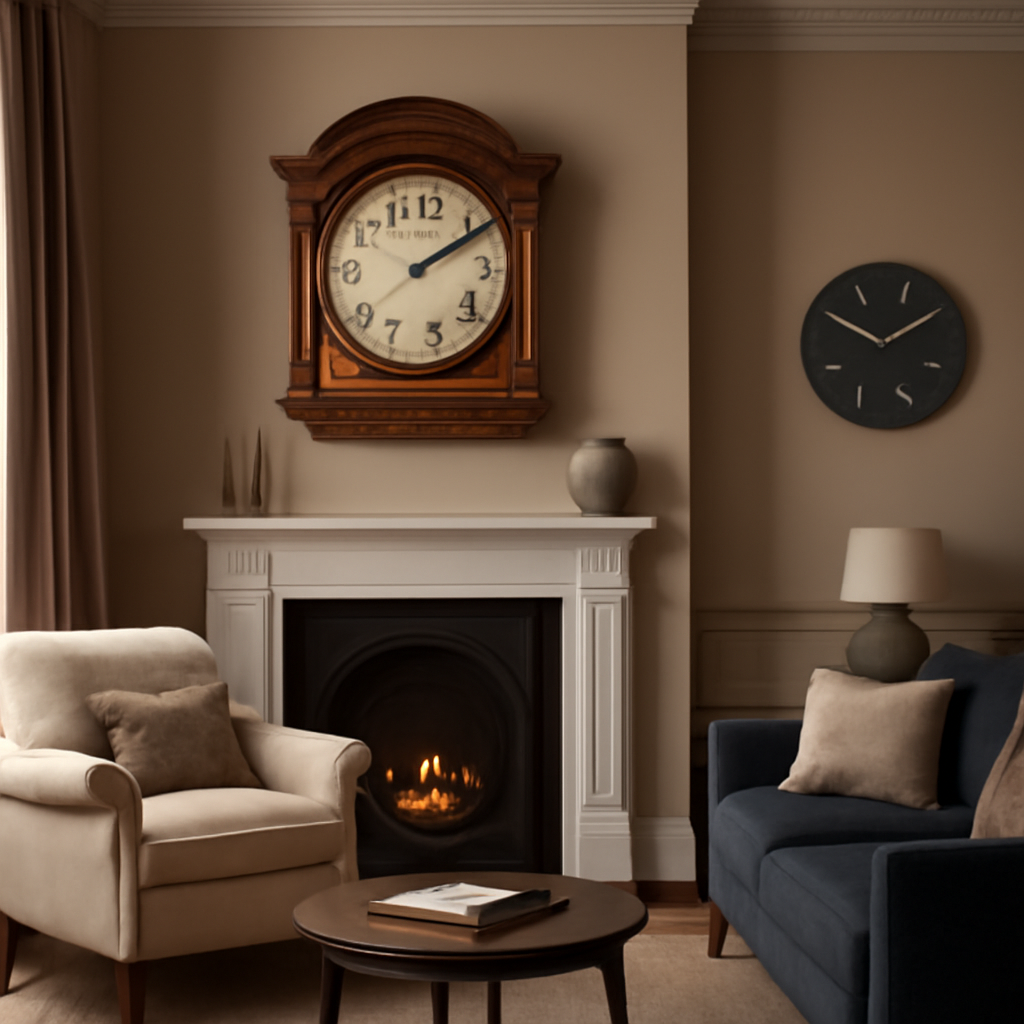
Bottom line: there’s no right or wrong choice – just the one that aligns with your lifestyle, design goals, and timeline. Take a moment now, grab a pen, and run through the checklist. In a few minutes you’ll have a clear direction, and the clock you pick will feel less like a purchase and more like a finishing touch to the story of your home.
Caring for Your Wall Clock: Maintenance Tips and Longevity
Dust and Surface Care
First thing’s first – dust is the silent thief of every wall clock’s sparkle. We’ve all seen that fine film settle on a glossy dial and wonder why the colours look dull. A soft, lint‑free microfiber cloth gently wiped once a week does the trick. If you’re dealing with stubborn grime, a barely damp cloth (just enough moisture to lift dust, not soak the mechanism) is safe for most finishes.
And here’s a little secret: avoid abrasive sprays or all‑purpose cleaners. They can strip varnish or leave residue that attracts more dust. A quick dab with a tiny amount of diluted mild soap, followed by a dry cloth, keeps the surface looking fresh without risking the movement.
Movement & Power Maintenance
Whether your clock ticks or glides silently, the heart of the piece needs occasional love. For quartz or battery‑powered models, pop the battery out every 12‑18 months – even if the hands still move. A fresh battery prevents erratic time‑keeping and stops the dreaded “stop‑mid‑day” surprise.
Mechanical or silent‑sweep clocks benefit from a light oiling every 2‑3 years. A drop of clock oil (or a specialist oil pen) on the gear train, applied by a professional, reduces friction and extends the lifespan. If you’re not comfortable doing it yourself, a local horology workshop can handle it without a fuss.
Environmental Factors
Temperature swings and humidity are the hidden enemies of precision. In a damp bathroom, metal frames can develop a faint patina, while wooden cases may warp. Aim for a stable environment – ideally 18‑22 °C with 40‑60 % relative humidity. If you live in a particularly humid UK climate, a small dehumidifier in the hallway can make a noticeable difference.
Sunlight is beautiful, but prolonged exposure can fade paint or bleach acrylic faces. Position your clock where direct afternoon sun doesn’t hit it for hours on end. A sheer curtain or a subtle angle on the wall does the trick without sacrificing style.
Handling & Installation Tips
When you first hang a new wall clock, use the right hardware. Plastic plugs work for plasterboard, but masonry screws are a must for brick or stone. And always double‑check that the mount is level – a slanted dial not only looks off‑kilter, it can strain the movement over time.
If you need to move the clock later, treat it like a piece of art. Lay a soft blanket on the floor, unscrew the mounting brackets, and keep the clock upright. Never lay it flat on its face; that can scratch the glass or dial.
Seasonal Check‑up Checklist
- Dust surface with a microfiber cloth.
- Wipe gently with a damp cloth if needed; dry immediately.
- Inspect battery; replace if older than 12 months.
- Look for signs of moisture or rust on metal parts.
- Check that the clock is still level and securely anchored.
- Rotate the clock face gently to ensure the hands move freely.
Doing this quick audit each spring and autumn keeps your wall clock humming (or sweeping) year after year.
Long‑Term Storage
Planning to store a beloved clock during a move or renovation? Wrap it in acid‑free tissue, then place it inside a sturdy cardboard box with cushioning. Keep the box upright and store it in a climate‑controlled room. Avoid basements or attics where temperature and humidity can swing wildly.
When you’re ready to bring it back, give it a fresh dust‑off, check the battery, and let it settle for a few minutes before re‑hanging. You’ll notice the difference straight away – a clock that feels like it never left.
Bottom line: a wall clock is more than a time‑keeper; it’s a design anchor that deserves a little TLC. With these simple, regular habits you’ll enjoy a ticking (or silent) masterpiece that ages gracefully alongside your home.
FAQ
Got questions about wall clocks? Here are the answers you’ve been looking for.
How often should I clean and maintain my wall clock?
We recommend a quick dust‑off with a soft microfiber cloth once a week – it keeps surface grime from building up. Every spring and autumn, give it a deeper clean: wipe the face with a barely damp cloth, dry it immediately, and check the battery if it’s older than a year. A gentle rotation of the hands helps confirm the movement is still smooth.
Can I hang a wall clock in a bathroom or kitchen without it getting damaged?
Yes, as long as you choose the right material. Metal or acrylic cases tolerate moisture better than untreated wood, which can warp. Look for a sealed backing and a silent‑sweep movement that isn’t exposed to steam. If you love the warmth of wood, pick a lacquered or engineered timber that resists humidity, and keep the clock a few inches away from direct splashes.
What’s the difference between a silent‑sweep and a ticking movement?
A silent‑sweep uses a quartz motor that glides the hands without audible clicks – perfect for bedrooms or study spaces where you want peace. A ticking movement, whether quartz or mechanical, produces a soft “tick‑tock” that can add a comforting rhythm to living rooms or hallways. The choice really comes down to personal preference and how the sound fits the room’s ambience.
How do I choose the right size clock for a large wall?
Measure the wall width first. A good rule of thumb is to let the clock cover about two‑thirds of that span. For a 200 cm wall, aim for a 120–130 cm diameter piece; for a modest 120 cm wall, a 70–80 cm clock feels balanced. Use a piece of cardboard cut to the intended diameter and tape it up – step back and see if it feels too cramped or lost.
Are smart‑connected wall clocks reliable for daily use?
Most Bluetooth‑enabled clocks sync with your phone and keep perfect time, but they need a decent range (around 10 m) and regular app updates. In our experience, they work flawlessly in a single‑room setting; however, if you have many walls with thick brick, the signal may drop. Choose a model with a replaceable battery so you’re not tied to a charger in the middle of a night.
What should I do if my wall clock stops ticking or loses time?
First, check the power source – replace the battery or recharge if it’s a lithium unit. If the hands are stuck, gently rotate them clockwise; never force them. Inspect for dust inside the back panel and clean it with compressed air. Should the problem persist, a local horology workshop can service the movement, often fixing the issue for a modest fee.
Conclusion
We’ve walked through everything from material moods to size math, and you now have a clear roadmap for picking the perfect wall clock.
Remember, the right piece does more than tell time – it sets the tone of the room, anchors your décor and even whispers a bit of personality every time you glance up.
If you’re leaning toward warm wood, picture that walnut grain echoing a reclaimed dining table; if sleek metal feels right, imagine a brushed‑steel face catching the kitchen’s ambient glow. And for airy spaces, a transparent acrylic clock can float like a design breath.
Don’t forget the practical bits: measure the wall, test the visual “shadow” with cardboard, check battery life or Bluetooth range, and give the movement a gentle check each season.
So, what’s the next step? Grab a tape, sketch a quick layout on your wall, and head over to our curated collection to see the styles we’ve hand‑picked for UK homes. A little time spent now saves you endless “what‑if” later.
When you finally hang that wall clock, you’ll notice how the whole space feels a touch more intentional – a silent conductor keeping your home’s rhythm in perfect sync.
Enjoy the timeless charm you’ve created and watch it inspire daily moments.
← Older Post Newer Post →