
Quality Wooden Furniture: A Friendly Guide to Inspiring Your Home with Bespoke Pieces
Posted by Admin on
Picture this: you’ve just moved into a new home, boxes still stacked, and you’re hunting for that one piece that feels right.
You want something that whispers luxury but also stands the test of time – that's where quality wooden furniture steps in.
We get it, because at Harvey Bruce Interiors we’ve helped countless homeowners turn empty rooms into lived‑in stories.
The difference between a fleeting trend and a lasting centrepiece often lies in the grain, the joinery, and the soul of the wood.
So, what exactly makes wood "quality"?
It’s not just the price tag; it’s the source of the timber, the craftsmanship, and how the piece ages gracefully with your family.
Think about a solid oak sideboard that’s been in a family for generations – it develops a patina that tells your own milestones.
When you choose a piece crafted from sustainably sourced hardwood, you’re also investing in a future where your children can enjoy the same warmth.
But there’s a trap: glossy veneer that looks sleek today can peel after a few seasons, leaving you with disappointment.
Instead, look for solid wood construction, dovetail joints, and finishes that protect without masking the natural character.
A quick tip? Run your hand along the grain; real quality wood will feel alive, with subtle variations, not a uniform plastic feel.
If the piece feels heavy and balanced, it’s a good sign that the timber hasn’t been compromised by cheap fillers.
For couples setting up their first home, a sturdy wooden dining table becomes the backdrop for countless celebrations – from birthday cakes to Sunday roasts.
Because it’s built to endure, you’ll spend less time replacing furniture and more time creating memories.
And if you’re a home stylist looking to layer textures, pairing a sleek wooden desk with a plush rug adds depth without shouting.
The timeless appeal of quality wooden furniture means it effortlessly complements both modern minimalism and classic décor.
We’ve seen homeowners who start with a single statement piece – like a handcrafted wooden bedside table – and watch the whole room instantly feel curated.
That’s the magic of choosing pieces that combine design with durability.
Now, you might wonder where to begin.
Start by identifying the rooms you use most, then select a wood type that matches the lifestyle – oak for high‑traffic areas, walnut for a richer, intimate vibe.
Remember, quality isn’t a one‑off purchase; it’s an ongoing conversation with your home’s evolving story.
As your life changes, those wooden pieces will adapt, gaining character along the way.
Ready to explore how the right wooden furniture can transform your space?
Let’s dive in and discover the pieces that will make your home feel truly yours.
TL;DR
If you want your new house to feel timeless, choosing Quality Wooden Furniture with sturdy craftsmanship and sustainable style is the cornerstone. We’ll guide you in picking the right wood, spotting genuine joinery, and styling pieces that grow with your life, so every dining or bedside table becomes a lasting memory.
Step 1: Assess Your Space and Style
First thing’s first – you walk into a room and you immediately feel whether it’s a place you can live, work, or just pass through. That gut reaction is the emotional baseline we need to capture before we even think about buying a piece of quality wooden furniture.
So, grab a tape measure, a notebook, and maybe a cup of tea. We’re about to turn a blank canvas into a room that feels like it was designed just for you.
Measure, then breathe
Start by sketching the floor plan on graph paper or a simple phone app. Mark doors, windows, radiators and any built‑in features. Then measure the longest wall and the shortest wall – you’ll notice a natural “golden ratio” emerging in many homes.
Next, create a 30‑inch buffer around any high‑traffic pathway. BHG suggests allowing at least 30 inches of clearance for comfortable movement (source: their furniture‑arranging guide). This rule prevents a gorgeous oak sideboard from becoming an obstacle.
Identify the room’s purpose
Ask yourself: will this space host family dinners, quiet evenings with a book, or a mix of both? A dining room that sees weekly gatherings needs a sturdy oak table that can handle eight plates and a lively conversation. A bedroom side table, on the other hand, should be compact but sturdy enough to support a lamp and a few favourite reads.
Picture a couple in their first home: they love entertaining, but they also need a quiet corner for work‑from‑home calls. A multi‑function wooden console that can double as a laptop station and a display for decorative items hits both needs.
Match style to personality
Take a moment to note the colour palette already present – wall paint, flooring, textiles. Warm honey‑toned floors pair beautifully with walnut or cherry pieces, while cool greys and whites let a light oak table shine without competing.
Here’s a quick tip we’ve seen work for many of our clients: bring home a small wood swatch or a sample board. Lay it next to your sofa, your curtains, even your kitchen backsplash. If the grain feels alive and the tone harmonises, you’ve found a match.
Consider scale and proportion
The ⅔ rule from interior design says the largest furniture items should occupy roughly two‑thirds of the room’s floor area, leaving the remaining third for movement and accent pieces. For a 12‑ft by 14‑ft living room, a solid‑wood coffee table around 4‑ft long works nicely, while a massive 8‑ft sideboard would dominate the space.
Real‑world example: a client in Brighton chose a chestnut dining table (see our Chestnut Dining Table) for a modest 10‑ft kitchen‑dining combo. By keeping the table’s footprint modest and adding a slim wooden console for storage, they maintained an open feel and still got the timber character they craved.
Plan for growth
Think about the next five years. Will your family expand? Will you start working from home more often? Selecting a timeless wood like oak gives you flexibility – it ages beautifully and can be re‑finished if you ever want a different sheen.
One of our recent projects involved a couple who wanted a sleek walnut desk now, but also needed the option to add a matching sideboard later. We recommended a modular walnut desk system that can be extended with additional storage modules as their needs evolve.
Actionable checklist
- Measure walls, doors and traffic lanes.
- Write down the room’s primary function(s).
- Identify existing colour and material palette.
- Test wood samples against your décor.
- Apply the ⅔ rule to gauge appropriate furniture scale.
- Consider future lifestyle changes.
When you’ve ticked those boxes, you’ll have a clear mental picture of where each piece of quality wooden furniture belongs.
Need a deeper dive into how different wood tones affect mood? Check out our thoughtful review of wooden furniture for colour‑pairing ideas and long‑term care tips.
And if you’re in the middle of a move, don’t forget to coordinate with reliable removalists. A quick read of your complete guide to removalists can save you time, money and a few headaches.
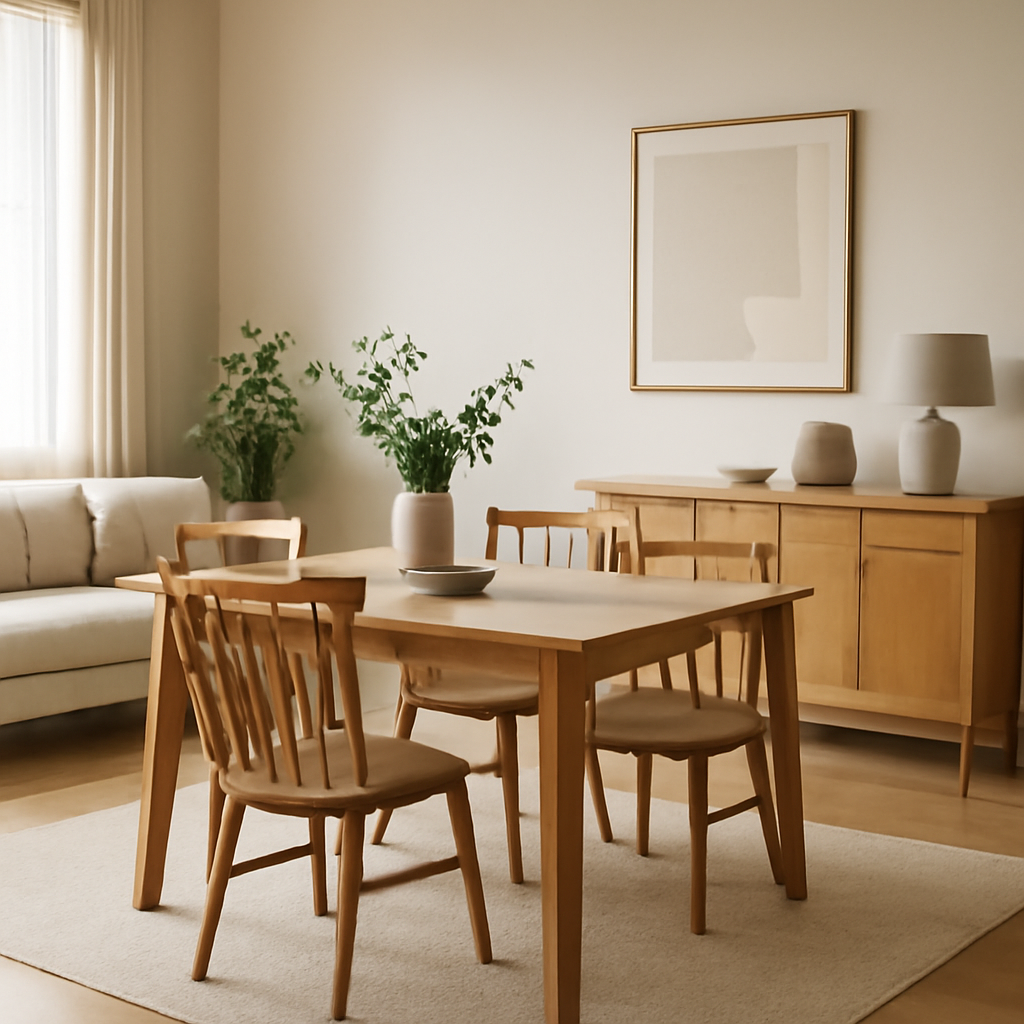
Step 2: Choose the Right Wood Types
Now that you’ve mapped the space, the next question is: which wood actually fits your life? Not every timber behaves the same under a family’s daily hustle.
Know the hard‑working classics
Red oak and white oak are the go‑to for high‑traffic zones. Red oak’s bold grain hides scratches, while white oak’s tighter grain leans toward a cleaner look. Both hold up to heavy dinner parties and kids’ art projects.
If you’re after something a bit lighter, maple offers a subtle grain that won’t compete with bold décor. It’s a bit softer than oak, but still sturdy enough for a bedroom suite.
Cherry wood ages beautifully – its colour deepens over years, giving a vintage feel without any extra effort.
And then there’s walnut, the dark‑chocolate hero that adds instant luxury to a study or dining area. Its medium density resists warping even when humidity shifts.
Match wood to the room’s purpose
Think about where the piece will live. In a bustling kitchen, you want a wood that tolerates spills and heat. White oak or hickory are excellent because they’re hard enough to shrug off minor burns.
For a tranquil bedroom, a softer maple or cherry can create a calm backdrop while still providing enough strength for night‑stands and dressers.
Living‑room coffee tables often become the unofficial gathering spot for games and mugs. A solid walnut slab adds a statement, but if you prefer a lighter vibe, consider a maple top with a black metal frame – the contrast keeps the space feeling airy.
Picture this: a couple in Brighton who wanted a dining table that could survive weekly Sunday roasts. They chose a chestnut piece that blends oak’s durability with a warm tone, and the table still looks fresh after five years.
Eco‑friendly angles
Today’s buyers care about the planet as much as the polish. Look for FSC‑certified timber or reclaimed wood that carries a story of renewal. Sustainably Kind Living breaks down why solid wood beats MDF or particleboard on both health and longevity.
Low‑VOC finishes are a bonus – they protect the wood without flooding your home with chemicals. A simple linseed oil coat can keep a walnut desk looking sharp for years.
Quick decision checklist
- Identify the room’s traffic level.
- Pick a wood known for durability in that setting.
- Check if the timber is FSC‑certified or reclaimed.
- Feel the grain in person – it should be alive, not flat.
- Consider the finish: natural oil or water‑based sealant.
Once you’ve ticked those boxes, you’ll feel confident that the wood you choose will grow with your family.
Mixing woods can add visual interest without clashing. Pair a light oak sideboard with a dark walnut coffee table for a balanced contrast that feels intentional, not accidental.
Maintenance matters. A simple weekly dusting with a soft cloth keeps surface oils from building. For spills, blot immediately with a damp cloth; avoid harsh chemicals that can strip the finish.
Think ahead – choose a wood that can be re‑finished as trends shift. Oak and maple take new stains beautifully, letting you refresh the look without swapping the whole piece.
If you’ve narrowed down a wood, bring a sample home. Let the light in your room play across the grain for a day; that moment of certainty is worth the extra effort.
Still unsure which grain sings best with your palette? Watch the short guide below – it walks you through visual cues and touch tests.
And remember, quality wooden furniture isn’t just a purchase; it’s an investment in memories that will look better with time.
Step 3: Understand Craftsmanship and Construction
Now that you’ve zeroed in on the perfect wood grain, it’s time to look under the surface – literally. The way a piece is put together decides whether it’ll become a family heirloom or a seasonal fling.
Why joinery matters more than finish
Imagine a dining table that’s held together with a cheap stapled joint. One enthusiastic dinner and the leg wobbles. In contrast, a dovetail or mortise‑and‑tenon joint distributes stress evenly, so the table stays sturdy through years of hustle and bustle.
In our experience, solid‑wood pieces that use traditional joinery hold their shape even when humidity swings. That’s why many of our clients swear by hand‑crafted dovetails for sideboards – they feel like a promise that the furniture will stay put.
Spotting quality construction
First, give the piece a gentle shake. You shouldn’t hear any rattling; a solid frame is quiet, confident, and feels dense. Next, run your hand along the seams. If you feel a neat, tight fit with no gaps, you’re looking at skilled craftsmanship.
Second, check the underside. A well‑made drawer will have dovetail joints visible from below, and the bottom panel will be securely nailed or screwed, not just glued. This extra step saves you from buying a “quick‑fix” that might sag later.
Materials beyond the wood grain
Hardware can be the silent hero or the hidden flaw. Brass or stainless‑steel drawer pulls not only look elegant, they resist corrosion better than cheap zinc alloys. Look for dovetail‑reinforced corners on tables – a small metal plate hidden in the joint adds extra rigidity without stealing the design spotlight.
Also, pay attention to the finish. A water‑based sealant lets the wood breathe, reducing the risk of cracking in dry winters. Natural oils penetrate the grain and enhance the wood’s natural resilience. Both options protect the surface while keeping the tactile warmth you love.
How to test durability at home
Grab a sturdy piece of cardboard and place it on the tabletop. Press down firmly with the heel of your hand – if the board bows, the core may be plywood or a low‑grade composite, not solid timber.
Another quick test: open and close a drawer repeatedly. It should glide smoothly without catching. Any squeak is a sign of either poor hardware or misaligned joints.
When to consider custom versus off‑the‑shelf
If you’re furnishing a unique space – say a loft with sloping ceilings – a custom‑built piece lets you dictate every joint, hardware, and finish. It’s an investment, but the payoff is a piece that fits perfectly and ages gracefully.
Off‑the‑shelf options can still be top‑notch if the retailer provides detailed construction specs. Look for product pages that list the type of joinery, wood species, and finish. If those details are missing, it’s a red flag.
Checklist for craftsmanship confidence
- Feel for solid, dense weight – cheap fillers feel light.
- Listen for silence when you tap the frame; no rattles.
- Inspect seams for dovetail or mortise‑and‑tenon joints.
- Verify hardware material – brass, stainless steel, or solid wood.
- Ask about finish type – water‑based sealant or natural oil.
- Perform the cardboard wobble test for true solid wood.
Cross‑checking these points gives you a clear picture of whether the furniture will stand the test of time.
Putting it all together
When you combine the right wood, thoughtful joinery, sturdy hardware, and a breathable finish, you end up with Quality Wooden Furniture that feels alive and reliable. That’s the sweet spot we aim for at Harvey Bruce Interiors – pieces that grow with your family’s stories, not just your décor trends.
So, next time you’re eyeing a new sideboard or desk, pause and run through this quick audit. It only takes a minute, but the confidence it gives you lasts a lifetime.
Step 4: Compare Top Quality Wooden Furniture Options
Alright, you’ve already checked the wood, the joinery, and the finish. Now it’s time to line up the contenders and see which one feels right for your home.
What’s the playground?
Think of it like picking a new neighbour. Do you want a classic oak that blends into any street, a sleek walnut that makes a statement, or a reclaimed piece that tells a story?
And if you’re still on the fence, ask yourself: which room will host the most chaos? Which piece will need to grow with your family?
Side‑by‑side quick compare
| Option | Key Strength | Ideal Room |
|---|---|---|
| Solid Oak (traditional) | Durable, wear‑resistant, easy to refinish | High‑traffic dining or family rooms |
| Walnut (luxury) | Rich colour, strong yet slightly lighter than oak | Study, master bedroom or formal dining |
| Reclaimed Wood (sustainable) | Unique grain, built‑in patina, eco‑friendly | Eclectic living spaces or accent sideboards |
Notice how each option brings a different vibe? The solid oak is the workhorse – you can imagine it surviving birthday cakes, school projects, and Sunday roasts. Walnut feels a bit more intimate; it ages into a deeper hue that makes a quiet corner feel cosy. Reclaimed wood? It’s the conversation starter that reminds you of a previous life before it became yours.
So, how do you decide? Grab a piece of each finish, set it beside a lamp, and watch how the light plays. Does the walnut glow in the evening? Does the oak stay steady under a busy family lunch? Does the reclaimed piece whisper stories when you run your fingers over the knots?
Real‑world clues
One tip we’ve picked up from industry pros is to look beyond the showroom photo and actually test the joints. Michael Helwig points out that solid dovetail or mortise‑and‑tenon joints are a reliable indicator of lasting construction (how to spot high‑quality joints).
Another clue is brand pedigree. Furniture Fair’s roundup of real‑wood brands breaks down which makers still stick to solid‑timber methods (real‑wood furniture brands). If a brand consistently uses kiln‑dried hardwood and avoids particleboard veneers, you’re looking at a safer bet.
Checklist before you commit
- Confirm the wood type matches the room’s traffic level.
- Inspect the joinery – dovetail, mortise‑and‑tenon, or at least a solid dowel joint.
- Ask about the finish – water‑based sealant or natural oil that can be refreshed.
- Consider sustainability – FSC‑certified or reclaimed wood adds long‑term value.
- Visualise the piece in your space; use a sample board or place a swatch under your existing lighting.
When you line these points up, the decision feels less like a gamble and more like a well‑planned step in your home’s story.
Bottom line: there’s no one‑size‑fits‑all answer. The “best” option is the one that matches your lifestyle, aesthetic, and future plans. Take a moment, compare the three categories above, and you’ll walk away with a piece of Quality Wooden Furniture that feels like it was made just for you.
Step 5: Care and Maintenance for Longevity
We’ve picked the perfect piece, now let’s make sure it sticks around for the next generation. Think of your wooden table like a good friend – a little love every day keeps it happy.
Daily habits that protect the finish
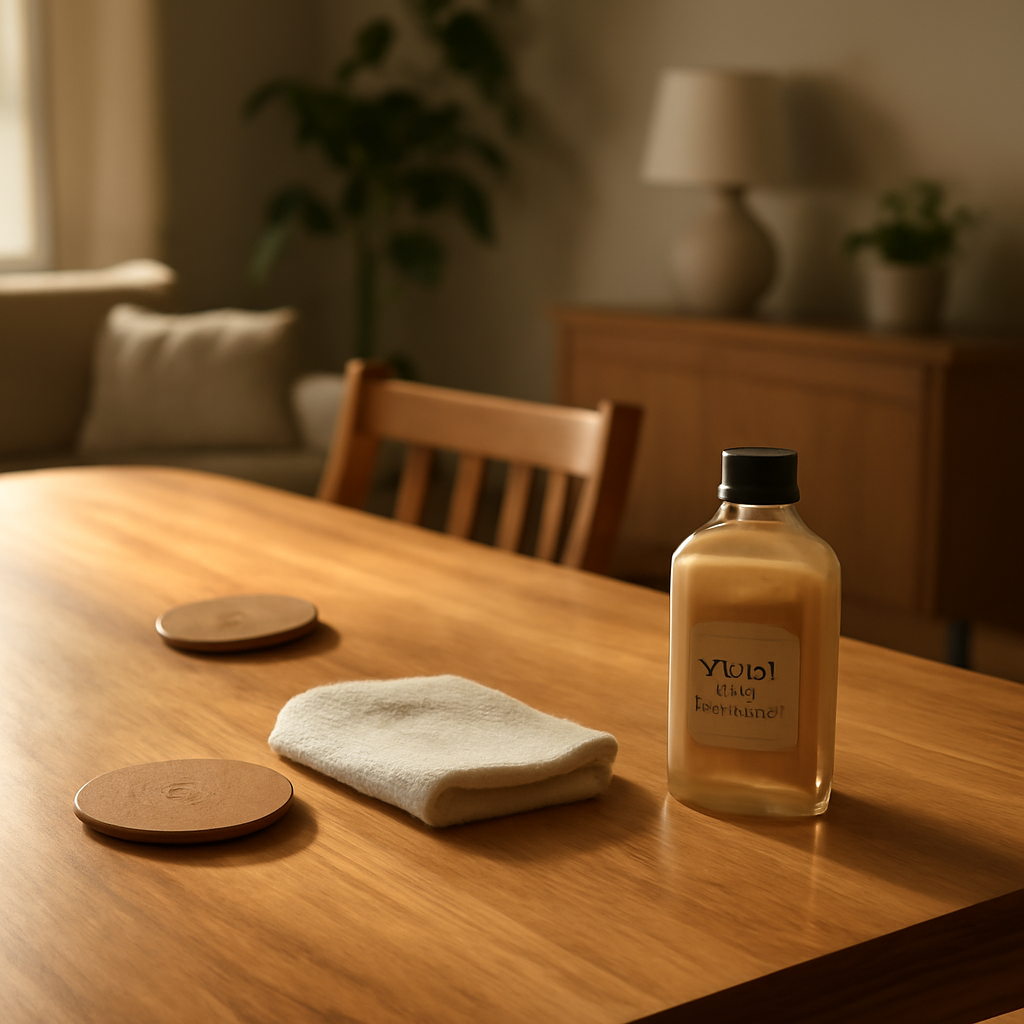
First thing’s first: dust with a soft, lint‑free cloth following the grain. It only takes a minute, but it stops tiny particles from turning into scratches. If you spot a spill, blot it right away with a barely damp cloth and dry the area – never let liquid sit.
Ever wonder why coasters matter? They’re tiny shields that stop water rings and heat marks. Keep a set handy for mugs, plates, and even hot pans. A quick tip: place felt pads under table legs to spare both the wood and your floor.
Guarding against sunlight and humidity
Sunlight is a sneaky culprit. Direct rays can fade oak’s warm honey tone or bleach a walnut’s rich chocolate hue. Position your furniture away from window sills, or dress the windows in curtains that filter UV light.
Humidity swings are another hidden enemy. Wood expands in moist air and contracts when it dries, which can lead to warping. Aim for a consistent indoor humidity – a portable humidifier in winter and a dehumidifier in summer do the trick.
Cleaning the right way
When it comes to cleaners, less is more. Mix a few drops of mild dish soap into a quart of warm water, dampen a cloth, and wipe gently along the grain. Rinse with a clean, slightly damp cloth and dry immediately. Avoid anything with ammonia, bleach, or harsh solvents – they’ll strip the protective layer.
For stubborn grime, a touch of white vinegar in the same solution works wonders, but always test in an inconspicuous spot first.
Refreshing the finish
Even the best finishes need a top‑up now and then. Natural oil‑based conditioners applied every six to eight weeks replenish the wood’s luster and keep the seal intact. Skip silicone‑based polishes; they attract dust and create a dull film.
If the surface looks tired after a few years, a light re‑application of your original finish (water‑based sealant or natural oil) will revive it without a full strip and refinish. Our go‑to guide for that process can be found in this expert care guide.
Dealing with everyday dents and scratches
Small scratches are part of the story – they add character. For surface marks, a wood touch‑up marker that matches the grain does the job. Deeper dents? A gentle steam from a kettle can raise the wood fibers back into place; let it cool, then wipe dry.
When a stain appears, denatured alcohol on a microfiber cloth usually lifts recent water rings. For darker heat marks, a light iron over a towel on low heat can coax the wood back to its original colour.
Seasonal checklist
- Winter: run a humidifier, wipe down with mild soap solution, apply oil conditioner.
- Spring: inspect for any humidity‑related swelling, check feet pads.
- Summer: use a dehumidifier, ensure UV‑filtering curtains are in place.
- Autumn: give a thorough dusting, re‑apply finish if the sheen looks dull.
Does that feel like a lot? Not really – treat each step as a quick habit and you’ll barely notice the time it takes.
And if you ever wonder whether a deeper rescue is needed, the restoration guide walks you through everything from light cleaning to full refinishing, so you’re never left guessing.
Bottom line: a little routine, a few protective habits, and the right products keep your quality wooden furniture looking fresh for decades. Take a moment each week, follow the checklist, and you’ll enjoy a piece that ages beautifully while you create new memories around it.
FAQ
What makes a piece of furniture “Quality Wooden Furniture”?
Quality Wooden Furniture starts with solid, sustainably sourced hardwood – think oak, walnut or reclaimed timber – that’s been kiln‑dried to a stable moisture level. Look for joinery like dovetail or mortise‑and‑tenon instead of cheap staples, because those joints keep the piece sturdy as humidity shifts. A finish that breathes – natural oil or water‑based sealant – protects the grain without sealing in cracks. When the wood feels dense in your hand and the grain is alive, you’re probably looking at a high‑quality piece.
How often should I condition my wooden dining table?
For most oak or walnut tables, a light oil conditioner every six to eight weeks does the trick. Warm the cloth a bit, rub the oil along the grain, then let it soak for 15 minutes before wiping away excess. If you notice the surface looking dull or water‑spots forming, that’s your cue to refresh the coating. In high‑traffic homes with kids, you might move to a monthly schedule – the extra care keeps the wood from drying out and cracking.
Can I use a regular furniture polish on my Quality Wooden Furniture?
Skip the silicone‑based sprays. Those create a cloudy film that attracts dust and can hide micro‑scratches. Instead, stick to a gentle mix of a few drops of mild dish soap in warm water, or a dedicated wood oil that the manufacturer recommends. Apply with a soft lint‑free cloth, always following the grain. If you need a quick shine for a special dinner, a dab of natural beeswax works beautifully and won’t compromise the underlying finish.
What’s the best way to protect wooden furniture from sunlight?
UV rays are the silent enemy – they can bleach the honey tone of oak or mute the deep chocolate of walnut. Position the piece away from direct windows, or use sheer curtains that filter the light without darkening the room. You can also add a UV‑filtering film to your windows; it’s a low‑cost upgrade that preserves colour for years. A simple slipcover or decorative throw can double‑duty as a style statement and a shield against sun‑damage.
How do I deal with a small water ring on my sideboard?
First, grab a clean cloth and dab the spot with a little white vinegar diluted 1:1 with water – don’t rub, just let it sit for a minute. Then place a warm iron (no steam) over a clean cotton towel placed on the ring for 10‑15 seconds. The heat will lift the trapped moisture back into the wood fibers. Finish by polishing the area with a dab of your regular wood oil to blend the spot back into the surrounding grain.
Is it okay to place a hot pan directly on a wooden kitchen island?
It’s a habit many of us make, but the sudden heat can scorch the finish and leave a permanent mark. Always use a heat‑proof trivet or a thick silicone pad. If you forget and a scorch appears, you can often revive the surface by gently steaming the area with a kettle and then re‑applying a thin layer of oil. Consistently using a barrier will extend the life of your island and keep it looking showroom‑ready.
How can I tell if my wooden bookshelf needs refinishing?
When the finish starts to look matte, feels rough to the touch, or shows tiny cracks along the edge, it’s a sign the protective layer has worn thin. Run your hand across the surface; if you feel the grain “grab” the cloth, the oil has dried out. A quick test is to wipe a small hidden area with a damp cloth – if water beads, the seal is still good. Otherwise, a light sanding followed by a fresh coat of oil or water‑based sealant will bring the bookshelf back to life.
Conclusion
So, after wandering through wood types, joinery tricks and care routines, where does that leave you? You’ve got a toolbox of practical know‑how and a clearer feeling of what “Quality Wooden Furniture” really means for your home.
Remember the moment you ran your hand over a solid oak table and felt that dense, alive grain? That’s the same sensation we aim for at Harvey Bruce – pieces that feel as sturdy as they look, and that age gracefully as your family grows.
If you’re still wondering whether to choose walnut, oak or reclaimed timber, think about the room’s story. A bustling kitchen thrives on a hard‑wearing oak surface, while a quiet study benefits from the depth of walnut. The right wood becomes a backdrop for everyday moments, not a distraction.
Don’t forget the joinery. Dovetail and mortise‑and‑tenon joints are the silent guardians that keep tables steady under Sunday roasts and bookshelves holding treasured heirlooms.
And the finish? A breathable oil or water‑based sealant lets the wood breathe, making routine dusting a simple ritual rather than a chore.
What’s the next step? Take a sample board home, place it under your favourite lighting, and watch how the grain reacts. Feel the texture, note the colour shift, and let that intuition guide your choice.
When you bring a piece into your space, treat it like a long‑term partner: use coasters, rotate cushions, and give the surface a light oil once in a while. Those tiny habits pay off in decades of beauty.
Finally, know that investing in genuine, sustainably sourced timber isn’t just about aesthetics – it’s a commitment to a healthier planet and a home that tells your family’s story for generations.
Ready to start the journey? Browse our curated collection, pick the wood that sings to you, and let us help turn that vision into a reality.
← Older Post Newer Post →