
Choosing Linen Curtains for Living Room Spaces: A Practical Guide
Posted by Derek Lamb on
Picture this: you're sinking into your sofa, sunlight spilling across the floor, and the room feels just right.
But the thing that often makes or breaks that cozy vibe is what’s hanging at the windows – especially linen curtains for living room spaces.
They bring that soft, breathable texture you love, while still letting enough light filter through to keep the space airy.
Ever walked into a showroom and felt the fabric glide through your fingers, and thought, "That's exactly the mood I need at home?"
In our experience at Harvey Bruce Interiors, we've seen homeowners transform a plain living area into a relaxed, elegant retreat just by swapping out heavy drapes for light, natural linen.
Why does linen work so well? It’s naturally breathable, so it helps regulate temperature – cool in summer, warm in winter – without the stiff feel of synthetic fibers.
And because each linen panel is hand‑crafted, you get subtle variations that add depth, making the room feel lived‑in and luxurious at the same time.
Does the idea of caring for linen curtains sound daunting? Not really. A simple tumble‑dry on low heat and a gentle iron when needed keeps them looking fresh.
Think about the colours, too. Natural off‑white, muted greys, or even a soft sage can tie your sofa, rug, and artwork together without shouting for attention.
So, if you're a couple moving into your first home or a seasoned homeowner looking for a fresh update, consider the quiet impact of linen curtains for living room décor.
They’re a modest investment that pays off in everyday comfort, plus they're a sustainable choice – linen is made from flax, a low‑impact crop.
Ready to give your living room that effortless, upscale vibe? Let's explore how to pick the right style, length, and hanging method to suit your space.
TL;DR
Linen curtains for living room bring breezy elegance, natural temperature control, and effortless style that instantly uplifts any space. Choose soft off‑white, muted grey, or sage hues, and enjoy simple care—tumble‑dry low, iron lightly—while Harvey Bruce Interiors helps you customise the perfect and lasting fit for your home’s cozy atmosphere.
Step 1: Assess Your Living Room Style and Light Needs
First thing’s first – pause for a second and picture the room you’d love to curl up in after a long day. Is it a breezy, coastal vibe where sunlight dances across a soft, off‑white sofa? Or maybe you crave a snug, earthy nook where the light is more of a gentle whisper?
That mental snapshot is the compass for choosing the right linen curtains for living room spaces. In our experience at Harvey Bruce Interiors, the biggest mistake homeowners make is picking curtains before they truly understand the room’s personality and the amount of light they actually need.
So, how do you get there? Grab a notebook, a tape measure, and a cup of tea, and let’s break it down into three quick checks.
1️⃣ Identify Your Style Baseline
Look around at the big pieces – the sofa fabric, the rug pattern, the artwork on the walls. Are the tones warm and buttery, or cool and muted? If you’re leaning toward a modern minimal look, a crisp white linen will amplify that clean feel. For a more rustic or boho vibe, think soft greys or a muted sage that echoes natural elements.
And here’s a little secret: the colour of your curtains can either blend in or become a statement. If you love a subtle backdrop, match the linen shade to the wall colour. If you want the curtains to be the hero, pick a hue that pulls out a colour from a throw pillow or a piece of décor you adore.
2️⃣ Measure the Light Flow
Stand by the biggest window and note how the sun moves through the day. Does the morning glare make you squint, or does the evening glow turn the room golden? For rooms that get harsh midday sun, a slightly thicker linen or a light‑filtering weave can soften the glare without blocking the view.
On the flip side, if your living room feels a bit dim, go for a sheer linen that lets the daylight filter through while still offering a touch of privacy. A quick test: hold a white sheet up to the window – if you can read a newspaper through it, you’re in the right light‑filtering zone.
Need a visual cue? Check out this short video that walks you through a quick light‑assessment technique.
Now that you’ve got a feel for the light, think about the room’s function. A family‑friendly lounge that sees a lot of activity benefits from linen that’s easy to clean and slightly more substantial. A quiet reading corner, however, thrives on a lighter, more ethereal drape that lets the afternoon sun linger.
3️⃣ Match Function to Fabric Weight
Light‑weight linen works great for airy spaces where you want the curtain to sway with a breeze. Heavier linen adds a bit of insulation – perfect if you’re in West Lothian and want to keep the chill out during winter evenings.
One practical tip we often share: pair a heavier linen panel with a sheer backing. This gives you two moods in one set – pull the sheer for a bright, open feel, or close the linen for added coziness.
If you’re wondering where to find quality flooring that complements those linen curtains, Millena Flooring offers a curated range of natural wood and stone options that pair beautifully with the texture of linen.
And for those of you who love a little DIY sparkle, you might eventually need to clean wax residue from candle jars placed on your coffee table. A helpful step‑by‑step guide can be found here – it’s a quick read and saves you from stubborn stains.
Take a moment now to jot down your style keywords (e.g., “coastal,” “modern,” “warm”) and note the light intensity on a simple scale of 1‑5. This mini‑cheat sheet will become your reference when you start browsing linen options.
When you return to the showroom or browse online, bring that cheat sheet with you. It will keep you focused, prevent impulse buys, and ensure the curtains you select truly enhance your living room’s vibe.
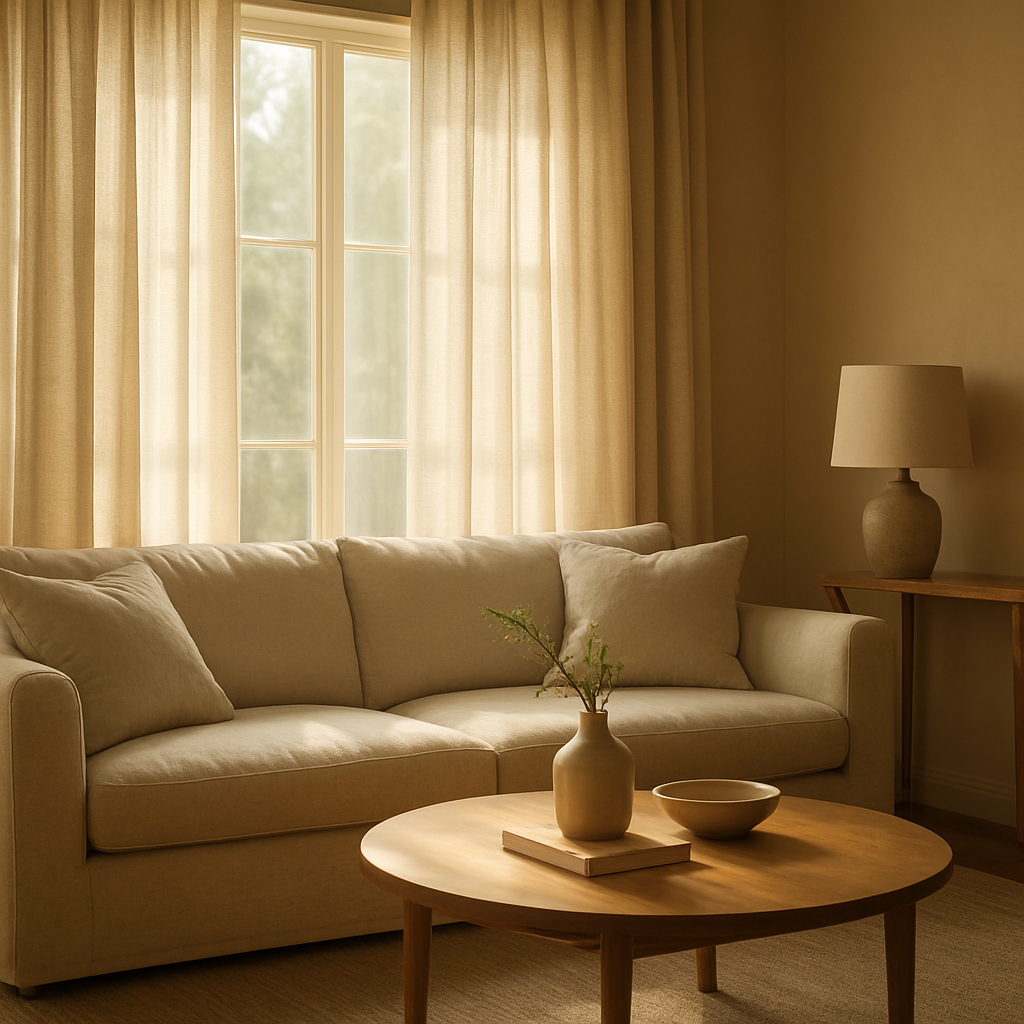
Ready to move to the next step? With your style and light needs clearly mapped, you’ll find the perfect linen curtain that feels like it was made just for your space.
Step 2: Choose the Right Linen Fabric Weight and Finish
When you stand in front of that sun‑splashed window, the first thing you’ll notice is how the fabric feels against the light. Is it whisper‑thin, letting the room glow like a summer morning, or does it have a bit of body that tames the glare while still breathing?
That sensation is the clue to the perfect linen weight for your living room. In our experience, a good rule of thumb is to match the weight to the room’s lighting rhythm and the mood you want to set.
Lightweight vs. Heavyweight Linen
Lightweight linen – think 150‑200 gsm – drapes almost like a veil. It’s ideal when you love that breezy, airy vibe and you don’t need a lot of privacy. Pair it with a bright sofa or a high‑contrast rug, and the curtains will dance with the sun without stealing the spotlight.
Heavyweight linen – around 300‑350 gsm – has a little more heft. It blocks a bit more light, adds texture, and gives the window a grounded look. Perfect for rooms that double as home offices or for evenings when you crave a cozier glow.
And if you’re not sure which end of the spectrum fits, try the semi‑sheer linen‑blend curtains on Amazon. Reviewers love how they strike a balance between softness and light‑filtering, making them a safe test‑run before you commit to a custom weight.
Finishes: Raw, Washed, and Crinkled
Raw linen shows the natural texture of the flax fibers. It’s a little stiff at first, but it softens beautifully with each wash. This finish works well in minimalist spaces where you want the fabric to be a subtle, organic statement.
Washed linen has been pre‑treated to feel smoother right out of the box. It drapes more fluidly and hides minor wrinkles, which is handy for busy households that don’t have time for daily ironing.
Crinkled (or “slub”) linen adds intentional texture, creating a relaxed, lived‑in look. It’s the go‑to for boho‑styled living rooms where you want the curtains to feel like a well‑read novel – full of character.
For a quick visual of how these finishes translate into real rooms, check out the custom options at Pepper Home. Their colourways and finish samples give you a realistic sense of what raw versus washed linen will do for your space.
Quick Decision Checklist
Before you head to the showroom or add items to your cart, run through this three‑point cheat sheet:
- Light level: Do you need sheer, semi‑sheer, or a bit more privacy?
- Room function: Is the living room also a work‑from‑home zone?
- Finish vibe: Raw for natural, washed for easy care, crinkled for texture.
Mark the box that fits best, and you’ll walk away with a clear direction.
Choosing the Right Weight & Finish – A Mini‑Table
| Fabric Weight | Finish | Best Use in Living Room |
|---|---|---|
| 150‑200 gsm | Washed or Crinkled | Bright, sun‑filled rooms; want a light, airy feel |
| 250‑300 gsm | Raw or Washed | Balanced light control; ideal for dual‑purpose spaces |
| 300‑350 gsm | Raw or Crinkled | Cozy evenings, home‑office backdrops, or rooms with strong afternoon sun |
And that’s it – you now have a tactile roadmap for picking the perfect linen curtains for living room. Grab a swatch, feel the weight, picture the finish, and you’ll be ready to choose a fabric that not only looks great but lives beautifully in your home.
Step 3: Select Colors and Patterns that Complement Your Décor
Okay, you’ve already figured out how much light you want and what weight of linen feels right. Now comes the fun part – choosing a hue and a pattern that make your living room feel like it was designed just for you.
Start with What’s Already in the Room
Take a quick inventory: sofa fabric, rug tones, wall paint, even the coffee table metal. Do you have a deep charcoal sofa? A soft ivory linen curtain will soften the contrast and let the sofa stay the star. Got a sage‑green accent wall? A muted grey linen adds depth without fighting the green.
And don’t forget the little things – a brass lamp, a woven basket, a splash of navy in a throw pillow. Those details are like secret clues that tell you which colour family will feel harmonious.
Play with Patterns Wisely
Patterns can be a game‑changer, but they can also overwhelm a space if you’re not careful. If your living room already has a bold rug or a patterned sofa, lean toward a subtle stripe or a tone‑on‑tone weave. The texture of linen itself gives enough visual interest that you often don’t need a busy print.
On the flip side, if your room is mostly solid neutrals, a gentle chevron or a soft botanical print can add personality without stealing the show. Just keep the scale in mind – a large‑scale pattern looks great on big windows, while a finer print works better on narrower panels.
Mix & Match with Textures
One of linen’s superpowers is how it pairs with other textures. Pair a raw‑finish linen in a warm ivory with a chunky knit throw or a reclaimed‑wood coffee table and you’ve created a layered, lived‑in feel. If you prefer a more polished look, a washed‑linen in cool grey alongside a sleek metal floor lamp gives a contemporary vibe.
Think about the tactile journey as you move through the room. Your hand should glide from the smooth curtain to a soft cushion, then to the rougher texture of a wooden sideboard. That kind of sensory rhythm makes the space feel intentional.
Quick Color‑Check Checklist
- Identify the dominant colour in your sofa or rug.
- Choose a curtain colour that is either one shade lighter for airy feel or one shade darker for coziness.
- If you love patterns, pick a print that echoes an existing shape (like the chevron on a rug).
- Match the linen finish (raw, washed, crinkled) to the overall texture level you desire.
- Hold a fabric swatch next to a wall sample – natural light will reveal the true undertone.
In our experience at Harvey Bruce Interiors, couples who blend a muted sage linen with warm wooden blinds often say the room feels “balanced” the moment they walk in. It’s a small decision that makes a big emotional impact.
So here’s what you can do right now: grab a few linen swatches in your favourite neutrals, line them up next to your sofa, rug, and wall paint, and see which combination makes you pause and smile. If a pattern catches your eye, test it on a small patch of wall first – you’ll avoid a costly mismatch later.
Pro tip: hold your chosen swatch up to the window at sunrise, midday, and sunset. The same linen can look cool‑blue in the morning and warm‑gold in the evening. Seeing it shift with the light helps you decide if it truly supports your décor.
Remember, the goal isn’t to create a perfect match; it’s to craft a backdrop that lets your furniture and personal items shine. When the colours and patterns of your linen curtains feel like an extension of the room’s story, you’ve nailed step three.
Step 4: Determine Accurate Measurements and Installation Methods
Alright, you’ve picked the perfect linen fabric, now it’s time to make sure it actually fits the window. Too short and you’ll be hunting for a rug to cover the gap; too wide and the curtain will look like a tent. Here’s how we turn a vague idea into a set of numbers you can trust.
1. Grab a tape, not a guess
Start by measuring the window opening, not the frame. Place the tape at the inside edge of each jamb, pull it straight across, and note the width. Most designers recommend adding 4‑6 inches total (2‑3 inches each side) for a full, gathered look. For a sleek, minimal look, you can skip the extra fullness and stick to the exact opening.
Example: A 48‑inch opening plus 6 inches of overlap gives you a 54‑inch panel width. If you love that plush, layered look, double the width – 108 inches – and let the linen fold nicely.
2. Length matters – floor‑kissed or puddle‑perfect?
Measure from the top of the rod (or the ceiling if you’re using a track) down to where you want the curtain to end. A “floor‑kiss” typically stops ½‑inch above the floor; a puddle adds 2‑4 inches for drama. Write both numbers down, then add a half‑inch for hemming.
Real‑world case: The Martins family wanted a relaxed vibe in their 12‑ft‑high living room. They measured 115 inches to the floor, added ½‑inch for a clean break, and ended up with 115.5‑inch panels that just barely brushed the rug.
3. Choose the right mounting style
There are three main options: rod pocket, grommet, and back‑tab. Each affects how the linen hangs.
- Rod pocket: The fabric folds over the rod, giving a soft, relaxed drape. Ideal for lightweight linen that you want to float.
- Grommet: Metal rings slide onto the rod; they create even spacing and a modern look. Good for medium‑weight linen that needs a crisp line.
- Back‑tab: Small loops on the back pull the fabric tight against the rod, perfect for a tailored, pinch‑pleat effect.
We’ve seen couples with a coastal‑style living room choose grommets because the metal echoes their brass accessories, while a minimalist client prefers rod pockets for that “just‑in‑time” look.
4. Double‑check with a mock‑up
Before ordering, cut a piece of butcher paper or cheap muslin to the exact width you calculated. Hang it with the same hardware you plan to use. Step back, look at the fullness, and note if the length feels right. This cheap prototype can save you from a costly reorder.
One of our clients in Edinburgh did exactly that and discovered the linen needed an extra inch of length to avoid a “short‑stop” when the sofa was pulled forward.
5. Record everything in a quick checklist
We love a simple table. Print it out, fill it in, and bring it to the showroom or use it when ordering online.
| Measurement | Result | Notes |
|---|---|---|
| Window width | 48 in | +6 in for fullness = 54 in panel |
| Desired length | 115 in (floor‑kiss) | +½ in hem = 115.5 in |
| Mount type | Grommet | Matches brass lamp hardware |
| Fabric weight | 250 gsm | Medium‑weight for summer‑winter balance |
Having this on hand turns a vague “I think it fits” into a concrete order.
6. Installation tips from the pros
• Use a level when mounting the brackets – a crooked rod looks cheap, even with the finest linen.
• If you’re hanging a heavy, 300‑gsm linen, place the brackets at least 2 inches inside the jamb to support the weight.
• For a seamless look, attach the rod to a wooden cleat hidden behind the wall; it distributes weight evenly and makes future removal a breeze.
And don’t forget to step back after the first panel is up. Adjust the overlap or length on the fly; a few millimetres make a big visual difference.

Bottom line: measure twice, choose your mounting style, test with a mock‑up, and keep a checklist handy. When you follow these steps, your linen curtains for living room will hang just right – no sag, no gaps, just that effortless, curated look we all love.
Step 5: Customize with Bespoke Details and Accessories
Now that you’ve nailed the measurements and picked the perfect linen weight, it’s time to have a little fun. Think of this stage as dressing up your windows for a night out – the basics are there, but the accessories make the outfit unforgettable.
First off, ask yourself what story you want the curtains to tell. Are you leaning into a relaxed, cottage‑vibe where a few hand‑tied cords feel right at home? Or are you channeling a sleek, modern loft where minimal hardware whispers elegance? The answer will guide every detail you add.
1. Choose the Right Curtain Rod
Rod choice isn’t just about holding up the fabric; it sets the visual tone. A brushed‑brass rod adds warmth and pairs beautifully with a raw‑finish linen in an earthy palette. If your living room leans toward cool greys and whites, a matte black or powder‑coated aluminium rod keeps the look crisp.
Pro tip: extend the rod 4‑6 in beyond the window frame on each side. This adds a sense of grandeur and lets the linen gather a little extra, creating that soft, layered look we all love.
2. Add Tie‑backs or Cascading Loops
Tie‑backs are the perfect way to pull back the curtain for a breezy feel while showcasing the linen’s texture. For a casual vibe, try a thick, woven rope in natural jute – it echoes the organic fibre of the linen itself. For something more refined, a velvet‑covered wooden cuff in a muted sage adds a subtle pop of colour without stealing the show.
When you install them, hang the tie‑back at about two‑thirds the height of the curtain. That placement creates a balanced visual break and makes it easy to pull the panels aside without tugging the fabric.
3. Layer with Valances or Pelmets
Valances are a quick win if you want to hide the rod and add a decorative edge. A simple scalloped linen valance in a complementary hue can turn a plain rod‑pocket setup into a polished statement. Pelmets, on the other hand, sit above the window frame and give a more architectural feel – ideal for homeowners who love a structured look.
We’ve seen a client in Glasgow use a crisp white linen pelmet over a deep‑charcoal linen curtain. The contrast framed the window like a picture, and the room instantly felt taller.
4. Consider Decorative Finials
Finials are those little caps you see on the ends of a rod. They’re small, but they can be the difference between “just a curtain” and “curtain with personality.” Choose glass or crystal finials for a hint of glamour, or go with reclaimed wood caps for a rustic touch.
Installation is a breeze – most rods let you simply screw the finial on after the rod is mounted. Just make sure the finial’s diameter matches the rod’s end for a seamless look.
5. Play with Trim and Embellishments
If you love a bit of drama, consider adding a subtle linen‑woven braid along the bottom hem. It adds weight so the curtain sits nicely on the floor, and it gives a tactile cue that says, “this was crafted with care.”
Another option is hand‑stitched embroidery in a tone‑on‑tone pattern – think a faint leaf motif that only shows up when the light catches it. This works especially well in rooms with a lot of natural light because the shadows highlight the stitching.
6. Mix in Coordinating Soft Furnishings
Don’t let your curtains live in isolation. Pair them with cushions, throws, or a rug that picks up a colour from the linen’s undertone. For example, a muted sage linen curtain looks gorgeous alongside a deep‑green velvet cushion – the contrast adds depth without clashing.
In one of our recent projects, a couple chose a warm ivory linen and added a handful of rust‑coloured woven baskets on the coffee table. The baskets echoed the linen’s natural texture and created a cohesive, lived‑in feel.
7. Practical Checklist Before You Finish
- Confirm rod length extends beyond the frame by at least 4 in each side.
- Pick hardware (brass, black, wood) that matches the room’s metal or wood tones.
- Decide on tie‑backs or valances – measure placement at two‑thirds curtain height.
- Choose finials that complement the rod finish.
- Test any trim or embroidery on a swatch before committing.
- Match a cushion or rug colour to the linen’s undertone for visual harmony.
All of these details may sound like a lot, but think of them as the accessories you’d add to an outfit. One well‑chosen belt or a pair of shoes can transform a simple dress; the same principle applies to linen curtains.
And if you ever feel overwhelmed, remember you can always lean on the expertise of Choosing Light Filtering Curtains for Living Room: A Creative Guide to Bespoke Home Styling. That article walks you through hardware choices and shows real‑world photos that make the decisions easier.
Bottom line: the right rod, thoughtful tie‑backs, a touch of trim, and coordinated soft furnishings turn a functional linen panel into a bespoke focal point. Take a moment now, pull out that hardware catalog, and start picking the pieces that will make your living‑room curtains feel truly yours.
Step 6: Care, Maintenance, and Longevity Tips
So you've spent time picking the perfect linen curtains for living room, and now you want them to look fresh for years. Trust me, a little routine goes a long way – especially with natural fibres that love a gentle touch.
1. Everyday cleaning is a breeze
Dust and pet hair love to settle on the fabric, but a quick vacuum on the low‑sheep setting or a soft brush sweep removes most of it before the fibres get gritty. We like to run the brush across the surface while the curtains are still hanging; it feels almost like a gentle massage for the linen.
Do you ever wonder if you should wash them after every season? In most cases, a light dust‑off every month keeps the colour bright and the texture soft. If you have kids or a busy household, aim for a vacuum‑plus‑brush routine every two weeks.
2. When it’s time for a wash
Machine‑wash on cold, gentle cycle, using a mild, non‑bleach detergent. Toss the panels in a mesh laundry bag to protect the pleats – especially if you’ve chosen a pinch‑pleated style like the ones from THREE GIRLS. Their care guide even suggests tumble‑dry low, then hang while still slightly damp to let gravity set the folds.
If you prefer hand‑washing, fill a bathtub with lukewarm water, add a splash of gentle soap, and let the curtains soak for 10 minutes. Swirl lightly, rinse thoroughly, and press out water without wringing – the linen will bounce back.
Need a step‑by‑step walkthrough? The team at MagicLinen breaks the whole process down, from preparation to drying, and even shares tips on how to keep the natural texture from flattening.
3. Preserve shape and colour
One of the nicest things about linen is that it gets softer with each wash, but that also means the drape can loosen over time. To keep the curtains looking crisp, use the “memory shaping” trick: after drying, give each pleat a gentle tug and smooth it with a cool iron on the reverse side. No steam needed – the heat alone will set the fold without scorching the fabric.
Sunlight can fade lighter shades, so consider hanging a sheer valance or a lightweight blackout liner on the inside. It blocks the harshest UV rays while still letting the natural linen breath.
4. Seasonal check‑up
Before winter rolls in, pull the curtains down and give them a once‑over for any stubborn spots. A paste of baking soda and water works wonders on oily stains without harsh chemicals. For mildew in damp climates, a cup of white vinegar added to the final rinse will kill spores and leave a fresh scent.
In spring, give the panels a quick shake outdoors – the breeze helps fluff the fibres and removes any lingering dust that may have settled while the windows were closed.
5. Quick longevity checklist
- Vacuum or brush monthly (more often if you have pets).
- Machine‑wash cold, gentle, with a mesh bag; tumble‑dry low.
- Iron on low heat, reverse side, only to reset pleats.
- Add a UV‑blocking liner for bright rooms.
- Treat stains within 24 hours; use baking soda or vinegar as needed.
- Re‑assess hardware every year – loose brackets can stress the fabric.
When you treat your linen curtains like a living part of the room, they reward you with years of soft light, texture, and that effortless elegance we all chase. So, grab a brush, set a reminder for the next wash, and enjoy the calm that only well‑cared‑for linen can bring.
Conclusion
After walking through fabric weight, colour, measurements, and those finishing touches, you’ve basically turned a plain window into a room’s quiet hero.
Think about the moment you first pull those linen curtains apart – the soft rustle, the way the light spills in just right. That feeling is exactly what we aim for when we help homeowners like you choose the perfect linen curtains for living room spaces.
In our experience, the smallest decisions – a brushed‑brass rod, a subtle tie‑back, a yearly dust‑off – make the biggest difference over time. It’s not about flashy trends; it’s about building a look that ages gracefully with your home.
So, what’s the next step? Grab a swatch, measure your window, and set a reminder to vacuum the panels each month. A quick check‑up each season keeps the fabric fresh and the vibe effortless.
If you’re still unsure which weight or finish fits your lifestyle, remember the quick checklists we laid out earlier – they’re designed to fit on a sticky note and guide you right at the hardware store.
Finally, enjoy the calm that well‑cared linen brings. Let the curtains frame your daily life, not dominate it. When the room feels balanced, you’ll know you’ve made a lasting, stylish choice.
Ready to start? Take a moment now, jot down your favourite three adjectives for your living room, and let those guide your final linen curtain decision.
FAQ
What thickness of linen works best for a living‑room window?
When you pick linen for the living‑room, think about how much daylight you want and whether the room doubles as a home office. A lightweight 150‑200 gsm fabric lets the sun stream in, perfect for airy spaces, but it offers little privacy. If you need a bit more control, a mid‑weight 250‑300 gsm strikes a balance—still soft, but it softens glare and adds a subtle body. Test a swatch at sunrise, noon, and sunset to see how it reads.
How do I hang linen curtains so they look custom‑made?
You’ll want a rod that extends at least four inches beyond the window frame on each side; that extra spread creates the illusion of a larger window and lets the linen gather nicely. Choose a mounting height a few inches above the frame if you like a floor‑kiss, or higher for a dramatic drape. Finally, use a level and a pencil mark to keep the brackets even—otherwise the whole look feels off‑kilter.
Can I use linen curtains in a pet‑friendly home?
Absolutely, linen is one of the friendlier natural fibres when you have cats or dogs. The loose weave lets pet hair sit on the surface where a quick vacuum or a lint roller clears it in seconds. If you worry about stains, spot‑clean with a damp cloth and a touch of mild detergent; avoid harsh bleach which can weaken the fibres. Adding a low‑profile liner also protects the back side from claws while still letting the linen breathe.
What’s the best way to maintain colour vibrancy over time?
The secret is gentle, regular care. Start with a monthly dust‑off using a soft brush—this prevents grime from settling into the fibres and dulling the hue. When it’s time for a wash, tumble on a low heat setting inside a mesh bag; cold water and a mild detergent keep the pigments from leaching. Hang the curtains to dry on a line or a clothes‑airer, away from direct sunlight, because prolonged UV exposure can fade even the most robust linen.
Should I choose rod‑pocket, grommet, or back‑tab hardware for linen curtains?
It really comes down to the look you want and the fabric weight. A rod‑pocket hides the rod inside the fabric, giving a soft, relaxed drape that suits lightweight or raw‑finish linen. Grommets slide onto the rod, creating a clean, modern line and spreading the weight evenly—ideal for medium‑weight linen that needs a bit of structure. Back‑tab loops pull the panel tight against the rod, delivering a crisp, tailored finish perfect for heavier, washed linen.
How can I ensure privacy without sacrificing natural light?
Blend a sheer linen layer with a heavier backing – the sheer lets daylight filter in, while the backing blocks the view from the street. You can also opt for a linen‑blend that’s semi‑sheer; it diffuses light enough to keep the room bright but offers enough opacity for privacy in the evenings. Adding a subtle tie‑back or a valance at the top can further control the line‑of‑sight, and it doubles as a decorative touch.
What are the most common mistakes people make with linen curtains?
First, buying the wrong width – most folks forget to add extra overlap, so the curtains look stretched and never gather. Second, hanging them too low; a floor‑kiss looks polished, but a puddle that drags can trap dust and wear the hem quickly. Third, skipping a proper liner – without it, UV rays can fade the linen faster and privacy suffers. Finally, neglecting regular dusting; linen loves a quick brush, otherwise it looks dull and heavy.
← Older Post Newer Post →