
Sheer Curtains for Living Room: A Practical Guide to Choosing, Styling, and Installing
Posted by Derek Lamb on
Picture this: you’re pulling back the curtains on a fresh morning, soft daylight spilling into the living room, and instantly the space feels brighter, more inviting.
But if your windows are draped in heavy, opaque fabrics, that glow is muffled, and the room can feel cramped.
That’s where sheer curtains for living room step in, offering a whisper‑thin layer that lets light dance while still giving you a touch of privacy.
In our experience, homeowners who choose the right sheer fabric instantly notice a mood lift – it’s like the room takes a gentle breath.
You might wonder: will I still see the TV screen or feel exposed?
The answer is usually yes – a well‑chosen sheer panel difuses glare without turning your sofa into a storefront.
We like to start by thinking about the colour palette of your living room; a neutral ivory or soft dove‑grey can blend seamlessly, while a muted blush adds a subtle pop.
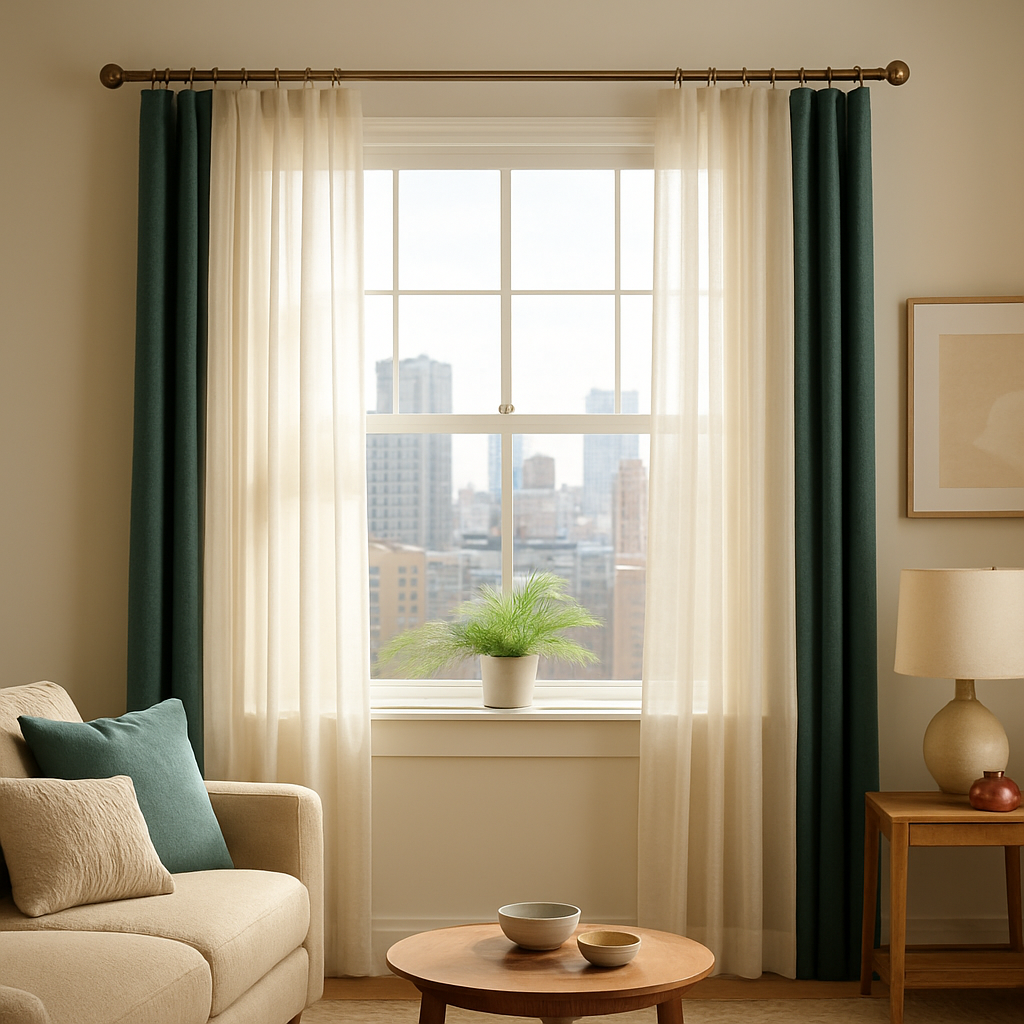
If you’re aiming for a more dramatic vibe, layered sheers over richer drapes give depth – think of a light veil over a deep teal curtain, a trick we’ve seen work beautifully in many of our bespoke projects.
Another practical tip: choose a fabric with a slightly tighter weave if you have pets or tiny hands; it resists snagging and stays looking fresh longer.
And don’t forget the hardware – a sleek brass rod or a subtle wooden finial can become a quiet statement piece, tying the curtains back to your coffee table or sideboard.
So, whether you’re styling a cosy cottage living room or a modern loft, sheer curtains for living room give you that airy elegance without sacrificing comfort.
Ready to let a little light in? Let’s explore how to pick the perfect sheer, measure correctly, and style it so your living room feels like a breath of fresh air.
TL;DR
Sheer curtains for living rooms let soft, effortlessly diffuse daylight flood your space while keeping modest privacy, instantly lifting the mood of any home.
Choose breathable fabrics, thoughtful colours, and simple hardware—then measure and hang with confidence, so your living area feels beautifully airy, elegant, and truly uniquely yours today.
Step 1: Choose the Right Fabric and Sheerness
Imagine you’re standing in your living room on a lazy Saturday morning, the sun spilling through a delicate veil of fabric that feels like a sigh. That’s the magic of picking the perfect sheer curtains for living room – it’s not just about looks, it’s about how the material makes the space breathe.
First, think about the mood you want. Do you crave a breezy, coastal vibe or something a touch more intimate? The answer will guide you toward a weight range. Light, airy linens let sunlight cascade in a soft wash, while a slightly denser voile offers a whisper of privacy without muting the glow.
Fabric families to consider
Natural fibres such as cotton and linen are wonderful because they age gracefully and let you layer easily. If you have a busy household with pets or tiny hands, a cotton blend with a tight weave resists snagging – we’ve seen that make a huge difference over time.
Silk‑blended sheers add a subtle sheen that catches the light, perfect for a luxe lounge area. Just remember silk can be more delicate, so a protective backing or a lining might be wise if you entertain often.
Sheerness matters
Sheerness is measured in thread count and openness of the weave. A low thread count (around 80‑120) creates a breezy filter that’s great for daytime ambience. For evenings when you want a bit more concealment, opt for a mid‑weight sheer (120‑180) – it still lets the TV glow through but adds a gentle diffusion.
Pro tip: hold the fabric up to a window and watch how the light behaves. If you see harsh glare, you probably need a tighter weave; if the room feels dim, go lighter.
And what about colour? Neutral tones like ivory, dove‑grey, or soft greige blend with most palettes, while muted blush or sage can become a quiet accent. Remember, sheer fabrics tint the light, so a warm hue will add a golden glow, whereas cooler tones keep the room feeling crisp.
Now, let’s talk about layering. Pair a sheer panel with a heavier drape for depth – think of a sheer over a linen curtain in a deep teal. This trick lets you pull the sheer aside for full sunlight or close it for a cozier feel.
Watch the short video above for a visual walk‑through of fabric samples and how they transform a living space.
When you’ve narrowed down your favourites, order swatches. Feeling the texture in your own home is the best way to avoid buyer’s remorse – you’ll instantly know if the material feels right under your fingertips and how it harmonises with your sofa, rug, and lighting.
Finally, keep sustainability in mind. Many manufacturers now offer organic cotton or recycled polyester options that look just as elegant but carry a lighter environmental footprint. Choosing responsibly not only elevates your interior, it aligns with Harvey Bruce’s commitment to lasting, eco‑friendly design.
In short, the right fabric and sheerness set the tone for every other design decision. Take your time, test the light, and enjoy the process – the perfect sheer curtains for living room are waiting to become the quiet hero of your home.

Step 2: Measure Your Living Room Windows Accurately
Before you fall in love with a beautiful panel of sheer curtains for living room, you’ve got to know exactly how big the window is. Trust me, a little mis‑measure can turn that dreamy veil into a frustrating, ill‑fitting mess.
Grab the right tools (and a friend)
All you really need is a steel measuring tape, a pencil, and a piece of paper. If you’ve got a partner, let them hold the tape while you read the numbers – two heads are better than one when it comes to avoiding “off‑by‑an‑inch” errors.
Step 1: Measure the width
Start at the inside edge of the frame, pull the tape across to the opposite inside edge, and write that number down. Most folks think the curtain should match the window exactly, but with sheers you actually want a little extra.
We recommend multiplying that width by 1.5 – 2 times, depending on how full you like your drape. A 120 cm window, for example, becomes 180 cm of fabric for a soft, airy look. If you’re after a more sculpted look (think sleek modern loft), 1.5 times is enough.
Step 2: Measure the height
Measure from the rod (or where you plan to install the rod) down to the floor. Most living‑room sheers stop a few centimetres above the floor – just enough to let the fabric glide without dragging.
For floor‑to‑ceiling windows, measure from the rod to the top of the skirting board, then add 5 cm if you want the curtain to kiss the floor. Write the final number down and double‑check.
Step 3: Factor in hardware
Rod pockets, eyelets, or tab tops each add a little extra length. A typical rod pocket is about 3 cm deep, so add that to your height if you’re using a pocketed panel. Eyelet systems usually require a 2 cm allowance at the top.
And don’t forget the width of the rod itself – a 2 cm rod adds a couple of centimetres to each side of the panel when it slides into the pocket.
Real‑world examples
Example 1 – Standard sash window: Your window measures 140 cm × 110 cm. You want a gentle, gathered look, so you multiply the width by 1.75 → 245 cm of fabric. Height: rod to floor is 150 cm, add 3 cm for pocket = 153 cm. Order a panel 245 cm × 153 cm.
Example 2 – Floor‑to‑ceiling modern window: Width 260 cm, height 250 cm. For a sleek look, go with 1.5 × width = 390 cm. Height: rod to floor 250 cm, add 5 cm for a slight puddle = 255 cm. You might split this into two panels for easier handling.
Example 3 – Bay window: Measure each flat section separately, then add a small overlap (about 5 cm) between panels so the sheer looks continuous.
Pro tip from Harvey Bruce Interiors
In our experience, homeowners who add a 5‑10 % “wiggle room” to both width and height avoid the dreaded “just‑a‑bit‑short” surprise when the curtains arrive. It’s a tiny extra cost for big peace of mind.
Check your numbers (again)
Before you click “order”, add up the totals and compare them to the dimensions listed on the supplier’s product page. A quick photo of your window with the measurements scribbled on it can be a lifesaver when you’re confirming with a custom‑maker.
Need a deeper dive into gathering ratios and rod‑pocket specifics? This detailed measuring guide for sheer curtains breaks down the math step by step.
Why accurate measuring matters for sheer curtains for living room
Sheer fabric is light, so even a small gap can let too much glare in or break the visual flow of the room. A well‑fitted panel frames the view, softens the light, and makes the space feel custom‑designed rather than “off‑the‑shelf”.
If you’re still on the fence about which product to choose, take a look at some high‑quality sheer curtains that come in a range of widths and lengths, perfect for tailoring to your exact measurements.
Once you’ve got your numbers, you’re ready to move on to the next step: hanging the curtains with the right hardware so they glide like a whisper every time you pull them aside.
Step 3: Style Your Sheer Curtains with Bespoke Décor
Now that your panels are cut to the right size, it’s time to think about the story they’ll tell in the room. Sheer curtains for living room aren’t just a functional filter; they’re a soft backdrop that can amplify the vibe you’re curating.
Pick a rod that sings
Start with the hardware. A sleek brass rod adds a warm glow, while a matte black or brushed nickel finish leans modern. If your living room already has copper accents in the coffee table or lamp bases, a matching brass rod will tie everything together without shouting.
Don’t forget the rod diameter – a thicker rod looks confident and can support double‑layered sheers if you ever want to swap a blackout behind it. And remember, the rod should extend at least three inches beyond the window frame on each side; that extra width lets the fabric gather beautifully and makes the window appear larger.
Layer with texture
One of the easiest ways to give sheer curtains depth is to layer them with another material. A light linen valance, a woven bamboo blind, or even a narrow wooden baton can sit behind the sheer panel, adding subtle pattern without stealing the spotlight.
We’ve seen couples love the “veil over timber” look: the sheer diffuses the light, while the timber slat peeks through, reminding you of a coastal cabin. It’s a low‑effort trick that feels bespoke because you’re mixing textures you already own.
Mix in natural accessories
Think about the décor pieces that already sit on your mantel or sideboard. A few dried lavender stems, a hand‑thrown ceramic vase, or a woven basket can echo the lightness of the sheer fabric. Place them on the windowsill so the curtain’s movement catches the objects, creating a gentle dance of shadow and shape.
If you have a pet, choose a low‑profile rug or runner that won’t snag the fabric. A flat‑weave jute rug under the window adds an earthy tone and protects the floor from any accidental drape‑puddles.
Play with colour accents
Sheer curtains come in neutral shades, but you can inject colour through the hardware or accessories. A pastel‑blue brass finial, a deep‑green curtain tie‑back, or a set of coloured curtain clips can turn a plain ivory panel into a conversation starter.
For a bold but still subtle pop, try a single strip of patterned tie‑back in a muted botanical print. It adds interest at eye level and can be swapped out seasonally – think fresh greens in spring, warm rust in autumn.
Lighting tricks
Because sheers filter light, the type of bulb you use behind them matters. Warm LED bulbs (2700‑3000 K) keep the room feeling cosy, while cooler daylight bulbs (5000 K) highlight the sheer’s translucency and make colours pop.
Place a floor lamp or a table lamp on the side of the window and angle the shade toward the curtain. The reflected light will create a soft halo that makes the sheer appear slightly thicker in the evening, perfect for a relaxed movie night.
Final checklist
- Choose hardware that matches existing metal finishes.
- Extend the rod beyond the frame for graceful gathering.
- Layer with a complementary texture – linen valance, bamboo blind, or wood slat.
- Add natural accessories that echo the light, airy feel.
- Introduce colour through finials, tie‑backs, or clips.
- Adjust lighting to enhance the sheer’s diffusion.
Take a step back, pull the curtains aside, and watch how the room breathes. If it feels like you’ve just added a custom‑designed piece without spending a fortune, you’ve nailed the look. Now you’re ready to enjoy the glow every day – and maybe even brag a little to friends who are still wrestling with heavy drapes.
Step 4: Install and Layer Sheer Curtains with Accessories
Alright, you’ve measured, you’ve picked the perfect fabric, and now it’s time to turn those panels into a living‑room‑loving masterpiece. Installing sheer curtains isn’t just about nailing a rod to the wall; it’s a small design project that can change the mood of the whole house.
Mount the rod correctly
First thing’s first – the rod needs to sit a few inches above the window frame. Why? It blocks that sneaky top‑edge light and gives you a tidy “stack back” when the curtains are pulled aside. Aim for at least 8 inches above the frame and extend the rod 6–8 inches past each side. That extra width lets the fabric gather nicely and makes the window appear larger.
Step‑by‑step installation
1. Mark the brackets. Use a level and a pencil; double‑check both sides before you drill.
2. Pre‑drill pilot holes. If you’re on plaster, a 6 mm bit prevents cracking.
3. Insert wall anchors. Choose plastic anchors for drywall or masonry bolts for brick.
4. Secure the brackets. Tighten but don’t overtighten – you want the bracket to stay snug, not strip the screw.
5. Slide the rod on. If you’re using a double‑pole system (see table below), attach the front rod first, then the back one.
Does that feel doable? Most homeowners I’ve spoken to say the biggest surprise is how satisfying it is to watch the rod sit perfectly level on the first try.
Choose your layering hardware
When you layer sheers with a heavier fabric – blackout, linen valance, or even a bamboo blind – the hardware decides how fluid the whole system feels. Here’s a quick comparison of the three most common setups:
| Hardware option | How it works | Best for |
|---|---|---|
| Single pole | Both layers hang on the same rod. | Purely decorative layering; you don’t need separate control. |
| Double pole | Two rods mounted on a single bracket, one in front of the other. | Full control – pull back sheers while blackout stays closed (or vice‑versa). |
| Separate poles | Two independent brackets at different heights. | Maximum flexibility; great for tall windows or when you want a valance on a lower pole. |
In our experience, couples renovating a loft love the double‑pole because they can enjoy a breezy daytime look with the sheers up, then drop the blackout for movie night without wrestling with tangled fabric.
Want a deeper dive on why double poles are a game‑changer? Check out this guide on layering sheer and blackout curtains – it breaks down the lighting and insulation benefits in plain English.
Add accessories that enhance the sheers
Accessories are the finishing touches that turn a functional window treatment into a style statement. Think of them as the jewelry for your curtains.
- Finials & tie‑backs. Brass or brushed‑nickel finials add a subtle sparkle, while fabric‑covered tie‑backs let you pull the sheers to the side for a relaxed vibe. Choose a colour that echoes a pillow or rug for cohesion.
- Clip‑on holdbacks. If you have pets that love to paw at dangling fabric, clip‑on holdbacks keep the panels neat without sacrificing the airy look.
- Decorative rods. A wooden rod with a natural grain pairs beautifully with linen sheers in a coastal‑inspired living room. A sleek brass rod, on the other hand, matches modern copper accents on coffee tables.
Real‑world example: a client in West Lothian installed brass finials on a 12‑ft rod, paired with ivory linen sheers and a charcoal blackout behind. The result? A soft, filtered glow by day and a theatre‑ready darkness by night – all without buying a second set of curtains.
Another scenario: a pet‑friendly family chose a double‑pole system with a low‑profile bamboo blind as the base layer. The sheer panel sits on the front pole, keeping the bamboo out of the cat’s reach while still letting light filter through.
Finally, don’t forget the sill. A narrow wooden or metal shelf beneath the window can hold small plants or books, and it visually anchors the curtain stack, making the whole arrangement feel intentional.
Take a moment, stand back, and pull the sheers aside. If you see a clean line, a balanced stack, and a few thoughtful accessories that feel like they belong, you’ve nailed the installation. Now your living room can breathe, glow, and adapt to every mood – from sunrise coffee to late‑night Netflix marathons.
Step 5: Care, Maintenance, and Refresh Your Sheer Curtains
Now that your sheer curtains are hanging beautifully, the next question is – how do you keep them looking fresh without turning the whole project into a full‑time chore?
First off, think of your curtains like a soft, breathable sweater. They need a gentle hand, a bit of ventilation, and the occasional deep clean to stay at their best.
Routine dust‑off
Dust is the silent enemy of sheer fabrics. A quick weekly swipe with a microfiber duster or a lint‑free cloth does wonders. The key is to go with the grain of the fabric, not against it – you’ll avoid pulling fibers.
For households with pets or kids, we recommend a twice‑a‑week dust‑off. In our experience, that simple habit stops the fine powder from turning into a grey film that dulls the light.
Spot‑cleaning tricks
If you notice a coffee ring or a smudge from a curious cat, act fast. Dab (don’t rub) the area with a lightly dampened cloth and a drop of gentle dish soap. Rinse the cloth, dab again, then blot dry.
Never soak the fabric; sheer curtains are lightweight, and excess water can cause the hem to stretch or the rod pocket to warp.
Deep cleaning schedule
Depending on traffic, a full wash every 6‑12 months keeps colour vibrancy intact. Most polyester‑blend sheers are machine‑safe on a gentle cycle, cold water, and inside a mesh laundry bag.
Natural fibres like linen or cotton need a hand‑wash or a delicate cycle, and always air‑dry on a flat surface. Hanging them on a clean rod while damp helps maintain that graceful drape.
Pro tip: add a half‑cup of white vinegar to the rinse. It softens fibers and reduces static, so the curtains glide more smoothly on the rod.
Refreshing the look
After a season, you might notice the fabric looking a bit muted. A quick steam‑iron on low heat (using a pressing cloth) revives the sheen without scorching.
Or, for an instant mood shift, swap the tie‑backs for a new colour or texture. A pastel‑green silk cord can give a fresh pop without replacing the whole panel.
Protecting against sun‑damage
Even the lightest sheers can fade if they sit in direct afternoon sun for years. Rotate the panels every few months – move the left panel to the right side and vice‑versa. This simple rotation spreads the UV exposure evenly.
Another trick is to use a sheer‑friendly window film on the glass. It cuts UV rays while preserving the airy feel.
Seasonal care checklist
- Spring: dust‑off, spot‑clean any winter grime, rotate panels.
- Summer: check for sun‑fading, add UV‑film if needed, deep clean if dust levels are high.
- Autumn: give a gentle steam‑iron, replace any worn tie‑backs.
- Winter: ensure curtains don’t trap moisture, use a de‑humidifier if rooms feel damp.
These tiny habits add up to a curtain that looks like it just left the showroom.
Expert insight
According to Dr Rahul Dubey, regular cleaning of home textiles can also reduce indoor allergens, which is especially important for families with asthma or allergies. A clean sheer curtain lets more fresh light in while keeping dust particles at bay.
And because sheers are often the first thing you see when you walk into a room, keeping them pristine instantly lifts the entire space’s energy.
When to replace
Even the best‑cared‑for curtains have a lifespan. Look for signs like permanent stains, frayed hems, or a fabric that no longer hangs evenly. If you spot any of these, it’s time to consider a replacement – but the good news is you can order a custom panel that matches your existing hardware perfectly.
Need inspiration for a new colour or a different weave? Choosing Light Filtering Curtains for Living Room: A Creative Guide to Bespoke Home Styling walks you through the latest trends and how to pair them with your existing décor.
Bottom line: a little weekly love, an occasional deep clean, and a seasonal rotation will keep your sheer curtains looking luminous for years. So go ahead, pull them aside, admire the glow, and enjoy the effortless elegance you’ve created.
Conclusion
So there you have it—sheer curtains for living room aren’t just a pretty detail, they’re a quiet workhorse that brightens space, softens glare, and adds a touch of luxury without screaming for attention.
Remember the three things we kept coming back to: choose the right fabric, measure with a little wiggle room, and treat the panels like you would a favorite piece of furniture—regular dust‑offs, gentle spot‑cleaning, and a seasonal rotation.
In our experience, homeowners who stick to this simple routine see their curtains stay luminous for years, and the room feels fresh every time the morning light pours in.
Got a pet that loves to nap on the windowsill? A tight‑weave polyester sheer will shrug off a few paws, while a linen option will develop a charming patina that only adds character.
And if you ever notice the fabric fading or the hem fraying, think of it as a cue to treat yourself to a bespoke replacement—Harvey Bruce Interiors can craft a panel that matches your hardware perfectly, keeping the look seamless.
What’s the next step? Grab a swatch, measure twice, and let the soft glow guide your design decisions. Your living room is waiting for that effortless elegance only sheer curtains can deliver.
FAQ
How do I choose the right sheer curtains for my living room?
Start by thinking about the room’s light and your lifestyle. If you have a sunny street, a tighter‑weave polyester will resist snagging from curious pets and hold its colour longer. For a softer, more tactile feel, linen or cotton adds a relaxed texture that ages beautifully. Pick a hue that complements your existing palette – neutrals keep the look airy, while a muted blush can add a whisper of colour without overwhelming the space.
Can sheer curtains provide enough privacy on a busy street?
Yes, as long as you choose the right level of sheerness and consider layering. Semi‑sheer fabrics let you see out while diffusing the view inward, and a lightweight blackout panel behind the sheer adds extra privacy for evenings. Tie‑backs or decorative clips let you pull the panels aside when you want a clear view, giving you control without sacrificing style.
What height should my sheer curtains be for a floor‑to‑ceiling look?
Mount the rod about 8–10 inches above the window frame and let the fabric fall just shy of the floor – a 1–2 cm gap prevents dragging and keeps the drape elegant. If you love a soft “puddle” effect, add another 2–3 cm. Measuring from the rod to the floor (or to the top of the skirting board for a seamless look) ensures a polished, tailored appearance.
How do I maintain sheer curtains so they stay bright?
Dust them weekly with a lint‑free cloth, moving with the grain to avoid pulling fibers. Spot‑clean spills immediately – dab, don’t rub, with a damp cloth and a drop of mild dish soap. For a deeper refresh, wash polyester blends on a gentle cycle inside a mesh bag, and hand‑wash linen or cotton on cool water. Rotate panels every few months to spread UV exposure evenly.
Is it worth investing in a custom‑made sheer panel versus an off‑the‑shelf option?
Custom panels give you a perfect fit, especially for non‑standard windows or when you want a specific weave and drop length. They also align precisely with your hardware, so the rod sits flush and the fabric gathers just right. Off‑the‑shelf sheers can work for standard sizes, but you may end up compromising on fullness or having to hem the bottom yourself.
Do I need special hardware for sheers in a living room?
Sheer curtains are light, but a sturdy rod of at least 2 inches in diameter helps support double‑layer setups and prevents sagging. Brackets should extend beyond the frame by 6–8 inches on each side to allow the fabric to gather fully. If you plan to layer a blackout behind the sheer, a double‑pole system keeps both layers independent and easy to operate.
What are common mistakes homeowners make with sheer curtains?
One frequent slip is buying panels that match the window width exactly – you’ll lose that soft, full look. Another is mounting the rod too low, which creates a cramped feel and limits light diffusion. Finally, neglecting maintenance – a layer of dust or a faded panel – can make the room feel dull. A quick measuring check, proper rod height, and regular care keep sheers looking fresh for years.
Additional Resources & Further Reading
Looking for more inspiration on sheer curtains for living room? We’ve compiled a handful of go‑to resources that dive deeper into fabric choices, hardware tricks, and seasonal styling.
First, check out our detailed measuring guide – it walks you through exact width‑to‑fullness ratios so your panels never look cramped. Next, explore the lighting‑and‑sheer interplay article; it explains how warm LED bulbs and natural daylight affect colour perception.
If you love the idea of layered window treatments, the layering‑techniques piece shows step‑by‑step setups for double‑pole rods. Finally, our care‑and‑maintenance checklist helps you keep the fabric bright year after year.
Grab these resources, experiment, and let your living room glow with effortless elegance.
← Older Post Newer Post →