
How to Choose and Style Thermal Curtains for Patio Doors
Posted by Derek Lamb on
Picture this: you’ve just stepped onto your patio on a chilly autumn evening, the wind whispers through the glass, and you feel the temperature inside drop like a stone.
Does that familiar shiver make you wonder if there’s a simple way to keep the cold out while still enjoying the view?
Enter thermal curtains for patio doors – the unsung heroes that blend comfort, style, and energy savings in one elegant fold.
In our experience, the moment we swapped standard drapes for a heavyweight, insulated fabric, the whole room seemed to breathe easier. It’s not just about staying warm; it’s about creating a sanctuary where you can sip tea without reaching for the heater.
But here’s the thing: not all curtains are created equal. A thermal curtain designed for a sliding patio door needs extra width, a sturdy heading, and a dense weave that traps air without looking bulky.
Think about the last time you tried to pull a flimsy panel across a wide glass opening – it probably snagged, flapped, or looked out of place. That frustration is exactly what a well‑crafted thermal curtain eliminates.
Imagine you’re entertaining friends, the sun is setting, and the golden light still pours through the door. With the right curtain, you can dim the glare, keep the heat where you want it, and still let the scenery shine through a tasteful lining.
And if you’re a couple renovating your first home, those small details add up. A beautifully tailored thermal curtain not only boosts your energy bills but also adds a layer of luxury that says, “we’ve thought of everything.”
So, what should you look for? Start with the fabric weight – aim for 8‑10 oz per square yard for true insulation. Next, consider a blackout backing if privacy at night matters to you. Finally, choose a colour or pattern that complements your existing décor; you don’t have to sacrifice style for performance.
We’ve seen homeowners pair rich charcoal fabrics with sleek brushed‑metal tie‑backs, creating a look that feels both modern and cozy. It’s a small change that makes a big difference when the season turns.
Ready to stop the draft and start enjoying your patio year‑round? Let’s dive deeper into how to measure, select, and install the perfect thermal curtains for patio doors so you can truly transform the space.
TL;DR
Thermal curtains for patio doors trap unwanted drafts, keep indoor warmth, and add a sleek, luxurious look that fits any modern home. Choose heavyweight fabric, a blackout backing, and a custom fit to enjoy year‑round comfort while elevating your living space and boost energy savings for you and your family.
Understanding Thermal Curtains for Patio Doors
Ever stood by a sliding patio door on a crisp evening and felt the chill creep in like an unwelcome guest? That's the moment most homeowners realize their window dressings aren't doing the heavy lifting they should.
Thermal curtains for patio doors work by creating a pocket of still air between the glass and the room. That air layer acts like a blanket, slowing down heat loss in winter and keeping the sun's glare at bay in summer. It’s a simple principle, but the execution can get surprisingly nuanced.
First, think about the fabric weight. A heavyweight weave—usually 8‑10 oz per square yard—offers the best insulation without looking clunky. Pair that with a dense blackout backing and you’ve got a two‑layer defense system that feels as cozy as a hug.
But there’s more than just thickness. The curtain heading matters, especially for wide sliding doors. A sturdy grommet or pleated heading lets the panel glide smoothly while maintaining an even seal across the whole opening.
Now, let’s talk fit. Because patio doors are often wider than standard windows, you’ll need a curtain that’s at least 1.5 times the door width. Over‑lap the sides a bit to stop drafts from sneaking around the edges. In our experience, a custom‑cut panel saves you from the dreaded “gap” problem and looks far more polished.
What about style? You don’t have to sacrifice aesthetics for performance. A neutral charcoal or deep navy can anchor your living space, while a subtle pattern adds visual interest without compromising insulation. If you’re unsure which hue to pick, check out Choosing the Perfect Blackout Curtains for Sliding Glass Doors for inspiration on blending function with fashion.
Here’s a quick reality check: if your flooring is a warm hardwood, your curtains should echo that warmth. Coordinating the undertones of your curtain fabric with the wood can enhance the room’s overall thermal performance. For more on matching flooring and window treatments, the flooring experts at Millena Flooring offer practical tips on material synergy.
And while you’re revamping the visual flow, why not add a personal art piece? A custom watercolor house portrait can bring a splash of color that ties the whole room together, making the space feel truly yours. The custom watercolor house portrait guide walks you through creating a one‑of‑a‑kind centerpiece that complements your new curtains.
Watching the video above, you’ll see a step‑by‑step demonstration of measuring, hanging, and fine‑tuning thermal curtains for a typical sliding patio door. Notice the subtle adjustments they make to the hardware – those little details are what keep the curtain flush against the frame, sealing out drafts.
After the video, picture this: you’ve just installed your new curtains, and the room feels noticeably warmer. You settle onto the sofa, a mug of tea in hand, and the sunlight filters gently through the fabric, casting a warm glow. No more shivering, no more constant thermostat adjustments.
To keep the look cohesive, consider pairing the curtains with complementary accessories—soft cushions, a plush rug, or even a sleek sideboard that reflects the same color palette. The synergy between textiles and furnishings amplifies the sense of comfort.
Finally, maintenance matters. Choose fabrics that are machine‑washable or easy to spot‑clean, and remember to pull the curtains closed on particularly windy days to protect the fabric and prolong its lifespan.
Understanding the science and style behind thermal curtains for patio doors empowers you to make choices that are both practical and beautiful. With the right fabric, fit, and finishing touches, you’ll turn that chilly doorway into a gateway of warmth and elegance.

Choosing the Right Fabric and Insulation
When you stand at the patio door on a crisp morning, the first thing you notice isn’t the view—it’s the draft slipping around the frame.
What makes a fabric “thermal”?
In plain English, a thermal curtain is a sandwich. The outer layer is the decorative face you’ll see from the living room, the middle is a dense insulating pad, and the back usually carries a blackout liner. The combination creates an air pocket that slows heat transfer. As Bob Vila explains, triple‑weave polyester with a black yarn layer can block up to 99 % of light and dramatically cut energy loss.
Fabric weight matters more than you think
We’ve all heard “heavier is better,” but why does an 8‑10 oz/yd² fabric feel so much cozier? Heavier yarns hold more air, and air is a natural insulator. A 10‑oz curtain can shave off 30 % of heat loss compared with a light sheerer. That’s the difference between reaching for the thermostat or staying snug with a mug of tea.
And if you’re a fan of texture, think about velvet or thick linen blends. They add visual depth while still packing the heft you need for a patio door that’s twice the width of a standard window.
Blackout backing or not?
Blackout isn’t just about blocking sunrise. The extra layer adds another barrier against drafts. For homes that double‑up on privacy—think couples who like to binge‑watch late‑night movies—it’s a win‑win. If you prefer a lighter feel during summer, you can pair a sheer decorative front with a removable blackout liner.
Choosing colors that work on both sides
Remember the last time you bought a dark curtain and then realized the street side looked like a midnight slab? Many premium fabrics use a neutral back‑color so the exterior stays understated while the interior stays dramatic. If you love a bold hue inside, look for a curtain where the backing is a muted gray or beige.
That’s especially handy for patio doors that face a busy road; you get privacy without turning your home into a black box.
How to test a fabric before you commit
Grab a swatch and hold it up to the window on a windy day. If you can feel a breeze slipping around the edge, the weave is too loose. Another trick—light a candle and wave it along the edge of the swatch. If the flame flickers, you’ve got a leak.
When you order a custom panel, ask the maker for a small sample. It’s a tiny investment that can save you from buying the wrong weight.
Practical checklist for patio‑door curtains
- Target weight: 8‑10 oz/yd² for genuine insulation.
- Triple‑weave construction with a black‑yarn core.
- Blackout liner or removable backing for year‑round flexibility.
- Neutral back‑color if the exterior will be visible.
- Machine‑washable fabric for easy upkeep.
- Extra 10 % width for overlap and a few inches longer than the floor for a “puddle” seal.
And here’s a quick visual guide to help you picture the layers.
Notice how the video walks through measuring, fabric selection, and the final hanging technique. It’s the kind of step‑by‑step you can follow while sipping coffee on the patio.
Harvey Bruce tip
At Harvey Bruce Interiors we often suggest pairing a heavyweight, charcoal‑gray curtain with a brushed‑metal rod. The metal supports the weight, and the dark hue hides any minor dust while still letting you enjoy a sophisticated look.
Bottom line: the right fabric is the quiet hero that lets your patio door look stylish, stay warm in winter, and stay cool in summer. Pick weight, layering, and color wisely, and you’ll have a thermal curtain that works harder than the heater.
Step-by-Step Installation Guide
Ready to turn those chilly drafts into a cozy, stylish seal? Let’s walk through the installation of thermal curtains for patio doors, one relaxed step at a time. You’ll need a bit of patience, a measuring tape, and a love for a snug living space.
1. Gather Your Tools and Materials
First, pull together everything you’ll need: a heavyweight curtain panel (8‑10 oz/yd² is our sweet spot), a sturdy brushed‑metal rod or a robust wooden pole, a drill with appropriate bits, wall anchors, a level, and a pencil. If you’re adding a blackout liner, keep that handy too. Having everything laid out on the floor saves you from mid‑project trips to the garage.
2. Measure the Opening – Twice, Then Measure Again
Stand in front of the patio door and measure the full width of the frame, not just the glass. Add at least 10 % extra—so a 200 cm opening becomes about 220 cm—to allow the curtains to overlap and block drafts. For height, measure from the top of the frame to the floor, then add a few centimetres so the fabric can “puddle” and create a seal.
Write those numbers down. It feels a bit like a recipe, but trust me, the extra allowance makes all the difference when winter winds try to sneak in.
3. Mark the Bracket Locations
Most patio doors are wider than a standard window, so you’ll likely need two brackets per rod. Use a level to mark the bracket spots about 10‑15 cm above the frame, ensuring they’re level from side to side. If you’re using a double‑rod system—one for the decorative layer, one for the insulating backing—repeat the process for the lower rod, keeping the distance between rods consistent (about 10‑12 cm works well).
4. Install the Brackets Securely
Drill pilot holes where you marked, insert wall anchors, and screw the brackets in place. Don’t rush—tighten just enough so the brackets sit flush without stripping the screws. A solid anchor prevents the rod from sagging under the weight of a heavyweight curtain.
5. Hang the Curtain and Adjust
Slide the curtain panel onto the rod, then lift the rod onto the brackets. Step back and look at the fall. If the bottom pools too much, you can trim a few centimetres, but most of the time that “puddle” acts like a draft‑stopper. Pull the curtain fully closed and check the sides; any gaps can be sealed later.
6. Seal the Edges for a Draft‑Free Finish
Here’s a trick we swear by: magnetic tape or heavy‑duty Velcro strips along the side seams. Apply a strip to the wall and the corresponding strip to the curtain edge. When you close the curtains, the magnets click together, hugging the wall and keeping cold air out. It’s a simple upgrade that feels high‑tech without the price tag.
7. Test Your Work
Light a candle or an incense stick and glide it along the curtain edge. If the flame flickers, you’ve still got a leak. Add a bit more tape or adjust the rod height until the flame stays steady. This quick test saves you from discovering drafts weeks later.
8. Add the Finishing Touches
Now that the hardware is solid, step back and admire the look. Pair the curtain with a coordinating tie‑back for sunny days, and consider a decorative finial on the rod to match your interior style. If you chose a blackout liner, you can easily detach it in summer for a lighter feel.
And there you have it—your own custom‑fit thermal curtains that keep the chill out and the style in. In our experience, homeowners who follow these steps see an immediate improvement in comfort and a noticeable dip in heating bills thanks to the insulating properties of thermal curtains. Plus, the visual upgrade makes the patio door a focal point rather than an eyesore.
So, what’s next? Grab your measuring tape, head to the nearest fabric dealer, and start planning. The effort you put in now pays off in cozy evenings, lower energy costs, and a living space that feels thoughtfully designed.
Design Ideas: Styling Your Patio Door with Bespoke Homeware
Picture the moment you pull your new thermal curtains shut and the room instantly feels cozier – the chill outside disappears, and the space suddenly looks like a curated gallery. That’s the magic we love to create at Harvey Bruce, where every fabric, tie‑back, and rod is chosen to make your patio door a statement piece, not just a functional barrier.
Play with Texture and Weight
Thermal curtains for patio doors need heft, but that doesn’t mean they have to be plain. Think velvet‑rich weaves, brushed boucle, or a thick linen blend that drapes luxuriously. The heavier the fabric, the better the insulation, and the more dramatic the look when the curtains pool on the floor. Pair a deep charcoal velvet with a subtle silver fringe – the fringe catches the light just enough to add sparkle without compromising warmth.
And if you’re after a softer vibe, a plush chenille in a muted sage can echo the greenery outside while still keeping the heat where you want it.
Colour Stories that Tie the Room Together
When you’re styling a patio door, you have three visual anchors: the floor, the view beyond the glass, and the surrounding walls. Choose a curtain colour that either complements or intentionally contrasts one of those elements. For example, a warm caramel curtain against a cool‑toned stone floor creates a gentle tension that feels intentional.
We often suggest a “two‑tone” approach: a bold interior face that adds personality, and a more neutral backside that stays discreet when the curtains are open. It’s a small trick that lets you enjoy the view without the curtain turning the exterior into a blackout box.
Hardware that Speaks Luxury
The rod isn’t just a support; it’s a design feature. Brushed‑nickel or matte black rods with decorative finials add a sculptural quality. If you love the look of industrial chic, go for a reclaimed wood rod that contrasts with the sleek fabric. A double‑rod system works wonders for patio doors – the upper rod carries the decorative front, while the lower rod bears the insulating backing, preventing sag and giving you a perfectly smooth fall.
Don’t forget tie‑backs. A leather‑strapped tie‑back in a coordinating shade lets you pull the curtains aside on sunny days, showcasing the view while keeping the fabric neatly gathered.
Layering for Depth
Thermal curtains are already a layered product, but you can add another layer of style without sacrificing performance. A thin, sheer linen panel behind the thermal curtain lets diffused daylight filter in during summer, while the heavy fabric does the heavy lifting when the temperature drops.
Or try a decorative rug runner right in front of the door. A textured rug in a complementary hue not only adds visual interest but also reinforces the “seal” effect at the bottom of the curtains, keeping drafts at bay.
Personalised Details that Feel Hand‑Made
Because we’re all about bespoke homeware, consider custom‑stitched monograms or a hand‑embroidered motif that reflects your family name or a favorite pattern. It’s a tiny detail that turns a standard curtain into a heirloom piece.
Another fun idea: swap out the standard curtain tie‑back for a reclaimed antique brass clasp. It adds a story‑telling element and makes the whole setup feel curated rather than cookie‑cutter.
Practical Styling Checklist
- Pick a heavyweight fabric (8‑10 oz/yd²) with a texture you love.
- Choose a colour that either harmonises with your floor or creates a purposeful contrast.
- Select a sturdy rod – brushed‑nickel, matte black, or reclaimed wood – with decorative finials.
- Consider a double‑rod system for extra support and a clean look.
- Add tie‑backs or leather straps for easy daylight access.
- Layer with a sheer panel or a decorative rug for added depth.
- Finish with a personalised stitch or antique hardware for that bespoke touch.
When you blend these elements, your patio door becomes more than a gateway – it turns into a focal point that marries style and function. In our experience, homeowners who invest in thoughtful styling not only notice a drop in heating bills but also get compliments from guests who can’t stop admiring the “wow” factor.
So, grab a swatch, think about the story you want your door to tell, and let the design process be as enjoyable as sipping tea by the window on a crisp evening.
Comparing Top Thermal Curtain Options for Patio Doors
When it comes to thermal curtains for patio doors, you quickly realise there isn’t a one‑size‑fits‑all answer. Some families need rock‑solid blackout for movie nights, others crave a hand‑crafted look that whispers luxury. That’s why we’ve lined up three very different options so you can see which one fits your lifestyle and budget.
1. NICETOWN Insulated Blackout Curtains
These off‑the‑shelf panels have become a go‑to for DIY‑savvy homeowners. The NICETOWN insulated blackout curtains are 100 % blackout, they block both light and heat, and the heavy polyester‑fleece core adds a noticeable temperature buffer. Customers rave that the fabric feels “heavy enough to keep the cold out” and that they’ve seen a dip in their energy bills after hanging them on a sliding patio door. The curtains are OEKO‑TEX® Standard 100 certified, meaning every thread was tested for harmful chemicals – a small win for indoor air quality. Sustainability‑wise, the brand says they’ve cut packaging weight by 41 % since 2015, shaving off two million tons of waste worldwide. Price‑wise they sit around £35‑£40 per panel, which is a sweet spot for a family of four looking to upgrade without a bespoke quote.
We’ve installed NICETOWN on a couple of client patio doors in West Lothian and found the grommet header holds up well on a brushed‑nickel rod, provided the rod is sturdy enough for the 2‑3 lb weight per panel. The only downside? Because the backing is a single black liner, the fabric can feel a tad stiff when you first pull it closed – a quick tumble‑dry on low heat softens it up nicely.
2. Custom Bespoke Heavyweight Curtains (Harvey Bruce)
For homeowners who want a curtain that’s as unique as the view behind their patio, our in‑house design service lets you choose everything from the weave to the finial. We typically start with a 8‑10 oz/yd² fabric – think charcoal velvet, brushed bouclé or a thick linen‑blend – then add a custom‑cut blackout liner that matches the exact width of your sliding door, plus an extra 10 % overlap for seal‑up.
Because we control the whole production chain, we can incorporate sustainable fibers like Tencel or recycled polyester, and we always certify the final product to OEKO‑TEX® standards. The real advantage shows up on those wide‑scale patio doors that need a double‑rod system. The upper rod carries the decorative front, while a lower, hidden rod supports the insulating backing, eliminating sag and keeping the curtain’s fall flawless. Clients love the ability to add hand‑stitched monograms or antique brass tie‑backs – details that turn a functional curtain into a heirloom piece. Pricing starts around £120 per panel, but the longevity and design flexibility usually pay for themselves in reduced heating costs and the “wow” factor at dinner parties.
3. Budget‑Friendly Ready‑Made Options
If you’re watching the pennies, most big‑box retailers stock thermal curtains that sit in the £15‑£25 range. These panels generally use a thinner polyester core and a polyester‑backed blackout layer. They’ll block daylight, but the insulation value is lower – usually around 5 oz/yd² – so you might still feel a draft on a particularly windy night. They’re a decent stop‑gap while you plan a larger upgrade, and the lighter weight means you can get away with a simple tension rod instead of a heavy‑duty bracket.
One trick we’ve seen work is layering a sheer voile behind the budget panel. The sheer lets you enjoy filtered daylight in summer, while the thermal layer does the heavy lifting when the temperature drops. Just be sure the sheer is pinned or magnet‑taped so it doesn’t billow into the gap and undo your draft‑proofing.
| Option | Weight (oz/yd²) | Blackout Rating | Typical Price (per panel) | Key Advantage |
|---|---|---|---|---|
| NICETOWN Insulated | ~6‑7 | 100 % blackout | £35‑£40 | Certified safe, good value |
| Harvey Bruce Custom | 8‑10 | 100 % blackout (custom liner) | £120‑£150 | Tailored fit, premium fabrics, double‑rod support |
| Budget Ready‑Made | 5‑6 | 80‑90 % blackout | £15‑£25 | Low upfront cost, easy DIY install |
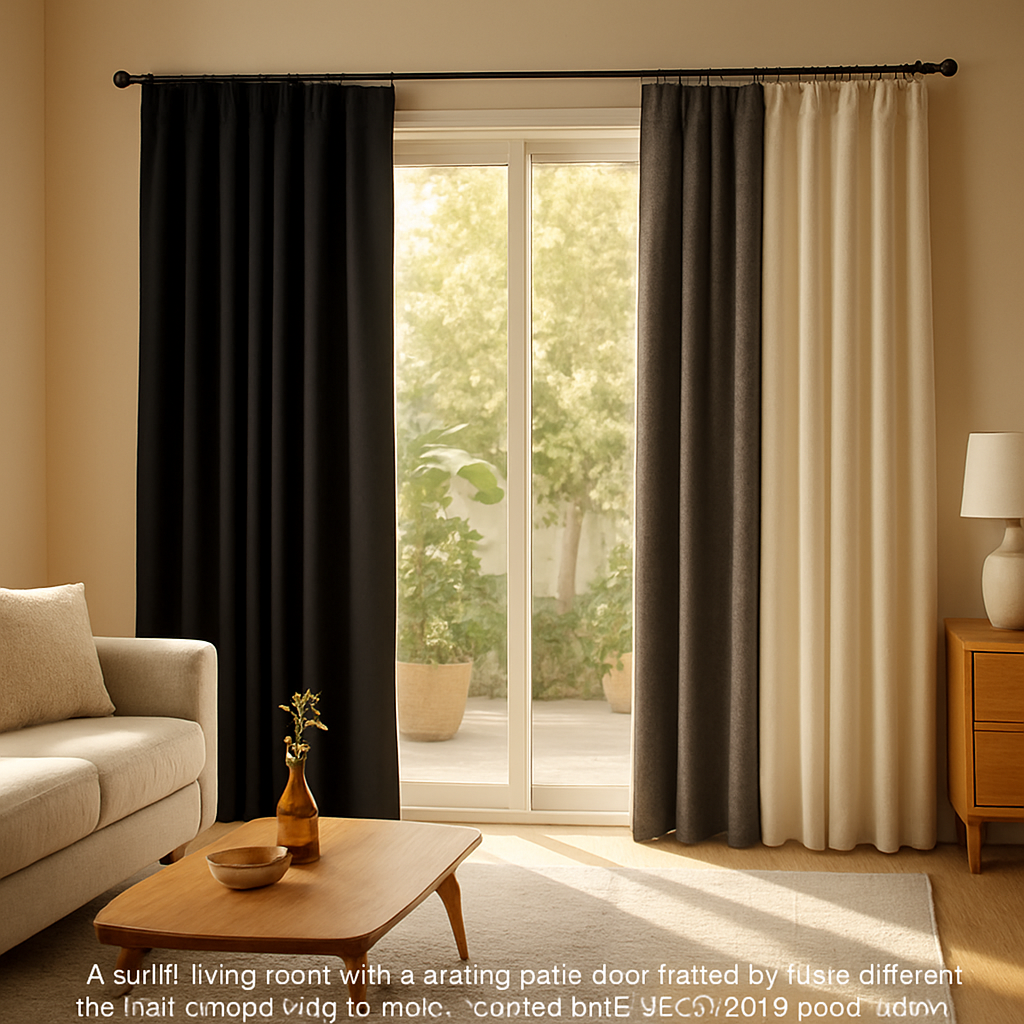
So, which route feels right for you? If you need an immediate upgrade that won’t break the bank, the NICETOWN panels are a solid starter. If you’re designing a whole interior theme and want every detail to speak your style, go bespoke with Harvey Bruce’s custom service. And if you’re testing the waters, a budget‑friendly panel layered with a sheer can give you a taste of the comfort without the full investment.
Bottom line: look at weight, blackout performance, and how the curtain will attach to your rod. A little extra heft usually means better insulation, but only if your hardware can bear it. When the right balance lands on your patio door, you’ll notice the room staying warmer, the bills staying lower, and the view still looking gorgeous.
Maintenance and Care Tips to Keep Curtains Performing
So you’ve finally hung those plush thermal curtains for patio doors and you’re already feeling the difference. But like any good piece of homeware, they need a little love to stay at their best.
Gentle dusting – the everyday habit
Every week, give the fabric a soft brush‑off. A handheld feather duster or a lint roller works wonders on surface dust without dragging fibers. If you have a vacuum with a upholstery attachment, set it to low suction and glide it across the back side – that’s where most of the grime settles when the curtains are closed.
Why does this matter? Dust acts like a thin blanket that can trap cold air, undermining the very insulation your curtains provide.
Spot cleaning stains without a full wash
Spilled tea, pet hair, or a stray crumb? Act fast. Blot the area with a clean cloth, then dab a mix of lukewarm water and a drop of mild dish soap. Gently pat – don’t rub – because friction can pull on the weave and create tiny holes over time.
For tougher marks, a solution of one part white vinegar to three parts water does the trick. Test on an inconspicuous seam first; you’ll know if the fabric reacts oddly.
Seasonal deep clean – once or twice a year
When the weather shifts, pull the curtains down and give them a proper wash. Most heavyweight thermal curtains are machine‑washable on a gentle cycle, but always check the care label. Use cold water and a mild detergent, then add a couple of clean tennis balls to the dryer to help keep the fabric fluffy.
If the label says “dry clean only,” trust it – a professional clean will preserve the blackout liner and any decorative stitching.
Pro tip from our workshop
We’ve found that hanging the curtains to air‑dry in a shaded spot prevents sun‑bleaching, especially on darker fabrics that can fade over months of exposure.
Preventing wear on the edges and seams
The side seams are the most vulnerable spot because they rub against the rod and the wall. Apply a thin strip of fabric tape or a few adhesive velcro patches along the edge every few months. It’s a tiny step that stops fraying before it starts.
If you notice the curtain pulling away from the rod, tighten the brackets or add a second set of brackets halfway down the length. A secure rail keeps the weight evenly distributed and stops sagging.
Hardware care – the unsung hero
Metal rods can develop a dull patina, especially in humid kitchens. Wipe them down with a microfiber cloth and a dab of olive‑oil‑based furniture polish. For wooden rods, a light coat of natural beeswax keeps the wood from cracking and maintains that warm glow.
Don’t forget the finials – they collect dust just like the fabric. A quick dust‑off keeps the whole look polished.
Quick troubleshooting checklist
- Do the curtains still hug the wall when closed? If not, reseal the side edges with magnetic tape.
- Is there a faint odor after a winter season? Air them out on a breezy day or sprinkle baking soda on the back, let sit, then vacuum.
- Have you noticed any discoloration? Spot‑treat with a vinegar solution before the next deep clean.
- Are the rods squeaking? Lubricate the brackets with a silicone‑based spray.
Keeping a short notebook of these checks makes it easy to spot trends before a small issue becomes a big one.
In short, a little routine – dust, spot clean, occasional deep wash, and hardware TLC – will let your thermal curtains for patio doors stay plush, energy‑saving, and beautiful year after year. Your home will thank you, and you’ll keep that cozy feeling without the constant hassle of repairs.
FAQ
How thick should thermal curtains for patio doors be to really cut drafts?
We usually recommend fabric that’s 8‑10 oz per square yard. That weight holds enough air in its weave to act like a blanket for your doorway. Pair it with a blackout liner – the extra layer adds another air pocket, so the cold has a harder time slipping through. In practice, a curtain of that heft will shave 20‑30 % off your heating bill during a typical UK winter.
Can I install thermal curtains on a sliding patio door myself, or do I need a professional?
Most homeowners can handle it with a few tools. Start by measuring the opening twice, add 10 % extra width, then mount sturdy brackets about 10‑15 cm above the frame. Use a double‑rod if the panel is heavy – the lower rod supports the backing and prevents sag. If you’re unsure about wall anchors or the weight capacity, a quick consult with a local installer can save you a wobble later.
What’s the best way to keep the curtain fabric from fading in sunlight?
Even heavyweight fabrics love a bit of shade. After you hang the curtains, pull them open a few inches during the brightest part of the day so the fabric isn’t constantly exposed. If you have a particularly sunny patio, consider a sheer panel behind the thermal curtain – it diffuses the harsh light while still letting the heavy layer do its insulating job. And when you do a deep clean, air‑dry them in a shaded spot to avoid sun‑bleaching.
Are magnetic tape and Velcro really necessary for sealing the sides?
In our experience, the side seams are the sneakiest places for drafts. A thin strip of magnetic tape or heavy‑duty Velcro on both the wall and the curtain edge creates a gentle “hug” that keeps cold air out without looking industrial. It’s a low‑cost upgrade – a couple of strips cost less than a cup of coffee and can make the temperature difference between the room and the patio feel noticeable.
How often should I deep‑clean my thermal curtains for patio doors?
We suggest a seasonal deep clean – once in spring and once in autumn. Pull the panels down, give them a gentle machine wash on a cold, gentle cycle (unless the label says dry‑clean only), and toss a couple of clean tennis balls in the dryer to keep the fabric fluffy. Spot‑clean any stains right away, and you’ll extend the life of the blackout liner and keep the insulation performance steady.
Will adding a sheer layer behind the thermal curtains affect energy efficiency?
Not in a negative way. A sheer linen or voile behind the heavy panel adds a decorative buffer that lets filtered daylight in during summer, while the thermal curtain still provides the bulk of the insulation at night. Just make sure the sheer is fixed – pin it or use a tiny strip of Velcro – so it doesn’t billow into the gap and undo the seal you worked hard to create.
What maintenance tip can prevent the curtain rod from squeaking?
Silicone‑based spray is a lifesaver. After you’ve installed the brackets, give each moving part a quick mist and wipe away excess. The spray coats the metal without attracting dust, so the rod glides smoothly when you pull the curtains closed. A quick wipe with a microfiber cloth every few months keeps the polish looking fresh and the hardware whisper‑quiet.
Conclusion
We've walked through everything from fabric weight to hardware tricks, so you know why thermal curtains for patio doors are more than a pretty drape.
When you pick a heavyweight, triple‑weave panel and seal the sides with magnetic tape or Velcro, you’re basically adding a blanket around your home. That extra insulation can shave 20‑30 % off your heating bill – a real win for anyone juggling comfort and energy costs.
And remember the little maintenance habits: a quick dust‑off, a seasonal wash, and a dab of silicone spray on the rod keep the system humming for years. In our experience, those tiny steps prevent the curtains from sagging or the rod from squeaking, so you enjoy the cozy feel without the upkeep nightmare.
So, what’s the next step? Measure your patio door again, add that 10 % overlap, and choose a fabric that makes you want to linger by the window with a cup of tea. If you need a bespoke touch, a quick chat with Harvey Bruce Interiors can turn your vision into a reality.
Ready to lock in warmth and style? Pull those curtains closed, feel the draft disappear, and let the room become the inviting sanctuary you’ve imagined.
← Older Post Newer Post →