
Elegant window treatments for sliding glass doors that enhance your home interiors
Posted by Derek Lamb on
Ever stood in front of a floor‑to‑ceiling sliding glass door and felt the light flood in, only to realize you have no way to soften the glare or keep the room private? It's a tiny moment that can feel like a design disaster, especially when you're trying to create a luxe, cozy vibe in your living space. That's exactly why getting the right window treatments for sliding glass doors matters.
In our experience, the biggest mistake homeowners make is treating a sliding door like any other window—tacking on a standard curtain rod that blocks the track or choosing fabric that drags on the floor. When the fabric catches, it not only looks sloppy but also wears out faster, turning what should be a statement piece into a daily frustration. Think about the last time you pulled a curtain and heard that annoying rustle; you know the feeling.
But there’s a simple shift in mindset that can turn that challenge into an opportunity for style. Imagine a sleek panel that slides effortlessly along the track, or a soft, gathered curtain that folds neatly at the side, letting you frame the view without sacrificing function. You get the best of both worlds: control over light, privacy when you need it, and a look that feels tailor‑made for your home.
So, what should you look for? First, consider the mounting system – ceiling‑mounted tracks keep the floor clear and make cleaning a breeze. Second, think about fabric weight; heavier textiles block more light and add a sense of luxury, while lighter, semi‑sheer options keep the space airy. And don’t forget the finish – brushed metal or polished wood can echo the hardware of your door, creating a seamless aesthetic.
We’ve seen couples in their first home fall in love with a layered approach: a sheer liner for daytime glow, topped with a blackout panel for movie nights. It’s a tiny tweak that makes the sliding door feel like the centerpiece of the room rather than an afterthought. Plus, because the treatments are custom‑made, you can match them to your sofa, rug, or even the garden view beyond.
If you’re ready to elevate that glass gateway, start by measuring the exact width and height, then picture how each style will sit against your interior palette. It’s less about buying the first thing you see online and more about curating a solution that reflects your personal taste and the practical needs of your household. Let’s dive in and explore the options that will make your sliding doors both functional and fabulously stylish.
TL;DR
Choosing the right window treatments for sliding glass doors transforms glare into ambience, adds privacy, and boosts the room’s luxe feel without clutter, delivering both style and functionality. Measure precisely, pick fabric weight that matches your style, and let a ceiling‑mounted track keep floors clear—then enjoy effortless elegance every day.
Step 1: Assess Your Space and Style Preferences
Before you pick any fabric or hardware, take a moment to stand in front of that floor‑to‑ceiling sliding glass door and notice how the light hits the room at different times of day. Does the morning sun make the space feel too harsh, or does the evening glow turn it into a cozy nook? That emotional response is your first clue about what treatment will actually improve your life, not just look good on a mood board.
Next, think about the room’s overall vibe. Are you leaning toward a sleek, modern loft feel, or do you crave a softer, more traditional lounge? Your choice of window treatments for sliding glass doors should echo the existing palette – whether that means brushed steel hardware to match an industrial kitchen, or a warm, linen‑blend panel that whispers against a classic crown moulding.
Measure the opening – but also the surrounding space
Grab a steel tape and record the exact width and height of the door, but don’t stop there. Measure the distance from the floor to the ceiling, the depth of the window jamb, and the clear‑run space above the track. These numbers will determine whether a ceiling‑mounted track, a recessed pocket, or a surface‑mounted rail is the most practical solution.
In our experience, many homeowners underestimate the importance of ceiling height. A high ceiling can accommodate a dramatic, floor‑to‑ceiling panel that adds grandeur, while a low ceiling might call for a lighter, semi‑sheer option that keeps the room from feeling cramped.
Pick a fabric family that matches your lifestyle
Consider how you use the room. If you have kids or pets, a durable, tightly‑woven fabric will stand up to daily wear. If the space is a formal sitting area, you might choose a richer, heavier drape that offers privacy and a sense of luxury. And remember, you can always layer – a sheer liner for daytime ambience paired with a blackout panel for movie night.
Looking for concrete examples? Check out our guide on Choosing the Perfect Blackout Curtains for Sliding Glass Doors to Enhance Your Home – it walks you through fabric weight, opacity, and style combos that work especially well in sliding‑door setups.
Once you’ve narrowed down the fabric, think about the hardware finish. A brushed nickel track can echo stainless‑steel kitchen appliances, while a warm walnut rail ties in natural wood furniture. Consistency in finish makes the treatment feel like an intentional part of the design, not an after‑thought.
Budget and timeline – keep them realistic
It’s easy to get swept up in the excitement of a custom panel, but you also need to align your budget and project timeline. If you’re renovating the whole room, you might coordinate the installation with a contractor who can handle any structural tweaks. If you’re on a tighter schedule, a ready‑made track system can be installed in a weekend.
For those who need a professional hand, we often recommend partnering with specialists. Monroe Plantation Shutter Pros offers custom shutter solutions that integrate seamlessly with sliding doors, and LGFMH Construction can take care of any necessary interior modifications, ensuring a flawless fit.
Below is a quick checklist to keep you on track:
- Measure width, height, and depth of the door opening.
- Record ceiling height and any obstructions.
- Identify primary room function (family, entertainment, formal).
- Choose fabric weight and opacity based on use.
- Select hardware finish that matches existing décor.
- Set a realistic budget and timeline.
- Decide if you need professional installation.
Now that you have a solid foundation, you’ll find the next steps – picking a panel style, ordering samples, and installing – feel much less intimidating.
Here’s a short video that walks through the measuring process and shows a few style options in action:
Take a moment after watching to compare the looks you’ve just seen with the feel of your own space. Does the sleek panel resonate, or does the soft, gathered curtain feel more like you?
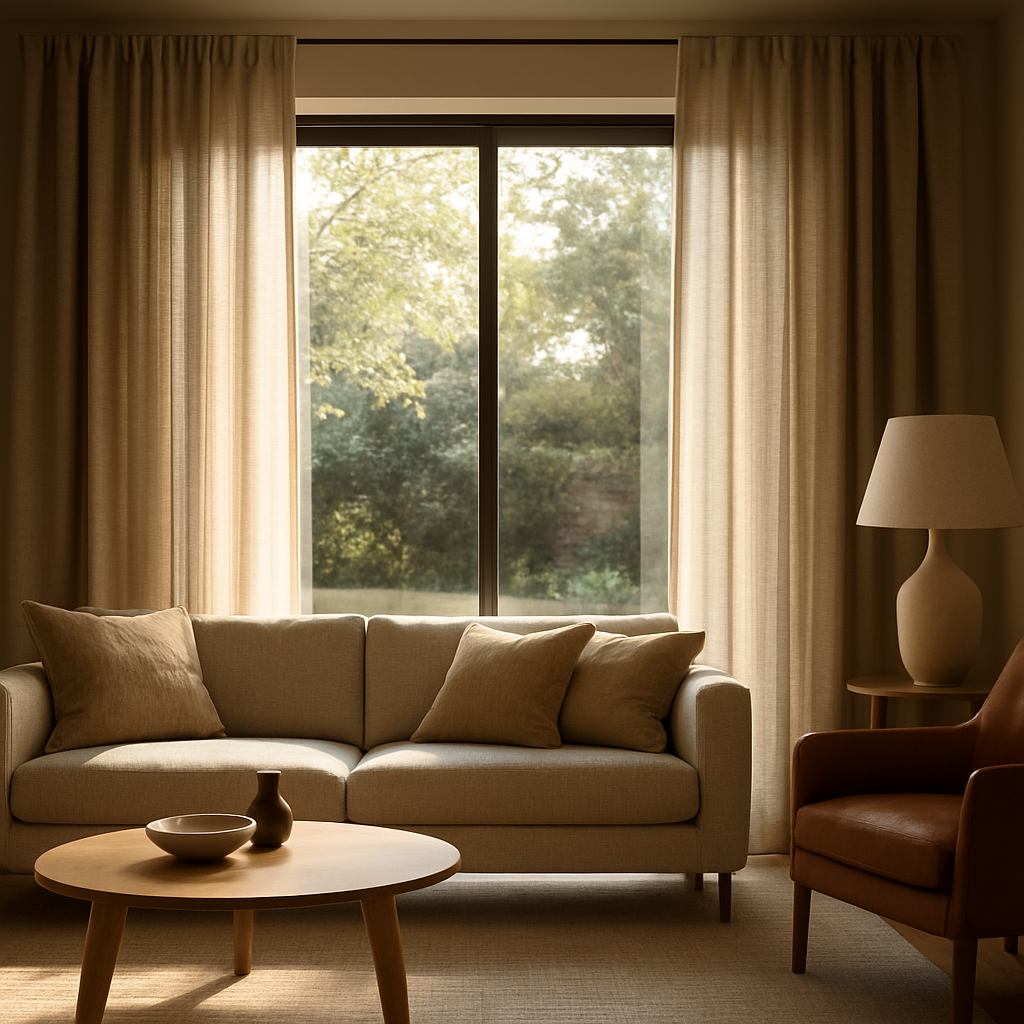
When you’re ready, move on to Step 2 where we dive into the specific style families – from panel tracks to layered curtains – and how each can transform the mood of your home.
Step 2: Choose the Right Fabric and Material
Okay, you’ve measured the opening, you know the style you’re after, and now the big question looms: what fabric actually lives up to the promise of looking luxe while handling a floor‑to‑ceiling sliding glass door?
We’ve all been there – the excitement of a gorgeous panel that suddenly drags on the floor, or a sheer that wilts after a week of sunny afternoons. The secret isn’t magic; it’s a thoughtful blend of weight, opacity, durability and even acoustic performance.
Understanding Fabric Weight
Weight matters more than you think. A lightweight linen‑blend feels airy, but on a 12‑ft door it can billow and snag on the track. A medium‑weight cotton‑poly blend adds a little body, letting the panel glide smoothly while still feeling breezy. Heavyweight options like velvet or thick polyester blends give you that hotel‑lobby gravitas and help the fabric stay put.
In our experience, couples renovating a modern loft love a 250‑gsm (grams per square metre) cotton‑linen blend for daytime elegance, then switch to a 350‑gsm blackout polyester for movie nights. The extra heft also reduces the chance of the fabric catching on the rollers – a tiny detail that makes daily use feel effortless.
Light‑Filtering vs. Blackout – Find Your Sweet Spot
Do you need a sun‑drenched reading nook or a darkened home‑theatre vibe? The answer often lies in layering. A sheer “privacy sheers” panel lets the sunrise spill in while still offering a hint of concealment. Pair it with a blackout panel that slides over the top when you need total darkness.
Hunter Douglas breaks down the options nicely in their window treatments guide for sliding glass doors. They point out that vertical sheers, like Luminette®, give you the classic drapery feel with the practicality of blinds, and that cellular honeycomb shades provide excellent insulation while still filtering light.
Durability & Maintenance – Life With Kids, Pets, and Coffee Spills
If you’ve got toddlers or a golden retriever that loves to leap onto the couch, you’ll want fabrics that shrug off a bit of rough‑and‑tumble. Look for tightly woven weaves and fade‑resistant dyes. Polyester blends are practically stain‑proof, while natural fibers like linen may need a gentle hand‑wash or professional cleaning.
Tip: request a fabric swatch that’s been pre‑treated for stain resistance. Many manufacturers offer a “performance‑grade” option that adds a protective coating without changing the look.
Energy & Acoustic Benefits – More Than Just Looks
Heavy fabrics aren’t just about drama; they can actually help keep your home quieter and more energy‑efficient. A thicker panel adds an extra barrier for outdoor noise, and when you choose a fabric with a tight weave, it can trap air pockets that improve insulation.
For a deeper dive on how extra layers reduce noise, check out Aspire Doors’ soundproofing tips for sliding glass doors. They explain that even a simple fabric curtain can cut airborne noise by up to 30%, which is a nice bonus on a busy street.
Now, let’s turn those ideas into an actionable checklist you can take to a dealer or use when ordering online:
- Determine the primary use: daytime light‑filtering, nighttime blackout, or both.
- Pick a weight range: 200‑250 gsm for sheer‑light, 300‑350 gsm for blackout.
- Choose a fiber blend that matches your household traffic: polyester for easy‑care, linen/cotton for natural texture.
- Test opacity with a sample held up to sunlight; you should see at least 70% light reduction for true blackout.
- Ask for a UV‑blocking coating if sun‑damage is a concern.
- Confirm the fabric’s back side is smooth (helps the track glide).
When you have your list, order swatches, hang them on a temporary rod, and watch how they behave as the sun moves across the room. That’s the fastest way to see if a fabric “breathes” or feels too heavy.
After the video, take a moment to note the panel’s stack‑back – that’s the amount of fabric that remains visible when the panel is fully opened. A low stack‑back (under 12 inches) means you keep an unobstructed view, which is key for those floor‑to‑ceiling doors.
Finally, talk to your Harvey Bruce interior specialist about custom stitching options. A hidden pocket for a magnetic bottom strip can keep the panel snug against the track, while a subtle piping detail adds a touch of polish without compromising function.
Pick a fabric, test it, and let the sliding door become the effortless, stylish gateway you imagined. Your home will thank you every time the panels glide silently shut.
Step 3: Integrate Bespoke Homeware and Furniture
Now that you’ve nailed the fabric, it’s time to think about the pieces that will live alongside your window treatments for sliding glass doors. The right furniture and accessories don’t just fill a room – they make the panels feel like a natural extension of the space.
Start with a focal point
Ask yourself: what’s the first thing you see when you walk past the doors? For many homeowners, it’s a sofa, a coffee table, or a sleek console. Choose a piece that echoes the scale of the sliding wall. A low‑profile sofa in a neutral linen lets a sheer panel glide without competing, while a plush velvet set adds drama when you pull a blackout panel for movie night.
In our experience, pairing a tapered wooden sideboard with floor‑to‑ceiling curtains creates a layered look that feels curated rather than staged. The sideboard offers a place to rest a lamp or a stack of books, keeping the floor clear for the panels to glide silently.
Mix textures for depth
Think about the tactile conversation between fabric and furniture. If you’ve chosen a heavy, textured blackout, balance it with smooth, reflective surfaces – a marble coffee table, a lacquered side chair, or brushed‑gold hardware. The contrast keeps the room from feeling heavy and adds visual intrigue.
Conversely, a light, breezy linen panel pairs beautifully with natural fibres like jute rugs or wicker baskets. The mix of soft and rough invites the eye to wander, and it subtly reinforces the “cozy yet airy” vibe you’re after.
Incorporate bespoke accessories
Custom‑made cushions in the same hue as your curtain piping can pull the whole look together. A set of hand‑woven throw blankets draped over the back of a chair adds warmth without clutter.
Don’t forget functional pieces that also act as décor. A sleek floor lamp with an adjustable arm can be positioned behind a sheer panel to diffuse morning light. Or a decorative screen placed a foot away from the track can soften the view when the doors are closed, giving you a layered privacy option.
Mind the traffic flow
Sliding doors are meant to be used – they’re the gateway to your patio or garden. Make sure your furniture arrangement respects the path of the panels. Leave at least a 12‑inch clearance behind the track, and avoid placing low coffee tables that could snag the bottom of the fabric.
A quick tip: lay a piece of painter’s tape on the floor where the panel will rest when fully opened. Walk the space with your shoes on; if you have to step over the tape, you’re probably too close. Rearrange until the movement feels effortless.
Personalise with art and greenery
Once the big pieces are in place, sprinkle in personality. A large abstract painting hung opposite the sliding wall can act as a visual anchor, drawing the eye across the room. Tall indoor plants in sculptural pots add height and soften the hard lines of the glass.
We’ve seen couples use a series of small ceramic vases in the same colour family as their curtain tie‑backs – it’s a tiny detail that ties the whole design together without shouting.
Check the final look
Step back and take a photo from the doorway. Does the arrangement feel balanced? Are the window treatments for sliding glass doors the star, or are they lost behind a bulky sofa? If something feels off, shift a chair or swap a rug. Small tweaks make a huge difference.
When you’re happy, sit down, pull the panels, and enjoy the moment. The glass door should feel like an elegant frame that you can open or close at will, while your bespoke homeware and furniture complete the picture.
Step 4: Installation Tips for a Seamless Look
Alright, you’ve picked the perfect fabric and the right hardware – now it’s time to make sure everything slides like butter.
First thing’s first: double‑check your measurements. We always recommend measuring three places – top, middle and bottom – and using the narrowest width and the longest height. That way the track won’t jam when the panels are stacked.
Choose the right mounting style
If you’ve got a deep window frame, an inside‑mount gives a sleek, built‑in look. But if the frame is shallow or you want the treatment to hide the trim, go for an outside‑mount that extends a few inches on each side. The extra overlap not only looks intentional, it also blocks stray light at the edges.
Pro tip: when you mount outside the frame, use a level and a stud‑finder. Anchoring into studs adds strength, especially for heavyweight blackout panels that can weigh a pound or two per square foot.
Prep the track and wall
Clean the track surface with a damp cloth and a little rubbing‑alcohol wipe. Any dust or debris will cause the panels to catch – trust us, you’ll notice the first time you pull them.
Next, apply a thin line of silicone sealant where the track meets the wall or ceiling. This prevents squeaking and keeps moisture out, which is a lifesaver for homes near the coast.
Need a quick reference? Blindsgalore’s installation guide breaks the steps down with clear diagrams – it’s worth a look before you drill.
Secure the brackets
Use the supplied brackets, not the cheap ones from the hardware aisle. The brackets are engineered to hold the weight of the fabric and the track’s movement. Tighten the screws just enough to be snug; overtightening can strip the wood or drywall.
For added safety in households with kids or pets, choose a bracket with a built‑in safety latch. It stops the panel from popping off the track if someone leans on it.
Hang and test each panel
Start with the leftmost panel. Slide it all the way closed, then pull it to the opposite side. You should feel a gentle glide, not a jerky tug. If it sticks, loosen the bracket a touch or check that the fabric’s back side is smooth – a rough backing will grind against the rollers.
Repeat the process for every panel. When you’re done, do a “full‑stack” test: open the door completely, then close it and watch the panels tuck neatly behind each other. Aim for a stack‑back under 12 inches – anything more starts to block the view.
Fine‑tune alignment
Even a millimeter off can cause a gap. Grab a small level and place it on the top edge of each panel when it’s fully opened. Adjust the bracket up or down until the line is perfectly horizontal.
Don’t forget the bottom. A tiny tilt can make the fabric drag on the floor, which not only looks sloppy but also attracts dust.
Seal the edges
Use magnetic strip tape or Velcro‑backed clips on the panel’s bottom edge. This tiny detail keeps the panel flush against the wall, eliminates wind‑blown flutters, and makes the whole installation feel custom‑made.
And if you love a clean ceiling line, consider a discreet “headrail cover” that hides the track’s hardware – it’s a small finish that makes a big visual difference.
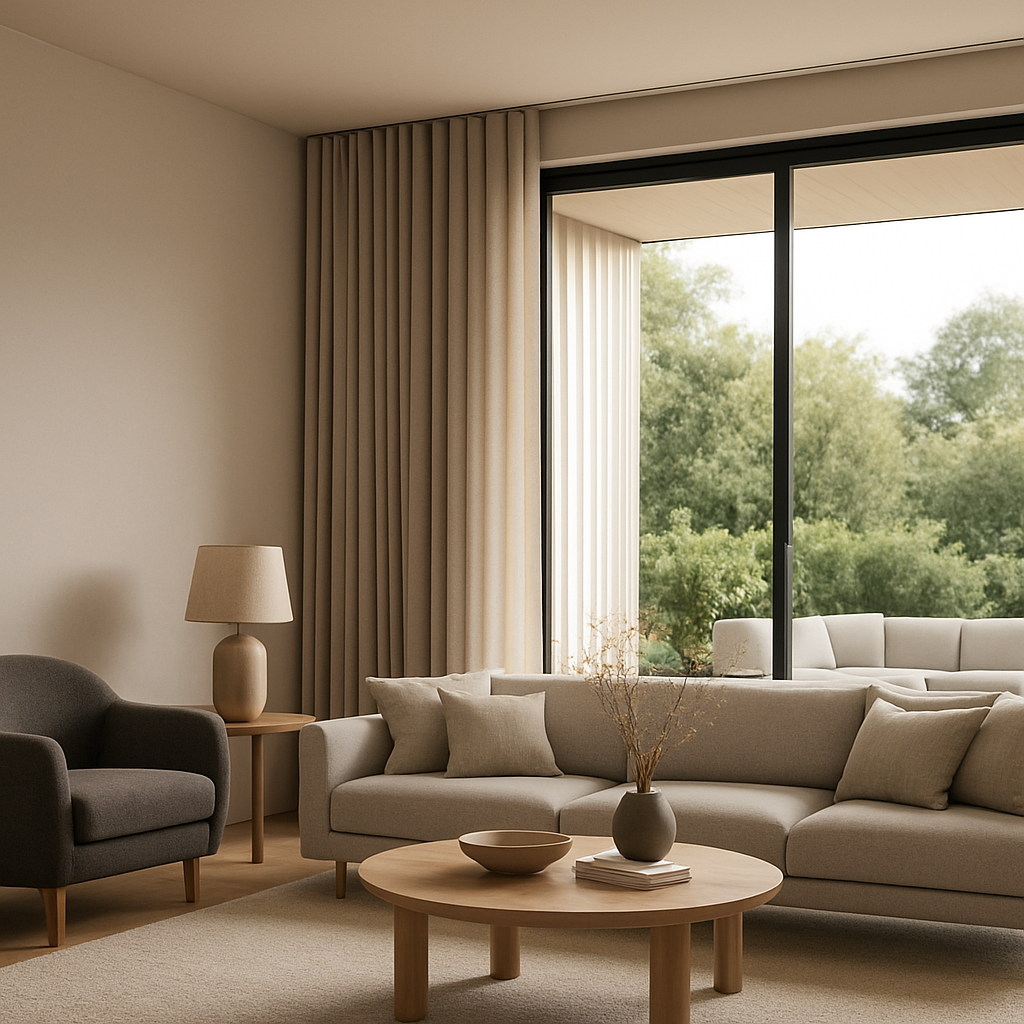
Finally, give everything a once‑over. Walk the room, open and close the panels a few times, and make sure there’s no rubbing noise. If you hear anything, a dab of silicone or a tiny shim will usually solve it.
Now you can step back, pull the panels, and enjoy that smooth, hotel‑lobby feel every day. Happy sliding!
Step 5: Compare Top Treatment Options
Now that you’ve measured, chosen fabric, and thought about how the panels will sit with your furniture, it’s time to line up the actual treatment styles side by side. The goal isn’t just to pick the prettiest look – it’s to match performance, maintenance, and budget to the way you live.
Panel curtains (custom‑made)
Panel curtains are the go‑to for a sleek, hotel‑lobby feel. Because the fabric folds into wide panels, you get a clean stack‑back that doesn’t block the view when the doors are open. Heavyweight options like velvet or polyester‑blackout give you privacy and a thermal barrier, while lighter linen‑blends keep the room airy.
What we often hear from couples renovating their first home is: “We love the drama of a full‑height panel, but we don’t want it to feel oppressive.” The trick is to choose a mid‑weight weave (around 300‑gsm) and add a magnetic bottom strip so the panel hugs the wall without dragging.
Sheer curtains (light‑filtering)
If your living room basks in morning sun, sheer curtains let the light spill in while still softening glare. They work great with a blackout panel that slides over the top for movie night. Because the fabric is lightweight, you’ll need a sturdy traverse rod or ceiling‑mounted track to keep the panels from sagging.
One tip we give: hang the sheer a few inches higher than the floor so it skims the surface. That tiny gap stops the fabric from catching on the track and makes the whole system feel effortless.
Blinds (vertical or woven wood)
Blinds have come a long way from the clunky vinyl strips of the ’90s. Modern vertical blinds or woven‑wood slats offer a more structured look and can be easier to clean in a pet‑friendly home. They’re especially handy when you need precise light control – you can tilt the slats for a soft glow or close them flat for total darkness.
We like to point readers to a balanced view of curtains versus blinds in this comparison guide. It outlines durability, sound, and style trade‑offs, which can help you decide whether the soft drape of a curtain or the crisp line of a blind fits your space.
Thermal curtains (insulated)
Thermal curtains combine the look of a panel with a built‑in insulating core. They’re a solid choice if you’re trying to lower heating bills in a chilly climate. The extra backing adds a few ounces of weight, so be sure your track is rated for the load.
For a family with kids and a dog, the durability of a polyester‑blend thermal panel often beats a delicate sheer that could snag on a playful pet’s claws.
Quick decision checklist
Grab a pen and run through these questions before you place an order:
- Do you need total blackout or just a soft glow?
- How much foot traffic will the treatment see?
- Is sound reduction a priority?
- Do you prefer a fabric that folds neatly or slats that stay flat?
- What’s your budget ceiling?
Answering honestly will push the right option to the top of your list.
Side‑by‑side comparison
| Feature | Panel Curtains | Sheer Curtains | Vertical Blinds |
|---|---|---|---|
| Light control | Full blackout or filtered (layered) | Soft diffusion, no blackout | Adjustable slat tilt, full block when closed |
| Maintenance | Spot‑clean or machine‑wash (fabric‑dependent) | Gentle hand‑wash, prone to dust | Wipe‑down, durable for pets |
| Sound reduction | High (heavy fabric) | Low to moderate | Moderate (depends on slat material) |
When you line these up, the choice becomes less about “what looks best” and more about “what works best for my life.”
Take a moment now to sketch a quick layout of your sliding door, place the treatment you’re leaning toward on the page, and imagine how the room feels at sunrise, noon, and night. That tiny visual exercise often reveals the perfect match before you even click “add to cart.”
Once you’ve picked a winner, the next step is ordering swatches, confirming the track hardware, and scheduling installation. You’ll soon be pulling panels or blinds with the same effortless glide you imagined when you first stepped into the room.
FAQ
Got questions about window treatments for sliding glass doors? We’ve gathered the most common ones and gave you straight‑talk answers you can actually use.
What type of fabric works best for a sliding glass door in a busy household?
If you’ve got kids, pets, or a lot of foot traffic, you’ll want a tightly woven, stain‑resistant fabric. Think polyester blends or heavyweight cotton‑linen that can take a tumble without snagging. A fabric with a protective coating adds an extra layer of defence against coffee spills and muddy paws. Choose a weight around 300‑350 gsm for enough body to glide smoothly on the track while staying durable enough for everyday life.
Do I need a separate blackout panel, or can a single curtain do the job?
Most homeowners find a layered approach works best. A sheer or light‑filtering panel lets sunrise flood the room, while a blackout panel slides over it for movie night or sleep. Using two panels gives you flexibility without sacrificing style – you can keep the room bright during the day and achieve total darkness when you need it. If space is tight, a dual‑layer panel with a built‑in blackout liner does the trick.
How much extra fabric should I order to avoid a cramped stack‑back?
Measure the door width, then add roughly 20‑30 % extra fabric to each panel. That extra width lets the panels stack neatly side‑by‑side without looking squeezed. For a 12‑foot opening, you’d order about 15‑16 feet of fabric per panel. The extra material also gives you room to experiment with different stacking heights during installation – a small adjustment can make a big visual difference.
Can I install the track myself, or should I hire a professional?
Installing a ceiling‑mounted track is doable if you’re comfortable using a drill and locating studs. The key is to level every bracket and anchor the heavy panels into solid wood or metal studs for safety. If you’re unsure about stud placement or have a particularly large door, a professional installer can save you time and ensure a whisper‑quiet glide. Even a quick video tutorial can guide DIY‑enthusiasts through the basics.
Will my window treatments improve energy efficiency?
Yes – a well‑chosen panel adds an extra thermal barrier, especially if the fabric is dense and has a backing. Heavy curtains can reduce heat loss in winter by up to 5 % and keep the room cooler in summer by blocking solar gain. Pairing a blackout layer with a light‑filtering liner maximises insulation while still letting you enjoy natural light when you want it.
How do I keep the panels looking fresh after years of use?
Spot‑clean spills immediately with a mild detergent, and give the entire panel a gentle machine wash or professional cleaning according to the fabric label. Most polyester‑blend panels are safe on a gentle cycle; cotton‑linen may need hand‑washing or a low‑heat tumble. Keep the track dust‑free with a quick wipe‑down every few months, and check the rollers for wear – a little silicone spray can keep them gliding silently.
Conclusion
After wandering through measuring, fabric picking, furniture pairing, and installation, you’ve probably felt that familiar mix of excitement and a little doubt – “Will this really work in my home?”
Here’s the short answer: when you treat your sliding glass doors like the centerpiece they are, the right window treatments for sliding glass doors become both style hero and functional ally. A well‑chosen panel adds privacy, cuts glare, and even nudges your energy bills down a few percent.
What we’ve seen work best is a simple three‑step habit: double‑check your dimensions, select a fabric weight that glides without sagging, and give the track a quick silicone kiss after each clean. Those tiny steps keep the panels moving silently for years.
So, what’s next? Grab a swatch, picture it against your sofa, and imagine the evening when the blackout panel drops like a curtain on a private theater. If that vision feels right, reach out to a Harvey Bruce interior specialist – they’ll help you fine‑tune the details without the sales pressure.
Remember, the goal isn’t just to cover glass; it’s to turn that doorway into a graceful transition between indoor comfort and outdoor life. Enjoy the glide, enjoy the view, and let your home tell the story you’ve always wanted.
← Older Post Newer Post →