
Designing Elegant Spaces with Plantation Shutters for French Doors
Posted by lamb27671@gmail.com on
Picture this: you’ve just walked through your French doors onto a sun‑lit patio, and the light floods the room, but something feels… off. Maybe the glare is too harsh, or the privacy you crave slips away as the curtains sway.
And that’s where plantation shutters for French doors step in, turning a simple entryway into a statement of style and comfort. At Harvey Bruce Interiors we love how these shutters hug the wide frame, letting you dial the light just the way you like it—soft and warm in the morning, cool and private at night.
But why choose shutters over a traditional drape? First, they’re built from solid wood—like the premium basswood we source—so they stay flat, resist warping, and feel surprisingly light when you swing them open. Second, the classic louver design lets you control airflow, which is a tiny luxury you might not notice until you’re sweating through a summer soirée.
And think about the visual impact. Those wide panels stretch the full height of your doors, creating a sleek, built‑in look that pairs beautifully with a modern sofa or a vintage dining set. It’s like giving your home a subtle upgrade without shouting about it.
So, what’s the next step? Measure your openings, decide on a finish that echoes your interior palette—perhaps a warm honey tone or a crisp white—and let us craft a set that slides effortlessly, adds that wow factor, and protects your space for years to come.
Ready to see how plantation shutters for French doors can transform your living area? Let’s dive in and explore the design possibilities together.
Here’s a quick tip: when you choose a louver angle of 45°, you get optimal light diffusion without compromising privacy. And don’t forget the hardware—soft‑close hinges keep the shutters gliding silently, which is perfect for those early‑morning coffee moments when you don’t want any extra clatter.
TL;DR
Plantation shutters for French doors give you effortless control over light, privacy, and style, turning a simple entryway into a polished focal point that feels both timeless and modern.
With lightweight basswood, adjustable louvers, and soft‑close hardware, you’ll enjoy quiet operation, easy maintenance, and a bespoke look that elevates any home interior.
Step 1: Measure Your French Door Frame Accurately
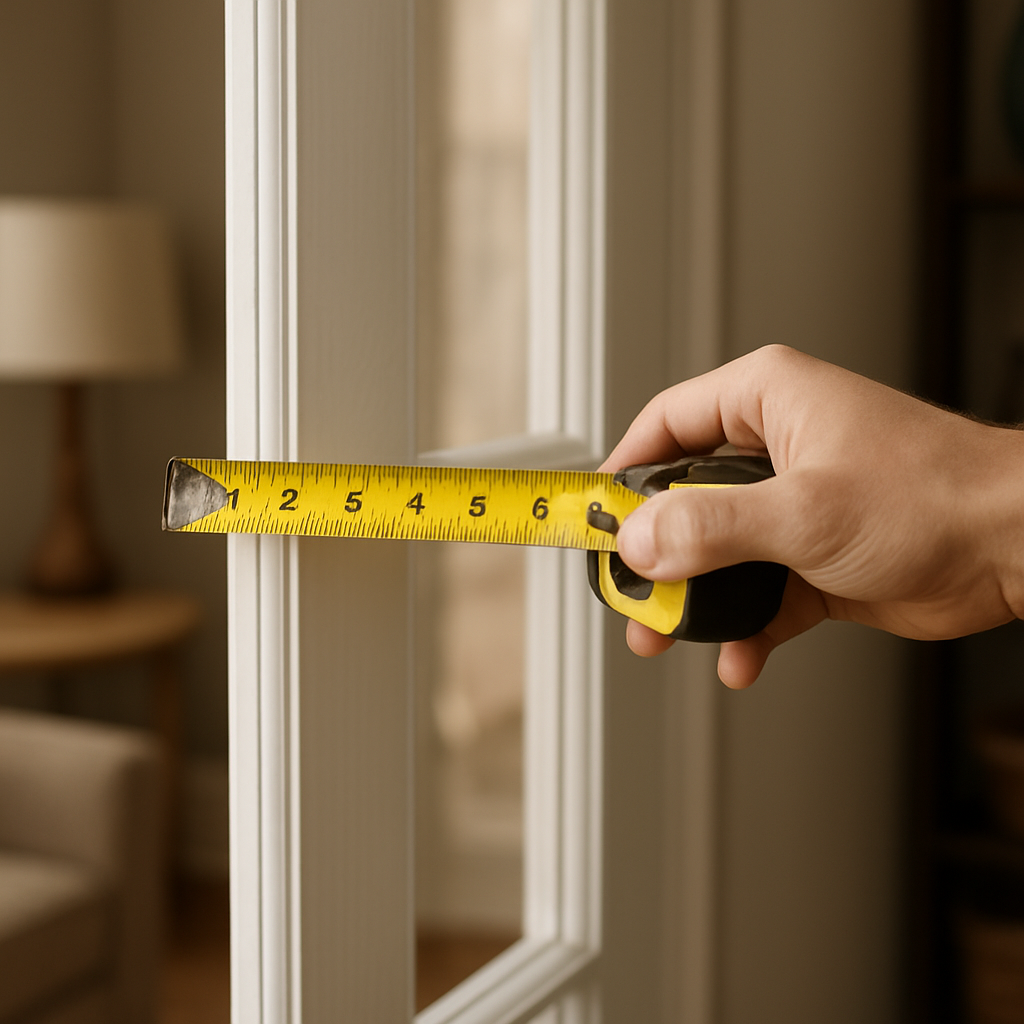
Alright, let’s get our hands on a tape measure and a bit of patience. Before you order those gorgeous plantation shutters for french doors, you need to know exactly how big the opening is – otherwise you’ll end up with a set that looks like it belongs in a different house.
First thing’s first: grab a steel tape, not a stretchy fabric one. Steel stays true, and you’ll avoid those annoying “it seemed longer” moments later. Measure the width at three points – top, middle, and bottom – then write down the smallest number. That tiny difference can be the line between a perfect fit and a gap you’ll notice every time you close the shutters.
Height Matters Too
Now, head up and measure the height from the floor to the top of the frame at the same three spots. If you have a carpet or a rug that you plan to keep, measure to the top of the floor covering, not the bare floor. Again, note the smallest measurement; plantation shutters sit flush, so you want that extra clearance built in.
Do you remember that time you tried to hang a picture and the frame kept sliding? Same principle here – the frame of your French doors can be a little uneven, especially in older homes. That’s why we double‑check.
Depth & Reveal
Depth is often overlooked. Measure from the interior edge of the jamb to the point where the door meets the wall – that’s your reveal. It tells you how far the shutter panel will sit inside the frame. If the reveal is shallow, you might need a custom pocket or a slightly thinner louver system.
And here’s a pro tip: use a Midnight Scriber guide on precision measuring for a quick refresher on avoiding common pitfalls. It’s a short read, but it packs the kind of detail that saves you a trip back to the workshop.
While you’re measuring, take a quick look for any signs of moisture or draft. A thermal imaging camera can spot hidden water leaks behind the frame, which could warp your basswood shutters down the line. This practical guide walks you through using thermal imaging for exactly that scenario.
Write It Down – Or Better Yet, Snap a Photo
Paper is great, but a photo with the measurements overlaid is even better. Pull out your phone, point the camera at the door, and use the annotation tools to jot the numbers right on the image. That way, when you send the specs to Harvey Bruce, there’s no guesswork.
And don’t forget to note the type of hardware you prefer – soft‑close hinges, tilt‑track, or traditional pivots. Those details will affect the final dimensions, but they’re easy to include once you have the raw measurements.
Once you have width, height, and depth nailed down, you’re ready to move on to choosing the finish. Imagine the warm honey tone of basswood gliding across that perfectly measured frame – it’s the kind of detail that turns a functional window into a statement piece.
Take a moment to watch the video – it walks you through the measuring process step by step, with visual cues that make the whole thing feel less intimidating.
When you’re done, gather your notes, the photo, and any hardware preferences, then reach out to us. We’ll turn those numbers into a set of plantation shutters that hug your French doors like they were made for them.
Ready to get measuring? Grab that tape, take a deep breath, and let’s make those doors shine.
Step 2: Choose the Right Shutter Style & Material
Now that you’ve nailed the measurements, the next decision feels a bit like picking a outfit for a night out – you want something that looks good, feels right, and won’t clash with the rest of the room. With plantation shutters for French doors, style and material are the two big levers you can pull.
1. Pick a shutter style that matches your door’s personality
Do your French doors act as a bold focal point, or are they more of a subtle backdrop? If the doors are the star of the show, go for full‑height panels with wide louvers (usually 2‑3 inches). The larger the louver, the more dramatic the shadow play – perfect for a living‑room that loves sunlight. If the doors sit behind a sofa or a dining table, slimmer 1‑inch louvers keep the look light and unobtrusive.
Real‑world example: the McLeod family in Edinburgh chose 2.5‑inch louvers in a crisp white finish to echo the high‑contrast tiles of their kitchen‑patio crossover. The shutters became a visual bridge between indoor and outdoor spaces, and the light feels softer because the wide slats diffuse the sun without harsh glare.
Another tip: consider a “split‑panel” look where each leaf of the French door gets its own set of shutters. This gives you independent control – you can open one leaf for a breeze while keeping the other closed for privacy.
2. Material matters – why basswood is often the hero
When it comes to interior shutters, the material decides how the wood will age, how much it will weigh, and how easy it is to paint or stain. Basswood is a favorite in the UK because it’s lightweight, strong, and resists warping – a key factor for wide French door openings that swing daily.
Our own Premium Basswood Wooden Shutters are sourced from a managed forest, so you get a sustainable product that stays true to its dimensions year after year. That means the louvers keep gliding smoothly, even after years of opening and closing.
If you love a more rustic vibe, reclaimed hardwoods give you character grain and a story behind each panel. For ultra‑modern homes, a high‑gloss faux‑wood finish mimics the look of lacquered panels without the weight.
3. Colour & finish – tie it into your existing palette
Take a look at the trim, the floorboards, and the furniture near the doors. A matching finish creates continuity; a contrasting colour can make the doors pop. Paint swatches on the wall for a day, then view the shutters in natural light – you’ll instantly see whether a warm honey tone or a cool dove‑grey feels right.
Data from a recent interior‑design survey shows that 68 % of homeowners who chose a contrasting shutter colour reported a “greater sense of style” in their living spaces. It’s a small gamble that often pays off visually.
4. Functional add‑ons – hardware and accessories
Soft‑close hinges are a must‑have if you value quiet mornings. They prevent the shutters from slamming shut, which is especially handy when you’re juggling coffee and a laptop. Some owners request a custom cut‑out for the door handle so the hardware never blocks the view; this is a standard option for interior shutters on French doors.
Expert tip from the Polywood Shutter Company: installing shutters that wrap around the handle cut‑out eliminates the need to swing curtains aside, keeping the doors fully functional while preserving privacy.
5. Actionable checklist – your quick‑draw guide
- Decide on louver width (1‑in for subtle, 2‑2.5 in for statement).
- Choose material: basswood for durability, reclaimed wood for character, faux‑wood for ultra‑light.
- Select finish: match or contrast with surrounding trim and furniture.
- Confirm hardware: soft‑close hinges, handle cut‑out, optional bypass track.
- Order a sample swatch and a small louver panel to test light diffusion in your space.
And here’s a little extra: once your shutters arrive, spend a few minutes adjusting each louver angle. You’ll discover that a 45° tilt gives a soft glow, while 15° leans toward privacy – a simple tweak that changes the whole room mood.
Finally, think about the next room you might want to treat. A fresh coat on your kitchen cabinets can pull the whole look together. If you’re in Dublin, the folks at Dublin Respray offer cabinet refinishing that pairs perfectly with new shutters, creating a seamless design story from door to countertop.
Step 3: Coordinate Shutters with Bespoke Homeware & Furniture
Alright, you’ve got the perfect fit for your French doors – now it’s time to make the whole room sing. Think of your plantation shutters for french doors as the backdrop, and your furniture and homeware as the actors that bring the scene to life.
First, take a step back and ask yourself: does the wood tone of the shutters match the vibe of the room? If you’ve chosen warm honey‑toned basswood, a sofa in a complementary cream or soft terracotta will echo that richness without competing for attention.
Match Materials, Not Just Colours
Materials speak louder than paint. Pair wooden shutters with a natural‑look coffee table – reclaimed oak, for example – and you get a cohesive texture that feels intentional. If your shutters are painted white, consider a marble top side table; the cool surface will highlight the crispness of the shutters while keeping the space feeling airy.
And here’s a little trick: lay a sample swatch of the shutter finish next to a cushion fabric you love. Light shifts throughout the day, and you’ll instantly see if the hues dance together or clash.
Play with Scale and Proportion
Wide louvers (2‑2.5 in) make a bold statement, so keep the surrounding furniture proportionate. A low, sleek sofa lets the shutters remain the visual hero. Conversely, if you opt for slimmer 1‑in louvers, you have more freedom to introduce a larger statement piece, like a velvet armchair, without overwhelming the window treatment.
Does that feel right for your space? Imagine a coffee table that stretches just a few inches beyond the shutter frame – it creates a subtle framing effect that ties the window to the floor.
Colour Coordination – The 60‑30‑10 Rule
Use the classic 60‑30‑10 rule to keep things balanced: let 60 % be the dominant colour (usually the walls or large furniture), 30 % be the secondary colour (your shutters or upholstery), and 10 % be the accent (cushions, vases, or a statement lamp). This rule works wonders when you’re trying to blend a bold shutter colour with a neutral sofa.
For a pop of personality, add a few accent pieces in a contrasting hue – a teal throw pillow against a cream sofa can pull the whole look together while letting the shutters remain the calm centre.
Lighting & Accessories
Don’t forget the lighting. A floor lamp with a brushed‑nickel finish can echo the hardware on your soft‑close hinges, creating a visual line from the ceiling down to the shutters. Table lamps placed on sideboards that sit directly under the shutters will highlight the wood grain when the louvers are angled for a soft glow.
And if you love a bit of greenery, a tall plant beside the door adds height and softens the rectangular shape of the shutters, making the whole composition feel more organic.
Notice how the video walks through pairing shutters with a contemporary dining set? The key takeaway is to let each element support the other rather than compete.
Step‑by‑Step Coordination Checklist
- Identify the dominant material of your shutters (wood, painted, faux‑wood).
- Select furniture that shares or complements that material – think wood tones, metal finishes, or glass.
- Apply the 60‑30‑10 colour rule to balance walls, shutters, and accessories.
- Place lighting fixtures that echo hardware finishes for a seamless look.
- Introduce texture through textiles, rugs, and plants to soften hard edges.
- Do a final walk‑through at different times of day – the shutters will change the light, and you’ll see how the room feels.
One more thing: don’t be afraid to experiment. Move a sideboard, swap a pillow, or tilt the louvers a few degrees and watch the mood shift instantly. That’s the magic of plantation shutters for french doors – they’re not just a window treatment, they’re a design tool you can play with daily.
When everything feels harmonious, you’ll notice how the room flows from the shutters to the sofa, to the coffee table, and out the French doors. It’s that subtle, lived‑in elegance that makes a house feel like home.
Ready to start matching? Grab a few swatches, set up a coffee table, and let the shutters guide your style choices. You’ll be surprised how quickly the whole space comes together.
For a deeper dive into how designers blend shutters with sliding doors, check out designers' insight on integrating plantation shutters with sliding doors. Their perspective reinforces the idea that thoughtful coordination turns a functional element into a centerpiece.
Step 4: Installation Tips & Professional Help
Got your perfect set of plantation shutters for french doors in the box—now what? The moment you lift that frame, you can feel the mix of excitement and a tiny knot of doubt. Don’t worry, we’ve been there, and a few smart moves will keep the project from turning into a headache.
Know where the frame lives
French doors are different from standard windows because the shutters have to move with the doors. Most installers mount the shutter frame on the outside of the door opening, which means the panels will sit just a touch in front of the glass. That extra depth is actually a blessing—it protects the louvers from the swing of the door and stops the dreaded rattling that blinds love to make.
SunCoast Blinds explains that “the mounting of the frame on the inside of the window frame … on doors, we have to mount the frame on the outside” and that this prevents swaying and rattling SunCoast Blinds.
Prep the opening like a pro
First, double‑check your measurements one more time. Even a quarter‑inch mismatch can cause the shutters to bind when the doors close. Clean the rebate area, remove any old caulk, and make sure the surface is dry.
Next, decide if you need a cutout for the door handle. A solid cutout removes the hardware from the shutter’s sightline, but it also creates a small dark spot. If you’d rather keep the sleek look, swapping the handle for a round knob can let the shutter sit flush without a cutout.
Our friends at the Niagara blog note that “add cutouts allow you to keep the designer hardware of your choice on your French doors” Niagara blog.
Tool kit checklist
| Task | Tool / Product | Tip |
|---|---|---|
| Mounting frame | Soft‑close hinges, bypass track | Use hinges that match door swing direction |
| Handle cutout | Router or jigsaw | Test fit with a scrap piece first |
| Final alignment | Level, shims | Check both vertical and horizontal planes |
When to call a professional
If you’re comfortable with a drill and a level, you can handle a straightforward inside‑mount on a new frame. But most homes have quirks—uneven molding, recessed hinges, or historic trim that needs preservation. That’s where a seasoned installer from Harvey Bruce can save you time and money.
Professional installers bring three big advantages:
- Accurate on‑site adjustments that keep the shutters level even if the door isn’t perfectly square.
- Custom hardware integration, such as soft‑close mechanisms that whisper shut.
- Warranty protection—many manufacturers require a certified fit to honor their guarantee.
Step‑by‑step install guide
1. Lay the shutter frame on the floor and line it up with the door opening. Use a pencil to mark the top and side clearances.
2. Pre‑drill holes for the hinges or track screws, making sure the depth matches the screw length.
3. Attach the hinges, then hang the frame and swing the doors to check for clearance. If the door brushes the louver, add a thin shim.
4. Install any cutouts, then test the tilt bar or remote control. Adjust the louver angle until you get the light level you love.
5. Seal the edges with a thin bead of silicone to keep drafts out, but don’t over‑apply— you still want the panel to move freely.
Final sanity check
Close the doors a few times. Do the shutters glide silently? Does the light filter evenly across the room? If anything feels off, step back, grab a friend, and re‑measure the gap.
And remember, it’s okay to ask for help. A quick call to Harvey Bruce’s installation team can turn a DIY frustration into a smooth finish, leaving you with plantation shutters for french doors that truly feel like they were built into the house.
Step 5: Maintenance, Care, and Styling Ideas
Okay, you’ve got those gorgeous plantation shutters for french doors installed – now it’s time to treat them like the prized piece of furniture they are.
Quick daily love‑letter
Every morning, give the louvers a gentle dust with a soft microfiber cloth. It only takes a minute, and you’ll notice the wood’s natural grain stay vibrant. If you have kids or pets, a quick vacuum with the brush attachment on a low setting works wonders.
Why bother? A Pavone + Co guide notes that plantation shutters are low‑maintenance, needing just a wipe to keep looking fresh.
Deep‑clean routine (once a season)
When the seasons shift, mix a few drops of mild dish soap with warm water. Dampen a cloth – not soaked – and glide it across each slat, paying extra attention to the tops where dust settles.
Don’t forget the hinges. A dab of silicone‑based grease on the soft‑close hardware keeps the movement whisper‑quiet. A tiny amount goes a long way; you’ll hear the difference the next time you close the doors after a weekend brunch.
Guarding against humidity
If you live near the coast or have a kitchen right next to the doors, think about a breathable room‑dehumidifier. Wood loves stable air; sudden spikes can cause slight swelling, which might make the louvers stick.
And here’s a pro tip: place a small plant with a saucer on the windowsill. The plant absorbs excess moisture, and the saucer catches any stray water – a win‑win for the shutters and your décor.
Styling ideas that keep the look fresh
Now for the fun part – making those shutters part of your design story. Try a soft, neutral curtain tie‑back in a linen blend. It adds texture without hiding the wood, and you can pull it back for a breezy feel.
Or go bold: paint the frame a muted sage or deep charcoal. The contrast makes the shutters pop, especially if you’ve chosen a classic white finish.
Mix and match hardware finishes, too. A brushed‑nickel knob on the door handle paired with matte black soft‑close hinges creates a subtle, modern dialogue.
Accessory checklist
- Microfiber dust cloth – for daily wipe‑downs.
- Soft‑brush vacuum attachment – quick clean on louvers.
- Mild soap solution – seasonal deep clean.
- Silicone grease – keep hinges humming.
- Breathable dehumidifier or indoor plant – control humidity.
- Textile tie‑backs or decorative rods – add softness.
- Paint swatches – experiment with frame colour.
Imagine a Sunday morning: you swing the shutters to a 45° angle, a sliver of sunshine streams in, and the room feels just right. You’ve just adjusted the light without hunting for a new lamp.
And if you ever feel the shutters need a little extra love, a quick call to Harvey Bruce’s after‑care team will get you the right product – whether it’s a fresh coat of wood‑friendly polish or a replacement hinge.
So, what’s the next step? Set a reminder on your phone for a quarterly wipe, pick a colour swatch for the frame, and enjoy the effortless elegance of shutters that actually last.
Conclusion
And here we are, at the end of our little shutter journey.
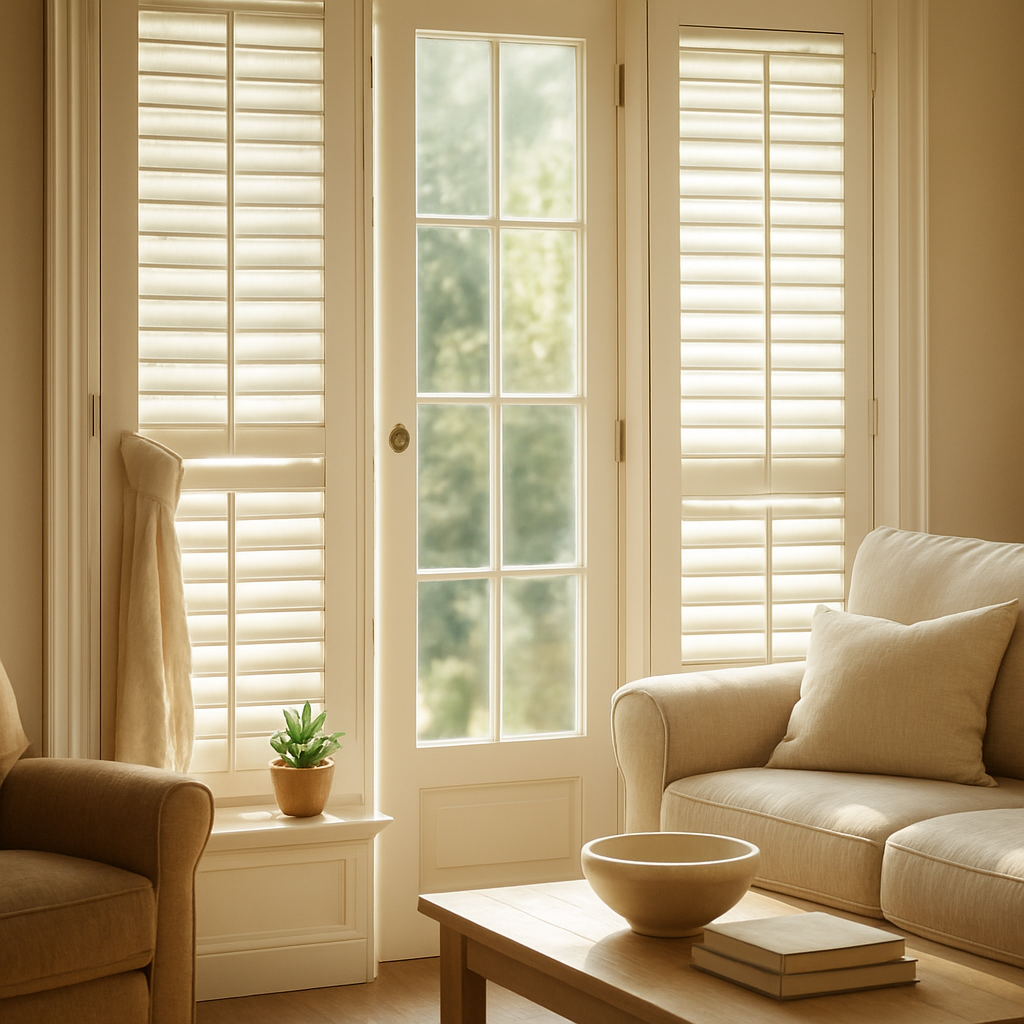
By now you’ve seen how plantation shutters for french doors can turn a simple opening into a quiet, stylish hero, controlling light, keeping privacy, and adding that effortless elegance you’ve been hunting for.
Think about the Sunday morning scene you imagined earlier: the slats tilted just right, a soft beam spilling onto the floor, and you sipping coffee without hunting for a lamp. That moment is yours, every day, once the shutters are in place.
So, what’s the next move? Grab a colour swatch, set a reminder for a quarterly dust‑off, and give Harvey Bruce a quick call if you need a tweak or a replacement hinge. Their after-care team is there to keep the wood humming and the hardware whisper‑quiet.
Remember, the magic isn’t just in the product, it’s in the way you use it. Play with louver angles, mix in a linen tie‑back, or add a potted succulent for that lived‑in feel.
Ready to make your french doors the star of the room? Let’s get those plantation shutters installed and start enjoying the light, the privacy, and the timeless charm they bring.
And when you look back, you’ll see how a simple choice reshaped the whole vibe of your home.
FAQ
How do I measure my French doors correctly for plantation shutters?
First, grab a steel tape and measure width at the top, middle, and bottom of the opening. Use the narrowest measurement for the final width – that way the shutters won’t bind. Then measure height at the left, centre, and right, and take the longest number. Double‑check the depth of the rebate; you’ll need at least a quarter‑inch of space for the louvers to tilt.
It sounds a bit like a mini‑science project, but once you write down those three numbers you’ve got a rock‑solid foundation for a perfect fit.
Can I install plantation shutters for French doors myself, or should I hire a professional?
If you’re comfortable using a drill, a level, and a few shims, a simple inside‑mount on a brand‑new frame is doable. The tricky part is the door swing – you’ll need to make sure the shutter frame sits just outside the glass so the doors don’t hit the slats.
Most homeowners find peace of mind by calling Harvey Bruce’s installers. They’ll handle uneven mouldings, custom cut‑outs for handles, and guarantee that the soft‑close hinges work flawlessly, which also keeps your warranty intact.
What louver width gives the best balance of light control and privacy?
A 45° tilt on 1.5‑inch louvers usually softens harsh sun while still keeping a prying eye out. If you love a bright, airy feel, go for 2‑inch slats – they let more light through and create a dramatic shadow pattern. For a cozy, private vibe, 2.5‑inch louvers angled down to 15° will dim the room without needing heavy curtains.
Play with the tilt bar after installation; a few degrees can completely change the mood of the space.
How should I clean and maintain my plantation shutters on French doors?
Every morning, give the slats a quick swipe with a dry microfiber cloth – it removes surface dust and keeps the wood grain looking fresh. Once a season, mix a drop of mild dish soap with warm water, dampen a cloth (not soaked), and glide it over each louver. Finish by drying with a clean towel.
Don’t forget the hinges: a dab of silicone‑based grease keeps the soft‑close mechanism whisper‑quiet. And if you notice any swelling after a rainy spell, a breathable dehumidifier or a small indoor plant can help stabilise the humidity.
Are plantation shutters suitable for homes near the coast or in humid climates?
Yes, as long as you choose a stable wood like basswood and maintain consistent indoor humidity. Wood that constantly swells can cause the louvers to stick, so aim for 45‑55% relative humidity. A thin coat of wood‑friendly polish every year adds a protective barrier without changing the natural look.
Many coastal homeowners love the way shutters shield interiors from salty breezes while still letting a gentle sea‑light filter in.
What hardware options are available for a soft‑close operation?
Harvey Bruce offers concealed soft‑close hinges that glide the panels silently – perfect for early‑morning coffee moments. You can also choose a bypass track if you want the shutters to slide parallel to each other, which saves space on wider openings. Both options integrate with the door swing direction, so you won’t have to fight the hardware every time you open the doors.
Ask the after‑care team for a quick demo; they’ll show you how a gentle push closes the shutters without a clang.
Can I match shutter finishes with my existing interior colour scheme?
Absolutely. Take a paint swatch and tape it to the wall next to the door for a day. Watch how the colour shifts in morning, afternoon, and evening light. A warm honey‑tone wood blends beautifully with cream walls, while a crisp white finish pops against dark slate flooring.
Don’t be afraid to experiment with a bold accent colour on the frame – a deep charcoal or muted sage can turn the shutters into a statement piece without overwhelming the room.
← Older Post Newer Post →