
Choosing Cafe Curtains for Kitchen Windows: A Practical Guide to Stylish Home Interiors
Posted by lamb27671@gmail.com on
Picture this: you’re sipping your morning coffee, the sunlight streams through a modest kitchen window, and a soft, billowy fabric frames the view like a gentle hug.
That moment feels familiar, right? Many of us have stared at a plain pane and wished for a touch of charm without sacrificing practicality.
Enter cafe curtains for kitchen windows – the sweet spot between sheer elegance and functional privacy.
They let enough light in to keep the room bright, yet they hide the mess when you’re juggling pots, pans, and a toddler’s art project.
But why choose them over a standard blind or a heavy drape? Because they add a layer of texture that instantly upgrades a kitchen’s vibe, and they’re easy to swap when you crave a fresh look.
Think about the fabrics you love: linen that whispers, cotton with a subtle weave, or even a light silk blend for that luxe feel. Pairing a neutral shade with a bold patterned tie‑back can become the room’s quiet statement piece.
And here’s the practical side: cafe curtains are simple to install – a single rod, a few hooks, and you’re done. No motor, no fuss, just a quick transformation that even a busy homeowner can manage over a weekend.
We’ve seen kitchens where the same set of curtains have survived spills, steam, and the occasional curious cat, all while maintaining their shape and colour.
If you’re dreaming of a kitchen that feels curated yet lived‑in, start by measuring the width of your window, add a few extra inches for a relaxed drape, and pick a fabric that echoes the palette of your cabinets or backsplash.
Imagine pulling the curtains aside, letting the aroma of fresh‑baked bread mingle with the morning light – that’s the everyday magic cafe curtains for kitchen windows can bring.
Ready to give your kitchen that effortless upgrade? Let’s dive in and explore the styles, fabrics, and styling tricks that make this simple change feel like a designer’s secret.
TL;DR
Cafe curtains for kitchen windows give you a quick, luxe makeover—soft fabric, light control, and a splash of personality without the hassle of blinds. Measure, pick a breathable linen or cotton, add charming tie‑backs, and enjoy fresh morning light dancing over your breakfast, together with cozy vibes, all in a weekend.
Step 1: Choose the Right Fabric for Cafe Curtains
Okay, picture this: you’re standing in your kitchen, coffee in hand, and the window looks naked. That blank pane is begging for a soft, breathable hug. The first thing you need to decide is the fabric – the heart and soul of any cafe curtain for kitchen windows.
Feel the Fabric, Not Just the Look
Do you want something that sways gently when the steam rolls out of the pot, or a tighter weave that resists kitchen grime? Linen feels airy and gets that lived‑in look faster, while cotton is sturdy enough to survive the occasional splash. If you’re craving a touch of luxe without the upkeep, a lightweight silk‑blend can add shine but will need a protective liner.
And here’s a little secret: the weight of the fabric decides how much light you’ll let in. A 200‑gram per square metre linen will filter sunlight nicely, whereas a heavier 300‑gram cotton will give you a cozier, more private vibe.
So, how do you actually test a fabric before buying? Head to a local showroom, run your fingers over the material, and imagine how it would feel against the back of a chair you love. If you can picture yourself pulling the curtain aside and still feeling the texture, you’re on the right track.
Match to Your Kitchen’s Personality
Think about the colours you already have – the backsplash tiles, the cabinet finish, even the countertop stone. A neutral linen in soft ivory pairs beautifully with rustic wood, while a bold patterned cotton can become the statement piece that ties a modern monochrome kitchen together.
And if you’re already planning a refresh, consider a professional kitchen resurfacing service to update the walls before you hang your new curtains. Fresh paint or a new finish can make the fabric pop even more.
Sometimes you’ll want a hint of texture. A subtle herringbone or a faint chevron can add visual interest without overwhelming the space. Remember, the goal is to enhance, not distract from, the food‑prep action.
Watching a quick video can help you see how different fabrics behave in real kitchen light. Notice how the same curtain looks brighter in the morning versus the evening – that’s the fabric’s translucency at work.
Practical Tips for Choosing the Perfect Fabric
- Measure twice, add 4‑6 inches on each side for a relaxed drape.
- Pick a fabric with a tight enough weave to resist grease splatters (cotton‑poplin is a winner).
- Consider a fade‑resistant finish if your kitchen gets a lot of direct sun.
And if you’re also thinking about comfort beyond the kitchen, you might be interested in the best pillow for side sleepers. It’s the same principle: choose a material that breathes and supports where you need it most.
Finally, for a dash of design inspiration, check out the Midnight Scriber blog. They often showcase real homes where cafe curtains transform a kitchen from plain to polished.
Bottom line: the right fabric balances light, durability, and style. Take a moment to feel, visualize, and match it to your kitchen’s vibe, and you’ll end up with cafe curtains that feel tailor‑made for your daily routine.
Step 2: Measure Your Kitchen Windows Accurately
Alright, let’s get those numbers down before you start dreaming about the perfect drape. Measuring might sound boring, but trust me—it’s the secret sauce that keeps your cafe curtains for kitchen windows from looking like a DIY disaster.
Why precise measurements matter
If you’ve ever bought curtains that end up either swallowing the whole window or barely covering the glass, you know the frustration. A well‑fitted cafe curtain frames the view, lets light filter in, and still gives you that cozy, half‑private vibe we love in a kitchen.
Getting it right the first time saves you from costly returns and endless re‑hanging. Plus, when the curtain hangs just right, it feels like it was made for that exact spot—like it belongs there.
Tools of the trade
- Soft steel tape measure (avoid the metal kind that bends too much)
- Pencil and masking tape for temporary marks
- Level or a smartphone app with a built‑in level
- Notepad or a phone notes app to jot down numbers
Step‑by‑step measuring guide
1. Measure the width. Pull the tape straight across the inside of the window frame, from one jamb to the other. Write that number down. For most kitchen windows, you’ll want the curtain width to be 1.5‑2 times the opening so the fabric gathers nicely.
2. Measure the height. Decide where you’ll mount the rod. A common rule of thumb is to place the rod 2‑4 inches above the frame – this makes the curtains look taller and lets you see a bit more of the sky. From that rod line down to the windowsill (or a few inches above the countertop if you prefer the curtains to stop short), record the measurement.
3. Account for hardware. If you’re using a rod with brackets, add the bracket width (usually about 1‑2 inches per side). If you opt for rings or clip‑on hardware, give yourself an extra half‑inch so the curtains don’t scrape the floor.
4. Double‑check with a test strip. Cut a piece of scrap fabric or use a large piece of newspaper the same width as your measured opening. Tape it to the wall where the rod will go. Step back. Does it look balanced? Adjust your numbers if the test strip feels off.
Real‑world examples
Example A – a standard 24" × 36" kitchen window. You measure 24" across and decide to mount the rod 3" above the frame. Height from rod to sill comes out to 30". Add 2" for brackets, so you order a curtain that’s 32" high. For width, you multiply 24" by 1.75, landing at 42" total fabric width – that’s 21" per panel if you’re using a pair.
Example B – a tall farmhouse‑style window, 48" wide by 60" high. Here you might place the rod 6" above the top rail to keep the proportions elegant. Height becomes 66" (plus brackets = 68"). Because it’s a larger opening, you could go for a 2‑panel set each 60" wide, giving you a soft, billowy cascade.
Example C – a cramped galley kitchen with a 12" × 18" window. For tiny spaces, a single‑panel cafe curtain works best. Measure 12" width, add 3" extra for a relaxed look (total 15"). Height from a rod placed 2" above the frame down to the countertop is about 20"; order a 22" high panel to avoid a tight fit.
Pro tips from the pros
• Measure twice, order once. Write the numbers down, step away, then come back and measure again. You’ll catch any slip‑ups.
• Use a level when you mark the rod height. A crooked rod looks sloppy, no matter how gorgeous the fabric.
• If you have a window with a slight slope (common in older homes), measure at the highest and lowest points and use the larger height.
• When in doubt about width, err on the side of a little extra. Too much fabric can be gathered tighter; too little leaves gaps.
Quick checklist before you order
- Width of opening (inside jambs)
- Desired rod height above frame
- Height from rod line to sill or countertop
- Bracket or hardware clearance
- Extra width for a relaxed drape (1.5‑2× opening)
- Extra height for rod placement (2‑4 inches)
Take a moment now, grab that tape, and write those numbers down. Once you have them, you’ll be ready to pick the perfect fabric and move on to hanging – and that’s when your kitchen really starts to feel like home.
Step 3: Select Hardware that Complements Bespoke Homeware
Now that you’ve chosen the perfect fabric, the next piece of the puzzle is the hardware – the rods, rails, brackets and clips that will actually hold your cafe curtains for kitchen windows in place. Think of it as picking the right frame for a painting; the hardware should enhance the look, not distract from it.
Why hardware matters more than you think
Imagine you’ve spent hours picking a linen that whispers in the morning light, only to hang it on a cheap, plastic rod that bends under the weight of a pot‑sized splash of steam. The whole vibe collapses. Good hardware adds a subtle sense of luxury, matches the bespoke homeware you’ve already invested in, and can even extend the life of your curtains by providing even support.
Choosing the right material and finish
Two popular choices for kitchen settings are aged brass and brushed nickel. Aged brass brings a warm, vintage feel that pairs beautifully with wooden cabinets or copper cookware. Brushed nickel, on the other hand, offers a cooler, modern edge that complements stainless‑steel appliances.
deVOL’s handcrafted aged brass cafe curtain rails are a great example. They come in 1/2" diameter sections, include matching brackets and brass clips, and are designed for light fabrics – exactly what you want for a kitchen cafe curtain. The patina is created with natural ingredients like vinegar and sawdust, giving each piece a unique character according to deVOL’s product description.
Hardware types and when to use them
- Simple rod with clip rings: Ideal for lightweight linens or muslin. Clips slide on easily, and you can swap fabrics without re‑threading.
- Brass rail with decorative brackets: Best when you want a statement piece that doubles as a design focal point. The concealed joins on longer rails keep the look seamless.
- Adjustable tension rod: Perfect for renters or temporary installs. It doesn’t require drilling, but make sure the tension can hold the weight of your chosen fabric.
- Wall‑mounted brackets with a decorative finial: Adds a touch of elegance and can be coordinated with other hardware in the room, like cabinet pulls or lighting fixtures.
Step‑by‑step: Installing your hardware
- Mark the rod height. As we suggested earlier, place the rod 2‑4 inches above the window frame. Use a level so the line is perfectly straight.
- Measure bracket spacing. For a clean look, space brackets evenly – a good rule is one bracket every 24‑30 inches for a 6‑ft rail.
- Drill pilot holes and insert wall anchors. If you’re mounting on tile or plaster, choose anchors that won’t crack the surface.
- Attach brackets, then slide the rail or rod onto them. Tighten screws just enough to hold firm without over‑tightening, which could strip the wood.
- Hang your curtain panels using the clips or rings. Step back and adjust the fabric so it drapes evenly.
Pro tip: Before tightening the final screw, hang the curtain and pull it gently to the side. If the fabric sags, move the bracket a couple of inches inward.
Matching hardware to your bespoke homeware
Take a look at the other pieces in your kitchen – the faucet handles, the cabinet knobs, even the pendant lights. If they’re brushed nickel, go with a brushed‑nickel finial on your curtain rod. If you love the patina on a copper pot rack, aged brass will echo that warmth.
Because you’re dealing with bespoke items, you can even request a custom‑finished rod from a local metalworker – many artisans will match the exact alloy you already love.
Care and sustainability
Most hardware finishes can be wiped clean with a soft, damp cloth. Avoid abrasive cleaners; they’ll dull the patina. deVOL notes that their brass rails should be cleaned with mild soapy water and a soft towel, and that the packaging is largely recyclable – a nice touch for the eco‑conscious homeowner.
When you choose hardware that’s built to last, you reduce the need for replacements, which aligns with Harvey Bruce’s commitment to sustainable, quality interiors.
And don’t forget the little details that turn a functional kitchen into a curated space. A matching curtain tie‑back made from the same brass as your hardware, or a decorative knob that mirrors the rod’s finish, ties the whole look together.
Looking for more inspiration on how coordinated hardware can elevate a room? Check out our Custom Curtains and Shutters West Lothian service page – we love helping clients blend bespoke homeware with perfectly chosen hardware.
Finally, if you’re also thinking about soft furnishings beyond curtains, you might appreciate this guide on choosing the right pillow for side sleepers – a cozy detail that can complement your kitchen’s new vibe Pillow for Side Sleepers Neck Pain: How to Choose the Best Support.
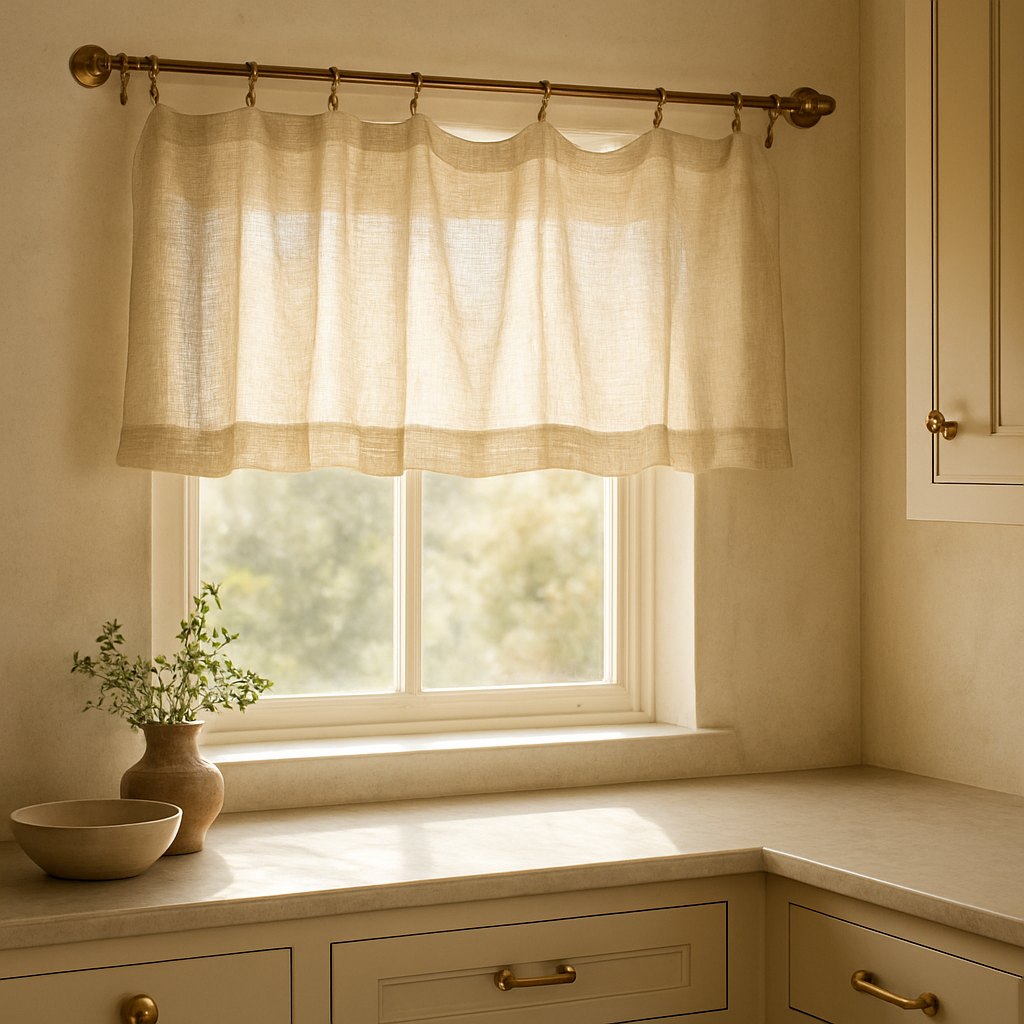
To sum up, the hardware you pick should feel like an extension of the rest of your kitchen’s personality. Measure carefully, match finishes, install with a level, and enjoy the seamless blend of function and style every time you pull the curtains aside.
Step 4: Install Cafe Curtains with Style
Okay, you’ve got the perfect fabric and the right hardware – now it’s time to make those cafe curtains for kitchen windows look like they belong. Trust me, the way you hang them can make or break the whole vibe.
Pick the sweet spot for the rod
First question: Do you want the rod to disappear or to make a statement? If you love a sleek, almost invisible line, mount the rod so the top of the curtain header lines up with a horizontal element of the window – think a muntin or a subtle trim. If you prefer the rod to be a decorative accent, let it sit a few inches higher and choose a finish that contrasts with the frame.
Tricia Huntley points out there’s a “right way and a wrong way” to hang cafe curtains – the wrong way is letting the hardware compete with the window’s own grid, which can feel chaotic according to a design guide. Keep the line clean and the look intentional.
Step‑by‑step installation
1. Mark the height. Measure 2‑4 inches above the frame, or align with the muntin if you’ve chosen that route. Snap a light pencil line and double‑check with a level – a crooked rod is instantly noticeable.
2. Space the brackets. For a typical 4‑ft rod, place brackets every 24‑30 inches. Mark the spots, drill pilot holes, and pop in wall anchors that match your wall type (drywall, tile, or plaster).
3. Attach the brackets. Screw them in just snug enough to hold the weight of linen or cotton without stripping the wood. If you’re using a heavier fabric, consider a bracket with a wider base.
4. Hang the rod. Slip the aged brass or brushed‑nickel rail onto the brackets. Give it a gentle wiggle to confirm it’s level.
5. Slide on the curtains. Use clip rings for easy swapping, or drape the fabric over a rod pocket if you want a seamless look. Pull the panels to each side and check the drape – they should fall in soft folds, not bunch up.
6. Fine‑tune. Step back, look at the alignment, and adjust the brackets a half‑inch inward if the fabric sags near the ends.
Quick checklist before you step away
- Rod height marked and level‑checked.
- Bracket spacing even and anchored.
- Hardware finish matches other kitchen accents.
- Curtain panels hang evenly with a relaxed cascade.
Does that feel a little overwhelming? Take a breath – you’re basically doing the same thing a pro would, just with a little more coffee and a playlist.
Style tips while you’re at it
While the curtains are still on the rod, experiment with tie‑backs that echo the same metal as your hardware. A simple brass knot or a woven cotton cord with a tiny brass clasp adds a handcrafted touch without extra cost.
If you love a hint of texture, consider a light valance that sits just above the rod. It frames the window and keeps the look polished, especially when you pull the curtains fully aside.
And remember, the curtains don’t have to stop at the sill – a few extra inches of length that hover above the countertop can catch the morning light and make the space feel taller.
Comparison table: Rod placement options
| Placement Approach | Hardware Color | Best For |
|---|---|---|
| Align with muntin/rail (rod disappears) | Brass or oil‑rubbed bronze | Minimalist kitchens, subtle elegance |
| Rod higher than frame (visible accent) | Brushed nickel or polished chrome | Modern appliances, high‑contrast looks |
| Inside‑top of plain glass (no rail) | Matte black or dark bronze | Contemporary spaces, sleek lines |
There you have it – a clear path from measuring to the final flourish. Once the curtains are up, you’ll notice how the kitchen suddenly feels curated, like a small gallery you can actually cook in.
Take a step back, pull the panels aside, and let the daylight spill over your countertops. If you’ve followed these steps, you’ve just turned a functional window into a design centerpiece – all without hiring a contractor.
Step 5: Care and Maintenance Tips for Longevity
Now that your cafe curtains for kitchen windows are hanging like a little piece of art, you’re probably wondering how to keep them looking fresh after the inevitable splash of tomato sauce or the occasional steam cloud.
Here’s the good news: a few simple habits can add years to the life of your curtains without turning cleaning into a full‑time job.
Gentle weekly refresh
Start with a quick visual scan every week. Spot a speck of grease? Grab a soft, lint‑free cloth and a dab of mild dish soap diluted in warm water. Lightly dab – don’t rub – the spot, then wipe with a clean damp cloth. You’ll be surprised how fast those little marks disappear.
Does that sound like too much effort? Not really. It only takes a minute, and it prevents stubborn stains from setting in.
Monthly deep‑clean routine
Once a month, pull the curtains down (or unhook them if you use clips) and give them a proper wash. If the fabric is linen or cotton, a gentle cycle in cold water with a mild detergent works wonders. Skip the bleach unless the label explicitly says it’s safe – bleach can dull the natural hue of your bespoke fabrics.
After the wash, tumble dry on low heat or, better yet, lay them flat on a clean towel to air‑dry. Hanging them while still damp can cause unwanted stretching, especially on the top hem where the rod sits.
What about polyester blends?
Polyester‑rich cafe curtains are practically low‑maintenance. They tolerate a warm wash and can be tumble‑dried on a low setting. Still, treat them gently; rough agitation can cause pilling over time.
And if you’re short on time?
Spot‑cleaning with a fabric‑friendly spray is perfectly fine for occasional splatters. Just test the spray on an inconspicuous corner first.
Protect from kitchen heat and steam
Heat is the silent enemy of fabric. Position the rod a few inches above the backsplash, and consider a heat‑resistant curtain tie‑back made of metal or woven rope. This creates a tiny air gap that shields the fabric from rising steam when you’re boiling pasta.
Ever notice the edges of a curtain curling after a week of heavy cooking? That’s the fabric reacting to constant moisture. A quick solution is to attach a thin, removable silicone strip along the lower edge – it acts like a barrier without altering the look.
Seasonal care tips
In summer, sunlight can fade delicate dyes. Rotate the curtains half‑way every few weeks so the same section isn’t always facing the sun. You’ll keep the colour even and add a subtle, lived‑in charm.
When winter rolls around and the kitchen gets a bit drier, give the fabric a light mist with distilled water once a month. It helps restore a soft hand feel and prevents the fibers from becoming brittle.
Storing during long absences
If you’re heading out for a few months, fold the curtains loosely and store them in a breathable cotton bag. Avoid plastic bags – they trap moisture and can encourage mildew.
A quick tip: slip a cedar sachet into the bag. It adds a pleasant scent and naturally repels moths.
Quick maintenance checklist
- Weekly: Spot‑clean visible stains with a damp cloth.
- Monthly: Remove and machine‑wash (or hand‑wash) according to fabric care label.
- Seasonal: Rotate for even sun exposure; mist for winter softness.
- After heavy cooking: Ensure a small air gap between heat source and fabric.
- Long‑term storage: Fold loosely, use breathable bag, add cedar sachet.
Remember, the goal isn’t to turn your kitchen into a laundry room. It’s about a few mindful steps that keep your cafe curtains looking like they were just installed.
So, what’s the next move? Give your curtains a quick glance right now – see if any spots need attention, and set a reminder for a deeper clean next weekend.
Enjoy the way the light dances through your freshly‑maintained curtains, and let the kitchen feel both lived‑in and lovingly cared for.
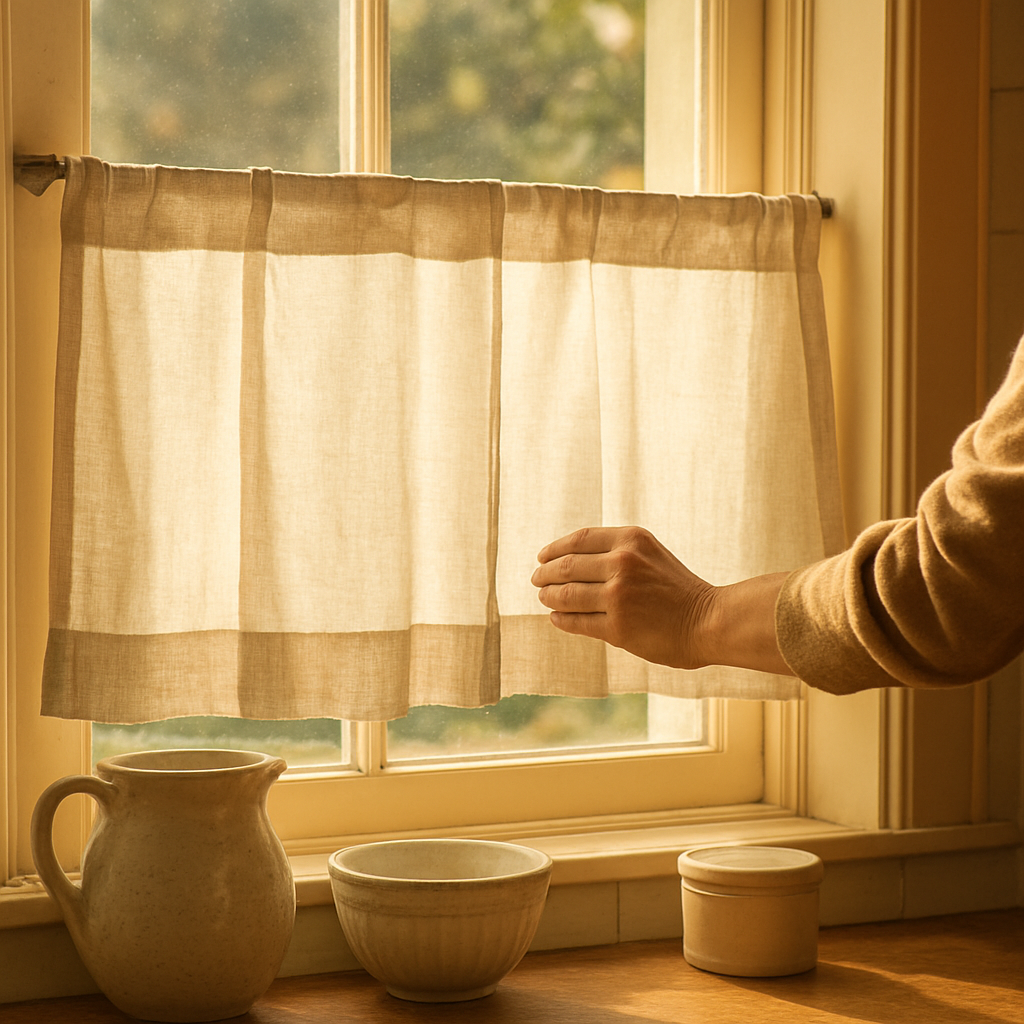
Step 6: Styling Ideas – Pairing Curtains with Furniture and Accessories
Okay, you’ve got your cafe curtains for kitchen windows hanging, and now you’re wondering how they actually fit into the rest of the room. It’s kind of like meeting a new friend at a dinner party – you want them to click with the other guests, not stand out like a neon sign.
Match the palette
First thing’s first: look at the colours of your cabinets, backsplash, and any open shelving. If your cabinets are a warm oak, consider linen curtains in a muted cream or soft sage – those tones echo the wood without competing. If you’ve gone for sleek, dark‑finished cabinets, a charcoal‑gray or deep navy panel can create a subtle contrast that feels intentional.
Don’t be afraid to pull a colour from a small accent – maybe the copper pot rack or the patterned tiles. A tiny stripe of that colour in the curtain fabric ties everything together, and you’ll notice the effect the moment you pull the curtains aside.
Layer with textiles
Now that the colour story is set, think about texture. A natural‑fiber rug placed just in front of the window can act as a visual anchor for the curtains. A jute runner, for instance, adds an earthy weight that balances the lightness of linen. If you love a bit of plush, a low‑pile wool runner adds coziness without getting in the way of foot traffic.
Throw pillows on a kitchen bench or a built‑in breakfast nook can also echo the curtain fabric. Pick one or two pillows in a matching weave – think linen‑cotton blends – and you’ll create a layered look that feels curated, not forced.
Play with shapes and proportions
Furniture shape matters. If you have a round kitchen island, a pair of curtains that drape in soft, rounded folds will complement that curve. For rectangular islands or straight‑line cabinetry, crisp, straight‑edge curtains keep the vibe streamlined.
When you choose tie‑backs, think about the hardware you already love. Brass knob pulls on drawers pair beautifully with a brass‑finished curtain tie‑back. If your kitchen leans modern with brushed nickel handles, a sleek metal cord or a matte‑black cord will feel right at home.
Add personality with accessories
Accessories are the little jokes you tell the room. A small potted herb on the windowsill adds a splash of green that mirrors a subtle leaf‑print in the curtain. A vintage copper kettle hung on a nearby hook can echo the warm tones of an aged‑brass curtain rail.
Don’t forget the lighting. A pendant lamp with a fabric shade that picks up a hint of the curtain colour can make the whole ceiling feel tied together. Even a simple wooden spoon displayed in a wall‑mounted rack can echo a natural‑woven curtain pattern.
Quick styling checklist
- Pick a curtain colour that mirrors a hue in your cabinets, backsplash, or accessories.
- Introduce a rug or runner that shares the curtain’s texture – jute, wool, or cotton.
- Use tie‑backs that match existing hardware finishes (brass, nickel, black).
- Balance shapes: round furniture with soft drape, straight lines with crisp folds.
- Add one or two accessories (plants, cookware, lighting) that pick up a thread from the curtain fabric.
Take a step back, pull the curtains aside, and glance around. Do the fabrics feel like they belong? If something feels off, tweak a pillow or swap a tie‑back – small changes make a huge difference. The goal isn’t to create a perfect museum piece; it’s to craft a kitchen that feels lived‑in, stylish, and unmistakably yours.
When you’re ready, experiment with a different set of tie‑backs or a new rug and watch how the whole room shifts. That’s the magic of pairing cafe curtains for kitchen windows with the rest of your home – a few thoughtful choices turn everyday cooking into a design experience.
FAQ
What are the best fabrics for cafe curtains in a kitchen?
Because kitchens get splashed, you’ll want something that breathes but also wipes clean. Light‑weight linen or cotton gives a soft, airy look and lets sunlight filter in, while a polyester‑blend adds extra durability for those accidental sauce splatters. Look for a fabric that drapes nicely – a little give in the weave helps it fold without creasing, and most importantly, choose a colour or pattern that echoes your cabinets or backsplash so the whole room feels tied together.
How high should I mount the curtain rod for a kitchen window?
Mounting the rod a few inches above the window frame instantly makes the window look taller and lets you enjoy more light. Most designers suggest 2–4 inches above the top of the frame; if you have crown molding, you can even place it just under the molding for a seamless look. Use a level, mark the spot, and remember that a slightly higher rod also creates a small pocket of air that protects the fabric from steam.
Can I use tie‑backs on kitchen cafe curtains without looking cluttered?
Absolutely – tie‑backs are a tiny detail that can actually streamline the look. Pick a material that matches existing hardware, like a brass cord if you’ve got aged‑brass knobs, or a matte‑black rope for a modern kitchen. Keep the tie‑backs simple; a single knot or a small clasp does the job. When you pull the curtains aside, the tie‑back gathers the fabric neatly, keeping the window clear while adding a touch of intentional design.
Do I need to treat cafe curtains for kitchen use?
Treatment isn’t mandatory, but a water‑repellent spray can give you extra peace of mind, especially if you cook a lot of steam‑heavy dishes. Test any spray on a hidden seam first to make sure it doesn’t change the colour. For most homeowners, regular spot‑cleaning with a damp cloth and an occasional machine wash (follow the care label) keeps the curtains fresh without the need for heavy chemicals.
How do I choose the right width for my kitchen curtains?
Measure the inside of the window jambs, then multiply that number by 1.5 to 2 times. The extra width creates a relaxed cascade rather than a tight, stiff look. If you’re using a single panel, add a few extra inches for gathering; for a two‑panel set, split the total width evenly. This rule of thumb works for most kitchen windows and ensures the fabric has enough “body” to look purposeful.
What hardware finishes work best with bespoke homeware?
Look at the metal tones already in your kitchen – brushed‑nickel faucet handles, aged‑brass cabinet pulls, or matte‑black lighting fixtures. Matching the curtain‑rod finish to one of those cues creates a cohesive story. If you have a mix of metals, choose the one that appears most often or go for a subtle brushed nickel that pairs well with both warm and cool tones. The right finish ties the curtains into the overall design without competing for attention.
How often should I clean my kitchen cafe curtains?
Give them a quick visual scan each week; a light dab with a damp cloth removes fresh grease spots before they set. Plan a deeper clean once a month – pull the panels down, shake out any dust, then machine‑wash on a gentle cycle if the fabric allows. For linen or cotton, cold water and a mild detergent work best. After washing, air‑dry flat to keep the top hem from stretching, and you’ll keep the curtains looking fresh for years.
Conclusion
After we’ve walked through measuring, picking hardware, installing, and caring for your cafe curtains for kitchen windows, the picture is clear: a well‑chosen curtain can turn a functional opening into a design statement.
Think about the moment you pull the fabric aside and sunlight floods the countertop, or the subtle way the brass tie‑back catches the eye when you’re prepping dinner. That little boost in mood is exactly what Harvey Bruce aims to deliver with its bespoke homeware.
Remember the three habits that keep your curtains looking fresh: a weekly spot‑check, a monthly gentle wash, and a seasonal rotation to balance sun exposure. Pair those with hardware that mirrors your faucet handles or cabinet pulls, and you’ve got a cohesive look that feels intentional, not afterthought.
So, what’s the next step? Grab your tape measure, note the width and height, and head to Harvey Bruce for a custom‑fabric option that matches your kitchen’s palette. When the rod is up and the panels are hanging, you’ll see instantly how a simple change elevates the whole room.
Ready to make your kitchen feel like a curated gallery? Let’s get those cafe curtains for kitchen windows installed and start enjoying a space that’s both beautiful and built to last.
← Older Post Newer Post →