
Designing Pinch Pleat Curtains Custom for a Bespoke Home Interior
Posted by lamb27671@gmail.com on
Ever stood in front of a window and felt that something was just…missing? You know that moment when the light streams in, but the room still looks a little flat, like a great outfit without the right accessories.
That’s exactly why we love pinch pleat curtains custom‑made for your home. They hug the rod with neat, tailored folds that add a touch of elegance without shouting. Imagine a soft cascade of fabric that frames your view, giving the space a polished, tailored feel—almost like a perfectly fitted suit.
But here’s the thing: off‑the‑shelf curtains often feel generic, like they were designed for a showroom rather than your living room. With a custom pinch pleat solution, you choose the fabric, the pleat depth, and even the lining, so the curtains become an extension of your personality. Whether you’re craving a bold jewel tone for a dramatic bedroom or a subtle linen for a breezy lounge, the possibilities are endless.
And you’re not just buying a window dressing; you’re investing in a piece that can transform the acoustics, privacy, and energy efficiency of a room. A well‑crafted pinch pleat curtain can soften echoes, block glare, and keep the cold out during winter—without compromising style.
So, how does the process work? First, we sit down (or hop on a video call) to discuss your vision. Then, our team at Harvey Bruce takes measurements, recommends fabrics that match your décor, and creates a prototype of the pleat layout. Finally, the curtains are sewn to perfection and delivered ready to install.
Think about the last time you refreshed a single element in your home and felt an instant lift—maybe a new rug or a fresh coat of paint. Pinch pleat curtains custom‑made can have that same impact, but with the added benefit of a timeless, luxurious look that ages gracefully.
If you’ve been dreaming of a window that feels as curated as the rest of your interior, you’re in good company. Let’s turn that vision into reality and give your rooms the finishing touch they’ve been waiting for.
TL;DR
Pinch pleat curtains custom give your rooms instant elegance, cutting glare, boosting privacy, and adding a luxurious touch that feels uniquely yours. We’ll measure, select fabric, and hand‑craft the perfect folds so you can enjoy a timeless look and improved comfort without compromise in your home and daily inspiration too.
Step 1: Measure Your Windows for Pinch Pleat Curtains Custom
Before you start picturing those elegant pinch pleat curtains, you need a solid measurement – otherwise you’ll end up with fabric that’s either hanging limp or crammed onto the rod.
Grab a steel tape, a pencil, and a notepad. First, measure the width of the window opening from inside edge to inside edge. Write that number down, then add the extra width you want the curtains to cover when they’re drawn. Most designers suggest adding 10‑20 cm on each side for a graceful “stack‑back” look.
Step‑by‑step width guide
1. Measure the clear opening (the glass area) – that’s your baseline.
2. Add 2‑4 inches (5‑10 cm) per side if you love a full‑body effect.
3. Record the final number as your “fabric width” before any pleating is taken into account.
Why the extra width matters? Imagine the pleats hugging the rod; they need room to breathe. Too tight and the pleats will look forced; too loose and the curtains will look sloppy.
Now, onto the height. Measure from the top of the rod (or where you plan to install it) down to the floor – or to the sill if you prefer a casual, “just‑above‑the‑floor” vibe. Many homeowners ask, “Should I let the curtains puddle?” If you’re after a luxe, hotel‑style feel, add 2‑3 inches (5‑8 cm) for a soft puddle; otherwise, stop right at the floor.
Height checklist
• Measure twice, cut once – double‑check each number.
• Note whether you’ll use a standard rod or a decorative finial; the finial can add a few centimeters you’ll need to accommodate.
• Consider any window trim or arch that might affect the drop.
Here’s a quick tip: use a piece of masking tape at the exact height you want the curtain to end, then step back and see how it looks in the room’s lighting. It’s a tiny trick that saves a lot of guesswork.
Once you have width and height, you’ll hand those figures to our team at Harvey Bruce. They’ll translate your measurements into a custom pattern, taking into account the pleat depth you choose – whether you’re after a subtle ½‑inch pleat or a dramatic 1‑inch fold.
And if you ever feel unsure about the math, you’re not alone. I once measured a bedroom window and ended up with a curtain that was an inch short – the whole room felt off. The fix? A quick re‑measure, a friendly call to the studio, and a revised fabric cut. It’s that collaborative loop that makes custom a win.
Need a visual refresher? Check out this short video that walks you through the measuring process step by step.
After the video, take a moment to compare your notes with the screen. Does the rod placement match your vision? If not, adjust now – it’s way easier than re‑sewing later.

Finally, create a simple checklist:
- Window width (inside to inside)
- Added width for stack‑back
- Desired curtain length (rod to floor or puddle)
- Finial height consideration
- Pleat depth preference
When you’ve ticked all the boxes, email the numbers to our design team or drop them into the online form. If you want a second opinion, you can browse style inspiration on Midnight Scriber’s interior blog, which often features real‑world curtain projects.
That’s it – you’re now armed with the exact measurements needed to turn a blank window into a statement piece. The next steps will walk you through fabric selection and pleat styling, but for now, celebrate that you’ve mastered the most crucial part of the process.
Step 2: Choose Fabric and Style for Pinch Pleat Curtains Custom
Alright, you’ve got the measurements nailed down – now comes the fun part: picking the fabric and the style that will make your windows sing. This decision feels a bit like choosing an outfit for a special night: you want something that fits the mood, flatters the space, and still feels like you.
Start with the room’s vibe
Ask yourself: what story does this room tell? A breezy family lounge? A formal dining room? A cozy bedroom? Your answer will steer you toward linen for a relaxed feel, velvet for drama, or silk for a touch of luxe.
For example, a client of ours in West Lothian wanted a light‑filled reading nook. We suggested a soft ivory linen‑cotton blend – the same “Flour” shade you’ll find on Pepper Home’s linen collection. The fabric drapes gently, lets daylight filter through, and still offers enough body for clean pinch pleats.
Consider practical performance
Let’s be real: gorgeous fabrics can be a nightmare if they don’t behave. Linen and cotton are breathable and easy to care for – great for high‑traffic areas. Velvet, on the other hand, adds weight that helps the pleats stay crisp, perfect for a master bedroom where you want that hotel‑feel.
Silk looks stunning, but remember it’s delicate. As Aloha Drapery notes, silk should stay out of kitchens and bathrooms because moisture can dull its shine.
Depth of the header – why it matters
The header is the little pocket that sits on the rod. Most pinch pleats need about 3‑1/8 inches of depth. If you’re leaning toward a heavy velvet, add a half‑inch extra so the pleats don’t look squashed.
Our workshop runs a quick test: we fold a sample of the chosen fabric into the header depth and pull it taut. If the pleat springs back nicely, you’re good to go. If it looks flat, we either trim the header a bit deeper or suggest a lighter fabric.
Style choices: classic versus contemporary
Traditional pinch pleats have a 1‑in‑3 ratio – meaning the finished top width is about three times the rod width. This gives that timeless, tailored look. If you love a more modern silhouette, you can ask for a slightly tighter ratio (1‑in‑2.5) for a sleek, minimalist vibe.
We also offer trim options – a 2‑inch textured band adds subtle depth, while a tassel can introduce a playful boho touch. One of our recent projects paired a navy velvet with a thin gold‑metal trim, creating a statement piece that anchored a dark‑wall dining room.
Sample before you commit
Never underestimate the power of a swatch. We send a 15 × 15 cm sample of your chosen fabric, stitched with a miniature pinch pleat header. Seeing the fold in real life helps you decide if the weight, drape, and colour are spot‑on.
Tip: hold the sample up to the window at different times of day. Does the colour shift with the light? Does the fabric look too sheer when the sun is strong? Those little observations save you a costly redo later.
Budget‑friendly shortcuts
If your heart is set on silk but the budget says otherwise, consider a silk‑blend or a high‑quality cotton printed with a silk‑like finish. The visual effect is similar, and the fabric will behave better in a pinch pleat header.
Another smart move is to choose a lighter lining. A blackout lining adds insulation but can add weight; a sheer linen liner offers privacy without the bulk.
Putting it all together – a quick checklist
- Define the room’s mood (relaxed, formal, playful).
- Pick a fabric family (linen, cotton, velvet, silk‑blend).
- Check fabric weight vs. header depth.
- Request a swatch with a mini pleat.
- Decide on trim (band, tassel, piping).
- Confirm budget and lining options.
Run through this list with us and you’ll walk away with a fabric‑style combo that feels tailor‑made – literally.
Expert tip from Harvey Bruce
We often recommend pairing a neutral base fabric with a bold accent trim. It lets you switch out the trim later if trends change, while the main curtain stays timeless. One client loved a crisp white linen panel with a deep emerald velvet band – the pop of colour became the room’s focal point without overwhelming the space.
Ready to see how your choices translate into a 3‑D visual? Our online configurator does the heavy lifting, but the real magic happens when you chat with a design specialist. Custom Curtains and Shutters West Lothian can walk you through fabric swatches, pleat ratios, and finish options in a quick video call.
And while you’re polishing the look of your windows, why not think about the rest of the room? A fresh kitchen cabinet finish can pull the whole design together. Check out Kitchen Respray Dublin for a seamless colour match between your new curtains and cabinetry.
Lastly, if you’re tackling a larger renovation – maybe updating window frames or adding motorised tracks – the folks at Rural Building Contractor have the expertise to prep the space so your custom curtains install without a hitch.
Take these steps, trust your instincts, and you’ll end up with pinch pleat curtains that feel like they were made just for you – because they are.
Step 3: Design Details & Ordering Process for Pinch Pleat Curtains Custom
Now that you’ve measured and picked a fabric, it’s time to dive into the nitty‑gritty of design details and actually place your order. Think of this as the “blueprint‑to‑reality” stage – the part where your vision stops being a doodle and becomes a set of panels ready to dress your windows.
Pick the right pleat ratio
Pinch pleat curtains custom typically use a 1‑in‑3 ratio (the finished top is three times the rod width). That gives you that classic, full look without looking overstuffed. If your space leans modern, you can tighten it to 1‑in‑2.5 for a sleeker silhouette. Most of our clients start with the traditional ratio because it works in both formal dining rooms and relaxed lounges.
Decide on header depth and lining
The header is the pocket that hides the pleats on the rod. A standard depth is about 3‑1/8 inches; add a half‑inch if you’re using a heavy velvet so the folds don’t look flattened. Next, think about lining. A blackout liner adds insulation and privacy, while a sheer linen liner lets daylight filter through while still giving you that soft drape.
Custom pleated drapes let you decide if you want a casual, formal, breezy, or warm‑inviting vibe, mirroring the design freedom highlighted by Calico’s custom pleated drape guide.
Choose hardware that matches the style
Even the rod can set the tone. Brass or brushed nickel works beautifully with traditional fabrics, whereas matte black or chrome pairs well with contemporary palettes. Make sure the rod can support the weight of your chosen fabric – velvet panels can be surprisingly heavy.
Get a swatch with a mini pleat
Before you hit “order,” ask for a 15 × 15 cm sample that’s already stitched with a miniature pinch pleat header. Holding that in natural light shows you how the fabric drapes and how the pleat depth feels. It’s a tiny step that saves a lot of regret later.
Step‑by‑step ordering checklist
1. Confirm measurements. Double‑check width, drop, and any recesses. Simply2Moms walks through this exact double‑check process.
2. Finalize design details. Lock in pleat ratio, header depth, lining, and hardware.
3. Submit your design brief. Most bespoke providers have an online form where you paste your measurements, upload the swatch photo, and select finish options.
4. Review the digital mock‑up. A 3‑D preview shows you how the panels will look on your window. Look for any gaps or over‑fullness and tweak before production.
5. Approve the sample. Once you receive the pleated swatch, give a quick “yes” or request a minor adjustment – this is the last chance to change anything.
6. Production. The workshop cuts the fabric, assembles the header, adds lining, and sews the trim. Quality checks happen at each stage.
7. Delivery & installation. Panels arrive flat‑packed with hanging brackets. If you’ve booked a professional install, the installer will fit the rod, hang the curtains, and ensure the pleats sit evenly.
What to watch out for
Sometimes the fabric shrinks slightly after the first wash. Ask your maker if the material is pre‑shrunken or if you should allow a millimeter of extra length. Also, verify that the rod’s load rating exceeds the total weight of your panels – a safe margin prevents sagging over time.
Quick tip: order a second set for the opposite side
If you have a symmetrical window layout, ordering matching panels for the other side ensures a seamless look. It also gives you a spare set for future rooms.
When you follow these steps, the whole process feels less like a gamble and more like a collaborative design session with Harvey Bruce. Your pinch pleat curtains custom will arrive ready to install, and you’ll have the confidence that every fold was chosen just for your home.
Step 4: Comparing Fabric Options & Pleat Sizes
Okay, you’ve measured, you’ve picked a vibe, and now the real fun begins – deciding which fabric will make your pinch pleat curtains custom feel like they were sewn just for you. It’s a bit like choosing the perfect outfit: the material changes how the whole look behaves.
Why fabric matters for pleats
Think about it this way: a heavyweight velvet will sit heavy on the rod, giving you crisp, defined pleats, while a breezy linen will drape softer and may need a slightly deeper header to avoid looking squashed. As Chrissy notes, pinch pleat curtains have tightly stitched folds that stay straight even when the fabric is a bit casual, so you can count on the structure, but the fabric you pick will still affect the final silhouette.
So, which fabric matches the look you’re after? Let’s break it down.
Fabric families and their pleat sweet spots
Linen‑cotton blends – great for living rooms that need a relaxed, airy feel. Because they’re lighter, aim for a header depth of about 3‑1/8 inches plus an extra ¼‑½ inch if you want a little extra room for the pleats to breathe.
Velvet – perfect for a formal dining room or bedroom that craves drama. The weight helps the pleats hold their shape, so you can stick with the standard 3‑1/8 inch depth and still get a sharp line.
Silk‑blend – gives you that luxe shine without the fragility of pure silk. Since it’s medium‑weight, a header of 3‑½ inches usually does the trick, especially if you love a slightly deeper pleat.
How many pleats do you need?
Most custom shops follow a rule‑of‑thumb: about one pleat every 5.5 inches of fabric width. Two Pages outlines the exact pleat counts for different panel widths – for example, a 72‑inch panel gets 14 pleats, while a 100‑inch panel gets 19. Knowing this helps you gauge how full the curtains will look.
Here’s a quick cheat sheet you can print out or keep on your phone.
| Fabric Type | Ideal Header Depth | Typical Pleat Count (per 100 in width) |
|---|---|---|
| Linen‑cotton blend | 3‑1/8" + ¼‑½" (if light) | 19 pleats |
| Velvet | 3‑1/8" (standard) | 19‑21 pleats |
| Silk‑blend | 3‑½" (slightly deeper) | 19 pleats |
Does that table make things clearer? If you’re still unsure, grab a swatch – we always recommend a 15 × 15 cm sample stitched with a mini pleat. Hold it up to your window at different times of day; notice how the light plays off the texture and whether the pleat feels too tight or just right.
Quick decision checklist
- Identify the room’s vibe: relaxed (linens), formal (velvet), or luxe (silk‑blend).
- Check fabric weight vs. header depth – heavier fabrics need less extra depth.
- Calculate pleat count using the 5.5‑inch rule or the chart above.
- Order a mini‑pleat swatch to confirm drape and colour in real light.
- Confirm lining choice – blackout adds weight, sheer keeps it light.
And remember, you can always tweak the pleat ratio later. If you love a fuller look, ask for a 1‑in‑2.5 ratio instead of the classic 1‑in‑3. It’s a tiny change that makes a big visual impact.
Bottom line: the right fabric paired with the correct header depth and pleat count turns a simple panel into a statement piece. Take a moment now to compare your options, run the numbers, and you’ll walk into the next step – ordering – feeling confident that every fold will sit exactly where you want it.
Ready to see the numbers in action? Grab your measurements, pick a fabric family, and let the pleat calculator do the heavy lifting. Your custom pinch pleat curtains are just a few thoughtful choices away.
Step 5: Installation Tips & Styling with Bespoke Homeware
Now that you’ve nailed the fabric and pleat ratio, it’s time to get those pinch pleat curtains custom up on the wall and make them feel like they belong.
Mount the rod like a pro
First thing’s first – where you put the rod matters more than you think. Hang it about 6‑8 inches above the window frame, or higher if you want a ceiling‑pull effect. That extra height instantly adds visual room height, and the pleats will fall more gracefully.
Got a recessed window? Use a short‑extension bracket so the rod sits flush with the wall; you’ll avoid that awkward “gap” look and keep the pleats tight against the fabric.
Does this feel like a lot? Trust me, a few extra minutes measuring twice saves a saggy rod later.
Secure the hardware
Choose a rod that can support the weight of your chosen fabric. Velvet panels can be surprisingly heavy, while linen is lighter. Most brass or brushed‑nickel rods handle up to 30 lb per panel, which is plenty for most custom curtains.
If you’re unsure, give your installer the exact fabric weight – they can recommend a sturdier bracket before the job starts.
Hang the curtains, then step back
Slide the panels onto the rod, then pull the pleats together so they sit evenly. A quick tip: use a wooden dowel or a clean ruler to line up the top edge of each panel; you’ll see the pleats line up like a row of tiny book spines.
Now step back and look. Do the folds look uniform? If one side looks tighter, gently adjust the pleat spacing with your fingers – the fabric will settle after a few minutes.
And if you notice the curtains brushing the floor too much, trim a half‑inch and give them a quick iron. A clean bottom line makes the whole room feel polished.
Styling with Bespoke Homeware
Here’s where the fun really begins. Pair your custom pinch pleats with pieces that echo the fabric’s texture. Think linen‑blend cushions in a muted sage if you chose a natural linen curtain, or a sleek velvet ottoman if you went bold with velvet.
Don’t forget the lighting. A soft table lamp behind the curtains adds a warm halo that highlights the pleat depth without glare. If you love a bit of drama, install a dimmable wall sconce on either side of the window – the light will dance across each fold.
Looking for an easy way to check how the fabric reacts to light? The Lille Linen collection notes that its linen‑blend blocks 60‑70% of daylight while staying breathable according to the manufacturer’s specifications. That means you get privacy without sacrificing that airy feel.
Mix‑and‑match trim options, too. A thin gold piping on the hem can pull together a brass rod and a pair of metallic picture frames, creating a cohesive look without overwhelming the space.
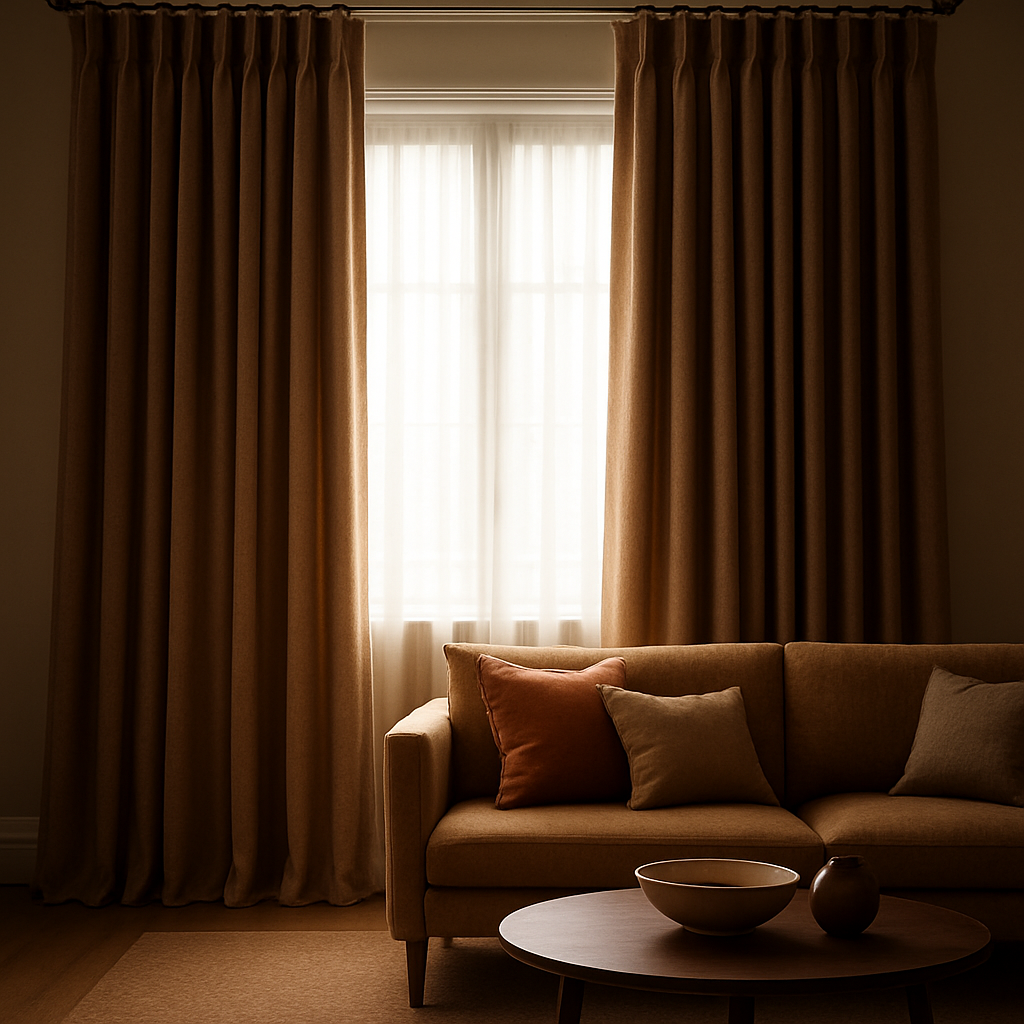
Finally, think about the room’s function. In a home office, add a blackout liner to keep glare off the screen – the liner also adds a bit of insulation, which can help lower heating bills. In a lounge, a sheer liner keeps the space bright while still offering a hint of privacy.
Quick checklist before you call it a day:
- Rod mounted 6‑8 inches above frame or higher for height boost.
- Hardware rated for fabric weight.
- Pleats aligned and evenly spaced.
- Floor length trimmed to desired look.
- Complementary homeware (cushions, lighting, trim) chosen.
- Liner selected for function (blackout vs. sheer).
Take a moment, walk around, and ask yourself: does the whole scene feel like a room I’d love to live in? If the answer is yes, you’ve just turned a set of custom curtains into a centerpiece that ties the whole home together.
Step 6: Care, Maintenance, and Longevity for Pinch Pleat Curtains Custom
So you’ve got those beautiful pinch pleat curtains custom hanging just right – now what? It’s easy to forget that a little TLC can keep them looking runway‑ready for years.
Why caring for pleats matters
Pinch pleat curtains rely on the crispness of each fold. If dust settles or the fabric gets wrinkled, the whole tailored vibe fades. In fact, IXA Curtains explains that pleated styles need regular attention to preserve their structure, otherwise the pleats can start to sag or look uneven.
Think about the last time you brushed a coat of wool – a quick swipe makes a world of difference, right? The same principle applies here.
Everyday cleaning routine
Grab a soft microfiber cloth or a gentle feather duster. Sweep along the top edge first, because that’s where dust tends to accumulate before drifting down.
Next, give the panels a light vacuum on the low‑pull setting. Use the upholstery attachment and move in the direction of the pleats, not against them – you’ll avoid pulling the fabric out of shape.
And here’s a quick checklist you can stick on your fridge:
- Dust top edge weekly.
- Vacuum low‑pull monthly.
- Spot‑clean spills within 24 hours.
Spot‑cleaning and stain removal
Accidents happen. Coffee, pet fur, or a rogue crayon can leave a mark. Blot – don’t rub – with a clean, white cloth dipped in cool water. If the stain persists, mix one part mild dish soap with three parts water, test on an inconspicuous corner, then gently dab.
For tougher oils, a splash of white vinegar diluted (1 tsp vinegar to 1 cup water) works wonders. Remember, never soak the pleats; a little moisture is enough.
Real‑world example: a client in Edinburgh spilled tea on a linen‑cotton blend panel. A quick blot with the soap‑water mix removed the ring, and the pleats stayed crisp because the header depth (3‑1/8 in) gave the fabric room to breathe.
Deep cleaning – when and how
Every 12‑18 months, give the curtains a proper wash. Most pinch pleat curtains custom are machine‑washable on a gentle cycle, but always check the care label. Use cold water, a mild detergent, and avoid fabric softeners – they can coat the fibers and dull the pleat’s snap.
After the wash, tumble dry on low or lay flat on a clean surface. While still damp, gently reshape the pleats by hand and hang the panels on a sturdy rod to finish drying. The weight of the wet fabric helps the folds settle back into place.
If you’re dealing with a heavy velvet or silk‑blend, consider professional dry cleaning. It preserves the sheen and prevents accidental shrinkage.
Preserving hardware and rod
The rod and brackets are the unsung heroes. Dust them with a dry cloth monthly, and wipe down metal parts with a dab of olive‑oil‑free polish if you notice any rust spots.
Make sure the rod’s load rating exceeds the total weight of your panels – a safety margin of at least 20 % prevents sagging over time.
Seasonal check‑up
When the seasons shift, take a few minutes to reassess. In winter, thicker liners add insulation but also weight, so verify the pleats still sit evenly. In summer, you might swap a blackout liner for a sheer one to let breezes in without losing privacy.
Pro tip: rotate the panels 180 degrees every few months. That evens out any light‑fade and gives the fabric a break from constant sun exposure.
Expert tips from Harvey Bruce
We love a good “one‑minute fix.” If a pleat looks a bit loose after months of use, slip a thin wooden dowel into the header pocket, pull the pleat gently, then remove the dowel. The fabric tightens instantly.
Another favourite is the “steam‑reset.” Hold a handheld steamer a few inches away from the fabric (never press directly on the pleat). The steam relaxes fibers, and as the curtain cools, the folds set sharper.
Finally, TailorVibe notes that investing in high‑quality pleated curtains pays off in durability. Their premium fabrics are designed to withstand repeated cleaning cycles, so you’ll spend less time replacing panels.
Bottom line? A little routine, a couple of deeper clean‑sessions, and smart hardware choices keep your pinch pleat curtains custom looking fresh for years. Ready to give your windows that lasting, tailored elegance? Start with a gentle dust‑off today and watch the difference.
Conclusion
We’ve taken you from the first tape measure swipe to the final dust‑off, showing how a pinch pleat curtains custom project can feel like a personal design adventure.
Remember, the magic starts with accurate width, length, and header depth – those numbers keep the pleats from looking squashed or hanging limp.
Choosing the right fabric family – whether breezy linen‑cotton, dramatic velvet, or a silk‑blend – isn’t just about looks; it determines how the pleats hold their shape and how easy the curtains will be to care for.
Don’t forget the little habits that extend life: a weekly dust‑off, a seasonal 180° rotation, and that one‑minute wooden‑dowel fix when a pleat loosens.
And when you pair your custom curtains with thoughtful hardware and coordinated homeware, the whole room suddenly feels curated, not just covered.
So, what’s next? Grab your measurements, request a mini‑pleat swatch from Harvey Bruce, and let the online configurator turn your vision into a printable brief.
We’re here to answer any lingering questions and guide you through ordering – because a beautifully tailored window should be as satisfying as a perfectly fitted sofa.
Ready to give your home that lasting, tailored elegance? Reach out today and let’s make those pinch pleat curtains custom a reality.
FAQ
How do I measure my windows for pinch pleat curtains custom?
Start by pulling the curtains aside and laying a tape measure flat across the window opening. Measure the width from inside edge to inside edge, then add 4‑6 inches for a little extra fullness. Next, measure the drop from the top of the rod (or where you plan to mount it) down to the floor, allowing a half‑inch to a centimetre of clearance so the fabric grazes the floor without dragging.
Don’t forget the header depth – most pinch pleat curtains need about 3‑1/8 inches. Jot down all three numbers, double‑check them, and you’ll have a solid brief to feed into the online configurator.
What header depth should I choose for different fabrics?
The header is the pocket that hides the pleats on the rod. A standard depth of 3‑1/8 inches works for lightweight linens and cotton blends because the fabric folds easily. If you’re leaning toward a heavier velvet, add an extra half‑inch so the pleats don’t look squashed. Silk‑blends sit in the middle; a depth of about 3‑½ inches usually gives enough room for the folds to breathe without sagging.
When in doubt, ask your maker for a quick sample fold. If the pleat springs back nicely, you’ve hit the sweet spot.
Can I order a fabric swatch before committing to pinch pleat curtains custom?
Absolutely – a mini‑pleat swatch is the safest way to avoid a costly redo. Most bespoke providers, including Harvey Bruce, will stitch a 15 × 15 cm sample with a miniature pinch‑pleat header and mail it to you. Hold it up to the window at different times of day; notice how the colour shifts and whether the pleat feels too tight or just right.
If the swatch checks all the boxes – colour, drape, and weight – you can move forward with confidence, knowing the final panels will match your vision.
How do I care for my pinch pleat curtains to keep the pleats crisp?
Dust the top edge weekly with a soft microfiber cloth, then give the whole panel a gentle vacuum using the upholstery attachment on a low‑pull setting. Always vacuum in the direction of the pleats, not against them, to avoid pulling the fabric out of shape. Spot‑clean spills within 24 hours by blotting with a cool, damp cloth; avoid rubbing.
Every 12‑18 months, follow the care label for a full wash – most linen‑cotton blends survive a cold‑water cycle, while heavy‑velvet is better off dry‑cleaned. After washing, reshape the pleats while damp and hang them to finish drying; the weight of the wet fabric helps the folds set back into place.
What hardware is best for supporting heavy velvet pinch pleat curtains?
Velvet can be surprisingly heavy, so look for a sturdy rod made of solid brass or brushed‑nickel with a load rating at least 20 % higher than the combined weight of your panels. Heavy‑duty wall brackets and sturdy mounting screws are a must – drywall anchors alone won’t cut it in a high‑traffic room.
If you’re unsure about the exact weight, ask the maker for the fabric’s gram‑per‑square‑meter figure and multiply by the panel area. That quick math will tell you whether you need extra support.
Is it worth adding a blackout liner to my pinch pleat curtains?
A blackout liner does three things: it blocks unwanted light, adds a layer of privacy, and gives a little extra weight that can help the pleats stay defined. In bedrooms or home offices where glare is a problem, the trade‑off of a slightly heavier panel is usually worth it.
In living rooms where you want a softer ambience, a sheer linen liner lets daylight filter through while still protecting the fabric from UV fade. Consider swapping liners seasonally – blackout in winter for warmth, sheer in summer for breezy light. The modular approach keeps your look fresh without buying a whole new set.
How long does the custom ordering process usually take?
From the moment you submit your measurements and fabric choice, most makers need 2‑3 weeks to cut, sew, and attach the header, then another 3‑5 days for quality checks and packaging. Shipping adds another 2‑4 days depending on your location. In total, expect roughly three to four weeks from order confirmation to delivery.
If you need the curtains sooner, ask if an expedited service is available – it often adds a modest surcharge but can shave a week off the timeline.
← Older Post Newer Post →