
Creative Furniture Guide: Bespoke Homeware and Interior Styling
Posted by Admin on
Ever walked into a room and felt something was missing, even though the walls were painted just right? That uneasy feeling is usually the furniture whispering for a better fit.
We get it – you’ve spent weeks scrolling through endless catalogues, dreaming of a sofa that hugs you after a long day, or a dining table that becomes the centerpiece of family celebrations. Yet, the challenge isn’t just picking a piece; it’s about how each item talks to the rest of your home and to the life you lead.
Think about the last time you hosted friends and the conversation drifted to the bench by the entryway. One guest might comment on how the bench’s sleek lines echo the modern lighting, while another notices the subtle grain of the wood that ties back to the kitchen cabinets. Those little moments are the real proof that the right furniture does more than fill space – it creates connection.
In our experience, a good starting point is to map out the functions of each room. List the activities you love most: sipping coffee in the morning, reading in a cozy corner, or spreading out a board game with the family. Then match each activity to a furniture type that enhances it. For a coffee corner, a low-profile Elegant Luxury Home Furniture for Every Space piece with a plush seat and sturdy frame can turn a simple nook into a daily ritual.
Here are three quick steps you can try right now: 1) Measure your space and note any architectural features you want to highlight. 2) Choose a focal piece – a sofa, bench, or table – that reflects your style, then build around it with complementary items. 3) Add texture and personality through cushions, throws, or a statement footstool; these accessories are the finishing touches that make a room feel lived‑in.
Data from interior design surveys show that homeowners who invest in a cohesive furniture set report a 27% increase in overall satisfaction with their home environment. It’s not just about aesthetics; it’s about feeling grounded in a space that truly reflects you.
So, what’s the next move? Grab a tape measure, jot down the three activities you cherish most, and head to a showroom or our online collection to see how those pieces look in real life. You’ll be surprised how quickly the vision turns into a welcoming reality.
TL;DR
If you crave a home that feels luxurious yet truly yours, start by picking a few key furniture pieces that fit your daily rituals.
Measure the space, choose a focal item, add texture with throws or a footstool, and watch the room become a cozy haven you’ll love returning to.
Step 1: Assess Your Space and Define Your Style
First thing's first – step back, take a breath, and look at the room like it's a blank canvas waiting for a story. You know that feeling when you walk into a space and something feels off, even though the paint looks perfect? That's your space whispering that the furniture hasn't found its voice yet.
Grab a tape measure, a notepad, and maybe a cup of coffee. Measure the length, width, and height of the area you want to dress up. Jot down any architectural quirks – a crown molding, a bay window, a built‑in bookshelf. Those details are gold because they become the anchors for your style decisions.
Now that you’ve got the numbers, it’s time to ask yourself what you want that room to feel like. Cozy retreat? Sleek modern lounge? A timeless farmhouse vibe? Write the mood down in a few words – “warm & inviting”, “minimalist chic”, “playful eclectic” – and keep it visible as you move forward.
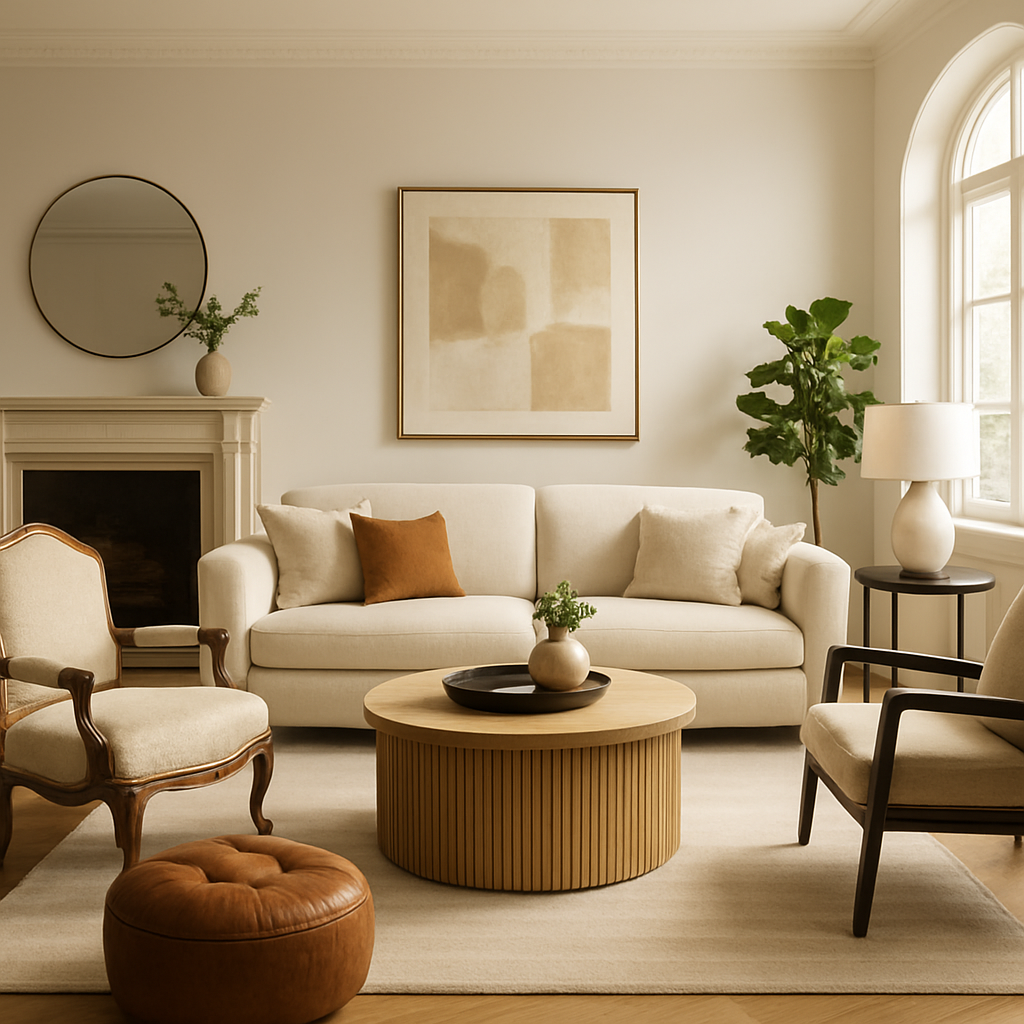
With dimensions and mood in hand, start visualising the furniture silhouette that will own the space. For a compact living room, a low‑profile sofa with clean lines can keep the floor feeling open. In a larger area, a statement armchair or a sleek media console can become the focal point. Remember, the biggest piece often sets the scale for everything else.
Map the flow and function
Think about how you move through the room. Do you need a clear pathway to the kitchen? Is there a spot for a reading nook? Sketch a simple floor plan – even a rough rectangle on a napkin works. Place the biggest piece first, then arrange secondary items like side tables, lamps, and rugs around it. This helps you spot any bottlenecks before you buy.
And here's a quick tip: leave at least 18‑24 inches of walking space around major furniture. It feels cramped when you can’t get around a sofa without stepping over a coffee table.
Define your style language
Pull inspiration from places you love – a magazine, a Pinterest board, a friend's loft. Notice the patterns, textures, and colours that keep showing up. Are you drawn to the warmth of walnut wood, the sleekness of glass, or the softness of velvet?
When you spot a recurring theme, translate it into a style brief. For example, “I want a modern look with natural wood accents and a pop of navy blue.” This brief becomes your filter when you start browsing furniture collections.
One practical way to keep your brief alive is to use a mood board. You can create a digital board on Pinterest or simply cut out magazine clippings. The board should include at least one furniture piece that captures the vibe you’re after. That piece will guide the rest of your selections.
Leverage expert guidance
If you feel stuck, consider a professional service that walks you through the same steps we just described. R Designs, for instance, offers a custom furniture selection service that starts with a style assessment and ends with a curated list of pieces that fit your measurements and mood.
But even without a pro, you can emulate their process: start with a consultation‑style chat with yourself – list your lifestyle needs, budget, and preferred materials. Then match those to the furniture options you’ve measured.
Action checklist
- Measure floor dimensions and note architectural features.
- Write down the desired mood in three words.
- Sketch a simple floor plan and place the largest piece first.
- Identify the style elements you love (material, colour, silhouette).
- Create a mood board with at least one furniture inspiration.
- Set a budget range and shortlist pieces that meet the criteria.
Take a moment now, pull out that tape measure, and start ticking off the list. The clearer your assessment, the easier it will be to pick furniture that feels like it was made for your home – not just bought on a whim.
Step 2: Choose Bespoke Furniture Materials and Finishes
Okay, you’ve nailed the measurements and the mood—now the fun part begins: picking the material and the finish that will make your piece feel truly yours.
Do you picture the warm glow of solid walnut, the sleek coolness of brushed steel, or maybe the subtle texture of a linen‑wrapped armchair? Your instinct is a great compass, but a quick reality check helps you avoid regrets later.
Wood: the classic backbone
Hardwoods like oak, walnut, and ash are the go‑to for timeless pieces. They age gracefully, develop a patina, and can be stained or left natural. In our experience, a walnut coffee table paired with a matte oil finish feels both luxe and lived‑in.
If you love a handcrafted vibe, look for hand‑finished wood finishes. Century Furniture explains that each piece is “finished by hand, involving many steps,” which means the grain stays visible and the colour may vary slightly—exactly what gives a bespoke piece character. hand‑finished wood finishes add that one‑of‑a‑kind quality.
Metal & mixed‑material frames
Steel, aluminium, and brass can give a modern edge. They’re perfect for dining chairs that need to be sturdy yet lightweight. A brushed‑nickel frame paired with a plush velvet seat can balance industrial and cozy.
Remember to think about corrosion: coastal homes benefit from powder‑coated aluminium, while interior pieces can tolerate a sleek chrome look.
Upholstery fabrics and leathers
When you’re choosing a sofa or an accent chair, the fabric is the first thing you’ll touch. Natural fibres like linen and cotton breathe, while performance blends resist spills—great for families with kids.
Don’t forget the protective side of things. If you’re investing in an outdoor lounge, a custom cover can extend its life dramatically. custom furniture covers that fit your exact dimensions keep the material looking fresh season after season.
Finishes that seal the deal
Finishes are more than a visual coat; they’re the armor that protects your material. Matte waxes keep wood feeling warm, high‑gloss lacquers amplify shine, and polyurethane adds durability for high‑traffic pieces.
A quick tip: test a small hidden area before committing. You might love the depth of a dark walnut stain, but a subtle shift in lighting could make it look almost black.
Decision‑making table
| Material | Typical Finish | Best Use |
|---|---|---|
| Solid Walnut | Hand‑finished oil matte | Living‑room tables, bedroom dressers |
| Brushed Steel | Powder‑coat satin | Dining chairs, modern shelving |
| Linen Upholstery | Stain‑resistant treatment | Family sofas, lounge chairs |
So, how do you pull it all together? Start by matching the material to the room’s function, then pick a finish that complements both the look you love and the wear it will endure.
Take a moment to list three material‑finish combos that spark joy. Jot them down next to your mood board, and you’ll see the whole room start to feel cohesive.
When you’ve narrowed it down, order a sample swatch or a small test piece. Seeing the colour and texture in your own lighting is the fastest way to avoid a costly mismatch.
Finally, give yourself a deadline. Too much analysis can stall the project, and the perfect piece is only perfect when it’s actually in your home.
Ready to move from “I like this” to “I own this”? Your bespoke furniture is just a material and finish decision away.
Give it a test run, live with it for a week, and watch how it transforms your space.
Step 3: Understand Design Trends and Functional Needs
Now that you’ve nailed the measurements and chosen a material, it’s time to ask yourself: what does the room actually need to feel right? You might be picturing a sleek sofa, but if the space feels cramped or the lighting is harsh, even the most beautiful piece will look off.
Spot the big trends
Design isn’t happening in a vacuum. In 2025 we’re seeing a shift toward natural wood, organic shapes, and sustainable, heirloom‑quality pieces. Urban Natural outlines the top furniture trends for the year, and they line up perfectly with what many homeowners are craving: warmth, durability, and a sense of calm.
Think about the last time you walked into a room where the furniture seemed to breathe. Chances are the pieces had a visible grain, soft curves, or were upholstered in organic textiles like linen or wool. Those details aren’t just aesthetic; they signal a healthier, more relaxed environment.
Match trends to function
Trend‑spotting is only half the battle. You still have to ask: does this trend serve the room’s purpose? A rounded, low‑profile coffee table looks gorgeous, but if you entertain often and need extra surface area, a slightly longer, straight‑edged version might be more practical.
Here’s a quick way to test the fit:
- Identify the room’s primary activity – reading, dining, entertaining, or relaxing.
- Pick one trend element that speaks to you – for example, a natural‑finished walnut sideboard.
- Ask: will that element support the activity? A walnut sideboard offers storage for dinnerware, so it’s a win for a dining room.
If the answer is “no,” look for a different trend piece that aligns better. Curved sofas work wonders in a lounge area but might hinder traffic flow in a narrow hallway.
Scale, proportion, and comfort
Scale is the silent hero of good design. A massive, heavily carved armchair can dominate a small bedroom, while a delicate, minimalist media console can get lost in a spacious living room. Measure the footprint of the furniture and compare it to the floor area you noted in Step 1.
Comfort is the other side of the coin. 2025 trends favour deeper seats and plush cushions, but you don’t have to sacrifice support. Sit on a showroom piece, then imagine how you’d use it daily – with a blanket, a book, or a cup of tea. If it feels right in the store, it will likely feel right at home.
Future‑proofing your choice
Because furniture is an investment, think long‑term. Pieces built from responsibly sourced wood or reclaimed materials not only align with the sustainability trend, they tend to age beautifully and become family heirlooms.
Ask yourself: will the colour or finish still feel fresh in five years? Neutral tones, natural finishes, and timeless silhouettes tend to stand the test of time better than bold, seasonal hues.
Action checklist
Grab a pen and work through this short list before you click “add to cart”:
- Write down the top two trends you love for this room.
- Match each trend to a functional need (storage, seating, flow).
- Measure the furniture’s footprint and compare it to your room dimensions.
- Sit on a sample or request a swatch to confirm comfort and colour.
- Consider the material’s longevity – is it sustainably sourced? Will it age well?
When you tick all the boxes, you’ll have a piece of furniture that not only looks on‑trend but also serves the way you live. That’s the sweet spot we aim for at Harvey Bruce – a blend of style, function, and lasting quality.
Step 4: Arrange Furniture for Flow and Balance
Picture this: you’ve just brought home a gorgeous walnut sideboard, the perfect piece to anchor your dining room, but the room feels cramped, the traffic feels stilted, and you keep bumping into the coffee table. That’s the tell‑tale sign the furniture isn’t flowing the way it should.
The good news? Arranging furniture for flow and balance is more art than science, and you can master it with a few intentional steps. Below we’ll walk through how to map pathways, create zones, and fine‑tune each piece so the room feels both roomy and cohesive.
Map the main traffic lanes
Start by drawing a quick floor plan on graph paper or in a free sketch app. Mark the doors, windows, and any fixed features like radiators. Then, imagine the line you’d naturally walk from the entry to the kitchen or to the TV. That line should stay at least 18‑24 inches wide; otherwise you’ll feel boxed in.
A simple trick is to use painter’s tape to outline the “walking corridor” on the floor. Step back and see if you can glide from one end to the other without stepping over a leg. If you can’t, swap a side table for a slimmer console or pull the sofa a few inches away from the wall.
Zone for purpose, not just placement
Next, think about zones. A living room often contains a conversation zone, a media‑viewing zone, and a passage zone. Each zone needs at least one anchor piece – a sofa, a media console, or a coffee table – that defines its boundaries. For example, in a small loft we helped a couple arrange a low‑profile sofa opposite a sleek media storage unit from our modern‑media‑storage collection; the sofa’s back creates a natural barrier that separates the TV zone from the reading nook.
When zones overlap, use rugs or lighting to signal the shift. A 6‑foot rug under the coffee table instantly tells the eye, “Here’s the sitting area,” while a floor lamp next to a side chair marks a reading corner.
Balance heavy and light elements
Balance isn’t about symmetry alone – it’s about visual weight. A chunky oak dining table feels heavier than a glass‑top console, so pair it with lighter chairs or a floating shelf on the opposite wall. In a recent project, we placed a solid walnut bench opposite a series of slender metal sideboards, which kept the room from feeling top‑heavy.
If you have a statement footstool, treat it like a piece of artwork. Position it where the eye naturally travels – often at the end of a sofa or beside a doorway – so it adds interest without crowding the flow.
Practical step‑by‑step checklist
- Sketch the room’s perimeter and mark doors, windows, and fixed fixtures.
- Lay down painter’s tape to outline a clear 18‑24‑inch pathway from entry to key destinations.
- Identify the primary zones (conversation, media, work, etc.) and choose one anchor piece for each.
- Arrange heavy furniture first, then fill gaps with lighter items, keeping visual weight balanced across the walls.
- Use rugs, lamps, or plants to delineate zones without adding permanent walls.
- Walk the space barefoot; if your feet hit a leg or you have to duck, adjust the layout by a few inches.
A quick data point: the Designory furniture‑placement guide found that homeowners who respected the 24‑inch clearance rule reported a 30 % increase in perceived spaciousness, even in rooms under 200 sq ft. That’s the kind of measurable win you can see in everyday comfort.
If you’re comfortable with 3D tools, SketchUp can speed up this process. By creating scenes that hide and show individual pieces, you can generate layout options without moving the model around. The SketchUp community even shares a workflow for isolating components in LayOut, which saves you hours of manual rearranging SketchUp best‑practice discussion.
Finally, remember that flow is a living thing. Kids grow, new décor arrives, and your habits shift. Re‑visit the layout every six months and ask yourself: does the path still feel natural? If not, a small tweak – like swapping a side table for a narrower console – can restore balance without a full redesign.
By mapping traffic, zoning purpose, balancing weight, and testing with your own feet, you’ll create a room that welcomes you home every time you walk through the door.
Step 5: Integrate Lighting and Color Schemes
Alright, you’ve placed the furniture, you’ve chosen the finishes, and now the room is looking solid. The missing piece? Light and colour – the invisible threads that pull everything together.
Why lighting feels like the secret sauce
Think about the last time you walked into a living room bathed in warm, diffused light. Instantly the sofa feels cozier, the rug richer, and even the coffee table seems more inviting. Light doesn’t just illuminate; it changes the way colour appears, highlights textures, and can make a small space feel larger.
So, what should you do first? Grab a lamp you already love, turn it on, and notice how the colour of your walnut sideboard shifts from a deep chocolate to a softer, honey‑tone. That’s the cue to plan your lighting layers.
Layered lighting 101
1. Ambient – the base. This is your overhead fixture or recessed lights. Aim for a soft, even wash. If the room has high ceilings, consider a dimmable LED panel so you can dial down the brightness for movie night.
2. Task – the focused boost. Table lamps beside a reading chair or pendant lights over a dining table give you functional light without harsh shadows. Pair a brass pendant with a leather sofa for a subtle contrast that adds depth.
3. Accent – the drama. Spotlights on artwork, LED strips under a floating shelf, or a floor lamp that highlights a textured rug. These bits of light draw the eye to the details you want to showcase.
Tip: Keep the colour temperature consistent across layers – 2700K–3000K works well for a warm, welcoming vibe. Mixing cool daylight (5000K) with warm amber can feel disjointed unless you’re deliberately creating zones.
Colour schemes that play well with furniture
Now let’s talk colour. You’ve already chosen a palette for your upholstery – maybe a muted sage on the sofa and a deep navy cushion. The trick is to echo those hues in your lighting accessories and wall paint without turning the room into a rainbow.
Start with the colour wheel. Warm colours (reds, oranges, yellows) energise a space, while cool colours (blues, greens, purples) soothe. Neutrals (white, gray, beige) act as bridges. If your furniture is a warm wood, consider a wall colour in a soft greige to let the wood shine without competing.
One easy method is the 60‑30‑10 rule: 60 % of the room in a dominant colour (usually walls), 30 % in a secondary colour (upholstery or large décor), and 10 % in an accent colour (pillows, lampshades, artwork). For example, a light taupe wall, a charcoal sofa, and mustard‑yellow throw pillows.
When you’re not sure how a colour will play with your curtains, the curtain coordination guide breaks down texture pairing – think linen drapes with a rustic wood coffee table, or velvet curtains with a sleek leather armchair.
Practical checklist – integrate lighting and colour in three steps
- Map your lighting layers: list existing fixtures, note gaps, and add a task or accent light where you need focus.
- Choose a base colour for walls that complements the dominant furniture tone. Test a paint swatch at dusk – the light changes everything.
- Introduce accent colours through easily swapped items: lamp shades, throw pillows, or a painted sideboard drawer. Rotate them seasonally for a fresh look.
And remember, you don’t have to buy everything at once. Start with a single floor lamp in your accent hue, see how it feels, then build out the rest. Lighting is the most flexible design tool you have.
Final thought
When light and colour work together, your furniture becomes the star of a well‑directed scene rather than a lone actor. Take a moment tonight to dim the lights, notice how the colours breathe, and adjust a lamp or pillow until the room feels just right. That small tweak can turn a good room into a great one.
Step 6: Personalize with Bespoke Homeware and Accessories
So you’ve got the furniture in place, the lighting layers set, and the colour palette humming. At this point the room feels solid, but there’s still a quiet space that’s just waiting for a little "you" to slip in. That’s where bespoke homeware and accessories step in – they’re the tiny brushstrokes that turn a well‑designed room into a lived‑in story.
Think about the last time you walked into a friend’s house and something caught your eye – maybe a hand‑woven throw draped over a sofa, or a sculptural vase perched on a console. Those pieces don’t just fill empty shelves; they whisper about the person who chose them. For homeowners seeking luxury interior solutions, the goal is to let those whispers become a confident conversation.
Start with the basics: textiles
Throws, cushions, and rugs are the quickest way to inject texture and colour without a major purchase. Choose fabrics that complement the material you’ve already selected – a linen‑blend throw over a walnut coffee table adds softness while echoing the natural grain. If your sofa is upholstered in a muted sage, a couple of velvet cushions in a deep amber create a subtle contrast that feels intentional, not forced.
Because you’re working with bespoke pieces, consider ordering a custom‑size rug that mirrors the room’s proportions. A rug that’s just a few inches larger than your seating cluster anchors the space and defines the conversation zone. And don’t forget the under‑foot feel – a low‑pile rug is great for high‑traffic areas, while a plush shag works beautifully in a cozy reading nook.
Add personality with decorative objects
Now move to the shelves and side tables. Here, the rule of three works well: select three objects that vary in scale, material, and purpose. A hand‑carved wooden bowl, a ceramic lantern, and a brass‑finished photo frame each bring a different visual weight. The key is to keep the story cohesive – if your furniture leans toward natural wood, choose accessories that share that organic vibe.
Imagine a pair of vintage‑style candlesticks on a modern console. The juxtaposition feels curated because the candlelight softens the sleek lines of the furniture, creating a warm, inviting ambience. You can even swap seasonal scents in those candles to keep the room feeling fresh throughout the year.
Layer lighting accessories
Beyond the main fixtures, table lamps, floor lamps, and even decorative bulbs can become statement pieces. A sculptural floor lamp in brushed brass not only adds illumination but also acts as a tall, functional art piece. Pair it with a linen lamp shade that mirrors the throw on your sofa – the repetition of texture ties the room together without shouting.
If you love a softer glow, consider placing a few LED fairy lights inside a glass bowl or behind a translucent backsplash. The subtle shimmer adds depth after sunset and makes the space feel lived‑in, not staged.
Mix in functional art
Functional accessories – think stylish trays, bespoke coasters, or a handcrafted jewelry organizer – can double as décor. A marble serving tray on a coffee table provides a polished surface for drinks while also acting as a visual anchor. Because it’s a piece you’ll use daily, the room feels purposeful, not just decorative.
For couples in their first home, a custom‑engraved wooden cheese board displayed on a kitchen island can become a conversation starter at dinner parties. It’s a practical item that also showcases personal style, reinforcing the idea that every choice reflects who you are.
Quick checklist to personalize your space
- Pick one textile (throw, cushion, or rug) that mirrors the primary material of your furniture.
- Choose three decorative objects that differ in scale, material, and function.
- Introduce a lighting accessory that adds both illumination and visual interest.
- Add one functional‑art piece that you’ll use daily.
- Swap or rotate one item each season to keep the room feeling fresh.
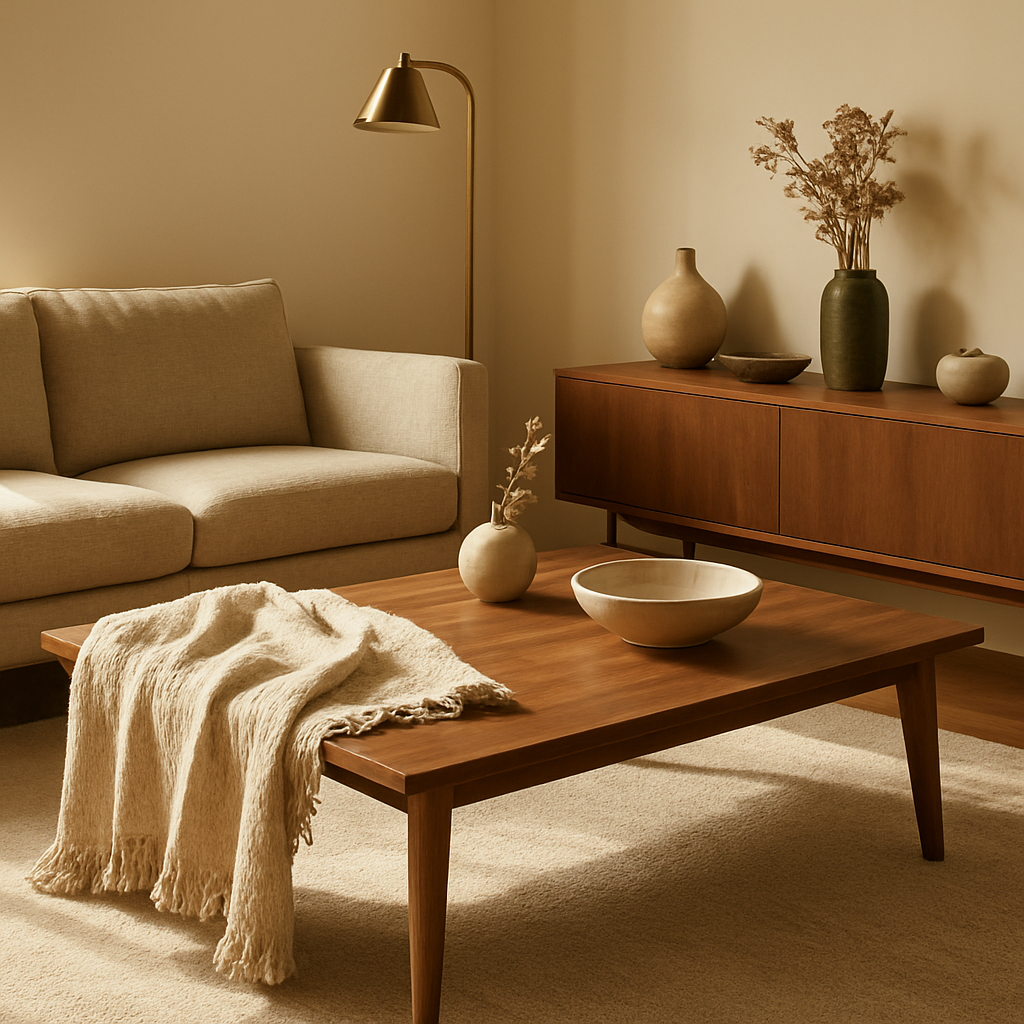
Take a moment now, walk around the room, and spot the empty spots that feel a little too clean. Grab a cushion, a lamp, or a tray that speaks to you, and place it where your eye naturally lands. You’ll notice instantly how the space breathes a little easier, and you’ll feel a stronger connection to the room you’ve just created. That’s the power of personalized homeware – subtle, affordable, and unmistakably yours.
Step 7: Care, Maintenance, and Future Updates
You've just put the finishing touches on your new furniture, and now the real question is: how do you keep it looking fresh for years to come? The answer is simpler than you think – a bit of everyday TLC, a occasional refresh, and a forward‑thinking mindset.
Day‑to‑day protection
First thing's first – treat your pieces like you would a favorite piece of clothing. A hot mug or a damp dish can leave a mark that sticks around longer than you’d like. We always recommend felt‑backed coasters and table‑mats; they’re cheap, they look good, and they keep heat and moisture off the finish.
If a spill does happen, grab a soft, slightly damp cloth and blot it right away. For wood surfaces, a quick wipe with a damp rag is usually enough – just avoid letting water sit. And remember, never use abrasive cleaners or scouring powders; they’ll dull the natural shine you fell in love with.
Does your piece have a hardwax oil finish? The Bespoak guide suggests a light sanding of any marked area followed by a touch‑up of hardwax oil. Periodically (once or twice a year) recoat the whole surface to keep the wood breathing and protected.
When to refresh – painting and refinishing
Even the most durable furniture can start to feel a bit tired after a few seasons. That's where a well‑planned paint or refinish comes in. If you’re thinking about a colour change, start with a solid prep routine: clean the piece, sand away any glossy finish, and prime it to give the new paint something to cling to.
For a reliable, beginner‑friendly approach, check out this furniture painting guide. It walks you through cleaning, sanding, priming, and applying thin coats of semi‑gloss latex paint – a finish that’s easy to wipe clean and resists fingerprints.
After the final coat dries (give it at least 24 hours), seal it with a water‑based topcoat or a thin layer of wax. The result? A refreshed look that still respects the original character of the piece.
Future‑proofing with seasonal tweaks
Think of your furniture as a living part of your home. As the seasons shift, a few small adjustments can make a world of difference without buying new items.
Swap out cushions or throws for richer textures in winter, or lighten the palette with breezy linen in summer. A simple rug change can redefine a conversation zone, and a new lamp shade can shift the mood instantly.
For larger updates, consider adding functional accessories that double as décor – a sleek storage bench, a custom‑size rug, or a set of stylish trays. Because these pieces are easy to move, you can experiment without committing to a full redesign.
Quick care checklist
- Use coasters, table‑mats, and felt pads on all legs.
- Wipe spills immediately with a damp cloth; avoid letting water sit.
- For hardwax‑oil finishes, sand lightly and re‑apply oil to any marked spots, then recoat the whole piece annually.
- When repainting, clean, sand, prime, paint thin coats, and seal with a water‑based topcoat.
- Refresh textiles seasonally – cushions, throws, rugs.
- Plan a mini‑upgrade (new hardware, a bench, or a rug) every 6‑12 months to keep the space feeling fresh.
So, what’s the next step? Grab that soft cloth, check your favorite chair for any tiny scratches, and give it a quick swipe. Then, set a reminder on your phone for a yearly oil touch‑up. A little habit now saves you from a big overhaul later.
By treating your furniture with mindful care, giving it a thoughtful refresh when the mood strikes, and staying open to small seasonal tweaks, you’ll keep that luxurious feel alive for years to come – all while preserving the story each piece tells.
FAQ
How do I choose the right furniture material for my living room?
Start by thinking about how the room will be used day‑to‑day. If you have kids or pets, a sturdy hardwood like oak or walnut with a protective finish will stand up to spills and scratches. For a lighter feel, consider a metal frame paired with a linen upholstery – it’s strong yet breathable. Match the material’s weight to the space; a heavy solid‑wood sideboard anchors a large room, while a slimmer metal console works better in tighter areas.
What are the best ways to protect and maintain a hard‑wax‑oil finished wooden table?
Keep a soft, slightly damp cloth handy and wipe away any liquid the moment it lands – the longer water sits, the more it can seep into the grain. Place coasters or felt pads under glasses and lamps to avoid heat rings. Every 12‑18 months, lightly sand any dull spots and reapply a thin coat of hard‑wax‑oil, following the grain direction. Finish with a gentle buff to restore the natural sheen.
Can I mix modern and classic furniture without it looking chaotic?
Mixing styles works when you create a unifying thread – usually colour or texture. Pick one piece as the focal point, say a sleek leather sofa, and let other items echo its tone through cushions, rugs or metal legs. Keep proportions in check; a chunky vintage coffee table can share space with a contemporary side chair if both sit on a common‑colour rug. The result feels curated rather than chaotic.
How much should I budget for a luxury furniture piece that will last a decade?
A timeless luxury piece often costs more upfront, but think of it as a 10‑year investment. Start with a budget range of £2,000‑£5,000 for a solid wood dining table; the price reflects the wood grade, hand‑finish and joinery. Allocate another £500‑£1,200 for complementary chairs that match the finish. If you’re unsure, order a small sample or swatch, and remember many retailers offer financing that spreads the cost without interest for a year.
Are there sustainable furniture options that still feel luxurious?
Yes – sustainability and luxury aren’t mutually exclusive. Look for furniture made from FSC‑certified reclaimed timber; it carries the patina of age while reducing new tree harvest. Low‑VOC water‑based finishes keep indoor air fresh and still give a deep, rich glow. Many UK artisans also use locally sourced leather that’s vegetable‑tanned, which ages beautifully. Pair these pieces with organic cotton or linen textiles for a cohesive, eco‑friendly vibe that feels high‑end.
What’s the simplest method to arrange furniture for good traffic flow?
The easiest trick is to draw a 18‑24‑inch walking lane on the floor with painter’s tape. Start at the main entry and map the path to the focal point – usually a TV, fireplace or coffee table. Anything that blocks that lane should be nudged a few inches or replaced with a slimmer profile. Test it barefoot; if your toes glide smoothly, you’ve got a functional flow.
Conclusion
We've walked through everything from spotting trends to caring for your pieces, and I hope you feel a bit more confident about the furniture choices that will shape your home.
Remember, the best furniture isn't just about looks; it's about how it fits your life. If a walnut sideboard feels right under your hand and still leaves a clear path for your kids, that's a win.
So, what's the next step?
Take a moment today to list three material‑finish combos that truly excite you. Snap a photo of the space, place a swatch on the wall, and walk the room barefoot – those tiny tests save you weeks of doubt.
When you’re ready to bring the pieces home, think about the little details that keep luxury alive: felt pads under legs, low‑VOC finishes, and seasonal textile swaps. Those touches make a high‑end look feel lived‑in, not staged.
Finally, give yourself a deadline. A decision made in the next week keeps the momentum going and prevents analysis paralysis. And if you ever need a fresh pair of eyes, the team at Harvey Bruce Interiors is happy to chat about how to blend bespoke furniture with your personal style.
Enjoy the journey of making your home truly yours.
← Older Post Newer Post →