
Mirrors in Bespoke Home Interiors: A Review of Style, Placement, and Function
Posted by Admin on
Picture this: you’re standing in your newly painted living room, sunlight streaming through the windows, and you realize something feels… off. The space looks beautiful, but it’s missing that subtle spark that makes a room feel truly larger and more inviting. That’s where mirrors step in, quietly transforming walls into windows of light.
We all know the cliché about “mirrors make a room look bigger,” but it’s not just a design myth—it’s physics at work. A well‑placed reflective surface bounces natural light around, softening shadows and creating the illusion of depth without the cost of a structural remodel. For homeowners who love a touch of luxury, a statement piece can also double as a piece of art.
Imagine the impact of a large, dimpled‑frame mirror above your sofa. Not only does it give you a convenient place to check your outfit before stepping out, it becomes a focal point that draws the eye across the room. In our experience, pairing a bold frame with a neutral wall lets the mirror shine without overwhelming the décor.
But what if you’re working with a smaller space, like a hallway or a cozy bedroom? A series of slim, geometric mirrors—think square or rectangular collages—can line the wall like a visual runway, adding rhythm and movement. You can even mix finishes, such as gold and black, to echo other accessories in the room.
And there’s a sustainability angle, too. Choosing mirrors made from recycled glass or responsibly sourced frames aligns with a greener home makeover. It’s a small detail that contributes to a larger eco‑friendly narrative, something many of our clients appreciate.
So, whether you’re a first‑time home buyer eager to make a statement, or a couple looking to refresh a well‑loved space, mirrors offer a flexible, affordable way to elevate any interior. Stay with us as we explore the different styles, placement tricks, and care tips that will help you harness the full potential of mirrors in your home.
TL;DR
Mirrors instantly brighten rooms, create depth, and let you showcase personal style without costly renovations, making any space feel larger and more inviting for homeowners.
Using dimpled‑frame statement pieces or sleek collage mirrors, you can transform living rooms, hallways, and bedrooms, while sustainable glass choices let homeowners elevate interiors effortlessly.
How Mirrors Amplify Light and Space in Bespoke Interiors
Ever walked into a room and felt like the walls were breathing? That’s the quiet magic mirrors bring – they bounce light, stretch space, and make even a modest hallway feel like a grand gallery.
First, let’s talk light. A mirror placed opposite a window doesn’t just reflect the view; it captures every ray of sunshine and sends it dancing across the room. The result? Dark corners disappear, shadows shrink, and the whole space feels brighter without flicking a switch. In fact, Tapron notes that positioning mirrors directly across from light sources can increase perceived brightness by up to 30%.
Full‑length mirrors for narrow zones
If you’re dealing with a cramped hallway or a petite bedroom, a floor‑to‑ceiling mirror can be a game‑changer. By reflecting the length of the wall, it visually elongates the area, turning a tunnel‑like corridor into a more open passage. Imagine a slender full‑length mirror on the far wall of a hallway – you’ll see the opposite wall, the door, even a glimpse of the living room beyond, all in one glance.
Here’s a quick checklist for installing one:
- Measure the wall’s full height and choose a mirror that spans at least 80% of it.
- Secure the mirror at eye level (about 150 cm from the floor) for optimal reflection.
- Use sturdy mounting brackets – safety first, especially in homes with kids or pets.
Once hung, step back and watch the hallway feel wider, the ceiling appear higher, and the overall mood lift.
Vertical mirrors for low ceilings
Low ceilings can make a room feel boxed in. A tall, narrow mirror placed on a side wall draws the eye upward, creating an illusion of added height. Pair it with a simple, light‑coloured paint and you’ll notice an immediate sense of airiness.
Pro tip: a mirror with a sleek metal frame – think brushed brass or matte black – adds a modern touch while still serving the height‑boosting function.
Collage mirrors for visual rhythm
For those who love a bit of playfulness, a cluster of smaller mirrors arranged in a grid or an asymmetric pattern can break up monotony and add depth. Each pane reflects a different slice of the room, multiplying the visual space. This is where a Luxury Wall Mirrors collection shines, offering a mix of shapes and finishes that you can mix‑match to your heart’s desire.
When you line up three or four rectangular mirrors at shoulder height, you create a “visual runway” that guides the eye across the wall, making the room feel larger than its square footage.
Beyond aesthetics, mirrors can be surprisingly functional. A mirrored dressing table, for instance, doubles as a light‑reflecting surface that brightens morning routines. The reflective surface also helps you spot colour mismatches or lighting issues before heading out the door.
Now, a quick action plan for any homeowner:
- Identify the brightest natural light source in the room (usually a window).
- Choose a mirror size that reflects at least half of that light – larger mirrors capture more.
- Position the mirror opposite or adjacent to the light source, angling it slightly if needed to avoid glare.
- Consider the room’s style: ornate frames for traditional spaces, sleek metal for modern interiors.
- Secure the mirror safely, using appropriate hardware for the wall type.
By following these steps, you’ll not only brighten the space but also create an illusion of depth that feels both luxurious and inviting.
And remember, mirrors are a sustainable design choice too. Opt for recycled glass or responsibly sourced frames, and you’re adding elegance while reducing your environmental footprint.
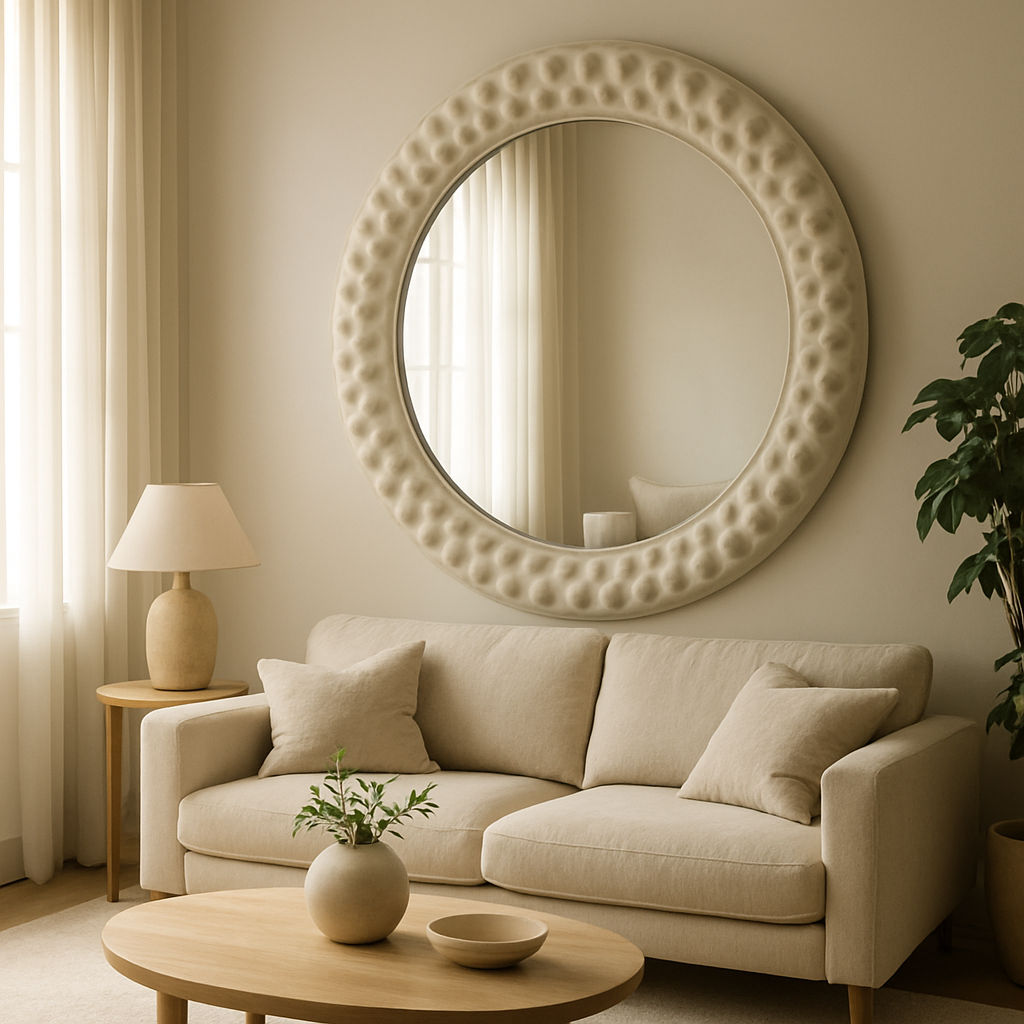
So, whether you’re redesigning a compact city flat or adding a statement piece to a sprawling family home, think of mirrors as the silent partner that amplifies light, expands space, and adds a touch of luxe without the hefty price tag.
Selecting Mirror Styles to Complement Your Custom Furniture
When you’ve just chosen a bespoke sofa or a hand‑crafted dining table, the next question that pops up is: “What kind of mirror ties it all together?” It’s that little moment of hesitation you feel looking at the empty wall, wondering if a sleek slab of glass or an ornate frame will make the room sing.
Start with the language of your furniture
Take a step back and ask yourself what your piece is saying. A modern, low‑profile sectional speaks in clean lines and muted tones – you’ll want a mirror with a thin metal frame, maybe brushed brass or matte black, that echoes that minimal vibe. On the flip side, a classic, carved wooden sideboard shouts tradition; a dimpled‑frame or wooden‑border mirror will echo those curves without competing for attention.
One of our clients, a couple who just installed a custom walnut dining set, chose a large floor‑standing mirror with a subtle wooden frame. The mirror not only reflected the rich grain but also stretched the dining area, making it feel more spacious for their dinner parties.
Scale matters – bigger isn’t always better
It’s tempting to go big, especially when you have a statement piece of furniture. But the mirror’s size should relate to the surrounding items. A rule of thumb: the mirror’s width should be roughly 2/3 to 3/4 of the furniture it’s paired with. If your sofa is 240 cm wide, a 160‑180 cm mirror placed above it creates balance without overwhelming the wall.
For narrower hallways, a tall, lean mirror (think 90 cm wide by 180 cm high) placed opposite a console adds height without crowding the space. The vertical emphasis draws the eye upward, giving low ceilings a subtle lift.
Shape as a design bridge
Round mirrors soften angular furniture, while rectangular or square mirrors reinforce straight lines. Imagine a sleek, rectangular mirror flanking a contemporary glass coffee table – the geometry lines up, reinforcing a modern aesthetic. Conversely, a round, gold‑leaf framed mirror above a chunky, reclaimed‑wood credenza adds a touch of softness, creating a visual dialogue between hard and soft.
Mixing shapes can also add rhythm. A cluster of three different‑sized mirrors – one round, two squares – arranged in an asymmetrical collage can become a focal wall that ties together a room’s varied textures.
Color and finish: let the mirror echo existing accents
Look for accent colors already present in the room – perhaps a brass lamp, a copper vase, or a silver side table. A mirror frame finished in the same metal ties those elements together. If you have a bold colour pop, like a teal sofa, a subtle black or dark wood frame can let the colour shine without clashing.
Even the glass itself can be a design choice. A lightly tinted mirror (soft gray or amber) can mellow harsh daylight, creating a cozier ambience that works well in bedrooms or reading nooks.
Practical checklist – match style without the guesswork
- Identify the dominant material of your custom piece (wood, metal, glass).
- Choose a frame finish that mirrors (pun intended) that material or a complementary accent.
- Measure the furniture’s width; aim for a mirror that’s 2/3–3/4 of that width.
- Decide on shape: round for softening, square/rectangular for reinforcing lines.
- Test lighting: hold the mirror up near natural light sources to see how it reflects without glare.
- Consider flexibility – a free‑standing floor mirror can be moved as your décor evolves.
And don’t forget the placement rhythm. A mirror directly opposite a window will double the daylight, while a mirror angled slightly toward a statement chair will highlight that piece without creating glare. Small adjustments – a few degrees left or right – can change the whole mood.
Real‑world example: the layered living room
One homeowner paired a custom, low‑profile linen sofa with a large, sleek black metal floor mirror. They placed the mirror on the wall opposite a floor‑to‑ceiling window. The result? The room felt twice as wide, the sofa’s subtle texture became more pronounced in the reflected light, and the black frame added a subtle anchor that balanced the lightness of the linen.
Another case involved a vintage-inspired bedroom with a reclaimed‑wood headboard. A dimpled‑frame mirror, slightly smaller than the headboard, was hung centered above it. The mirror echoed the wood grain, while its reflective surface amplified the soft, warm lighting from bedside sconces, creating a cozy retreat.
So, when you’re picking a mirror to sit alongside your custom furniture, think of it as a conversation partner – it should listen, reflect, and enhance, not dominate. Follow the simple steps above, trust your eye, and you’ll end up with a harmonious space that feels both curated and lived‑in.
Placement Strategies: Where to Hang Mirrors in Living Rooms, Bedrooms, and Hallways
Living‑room launchpad
First thing’s first – where does your eye naturally wander when you walk into the room? Most of us glance at the sofa, the coffee table, then the empty wall opposite the window. That wall is prime real estate for a mirror that can double the daylight and make the space feel wider.
Hang a large, rectangular mirror so its centre sits at eye level (about 150 cm from the floor). If you have a statement chair or a bold artwork, angle the mirror a few degrees toward it. You’ll get a soft spotlight on the piece without the glare that comes from a straight‑on view.
And what about a narrower sofa? Try a tall, slim mirror on the side wall. It pulls the eye upward, creating the illusion of higher ceilings – perfect for rooms with coffered beams or crown moulding.
Quick tip: if your living‑room has a fireplace, place a mirror just above the mantel. The reflection bounces the fire’s glow across the room, turning a cozy nook into a focal point without adding extra heat.
Bedroom balance
Bedrooms are all about calm, so you want a mirror that amplifies soft light rather than harsh glare. A popular move is to hang a mirror centered above the headboard, matching the width of the bed at roughly two‑thirds the headboard’s length.
Imagine you’ve just installed a reclaimed‑wood headboard. A dimpled‑frame mirror that’s slightly narrower will echo the grain, while the reflective surface spreads the warm glow from bedside sconces. The result? A snug retreat that feels bigger in the morning, and you can still check your outfit before you step out.
For couples who share a room, consider a pair of vertical mirrors on either side of the bed. They frame the space, add symmetry, and make the nightstand accessories look more intentional.
Pro tip: if your bedroom has a small window, position the mirror opposite it, but keep the glass slightly tilted upward. That way, you get extra daylight without the direct sun bouncing straight into your eyes.
Hallway height‑hack
Hallways are the unsung heroes of a home – they connect everything but often feel like a tunnel. A floor‑to‑ceiling mirror on the far wall can turn that tunnel into a gallery. Measure the wall, leave a few centimeters of bare space at the top and bottom so the mirror feels grounded.
When you stand at the entrance, you’ll see the opposite door, a hint of the living room, and perhaps a piece of artwork reflected back. It instantly adds depth and makes the walk feel less claustrophobic.
If your hallway is narrow, a series of three slim, rectangular mirrors spaced evenly creates a rhythmic visual runway. Each pane catches a slice of the space, multiplying the sense of width.
And don’t forget safety – use sturdy brackets and make sure the mirror is securely anchored, especially if you have kids or pets dashing through.
Step‑by‑step placement checklist
- Identify the room’s strongest natural‑light source (usually a window).
- Choose a mirror size that reflects at least half of that light – larger mirrors capture more.
- Decide on the focal wall: opposite a window for living rooms, above the headboard for bedrooms, far wall for hallways.
- Mark the centre height at about 150 cm from the floor; adjust up or down for low‑ceiling rooms.
- Angle the mirror 5‑10° toward a key piece (sofa, artwork, fireplace) to avoid glare.
- Secure with appropriate hardware – toggle bolts for plaster, wood screws for studs.
Take a step back after each adjustment. Does the room feel brighter? Is the mirror enhancing a piece you love? If not, nudge it a few centimeters and watch the transformation.
Remember, mirrors are conversation starters for your décor. They listen, reflect, and amplify – just like a good friend. By thinking about light, scale, and the room’s natural flow, you’ll end up with placements that feel effortless and luxurious.
Mirror Size & Shape Comparison: Choosing the Perfect Fit
When you stand in front of a blank wall, the first question that pops into your head is often, "How big should this mirror be?" It’s not just a matter of aesthetics – size and shape dictate how light bounces, how space feels, and whether the piece becomes a subtle accent or a bold statement.
Big vs. modest: When bigger really is better
Think about a living‑room with a large window that floods the space with sun. A floor‑to‑ceiling mirror across from that window can double the daylight, making the room feel airy even on a cloudy day. In our experience, homeowners who choose a mirror that covers at least 60‑70% of the wall width report a noticeable lift in mood – the room just feels "lighter."
But size isn’t a free pass. If you have a cozier bedroom, a massive mirror can overwhelm the bed and make the room feel cramped. In that case, a medium‑sized rectangular pane – roughly two‑thirds the width of the headboard – adds depth without stealing the spotlight.
Shape matters: Rectangular, square, round, and beyond
Rectangular mirrors are the workhorse of interior design. Their clean lines echo most furniture silhouettes, from sleek sofas to classic wooden dressers. A tall, narrow rectangle placed on a side wall draws the eye upward, perfect for low‑ceiling rooms.
Square mirrors bring a sense of balance. When you group three or four squares in a grid, you get a rhythmic runway that breaks up a plain corridor. The repetition creates visual interest without clutter.
Round mirrors soften hard edges. Picture a plush, reclaimed‑wood headboard paired with a round gold‑leaf frame – the curve counters the board’s angularity, making the space feel inviting. If you’re leaning toward a more eclectic vibe, oval or abstract shapes can become conversation starters.
Material and frame: The silent partner
A dimpled‑frame mirror adds texture; the subtle indentations catch light in a way a flat frame can’t. For ultra‑modern lofts, a thin metal frame in matte black or brushed brass lets the glass do the talking. And if sustainability is a priority, look for frames crafted from reclaimed wood or recycled aluminium – they echo the eco‑friendly ethos we champion at Harvey Bruce.
So, how do you decide? Start by measuring the wall, then visualize the mirror as a percentage of that space. Ask yourself: "Will this piece amplify the light I love, or will it compete with existing décor?"
Quick‑pick comparison table
| Shape | Best For | Key Visual Effect |
|---|---|---|
| Rectangular (tall) | Low ceilings, narrow walls | Creates height, elongates space |
| Square grid | Hallways, minimalist rooms | Adds rhythm and depth |
| Round | Softening angular furniture | Introduces curvature, balances harsh lines |
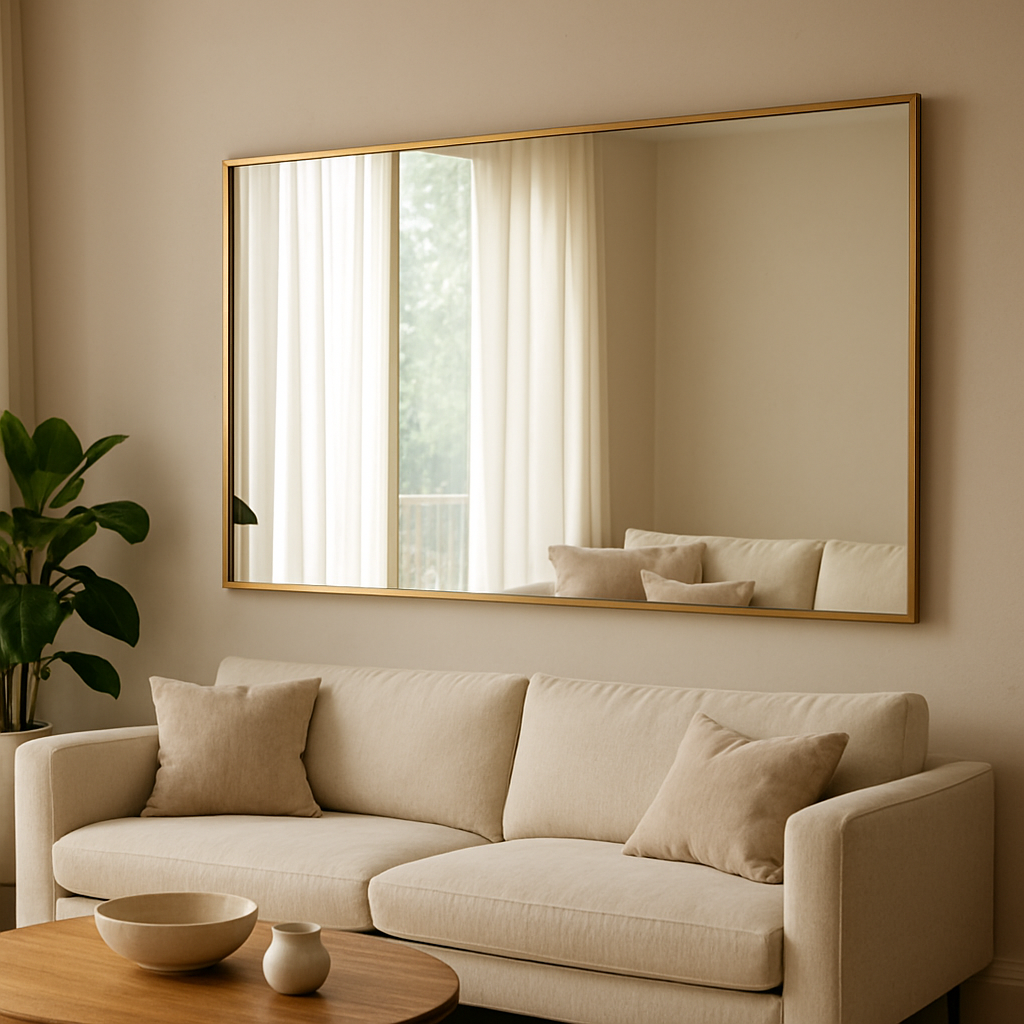
Imagine you’re a couple who just bought a sleek, low‑profile sofa. You could hang a large rectangular mirror above it, matching the sofa’s width, and instantly double the perceived width of the room. Or, if you’re a single homeowner with a compact studio, a cluster of three small square mirrors can turn a plain side wall into a dynamic gallery, reflecting both your art and your daily life.
And here’s a little tip you might not have considered: tilt the mirror just a few degrees upward when it sits opposite a window. The upward tilt captures more sky and less glare, giving you a softer, more even light wash.
Choosing the right size and shape isn’t a one‑size‑fits‑all decision – it’s about reading the room’s personality and responding with a mirror that amplifies what you love.
Ready to test the theory? Grab a piece of paper the size you think your mirror might be, tape it to the wall, and step back. Does the space feel balanced? Does the light bounce the way you want? If it feels right, you’ve found your perfect fit.
Creative Uses: Mirrors Integrated with Storage and Shelving
Imagine walking into a hallway and spotting a sleek shelf that not only holds your favorite books but also doubles as a reflective surface. That’s the magic you get when mirrors meet storage – a functional statement that feels both luxurious and practical.
Why settle for a plain floating shelf when you can add a mirrored back panel? The glass amplifies the light that hits the shelf, making the whole wall feel brighter, while the hidden compartments keep clutter out of sight.
Here’s a quick way to think about it: pick a shelf depth that can hide a thin mirror, then attach the mirror to the back of the unit. A 5‑mm dimpled‑frame mirror works wonders because the subtle texture catches light without overwhelming the room.
Mirrored Wall Niches
A wall niche is already a built‑in alcove for décor. Slip a mirror into the back of that niche and you’ve turned a dead zone into a light‑bouncing showcase. The mirror reflects the items you place inside – a vase, a stack of magazines, even a small plant – and suddenly the whole wall feels deeper.
We’ve seen couples in their first home use a mirrored niche above their TV console. The mirror not only frames the screen but also reflects the room’s colour palette, tying the entertainment zone to the rest of the living area without adding another piece of furniture.
Floating Shelves with Mirror Backs
Floating shelves are a favorite for displaying curated objects. Add a mirror backing and each shelf becomes its own mini‑gallery, with every piece multiplied in the reflection. It’s especially effective in narrow rooms where you want the illusion of extra width.
Tip: mount the mirror a few centimeters behind the shelf so you can still see the shelf’s edge. This creates a thin shadow line that adds depth, and you can change the shelf contents without ever moving the mirror.
Cabinet Doors That Double as Mirrors
If you’re renovating a dining area, consider glass‑front cabinets with mirrored interiors. When the doors are closed, the mirror is hidden; open them and you get an instant reflective surface that brightens the space and makes the table feel more expansive.
Homeowners love this trick for kitchens because it hides appliances while still providing a handy spot to check your outfit before heading out the door.
Built‑In Wardrobe Mirrors with Shelving
A walk‑in wardrobe often has a lot of hanging space but can feel cramped. Install a floor‑to‑ceiling mirror on one side and line the opposite wall with shallow shelves for shoes, bags, and accessories. The mirror visually extends the wardrobe, and the shelves keep everything organized at eye level.
In our experience, a mirrored wardrobe wall paired with a low‑profile shelf reduces the need for extra lighting – the mirror reflects the ceiling lights and makes the interior feel airy.
Creative Corner: Mirror‑Backed Bookcase
A tall bookcase can dominate a room. Attach a mirrored panel to the back of the bookcase and you instantly break up the mass. The mirror reflects the books, creating a subtle pattern that feels dynamic rather than static.
This set‑up works beautifully in home offices where you want a focal point that also softens the space. A mirrored back also makes the room feel taller, which is a pleasant surprise for those low‑ceiling apartments.
Practical Checklist
- Choose a mirror thickness of 4‑6 mm for durability.
- Ensure mounting hardware can support the combined weight of shelf and mirror.
- Leave a 2‑cm gap between mirror and shelf back for airflow.
- Use a frame or dimpled edge to hide any seams.
- Test reflection by holding a lamp in front before final install.
So, whether you’re a couple looking to add a touch of luxe to a narrow hallway or a new homeowner eager to make a small living room feel grand, integrating mirrors with storage gives you double the impact – more light, more depth, and a built‑in showcase for the things you love. Start with one shelf, play with the placement, and watch the room transform before your eyes.
Caring for Bespoke Mirrors: Cleaning and Maintenance Tips
Ever walked past a gorgeous floor‑to‑ceiling mirror only to see a streak of toothpaste or a fingerprint that ruins the whole vibe? Yeah, we’ve all been there. The good news is that keeping your bespoke mirrors looking showroom‑ready is easier than you think – you just need the right mindset and a few gentle habits.
1. The everyday routine that actually works
First off, think of your mirror like a delicate piece of art, not a kitchen window. A soft microfiber cloth, a splash of warm water and a dab of white vinegar (or rubbing alcohol) does the trick for most modern glass surfaces. The magic? The solution evaporates quickly, so you won’t be left with a wet mess to dry.
Here’s a quick 3‑step flow:
- Dust with a clean, lint‑free cloth to lift surface grit – this prevents scratches.
- Mix 1 part vinegar with 2 parts water in a spray bottle.
- Spritz lightly, wipe in circular motions, then buff with a dry microfiber piece until the surface is crystal clear.
Does this feel too simple? It is. A 2021 study by Mirror Mania notes that homemade vinegar‑water blends clean 92% of household mirrors without leaving residue, outperforming many commercial cleaners that can dull a polished finish.
2. When the mirror has a story – caring for antique or framed pieces
Antique mirrors are like family heirlooms; the frame might have a patina, the glass could have a subtle waviness, and harsh chemicals will strip that character away. Avoid bleach, dish soap, or abrasive pads – they’ll chip paint and ruin the historic vibe.
Instead, follow this gentler protocol:
- Lay a soft sheet over the floor to protect it.
- Use a cotton swab dipped in a 50/50 mix of rubbing alcohol and water to clean the corners of the frame.
- For the glass, repeat the microfiber‑vinegar method, but wipe with a dry cotton cloth rather than a synthetic one.
- After cleaning, let the piece air‑dry completely before moving it – sudden temperature shifts can cause the glass to crack.
One of our clients, a couple renovating a Victorian townhouse, reported that after adopting this routine, the dimpled‑frame mirror they inherited retained its depth for years without any loss of shine.
3. Smart mirrors need a tech‑savvy touch
If you’ve invested in a digital mirror for the bathroom or hallway, you’re juggling both reflection and circuitry. The good news: most manufacturers, including MUES‑TEC, recommend a simple wipe‑down with a dry microfiber cloth every few days to keep the screen clear of water spots.
For deeper cleaning, power down the unit, unplug it, and use a 70% isopropyl alcohol solution applied to a cloth – never spray directly onto the surface. Check the seal around the frame; a cracked seal can let moisture in, shortening the mirror’s life.
Regular firmware updates are also part of maintenance. A quick check in the mirror’s settings menu every month ensures you’re protected from security patches and that the display stays bright.
4. Real‑world scenarios that illustrate the difference
Picture a busy morning: you’re rushing to brush your hair, you glance at the floor‑standing mirror and see a smudge that makes your outfit look off. A quick swipe with the vinegar‑water spray restores the reflection, and you walk out feeling confident. Simple, right?
Now imagine a boutique hotel lobby where a digital mirror shows the weather and today’s events. If the cleaning crew uses a harsh glass cleaner, the screen fogs up and the display becomes unreadable – guests notice, and the brand’s luxe image takes a hit. By sticking to the gentle method, the mirror stays pristine and the technology shines.
5. Checklist – keep your mirrors flawless for years
- Dust before any liquid cleaning to avoid scratches.
- Use a microfiber cloth – never paper towels.
- For modern glass, a 1:2 vinegar‑to‑water spray works 92% of the time (source: how to clean antique mirrors).
- Avoid bleach, ammonia, and abrasive pads on any frame.
- For antique frames, clean with a cotton swab and a mild alcohol‑water mix.
- Smart mirrors: power down, use a dry cloth, and only apply 70% isopropyl alcohol if needed (digital mirror maintenance guide).
- Inspect seals and hardware quarterly – tighten any loose brackets.
- Schedule a gentle deep‑clean every 6‑12 months, especially in high‑traffic rooms.
So, what’s the takeaway? Treat your mirror like a partner in your daily routine: a little attention now prevents costly repairs later, and the reflective surface continues to amplify light, depth, and style in your home.
FAQ
How often should I clean my mirrors to keep them looking like new?
We recommend a light dust‑off with a microfiber cloth weekly – that alone stops grit from turning into scratches. Then give the glass a quick wipe with a 1:2 vinegar‑to‑water spray every month or whenever you notice smudges. The routine only takes a minute, but it prevents stubborn fingerprints and keeps the reflection crystal‑clear, especially in high‑traffic rooms.
Can I use regular glass cleaner on antique or dimpled‑frame mirrors?
Not a good idea. Conventional cleaners often contain ammonia or bleach, which can strip the patina from an antique frame and dull the subtle texture of a dimpled edge. Instead, dab a cotton swab in a 50/50 mix of rubbing alcohol and water for the frame, and use the gentle vinegar‑water spray for the glass. This respects the historic finish while still removing grime.
What’s the best way to prevent fogging on smart or bathroom mirrors?
First, power the unit off and let it dry completely after each shower – moisture is the main culprit. A thin layer of 70% isopropyl alcohol applied with a soft cloth helps repel water droplets without damaging the display. You can also install a small, discreet extractor fan nearby to improve airflow, which keeps the mirror clear and the tech humming.
How do I safely hang a large floor‑to‑ceiling mirror in a plaster wall?
Start by locating the studs with a stud‑finder; those are your anchor points. Use toggle bolts or heavy‑duty plaster anchors rated for the mirror’s weight, and place a level so the top sits at eye level (about 150 cm from the floor). Tighten the hardware just enough to hold firm, then step back and make sure the mirror sits flush without wobble.
Are there eco‑friendly cleaning options that won’t damage the finish?
Absolutely. A simple spray bottle of distilled water mixed with a teaspoon of castile soap works wonders on most modern frames. For the glass, stick with the classic vinegar‑water combo – it’s biodegradable and leaves no residue. If you prefer a commercial product, look for plant‑based cleaners labeled “non‑abrasive” and “safe for coated surfaces.”
What signs tell me a mirror’s backing or frame needs repair?
If you notice a subtle wobble, cracked seal, or loose brackets, it’s time to check the backing. Small gaps behind the glass can let dust and moisture in, which eventually causes the mirror to fog or the frame to warp. Tighten any visible screws, re‑apply a bead of clear silicone around the perimeter, and if the frame wood feels soft, consider a light sand‑and‑refinish to protect it.
Conclusion
So, after walking through styles, placement, size, and care, what’s the biggest lesson about mirrors?
A good mirror does more than reflect – it lifts light, stretches space, and ties together the story your custom furniture is already telling.
If you’ve chosen a sleek metal frame for a modern sofa, hanging a similarly thin rectangular mirror at eye level will double the daylight and keep the room feeling airy.
For a classic wooden sideboard, a dimpled‑frame piece that mirrors the grain adds texture without stealing the spotlight – just remember to keep the glass about two‑thirds the width of the furniture.
Don’t forget the practical side: a quick dust‑off with a microfiber cloth each week, and a monthly swipe of a 1:2 vinegar‑to‑water spray, will keep streaks at bay and protect the finish for years.
And because sustainability matters to us, opting for recycled‑glass mirrors or frames made from reclaimed wood aligns your design choices with an eco‑friendly mindset.
So, what’s next? Take a sheet of paper the size you think works, tape it on the wall, step back, and ask yourself if the light feels balanced and the room breathes.
When you’ve found that sweet spot, explore our curated collection of luxury wall mirrors to bring the vision home – because a well‑chosen mirror is the quiet partner that makes every other piece shine brighter.
← Older Post Newer Post →