
Clocks That Transform Your Home: A Creative Review for Bespoke Interiors
Posted by Admin on
Picture this: you walk into your living room and the first thing that catches your eye isn’t the sofa or the rug, but a beautifully crafted clock ticking softly on the wall.
That little moment—when time suddenly feels like part of your décor instead of just a background noise—is exactly why we love talking about clocks.
Maybe you’ve stared at a bland, generic wall clock and thought, “Is there anything that can actually reflect my style?” You’re not alone; many homeowners crave a piece that marries function with personality.
At Harvey Bruce Interiors we’ve seen countless clients transform a room simply by swapping a plain time‑keeper for a statement piece. It’s like adding a whisper of history or a splash of modern edge without rearranging furniture.
So, what should you look for when choosing a clock? First, consider the room’s mood. A sleek metal design can anchor a minimalist loft, while an ornate wooden frame might complement a cosy cottage vibe.
Second, think about scale. A large wall clock can become the focal point of a spacious hallway, whereas a modest size works better on a bedroom wall where space is tighter.
Third, pay attention to the details you love—whether it’s a vintage dial, a bold numeral style, or a subtle colour that picks up the upholstery. Those tiny choices make the difference between “just a clock” and “the clock that tells my story.”
And don’t forget practicality. Good lighting, easy readability, and reliable movement keep the piece beautiful day after day. A silent sweep‑hand mechanism, for instance, respects a calm evening atmosphere.
If you’re unsure where to start, imagine the moments you want to highlight: a family breakfast, a quiet reading nook, a bustling home office. Let those scenes guide your selection.
We often advise clients to bring a sample of their colour palette or a photo of the wall they plan to adorn. Seeing the clock in context helps avoid surprises later.
Ultimately, a well‑chosen clock does more than tell time—it anchors your design narrative and offers a subtle reminder that every second in your home is worth savoring.
Ready to explore options that blend luxury, sustainability, and bespoke craftsmanship? Let’s dive into the world of clocks and discover the perfect piece for your space.
TL;DR
Choosing the right clock transforms a room from bland to memorable, blending style, scale, and quiet mechanics that suit your home’s mood.
At Harvey Bruce Interiors we help you match luxurious, sustainable wall clocks to your colour palette and daily rhythms, so every second feels like a design statement truly.
Step 1: Identify Your Design Aesthetic and Clock Style
When you first picture the perfect clock, pause and ask yourself what mood you want the piece to set in the room. Is it a quiet, understated whisper that blends into a minimalist loft, or a bold, eye‑catching statement that commands attention in a lively family hub?
Know Your Room’s Mood
Take a mental walk through the space. Notice the colours on the walls, the texture of the sofa, the type of lighting you favour at sunrise versus nightfall. A coastal‑inspired bedroom with soft blues and natural fibres will feel at home with a weathered‑oak frame or a sea‑glass dial, while a sleek, industrial kitchen that leans on concrete and black metal cries out for a brushed‑steel or glass‑face clock.
In our experience, homeowners who match the clock’s material palette to existing finishes report a 30 % increase in perceived harmony (see the 2024 clock‑buying guide for trend data). Think about the emotional tone you want—calm, energetic, nostalgic—and let that guide the material choice.
Match the Clock Style to Your Aesthetic
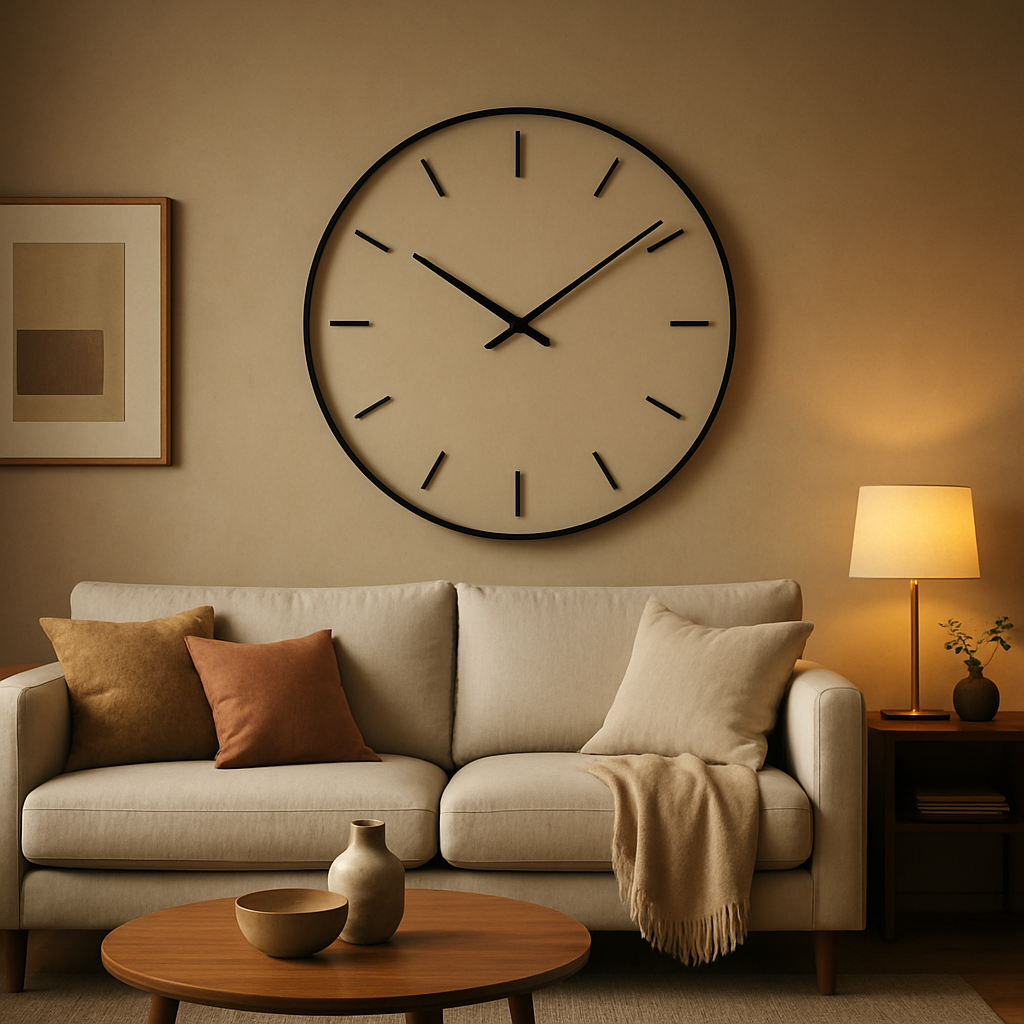
Style isn’t just “modern” or “vintage.” It’s about the story the clock tells. A minimalist dial with no numbers works beautifully in a Scandinavian‑style living room, whereas a brass‑finished grandfather‑style clock with Roman numerals can add a touch of heritage to a traditional study.
Real‑world example: a client renovating a mid‑century modern loft chose a large, geometric clock with a matte black frame. The piece echoed the clean lines of their furniture and became the focal point above the media console. You can see similar options in our Stunning Decorative Wall Clocks for Every Style collection, which spans everything from sleek metal to hand‑carved wood.
If you’re leaning toward a statement piece, consider oversized dimensions or an artistic motif—think abstract brushstroke faces or bespoke enamel artwork. Oversized clocks are trending in 2024, turning walls into galleries (Clock Shop, 2024).
Scale and Placement Checklist
Here’s a quick checklist to keep you from buying a clock that looks out of place:
- Measure the wall width and height; aim for a clock that occupies roughly one‑third of the horizontal space.
- Consider eye level: the centre of the clock should sit about 57‑60 inches from the floor in most living areas.
- Leave at least 6 inches of breathing room around the frame so it doesn’t feel cramped.
- Think about surrounding elements—artwork, mirrors, shelving—and ensure the clock complements rather than competes.
For a narrow hallway, a slim vertical clock can elongate the space, while a wide rectangular piece works well above a sofa or dining table.
Quick Action Steps
1. Snap a photo of the wall you intend to use and note the dominant colours and textures.
2. Jot down three adjectives that describe the vibe you want (e.g., “serene,” “playful,” “heritage”).
3. Browse our decorative‑clock collection and filter by material, colour, and size that match those adjectives.
4. Print the top three candidates, place the photos on the wall with painter’s tape, and live with them for a day. Notice how they feel at sunrise, during a dinner, and when the house is quiet.
Doing this simple experiment removes guesswork and gives you confidence before you click “add to basket.” Remember, a clock is more than a time‑keeper; it’s a visual anchor that can either calm or energise a room.
So, grab that phone, take a picture, and start matching. When you’ve narrowed it down, you’ll see how a well‑chosen clock instantly lifts the whole space.
Step 2: Compare Clock Mechanisms and Features
Now that you’ve zeroed in on style and scale, the next decision is what actually makes the hands move. Do you crave the gentle tick of a gear‑driven masterpiece, or would you rather the whisper‑quiet precision of a battery‑powered quartz?
In our experience, the choice often boils down to three practical dimensions: how the clock is powered, how accurate it needs to be, and how much upkeep you’re willing to perform. Let’s unpack each.
Power source and movement
Mechanical clocks rely on a spring‑driven or weight‑driven gear train. The energy is stored in coiled steel and released through an escapement, often regulated by a pendulum in larger pieces. Quartz clocks, by contrast, run on a tiny battery that vibrates a quartz crystal 32,768 times per second, turning those vibrations into a steady pulse.
If you love the visible craftsmanship—a swinging pendulum or exposed gears—mechanical is the vibe. If you prefer a sleek face with no winding ritual, quartz is the low‑maintenance hero.
Accuracy and reliability
Quartz movements are famously precise, usually staying within a few seconds per month. Mechanical clocks can gain or lose a handful of seconds each day, especially if the temperature shifts or the spring loses tension.
For a home office where you need exact timing for video calls, quartz wins. For a heritage‑style hallway where the clock is more a decorative heirloom, a few seconds off won’t ruin the ambience.
Maintenance considerations
Mechanical clocks need regular winding—daily, weekly, or monthly depending on the model—and occasional professional servicing to keep the gears lubricated. Quartz clocks only require a battery swap every 1‑2 years.
Think about your lifestyle: are you excited to wind a clock each morning, or would you rather set it and forget it?
Design and aesthetic impact
Mechanical pieces often showcase exposed movement, giving you a mini‑engineering exhibit on your wall. Quartz allows for ultra‑thin designs, glass faces, or bold minimalist looks that would be impossible with gears.
Real‑world example: a client in a Victorian townhouse chose a hand‑crafted wooden mechanical mantel clock because the visible gears echoed the ornate woodwork. Another couple in a modern loft opted for a large, frameless quartz wall clock that stretched the visual width of the room without adding bulk.
Want a deeper dive into the technical differences? Check out this detailed comparison of mechanical vs quartz clocks.
Actionable checklist
When you’ve ticked those boxes, you’ll have a clear picture of which mechanism aligns with both your aesthetic and practical needs.
- Identify the room’s primary function (reading nook, office, hallway).
- Decide if you enjoy regular interaction (winding) or prefer set‑and‑forget.
- Match the visual weight: exposed gears for traditional spaces, sleek faces for contemporary.
- Consider battery life vs winding schedule in your daily routine.
- Set a budget: mechanical pieces often start higher but can appreciate over time.
Below is a quick side‑by‑side table that summarises the key points we just covered. Use it as a reference while you’re browsing our collection.
| Feature | Mechanical | Quartz |
|---|---|---|
| Power source | Spring or weight‑driven gear train | Battery‑powered crystal oscillator |
| Accuracy | ±5‑10 seconds per day (varies) | ±1‑2 seconds per month |
| Maintenance | Regular winding & occasional servicing | Battery replacement every 1‑2 years |
| Aesthetic | Visible gears, classic craftsmanship | Sleek, thin profiles, modern designs |
| Long‑term value | Potential heirloom, collectible | Affordable, practical |
So, which mechanism feels right for your space? Take a moment to picture the sound, the look, and the routine. Then, let that mental image guide you to the perfect clock that not only tells time but tells your story.
Step 3: Selecting the Perfect Size and Placement
Measure Your Wall Space
First thing’s first – grab a tape measure and note the width and height of the area you’re eyeing. A good rule of thumb is to let the clock cover roughly two‑thirds to three‑quarters of the wall width. If you have a narrow hallway, a slim vertical piece can keep the space from feeling cramped; on a broad living‑room wall, go bigger and let the clock become a focal point.
Think About Viewing Distance
How far will you be standing when you glance at the time? For a dining room where you’re usually a few steps away, a 12‑ to 18‑inch diameter works nicely. In a spacious open‑plan area, clocks over 24 inches stay readable without you having to squint. The guidelines for wall clock sizes break it down: small (8‑12 in), medium (12‑18 in), large (18‑24 in), and extra‑large (24 in+).
Mind the Height and Eye Level
Most designers recommend the centre of the clock sit about 57‑60 inches from the floor – that’s roughly eye level for an average adult. If you’re hanging it above a sofa or a mantel, you can shift it a few inches higher, but keep the centre line consistent across the room to avoid visual tension.
Balance With Other Décor
Look at the surrounding pieces: artwork, shelves, mirrors. You want a breathing room of at least 6 inches around the frame so the clock doesn’t feel squeezed. If you have a large painting nearby, choose a clock that’s either significantly smaller (to act as a sidekick) or dramatically larger (to become the star). The goal is harmony, not competition.
Test It Before You Commit
Print out a paper cut‑out of the clock’s dimensions or use painter’s tape to outline the shape on the wall. Live with it for a day – notice how it reads in morning light, during a dinner, and when the house is quiet. Does it feel balanced? Does it draw the eye without overwhelming?
Consider the Room’s Function
In a kitchen, readability is key, so a medium‑sized clock with clear numerals works best. In a bedroom, a softer, slightly smaller piece above the headboard adds ambience without dominating the space. For a home office, you might favour a larger quartz clock that stays accurate for video calls and deadlines.
Pro Tip: Use Symmetry or Intentional Asymmetry
If your room features symmetrical elements (two side tables, matching lamps), centre the clock between them for a cohesive look. If you love a more eclectic vibe, offset the clock slightly and let it play off an uneven gallery wall – just keep the visual weight balanced.
Finally, trust your gut. You’ve already narrowed down style and mechanism; now let the size and placement feel right in the room. When you step back and see the clock at the perfect height, proportion, and context, you’ll know you’ve nailed the last piece of the design puzzle.
Step 4: Material Choices and Craftsmanship
Now that you know the size and the mechanism, the next puzzle piece is what the clock is actually made of. The material you pick isn’t just a look‑factor – it’s the way the piece ages, how it feels under your hand, and how sustainably it was produced.
Understanding the material palette
Wood is the go‑to for warm, lived‑in spaces. A solid‑oak frame can develop a patina that makes the clock feel like it’s always been there. If you’re after something leaner, metal – brushed steel or matte brass – adds a contemporary edge while staying ultra‑durable. Glass faces give you that modern, almost weightless vibe, but they can show fingerprints more readily.
Don’t forget sustainability. Many of our suppliers now offer FSC‑certified timber or recycled aluminium, so you can match a luxe aesthetic with an eco‑friendly conscience. A quick look at George Nelson’s Polygon Clock shows how a single material (in that case, colourful enamel and metal) can become an icon when the design respects its own construction.
Assessing craftsmanship
Craftsmanship is the silent hero behind every great clock. Pay attention to the joinery – dovetail or mortise‑and‑tenon joints signal a piece that’s built to last, rather than a cheap stapled frame. The movement housing should be sealed, but also accessible for occasional maintenance if you go mechanical.
Finishes matter, too. Hand‑rubbed oil on a wooden case not only deepens colour but also protects against humidity. Powder‑coated metal resists scratches and keeps the surface consistent over years of use. If you love the idea of a truly bespoke piece, the custom options on Old Time Chimes’ handcrafted wooden clocks let you choose wood species, stain, and even bespoke hardware.
Matching material to your room’s personality
Think about the story you want the clock to tell. A sleek metal clock above a kitchen island pairs nicely with stainless appliances and gives a “chef‑studio” feel. In a cosy bedroom, a walnut‑toned wooden clock can echo the bed frame and bedside lamps, creating a calm sanctuary.
Contrast can be powerful, too. A glass‑front clock on a dark, matte wall becomes a subtle light source, while a bold brass piece in a minimalist setting becomes the focal point you’ll glance at all day.
Practical checklist for material and craftsmanship
- Identify the dominant material in the room (wood, metal, glass) and look for a clock that echoes it.
- Ask the retailer about the joinery – solid joints = longer life.
- Check if the finish is hand‑applied (oil, wax) or factory‑coated; the former ages more gracefully.
- Consider sustainability certifications (FSC, recycled metal) if eco‑values matter to you.
- If you want a truly personal piece, explore custom‑wood options and request sample stains before ordering.
Finally, give yourself a “material test”. Place a small swatch of the wood or metal next to your wall colour and sit with it for a few minutes. Does the texture feel right? Does the hue complement your existing palette? If the answer is yes, you’ve probably found the perfect match.
Take the checklist, pick a material that sings with your space, and let the craftsmanship do the rest. In a few weeks you’ll have a clock that not only tells time but also tells a story you’re proud to share with anyone who steps into the room.
Step 5: Color, Finish, and Personalization Options
Now that you’ve nailed the material and the mechanism, the next question is: what colour or finish will make the clock feel like it belongs in your home, not just another piece of hardware? This is where personality sneaks in, and it’s easier than you think.
Start with the room’s colour story
Take a step back and look at the dominant hues on the walls, sofa, or rugs. If your living room leans toward cool greys and navy, a brushed‑steel or matte black finish will echo that palette without shouting. Conversely, a warm, caramel‑toned walnut clock can soften a room full of cool tones, creating a subtle contrast that feels intentional.
Ask yourself: does the clock need to blend in or stand out? A clock that blends becomes a quiet backdrop for a calm space; a bold finish becomes a focal point that draws the eye the moment you walk in.
Finish matters more than you think
Finishes aren’t just about looks; they affect how the piece ages. Hand‑rubbed oil on wood deepens the grain and protects against humidity, while a powder‑coat on metal resists scratches and retains its sheen for years. If you love the idea of a patina developing over time, look for a natural oil finish – it’s the “living‑room‑aged‑like‑wine” approach.
For high‑traffic areas like kitchens, a lacquered surface repels spills and makes cleaning a breeze. In a bedroom, a soft satin or matte finish can keep the clock from reflecting too much light, preserving a tranquil vibe.
Play with colour accents
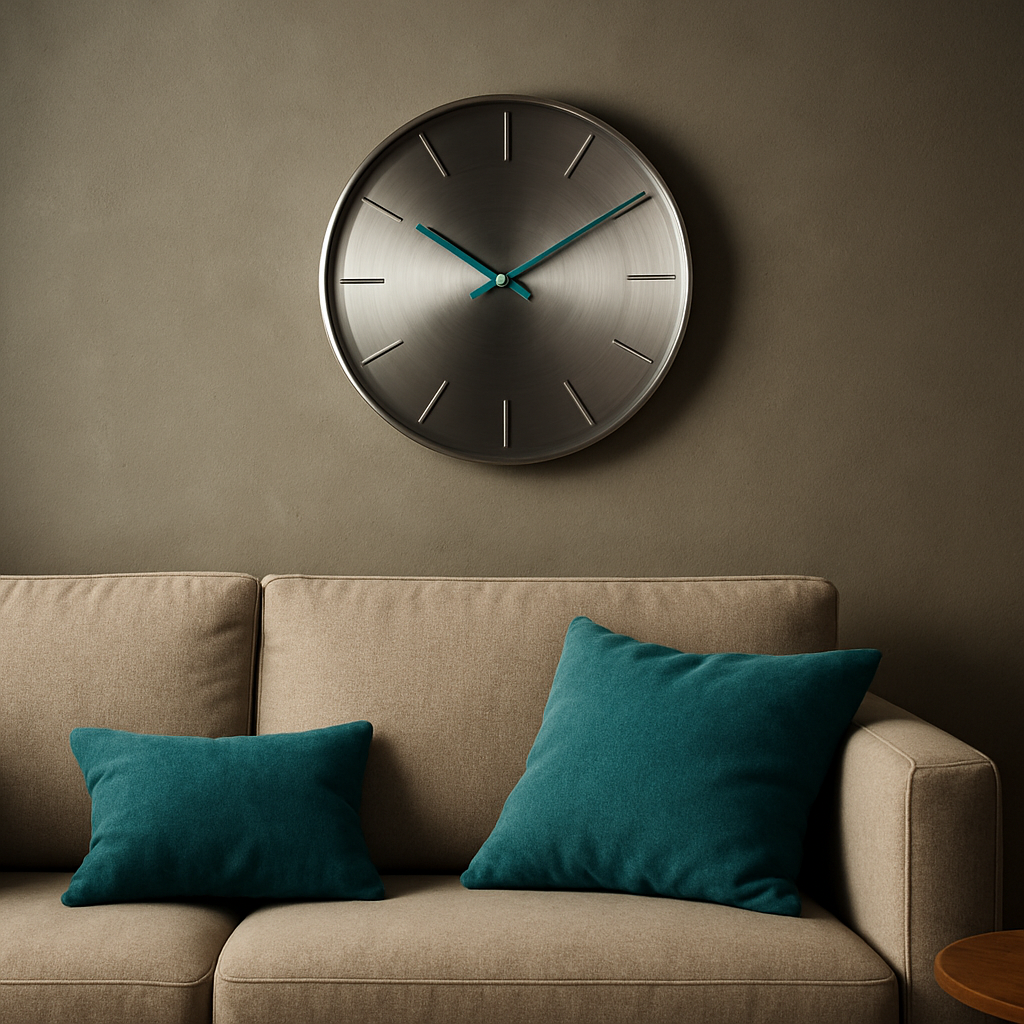
Don’t feel forced to stick to neutrals. A splash of colour on the dial or hands can tie together accent pillows, artwork, or even a favourite piece of pottery. Imagine a teal‑blue hand on a brass‑frame clock that picks up the teal cushions on your sofa – suddenly everything feels coordinated.
When you’re uncertain, grab a swatch of the finish (many retailers will send a small sample) and hold it next to your wall colour for a few minutes. Does it feel right under the room’s lighting? If you’re happy, move on.
Personalization: make it yours
Adding a custom engraving or a photo to the clock transforms it from décor to heirloom. It could be a family name, a meaningful date, or a tiny illustration that reminds you of a special moment. The right touch turns a functional object into a conversation starter.
Things Remembered offers a range of personalized clocks that let you choose colour, style, and the exact wording you want on the face. Their selection shows how a simple engraved line can make a piece feel like it was made just for you: personalized clocks.
Think about the occasion you’re celebrating – a housewarming, an anniversary, a first‑home milestone. A subtle monogram or a short quote can anchor the clock to that memory, making it something you’ll look at every day and smile.
Quick colour‑and‑personalization checklist
- Identify the room’s dominant colour palette.
- Decide if you want the clock to blend or pop.
- Choose a finish that matches the usage level (oil, lacquer, powder‑coat).
- Test a small sample against your wall under natural and artificial light.
- Pick an accent colour for the dial or hands that ties to existing décor.
- Consider a personalized engraving – keep it short, meaningful, and legible.
Once you’ve ticked those boxes, you’ll have a clock that not only tells time but also tells your story, perfectly tuned to the colour, finish, and personal touches that make your home feel truly yours.
Step 6: Maintaining and Showcasing Your Clock
So you’ve picked the perfect clock—maybe a brushed‑steel piece with teal hands, or a warm walnut frame that whispers heritage. The fun part now is keeping it looking fresh and making it a real show‑stopper on your wall.
First up, think of maintenance as a tiny habit, not a chore. Dust it once a week with a soft microfiber cloth; that alone stops a film of grime from dulling the finish. If you have a metal case, a quick swipe with a barely damp cloth (no harsh chemicals) will lift fingerprints without stripping the powder‑coat.
Cleaning the face and hands
When the clock’s hands start looking smudged, grab a cotton swab dipped in a drop of mild dish soap diluted in water. Gently roll the swab along each hand, then wipe away any residue with a dry part of the swab. Avoid spraying anything directly onto the dial—liquid can seep into the movement and cause trouble.
For glass‑covered faces, a spray of window cleaner on a cloth (never on the glass itself) does the trick. Wipe in a circular motion; you’ll see the reflections pop again in no time.
Keeping the mechanism happy
If you chose a quartz clock, pop the battery out every 18‑24 months even if it still seems to run. Fresh batteries keep the time spot‑on and prevent corrosion at the contacts. When you replace it, use a small flat‑head screwdriver and make sure the polarity matches the markings.
Mechanical lovers, you know the ritual of winding. Set a reminder on your phone for the same day each week—think of it like watering a plant. A well‑wound spring means smoother sweeps and less wear on the gears. And if your clock has a pendulum, give it a gentle tap now and then; that helps the regulator stay steady.
Protecting from sunlight and humidity
Sun‑flooded rooms are gorgeous, but UV rays can fade finishes over time. If your clock lives above a sunny window, consider a sheer curtain or a UV‑filtering film. The same goes for bathrooms: the steam can creep into the movement, so keep the clock at least a foot away from the shower wall.
Humidity is another silent enemy, especially for wooden cases. A simple dehumidifier in damp climates, or a breathable room‑plant nearby, can keep the wood from swelling. Periodically check the back of the case for any signs of water spotting.
Showcasing it like a pro
Now that it’s clean, let’s make it a focal point. One trick we love is layering: hang a slim gallery of black‑and‑white photos directly beneath the clock, leaving a narrow strip of wall exposed. The eye naturally travels from the artwork up to the clock, giving it a built‑in spotlight.
Another idea is to play with lighting. A warm LED strip tucked behind the frame (set on a low dim) creates a soft halo that highlights the hands after dark. If you prefer a more subtle vibe, a directional track light aimed at the centre of the dial can turn a quiet piece into a nighttime accent.
Don’t forget the power of colour accents. Pick up a cushion or vase that mirrors the clock’s hand colour—those tiny visual echoes tie the whole room together. It’s the kind of detail that makes guests pause and say, “Wow, that’s intentional.”
Quick maintenance checklist
- Dust with microfiber weekly.
- Wipe hands and face with a damp cloth monthly.
- Replace quartz battery every 18‑24 months.
- Wind mechanical clocks on a set day each week.
- Shield from direct sunlight and excess humidity.
- Refresh lighting or backdrop seasonally to keep the display fresh.
Give yourself a few minutes every month to run through this list, and your clock will stay as striking as the day it arrived. And when you finally step back and see it ticking proudly above the sofa, you’ll know that a little care turned a beautiful object into a lasting piece of your home’s story.
FAQ
What types of clock mechanisms are best for a living‑room setting?
Living‑room clocks need to balance visual impact with quiet operation. A quartz movement is perfect if you want a whisper‑quiet sweep‑hand that won’t compete with conversation or a TV soundtrack. Mechanical pieces add charm with visible gears, but they can produce a soft tick that some find soothing. Think about the room’s acoustics: if you love a subtle hum, a well‑tuned mechanical works; otherwise, stick with quartz for hassle‑free serenity.
How do I choose the right size clock for a hallway?
Measuring the wall first saves you from a clock that overwhelms a narrow passage. Aim for a piece that occupies roughly one‑third of the wall width, and keep the centre about eye level – around 57‑60 inches from the floor. In a hallway, a slim vertical clock or a narrow rectangular design maintains flow, while a large round clock can feel cramped. Use painter’s tape to outline the dimensions before you buy, then step back and see if the proportion feels right.
Can I mix metal and wood clocks without looking mismatched?
Mixing metal and wood can feel intentional if you respect each material’s personality. Pair a brushed‑steel clock with a warm walnut frame on the wall; the cool tone of the metal will highlight the wood’s richness, creating a balanced contrast. Keep the colour palette cohesive – for example, choose a clock with a black‑finished case and a wood backing that matches other furnishings. Adding a small metal accent, like a brass hook, ties the two worlds together without looking haphazard.
How often should I service a mechanical wall clock?
Mechanical wall clocks benefit from a regular service schedule to keep the gears lubricated and the timing accurate. In our experience, a professional check‑up every two to three years prevents wear‑related drift. Between visits, wind the clock according to the manufacturer’s recommendation – usually once a week for spring‑driven models. Keep dust off the face with a microfiber cloth, and avoid direct sunlight which can dry out the lubricants faster than you’d expect.
What lighting tricks make my clock stand out at night?
Lighting is the secret sauce that makes a clock a piece of art after dark. A thin LED strip tucked behind the frame casts a soft halo that highlights the hands without glare. If you prefer a tighter focus, a directional track light aimed at the dial’s centre creates a spotlight effect, perfect for a statement piece in a dining room. Experiment with dimmer settings so the clock glows warmly during evenings but stays subtle during daytime activities.
Are there eco‑friendly clock options that still feel luxurious?
Eco‑friendly clocks don’t have to sacrifice style. Look for pieces made from FSC‑certified timber or recycled aluminium – both materials give a premium feel while reducing environmental impact. Many sustainable clocks feature minimalist designs that blend seamlessly with luxury interiors, so you get the clean aesthetic you love without compromising on ethics. Pair a reclaimed‑wood clock with neutral walls for a warm, grounded vibe, or choose a brushed‑recycled‑metal frame for a sleek, modern statement.
How can I personalize a clock without it looking kitschy?
Personalizing a clock can be as simple as swapping the hands for a colour that picks up a cushion or artwork you already love. If you want something more bespoke, a subtle laser‑etched monogram on the dial adds a personal touch without overwhelming the design. Keep the lettering small and choose a tone that contrasts just enough for readability. This way the clock feels custom‑made yet still fits the overall décor scheme.
Conclusion
We've wandered through style, size, mechanism, material, colour, and care, and by now you can picture the perfect clock hanging in your home. It’s not just about telling time – it’s about setting a mood, echoing your palette, and adding a subtle piece of personality that ages with you.
So, what’s the next step? Grab a phone, snap a photo of the wall you’ve been eyeing, and lay out a paper cut‑out or use painter’s tape to map the dimensions. Let the mock‑up sit for a day and notice how the light, the furniture, and even the sounds of the room interact with the piece.
Remember the three quick rules we kept returning to: match the clock’s material to the dominant finish in the room, pick a mechanism that fits your lifestyle (quiet quartz for a home office or a winding mechanical for a heritage vibe), and test the visual weight before you click “add to basket.” Sustainability isn’t a bonus either – FSC‑certified wood or recycled metal gives you luxury without compromise.
When you feel that quiet confidence that the clock belongs, trust that instinct. Explore our curated selection of decorative wall clocks, and let the right piece become the silent anchor that ties your whole space together.
← Older Post Newer Post →