
Choosing Inside Mount Blinds for Shallow Windows: A Home Interiors Guide
Posted by Derek Lamb on
Picture this: you’ve just moved into a sleek new loft, the light streams through those narrow, shallow windows, and you realize the standard inside‑mount blinds you’ve always used just won’t fit.
We’ve all been there – standing in the showroom, holding a blind that looks perfect on paper, only to discover the frame is too shallow for a proper inside mount. It’s that frustrating moment when a design dream hits a practical wall.
Inside mount blinds for shallow windows are a bit of a hidden gem. Because the mounting hardware sits inside the frame, you get a clean, built‑in look, but with shallow depths you need a slimmer rail and a clever mounting technique. Otherwise you end up with gaps, wobbling slats, or a blind that simply won’t stay put.
So, what’s the secret? It starts with measuring the exact depth of your window frame – not just the width. In our experience, a depth of 45 mm or less calls for an ultra‑slim rail system. These rails are designed to sit flush, giving you that seamless appearance without sacrificing functionality.
Think about the rooms where you’ll use them. A kitchen splash‑back window or a bathroom vanity window often have the shallowest frames. You want a blind that’s easy to clean, resists moisture, and still looks luxe. Imagine a soft, blackout fabric that slides silently, keeping your morning coffee routine undisturbed while preserving privacy.
And if you’re pairing the blinds with other interior pieces, consider the overall aesthetic. A light‑colored wooden blind can echo the tones of a live‑edge coffee table, while a sleek metal rail can complement a contemporary wall mirror from our collection.
Does this sound like a puzzle you’d like to solve? Good news – the right inside‑mount solution can turn those shallow windows from a design challenge into a stylish focal point. Let’s dive deeper into the options, installation tips, and why choosing the right hardware matters for a flawless finish.
TL;DR
Inside mount blinds for shallow windows let you keep a sleek, built‑in look even when depth is under 45 mm, using ultra‑slim rails that hide hardware and stay stable.
Choose moisture‑resistant fabrics and custom finishes to match your kitchen, bathroom or loft and enjoy effortless style in your home today always.
Why Inside Mount Blinds Suit Shallow Windows
When you stand in front of a shallow window, the first thing you notice is the lack of depth – it feels like the frame is trying to swallow any hardware you try to cram inside. That cramped feeling is exactly why inside mount blinds are the perfect match. They disappear into the frame, leaving only the slats and a whisper of rail, so the window looks built‑in rather than patched.
In our experience at Harvey Bruce Interiors, the moment a homeowner sees a blind that actually sits flush, the room instantly feels more refined. It’s the kind of subtle upgrade that says, “I’ve thought about the details,” without shouting about it.
The space‑saving advantage
Shallow windows usually sit under 45 mm deep. Traditional inside mounts need a rail that’s at least 30 mm, which leaves a gap that can wobble or even pull the blind off the track. Ultra‑slim rails, often just 12–15 mm, hug the frame like a second skin. Because the rail is so thin, the blind can still open and close smoothly, and there’s no unsightly hardware protruding into the room.
Think about a kitchen splash‑back window. You’re juggling a coffee mug, a cutting board, and the occasional steam burst. A blind that sticks out a few centimeters becomes a nuisance – you keep bumping into it. Inside mount blinds stay out of the way, letting you focus on the pour‑over rather than the blinds.
Moisture‑resistant magic
Bathrooms and laundry rooms love shallow frames because the wall space is at a premium. But those rooms also love humidity. That’s why the fabric choice matters as much as the rail. Moisture‑resistant blackout or woven fabrics keep mildew at bay, and because the hardware is hidden, there’s less crevice for damp air to linger.
Imagine the moment you pull the blind down after a hot shower, and there’s no musty smell. It’s a small comfort, but it adds up to a feeling of thoughtful design.
Design harmony
Inside mount blinds give you a canvas to play with colour and texture without fighting the window’s architecture. A light‑washed wooden blind can echo the natural grain of a live‑edge bench, while a sleek metal‑finished rail can mirror a contemporary wall mirror. Because the blind sits inside, the visual line stays clean, making the window feel larger – a real win for lofts with narrow panes.
And if you’re a couple just moving into your first home, those visual tricks can make a modest space feel like a designer’s showcase.
Watching a short walkthrough of an inside‑mount installation can demystify the process. You’ll see how the ultra‑slim rail slides into the jamb, how the brackets are barely visible, and how the blind glides with barely a whisper.
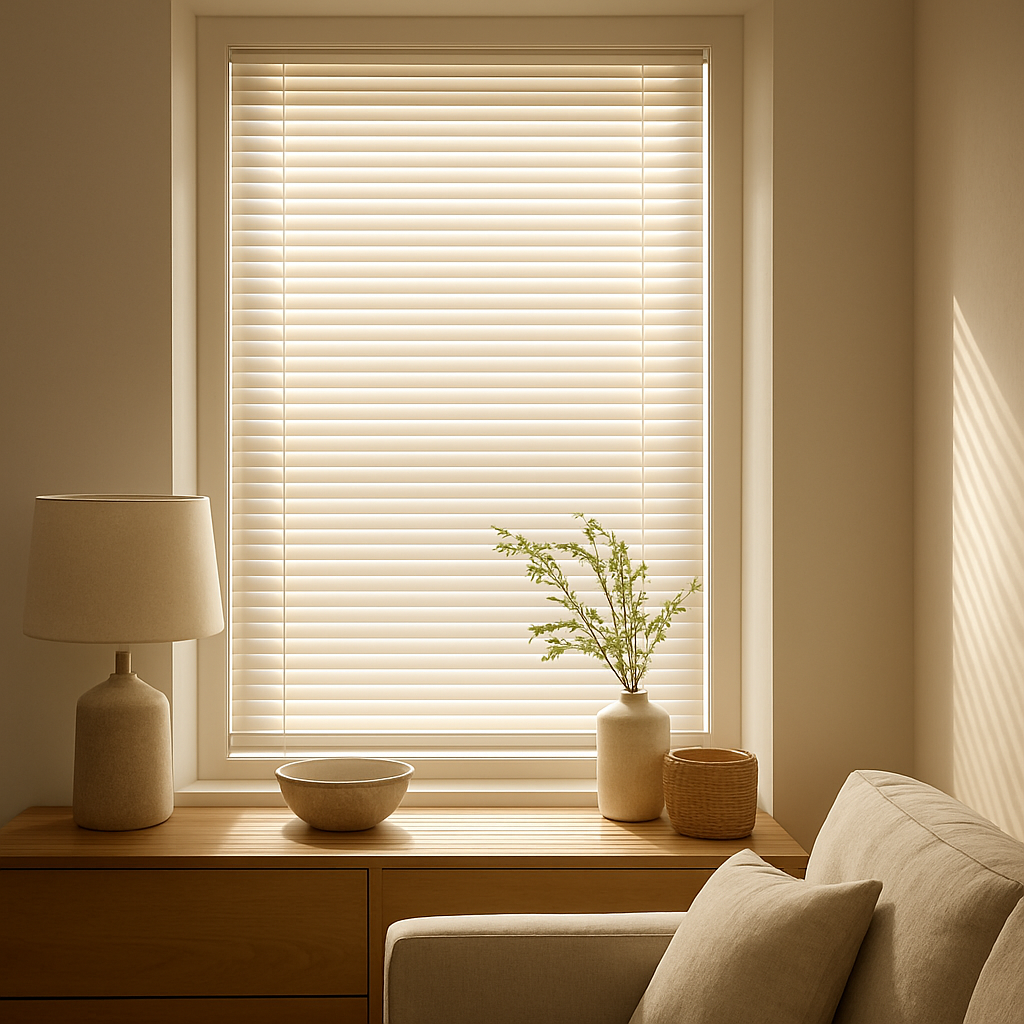
Here’s a quick checklist to make sure your shallow‑window project stays on track:
- Measure the exact depth of the frame – include any molding.
- Choose a rail under 15 mm for depths ≤45 mm.
- Select moisture‑resistant fabric if the window is in a wet area.
- Match the blind’s finish to nearby furniture or fixtures for cohesion.
- Test the blind’s operation before finalising the mount to avoid wobble.
Does that feel doable? Absolutely. The trick is treating the shallow window not as a limitation, but as an invitation to get creative with sleek, hidden hardware. When the blind disappears, the room gets a little more breathing room – both physically and visually.
So, if you’re standing in front of a shallow window wondering how to keep the look clean and the function solid, remember: inside mount blinds are engineered for exactly this scenario. They give you the luxury of a built‑in look without the bulk, and they let you pair the window with the rest of your interior story effortlessly.
Measuring Your Shallow Window for a Perfect Fit
Okay, you’ve decided inside mount blinds for shallow windows are the way to go. The next question is: how do you actually measure so the blind slides in like a whisper, not a wobble?
Step 1 – Grab the right tools
First thing’s first, get a steel tape, a pencil, and a small level. If you have a smartphone, a measurement app can double‑check your numbers. Trust me, a quick glance at the tape without a level can leave you with a blind that tilts.
Step 2 – Measure the depth
Stand inside the window recess and measure from the back of the frame (where the glass meets the trim) to the front edge of the trim. Do this at the top, middle, and bottom – the shallowest spot wins. Most shallow windows sit under 45 mm (about 1¾ in). If you get 38 mm, you’re in the ultra‑slim rail zone.
Why the three‑point check? Because older homes love a little taper. A depth of 40 mm at the top but 35 mm at the bottom means a standard rail would hit the bottom trim and jam.
Step 3 – Capture the width
Measure width at the top, centre, and bottom of the opening. Use the smallest number – it’s the safety net that stops the blind from binding on one side. Write down both the smallest width and the longest height; you’ll feed those into the custom order form.
Pro tip: If you have a window with a decorative moulding, measure to the inside edge of the moulding, not the outermost wood. That tiny offset can be the difference between a seamless fit and a blind that looks like it’s trying to escape.
Step 4 – Check for obstructions
Look for anything that sticks out: handles, hinges, or a tiny vent. Even a 5 mm vent can force you to choose a slimmer rail or a top‑down/bottom‑up shade instead of a traditional blind.
And here’s a real‑world scenario: a client in a Victorian loft had a kitchen window with a decorative cornice that ate 6 mm of depth. We measured, subtracted, and specified a 3 mm ultra‑slim rail. The result? A blind that disappeared behind the cornice, letting the cornice shine.
Step 5 – Verify the hardware clearance
Once you have the depth, compare it to the rail’s specification. Most ultra‑slim rails sit at 20–25 mm total thickness, leaving you a few millimetres to play with. If your depth is tighter, consider a sliding‑glass‑door‑style mounting system that tucks the brackets even deeper.
Step 6 – Think about cleaning
After the blind is in, you’ll want it looking pristine. A quick swipe with a soft cloth works, but for stubborn grime, professional tools help. Check out the right gear from professional window cleaning equipment – they have brushes that reach into tight corners without scratching the rail.
Step 7 – Match the blind to the room’s palette
Now that the numbers are set, think about the overall vibe. In a bathroom with marble tiles, a moisture‑resistant fabric in a soft dove colour pairs nicely with a brushed‑nickel rail. In a living‑room with a walnut floor, you might echo the wood tone on the blind’s cassette.
If you’re already updating the floor, a quick chat with expert flooring installers can ensure your new blind complements the finish, creating a cohesive look from floor to ceiling.
Quick checklist before you order
- Depth at three points – use the smallest.
- Width at three points – use the narrowest.
- Subtract any moulding or vent intrusion.
- Confirm rail thickness fits the available depth.
- Choose a moisture‑resistant fabric for kitchens/bathrooms.
- Plan cleaning tools ahead of time.
Following these steps takes the guesswork out of the equation, leaving you with a blind that slides effortlessly and looks like it was born inside the window. You’ll avoid the dreaded “gap” look and get that sleek, built‑in finish we all love.
Installation Steps for Inside Mount Blinds
Step 1 – Clean the window opening
Now that you’ve measured and picked the perfect fabric, it’s time to get those inside mount blinds for shallow windows up and running.
Grab your ultra‑slim rail, brackets, mounting screws, a small drill, and a level – everything should fit in the shallow recess without a fight.
A quick dust‑off with a soft brush prevents debris from wedging the rail later.
Step 2 – Position the rail
Hold the rail against the inside of the frame, aligning the pre‑drilled holes with the mounting points.
If the rail feels like it’s pushing against the trim, double‑check that you used the smallest depth measurement – that’s the safety net we always use.
Step 3 – Mark the screw locations
Use a pencil to make tiny dots where the holes meet the wood or aluminium.
Tip: A quick tap with a nail‑set creates a shallow pilot hole, so the screws don’t split the frame.
Step 4 – Pre‑drill the pilot holes
A 3 mm bit is usually enough for the slim brackets; go just deep enough to let the screw bite.
Don’t over‑drill – you want the screw head to sit flush against the bracket, not sink into the wood.
Step 5 – Attach the brackets
Screw each one in securely, but stop short of overtightening; a little give keeps the rail level.
Give the rail a once‑over with a level. If it leans even a millimetre, tighten the opposite side a touch.
Step 6 – Slide the blind cassette onto the rail
Most ultra‑slim systems have a snap‑in clip – you’ll hear a soft click.
If it resists, it’s usually because the rail isn’t perfectly straight. Loosen the brackets just enough to flex, then re‑align.
Step 7 – Connect the lift cords or motor
For manual cords, thread them through the designated guides; for motorised kits, hook up the battery pack.
We’ve seen homeowners get tripped up when the cord is too tight – it makes the blind hunt for the bottom. Keep tension low enough for smooth travel.
Step 8 – Test the operation
Pull the cord or press the remote a few times; the slats should glide without binding.
If you notice any wobble at the edges, re‑check the bracket screws – sometimes a single loose screw creates that “gap” look we all dread.
Step 9 – Trim any excess cord
Use a small pair of scissors to cut just above the cord lock, leaving a neat finish.
Step 10 – Seal the edges
A dab of clear silicone behind the rail stops drafts and keeps dust from sneaking behind the blind.
Finally, step back and admire. Inside mount blinds for shallow windows should sit flush, looking like they were born inside the frame.
Enjoy the sleek look, and remember – a little patience during installation pays off with years of effortless style.
Choosing the Right Fabric and Color
When you finally have the perfect ultra‑slim rail, the next decision feels a lot like picking a paint swatch for your living‑room wall – it sets the mood for the whole space.
Do you want a whisper‑quiet blackout that tucks the morning sun away, or a light‑filtering linen that lets a soft glow dance across your kitchen counter? Your answer will guide the fabric family you choose.
Fabric families that love shallow frames
Inside mount blinds for shallow windows work best with fabrics that stay slim when folded, yet stay sturdy enough to handle frequent pulls. Here are the three go‑to families we see most often:
- Faux‑wood slats: give the warmth of real wood without the thickness. Perfect for modern lofts where you love the grain look but need a thin profile.
- Poly‑woven blackout: dense enough to block 85‑90% of light, yet thin enough to slide on a 20 mm rail.
- Linen‑blend filters: breathable, slightly textured, and they add a relaxed, lived‑in vibe to a bathroom or kitchen.
In our experience, matching the fabric’s weight to the rail’s thickness prevents wobble and keeps the blind flush against the trim.
Color: more than just a shade
Think of color as the silent partner in your design story. A neutral ivory or soft dove can make a cramped kitchen feel airy, while a deep charcoal anchors a sleek, contemporary lounge.
Ask yourself: what’s the dominant tone in the room? If your cabinets are warm walnut, a warm taupe blind will echo that richness. If you’ve gone all‑white, a cool gray adds subtle contrast without shouting.
And don’t forget the little details – the cassette, the rail finish, even the cord color. A brushed‑nickel rail paired with a muted slate fabric feels cohesive, while a glossy white rail with pastel cotton can feel playful.
Practical considerations
Moisture‑resistance is a must in bathrooms and kitchen splash‑backs. Look for fabrics treated with a water‑repellent coating; they stay fresh longer and won’t mildew.
UV‑resistance matters in sun‑drenched rooms. Some manufacturers embed UV inhibitors that keep colours from fading after a few seasons. If you’re undecided, a quick check on the product sheet will tell you the percentage of UV blockage.
Finally, think about cleaning. A fabric that can be vacuumed or wiped with a damp cloth saves you a trip to the professional cleaners – a win for busy homeowners.
Quick decision matrix
| Fabric Type | Key Feature | Best Room |
|---|---|---|
| Faux‑wood slats | Thin, wood‑look, durable | Living‑room, office |
| Poly‑woven blackout | High light blockage, slim profile | Bedroom, media room |
| Linen‑blend filter | Soft texture, breathable, moisture‑resistant | Bathroom, kitchen |
So, which combo feels right for you? If you’re leaning toward a luxe, low‑maintenance look, start with a faux‑wood option in a warm neutral and pair it with a brushed‑nickel rail. If privacy is your top priority, the poly‑woven blackout in charcoal will give you that theater‑ready darkness without adding bulk.
Need a little extra confidence? The Stoneside guide on shallow‑window blinds walks through the same fabric families and adds a handy depth checklist – a quick read that reinforces what we’ve covered here.learn more about selecting the right fabric for shallow windows.
Bottom line: choose a fabric that respects the rail’s slim envelope, pick a colour that dialogues with the room’s palette, and double‑check moisture and UV specs. When those boxes are ticked, your inside mount blinds for shallow windows will feel like they were tailor‑made for the space – and you’ll actually enjoy pulling them up and down every day.
Styling Ideas: Pairing Blinds with Bespoke Furniture
Imagine you’ve just installed inside mount blinds for shallow windows above a sleek, custom‑made coffee table. The rail is barely visible, the slats glide like a whisper, and the whole room feels suddenly coordinated. That moment of "aha!" is what we’re after – turning a practical solution into a design statement.
Match the rail finish to your furniture
One of the easiest ways to create harmony is to echo the finish of your bespoke pieces in the blind’s rail. If you’ve chosen a live‑edge acacia bench from our collection, a warm walnut‑stained rail will pick up the same grain tones. For a brushed‑nickel occasional chair, a sleek metal rail in the same alloy makes the window treatment feel like an extension of the furniture.
Here’s a quick step you can try: take a small paint chip or a metal swatch from your favourite piece, hold it up to the rail sample, and see if the undertones line up. If they do, you’ve already solved the biggest visual clash before the blind even goes up.
Play with colour and texture
Inside mount blinds for shallow windows give you a slim canvas – that means you can be bold with colour without overwhelming the space. A soft dove‑grey fabric works beautifully behind a charcoal marble countertop, while a deep navy linen adds drama to a light‑filled kitchen with white shaker cabinets.
Texture matters, too. Pair a linen‑blend filter with a hand‑woven rug under your bespoke wooden desk. The subtle nap of the fabric mirrors the linen’s softness, creating a tactile conversation that makes the room feel lived‑in.
Create a focal point with layering
Layering isn’t just for rugs. Try a light‑filtering Roman shade underneath your inside mount blinds. The blind provides privacy and clean lines, while the Roman shade adds a soft, folded backdrop when the blind is fully raised. In a loft where the windows are shallow, this double‑layer trick adds depth without sacrificing the sleek look of the rail.
Real‑world example: a client in a Victorian conversion wanted to keep the original cornice but also needed blackout for a home office. We installed ultra‑slim blackout blinds inside the frame and added a light‑filtering Roman shade in a muted cream. The result was a room that could go from bright morning work mode to a movie‑night cocoon in seconds.
Actionable checklist
- Take note of the dominant material in your bespoke furniture (wood, metal, glass).
- Select a rail finish that mirrors that material – walnut, brushed‑nickel, matte black.
- Choose a blind fabric that either complements or contrasts the furniture colour, keeping the room’s overall palette in mind.
- If you love texture, pair linen‑blend blinds with a woven rug or a tactile wall hanging.
- Consider a secondary shade (Roman or sheer) for added depth when the blind is up.
- Test fabric swatches against your furniture in natural light – the colour can shift dramatically.
- Measure the depth again after the rail is chosen; even a millimetre matters for a seamless fit.
And finally, give yourself permission to experiment. Inside mount blinds for shallow windows are forgiving because the rail is hidden – you can try a few combos in the showroom or order swatches before committing. The goal is to make the blinds feel like they were designed alongside your custom furniture, not tacked on afterwards.
When the rail, fabric, and furniture all speak the same design language, you’ll notice how the room flows. Light bounces off the polished wood, the blinds glide silently, and your bespoke pieces become the backdrop rather than competing for attention. That’s the sweet spot we aim for at Harvey Bruce Interiors – a space where luxury, function, and personal style sit together in perfect balance.

Maintenance and Care Tips
Why care matters for ultra‑slim systems
Inside mount blinds for shallow windows live in a tiny pocket of space, so even a speck of dust can feel like a big problem. Because the rail is only a few millimetres thick, grime that builds up on the cassette or the brackets can cause the blind to stick, wobble, or make that annoying squeak when you pull it down.
We’ve seen homeowners who skip the little maintenance steps end up with a blind that looks like it’s fighting the frame – and that defeats the whole purpose of a seamless, built‑in look.
Every‑day quick‑check routine (under 5 minutes)
Start your day with a 30‑second visual scan. Is the fabric looking flat, or are there any visible dust lines? Do the rail edges look dull or smudged? If anything looks off, you’ve already caught a potential issue before it turns into a costly repair.
Grab a soft, lint‑free cloth, a gentle vacuum brush attachment, and you’re set. No special tools required.
Step‑by‑step
- Turn the blind down halfway – this exposes the cassette and rail on both sides.
- Run the vacuum brush over the top edge of the rail to lift loose particles.
- Wipe the cassette with the cloth, using a tiny dab of mild dish soap diluted in water if you see stubborn smudge.
- Dry immediately with another dry cloth; moisture lingering on metal can cause rust over time.
Doing this once a week keeps the mechanism humming and the look pristine.
Deeper cleaning – once a season
When you’re ready for a more thorough clean (maybe after a spring dust storm or after a big renovation), pull the blind completely out of the rail. Most ultra‑slim systems have a release clip – you’ll hear a soft click when the cassette disengages.
Lay the blind flat on a clean surface, then:
- Vacuum the fabric side with a low‑suction upholstery tool. This removes embedded dust without pulling the fibres.
- Spot‑clean any stains using a fabric‑safe cleaner. Test on a hidden corner first.
- Wipe the rail and brackets with a microfiber cloth lightly dampened with a 50/50 water‑vinegar solution. Vinegar cuts mineral buildup from kitchen or bathroom steam.
Re‑assemble by snapping the cassette back into the rail, making sure the clips align perfectly. You’ll notice the blind glides smoother – it’s like giving it a fresh pair of shoes.
Protecting against moisture and UV
Shallow windows are often in kitchens, bathrooms, or lofts where steam and sunlight hit hard. Choose a fabric that’s moisture‑resistant and has UV inhibitors – most of the options we stock already include these treatments.
Even with the right fabric, a little extra care helps. After a hot shower, give the blind a quick swipe with a dry cloth. In bright rooms, close the blinds for a few hours each week to let the fabric “breathe” and avoid colour fade.
Lubricating moving parts
Some motorised or cord‑lift systems have small metal pivots that can get a bit sticky over time. A drop of silicone‑based spray on the pivot points (avoid the fabric) keeps the motion fluid. Just wipe away any excess so it doesn’t drip onto the blind.
Remember, a little lubrication every six months is all it takes to prevent the dreaded “wonky blind” scenario.
What to avoid
Don’t reach for harsh chemicals like bleach or abrasive scrubbers – they can damage the finish of the ultra‑slim rail and weaken the fabric’s coating. Also, steer clear of using a regular household broom; the bristles can bend the thin rail.
And please, never use a steam cleaner directly on the blind. The heat can warp the cassette and weaken the moisture‑resistant treatment.
When to call a professional
If after a thorough clean the blind still feels gritty, or if you notice the rail pulling away from the frame, it’s time to get a specialist. A quick service call can realign the brackets, replace a worn cassette, or tighten the screw set without you having to dismantle the whole window.
We’ve helped many of our clients avoid a full replacement by simply tweaking the mounting screws – a small fix that saves you a lot of money and preserves the bespoke look you love.
Quick maintenance checklist
- Weekly: visual scan, vacuum brush, wipe cassette.
- Seasonal: remove blind, deep‑clean fabric, rail, and brackets.
- Every 6 months: silicone spray on pivots, re‑tighten mounting screws.
- After heavy moisture exposure: dry‑wipe fabric within an hour.
- Annually: professional inspection if you notice any wobble.
Stick to this routine and your inside mount blinds for shallow windows will stay as smooth and stylish as the day they were installed – giving you that luxury, built‑in feel without the headache.
FAQ
Got questions about inside mount blinds for shallow windows? Below are the most common queries we hear from homeowners looking for a luxe, hassle‑free solution.
What depth qualifies as a “shallow” window?
Generally, any recess under 45 mm (about 1¾ in) is considered shallow. In that range you’ll need an ultra‑slim rail that’s 20‑25 mm thick or less. Measure at the top, middle and bottom of the frame; the smallest number wins. If you’re sitting at 38 mm, you’re safely in the ultra‑slim zone and can avoid bulky hardware that would otherwise stick out. That extra clearance lets the blind sit flush behind the trim, preserving the clean look you’re after.
Can I use motorised controls with ultra‑slim rails?
Yes, most manufacturers now offer a low‑profile motor kit that slides inside the same 20‑mm envelope. The motor sits behind the cassette, so you still get that hidden‑rail aesthetic. When choosing a kit, check the torque rating – shallow windows often have tighter tolerances, so a higher‑torque motor ensures smooth operation without straining the pivots. Installation is usually a simple snap‑in, but we recommend a quick test run before sealing the brackets.
What fabrics work best in kitchens and bathrooms?
Moisture‑resistant blends are key. Look for polyester‑linen or treated poly‑woven blackout that repels steam and dries quickly. These fabrics stay flat on the ultra‑slim cassette and won’t sag when humidity spikes. We often pair them with a brushed‑nickel rail because the metal doesn’t rust and adds a subtle shine that complements tile or marble. Spot‑clean with a damp cloth; avoid harsh chemicals that can break the water‑repellent coating.
How often should I lubricate the pivot points?
Every six months is a good rule of thumb, especially in high‑traffic rooms. A tiny drop of silicone‑based spray on each metal pivot keeps the blind gliding silently. Wipe away any excess so it doesn’t drift onto the fabric. If you notice a squeak before the six‑month mark, give it a quick spray – it’s cheaper than a service call and extends the life of the rail.
Will the blinds interfere with window insulation?
Inside mount blinds actually help seal the window cavity. When the cassette is fully lowered, the fabric presses gently against the frame, reducing drafts. Just be sure the rail isn’t too tight; a few millimetres of play lets the blind sit flat without distorting the glass. Pairing the blinds with a low‑e film gives you both style and an extra layer of energy efficiency.
What’s the best way to clean the ultra‑slim rail?
Grab a soft microfiber cloth and a brush‑attachment for your vacuum. Run the brush along the top edge of the rail weekly to lift dust before it settles. For stubborn grime, dampen the cloth with a 50/50 water‑vinegar mix and wipe gently – the acidity dissolves mineral buildup without harming the metal finish. Dry the rail immediately to avoid any rust‑forming moisture.
When should I call a professional instead of DIY?
If you spot any wobble after tightening the screws, or if the blind refuses to slide evenly, it’s time for a specialist. Professionals can realign brackets, replace a worn cassette, or adjust the motor’s torque without dismantling the whole window. A quick service call often saves you from a costly full‑replacement, and it preserves the bespoke look you’ve invested in.
Conclusion
So you’ve walked through measuring, picking fabric, installing, and caring for your inside mount blinds for shallow windows. By now you’ve seen how a tiny rail can hide behind trim, seal drafts, and still look luxe.
What really sticks with me is the moment a homeowner lifts the blind and watches the slats glide silently, like a soft breath over the room. That quiet confidence is what we aim for at Harvey Bruce – a solution that feels custom‑made without the hassle.
Remember these three takeaways: measure depth at three points and use the smallest number; choose a slim, moisture‑resistant fabric that matches your palette; and set a quick weekly check‑up so dust never gets a foothold.
If you’re still on the fence, picture the same shallow kitchen window you’ve been fighting with a bulky shade. Now imagine the rail disappearing, the cornice shining, and the light filtering just right. It’s a small change that transforms the whole space.
Ready to give your home that seamless, built‑in look? Grab a swatch, double‑check your depth, and let the ultra‑slim rail do the heavy lifting. You’ll soon wonder how you ever lived without inside mount blinds for shallow windows.
Enjoy the calm it brings.
← Older Post Newer Post →