
News
Harvey Bruce are proud to announce that we have received not one but two awards at the Best of Scottish Business ceremony held recently by The Scottish Enterprise trust in Stirling.
We are delighted to be the recipient of "Best Bespoke Blinds & Shutters company" and also received the much coveted "Customer service excellence" awards. These awards are based on customer reviews and we would like to thank all of our customers who have participated in leaving us some wonderful feedback.
A Huge Thank You - from us all
@ Harvey Bruce.
How to Arrange Furniture in a Long Narrow Living Room for a Stylish, Functional Space
Posted by Harvey Bruce on
Ever walked into a living room that feels like a hallway, where every step just slides past the same wall? It’s that cramped, endless‑looking vibe that makes you sigh and wonder if you’ll ever enjoy the space. That’s exactly what we’re tackling when we talk about how to arrange furniture in a long narrow living room.
You’re not alone – many homeowners dreaming of a luxe feel hit this same snag. The good news is that a few strategic tweaks can turn that tunnel‑like layout into a cosy, gallery‑style lounge that still feels spacious. Think of it as rearranging the pieces on a chessboard, only the pieces are your sofa, chairs, and that gorgeous bespoke coffee table you’ve been eyeing.
First, visualise the room as a series of zones rather than one long rectangle. One end can host your main seating area, the middle might showcase a statement rug or art piece, and the opposite side could become a subtle reading nook or a sleek console for storage. By breaking the length into purposeful sections, you instantly add depth and interest.
Next up, pick a focal point that draws the eye across, not down, the length. A striking pendant lamp, a large mirror, or a beautifully crafted bespoke bench can serve that purpose. When you anchor the room with something bold at one end, the eye naturally travels the space, making the room feel balanced instead of stretched.
Scale matters, especially in a skinny layout. Choose low‑profile sofas or sectional pieces that hug the back wall, leaving room for circulation. A slim, tapered armchair or a set of nesting tables can add function without crowding the flow. Remember, every inch you save on bulk is an inch you gain for movement.
Create a clear traffic lane – think of it as the runway for daily life. Keep at least 90 cm (about three feet) of clearance between pieces so you can glide through without bumping into a coffee table. If you’re unsure, lay a rug runner first; it instantly maps the pathway.
Lighting and texture finish the picture. In our experience at Harvey Bruce Interiors, we find that tall floor lamps placed opposite the seating draw the eye upward, breaking the room’s length. Pair a plush, natural‑woven rug with a few curated accessories – perhaps a handcrafted ceramic vase from our bespoke collection – to add warmth and visual layers.
So, what’s the next step? Grab a tape measure, sketch your floor plan on graph paper, and start moving the big pieces around – no need to buy anything new just yet. Play with the zones, test the traffic lane, and watch the room transform from a corridor into a stylish, livable haven.
TL;DR
Create zones in a long narrow living room, anchor each end with a statement piece, and leave a 90 cm traffic lane so you can move freely.
Use low‑profile, tapered furniture, a tall floor lamp opposite the seating, and a natural‑woven rug, plus Harvey Bruce’s bespoke accessories, for balanced, cosy style.
Step 1: Measure and Map Your Long Narrow Living Room
First thing's first – before you start moving sofas around, you need to know exactly what you’re dealing with. That feeling of walking into a hallway‑like lounge disappears as soon as you have a clear map of the space.
Grab a measuring tool
A good old tape measure does the trick, but a laser distance meter saves time if you’ve got one. Measure the length from wall to wall, then note the width at the narrowest point – often around a door frame. Don’t forget the height of the ceiling, the size of any built‑ins and the clearance around doors.
Sketch a scale plan
Take a sheet of graph paper and decide on a simple scale – for example one square equals ten centimetres. Draw the perimeter, then add windows, doors and any permanent features. Next, cut out paper templates of your key pieces – sofa, armchair, bench – and slip them onto the grid. This visual exercise shows you instantly whether a low‑profile sofa will hug the back wall or crowd the traffic lane.
Once your sketch is on the floor, step back and visualise three zones – a seating area, a rug or artwork focal point, and a secondary nook for reading or display. Mark a 90 cm (about three feet) clear pathway between them; that’s your traffic lane. If the lane feels tight, shuffle the templates until you have at least that breathing space.
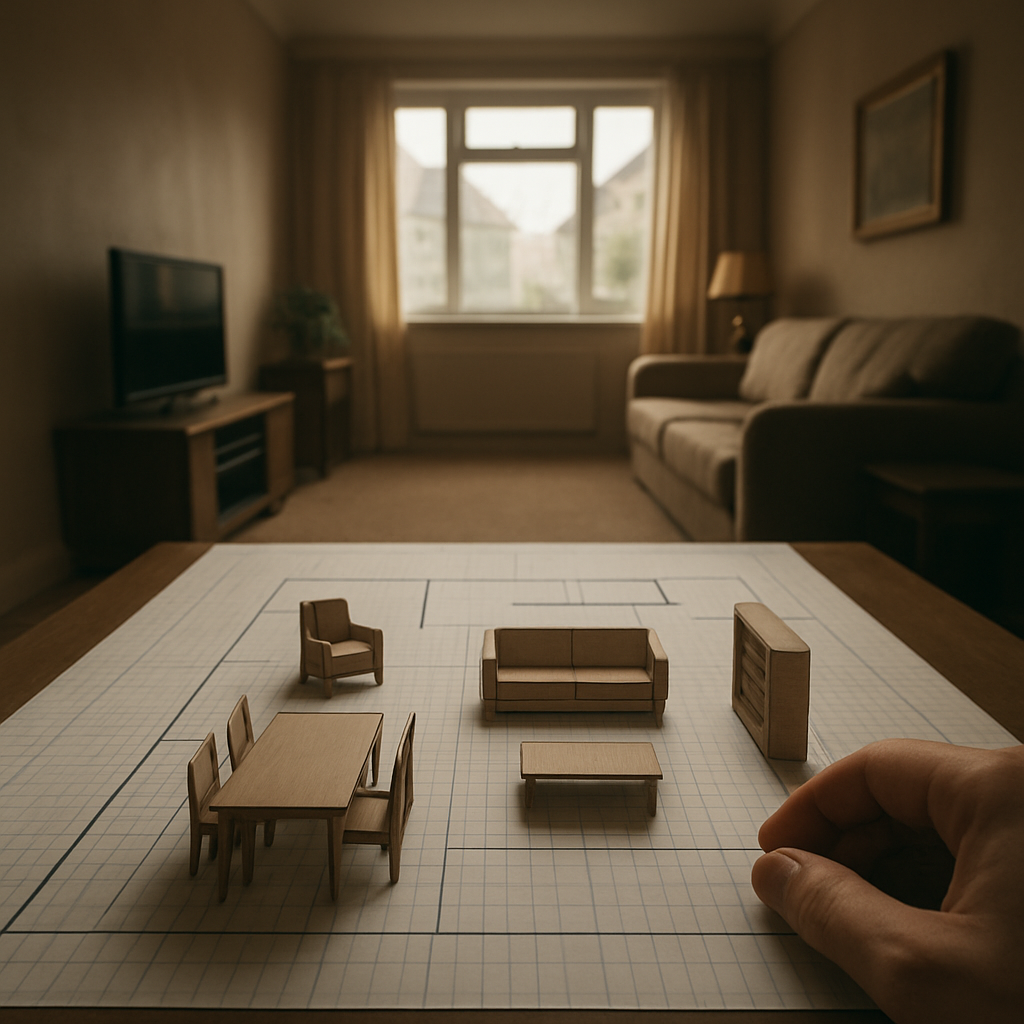
Now that you’ve mapped every inch, you’re ready for the next stage – arranging the pieces to flow with that lane. Grab your tape, pull out the sofa, and start experimenting. You’ll be amazed how a simple measurement can turn a tunnel‑like room into a cosy, gallery‑style lounge.
Step 2: Define Functional Zones and Traffic Flow
Now that you’ve got a rough sketch, it’s time to think in “vignettes” instead of a single monolithic room. Picture the length as a series of mini‑rooms – a cosy seating nook, a display zone for art or a console, and a quiet reading corner. Each pocket should have a purpose, and the purpose should guide the furniture you choose.
Start with the biggest piece – usually the sofa. Push it against the back wall, but leave at least 90 cm of clearance on either side for a clear traffic lane. Then add a pair of low‑profile chairs angled toward each other; this creates an intimate conversation island without choking the flow.
Next, define a secondary zone. A slender bench or an elegant bench placed perpendicular to the sofa can act as a subtle divider while offering extra seating. Because it’s narrow, it doesn’t steal floor space, yet it visually breaks the length into two balanced sections.
Use rugs to anchor each zone – a runner under the main seating, and a smaller patterned rug under the bench area. As designers at Homes & Gardens note, a change in texture or colour signals a new functional area without the need for walls.
Don’t forget lighting. A floor lamp on the far side of the traffic lane pulls the eye across the room, while a pendant over the reading nook adds vertical interest. If you need extra illumination, consider a specialist installer – LED Artistry can help you integrate sleek, dimmable fixtures that respect the narrow profile.
Finally, add a finishing touch to the wall space between zones. A striking landscape piece from Gratitude Studios not only fills the visual gap but also ties the whole layout together with colour and personality.
Step 3: Choose the Right Furniture Scale and Layout Options
Now that you’ve zoned the room, the next puzzle is the scale of each piece and how they sit together. When you’re figuring out how to arrange furniture in a long narrow living room, size really does matter.
Start with low‑profile sofas or sections that hug the back wall. A piece that’s under 80 cm tall keeps the ceiling feeling higher, and a slim depth (under 90 cm) leaves breathing room for the traffic lane you built earlier. And if you love a bit of drama, a tapered armchair with narrow legs adds height without bulk.
What if your sofa feels like a ship stuck in a hallway? You’ll notice it right away – you can’t swing a coat rack without nudging it. That’s a sign you need to down‑size or swap for a slimmer silhouette.
Look for furniture with exposed legs or glass tops. They create visual lightness, letting the eye travel down the length instead of getting stuck on massive blocks. In our experience, a sleek coffee table with a thin metal frame works wonders for narrow rooms.
Play with layout options
Try floating the main seating away from the wall by a few inches. This opens the visual corridor and lets you slip a narrow console or a pair of nesting tables behind the sofa for storage. Parallel arrangements – two chairs back‑to‑back with a slim ottoman in the middle – can break the length into bite‑size zones without adding extra walls.
Another trick is to place a long, low bench perpendicular to the wall, creating a subtle divider that still respects the room’s narrow profile. The layout ideas for narrow living rooms often recommend this kind of “floating island” to keep flow smooth.
Does that feel right? Walk the imagined path with your shoes on – if you can swing your arms without brushing a leg, you’ve hit the sweet spot.
Grab a tape measure, shift one piece a few centimetres, and re‑check the 90 cm clearance. Small tweaks now save you a major rearrange later.
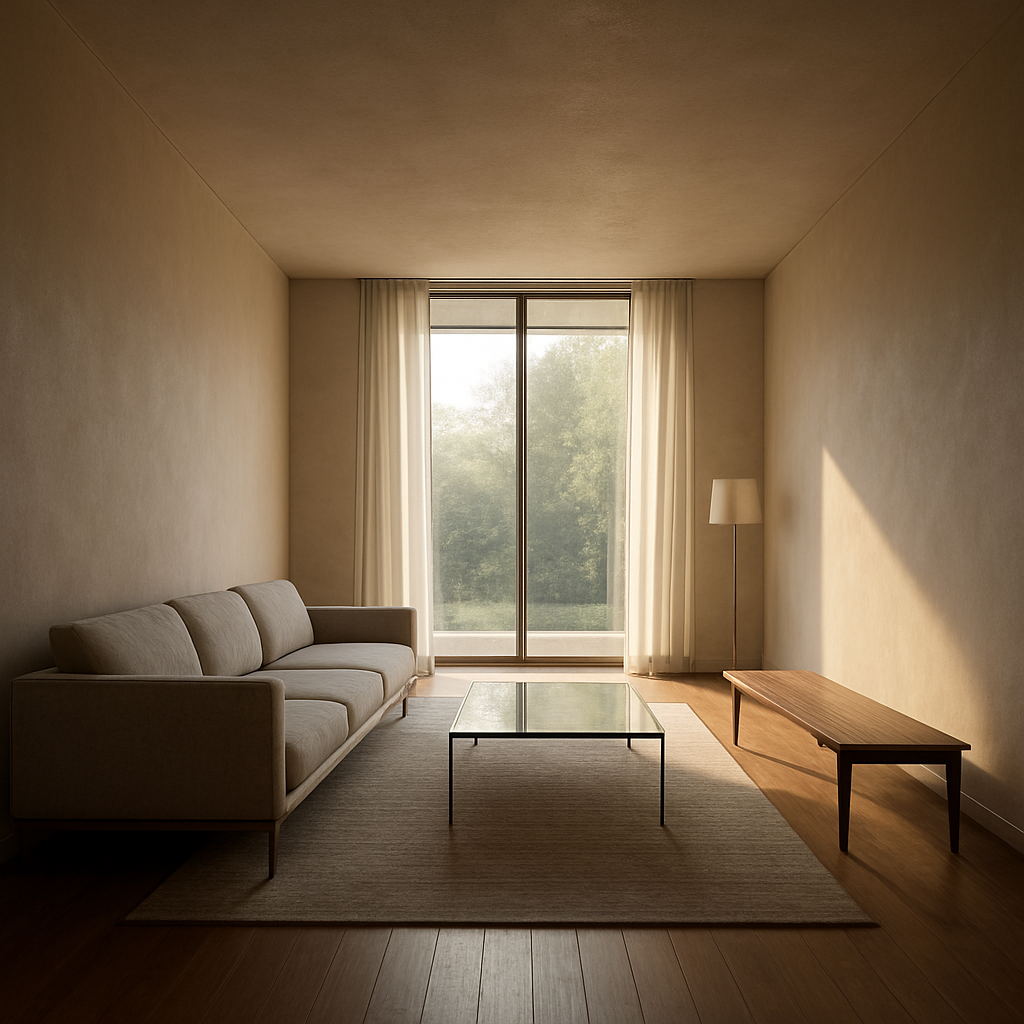
When the scale feels right, the layout falls into place – and the room finally stops feeling like a hallway.
Step 4: Incorporate Wooden Plantation Shutters for Style & Energy Efficiency
So you’ve got your zones and traffic lane sorted – now think about the windows. In a long narrow living room, the right window treatment can be the secret sauce that pulls the whole look together while shaving a few degrees off your heating bill.
Why wooden plantation shutters work
Wooden shutters give you clean lines that echo the sleek profile of low‑profile sofas. Because the slats are solid, they block drafts better than fabric curtains, keeping the warm air you’ve coaxed into the room from slipping out the side.
Imagine a chilly morning: you pull the shutters shut, and the room feels cozier, the radiator doesn’t have to work overtime. That’s real energy savings, not just a pretty claim.
Pick a finish that plays with your layout
Light‑coloured oak or walnut adds a warm glow that brightens the length of the space, while dark mahogany can ground a room that feels too stretched. If you’ve layered a light rug under the seating zone, a matching light shutter helps the eye travel horizontally, making the room feel wider.
Tip: Choose a tilt‑adjustable design so you can angle the slats to let in just enough daylight without glare on the TV or artwork.
Installation tricks for narrow walls
Measure the window opening exactly – even a centimetre off can throw off the balance of the whole room. Mount the shutters inside the frame if you want a built‑in look; it frees up a few precious centimetres of wall space for hanging art or a narrow console.
And because the shutters sit close to the wall, you can place a slim side table or a narrow bookshelf right behind them without crowding the traffic lane.
In our experience at Harvey Bruce Interiors, clients love the way bespoke wooden shutters complement our handcrafted furniture, creating a unified, luxurious vibe that feels both stylish and practical.
Ready to give your narrow living room that polished, energy‑smart finish? Pick the wood tone that mirrors your furniture palette, order a custom set, and watch the room transform in a single afternoon.
Step 5: Add Bespoke Accessories and Final Styling Touches
Now that the shutters are up and the zones are mapped, it’s time to sprinkle the personality that makes a long narrow living room feel lived‑in, not a hallway.
Layered textures and statement pieces
Think about the textures you love – a hand‑woven rug, a brass lamp, a velvet cushion. In a slim space each material adds depth without hogging floor area. A single oversized mirror on the far wall, for example, bounces light the length of the room and tricks the eye into seeing more width.
Does a bold piece feel out of place? Not when it’s anchored to a bespoke accessory from Harvey Bruce – a sculptural ceramic vase or a custom‑crafted wooden tray that echoes the shutter finish. Because the piece is purposeful, it becomes a focal point rather than clutter.
Curated accessories that pull the zones together
Use the space between zones to showcase a curated shelf of books, a few curated travel‑souvenirs, or a row of low‑profile side tables. A narrow console behind the shutters can hold a scented candle and a small stack of design magazines, adding warmth without blocking the traffic lane.
And what about colour? A handful of coordinating throw pillows in the same hue as your shutters ties the whole layout together, creating a visual thread that runs the length of the room.
Need inspiration? Architectural Digest offers a roundup of small‑living‑room ideas that show how layered accessories can make a compact space feel luxurious here.
So, what’s the next move? Pick two accessories that you love, place them where the eye naturally lands, and step back. If the room still feels tight, swap a piece for something with a lighter silhouette – the room will thank you.
Comparison Table: Layout Options vs Space Efficiency
So you’ve tried zones, traffic lanes and those sleek shutters – now you’re staring at the floor wondering which furniture arrangement will actually let the room breathe. The truth is, each layout option trades a bit of visual drama for a bit of walking room, and knowing the balance helps you decide.
Take an L‑shaped sectional. It tucks into the corner, uses dead space and gives you a cosy lounge, but it also claims a sizable footprint. If you love movie nights and need a built‑in chaise, it’s a winner – just watch the clearance around it.
Floating a low‑profile sofa a few inches off the back wall creates a visual corridor. You keep the line of sight open and you can slide a narrow console behind the sofa for storage without choking the lane.
And a perpendicular bench or slim wooden divider can split the length into two zones without adding bulk. Because it’s narrow, it acts like a subtle wall, guiding traffic while still feeling airy.
Which one feels right for you? Let’s break it down in a quick table.
| Layout Option | Space Efficiency | Ideal Use |
|---|---|---|
| L‑shaped sectional | Medium – occupies corner but uses dead space | Homes that want a built‑in lounge and chaise |
| Floating low‑profile sofa | High – creates a clear pathway and visual flow | Rooms where traffic lane is priority |
| Perpendicular bench divider | High – thin profile, defines zones without crowding | Spaces needing a subtle room split |
Want more detail on why an L‑shaped sectional can still work in a narrow room? Castlery explains how the right geometry and raised legs keep the space feeling open. Read their guide on L‑shaped sectional for small spaces. Remember, the goal isn’t to cram every piece you love in – it’s to let each item earn its spot, so you can actually walk around without bumping into anything.
Take a tape, lay out the footprint with painter’s tape, and see which option leaves at least 30‑36 inches of breathing room. Once you’ve found the sweet spot, the long narrow living room will finally feel like a curated gallery, not a hallway.
Conclusion
We’ve walked you through measuring, zoning, picking the right scale, and even adding those final touches that make a long narrow living room feel like a curated gallery.
When you step back now, do you see a clear traffic lane of at least 90 cm, a balanced focal point, and a few purposeful pieces instead of a hallway of furniture? If the answer is “yes,” you’ve nailed how to arrange furniture in a long narrow living room.
Remember, the magic lives in the details: a low‑profile sofa floated just a few inches from the wall, a slim bench that quietly divides zones, and a textured rug that anchors each area. Those small adjustments free up space and let light travel the length of the room.
So what’s the next move? Grab your tape, lay down painter’s tape to outline the footprint, and test the clearance with your favourite pieces. If something feels cramped, shift it a centimetre – that tiny tweak can turn a tight passage into a graceful flow.
Finally, let your personality shine through a couple of bespoke accessories from Harvey Bruce Interiors. A carefully chosen vase or a hand‑crafted tray can tie the zones together without adding bulk.
Take a breath, enjoy the new rhythm of the room, and know you’ve created a space that’s both luxurious and livable.
FAQ
What’s the first step when figuring out how to arrange furniture in a long narrow living room?
Start with a quick measurement and a simple floor‑plan sketch. Grab a tape measure, note the length of each wall, window, and any built‑in features, then draw the outline to scale on graph paper or a free online planner. Seeing the numbers on paper lets you visualise zones, traffic lanes, and where each piece will actually sit before you lift a single item.
How can I create a clear traffic lane without sacrificing style?
Leave at least 90 cm (about three feet) of unobstructed width between furniture clusters. Position a low‑profile sofa against the back wall, then float it a few inches away so a slim console or nesting tables can slip behind without crowding the path. A narrow runner rug can mark the lane and add texture, while a tall floor lamp on the opposite side draws the eye across the space, keeping the flow elegant.
Should I use a sectional or separate pieces in a narrow layout?
Both can work, but separate pieces usually give you more flexibility. A sleek, tapered armchair or a narrow bench can break up the length without the bulk of an L‑shaped sectional. If you love the sectional vibe, choose one with exposed legs and a shallow depth, then pair it with a slim coffee table. The key is to keep the footprint low so the lane stays open.
How do I choose the right rug size for a long narrow room?
Pick a rug that anchors each zone without overwhelming the floor. A runner that stretches under the main seating area and stops before the next zone creates visual separation while defining the traffic path. If you have two distinct areas, use two smaller rugs—one under the sofa set and another under the bench or reading nook. This layered approach adds warmth and guides movement.
Can lighting help make a narrow living room feel wider?
Absolutely. Tall floor lamps placed at the far end of the room pull the eye upward, breaking the length. Pair them with a pendant or wall‑mounted fixture above a focal point—like a statement artwork or the bench—to create vertical interest. When the ceiling feels taller, the room’s width seems more generous, and the lighting also highlights the zones you’ve created.
What role do bespoke accessories play in finishing the arrangement?
Bespoke accessories add personality without adding bulk. A handcrafted ceramic vase, a slim metal tray, or a single piece of art can become a focal point that ties the zones together. Because they’re purposeful, they don’t clutter the floor. Choose pieces that echo the material or colour of your shutters or furniture, and you’ll get a cohesive look that feels curated rather than crowded.
How often should I re‑evaluate my layout as my needs change?
Give it a quick test every few months or whenever you add a new piece. Walk the traffic lane with shoes on—if you can swing your arms without nudging anything, you’re good. If a new coffee table or a change in season makes you want a cozier nook, adjust the bench or swap a chair. Small tweaks keep the space feeling fresh and functional without a full redesign.
Read more
Bedside Tables: A 2026 Review of Styles, Materials and Harvey Bruce’s Bespoke Selection
Posted by Harvey Bruce on
Ever notice how the little things in your bedroom can feel like a secret weapon? Think about the night‑time glow, the light you reach for, the little thing that makes your bed feel like a sanctuary. That secret weapon is a Bedside Table, the unsung hero that can turn a drab bedroom into a luxe retreat.
Ever wonder why some rooms feel cozy while others just… lack that “just right” vibe? Let’s dig into the art of picking the right bedside table that works for you and your space.
Bedside tables aren’t just furniture; they’re a design statement and a functional hub. A well‑chosen piece can hold your bedside lamp, a glass of water, or a stack of your favorite books—without the clutter.
Take the Floating Curved Chestnut Bedside Table. Its sleek, floating design keeps the floor clear, giving you that airy feel while hiding extra storage. Or the London Bedside: a sturdy oak with a modern silhouette that complements minimalist or mid‑century décor alike.
Start by measuring your bedside clearance. Measure the distance from the floor to the edge of your mattress, then add 18‑20 inches for the table height. Next, decide how much storage you need—single drawer, double drawer, or a simple flat surface. Finally, choose a finish that matches your wall colour or accent piece. Need more inspiration? Explore our collection of unique wooden bedside tables to see a variety that fits any taste.
To help you get the exact look you want, Unique Wooden Bedside Tables for a Stylish Bedroom offers a range of styles and finishes that blend form and function.
Just like choosing the right jewelry can elevate an outfit, the right bedside table elevates your bedroom. For those who appreciate the finer details, the guide to diamond veneer jewelry offers insight into how subtle touches can transform an entire look.
So, what’s your next move? Grab a sketch of your space, pick a style that feels like home, and watch your bedroom transform.
TL;DR
Discover how the right bedside table can elevate your bedroom into a private sanctuary, blending sleek storage with style that reflects your unique taste.
At Harvey Bruce, we offer curated wooden options that marry luxury and practicality, ensuring you find a piece that fits your space, budget, and future‑proof style.
How to Choose the Right Bedside Table for Your Bedroom
When you step into a bedroom that feels like a sanctuary, the first thing that catches your eye is usually the bedside table—small, but surprisingly powerful in shaping the room’s vibe.
It’s not just a place for a lamp or a glass of water; it’s a silent partner in the nightly ritual that helps you unwind, read, and keep your essentials organized.
So, how do you pick one that feels right? Let’s walk through the process together.
1. Pinpoint the Core Feel You Want
Start by picturing your bedtime routine. Do you love a quiet reading nook? Or do you prefer a minimalist look that lets the bed take center stage?
Ask yourself: “What mood should my bedroom radiate when I’m in it?” That answer will guide your material and style choices.
2. Measure, Measure, Measure
Get a tape measure and check the space beside your bed. The ideal height is a bit lower than your mattress top—between 18 and 22 inches works for most.
Also note the clearance: you don’t want a table that bumps against your foot or a lamp that hangs too high.
For a quick visual test, place a cardboard rectangle the size of your intended table next to the bed to ensure the fit feels right.
3. Decide on Functionality
Think about what you’ll keep on the table: a lamp, a phone, a book, or maybe a small side drawer for keys.
If you need extra storage, a single-drawer model can keep clutter off the surface without taking up too much space.
Some tables even come with built‑in charging stations—great if you like a tidy nightstand where every gadget is wired.
4. Choose a Material That Matches Your Style
Woody bedside tables exude warmth and longevity. A solid oak finish can add a touch of luxury, while a lighter walnut gives a modern, airy feel.
Metal or glass frames work well in industrial or contemporary rooms, offering a sleek contrast to plush bedding.
For eco‑conscious buyers, look for FSC‑certified wood or sustainably sourced materials—Harvey Bruce’s collections often feature such options.
5. Pay Attention to Leg Height and Stability
Sturdy legs with a slight taper can give the table a more elegant silhouette.
Check that the legs are level—no wobbling means your lamp won’t tip over in the middle of the night.
Some tables have adjustable feet for uneven floors; that’s handy if your bedroom floor isn’t perfectly flat.
6. Let Light and Color Work for You
Position the table so the bedside lamp sits at eye level. A lamp with dimmable settings lets you create the perfect glow for reading or relaxation.
If your walls are a bold color, a contrasting finish on the table can add visual interest without overwhelming.
Conversely, a table that matches the wall can create a seamless, calm look—great for a monochrome bedroom.
7. Trust the Numbers: A Quick Reference
According to a review by the New York Times Wirecutter, the best nightstand for a modern home balances storage, height, and style—something that can inspire your own choice.
They note that a drawer should glide smoothly and the table’s weight should be manageable for easy relocation if needed.
Take those insights and apply them to the models you’re eye‑ing.
8. Test It Out (If Possible)
When you shop in a showroom, bring a small lamp or a book and set it on the table. Feel the surface, test the drawer pull, and see if the table feels natural in the room’s layout.
If you’re buying online, look for retailer return policies that allow you to try the piece at home.
Remember, the right bedside table should feel like an extension of your bedroom—supporting your nightly rituals without demanding attention.
So, what’s the next step? Measure, choose your style, and let the right table bring that subtle luxury you’ve been craving.
And if you want a quick start, check out our curated range of wooden bedside tables that blend timeless design with practical storage.
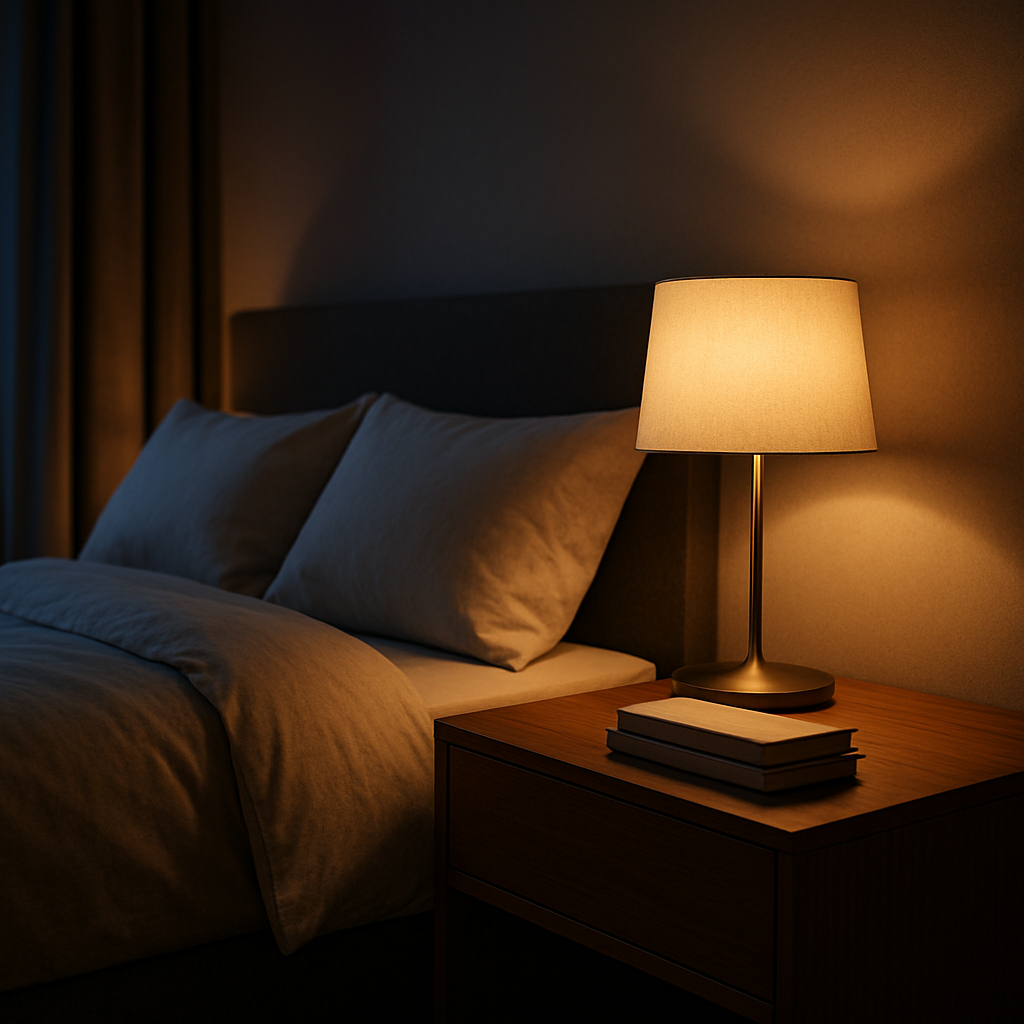
Top 5 Bedside Table Materials in 2026
When the night falls and you’re ready to unwind, your bedside table should feel like a quiet partner—supportive, stylish, and practically effortless. Choosing the right material can turn that simple surface into a statement of character and function. Let’s break down the five most popular options for 2026, and see how each one can fit your routine and your room’s vibe.
1. Solid Wood: Classic Warmth, Modern Twist
Solid wood—think walnut, oak, or mahogany—has a timeless appeal that feels both luxurious and grounded. The grain depth gives each piece a unique personality, and because it’s a natural material, you can refinish it if you want a fresh look down the line.
In practice, a solid‑wood bedside can hold a lamp, a book, and a small potted herb without looking cluttered. If you’re a fan of a cozy, traditional bedroom, this is the go‑to material.
Want to keep it contemporary? Layer a glass or metal lamp on top to add a sleek contrast. That subtle pop of metal can modernise a classic wooden nightstand in minutes.
Actionable Tip: Finish with a low‑VOC sealant to protect against spills and scratches while keeping your eco‑credentials high.
Question: Do you need a table that can grow with your décor? Solid wood’s durability means it can be sanded and re‑finished, so it’s a future‑proof choice for any homeowner who plans to upgrade over time.
2. Engineered Wood (Plywood & MDF): Budget Meets Style
Engineered wood is a smarter, lighter alternative that still looks great. It’s made from layered wood veneers, so it’s more stable than solid grain—no warping when the humidity changes.
Many of the new collection pieces use this material for a sleek, smooth finish that’s perfect for minimalist interiors. It also allows for bold shapes that might be difficult in solid timber.
For example, a thin‑legged, flat‑surface bedside made from engineered wood can look almost glassy, yet it’s surprisingly sturdy.
Actionable Step: Choose a furniture line that offers a recycled veneer option to keep your sustainability goals on track.
Could this be the material that blends with a glass lamp and a metal charging dock? Absolutely—because engineered wood can accommodate metal hardware without cracking.
3. Metal: Industrial Chic with Functional Flair
Stainless steel, aluminium, or brushed nickel frames bring an industrial edge to the bedroom. Metal is almost always lighter than wood, making it easier to move if you want to rearrange your space.
Its sleek lines pair well with a modern lamp and a minimalist book stack. A metal bedside can even double as a small shelf for a decorative vase.
Metal also resists moisture better than wood, so it’s a smart pick for bathrooms or humid climates.
Practical Hint: Opt for a powder‑coated finish for a long‑lasting, low‑maintenance surface.
Is the sleek look worth the weight? When you pair it with a floating design, the table feels almost weightless, creating that airy feel you’ve been after.
4. Glass: Lightness and a Modern Vibe
Glass bedside tables can make a small bedroom feel larger by reflecting light. A tempered glass top with a sturdy metal or wooden base gives you that contemporary aesthetic without sacrificing durability.
Because the surface is flat and smooth, you can slide a lamp or a stack of books onto it without any wobble. A glass table is also easy to wipe clean, which is great if you’re juggling a coffee mug or a smartphone.
However, glass can show scratches, so you’ll want to choose a darker tint if you’re worried about scuffs.
Step‑by‑Step: Layer the top with a protective laminate to keep it looking pristine longer.
Can a glass bedside match a rustic wooden bed? Yes—just pick a metal frame in a complementary finish, and the contrast will feel intentional rather than clashing.
5. Sustainable Composite: Bamboo & Recycled Plastics
Eco‑friendly composites such as bamboo or recycled plastic are gaining traction because they’re renewable and lightweight. Bamboo grows quickly and has a naturally high strength‑to‑weight ratio, making it a durable option that also looks sleek.
Recycled plastic composites can come in vibrant colours and unique textures, giving you a playful or high‑tech look. These materials are often water‑resistant, ideal for guests who love to bring a glass of wine to bed.
Because they’re low‑density, they’re easier to move, which is handy if you like to change up your layout seasonally.
Actionable Advice: Check the FSC or equivalent certification to ensure the bamboo source is responsibly managed.
Think about the long‑term environmental impact—choosing a composite table can reduce your carbon footprint while still delivering on style and function.
So, what’s the next step? Look at how each material aligns with your daily habits, the room’s scale, and your sustainability priorities. Once you’ve narrowed it down, you can pick the perfect bedside table that feels like a natural extension of your night‑time routine.
Our Pick: Harvey Bruce Bespoke Bedside Table
Bedside Tables may be small, but they carry big responsibilities. They anchor your nighttime routine, quietly holding a lamp, a water glass, and a stack of books. With Harvey Bruce Bespoke, you’re choosing more than a table, you're choosing a piece tailored to your life, your space, and your taste.
In our experience, the value of a bespoke bedside table isn’t just the finish. It’s the ability to size it exactly to your clearance, to pick a finish that harmonises with your wall colour, and to decide how much storage you truly need. No one-size-fits-all here, and that freedom is what makes this pick our top choice.
What sets Harvey Bruce apart is how every piece starts with you. The Bespoke Bedside Table is designed to your exact dimensions, with options for drawers or open shelves, and finishes that range from pale ash to deep, smoky walnut. You can mirror the wood grain in your headboard, or steer toward a contrasting surface that acts like a subtle sculpture beside the bed.
For a couple upgrading together, this is where the magic happens. Think about a compact double-drawer model with a hidden cable management channel, or a slender, floating side table that keeps the floor visually open. These aren’t just trends; they’re real-world solutions to clutter, wakeups, and late-night phone checks. And yes, it still feels luxurious, because it is.
Layout considerations matter. If your bed sits against a bold feature wall, a lighter finish will bounce light and keep the room airy. If your space is calm and minimal, a darker, matte finish can ground the scene without weighing it down. And if you’re decorating with a specific era in mind, Harvey Bruce can match that mood with a precise profile, the result is harmony, not competition.
To help you see the possibilities, we’ve found a few real-world setups that illustrate how this pick adapts. A classic oak bedside paired with a linen headboard reads timeless and approachable. A live-edge walnut table alongside a black metal lamp creates an edge-forged contrast that still feels inviting. A slim, drawer-forward model tucked beside a low platform bed delivers both storage and serenity. These show how a single piece can flex across styles and life stages.
Does this really work in a smaller room? Absolutely. The bespoke approach lets you dial the size and storage to fit, so your space doesn’t feel crowded, and you don’t have to compromise on luxury. If you’re unsure, start with a measured sketch of your bed’s footprint, note where outlets are, and discuss options with a Harvey Bruce designer. They’ll translate your measurements into a bedside table that’s practically built for your rhythm.
For broader trends in bedside design, see WoodEnsure’s roundup of top trending bedside table designs for living rooms. It highlights how solid wood, live-edge, and multifunctional options are shaping rooms today. Top trending bedside table designs for living rooms.
And if you’re weighing materials, WoodEnsure also discusses solid wood as a durable, timeless choice that pairs beautifully with classic and modern décors. solid wood side tables remain a staple in living spaces.
Comparison Table: Features, Cost, Durability
We’ve been chatting about how bedside tables can transform a room, so let’s cut through the noise with a quick cheat sheet. Think of this as the “pros & cons” you’ll want at arm’s reach when you’re eye‑balling options in the showroom or online.
What you’ll get from this section:
- A bite‑sized table that lines up the big selling points: style, price and how long it lasts.
- Real‑world cues so you can spot the best fit for a tight apartment or a sprawling manor.
- One handy link that pulls the latest market snapshot from an industry‑trusted source.
First up, the materials. Solid wood feels like a warm hug but can be pricier. Engineered wood is the budget hero that still looks good, while metal and glass give that sleek, modern edge but can feel fragile if you’re a heavy‑handed user.
Now let’s break it down in a table we can glance at in a second.
| Feature | Solid Wood | Engineered Wood | Metal/Glass |
|---|---|---|---|
| Price Range | £200‑£600 | £120‑£350 | £180‑£450 |
| Durability (years) | 20‑30+ | 10‑15 | 15‑25 |
| Maintenance | Oil/varnish every 2‑3 years | Clean with damp cloth; occasional seal | Wipe with microfiber; occasional polish |
| Style Flexibility | Classic, mid‑century, rustic | Modern, minimalist, industrial | Contemporary, loft, glass‑centric |
| Weight | Heavy, but stable | Lightweight, easy to move | Medium to heavy depending on metal type |
| Eco‑Score | High if FSC‑certified | Variable, depends on veneer source | Depends on metal recycling and glass origin |
Seeing those numbers side by side, do you feel more confident picking the right material? If you’re a fan of timeless grain, solid wood gives you that longevity you’ll be bragging about for decades.
On the flip side, if you’re living in a loft where you like to rearrange furniture as often as the Wi‑Fi password changes, engineered wood keeps your costs low and your style fresh.
Metal or glass? These are the go‑to choices when you want a statement that feels airy and ultra‑modern. Just remember that the glass top can show scratches, and the metal might creak if you’re not careful with the mounting.
We’re not just talking paint‑on‑paper. The Woodensure article on trending designs backs these observations with market data and real‑life case studies.
Bottom line: match the material to how often you move the piece, how much you’re willing to invest, and the vibe you want to anchor your room around. When you have those three anchors in place, the rest falls into place. Happy hunting!
Video: Setting Up Your New Bedside Table
Ready to give your bedroom that extra touch? Setting up a new bedside table is quicker than you think, and a few little moves can make all the difference, and instantly boost the room’s vibe.
First, choose a spot where the lamp sits comfortably – you don’t want it too far from the bed or hanging awkwardly. Measure your mattress width and add a few inches so the table doesn’t feel cramped. A quick cardboard cut‑out works wonders for a visual test.
Consider height next. Aim for a level that lets you reach a phone or book without straining. A floating style like our Floating Curved Chestnut keeps the floor airy.
Think about storage. A single drawer keeps nighttime essentials hidden yet within arm’s reach. Keep the design simple—too many compartments can feel cluttered.
Finally, add a splash of personality: a small plant, a photo frame, or a favorite candle. The little details make the table feel like a personal space, not just a piece of furniture, and the room feels warmer.
What’s your next step? Grab a tape measure, sketch a quick layout, and let the new bedside table turn the nightly ritual into a cozy moment.
Style Inspirations: Pairing Bedside Tables with Different Bedroom Themes
When you’re lining up a new nightstand, you’re not just picking a piece of furniture—you’re choosing a visual cue that whispers the room’s personality. The right bedside table can turn a bedroom into a quiet sanctuary or a bold statement piece. Let’s walk through how to match different tables with a range of themes, so you know exactly where each style shines.
1. Classic Elegance Meets Timeless Wood
Think warm, dark oak with a subtle grain. That’s the classic look that never goes out of style. Pair it with a traditional headboard, tufted linen sheets, and a softly lit brass lamp. The result? A room that feels like a refined country cottage. If you’re leaning toward this aesthetic, the London Bedside in deep walnut is a natural match. Its sturdy frame and single drawer keep essentials tidy, while the polished finish echoes the timeless wood tones of the room.
2. Sleek Modern Minimalist
For those who love clean lines, go with a floating or minimalist silhouette in light oak or white. The Floating Curved Chestnut, for instance, lifts the floor line and gives you a breath of air around the bed. Add a matte glass lamp and a stack of whitewashed books, and you’ve got a space that feels both airy and intentional. This style is perfect for studios or urban apartments where every inch counts.
3. Rustic Charm with Live‑Edge Accents
If your bedroom feels like a cozy retreat, live‑edge tables bring a natural, organic feel. Picture a table with raw edges, a hand‑finished finish, and a few warm, earthy tones. Place it next to a reclaimed‑wood headboard and add a small terracotta plant. The juxtaposition of rough timber and soft linens creates a relaxed vibe that feels handcrafted and personal.
4. Luxe Mid‑Century Modern
Mid‑century modern thrives on geometric shapes and warm tones. A table with a walnut top and chrome legs—think the Serene Collection Three Drawer—fits perfectly beside a low platform bed. Add a mustard‑yellow lamp and a geometric rug, and you’ve got a room that feels both nostalgic and fresh. The drawer design also offers hidden storage for your nighttime essentials.
5. Industrial Edge for the Bold
Metal frames, exposed bolts, and matte finishes create an urban feel. Pair a steel‑legged bedside with a black‑and‑white striped duvet and a minimalist LED lamp. This combination works well in lofts or loft‑style homes where exposed brick and raw surfaces are part of the décor.
6. Bright and Cheerful with Light Finishes
Light‑coloured wood or even a pastel finish can brighten a bedroom. Pair a pastel‑painted bedside with a crisp white duvet and a pair of glass vases. The light table reflects the natural light, making the space feel open and airy. This style is especially effective in smaller rooms where you want to avoid visual weight.
Now, you might wonder: how do I decide which style fits my space? Start by taking a quick walk around your room. Look at the wall colours, the bedding, and the lighting. Ask yourself: What mood do I want to set when I walk in? If you crave warmth, go classic. If you want a fresh, uncluttered feel, choose a modern minimalist table. And if you love a touch of nature, live‑edge is the way to go.
Remember, the table isn’t just a surface—it’s a statement that can tie the whole room together. Don’t be afraid to mix textures: a metal frame with a wooden top, or a glass top on a stone base. The key is to keep the scale balanced and the proportion harmonious with your bed and headboard.
When you’re ready to buy, think about the practical side too: a single drawer keeps phones and reading glasses out of sight, while open surfaces are great for a lamp and a glass of water. And if you’re leaning toward sustainable materials, look for FSC‑certified wood or recycled composites—Harvey Bruce’s bespoke range offers both style and a reduced environmental footprint.
So, what’s the next step? Sketch a quick layout, decide on the mood you want, and pick a table that feels like it belongs. Once you place the right bedside table, the rest of the room will follow—creating a space that feels curated, cosy, and truly yours.
Frequently Asked Questions
1. What materials should I look for in a durable bedside table?
When you’re hunting for a piece that will stay looking sharp for years, solid wood is usually the champion. Oak, walnut, and maple bring natural grain and strength that can resist everyday bumps. If you need something lighter, engineered wood with a high‑density veneer keeps the look of timber while cutting down on cost and weight. And if sustainability matters, choose FSC‑certified options—they guarantee responsible sourcing without sacrificing durability.
2. How often should I clean and maintain my bedside table?
A quick wipe‑down once a week keeps dust and fingerprints at bay. For deeper cleaning, use a mild, non‑abrasive cleaner and a soft cloth on the surface, and dry it immediately to avoid water marks. Every few months, check drawer slides or tracks—clean them with a dry cloth and a drop of silicone spray if they’re metal. This routine keeps the table looking fresh and functional for a long time.
3. What’s the best way to protect a wooden bedside table from scratches and spills?
Use coasters and felt pads under cups and dishes to guard against rings and scuffs. When you spill something, blot it right away with a towel; avoid rubbing, which can push liquid deeper into the wood. For accidental scratches, a light dusting of olive oil or a commercial wood polish can fill tiny gouges and restore shine. Regularly applying a thin layer of wax also builds a protective barrier.
4. Can I paint or refinish a wooden bedside table myself?
Yes—if you’re handy, a fresh coat of primer followed by a low‑VOC finish can breathe new life into an old table. Start by sanding lightly to open the grain, then wipe away dust. Apply two coats of finish, sanding lightly between them, and let it cure for at least 24 hours before use. This DIY touch lets you match the table to a new colour palette in your bedroom.
5. How do I choose the right drawer size for my nightly essentials?
Think of the items you keep most often: phone, charger, glasses, a small book. A single, shallow drawer works well for daily essentials, while a deeper second drawer can hold notebooks or a small alarm clock. If you have a lot of accessories, consider a three‑drawer model, but remember that larger drawers can be heavier and require sturdier slides. Tailor the size to your habits, not just the bed’s dimensions.
6. What should I do if a drawer starts sticking or squeaking?
First, remove the drawer and vacuum or wipe away any dust from the tracks. For wooden runs, lightly rub a soft cloth with a bit of wax to reduce friction. If the drawer uses metal slides, a thin coat of silicone spray can silence squeaks. Tighten any loose screws on the drawer frame, and realign the drawer if it’s skewed. A quick fix restores smooth operation without a trip to a carpenter.
7. Is it worth investing in a bedside table that matches my headboard?
Matching finishes can create a cohesive look that feels intentional, but it’s not mandatory. A contrasting colour can add visual interest and highlight the table as a focal point. The key is balance: choose a finish that complements the wall colour and bedding, so the table feels like a natural part of the room rather than an afterthought. Either way, a well‑chosen surface will serve as a reliable anchor for your nightly rituals.
Conclusion
First off, you’ve just mapped out the whole journey of choosing the right bedside table for your sanctuary. Now it’s time to lock in the feel, not the price tag.
Think about the last time you reached for your phone in the middle of the night. The table should feel like an extension of your rhythm, not a chore. If it’s a single drawer you love, keep the pull smooth and the handle low. If it’s a floating model, a sturdy leg frame keeps the weight steady.
In 2026, the trend is all about sustainable wood and bespoke finishes. A piece that’s built to last means you’ll be passing it down for decades, and that’s a real luxury you don’t need to replace every few years.
So, what’s the next step? Grab a ruler, sketch a quick layout, and picture the light spilling over that lamp or the soft curve of a book. That visual check is the quickest way to confirm the size and style fit your space.
When you’re ready to make a move, remember that a bedside table isn’t just furniture—it’s a small ritual that sets the tone for your whole night. Treat it like you would a favourite coffee mug: choose the one that feels right, and let it become part of your nightly story.
If you’re still torn between a classic oak and a sleek metal frame, ask yourself where you want the table to echo. A warm grain will soften a crisp white bedding set, while a brushed nickel gives a hint of industrial edge that can make the whole room feel alive.
At the end of the day, it’s about that quiet comfort that wakes you up feeling refreshed. The right bedside table should be the first thing you smile at when you walk into your room each morning.
Read more
how to style open shelves in kitchen: practical tips for a beautiful space
Posted by Harvey Bruce on
Read more
How to Decorate Shelves in Living Room: A Step‑by‑Step Guide
Posted by Harvey Bruce on
Read more
Eco Friendly Home Accessories: Creative Ideas for Sustainable Living Spaces
Posted by Harvey Bruce on
Read more
How to Choose Rug Color for Living Room: A Practical Design Guide
Posted by Harvey Bruce on
Read more
How to Style a Marble Coffee Table: Creative Ideas for a Bespoke Look
Posted by Harvey Bruce on
Read more
How to Style a Coffee Table: Fresh Ideas for Every Home
Posted by Derek Lamb on
Read more
How to Style a Console Table: Creative Ideas for Every Home
Posted by Derek Lamb on
Read more
Choosing the Perfect Occasional Tables for 2026: A Homeowner’s Review
Posted by Admin on
Read more
The Best Dressing Tables for a Glamorous Make‑Up Routine
Posted by Admin on
Read more
Choosing Console Tables: A Practical Review for Modern Homes
Posted by Admin on
Read more
Visit our showroom
G4 Williamsons Garden Centre
17 Houston mains holdings
Uphall, West Lothian
EH526PA
Free Parking, wheelchair/buggy friendly.
Get directions
Follow us on social media